Dijon Self-Guided Walking Tour: The Owl's Trail Route
Plan a Dijon self-guided walk on the Parcours de la Chouette: a 22-stop historic-centre loop, three extra loops, and how to split it across a weekend.
On this page
The simplest self-guided walking tour in Dijon is the Parcours de la Chouette, a 22-stop circuit through the historic centre marked out by the city's owl symbol. It works without a guide because the route is numbered and the booklet explains each stage, so you set your own pace and stop where you like.
Since 2011 the trail has grown by three loops adding 15 further stages, pushing beyond the old centre into the Jean-Jacques Rousseau district and the Zola district, and out to the Puits de Moïse and the Chartreuse de Champmol. That gives you a genuine choice: the compact core loop for a half-day, or the full set spread over a weekend.
What the Parcours de la Chouette is and why it suits a self-guided walk
The Parcours de la Chouette is a discovery trail rather than a single sight. Its traditional version runs to 22 stops through the historic centre, inviting walkers to read the city's history through its streets and buildings as much as through its monuments.
For a self-guided walk that structure does the hard work for you. The stops are fixed and described, so you are never guessing which corner matters, and you can skip a stage or linger at one without disrupting anyone else's day. If you want the wider shortlist of sights before you start, our guide to things to do in Dijon gives the context the trail assumes.
Where to start: picking up the trail booklet
Start at a Dijon tourist office reception point, where the trail booklet is sold. It is a paid item rather than a free leaflet, so budget for it alongside your other small costs and pick it up before you begin rather than halfway round.
The tourist office also publishes map and access information for getting around the city, which is useful for locating the reception points and orientating yourself before you set off.
How the route is laid out: the 22-stop historic-centre loop
The core route is a loop, not a straight line, and it stays within the historic centre. That matters for planning: you finish near where you started, so you can begin from your morning coffee and end at a museum or a late lunch without retracing the whole circuit. Broader orientation for the old streets is covered in our Dijon old town guide if you want to know the quarters before you walk them.
Treat the numbered stops as anchors rather than a rigid schedule. The trail is designed so that the walk itself, the streets and squares between stops, carries as much of the experience as the marked points.
Walking order and pace: splitting the loop across a day
Walk the core loop in one continuous stretch if you have a free morning, following the stops in order so the narrative makes sense. If you would rather not spend the whole day on your feet, break it at a natural pause, take a long lunch, and pick up the remaining stops afterwards.
The trail rewards a slower rhythm than a checklist. Fewer stops with proper looks at the facades, courtyards and church interiors beat racing to complete all 22 before dinner. Plan your meal break around the walk rather than the other way round, and our pick of the best restaurants in Dijon helps you choose where to sit down.
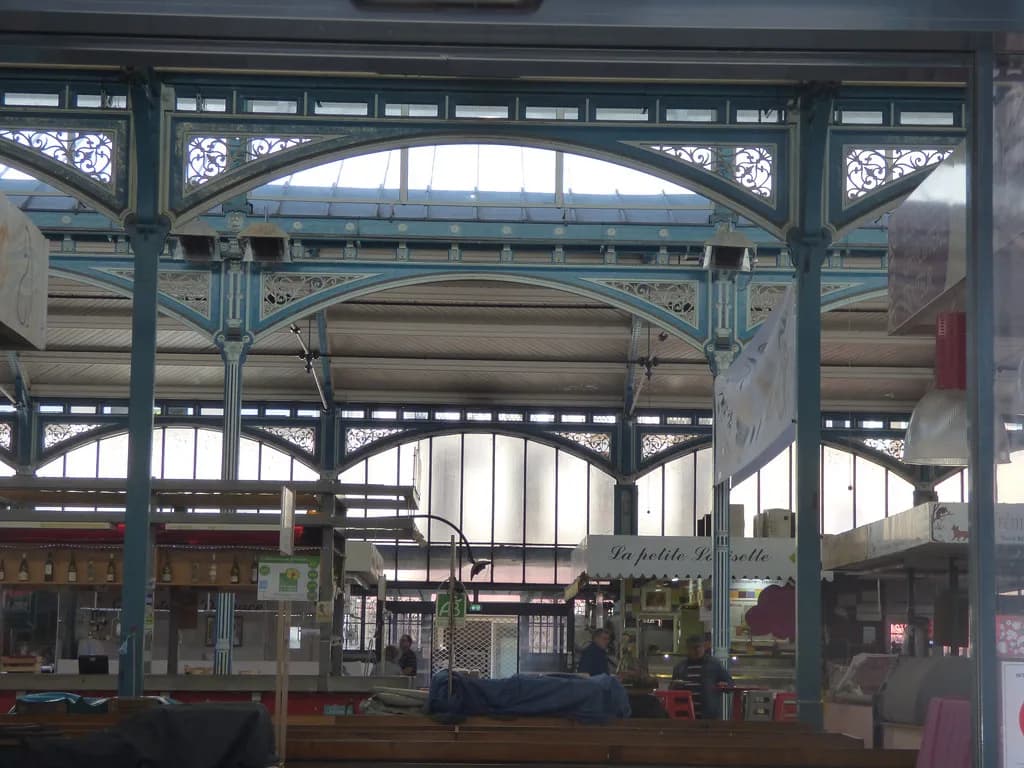
If a market morning falls on your visit, the walk pairs well with it: shop or browse first, then walk the loop with the rest of the day ahead of you. Our guide to the markets in Dijon sets out which days they run.
Stop highlights to look out for on the owl-marked pavement route
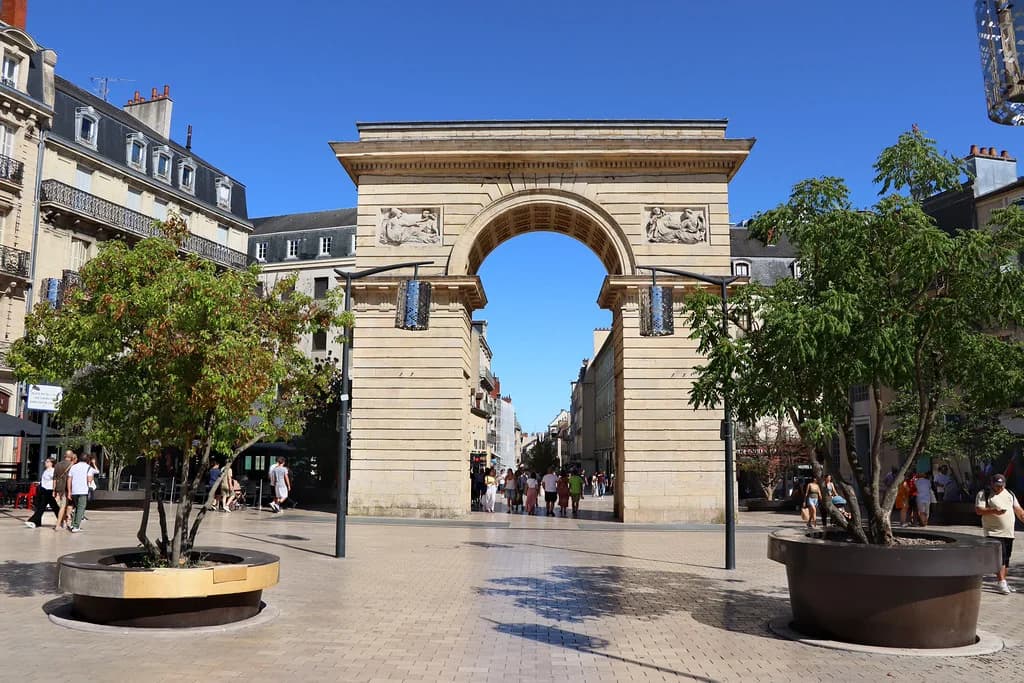
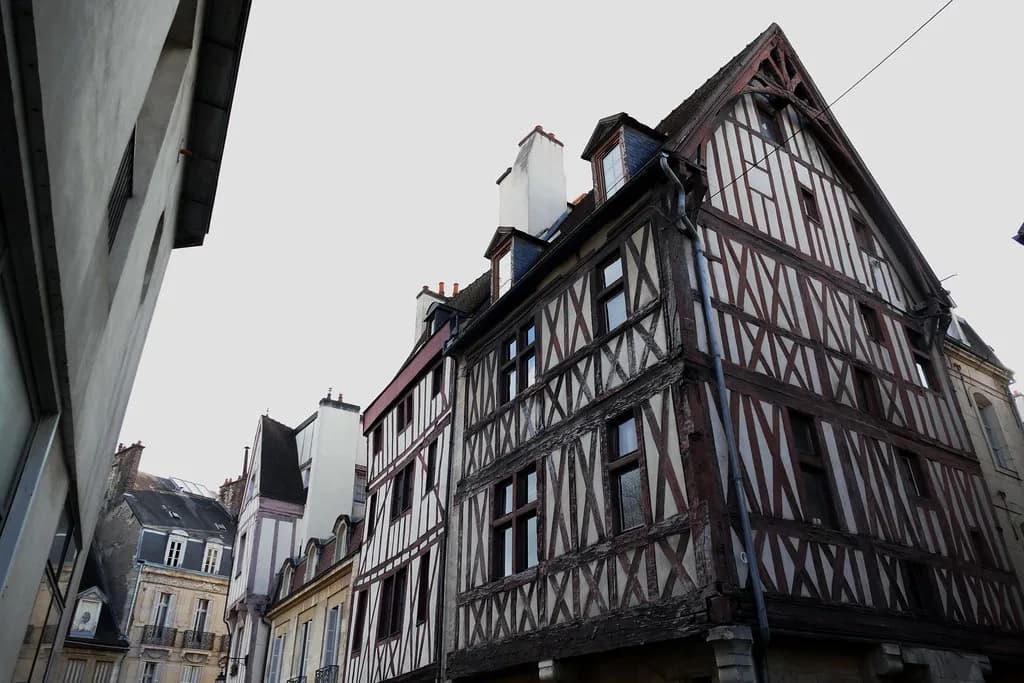
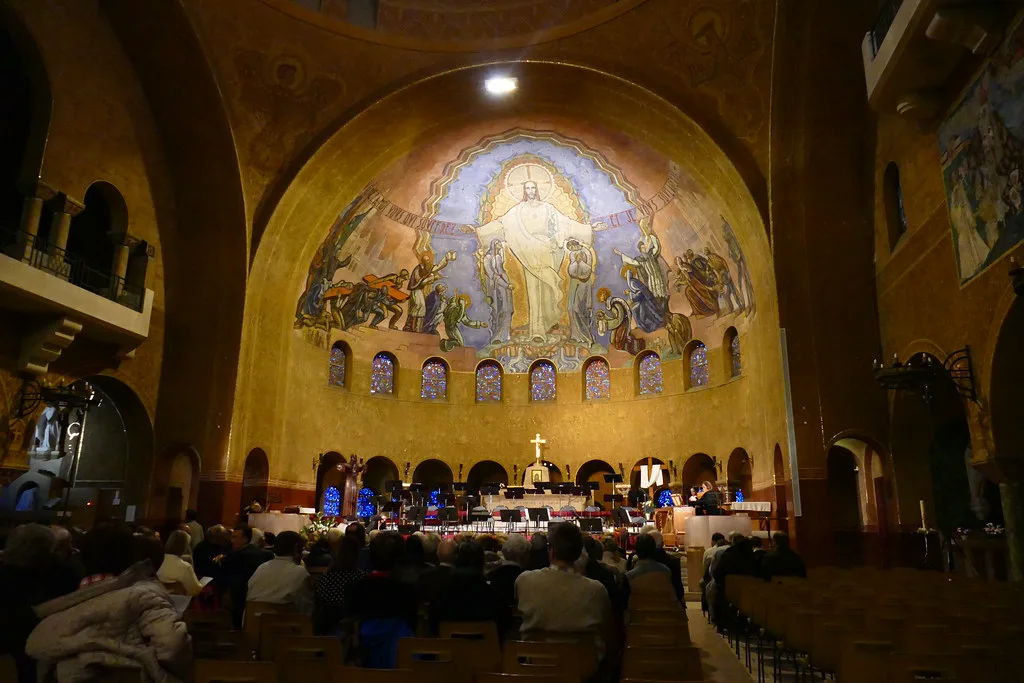
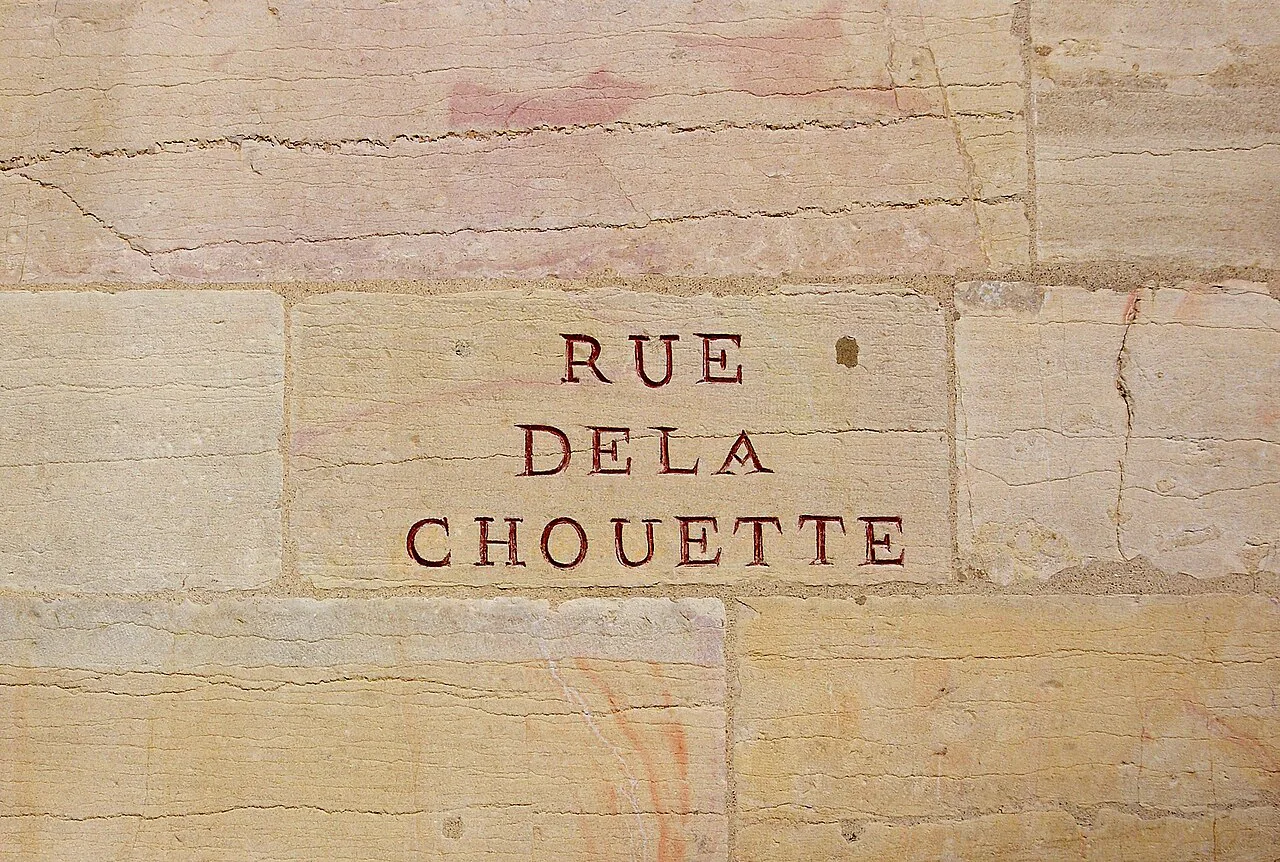
The owl markers set into the pavement are your cue to look up and around, not just down. Each numbered stop points you at a building, a square or a detail that is easy to walk past, from carved facades to church interiors, and the booklet explains what you are seeing. The companion guide to Dijon attractions covers the headline sights the trail passes.
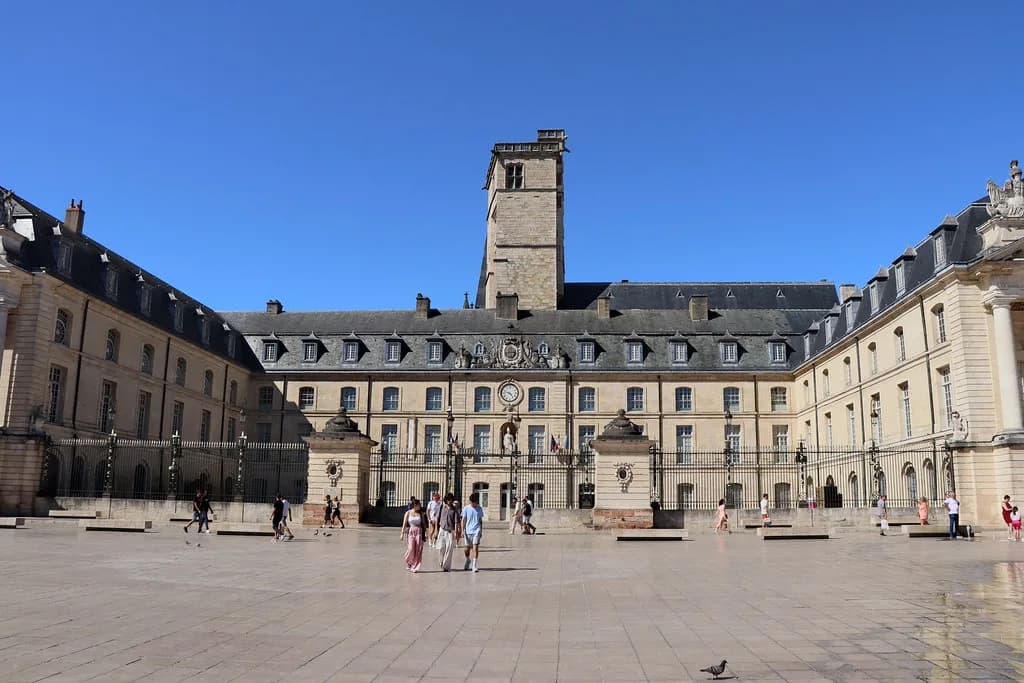
Because the route runs through the historic centre, the Palace of the Dukes of Burgundy and the surrounding streets sit naturally within the circuit rather than requiring a separate trip. Read the trail booklet as you go: it turns a pleasant stroll into a guided tour without a guide.
The three extra loops added since 2011
The extensions are what separate a half-day stroll from a full weekend of walking. Three loops were added from 2011, contributing 15 additional stages: one through the Jean-Jacques Rousseau district, one through the Zola district, and one giving access to the Puits de Moïse and the Chartreuse de Champmol.
The Chartreuse de Champmol and Puits de Moïse loop is the one that visibly changes the geography of your day, because it leads you out of the old centre rather than around it. The two district loops are gentler additions, useful if you have already walked the core route and want new streets rather than a repeat.
Set expectations honestly: these are extra stages on the same trail, not a second independent attraction. If your time in Dijon is short, the historic-centre loop is the one to prioritise.
Choosing between the core loop and the full set of loops for a weekend
For a two-night break, the historic-centre loop is the sensible default. It fits into a morning or an afternoon, leaves room for a museum or a long lunch, and keeps you close to the centre if the weather turns.
Add one extension loop on a second day if you have already covered the core and want to see a different side of the city. Walking all four in one go is possible but turns a pleasure into a march, and the district loops are best appreciated when you are not counting stops. If you are still deciding whether Dijon deserves the trip at all, our honest weekend verdict on whether Dijon is worth visiting sets out what a short break actually delivers. Nearby Burgundy rewards the same approach, and our guide to things to do in Beaune covers another compact historic centre worth a second day.
Doing it without the booklet: using the tourist office map
The walk is still workable if you skip the booklet, though you lose the explanations that make each stop meaningful. The tourist office map and access information helps you find the reception points and fix the historic centre in your head before you start walking.
What you cannot do without the booklet is reconstruct the order of the stages reliably, so treat it as the core of the experience rather than an optional extra. Buy it at the start of your trip, not the end.
Practical rhythm: pairing the walk with a museum or market stop
The trail is best treated as one component of a day, not the whole of it. Walk a section in the morning, stop for lunch, then spend the afternoon in a museum or browsing a market, so the walking stays fresh and the day has variety.
Carry water and wear shoes you can walk in for a few hours, since the loop covers the old streets on foot and cobbles are part of the deal. Keep the booklet with you rather than in a bag at the hotel; you will want it at each stop.
Where the walk fits in a two-day Dijon weekend
On a two-day trip, give the core loop the first morning while you are fresh and the streets are quiet, then use the afternoon for a museum or a market and an unhurried dinner. Keep the second day for one extension loop or a slower revisit of the parts of the centre you liked most.
If you only have a day, walk the 22-stop centre loop and stop there. The extensions are worth saving for a return visit rather than squeezing in at the expense of lunch.
Plan Your Visit
The Parcours de la Chouette is the most straightforward way to see Dijon on foot: buy the booklet at a tourist office reception point, follow the owl markers through the historic centre, and add an extension loop only if you have the time.
Confirm the current reception-point locations and any seasonal changes to tourist office opening before you travel, then build the rest of your weekend around the walk rather than the other way round.
Explore more Dijon guides
Frequently Asked Questions
What is the Dijon Owl Trail and where does it go?
The Parcours de la Chouette, known in English as the Owl Trail, is a marked discovery route through Dijon's historic centre. The traditional version has 22 stops, and since 2011 three further loops have added 15 stages covering the Jean-Jacques Rousseau district, the Zola district, and access to the Puits de Moïse and the Chartreuse de Champmol.
How many stops are on the Parcours de la Chouette?
The classic route through the historic centre has 22 stops. The three extension loops added since 2011 contribute a further 15 stages, so the full trail is considerably longer than the core circuit. Most weekenders do the 22-stop centre loop and add one extension if time allows.
Do you need a booklet for the Dijon self-guided walking tour?
You can follow the owl markers without one, but the booklet explains what each stop shows you, and without it the order of the stages is hard to reconstruct. It is sold at Dijon tourist office reception points, so pick it up at the start of your trip rather than midway through the walk.
Where can you get the Owl Trail booklet in Dijon?
The booklet is sold at Dijon Tourist Office reception points. The tourist office also publishes map and access information for the city, which helps you find the reception points and get your bearings in the historic centre before you set off.
How long does the Dijon historic centre walk take?
Allow a morning or an afternoon for the 22-stop historic-centre loop, with a proper pause rather than a rushed finish. The three extension loops add substantially more walking, so plan them as a separate half-day rather than bolting them onto the core route.
What are the extra loops on the Parcours de la Chouette?
Three loops added since 2011 cover the Jean-Jacques Rousseau district, the Zola district, and access to the Puits de Moïse and the Chartreuse de Champmol. The last of these takes you beyond the old centre, so it changes the shape of your day more than the two district walks.
Is the Dijon walking tour doable in a weekend?
Yes. The core 22-stop loop fits comfortably into a two-day break alongside a museum or market visit, and you can add a single extension loop on the second day if you want more. Walking all four loops in one trip is possible but leaves little room for anything else.
Sources
Notes for French city breaks
Optional updates to our guides.
You might also like
Continue reading
More guides you'll find useful