Is Chartres Worth Visiting? A Short-Break Guide
Yes, Chartres is worth visiting if a Gothic cathedral, 13th-century stained glass and steep old streets appeal. Here is what fills a day and who should skip it.
On this page
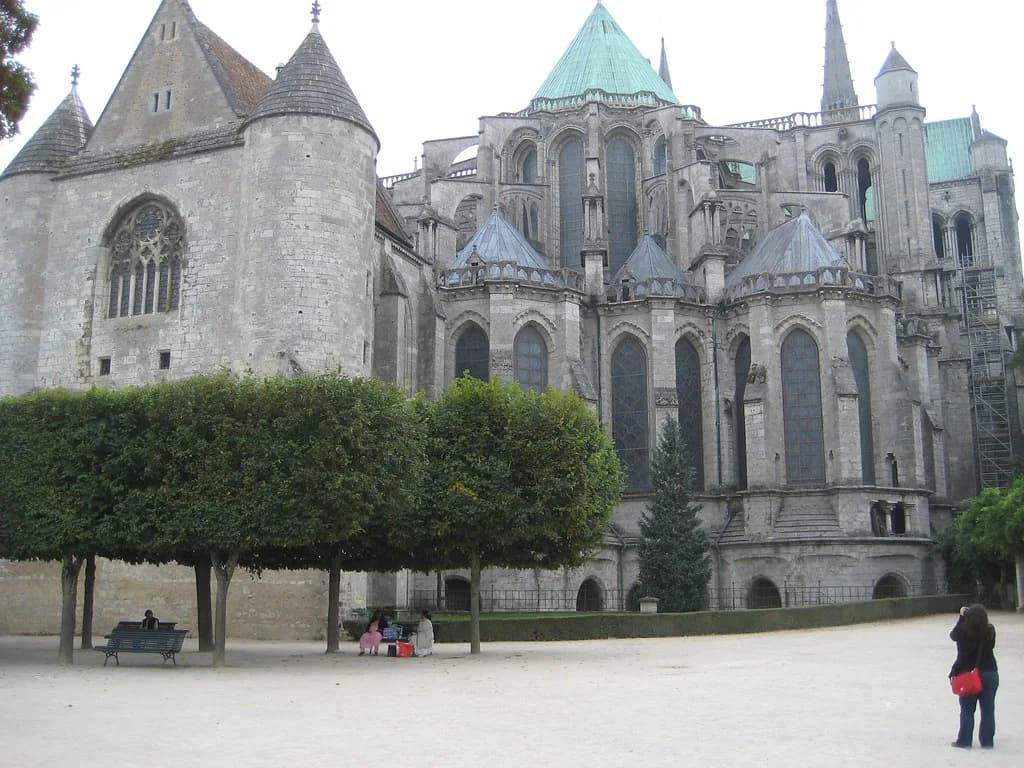
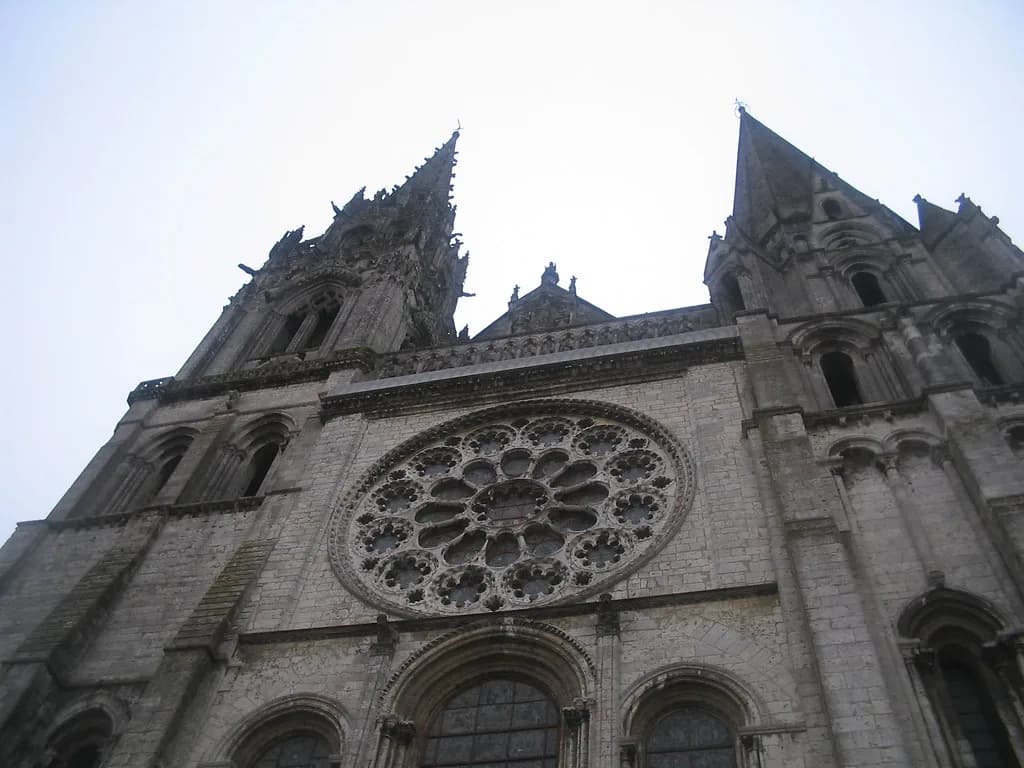
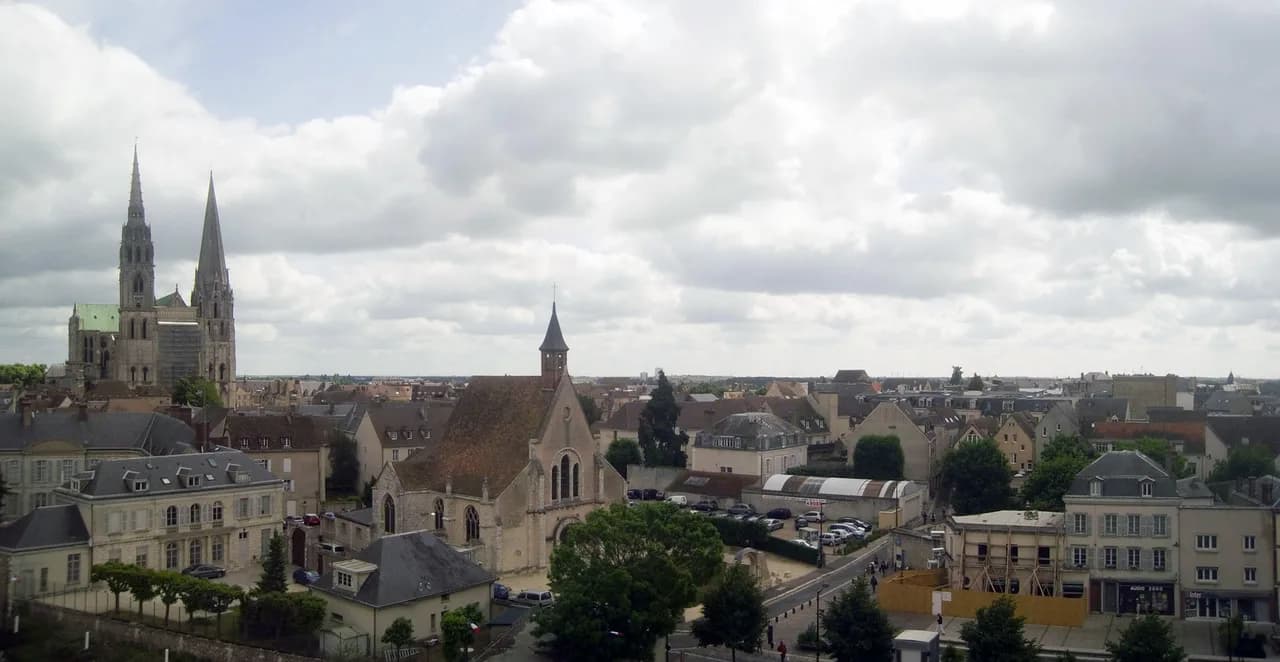
Yes, Chartres is worth visiting if you want one defining sight done properly rather than a checklist of museums. The Cathédrale Notre-Dame de Chartres is a UNESCO World Heritage site, and its two spires crown a city that slopes down to the banks of the Eure.
Where the trip divides is temperament. If 13th-century glass, a 272-slab labyrinth set into the nave floor and half-timbered streets sound like a good day, Chartres delivers; if you want big-city energy or a weekend packed with separate attractions, one day will feel like enough.
Is Chartres worth visiting? The short answer
Chartres is a one-monument city in the best sense: the cathedral is the reason to come, and everything else orbits it. The building has survived fires, revolution and two world wars, and the glass inside is largely original 13th-century work.
That concentration is the honest trade-off. You are not choosing between Chartres and a week in a regional capital; you are choosing whether a Gothic cathedral, a stained-glass centre and steep medieval lanes add up to a satisfying day or two. For most short-break travellers they do, provided you build the day around the cathedral rather than expecting it to be one stop among many.
What the cathedral alone gives you: crypt, north tower and the 272-slab labyrinth
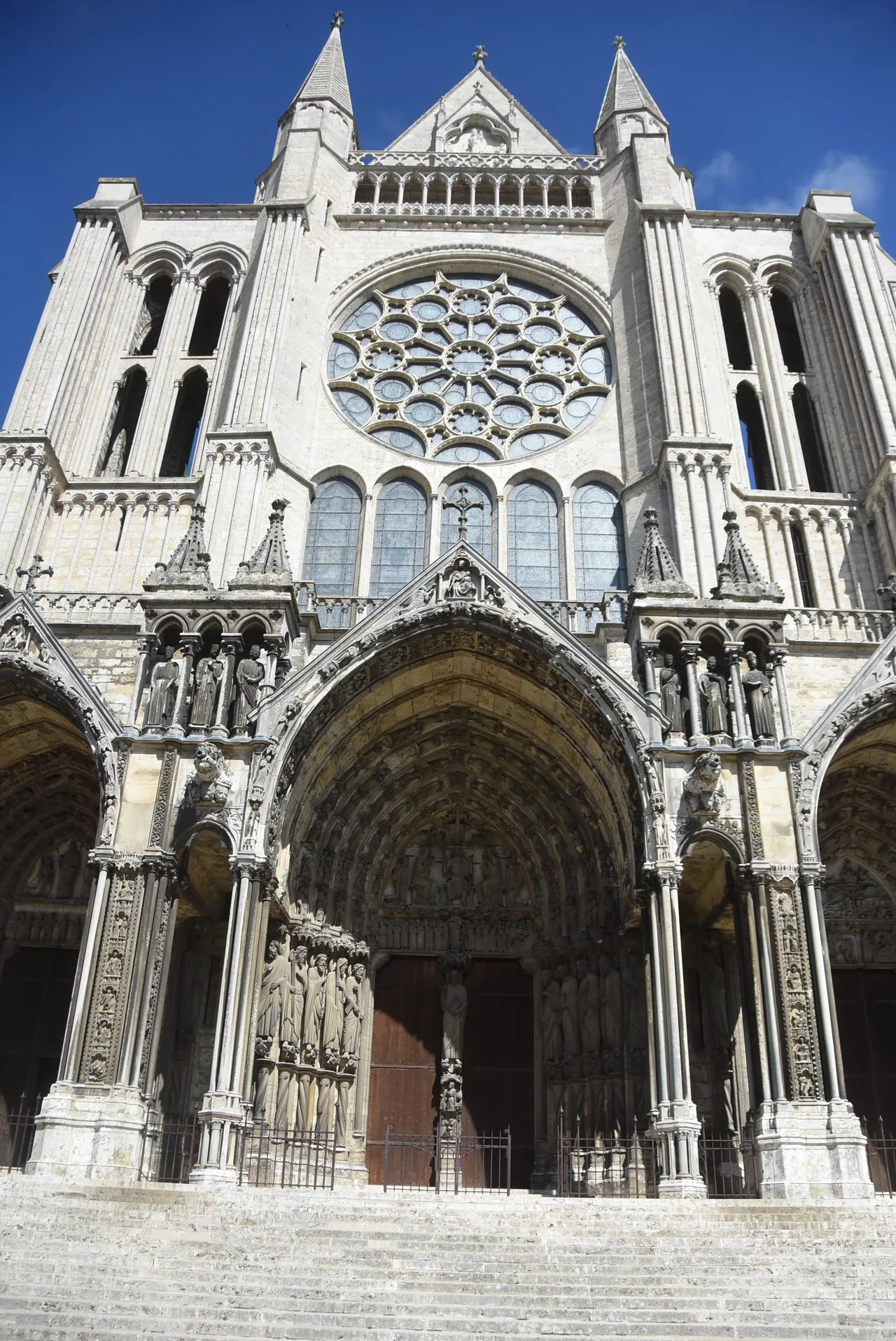
Plan the cathedral as a visit in three layers. You can go from the crypt up to the top of the north tower, which stands 60 metres high, so the tower climb is the part that rewards clear weather and a head for stairs. Inside, the nave floor holds a labyrinth of 272 white slabs, an unusual survival in a French cathedral.
Treat the labyrinth as something to look at rather than something you can assume you may walk; access to the floor is managed by the cathedral, so ask there or on its own website before you build a visit around it. The practical point is that the cathedral can absorb an hour or half a day depending on how much of the tower and crypt you take on.
Chartres blue: the cathedral windows and the International Stained Glass Centre
The windows are the second reason the cathedral justifies the trip. Their intense blue, known as Chartres blue, is the signature of the building, and most of the glass dates to the 13th century.
If glass is your interest, the city extends the cathedral visit rather than repeating it. The International Stained Glass Centre explains how the windows were made, and you can watch master glassmakers at work in the studios of Atelier Loire and Atelier Picol, with introductory workshops available for those who want to try the craft. That programme turns a cathedral stop into half a day of its own.
The old quarter on foot: half-timbered Maison du Saumon, sloping streets and the Eure bridges
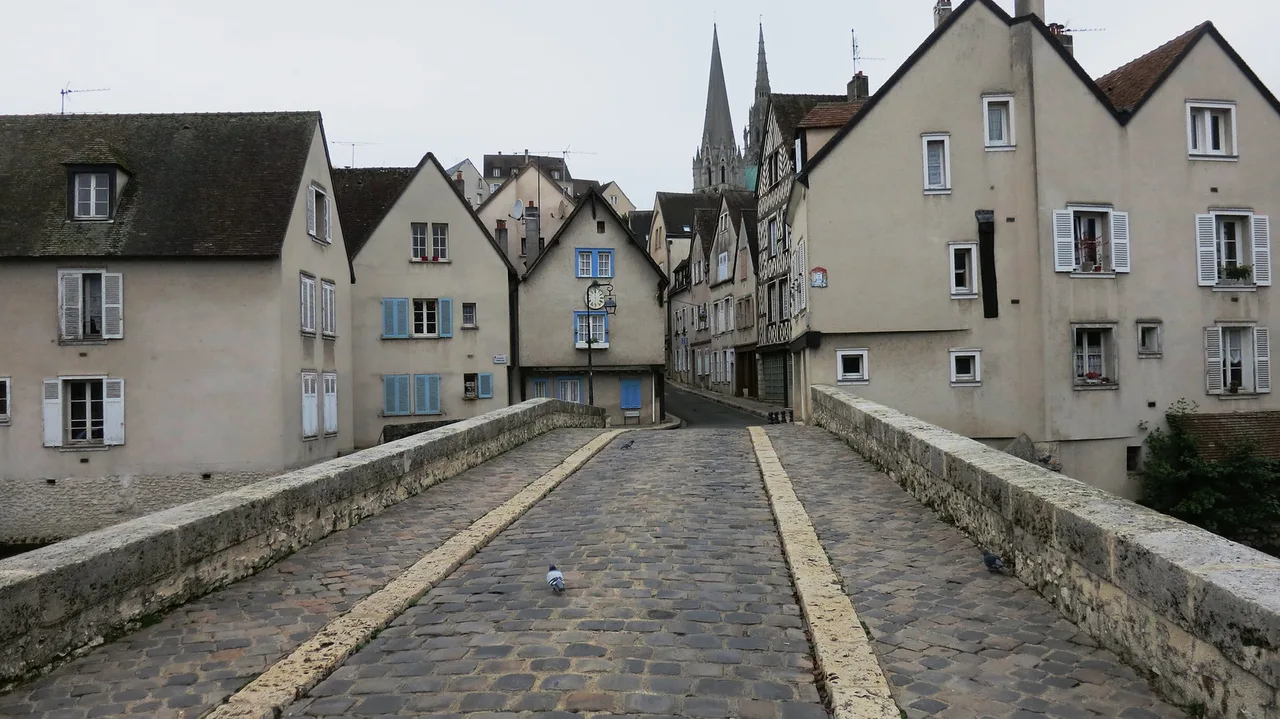
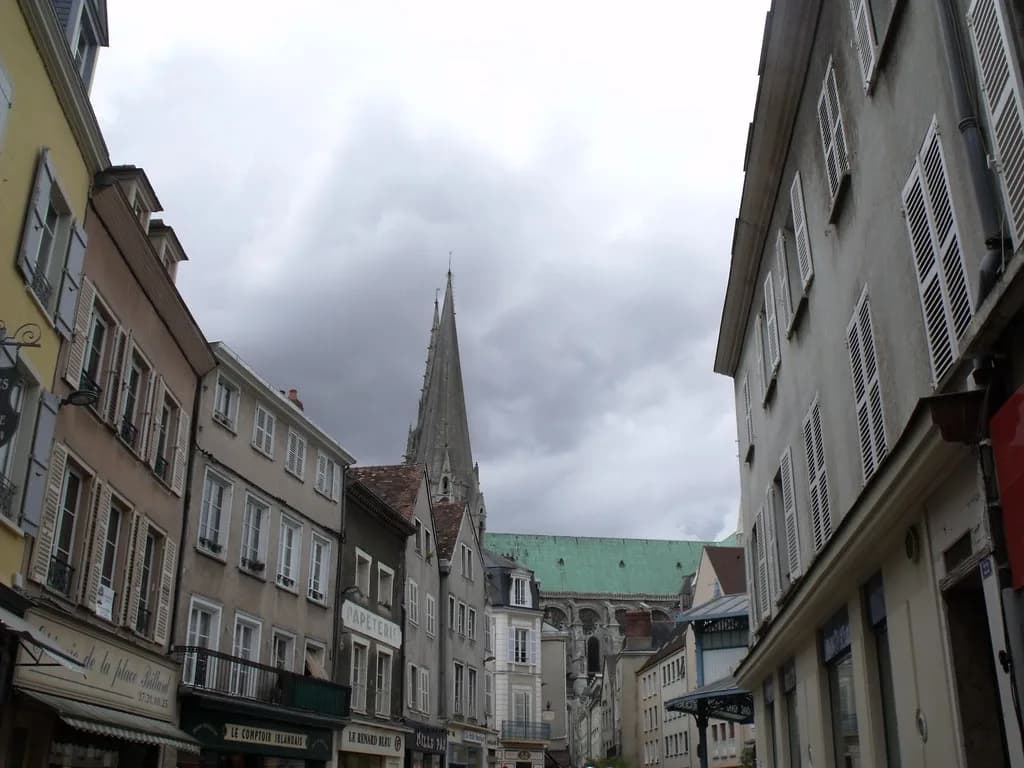
The old district is where Chartres becomes a place to wander rather than a monument to tick off. Streets and passages slope between the top and bottom of the city, and the Maison du Saumon, a 16th-century half-timbered house, is the architectural detail most worth seeking out. Below, bridges and walkways cross the Eure past mills and old washing places.
Gardens break up the walking: the Bishop's Palace gardens, the horticultural gardens, the gardens of Sakurai and the medieval garden of the Saint-André collegiate church each give you a reason to slow down. In summer, La Petite Venise is a lively open-air cafe in the centre and the starting point for river trips by pedalo or canoe.
Maison Picassiette: the mosaic house that decides the trip for some visitors
La Maison Picassiette is the second attraction that changes the shape of a Chartres day. Raymond Isidore, a self-taught artist, covered the house inside and out, floor to ceiling, in faience and porcelain, down to the bed and the sewing machine.
It is a detour from the cathedral quarter rather than a stop on the same walk, so decide early whether it is for you. Visitors who love outsider art and mosaic put it near the top of the trip; those who came purely for Gothic architecture can reasonably leave it out and spend the time on the old streets instead.
How the city is laid out: station, upper town, lower town and the climb between them
Chartres works on two levels, and the climb between them shapes how you pace the day. The station sits below, the cathedral and old quarter sit above, and the walk up to the old town is short but uphill, which matters if you are carrying bags or travelling with someone who finds stairs hard.
Because the centre is compact, you can walk between the cathedral, the Eure and the old lanes without transport, and a map from the tourist office will help you link them in a sensible order. Build the day downhill where you can: cathedral and old quarter first, then the river and gardens on the way back towards the station.
How many days Chartres needs: a day trip versus an overnight
One full day covers the cathedral properly, a wander through the old quarter and the Eure bridges, and either the stained-glass centre or the Maison Picassiette. Squeezing in all three is possible but leaves little time to sit in a garden or take a river trip, which is much of the city's charm.
An overnight earns its keep if you want the cathedral early or late without a train to catch, or if you are in the city during the summer lighting season. Two days also lets you split the glass and the mosaic house across separate mornings. Beyond that, Chartres runs thin as a base unless you plan to use it for the wider region.
A realistic one-day plan and a slower two-day version
For a single day, start at the cathedral and take the tower and crypt if the weather is clear, then walk the old district for the Maison du Saumon and the half-timbered streets. After lunch, choose between the International Stained Glass Centre and the Maison Picassiette rather than attempting both, and finish along the Eure with the gardens and washing places.
With two days, give the cathedral a morning of its own, add a glassmaking studio visit or an introductory workshop, and keep the afternoon for the mosaic house and the lower town. The slower version also leaves room for La Petite Venise and a pedalo or canoe on the Eure in summer, and for the stained-glass studios without rushing.
Chartres en Lumières: summer evenings and what changes
In summer, Chartres illuminates around 20 monuments and locations across the city, projecting colour onto the architecture, and walking the route after dark is the best reason to stay the night.
Treat the illuminations as an evening bonus rather than the purpose of the trip. The city publishes the season's programme, so check which nights are running and which buildings are included on the official Chartres site before you plan an overnight around it.
Who will love Chartres and who should give it a miss
Chartres suits travellers who are happy to spend a serious block of time in one building, who like stained glass and craft, and who enjoy walking steep medieval streets without needing a bar or a gallery at every corner. It also works well for a solo day out: the centre is compact and easy to navigate on foot.
Give it a miss if you want a weekend of headline sights, a lively restaurant scene or a city that keeps going after dark. In that case a larger French city will serve you better; if you are weighing up other options, our verdict on whether Annecy is worth visiting follows the same logic of matching a place to the kind of break you actually want.
Getting there and the trade-offs of a day trip from Paris
Chartres is reached by train from Paris Montparnasse, with the station a short walk below the old town. The journey is straightforward enough to make a day trip realistic, but check current timetables and fares with SNCF rather than planning around an assumed frequency.
The trade-off of a day trip is time of day: you get the cathedral at its busiest and lose the evening illuminations. Staying over costs more and commits you to a quieter city after dark, but it buys the early-morning and late-evening versions of the same streets, which is where Chartres is at its best.
Verdict: book it as a day trip or a weekend base?
Book Chartres as a day trip if the cathedral and glass are the draw, and as a single overnight if you want the illuminations or a slower pace through the old quarter. It is a poor fit as a multi-day base unless the surrounding region is the point of the trip.
For a weekend or short break in a French city beyond Paris, Chartres earns a place as a focused, walkable destination with one exceptional sight at its centre. Go for the glass, the climb and the river, and you will not feel short-changed.
Plan Your Visit
Decide first what kind of break you want: a single absorbing day around a Gothic cathedral, or a slower overnight with the Eure, the mosaic house and a summer evening of light. Chartres rewards the first and comfortably handles the second, but it will not fill a long weekend on its own.
Explore more Chartres guides
Frequently Asked Questions
Is Chartres worth visiting for a day?
Yes, if the cathedral is your priority. A day covers the Cathédrale Notre-Dame de Chartres, including the north tower and crypt, a walk through the old quarter, and either the International Stained Glass Centre or the Maison Picassiette. Trying to do both of those extras plus the river and gardens makes for a rushed day.
Is Chartres worth a weekend?
An overnight works well if you want the cathedral without a train to catch, time in the stained-glass studios and a slower walk along the Eure. In summer the evening illuminations give the stay a centrepiece. Two nights is ample; beyond that, the city's headline sights are largely used up.
What is there to do in Chartres besides the cathedral?
The International Stained Glass Centre, the studios of Atelier Loire and Atelier Picol, the Maison Picassiette covered in mosaic by Raymond Isidore, the half-timbered Maison du Saumon, the gardens and the bridges and washing places along the Eure. In summer, La Petite Venise runs pedalo and canoe trips from the centre.
Can you walk the labyrinth at Chartres?
The nave floor of the cathedral contains a labyrinth of 272 white slabs, which visitors can see. Whether the floor is open for walking depends on the cathedral's own arrangements, so ask there or check its website rather than planning the day around walking it.
Is Chartres nice?
It is compact, elegant and easy to walk, with a UNESCO-listed cathedral at its centre and a medieval old quarter that slopes down to the Eure. It is quiet rather than lively, and the streets between the station and the old town climb, which is worth knowing if mobility is a concern.
How far is Chartres from Paris and how do you get there?
The train leaves from Paris Montparnasse and arrives at Chartres station, a short uphill walk from the old town and cathedral. Check current timetables and fares.
How many days do you need in Chartres?
One full day handles the cathedral, the old quarter and one of the glass centre or the Maison Picassiette. Add a second day if you want the studios, the river and the gardens without rushing, or if you plan to stay for a summer evening of illuminations.
Is Chartres good in summer?
Summer is when the city illuminates around 20 monuments and locations, which is the strongest reason to stay overnight, and when La Petite Venise offers river trips on the Eure. Check the season's programme and running nights on the official site before booking around it.
Sources
Notes for French city breaks
Optional updates to our guides.
You might also like
Continue reading
More guides you'll find useful