Chartres Old Town: A Walking Guide to the Historic Centre
Plan a wander through Chartres old town: the cathedral, the Eure riverbanks and the stained-glass workshops, with a simple walking route and honest trade-offs.
On this page
Chartres old town is small enough to walk end to end in a day, and the sensible order is cathedral first, river second, stained glass third. The town sits on the Eure about 50 miles southwest of Paris, a midsize place with a pedestrian-friendly historic centre that suits a weekend far better than a rushed stop. Give the old town a half day if the cathedral is your priority, a full day if you want the riverside path as well.
What Chartres Old Town Is and Where It Sits
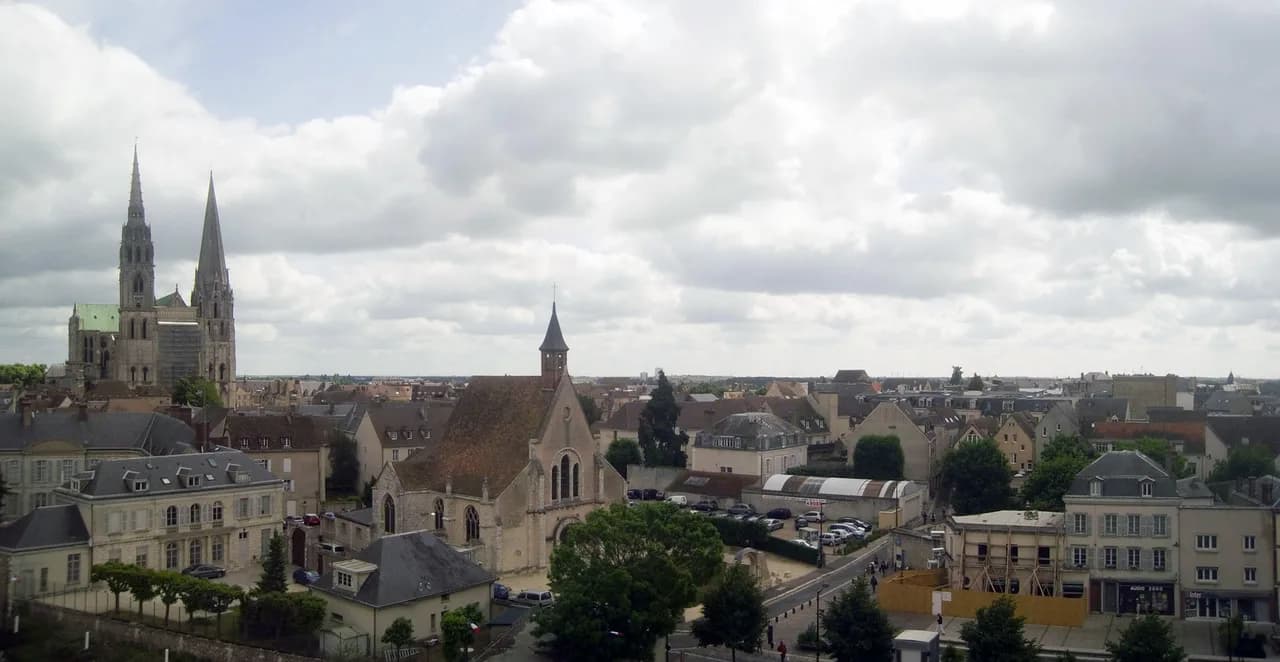
Chartres is the capital of Eure-et-Loir, built on the left bank of the Eure River, with wide boulevards ringing the old town. That ring is your practical boundary: everything worth walking inside it sits within roughly twenty minutes on foot, so you never need transport between stops. Coming from Paris, the cathedral is visible long before you reach the centre, which makes orientation straightforward.
The centre is lively rather than museum-quiet, and its pedestrian streets make it easy to wander without a fixed plan. If you are still deciding whether the trip earns its train fare, the honest answer is that the cathedral does most of the work and the riverbanks do the rest. Weigh that against a longer stay with an article on whether Chartres is worth visiting, and check current prices and dates before you travel.
Orientation: Cathedral, Boulevards and the Lower Town
Use the cathedral as your fixed point and treat the town as two levels. The old town climbs around the cathedral on the hill, while the lower town follows the Eure, where the bridges and wash houses sit below the main sight. Starting high and walking down toward the water means you finish on the flat rather than facing a climb at the end of the day.
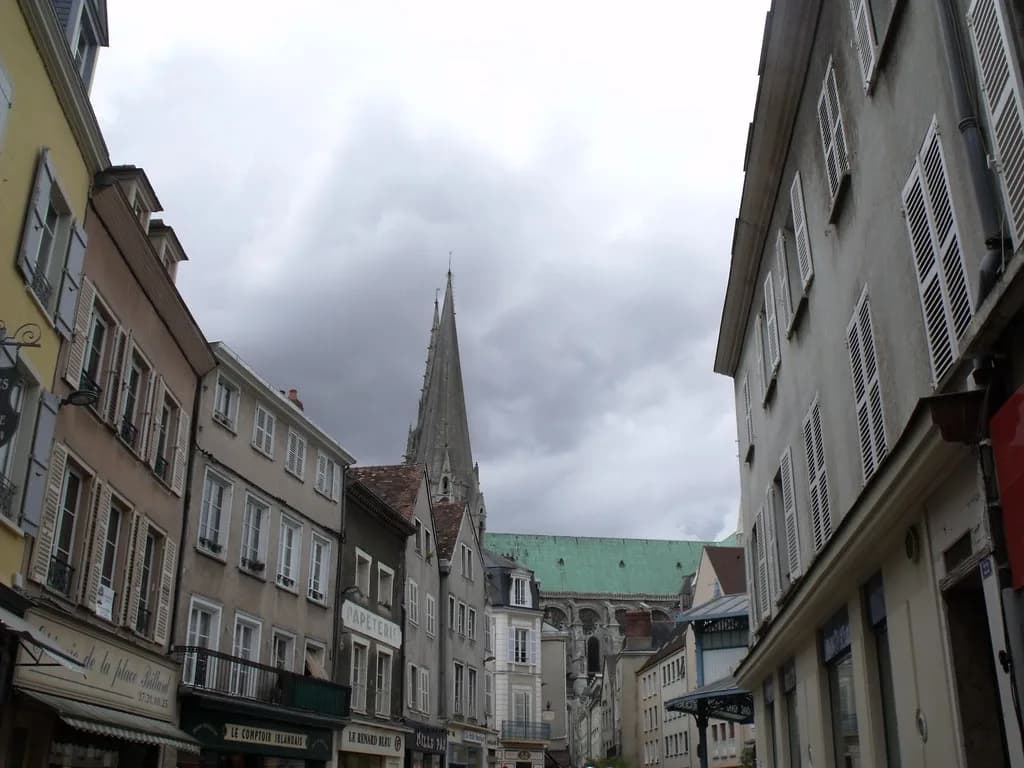
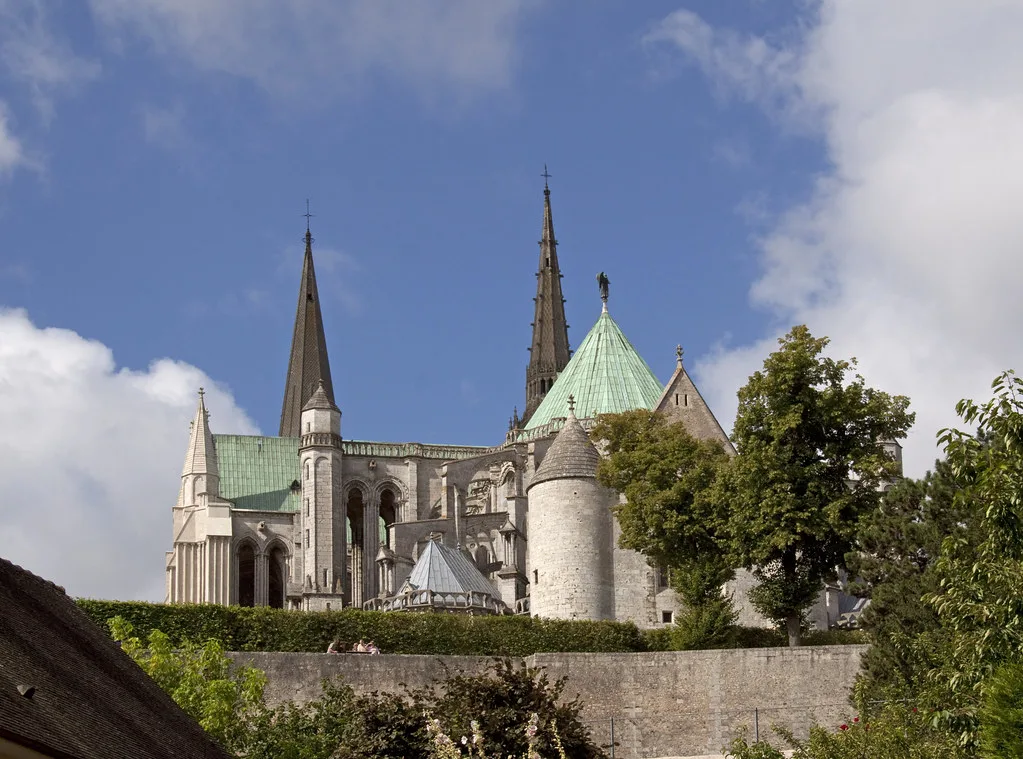
The two towers give you a bearing from almost anywhere in the centre: they rise 103m and 112m, deliberately mismatched, so you can tell which side of the cathedral you are on. When you lose your sense of direction in the lanes, look up rather than reaching for a map.
Start at the Cathedral
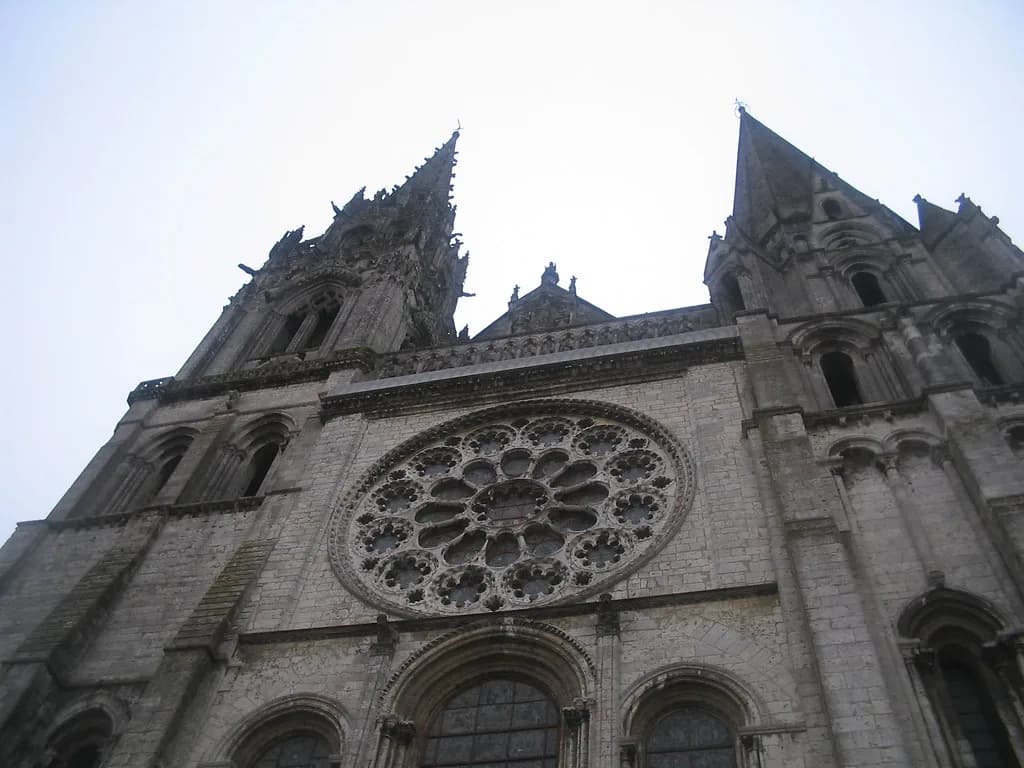
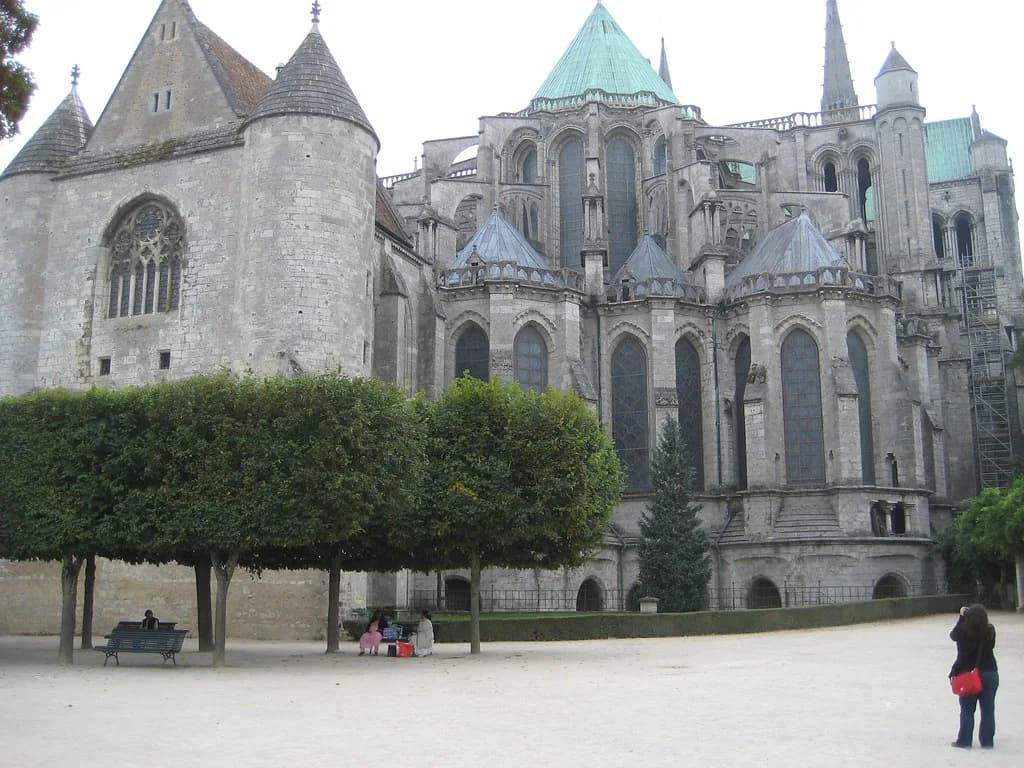
The Cathédrale de Chartres is a 12th- and 13th-century building that blends Romanesque and Gothic work, and it holds UNESCO World Heritage status. Close up, the detail that repays time is the glass, including the Notre-Dame de la Belle-Verrière window and the distinctive blue made for this cathedral. Walk the outside first, then go in, so you are not squinting at the west front after your eyes have adjusted to the interior.
The cathedral is the anchor of any short break in the city, and the rest of the old town hangs off it. If you want the wider list of sights before you commit your day, the things to do in Chartres guide covers the options beyond the historic centre.
Inside the Cathedral: Crypt and Labyrinth
Two interior features change how long you spend inside: the crypt and the labyrinth, both reachable on a visit according to the tourist board. The labyrinth in particular is a walking meditation rather than a puzzle, and following it slowly takes longer than you expect. Decide before you enter whether you are doing the full interior or just the nave and windows; the crypt and labyrinth eat time you may want for the river.
Access arrangements, guided options and any charges for the crypt are set by the cathedral and the tourist office rather than fixed by season, so confirm the day's arrangements at the welcome desk when you arrive. That one check keeps a tight itinerary honest without turning the visit into admin.
Down to the Eure and the Half-Timbered Riverbanks
From the cathedral, drop down to the Eure, where medieval half-timbered buildings line the water and a traffic-free path called the plan vert leads out of the city toward the spot known as Little Venice. This is the most rewarding walk in town and the reason a half day is not quite enough. Allow a proper hour for the riverbank stretch rather than treating it as a photo stop.
The tourist office runs cycle hire stations if you would rather cover the river path and the edge of the countryside on two wheels than on foot. Cycling is faster but less sociable with the lanes, so pick walking if you want to look at the buildings. Either way, the path out of the centre is flat and easy to follow.
The Stained-Glass Quarter and the Workshops at Lèves
Chartres holds the largest collection of preserved medieval stained glass in the world, which is why the glass trade still shapes the town's identity. In the centre, the Centre International du Vitrail gives a proper introduction to how the windows were made and how the craft works today. It is the right stop if you want context for what you saw in the cathedral.
For the working side of the craft, the Ateliers Loire workshops sit at Lèves on the outskirts rather than in the old town, and the family has been making glass there for three generations. That puts them outside a walking route: you need to plan the trip out separately or accept that you will not fit both the riverside and the workshops into one afternoon. Hands-on sessions exist for visitors who want to try the techniques themselves.
Chartres en Lumières: The Evening Route
From April to October, Chartres en Lumières lights the town's heritage buildings and facades every evening from dusk until 1am. A route marked on the ground with small blue lights links the stops, so you can follow it without a map. This is the single best reason to stay the night rather than catch a late train back.
Follow the route in the order the tourist board suggests: start on the banks of the Eure in the lower town for the illuminated bridges and wash houses, then climb to St Nicolas hillock for the cathedral. The west portals, the Royal Portals, are the finale, so save them for last rather than doubling back. Doing it the other way round puts the best moment first and leaves the walk trailing off.
Food and Drink Pauses in the Old Town
Chartres pâté, usually made with foie gras and game, is the local speciality worth trying, and Maison Monarque opposite the cathedral sells an authentic version. Treat it as a picnic component or a table centrepiece rather than a quick snack.
Le Café Bleu sits opposite the cathedral behind a typical bistro facade, with a contemporary dining room and French cooking built on local produce. Its position makes it a natural lunch stop between the cathedral and the river. For more choice across the city, the best restaurants in Chartres guide compares the options.
A Half-Day Versus a Full-Day Route
On a half day, do the cathedral exterior and interior first, then walk down to the Eure for the half-timbered stretch, and finish with a pause near the cathedral rather than pushing out to Lèves. That sequence keeps you inside the old town and leaves the workshops for a return visit. It also leaves room for the evening lights if you are staying over.
With a full day, add the Centre International du Vitrail after the river walk, then use the late afternoon for the plan vert path out toward Little Venice. Book the evening for Chartres en Lumières between April and October, following the blue markers from the lower town up to St Nicolas hillock. The full-day version works because the walking is short and the stops are close together.
Practical Trade-Offs
The real tension in Chartres old town is cathedral interior versus riverside. The crypt, the labyrinth and the windows can absorb a couple of hours, and every minute there is a minute not spent on the Eure. If you have one afternoon only, choose one: the cathedral for the glass, the river for the atmosphere.
If you are in town on a market morning, the stalls are a better use of a short stop than another museum, and the Chartres market guide sets out what runs when. Pair a market visit with the cathedral rather than trying to add the workshops as well. Keep the schedule loose enough that a longer-than-expected lunch does not wreck the day.
Where the Old Town Fits a Longer Eure-et-Loir Stay
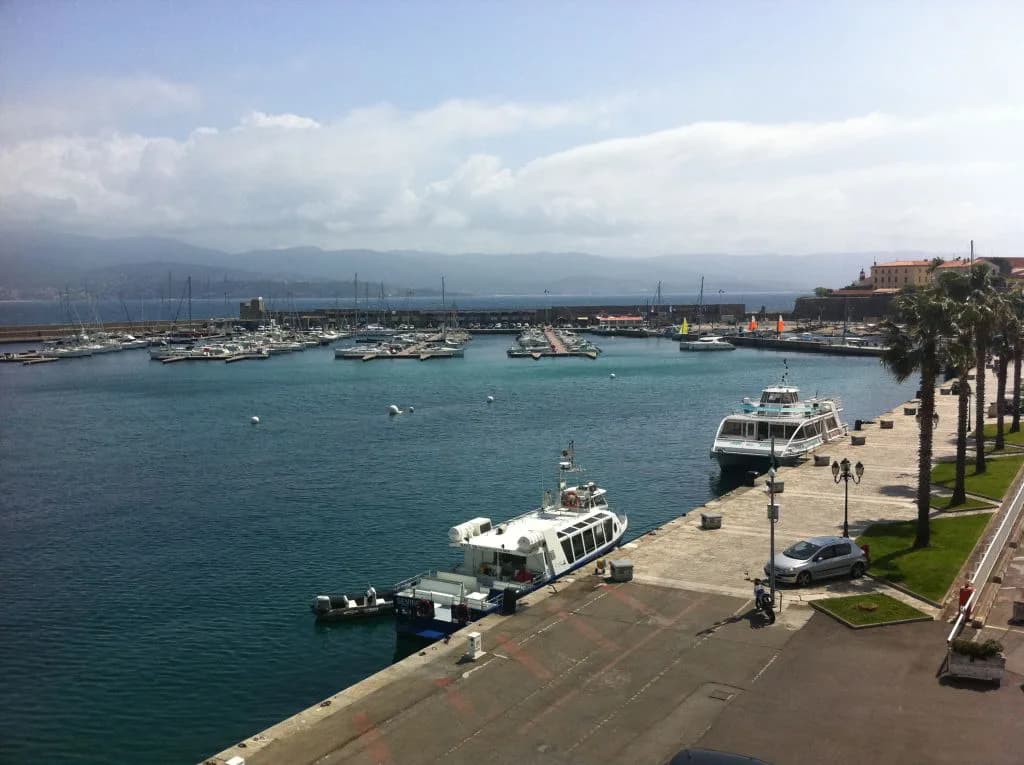
Within a wider Eure-et-Loir trip, the old town is a comfortable half day to a day, best paired with the river path and the evening lights rather than stretched across two days. If you are comparing French historic centres for a short break, the same walkable logic applies to the Aix-en-Provence old town or the Ajaccio old town, each with its own single anchor sight.
Plan Your Visit
Chartres old town rewards a simple plan: cathedral first thing, the Eure riverbanks next, stained glass after that, and the illuminated route after dark if you are staying over. The walking is short, the landmarks are visible, and the main decision is how much of the cathedral interior you want to give up in favour of the river.
Explore more Chartres guides
Frequently Asked Questions
Where is Chartres?
Chartres is the capital of Eure-et-Loir in northern France, built on the left bank of the Eure River about 50 miles southwest of Paris. The old town sits inside a ring of boulevards, with the cathedral as its highest landmark and the river running below it.
How long does it take to walk around Chartres old town?
The old town is compact and walkable: a half day covers the cathedral interior and the descent to the Eure, while a full day adds the Centre International du Vitrail and the riverside path toward Little Venice. Add an evening if you are there between April and October for Chartres en Lumières.
When is Chartres en Lumières on?
The illuminations run from April to October, every evening from dusk until 1am. A route marked with small blue lights on the ground links the stops, starting on the Eure riverbanks in the lower town and finishing at the cathedral's Royal Portals.
Is the Chartres Cathedral labyrinth open to visitors?
The labyrinth and the crypt are both part of a cathedral visit according to the tourist board. Access can vary with services and guided arrangements, so confirm at the cathedral welcome desk when you arrive rather than planning your day around it.
Where can you see stained glass being made near Chartres?
The Centre International du Vitrail in the old town introduces the craft, while the Ateliers Loire workshops at Lèves, on the outskirts of Chartres, show working glassmaking across three generations of the family. Lèves sits outside the old town, so plan it as a separate trip.
What local food should you try in Chartres old town?
Chartres pâté, usually made with foie gras and game, is the local speciality, and Maison Monarque opposite the cathedral sells an authentic version. Le Café Bleu, also opposite the cathedral, is a convenient lunch stop with French cooking built on local produce.
Is Chartres old town worth visiting?
Yes, if the cathedral and the riverbanks are what you want from a short break. The UNESCO-listed cathedral, the stained glass and the evening illuminations carry the visit; treat the rest of the old town as pleasant walking between them.
Sources
Notes for French city breaks
Optional updates to our guides.
You might also like
Continue reading
More guides you'll find useful