Clermont-Ferrand Old Town: Historic Centre Walking Guide
Plan a short walk through Clermont-Ferrand's old town, linking the cathedral, Notre-Dame du Port and Place de Jaude, with medieval Montferrand nearby.
On this page
Clermont-Ferrand's historic core suits a short break because it is small and easy to read on foot: the cathedral, Notre-Dame du Port Basilica and Place de Jaude sit within a walkable centre, and the medieval quarter of Le Vieux Montferrand forms a distinct second chapter to the east. Half a day covers the essentials at an unhurried pace; a full day lets you add Montferrand without rushing the churches. This guide sets out what each stop is, how to order them, and where the walk rewards a pause.
Why the Old Town Suits a Short Break
The centre is compact rather than sprawling, so you can link the main sights without transport and still leave time for a long lunch. The visual signature is volcanic stone: the cathedral's dark exterior gives the city a look you will not find in limestone towns further north. Add the separate medieval quarter at Montferrand and you have two contrasting halves of a historic centre within one weekend, which is why the city earns its place among the things to do in clermont-ferrand on a short trip.
How the Old Town Is Laid Out
Think of Clermont-Ferrand in three pieces. The historic centre clusters around the cathedral and Notre-Dame du Port Basilica, Place de Jaude is the open square that works as your orientation point and meeting place, and Montferrand lies to the east as a self-contained medieval quarter. The attractions in Clermont-Ferrand spread across these three areas, so decide early whether Montferrand is in or out: it is the piece most easily dropped when time is tight.
Start at the Cathedral
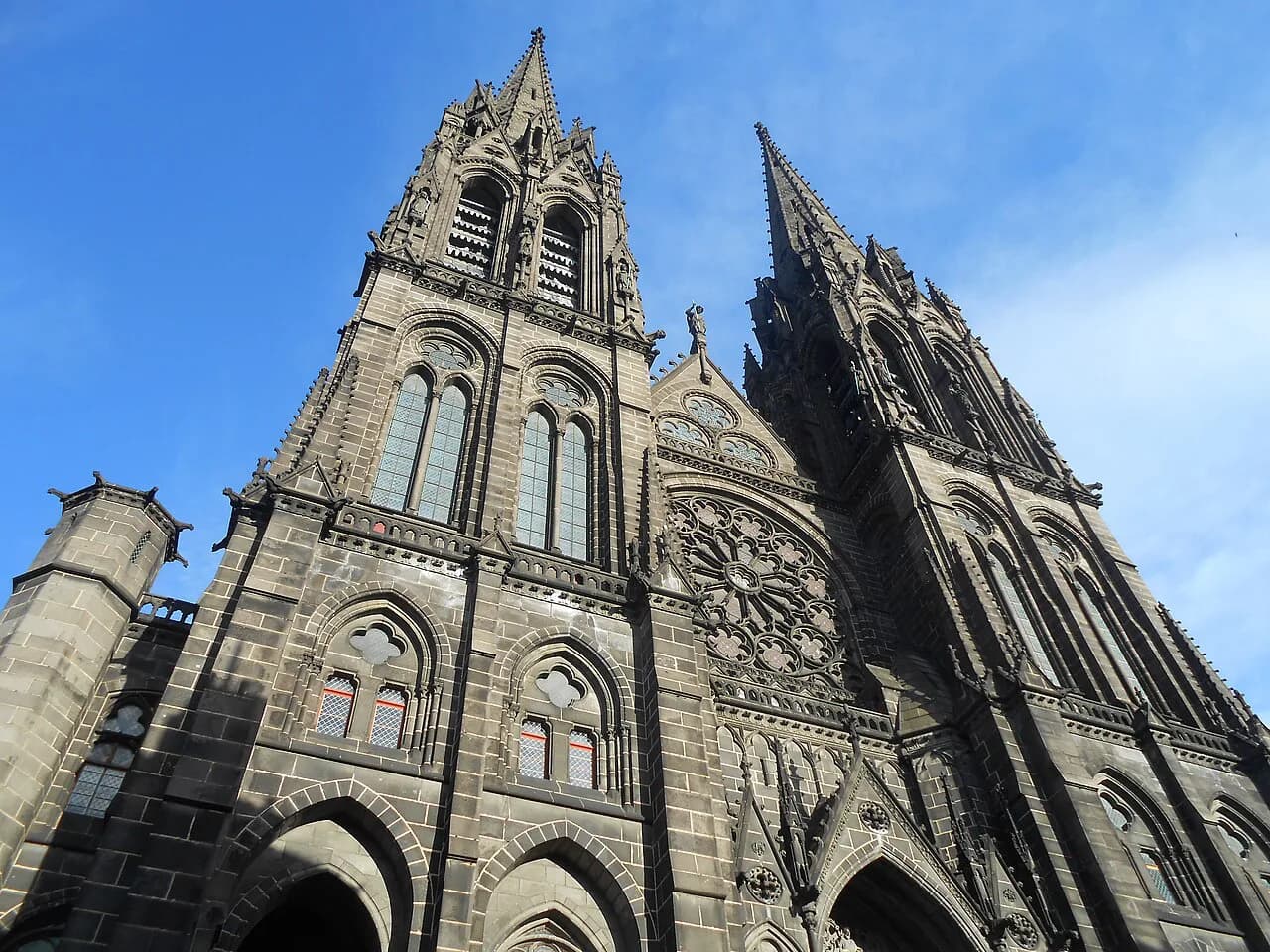
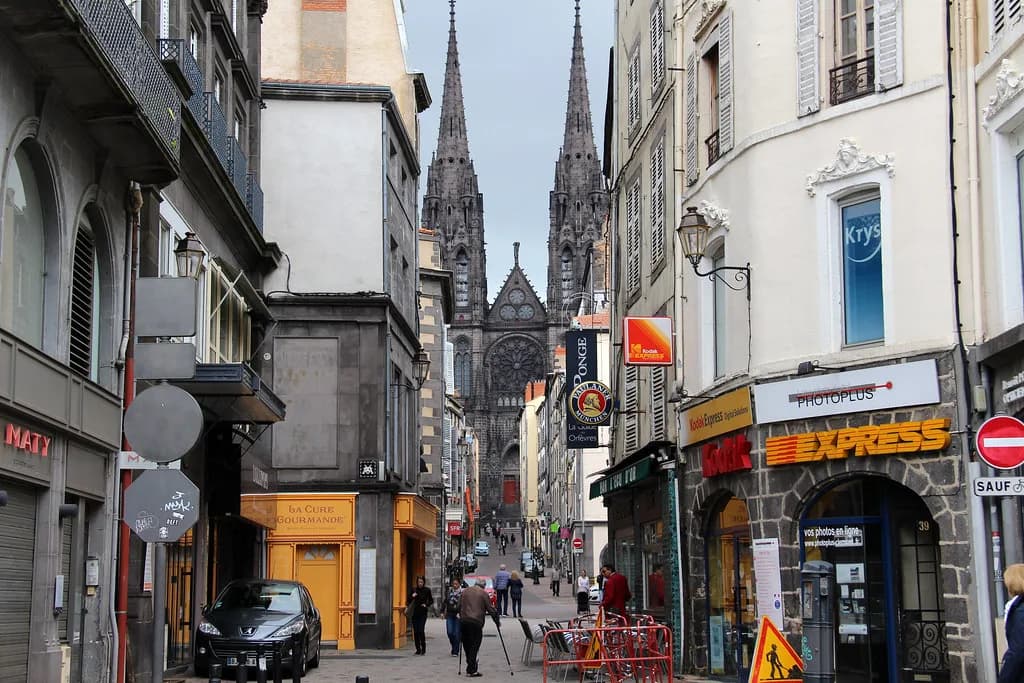
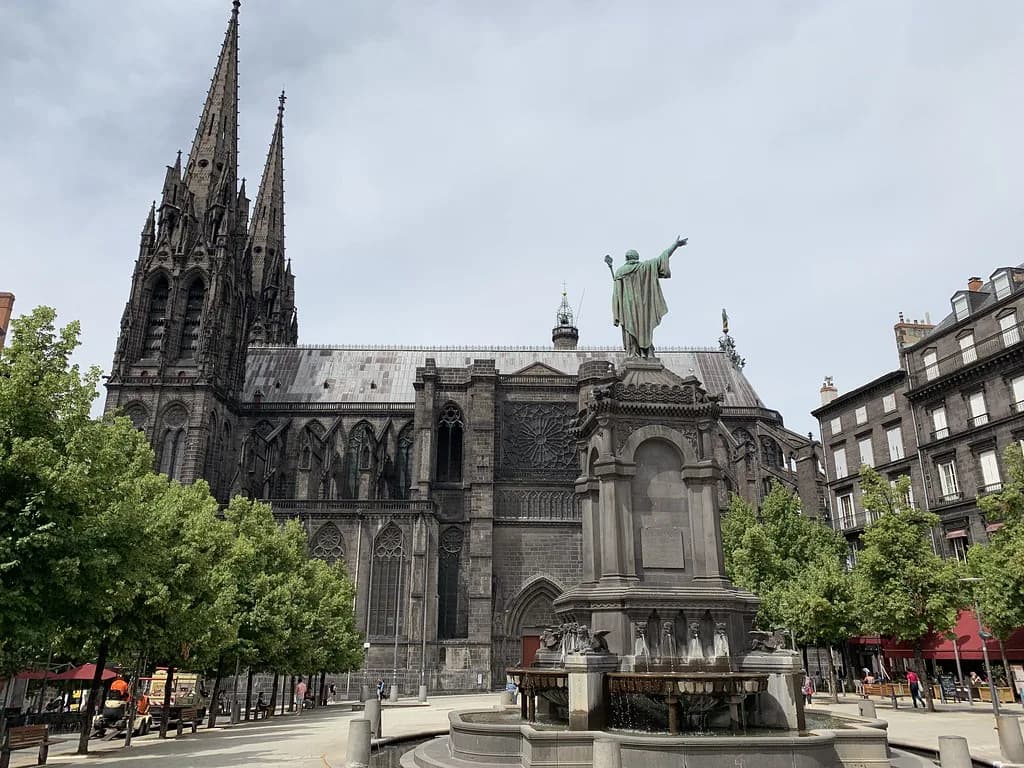
Notre-Dame-de-l'Assomption cathedral is the natural first stop because its dark volcanic stone sets the tone for everything after. Look at the exterior before you go in: the contrast between the black building stone and the lighter detailing is the detail most visitors remember. Treat it as a 20-to-30-minute stop rather than a long museum visit, then walk down into the surrounding lanes.
Notre-Dame du Port Basilica
Notre-Dame du Port Basilica is the Romanesque counterweight to the cathedral: lower, warmer in tone, and a reminder that the historic centre holds more than one major church. Approach it on foot from the cathedral quarter and use the walk between the two to notice the older lanes and shopfronts rather than treating the churches as isolated stops. Keep this visit calm and short; the point is the building, not a checklist.
Place de Jaude: Orientation and Pause
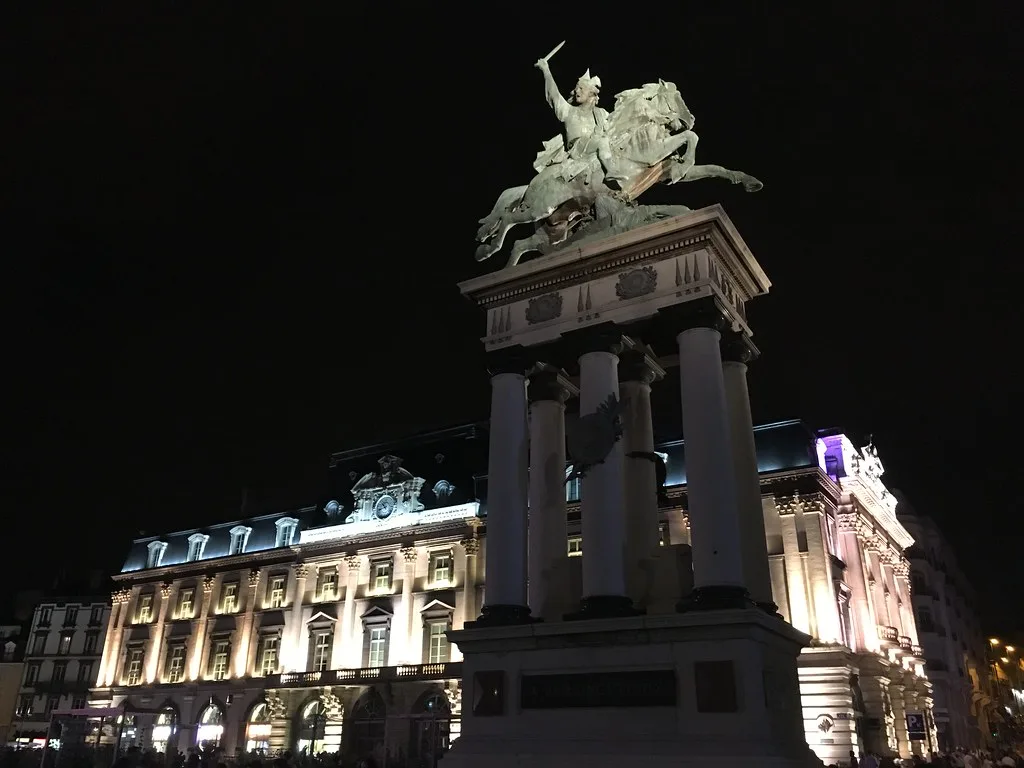
Place de Jaude is the square to aim for when you need to reset: it is open, obvious and easy to find from the surrounding streets. Use it at the start to get your bearings, or in the middle of the day when you want a seat and a coffee before carrying on. It also makes a sensible split point if one of your party wants to break off for shopping while the others continue to the churches.
Walking the Historic Centre Streets
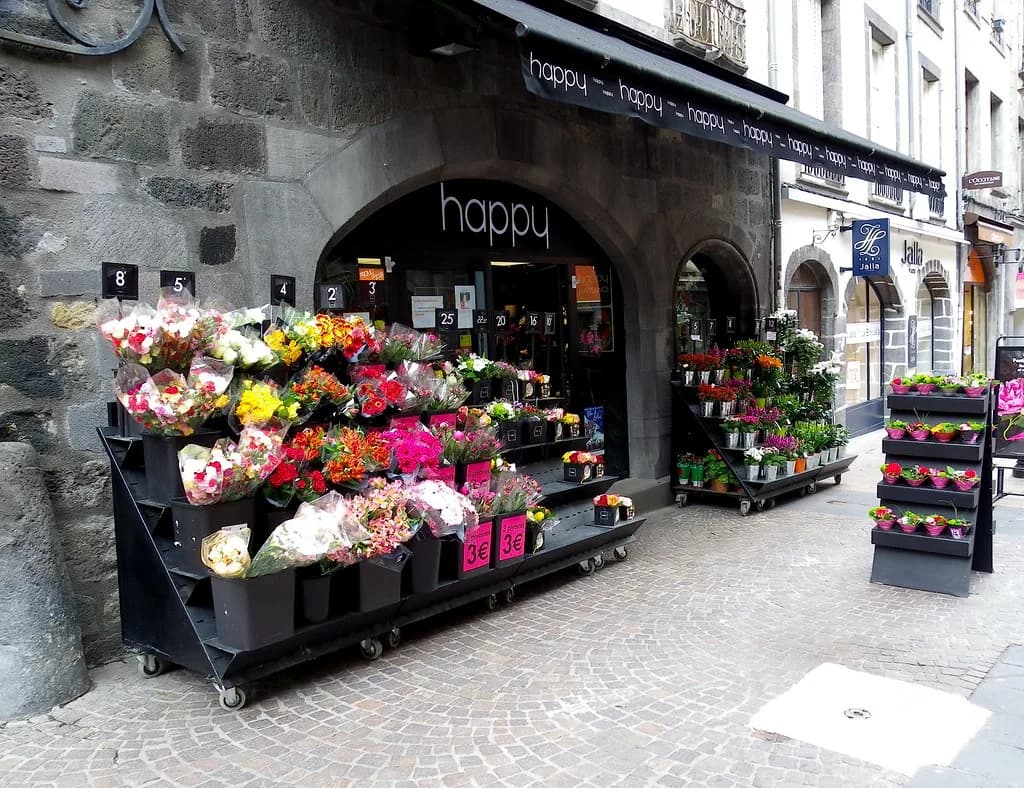
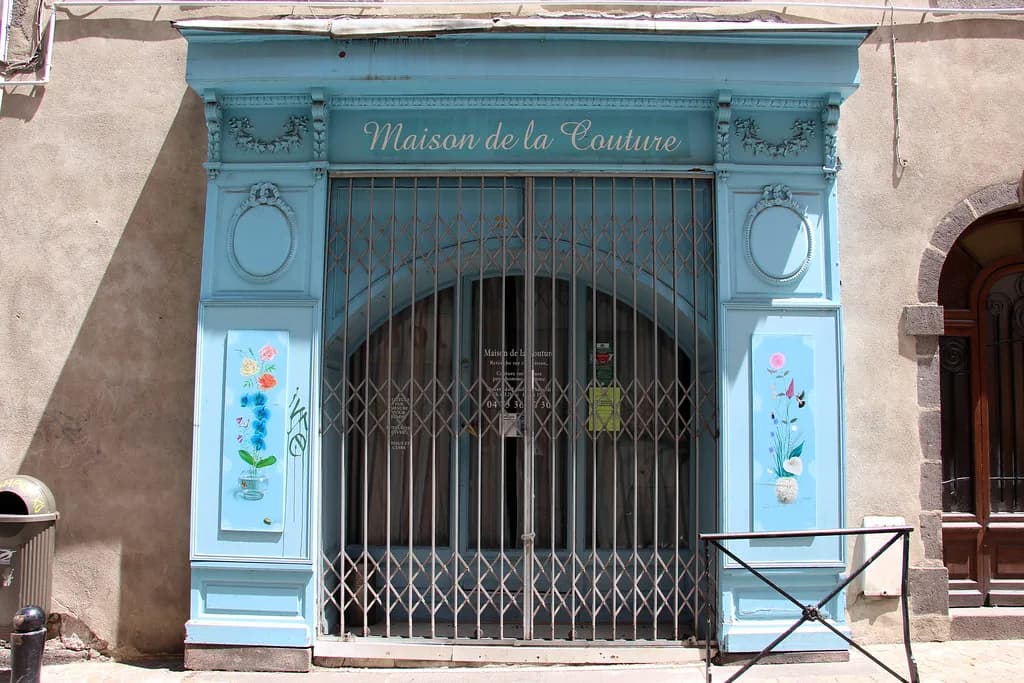
Between the headline sights, the centre rewards slow wandering rather than a direct line from A to B. The historic streets mix old building fabric with street art and small shops, which is exactly the kind of texture that gets lost if you march between churches. Give yourself an hour of unstructured walking in the middle of the route and let the lanes pull you sideways.
Le Vieux Montferrand: The Medieval Quarter
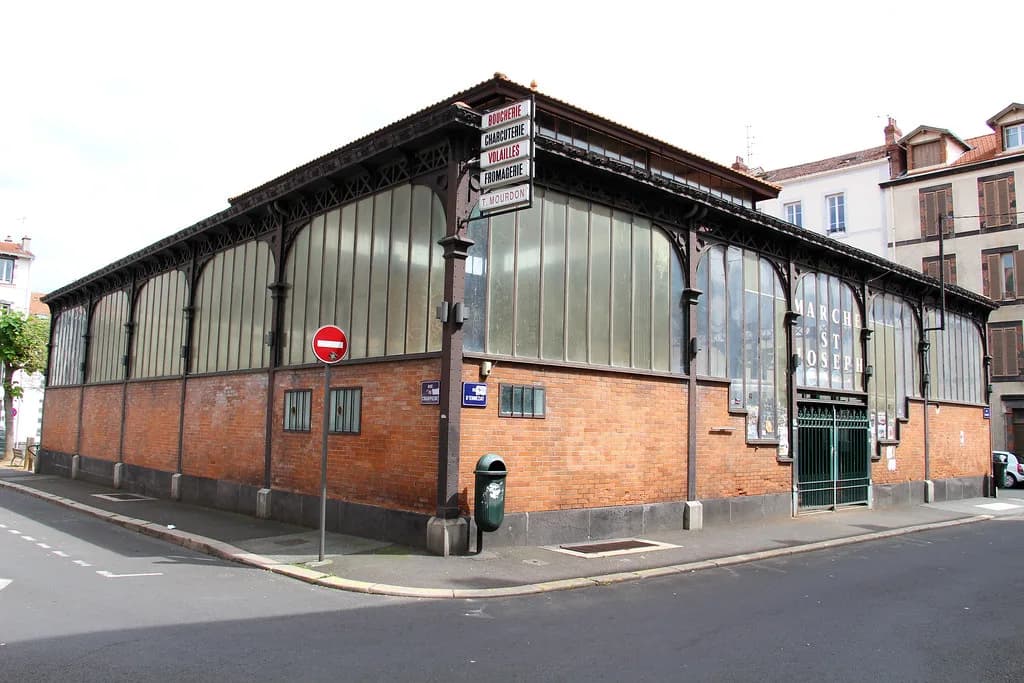
Le Vieux Montferrand is the quarter that surprises people who assume Clermont-Ferrand has only one old town. It sits on rue Kléber in the Montferrand district to the east, and its medieval character makes it feel quite different from the streets around the cathedral. Allow time to arrive and to wander once you are there, because the journey out is part of the cost of including it.
Linking the Stops on Foot
A workable order is cathedral first, then the lanes towards Notre-Dame du Port, with Place de Jaude as your mid-morning or lunch pause. Leave Montferrand for the afternoon slot, because it sits apart from the centre and does not combine neatly with a quick dash between the two churches. Build in slack: the walking itself is short, but the stops, the shops and the wandering are what fill the half day.
Where to Eat Around the Old Town
Around Montferrand the eating options lean regional and bistro-style, which suits a slower lunch after the medieval streets. Named places in the vicinity include L'En-But, L'Ostal, Le Chardonnay, Un Grain de Saveur and Le Comptoir des Saveurs, a mix of French regional cooking and small bistros. Use them as a shortlist rather than a plan to book around, and compare them against the wider guide to the best restaurants in Clermont-Ferrand if you want more choice nearer the centre.
Practical Rhythm: Half a Day, Not a Rush
The old town works best as a half-day with a proper pause built in, not a sprint through three churches. Two hours covers the cathedral and Notre-Dame du Port at a glance; add an hour for Place de Jaude and the lanes, and the rest of the day for Montferrand. If the weekend is very short, cut Montferrand rather than shaving time off every stop, and put the saved hours into the centre.
What Sits Beyond the Old Town
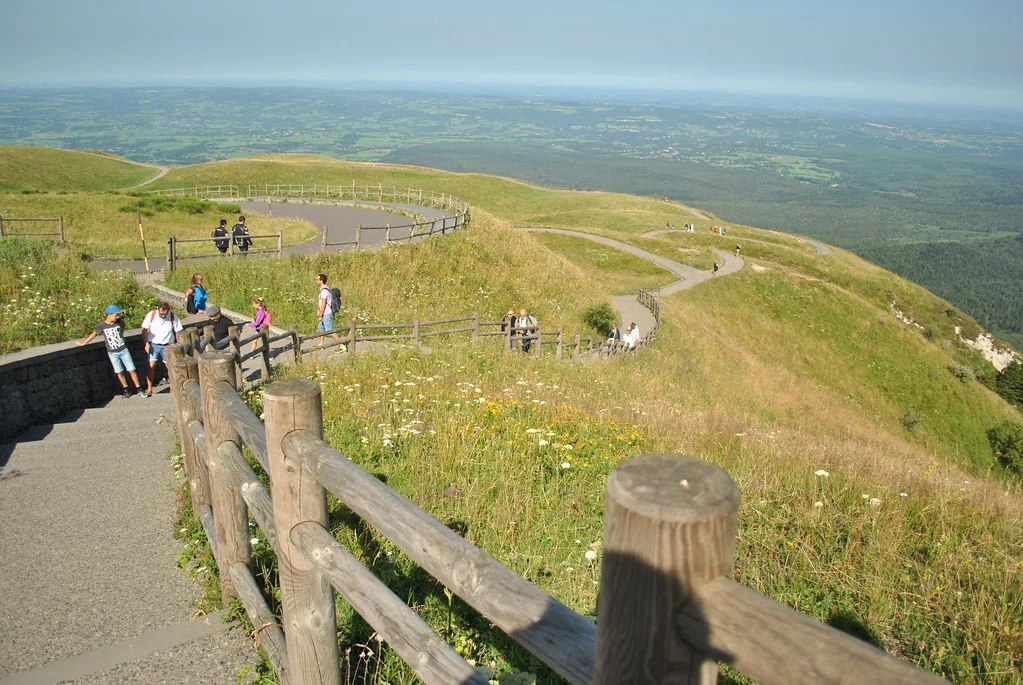
Beyond the streets and the basilica, Montejuzet park and the Puy de Dôme give the city its setting, while the Auvergne volcanoes, Vulcania and the Gergovie plateau belong to a longer stay rather than a weekend. Treat them as the reason to come back, not as stops to squeeze in around the old town walk. A day out to any of them is best kept separate from the historic centre.
Is the Old Town Worth a Full Day?
The historic centre alone earns half a day comfortably and a full day only if you add Montferrand and take a long lunch. For a weekend, that balance is right: the old town gives you the city's identity in volcanic stone and Romanesque arches, and Montferrand gives you the contrast. If you want the bigger picture of what a short break delivers, weigh it against is clermont-ferrand worth visiting before you commit the days.
Plan Your Visit
Base your walk on the three anchors: the cathedral for the volcanic-stone signature, Notre-Dame du Port for the Romanesque pause, and Place de Jaude for orientation. Add Montferrand only if the schedule allows the extra journey, and always leave room for the lanes between the sights rather than treating them as filler. Check the official city tourism site for current opening details before you set out.
Explore more Clermont-Ferrand guides
Frequently Asked Questions
Is Montferrand part of Clermont-Ferrand's old town?
It is a separate medieval quarter in the Montferrand district to the east of the centre, on rue Kléber, and it feels distinct from the streets around the cathedral. Most visitors treat it as an extension of the centre walk rather than part of it, and it needs a dedicated slot if you want to see it properly.
How long does it take to walk Clermont-Ferrand's historic centre?
Two hours covers the cathedral and Notre-Dame du Port at a glance, and an hour more takes in Place de Jaude and the lanes between them. Add the rest of the day if you want to include Montferrand, and cut Montferrand first if time is short.
What is there to see in the historic centre?
The main stops are Notre-Dame-de-l'Assomption cathedral with its dark volcanic stone, Notre-Dame du Port Basilica, and Place de Jaude. The lanes between them carry the street life and older building fabric, and the medieval quarter of Montferrand is the contrasting add-on.
What region is Clermont-Ferrand in?
It sits in the Auvergne, in the Puy-de-Dôme department of the Massif Central. That setting shapes the city's look, from the volcanic building stone to the hills around it.
Where should we eat around the old town?
Around Montferrand, the shortlist includes L'En-But, L'Ostal, Le Chardonnay, Un Grain de Saveur and Le Comptoir des Saveurs, mostly regional French cooking and bistros. Nearer the centre, compare them against a wider restaurant guide before choosing.
Sources
Notes for French city breaks
Optional updates to our guides.
You might also like
Continue reading
More guides you'll find useful