Clermont-Ferrand Market Guide: What to Expect
Plan a market morning in Clermont-Ferrand without relying on fixed days: what the city's markets sell, how to pair them with sights and how to budget the trip.
On this page
A market morning earns its place in a Clermont-Ferrand short break because it does two jobs at once: it puts you among local producers and shoppers rather than museum labels, and it gives you something to eat without booking ahead. The city is compact, so an hour or two at a market still leaves the afternoon free for the cathedral, the basilica and a hillside viewpoint. Treat the market as the anchor of one morning, not the whole day.
The catch is that set days and times for individual markets are not confirmed in the visitor material that's published, so a rigid plan built around one named market risks wasting a morning. Plan instead around a district: pick where you want to wake up, ask at the tourist office on Place de la Victoire which market is running while you're there, and keep a museum or monument in reserve as a fallback.
Why a market morning belongs in a short break
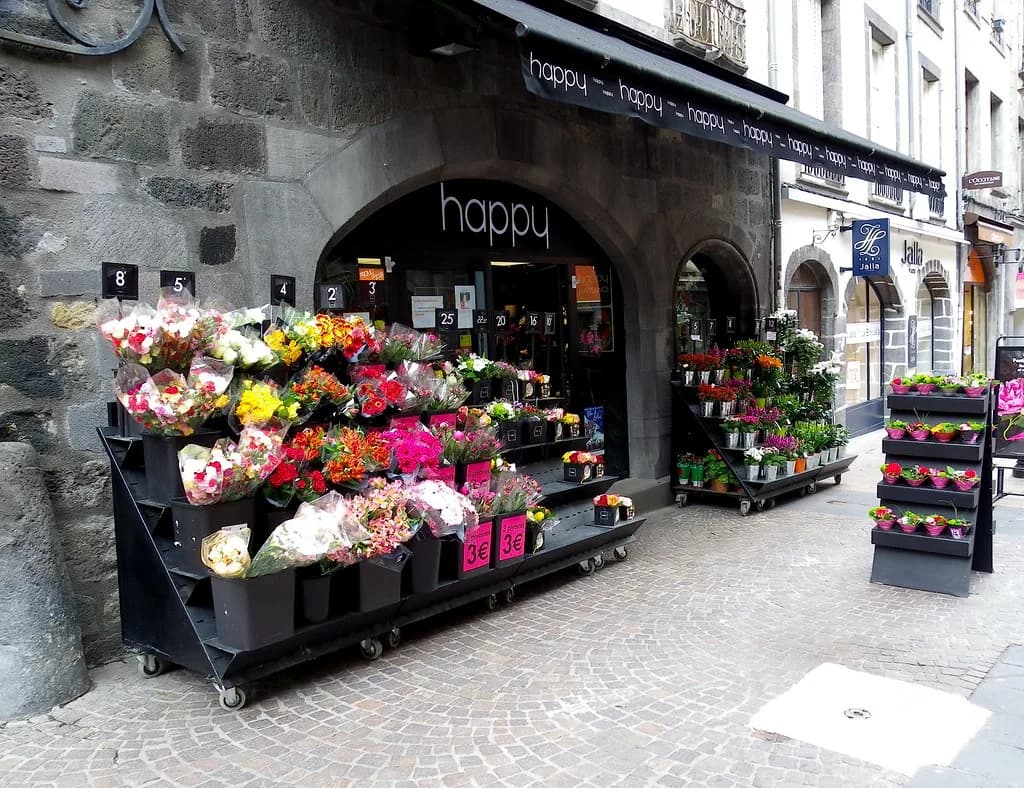
Clermont-Ferrand has a lived-in, working city feel rather than a tourist circuit, which is exactly what makes its food markets worth your time. The Auvergne tourist board points visitors towards good restaurants and markets where local produce and conviviality come together, which is a fair summary of the appeal: cheese, charcuterie, fruit and whatever the season is doing. You come for breakfast, a picnic and a look at how the city feeds itself, not for souvenirs.
The trade-off is honesty: this is a thin-information topic. Market names surface in directories, but confirmed days, hours and stallholders change, and published visitor material does not pin them down for a given week. Build the morning around browsing and eating rather than hitting a specific stall, and you cannot be disappointed by a closed pitch.
How the city is laid out for market browsing
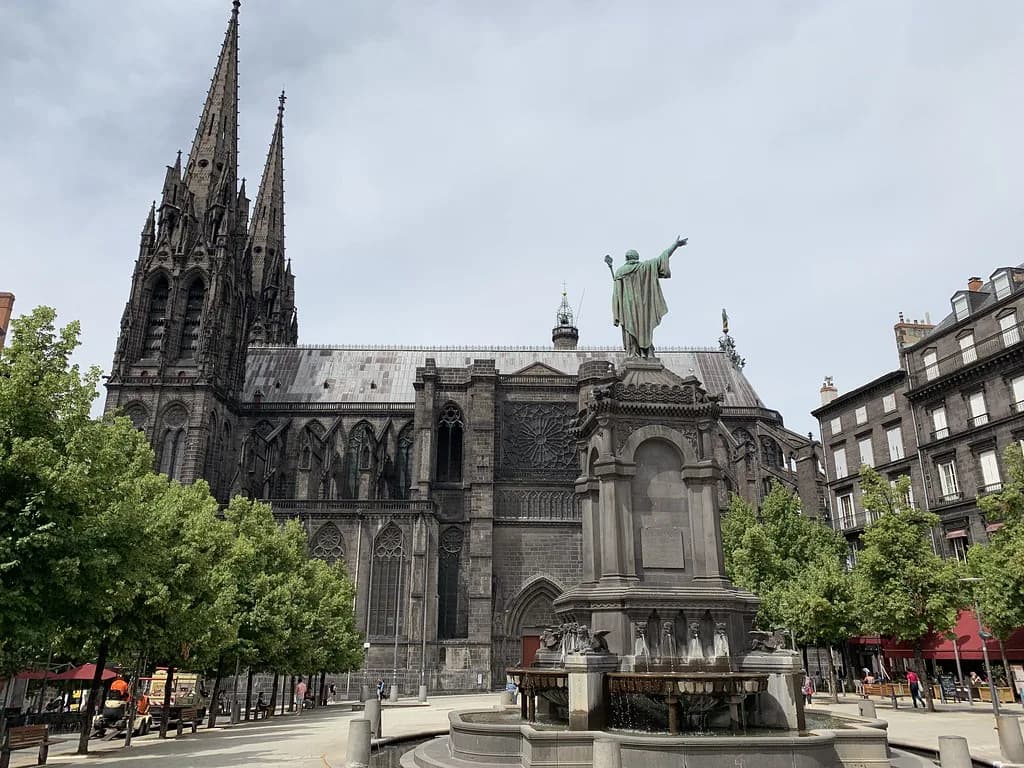
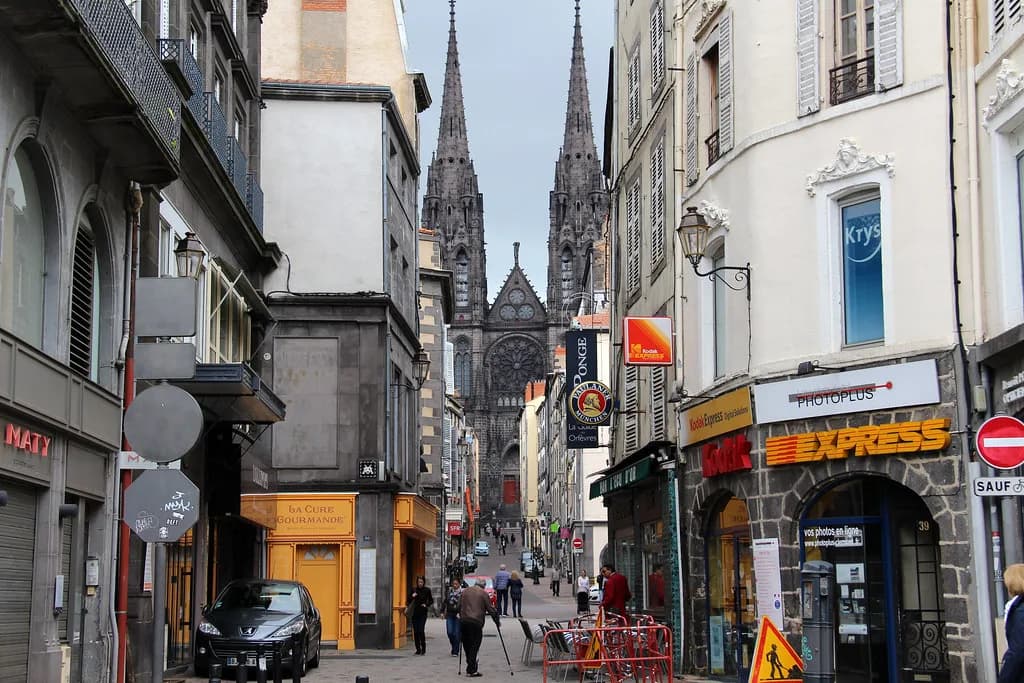
Centre-Ville is the obvious base for a market morning: the main square, Place de Jaude, has cafés and shops, and the iconic black volcanic stone cathedral sits within the same walkable core. The centre is busier and can cost more, but you save time and tram fares, and you can move from breakfast to browsing to sightseeing without planning transport.
Montferrand, the medieval rival town that was grafted onto Clermont, has narrow streets, medieval squares and a calmer, more old-town feel than the centre. It suits a slower market-and-boulangerie morning and a wander afterwards, and it gives you a second, distinctly different district without leaving the city. Les Salins, further off the beaten path, mixes residential life with local eateries and is quieter still, though it is the weakest fit if you have only one morning to spare.
What the city's market scene is known for
Expect the produce of the Auvergne rather than Mediterranean displays: mountain cheeses, cured meats, potatoes for truffade, fruit in season and plenty of prepared food to eat standing up. The point of a market morning here is everyday provisioning, so prices tend to be set for local shoppers, which suits a tight weekend budget. Bring cash in small notes, a bag and an appetite, and buy the picnic before you climb to a viewpoint.
Besides farmers' markets, flea markets and vide-greniers appear in the regional listings, including events in Clermont-Ferrand itself. Those are occasional rather than weekly fixtures, so they are worth a look only if one falls on your dates. Browse the listings for the specific weekend you are travelling and treat anything you find as a bonus, not the plan.
Named market options worth checking on your dates
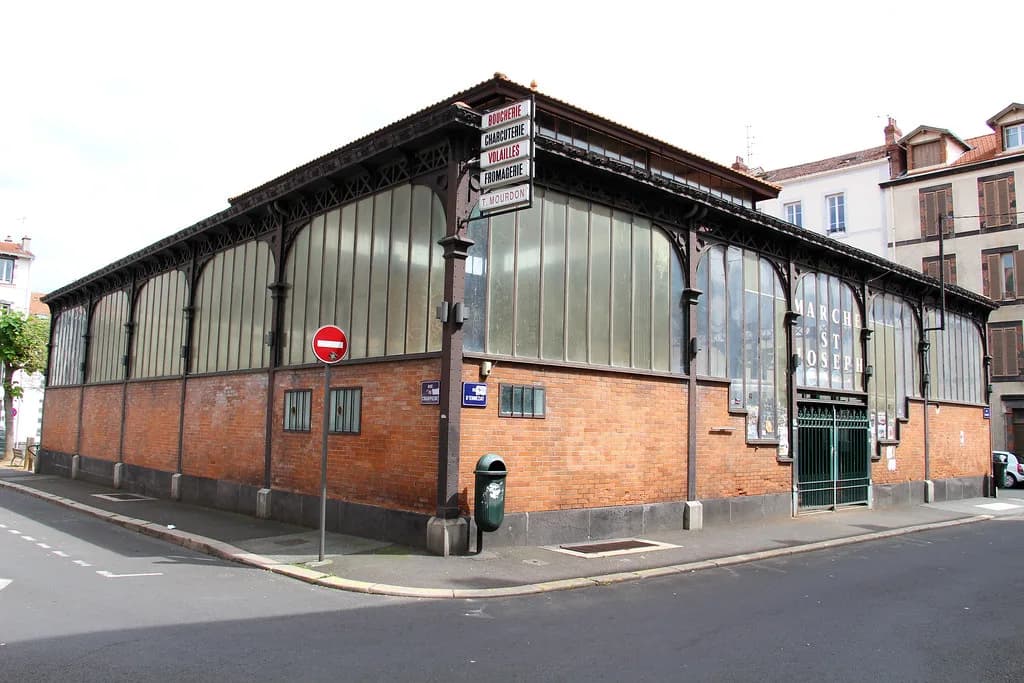
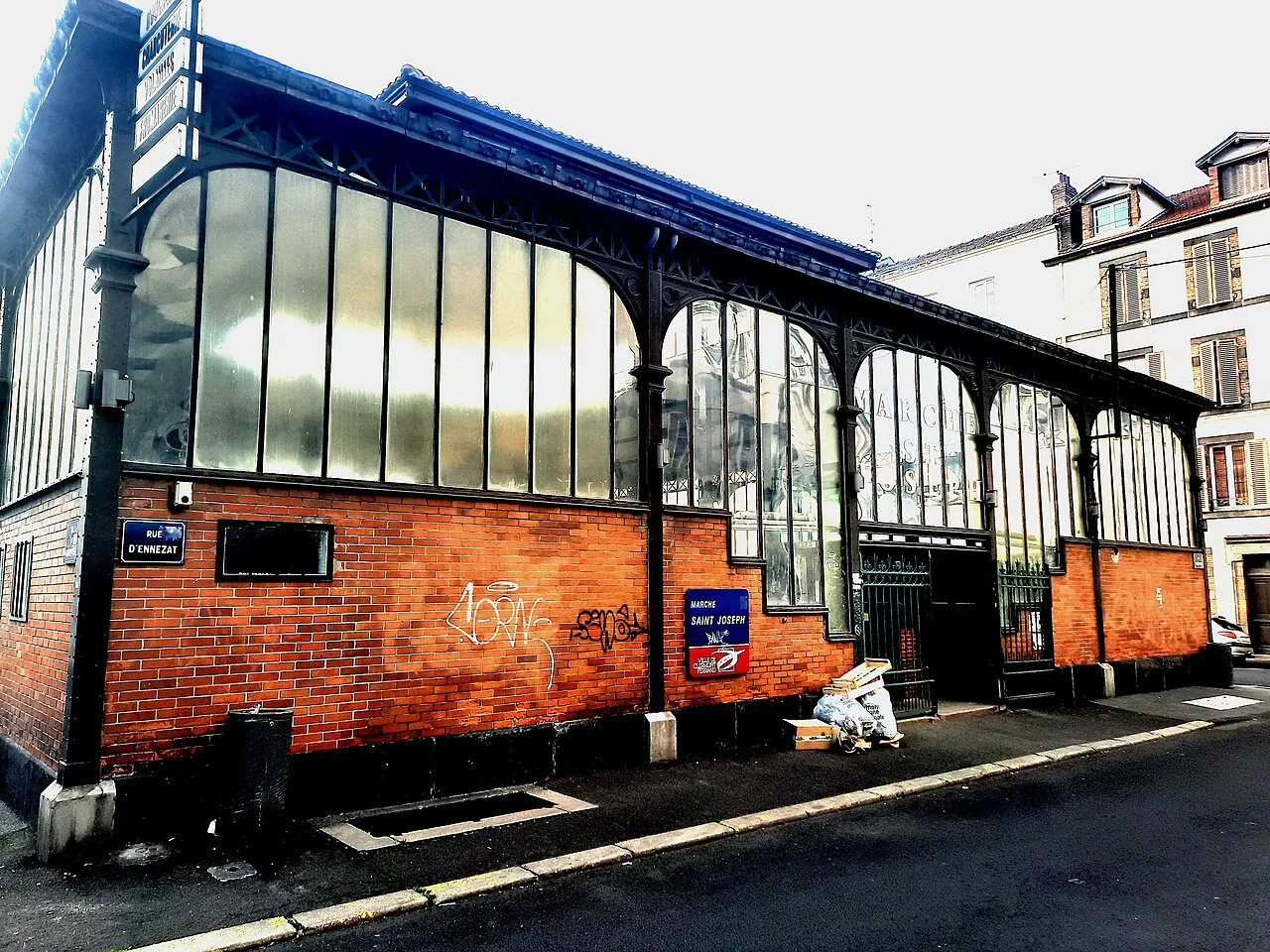
Directories list options such as the Marché Saint-Joseph and the covered Marché couvert Espace Saint-Pierre, which gives you a wet-weather fallback if a morning turns. Treat these as leads to verify rather than a ranking: directory entries do not guarantee current traders, and a covered hall's rhythm can differ from an open-air market. If you are comparing city markets across France, the Ajaccio market guide makes a useful counterpoint on how set days and hours differ.
The reliable move is to stop at the tourist office at the Maison du Tourisme on Place de la Victoire when you arrive and ask which markets are running during your stay, rather than trusting a listing you found weeks earlier. That single question settles days, hours and which district to head for, and it costs you ten minutes in the centre.
Pairing a market visit with the cathedral and the old town
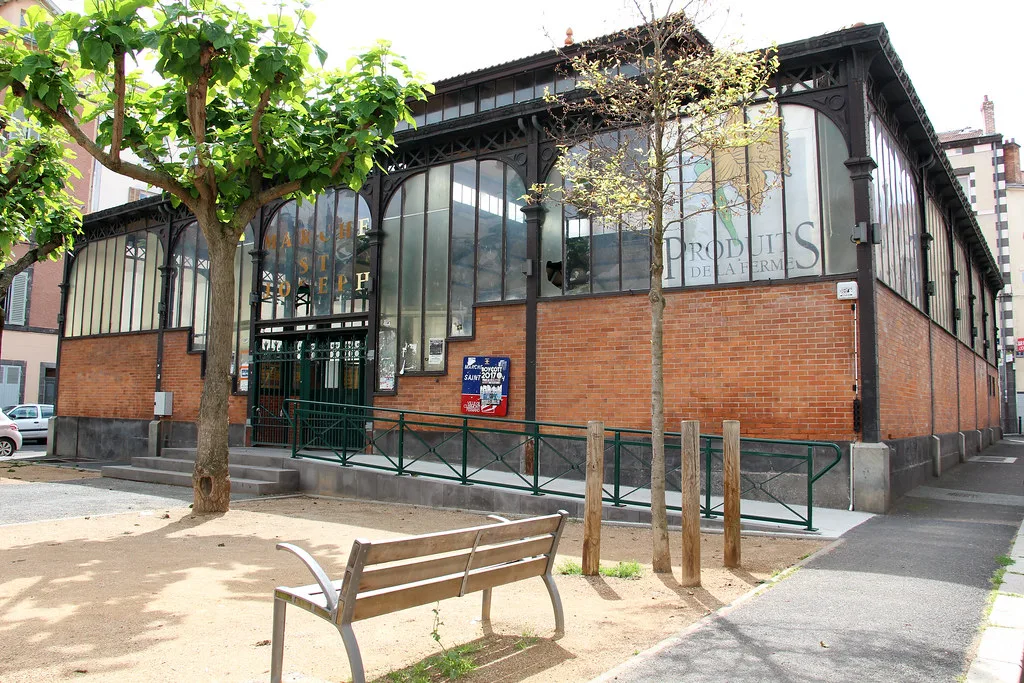
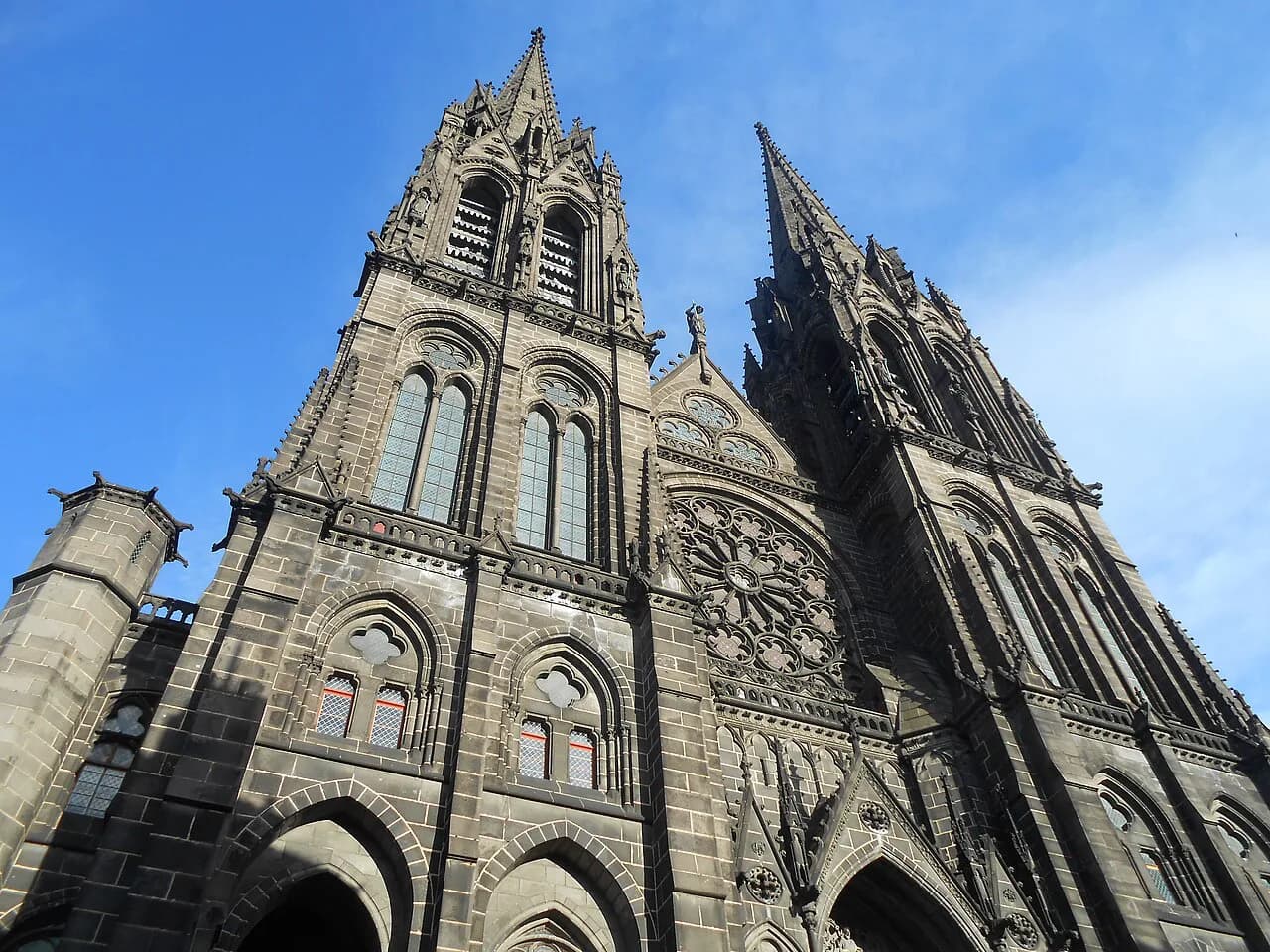
The Cathédrale Notre-Dame-de-l'Assomption is built from dark volcanic rock, which gives the old town around it its nickname, the ville noire. The current building was started in 1248 and consecrated in 1359, though the west facade was only completed in the 19th and early 20th centuries under Eugène Viollet-le-Duc, finishing in 1902. It holds some of the best 13th-century stained glass in France, alongside windows completed in 1981.
The climb to the west door is steep, so do the cathedral before you are loaded with market purchases, then walk down into the old town for coffee. Pairing the two takes a single morning at an unhurried pace, and it is the most efficient use of a short break's first day.
Montferrand's medieval grid as a slower alternative
Montferrand was founded in 1120 by the counts of Auvergne as a rival to the episcopal city of Clermont, and the two towns stayed separate until royal decrees joined them. That history is why the district feels like a different place: a medieval grid, quieter streets and local shops rather than a monument circuit.
The Musée d'Art Roger-Quilliot sits in the historic cité of Montferrand and holds fine art from the Middle Ages to the 20th century, reached by tram line A at the Musée d'Art Roger Quilliot stop. A Montferrand morning of browsing and a museum visit is a coherent half-day and a good counterweight to the busier centre.
Wet-weather and Sunday plans when a market does not fit
If rain arrives or the market you wanted is not running, the free art spaces are the answer: the FRAC Auvergne shows contemporary art in the historic centre, the Hôtel Fontfreyde is a Renaissance townhouse given over to photography, and both are free all year. The Salle Gilbert-Gaillard, near the Gaillard tram stop, hosts temporary exhibitions and has been a municipal exhibition space since 2014.
One museum needs a warning: the Musée Bargoin's main building is closed for works, with its programme continuing through workshops and off-site activities. On Sundays, treat market availability as unconfirmed and lean on the monuments and parks instead.
Budgeting a market morning alongside daily costs
A market breakfast and picnic is one of the cheapest ways to eat well in the city, which matters because Clermont-Ferrand is pitched as one of the more affordable bases in France, with a typical daily cost put at 40 to 65 euros. Spend the saving on a proper dinner rather than on taxis: the centre is walkable and the tram covers the rest.
Some savings are documented: entry to the metropolitan museums is free for everyone on the first Sunday of the month and always free for under-18s, and the ClermontPass gives 10 percent off entries at partner sites including L'Aventure Michelin. Market produce plus one discounted museum is a realistic, low-cost day.
Fitting markets around museums and fixed-opening sights
Sequence the day around the things that cannot move. Markets are best early, while produce is fresh and stalls are busy; museums and galleries fill the late morning and afternoon, when a covered hall may be quieter. If you only have one full day, do the market first, then the cathedral, then Montjuzet for the view, and leave the museum for a second day.
For the rest of the city's sights, including the basilica and the Romanesque churches, start with the wider list of things to do and then slot the market in around them. Notre-Dame-du-Port, a Romanesque former collegiate church built in the 11th and 12th centuries and part of the UNESCO Santiago de Compostela route since 1998, sits in the historic Port district and pairs well with a centre morning.
Where a market morning sits in a one-day or two-day plan
On a one-day visit, give the market 8am to 10am, the cathedral and old town 10am to noon, lunch from your purchases, then Parc Montjuzet for the panorama in the afternoon. That is a full, satisfying day with almost no transport and no fixed bookings.
With two days, add Montferrand and the Musée d'Art Roger-Quilliot on day two, and use the second morning for whichever market the tourist office recommended. If the weather looks settled and you want the volcanic scenery, save a few hours for the Puy de Dôme rather than squeezing it into market day.
Plan Your Visit
A market morning works best here as a flexible anchor rather than a fixed appointment: choose your district, ask locally which market is running, and keep a museum or monument in reserve. That way a closed stall or a wet morning costs you nothing, and you still see the black cathedral, the old town and a viewpoint in a single unhurried day. If you are weighing up whether the city justifies the trip at all, read the honest weekend verdict before you book.
Explore more Clermont-Ferrand guides
Frequently Asked Questions
Are there food markets in Clermont-Ferrand?
Yes. Regional visitor material highlights the city's markets alongside its restaurants for local produce and conviviality, and directories list options such as Marché Saint-Joseph and the covered Marché couvert Espace Saint-Pierre. Confirmed days and hours are not set out in what's published, so ask at the Maison du Tourisme on Place de la Victoire when you arrive.
What days are the markets held?
Specific days for individual markets are not confirmed in the published visitor material, and they can change by season and stallholder. Rather than rely on a listing you read weeks ago, ask at the tourist office in the centre on arrival and plan your morning around the answer.
What should I buy at a Clermont-Ferrand market?
Think Auvergne produce: mountain cheeses, cured meats, seasonal fruit and potatoes for truffade. Buy breakfast and a picnic before you climb to a viewpoint, and bring cash in small notes plus a bag. Prices are set for local shoppers rather than visitors, so it is a budget-friendly start to the day.
What can I do if the market is closed or it rains?
Fall back on the free art spaces: the FRAC Auvergne for contemporary art, the Hôtel Fontfreyde for photography, and the Salle Gilbert-Gaillard for temporary exhibitions. All three are free all year. The Musée Bargoin's main building is closed for works, with its activities continuing off-site.
When are Clermont-Ferrand's museums cheapest?
Entry to the metropolitan museums is free for everyone on the first Sunday of the month and always free for under-18s, and the ClermontPass gives 10 percent off entries at partner sites such as L'Aventure Michelin. If your weekend includes the first Sunday, put the museums there and spend the market morning on food.
How does a market morning fit a one-day visit?
Browse the market early, then do the Cathédrale Notre-Dame-de-l'Assomption and the old town, eat a picnic lunch, and finish at Parc Montjuzet for the panorama. Everything is close enough to walk, so you lose no time to transport and can leave the museums for a second day.
Do I need to check anything before travelling?
Ask at the Maison du Tourisme on Place de la Victoire which markets are running during your stay, since days and hours vary. Keep one indoor sight as a fallback for wet mornings, and check the current exhibition programme before you set out.
Sources
- Clermont-Ferrand City Guide (France, 2026)
- clermont ferrand and agde - from volcanoes to cathedrals | France zone at abelard.org
- Basilica of Notre-Dame du Port (Clermont-Ferrand)
- Quels musées et expositions visiter à Clermont-Ferrand et sa région
- THE BEST 10 FARMERS MARKET IN CLERMONT ...
- Clermont-Ferrand
- Markets and flea markets
Notes for French city breaks
Optional updates to our guides.
You might also like
Continue reading
More guides you'll find useful