Things to Do in Chartres: Cathedral, Old Town and Markets
Plan a Chartres weekend with the cathedral, the two-level old town, the stained-glass centre, Maison Picassiette and the Wednesday and Saturday market.
On this page
Chartres works as either a long day trip from Paris or an easy one-night weekend, but its best sights split into two groups: the cathedral and upper town on the hill, and the lower town along the Eure river below. Plan the cathedral and the old streets first, then add the stained-glass centre, the Maison Picassiette mosaic house or the evening light trail depending on how long you stay. Trains from Paris Montparnasse reach the city in under an hour and a half, and the station sits a short walk from the cathedral.
Why Chartres earns a weekend, not just a day trip
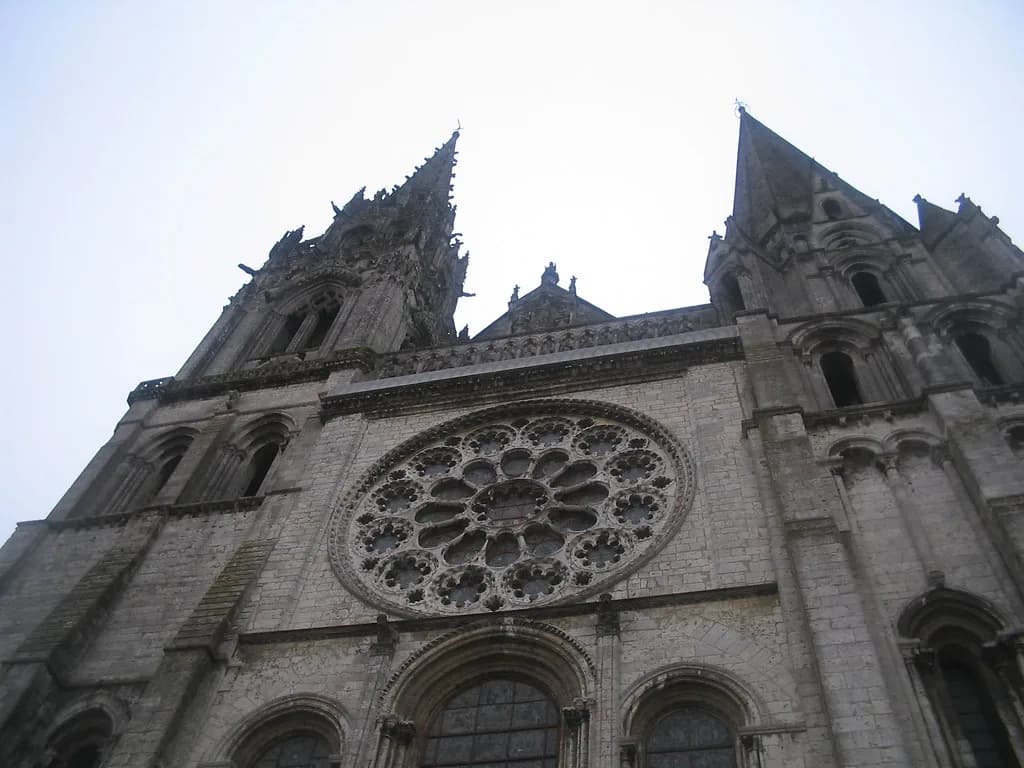
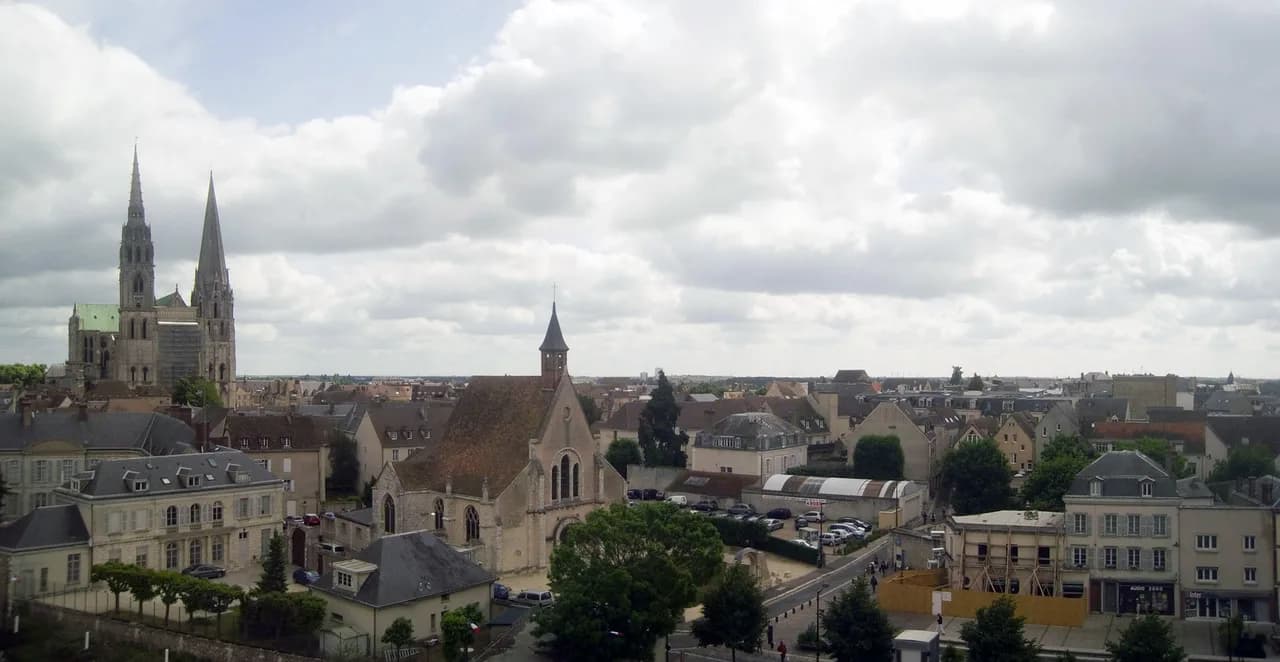
Chartres is crowned by the two spires of Notre-Dame, a UNESCO World Heritage site that dominates the skyline above the river Eure. Most visitors come for the cathedral alone, but the city adds medieval streets, half-timbered houses, mills and wash houses along the water, plus gardens and a mosaic house on the edge of the centre. If you are still deciding, this honest answer on whether Chartres is worth visiting sets out what the city does best and where it falls short for a short break.
A day trip covers the cathedral and a loop of the old town comfortably, but it leaves no time for the International Stained Glass Centre, Maison Picassiette and the evening illuminations in the same visit. An overnight stay lets you split the cathedral and upper town across one afternoon and use the next morning for the lower town and the riverbank. The train ride from Paris Montparnasse takes roughly 55 to 70 minutes on regional services, making Chartres one of the easiest cathedral cities to reach from the capital.
Chartres Cathedral: the labyrinth floor, the two towers and the Chartres blue windows
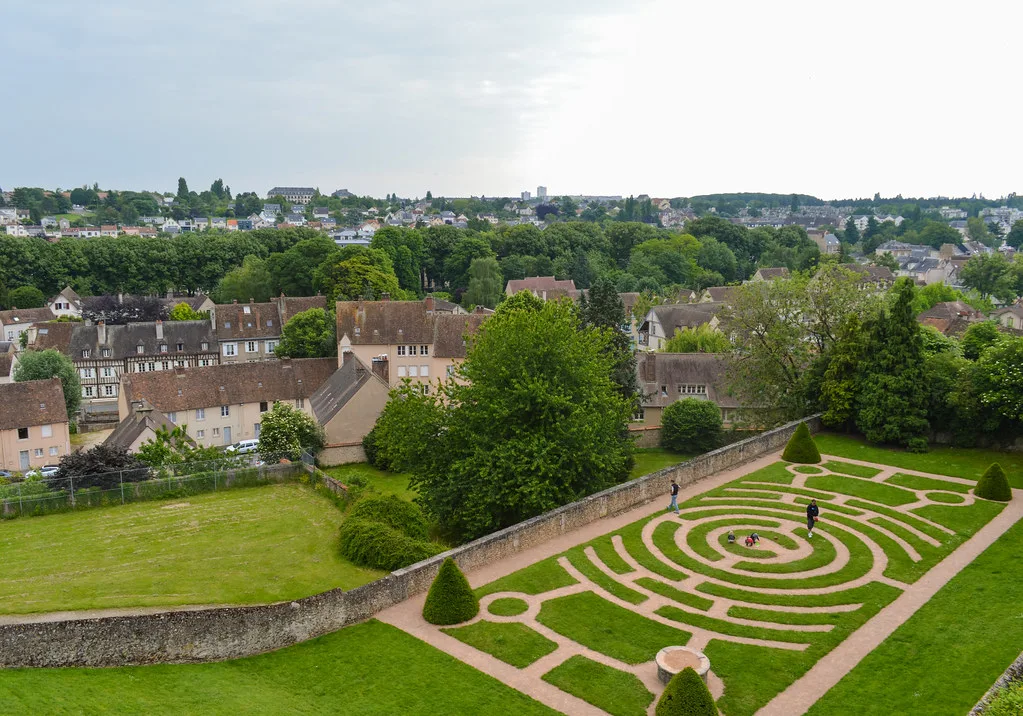
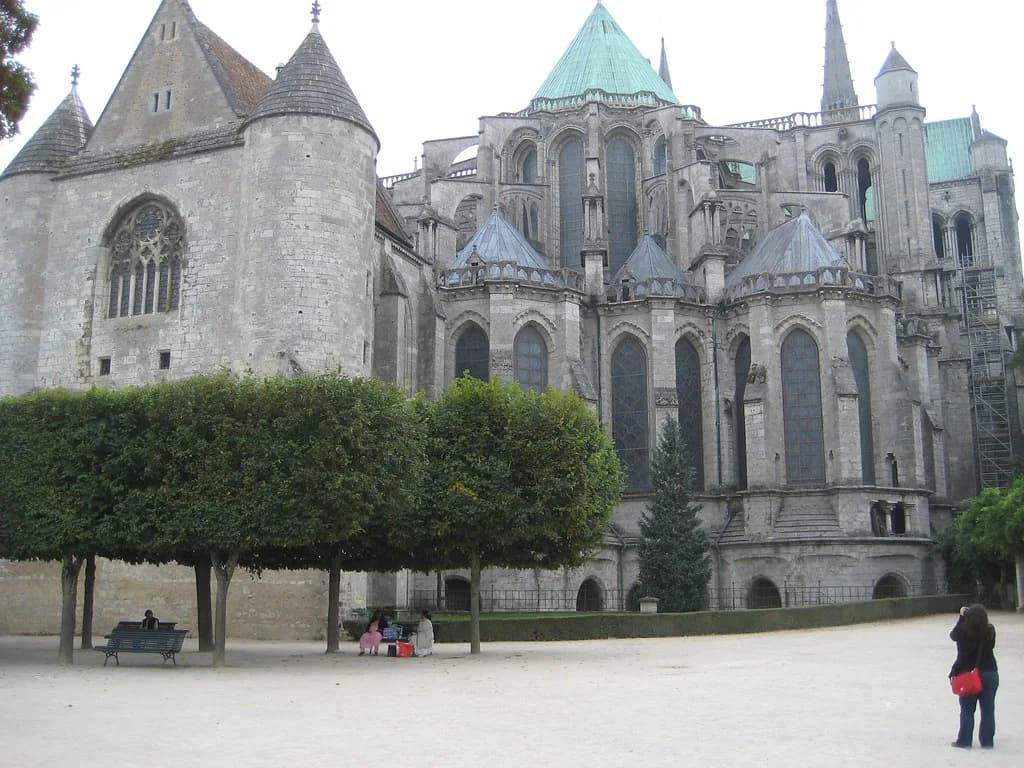
The cathedral is the reason most people come, and the interior rewards slow looking: a nave floor labyrinth of 272 white slabs, two towers in different styles, and about 2,600 square metres of stained glass depicting more than 5,000 figures. The famous Chartres blue, an intense shade whose recipe remains a mystery, glows brightest when sunlight comes through the lower windows. Walk the labyrinth on foot if it is open, and look at the royal portal carvings on the west front before you go inside.
The tower climb takes you up the north tower to a height of 60 metres for views over the old town and the plain of Beauce. Opening hours, tower access and any crypt tours change through the year, so check the cathedral's own information before you travel rather than relying on a guidebook. Our guide to the old town around the cathedral pairs the visit with the streets and squares immediately below it.
Allow at least an hour inside the cathedral and another 30 minutes for the tower if you climb it. The building sits at the top of the slope, so plan your day downhill from here rather than climbing back up at the end. Morning light tends to favour the south windows, which is a good reason to book the cathedral for your first stop.
Chartres en Lumières: the free evening light trail through the city
At nightfall the city projects light and colour onto around 20 to 24 monuments and locations, and the trail is free to follow. FranceGuide describes the route as taking about three hours if you walk the whole thing, with blue lights on the ground marking the way between sites. Treat it as your evening plan rather than a paid attraction: it costs nothing and turns an otherwise quiet night into the main event.
The season runs through the warmer months, from around April to October according to FranceGuide, with the regional tourism board describing it as a summer event. Because the exact start and end dates shift each year, confirm the current season on the Chartres tourism site before you build an evening around it. Outside that window, plan a slower dinner and an early start instead.
The old town's two levels: upper town around the cathedral, lower town along the Eure
Chartres is built on two levels, and understanding that saves you a lot of unnecessary climbing. The upper town clusters around the cathedral with the Place de la Poissonnerie, the Maison du Saumon and the 16th-century half-timbered houses, while the lower town follows the Eure through mills, wash houses, stone bridges and small gardens. Rue Chantault is the steepest street in town and holds the oldest house in France, so wear shoes you can walk uphill in.
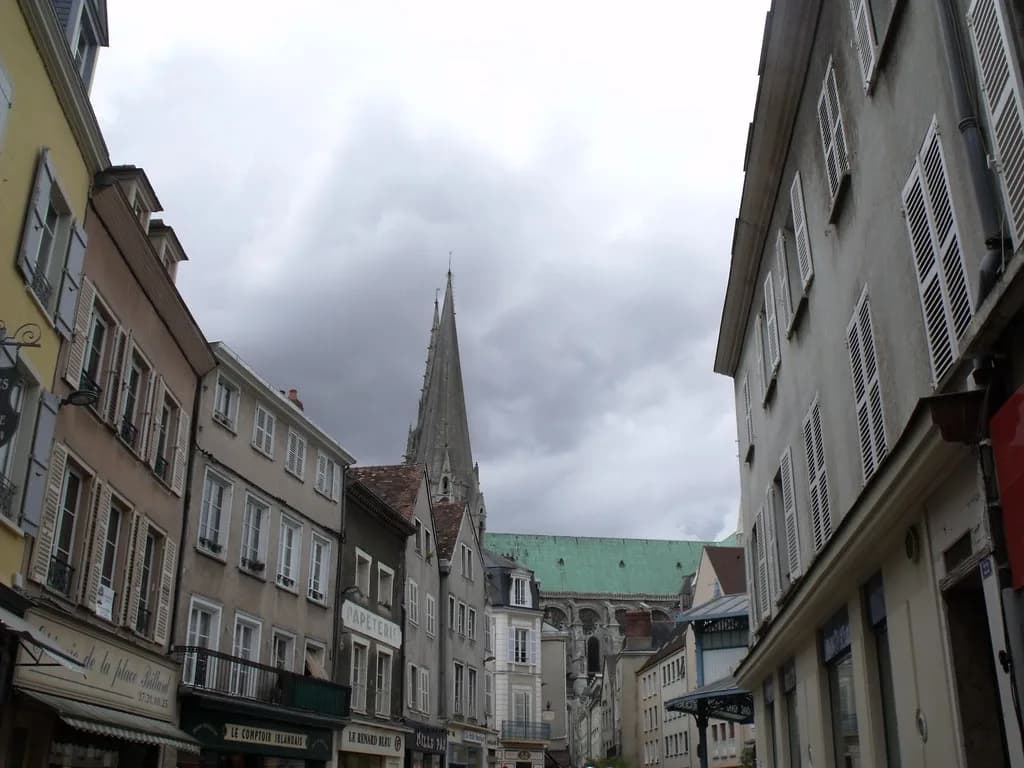
The lanes between the two levels are the point of the walk: sloping streets, passages and stairways connect the top of the city to the water. Look up for the carved facades on Rue des Écuyers, where animals, objects and fantastic figures cover the timber, and cross the footbridges over the river for the best views back up to the cathedral. The old town is compact enough to wander without a fixed route, but a loose plan helps on a short break.
A walking route through the old streets, from Rue du Cardinal Pie to Place de la Poissonnerie
Start on Rue du Cardinal Pie for the International Stained Glass Centre, then follow Rue des Changes for a 13th-century half-timbered house before climbing Rue Chantault, the steepest street in town. Continue to Place de la Poissonnerie to photograph the Maison du Saumon and the Maison de la Truie qui file, two carved timber buildings linked to the fish trade that once arrived by boat up the Seine and Eure. From there, drop down through Rue du Soleil d'Or and Rue Ballay, both lined with shops, to reach Place des Épars and its fountains.
Place des Épars is the natural pause before the lower town, with the grand facade of the Grand Monarque hotel on one side. From the square, head past the cathedral and down to the riverbank for the Eure-side stretch of cobbled lanes, vegetable gardens and wash houses. The whole loop takes a couple of hours at an unhurried pace, leaving the afternoon free for a museum or the walk out to Maison Picassiette.
Stained glass beyond the cathedral: the International Stained Glass Centre and the master glaziers' workshops
The International Stained Glass Centre on Rue du Cardinal Pie is the only centre of its kind in France, housed in a listed building that has served as a granary, a military warehouse and a cinema. Its collection covers Renaissance and contemporary glass, and the centre explains how the cathedral windows were made and restored. It is the obvious next stop after the cathedral if the windows caught your attention.
For working glassmakers, the regional tourism board names Atelier Loire and Atelier Picol, where you can watch master glaziers at work. Some studios run introductory workshops where you make a small piece of your own, but availability varies, so ask at the tourist office or contact the atelier directly. Entry prices and opening days for the centre and the workshops are set locally and are not fixed across the year, so check before you go.
Maison Picassiette: Raymond Isidore's mosaic house and the walk out to it
Maison Picassiette at 22 Rue du Repos is the life's work of Raymond Isidore, a foundry worker who spent 34 years covering his house and garden inside and out with broken china and glass, using around 15 tonnes of debris. Floors, ceilings, the bed and even the sewing machine are mosaicked in bright colour, making it one of the most unusual sights in the region. It sits about a 15-minute walk from the historic centre, which makes it a good target for a morning or a late afternoon.
The house is small and the visit is quick, so pair it with the Bel-Air district rather than making a separate trip. Opening times are limited and vary by season, so check the tourist office listings for the days it is open during your stay. Do not plan your whole day around it without confirming first.
The Bel-Air district murals and the gardens: Bishop's Palace, Sakurai, the medieval garden
Bel-Air, south of the centre, was transformed by street artists and young designers who covered around 4,000 square metres of building facades with trompe-l'oeil murals on four themes: the city centre's architecture, the identity of Beauce, the banks of the Eure and perfume. It is free to wander and pairs naturally with the walk to Maison Picassiette. Allow 30 to 45 minutes to see the main murals without rushing.
Back in the centre, the gardens give you a reason to slow down: the Bishop's Palace gardens, the horticultural gardens, the Jardin de Sakurai and the medieval garden at the Saint-André collegiate church. In summer, La Petite Venise is a lively open-air cafe by the water and the starting point for pedalo and canoe trips on the Eure. Pick one or two gardens rather than trying to see them all in a weekend.
Chartres market days at Place Billard and what to buy
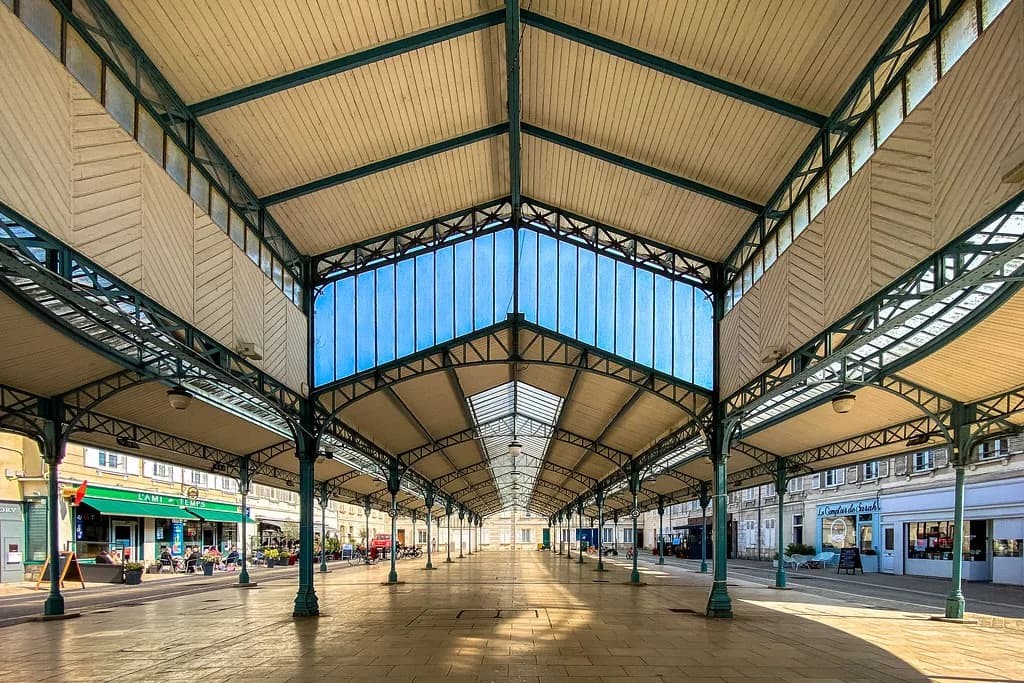
The covered market on Place Billard, near the cathedral, runs on Wednesday and Saturday mornings from 7am to 1pm, when stalls fill with local produce. That makes either morning the best time to shop for a picnic or to stock up on cheese, bread and fruit before a walk along the Eure. A separate organic market runs on Wednesday evenings, with a bread stall that is worth seeking out.
Chartres has local specialities to look for while you shop: the Mentchikoff, a sweet of praline chocolate under Swiss meringue, and the Pèlerin, an almond and fruit cake stamped with the cathedral labyrinth. Bakeries around the cathedral sell both, so a market morning can end with something to eat on the walk down to the river. If food is a big part of your trip, the wider guide to the best restaurants in Chartres covers where to sit down afterwards.
Wednesday and Saturday mornings are the busiest times in the old town, so book the cathedral for a different slot if crowds bother you. For more on the stalls, days and what each market sells, see the dedicated guide to the Chartres market.
How many days Chartres needs, and how to split a weekend across the city
One full day covers the cathedral, the old-town loop and one museum, which is the right shape for a day trip from Paris. Two days let you add Maison Picassiette, the Bel-Air murals and an evening on the light trail without rushing. Three days is generous unless you plan to use Chartres as a base for the wider region.
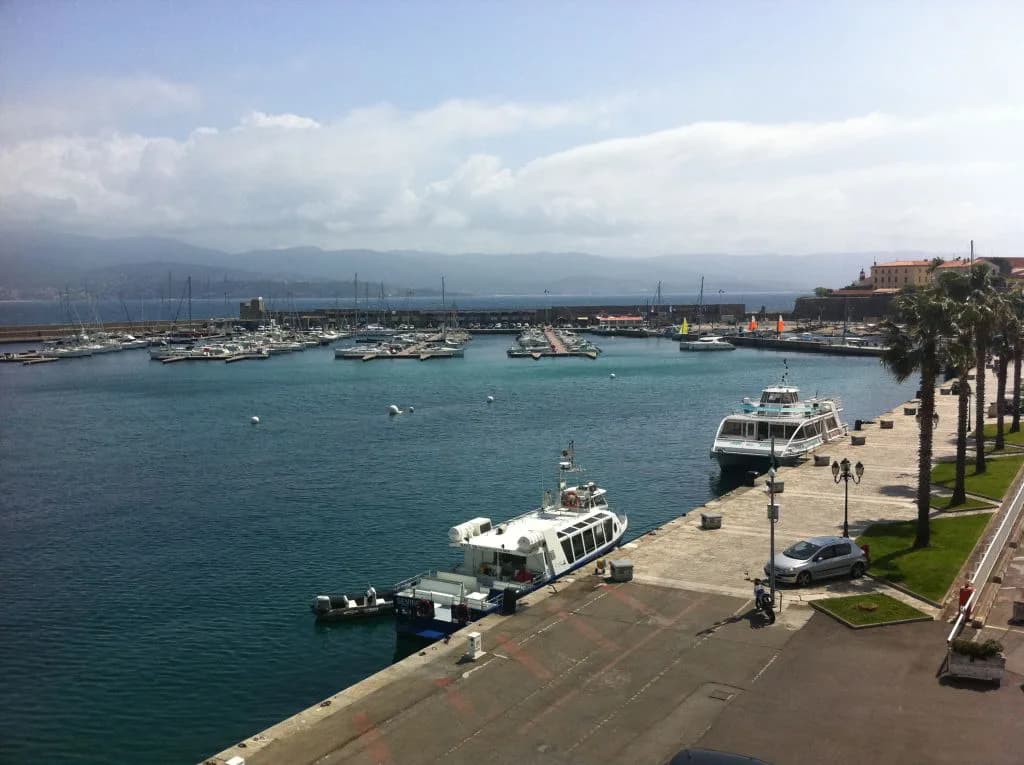
A practical two-day split: arrive late morning, visit the cathedral and climb the tower, then walk the old town down to the Eure and finish with the light trail in summer. On day two, take the stained-glass centre in the morning, walk to Maison Picassiette and Bel-Air, and leave the gardens or the market for the afternoon depending on the day of the week. If you are combining cities, the guides to things to do in Aix-en-Provence and things to do in Ajaccio follow the same format for other French cities.
Getting there and around: trains from Paris, walking times and the free shuttle
Trains leave Paris Montparnasse for Chartres roughly every hour, taking as little as 59 minutes on the fastest services, and they arrive at a station a short walk from the cathedral. By car, the drive takes about an hour and 20 minutes on the A10 and A11 from the Paris area. Once you arrive, everything in the centre is walkable, and the free shuttle bus runs Monday to Saturday if you want to save the climb.
Local buses run under the Filibus network, with timetables in the MyBus Chartres app. Bikes can be hired for the riverside paths, which is a pleasant way to reach the lower town without retracing your steps. If you need a map or local advice, the tourist office sits at 8 Rue de la Poissonnerie in a Renaissance building, and the city publishes a discount card for partner shops and sites; check its conditions at the desk.
For a fuller run-down of foot routes through the centre, our Chartres Attractions hub gathers the guides to the cathedral, the old town and the city's other sights.
When to go: summer light shows versus quieter seasons
Summer brings the evening illuminations, the pedalo cafe at La Petite Venise and the liveliest terraces along the Eure, but it also brings the biggest crowds around the cathedral. Spring and autumn are quieter and better for long walks through the old town, though the light trail only runs in the warmer months. Winter is the cheapest and calmest time to see the cathedral windows without a queue.
Weather in the Beauce plain is changeable, so pack for rain whatever the season and keep an indoor option in reserve. Check the cathedral's own calendar and the city tourism site for the light-trail dates before fixing your travel dates.
Where the day trips end and Chartres begins: a practical two-day plan
Chartres is often squeezed into a day trip from Paris, and it works, but the city rewards an overnight stay because the evening light trail, the market morning and the stained-glass centre each need their own slot. Book one night in the old town and you can see the cathedral at opening time on day one and spend the second morning at the market or in the lower town. Anything beyond that is a bonus.
Keep the plan flexible: markets run on set mornings, the light trail runs in a summer season, and museums keep their own days. Confirm the current times for the cathedral, the stained-glass centre and Maison Picassiette on the official Chartres tourism pages in the week before you travel, then build the rest of the trip around them.
Plan Your Visit
Chartres gives you a UNESCO cathedral, a two-level medieval town, a free summer light trail and an unusual mosaic house within a walkable centre. One night is enough to see it properly and two days let you slow down; a day trip works if you accept that something has to be left out. For a short break from the UK, it is one of the easiest French cathedral cities to reach.
Explore more Chartres guides
Frequently Asked Questions
Is Chartres worth visiting?
Yes, if you want a compact city built around a UNESCO cathedral with medieval streets, a riverside lower town and a free summer light trail. It suits an overnight break better than a rushed day trip, because the cathedral, the stained-glass centre and Maison Picassiette all need time.
Can you walk the labyrinth at Chartres Cathedral?
The cathedral has a labyrinth of 272 white slabs set into the nave floor. Whether you can walk it depends on how the cathedral is managing visitor flow at the time, so ask on arrival rather than planning your day around it.
What is Chartres famous for?
Chartres is famous for Notre-Dame, a Gothic cathedral with two mismatched towers and its celebrated blue stained glass, and for the medieval old town that slopes down to the Eure river. It is also known for stained-glass making, with an international centre and working ateliers in the city.
Is Chartres a day trip from Paris?
Yes. Trains from Paris Montparnasse take roughly an hour to an hour and 15 minutes, and the station is a short walk from the cathedral. A day trip covers the cathedral and a loop of the old town, but an overnight stay lets you add the light trail or the market morning.
How many days do you need in Chartres?
One full day covers the cathedral, the old town and one museum. Two days is the comfortable choice if you want the stained-glass centre, Maison Picassiette and an evening in the city without rushing.
What is there to do in Chartres besides the cathedral?
The old town's upper and lower levels, the International Stained Glass Centre, the Maison Picassiette mosaic house, the Bel-Air murals, the gardens along the Eure and the covered market at Place Billard on Wednesday and Saturday mornings.
When is market day in Chartres?
The covered market at Place Billard runs on Wednesday and Saturday mornings, with a separate organic market on Wednesday evenings. Check the city tourism site for current details before you plan your morning around it.
Is Chartres en Lumières free?
Yes. The evening light trail through the city's monuments is free to follow, and it runs in the warmer months. Confirm the current season's dates before you build an evening around it.
Sources
Notes for French city breaks
Optional updates to our guides.
You might also like
Continue reading
More guides you'll find useful