Museums in Dijon: Which Ones Are Worth Your Time
Dijon's museums range from the Musée des Beaux-Arts in the ducal palace to small specialist collections. Here is what each holds and how long to allow.
On this page
The Musée des Beaux-Arts is the museum to build a Dijon weekend around: it occupies the Palais des Ducs et des États de Bourgogne, holds the tombs of the dukes of Burgundy and sits a short walk from Place de la Libération. Everything else in the city is smaller and quicker, so the sensible plan is one long museum visit and one or two short ones. The city tourist office lists around twenty museums and interpretive centres, which sounds daunting until you realise most are compact and clustered in the old town.
How Dijon's museums are laid out
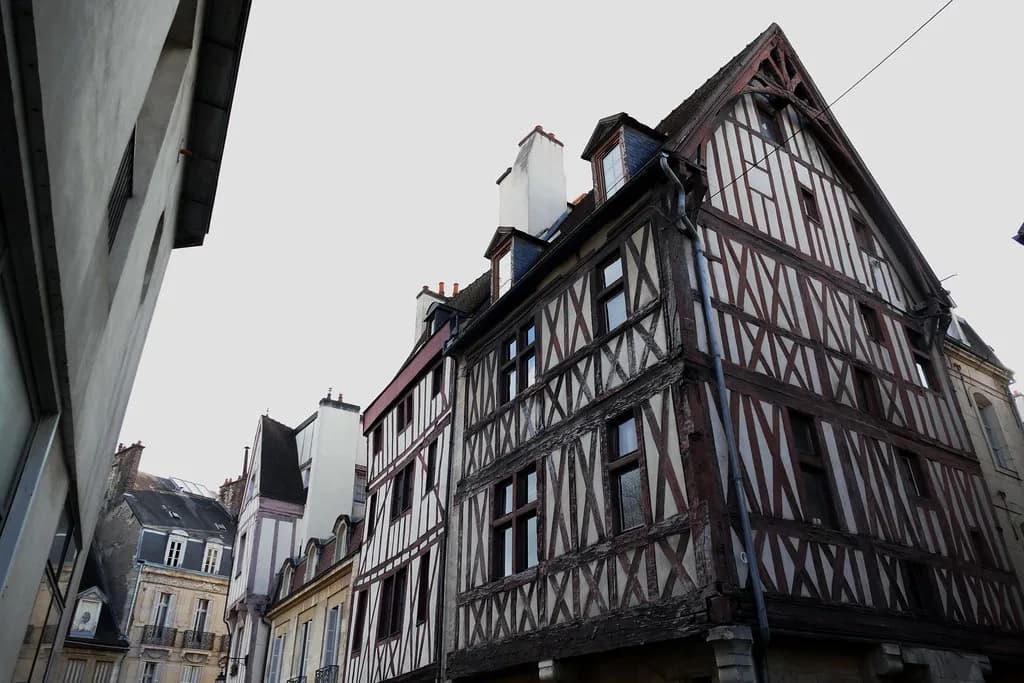
Dijon's main museums sit inside or on the edge of the old town, so you can walk between them rather than plan transport. The Beaux-Arts is in the ducal palace by Place de la Libération, and Rue de la Liberté runs from there to Place Darcy and the station, which makes the whole museum cluster a single walkable spine. If you are sketching a route, our guide to things to do in Dijon covers how the old town and its sights fit together.
The tourist office publishes the full list of museums and interpretive centres, including the Fine Arts Museum, the contemporary art centre, the Rude Museum and the Burgundian life museum, and that list is the reliable place to confirm what is open. Smaller collections such as the Musée Magnin, the Musée Archéologique and the Musée de la Vie Bourguignonne appear on it too, and they are the ones that reward a spare hour.
Musée des Beaux-Arts: the ducal palace setting
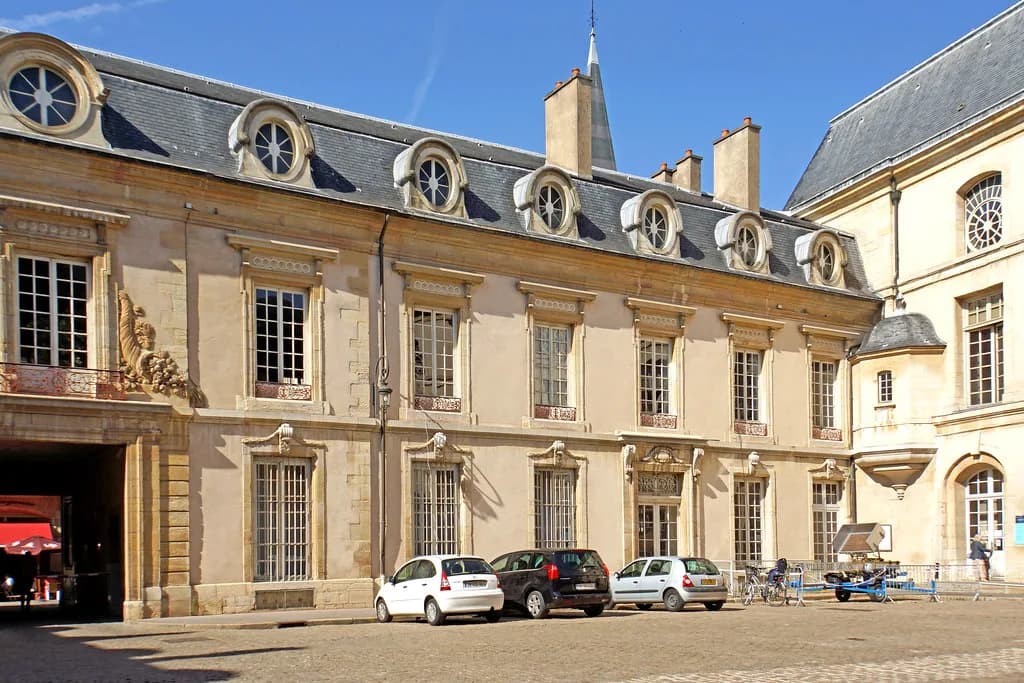
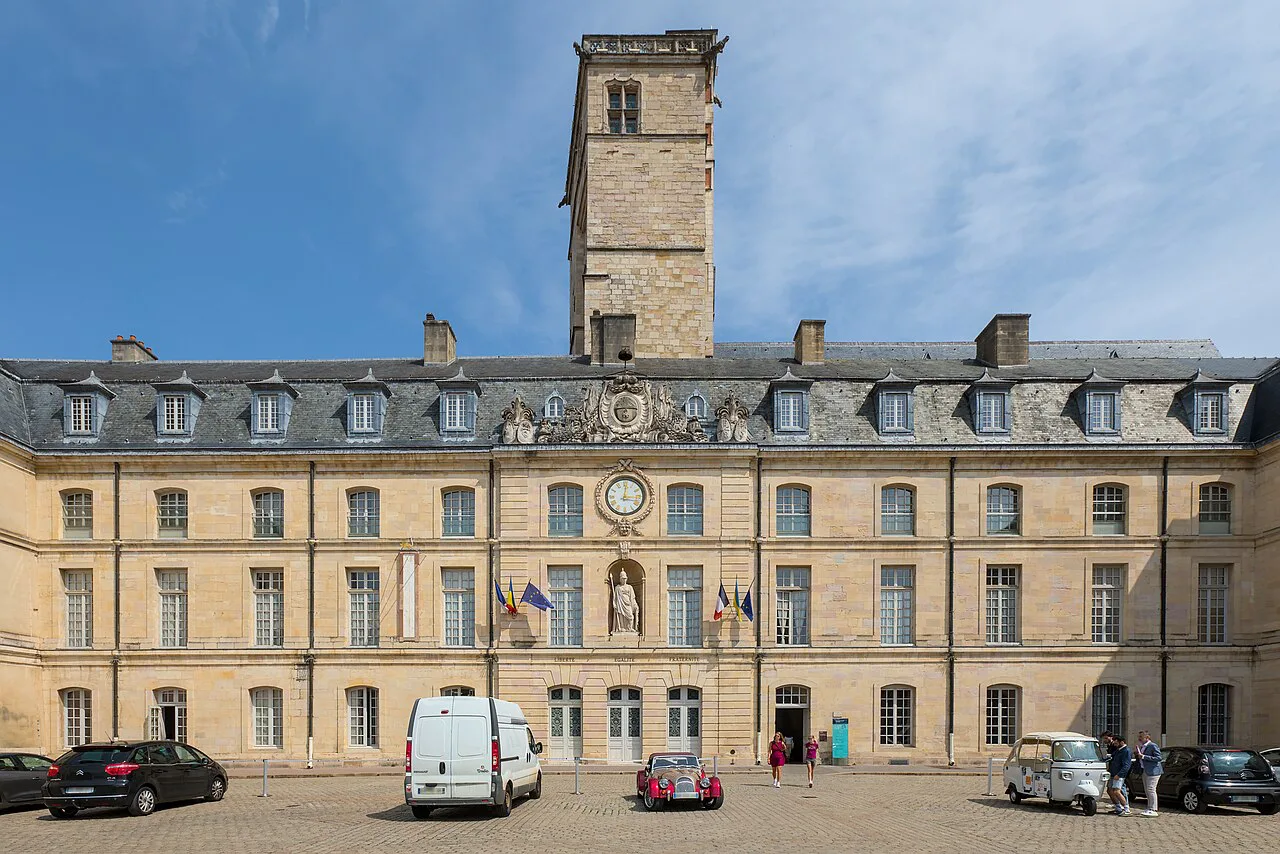
The building is half the attraction. The museum opened in 1799 and occupies a former medieval palace, making it one of the oldest public museums in France alongside the Louvre, and a decade-long renovation completed in 2019 added 50 per cent more space and brought the permanent collection to 50 rooms. The palace is listed as part of Burgundy's climats UNESCO World Heritage site rather than in its own right.
Allow at least two hours, and more if you read labels. The collection runs in roughly chronological order from ancient Egypt and Greece through to contemporary art, with a deliberate lack of hierarchy that puts decorative arts, African masks and Cycladic figures alongside paintings. That arrangement suits a short break: you can walk a straight line through European art and still come out in the courtyard with the day intact.
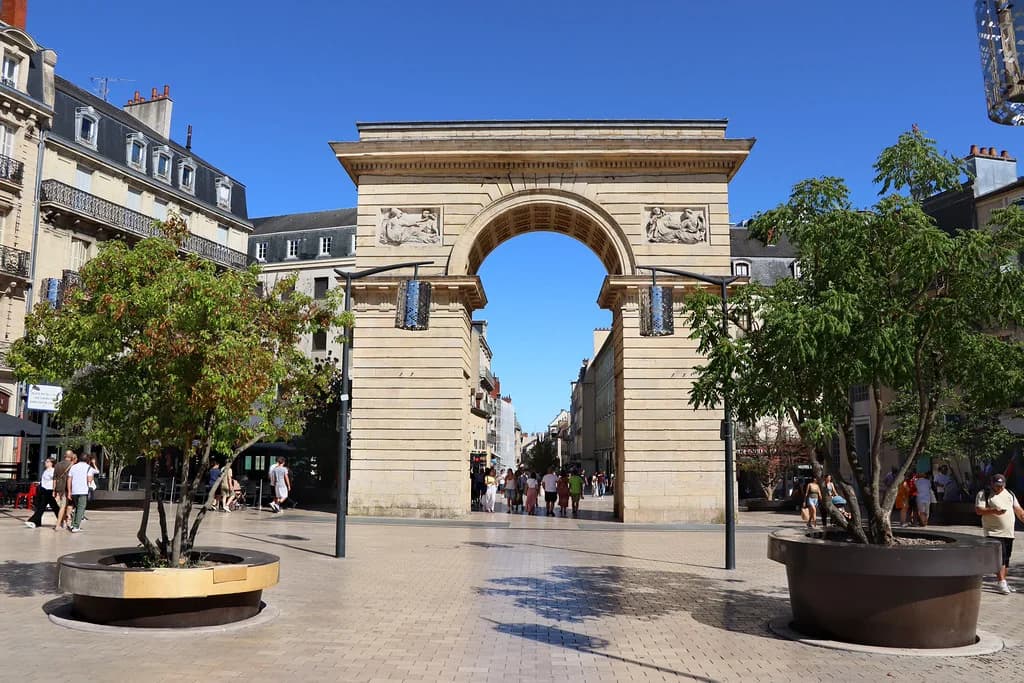
A whole room is given to François and Sophie Rude, and the sculptor's plaster model for the Marseillaise relief on the Arc de Triomphe takes pride of place there, with Sophie's face said to have modelled the shrieking figure of Liberty. If you want the sculpture story in more depth, the separate Musée Rude is a few minutes away.
Inside the Beaux-Arts: what to see first
Head for the Salle des Gardes, the former banqueting hall, where the monumental tombs of Philip the Bold and of John the Fearless with Margaret of Bavaria have rested for around two centuries. The alabaster mourners carved in the round rather than in relief are the reason to linger: their varied poses of grief are unusually expressive for medieval sculpture.
On the way in, the Galerie de Bellegarde holds a pair of Flemish altarpieces commissioned by Philip the Bold in 1390, with carved scenes by Jacques de Baerze and painted wings by Melchior Broederlam that are his only surviving paintings. The tombs came from the Charterhouse of Champmol, dissolved during the Revolution, which explains why such funerary monuments sit inside a city museum.
Later galleries carry the Granville family bequest, including Georges de la Tour's Boy Blowing on a Firebrand and canvases by Courbet, Delacroix and Odilon Redon, plus 20th-century work from Juan Gris to Nicolas de Staël. A gilded marquetry clock attributed to André-Charles Boulle, rediscovered in storage during the renovation, was restored at the Louvre.
Musée Rude and the Arc de Triomphe connection
The Musée Rude is the specialist stop for anyone taken by the Rude room in the Beaux-Arts: it holds plasters by the Dijon-born sculptor, and it appears on the city's list of museums alongside the Fine Arts Museum. It is a short visit rather than a half-day, so slot it between bigger sights or on the way back through the old town. The tourist office's museum pages are the place to confirm its current access before you set out.
Musée de la Vie Bourguignonne: daily life in Burgundy
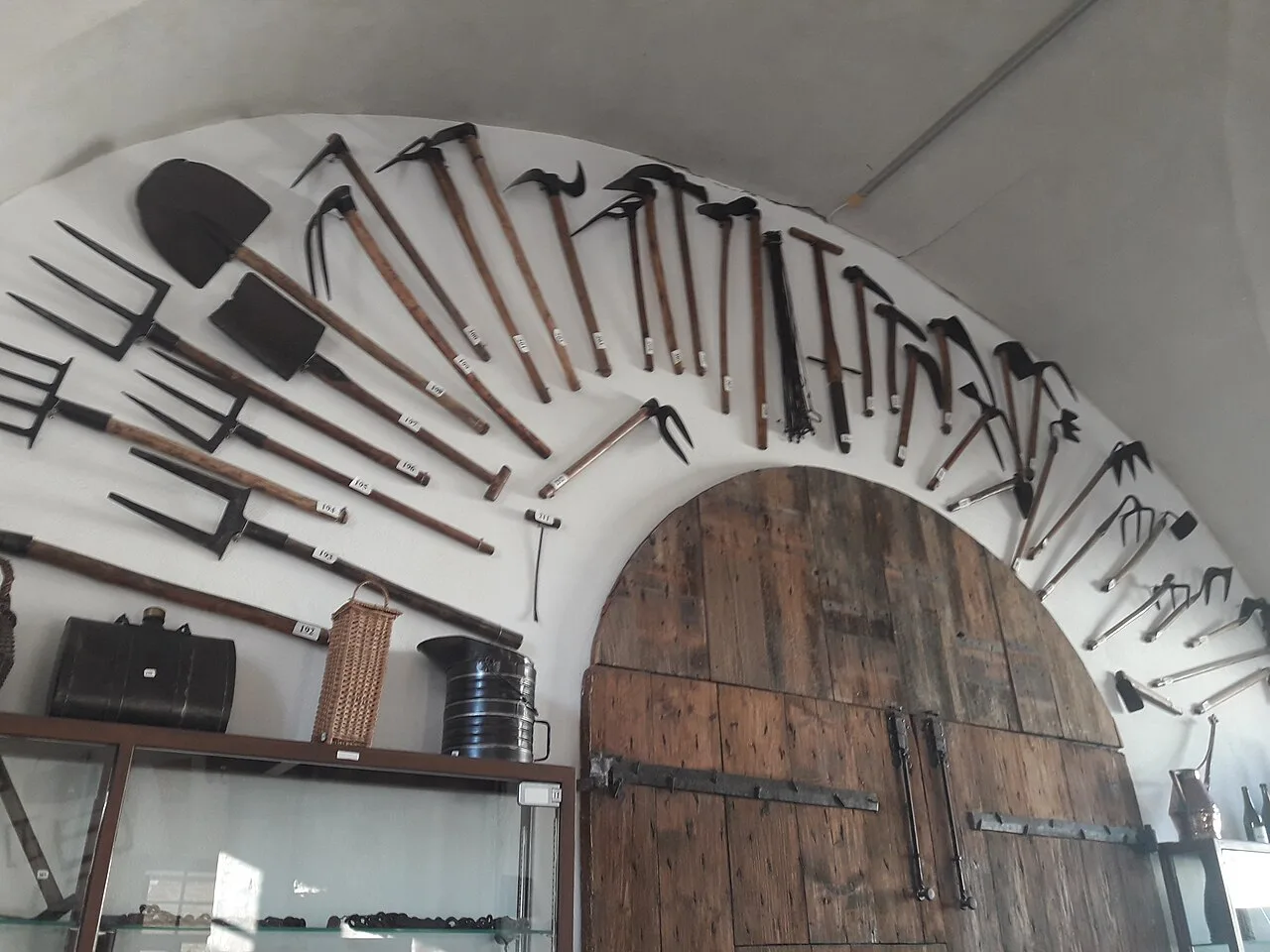
If you want context for the region rather than more fine art, the Musée de la Vie Bourguignonne covers traditional Burgundian daily life. It appears on the tourist office list and in round-ups of Dijon museums, which is as much as you should plan around: treat it as a flexible hour rather than a fixed appointment.
Musée Magnin: a collector's townhouse
The Musée Magnin is a collector's house museum, built around the Magnin family's holdings rather than a ducal or civic collection. That makes it a different kind of visit from the Beaux-Arts: smaller rooms, domestic scale, and a natural pairing with a walk through the old town streets around it. Both the tourist office list and TripAdvisor's Dijon museum rankings name it, so it is easy to slot in if you have a second half-day.
Pair it with the Musée Archéologique and the other small civic collections, which sit close enough to visit on foot in the same afternoon. Our Dijon old town guide maps the streets that link them and the squares worth pausing on between doors.
Le Consortium: contemporary art in Dijon
Le Consortium is the city's contemporary art centre and appears on the tourist office's museum list alongside the more traditional collections. If contemporary work is your priority, it justifies a detour; if not, the Beaux-Arts already carries the story up to the present with its École de Paris and de Staël holdings. Decide on that basis rather than trying to fit both into one short break.
How long each museum takes, and how to pair them
Budget two to three hours for the Beaux-Arts and around 45 minutes to an hour each for the Rude, Vie Bourguignonne and Magnin. That means a realistic pair for one afternoon is the Beaux-Arts plus one small museum, not three. Museums in Dijon generally keep daytime hours that finish in the late afternoon, so an arrival at opening time gives you the most useful block. If you are weighing a similar city break elsewhere, our guide to the museums in Aix-en-Provence makes a useful comparison for how to pace a single big collection and a few small ones.
A sensible split over a weekend: the Beaux-Arts on the day you arrive, then the small collections the next morning before lunch. Our Dijon itinerary sets out a two-day shape you can adapt around whichever museums you choose.
Keep an eye on the clock at lunch: Dijon's restaurants fill up, and the best restaurants in Dijon are worth booking rather than chancing at one in the afternoon.
Opening days, closing days and tickets
Confirm the day before you go: French museums often close one day a week, and Dijon's are no exception in principle, but the specific closing day varies by institution and is not something to assume. The tourist office's museum pages carry the practical details for each venue, and the museum's own site is the final word on temporary closures. Ticket prices change, so check the current tariff at the desk or online rather than relying on old figures.
If your trip centres on the Beaux-Arts, a weekday morning is the calmer choice, and it leaves the afternoon free for the old town. The same visit pairs naturally with the Palais des Ducs and the Philippe le Bon Tower, which requires a booked guided tour rather than a walk-up climb.
Free entry and city passes
The Dijon City Pass bundles museum entry, public transport and discounts, and it can be bought for 24, 48 or 72 hours. One pair of reviewers who used the 24-hour version concluded it was not worth it for a city-centre day and made more sense if you plan to rent a car for sights outside Dijon.
Their reasoning is worth taking seriously: many of the museums and castles on the pass sit outside the city, reachable by a drive of roughly 10 to 60 minutes, while the in-city inclusions are narrower. If you are staying central and walking, pay per museum instead; if you are touring Burgundy by car over three days, the longer pass changes the arithmetic.
Some museums in Dijon offer discounted or free entry through the Dijon City Pass, and the tourist office lists which discounts apply, so check before buying anything. Our guide to whether Dijon is worth visiting sets the museums against the rest of what a short break here offers.
Practical layout: walking and where to break
The museum cluster is walkable. From Place Darcy and the station, Rue de la Liberté runs straight to Place de la Libération and the ducal palace, with Place François-Rude on the way for a coffee stop. That axis is the spine of any museum day, and it means you never need a tram between the main collections.
Break for lunch in the old town between the Beaux-Arts and the small museums rather than eating inside a museum, and use the market if your visit falls on a market morning. Our dijon market notes cover which days Les Halles operates.
To orientate yourself before the museums open, follow the owl plaques on the Parcours de la Chouette, a self-guided walk of notable locations marked across the old town, with maps from the tourist office by the station.
Which Museums to Choose
With one day, do the Musée des Beaux-Arts properly and add the Musée Rude if time allows. With two days, add the Vie Bourguignonne or Magnin for context on the second morning, and leave the afternoon for the palace, tower and old town streets. Skip Le Consortium unless contemporary art is the reason you came, and check each museum's closing day and current ticket price before you travel.
Explore more Dijon guides
Frequently Asked Questions
Which museum in Dijon is worth visiting most?
The Musée des Beaux-Arts in the ducal palace. It combines the building, the tombs of the dukes of Burgundy and a collection that runs from medieval altarpieces to 20th-century painting, so it delivers the most in a single visit. Give it two to three hours.
Is the Musée des Beaux-Arts de Dijon free?
Free-entry arrangements exist for some museums in the city, but they vary by venue and can change. Check the tourist office's museum pages or the museum's own site for the current position before you plan around it.
How long does the Musée des Beaux-Arts take?
Allow two to three hours for a focused visit covering the Salle des Gardes tombs, the Champmol altarpieces and the later galleries. Add more time if you read labels or want the temporary exhibitions.
Are Dijon's museums open on Mondays?
Closing days differ by museum, and some French museums close one day a week. Rather than assume, check the individual museum's published days on the tourist office site before you set your plan.
Which museums suit a one-day visit to Dijon?
The Beaux-Arts plus one small collection such as the Musée Rude. Trying to add the Vie Bourguignonne and Magnin as well leaves no time for the old town, the Philippe le Bon Tower or lunch.
Is the Dijon City Pass worth it for museums?
One pair of reviewers who tested the 24-hour pass judged it poor value for a city-centre day, because many included museums and castles lie outside Dijon. It makes more sense if you are touring the region by car over two or three days.
Do I need to book anything in advance for a museum day in Dijon?
The Philippe le Bon Tower is only accessible on a booked guided tour, so reserve that separately from your museum tickets. Museum entry itself is generally turn-up, but check the day before for closures.
Sources
- Dijon in One Day: Top Things to Do with Limited Time
- Musée des Beaux-Arts | Dijon, France | Attractions - Lonely Planet
- Dijon’s grand old museum has a new look – and it really cuts the mustard - Apollo Magazine
- Dijon Christmas Market: What To See in 2026 - French Moments
- Museums - Tourist Office Dijon Métropole
- The best museums in Dijon Burgundy
- THE 10 BEST Museums in Dijon (2026) - with Reviews
Notes for French city breaks
Optional updates to our guides.
You might also like
Continue reading
More guides you'll find useful