Museums in Grenoble: Which Ones Are Worth Your Time
Grenoble counts 15 museums, from the Musée de Grenoble's fine art to the Musée dauphinois in a former convent. Here is how to pick, plan and pace a visit.
On this page
Grenoble counts 15 museums, according to the city's tourist office, and they cover an unusually wide spread: fine art, contemporary art, anthropology, the Resistance, Alpine military history, computing and science. That breadth is the good news and the trap, because a weekend cannot absorb all of it and several museums sit well outside the centre. This guide groups them by what they actually hold and by where they are, so you spend your time looking rather than travelling.
What Grenoble's museums cover
The tourist office's museum listing is the single most useful planning document, because it labels each museum by subject and by locality in one pass. Its categories run from fine arts and modern and contemporary art through anthropology and archaeology to history, military subjects, sciences and technology, so you can jump straight to the strand that interests you. The listing returns 21 results across all localities while the city itself is credited with 15 museums, a gap explained by the surrounding towns included in the same index.
For a short break, three clusters do most of the work: the municipal fine art collection, the Dauphiné's anthropology and archaeology, and the wartime and military story. Science and industry museums fill a wet afternoon well, and the contemporary art centre suits anyone who wants to see living artists rather than old masters. Decide which two clusters matter most before you open a map, and the rest of the planning falls into place.
How Grenoble's museums are laid out
Most of the museums sit inside Grenoble itself, which makes a museum-led morning easy to combine with the rest of the city. The tourist office labels the outliers precisely: La Tronche, Vizille, Vif, Jarrie, Le Pont-de-Claix and Champ-sur-Drac each hold at least one museum in the listing. Treat those labels as your distance warning, because a museum in Vizille or Vif is a different proposition from one in the centre.
The practical consequence for a two- or three-night stay is simple: build the centre first and add one outlying museum only if its subject genuinely pulls you. Vizille and Vif both need a deliberate trip rather than a spare hour between other sights. If you are still deciding whether the city justifies the journey at all, our honest answer on whether Grenoble is worth visiting sets out what a short break here actually delivers.
Start with the Musée de Grenoble
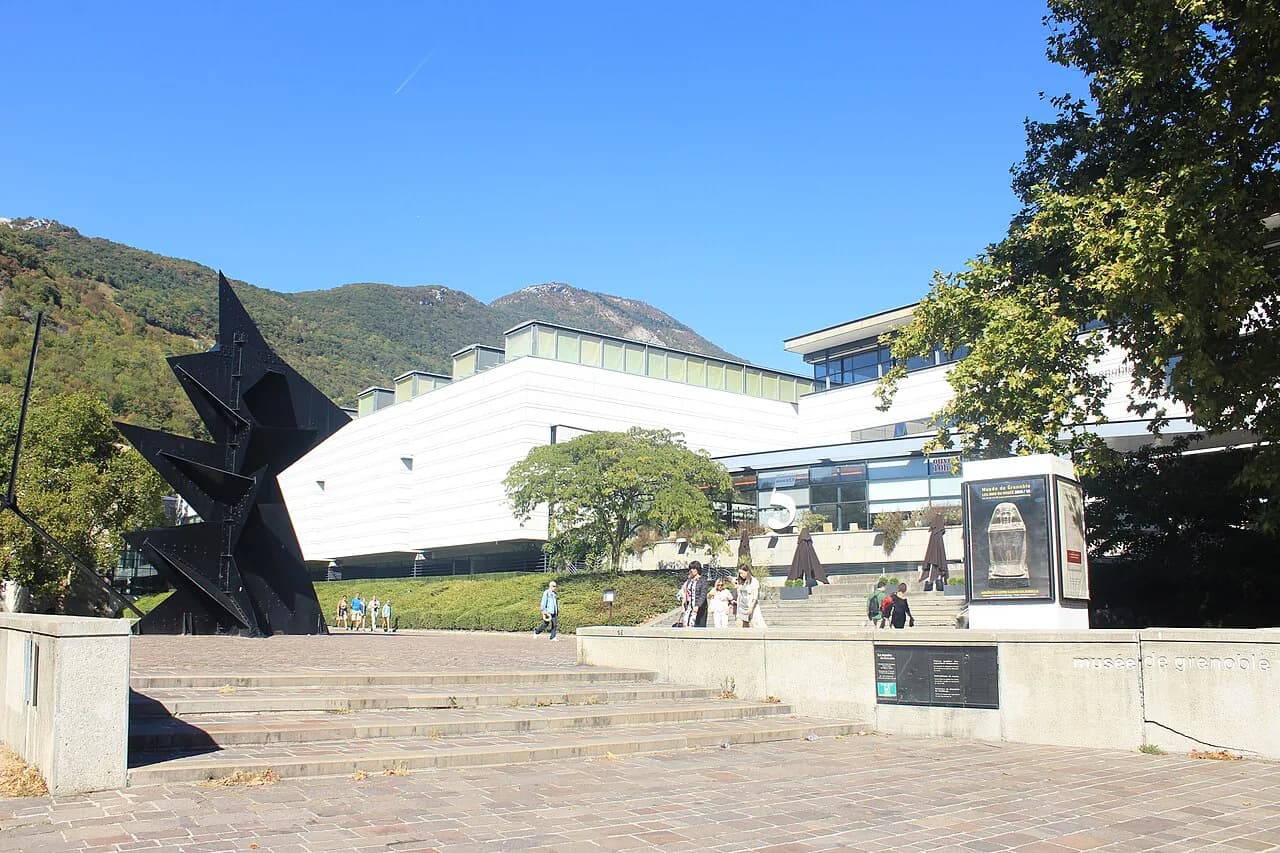
The Musée de Grenoble is the city's municipal museum of fine arts and antiquities, and it is the natural anchor for a museum day. Its collection spans both older holdings and modern and contemporary work, which makes it the broadest single stop in the city and the one to protect time for.
Allow a half day rather than a rushed hour, especially if you want both the antiquities and the modern rooms. If your interests lean towards older European painting and you enjoy comparing collections across French cities, our guide to museums in Aix-en-Provence gives a useful counterpoint on how provincial French fine art museums are arranged. Pair the Musée de Grenoble with a walk through the surrounding streets rather than stacking a second major museum on the same afternoon.
The Musée dauphinois: the Dauphiné under one roof
The Musée dauphinois covers anthropology, archaeology and the local history of the Dauphiné, and it is the museum to choose if you want to understand the region rather than the city alone. Its subject matter ranges across daily life, folk traditions and the Alpine setting, which suits anyone who prefers context to masterpieces. Because it sits in Grenoble itself, it slots neatly into a centre-based day alongside the old town.
Treat it as a two-hour stop and let it set up the rest of your visit, since what you learn about the Dauphiné makes the mountain backdrop and the older quarters easier to read. The nearby Vieille Ville rewards an unhurried walk afterwards, and our guide to the Grenoble old town picks out what is worth seeing on foot.
The Musée archéologique Saint-Laurent
The Musée archéologique Saint-Laurent is an archaeological site museum, presenting finds and structures connected to the city's early history. It appeals to travellers who like seeing the layers of a place rather than rows of labelled objects. The tourist office lists it among Grenoble's cultural and local history museums, so it belongs in the centre-based group.
It works well as a shorter stop of around an hour, which makes it a good bridge between a bigger museum morning and an afternoon outdoors. If you want a second archaeological collection with a very different setting, the Musée départemental Arles antique in the south of France shows how far French site museums can go; our museums in Arles guide explains what it holds.
Le Magasin, the national contemporary art centre
Le Magasin is the city's national contemporary art centre, listed by the tourist office under fine arts, modern and contemporary art and plastic arts. Expect temporary exhibitions and a programme built around current practice rather than a fixed historical collection. What is on changes, so the visit is worth shaping around whatever the centre is showing when you arrive.
Give it a focused hour or two rather than a whole afternoon, and check the current exhibition before you commit, since a show you have no appetite for will not be rescued by the building. It pairs well with the Musée de Grenoble if you want a day that moves from historical to contemporary art without leaving the centre.
Resistance, deportation and Alpine military history
The Resistance Museum in Grenoble covers the wartime history of the Resistance, and the Mountain Troops Museum covers the Alpine military story; the tourist office lists both under history and military subjects. Together they give the Second World War and mountain warfare a local grounding that general histories cannot. These are the museums to choose if you want substance over spectacle on a short break.
Allow a couple of hours for the Resistance Museum, because the subject rewards attention, and treat the military collection as an optional addition rather than a compulsory pairing. Both sit in Grenoble, so they fit a single sober morning without transport complications.
Musée Stendhal and Musée Hébert
Two smaller museums cover a writer and an artist: the Musée Stendhal in Grenoble, devoted to the city's famous novelist, and the Musée Hébert in La Tronche, listed under fine arts. These are short visits of around an hour each, best treated as complements to a larger museum rather than destinations in their own right. The Hébert requires a hop out to La Tronche, so weigh that against your remaining time.
If literary houses are your thing, the Stendhal is the easier addition and keeps you in the centre. If you would rather spend the same hour outdoors, the climb to the Fort de la Bastille is the better use of a clear morning, and our things to do in grenoble guide covers how to fit it in.
Science and technology: La Casemate, the Muséum, Aconit and Arhome
The science and industry strand is the strongest option for families and for anyone caught out by rain. The Muséum de Grenoble covers natural history and the environment, La Casemate covers sciences and technology, Aconit is a museum of computing and Arhome covers industrial innovation, all listed by the tourist office. Each is a specialist stop rather than a general collection, so pick by the subject that actually interests you.
La Casemate and the Muséum both sit in Grenoble and are easy to combine, while Arhome and Aconit reward a more deliberate choice. If you have children in tow, choose one science museum and do it properly rather than chaining three together. Our wider Grenoble Attractions hub lists the other visitor guides for the city, so you can balance museum time against everything else.
The Museum of the French Revolution at Vizille
The Museum of the French Revolution at Vizille is the one museum in the listing that clearly justifies leaving Grenoble, and the tourist office files it under arts and culture, folk arts and local history. Its subject is national rather than local, which is exactly why it repays the journey. Vizille is a separate locality in the listing, so plan it as a half day out rather than an hour squeezed between city sights.
Build the trip around the museum itself and keep the rest of the day loose, since the point of going is the collection rather than the town. If your weekend is short, this is the museum to drop first, because the centre already holds more than enough for two days.
Beyond the centre: Vif, Jarrie, Le Pont-de-Claix and Champ-sur-Drac
Four further localities hold museums in their own right: the Musée Champollion at Vif, the chemistry museum at Jarrie, Espace Histo Bus Dauphinois at Le Pont-de-Claix and Musée Autrefois at Champ-sur-Drac. Each is a specialist museum with a defined subject, from Egyptology and local history to transport and craft. None belongs in a first-time weekend unless the subject is why you came.
For a return visit or a longer stay, these are the museums that reward curiosity rather than obligation. Pick one, check how it fits your travel day and accept that it will shape the rest of your schedule. Our Grenoble itinerary suggests how to hold a day together when one stop sits well outside the centre.
Free museums and how to find them
The Grenoble Alpes Tourisme museum listing carries a filter for free museums, which is the reliable way to find no-cost options without relying on memory or guesswork. Several of the museums in the index are described as free in the tourist office's own introduction, but which ones qualify can change, so apply the filter to check current status. That habit keeps a budget weekend honest.
Free entry does not make a museum worth your morning, so weigh the subject first and the price second. A free specialist collection you have no interest in still costs you two hours of a short break.
How long each museum needs
Group the museums into three realistic time bands. The Musée de Grenoble, the Musée dauphinois and the Museum of the French Revolution at Vizille each justify a half day. Le Magasin, the Resistance Museum and the Muséum de Grenoble fit a focused hour or two. The smaller museums, including the Musée Stendhal, Musée Hébert and the archaeological museum, work as hour-long additions rather than centrepieces.
A workable museum half day is one substantial museum plus a short walk, not three collections in sequence. A full museum day in the centre pairs the Musée de Grenoble in the morning with a smaller museum after lunch and leaves the evening free. If you would rather spend the afternoon outdoors, the Grenoble old town is a ten-minute walk from much of the centre and needs no ticket.
Fitting museums around a Grenoble weekend
Museums work best in the mornings here, leaving afternoons for the city itself and the mountains above it. Take one museum before lunch, walk the old town afterwards and keep the second day for the Bastille and the streets around the centre. That rhythm gives you depth on one subject without turning the weekend into a corridor of galleries.
If your trip falls over a market morning, protect that slot and move the museum to the afternoon rather than trying to do both at full pace. Our guide to the Grenoble market explains which days are worth holding. Pair a museum morning with the Bastille cable car on a clear day and you have a weekend that balances culture with the reason people come to Grenoble in the first place.
Plan Your Museum Time
Pick two museums you genuinely want to see, place them in the centre, and add Vizille only if the French Revolution is the reason for your trip. Use the tourist office listing to confirm which museums sit in Grenoble and which require a journey, and apply the free-entry filter if budget matters. Check opening days on each museum's own page before you set out, since the tourist office index does not settle them all.
The rest of the weekend takes care of itself once the museums are fixed: the old town, the market mornings and the climb to the Bastille fill the hours between. Our things to do guide covers the non-museum side of the city if you want to balance the schedule further.
Explore more Grenoble guides
Frequently Asked Questions
How many museums are there in Grenoble?
Grenoble Alpes Tourisme credits the city with 15 museums, and its museum listing returns 21 results once La Tronche, Vizille, Vif, Jarrie, Le Pont-de-Claix and Champ-sur-Drac are counted. Most of the 15 sit inside Grenoble itself, so a short break can be built entirely on centre-based collections.
Are there free museums in Grenoble?
The tourist office's museum listing has a free-entry filter, and its introduction mentions several free museums, though which ones qualify can change. Apply the filter on the listing and check the individual museum's page to see whether it is free; check current details before building a day around one.
Which museum should I see first in Grenoble?
Start with the Musée de Grenoble, the municipal museum of fine arts and antiquities, because it spans both older holdings and modern and contemporary work. It deserves a half day rather than a rushed hour, and it sits in the centre, so you can walk to the Musée dauphinois or the old town afterwards.
Which Grenoble museums are outside the city centre?
Musée Hébert sits in La Tronche, the Museum of the French Revolution in Vizille, Musée Champollion in Vif, the chemistry museum in Jarrie, Espace Histo Bus Dauphinois in Le Pont-de-Claix and Musée Autrefois in Champ-sur-Drac. Vizille and Vif need a deliberate half day rather than a spare hour between other sights.
Is the Musée de Grenoble worth visiting?
Yes, if you want one substantial museum rather than several small ones. It holds both fine art and antiquities alongside modern and contemporary work, which makes it the broadest single stop in the city and the easiest to pair with a walk through the centre.
How long do Grenoble's museums take?
Budget half a day each for the Musée de Grenoble, the Musée dauphinois and the Museum of the French Revolution at Vizille. Le Magasin, the Resistance Museum and the Muséum de Grenoble fit a focused hour or two, and the Musée Stendhal, Musée Hébert and archaeological museum work as hour-long additions.
Sources
Notes for French city breaks
Optional updates to our guides.
You might also like
Continue reading
More guides you'll find useful