Museums in Arles: Which Ones Are Worth Your Time
Plan your museum time in Arles: what the Roman, Van Gogh and Provençal collections hold, how long each needs, and how a pass changes the planning.
On this page
Arles splits its museum offer into four clear strands: Roman archaeology, Van Gogh, Provençal life and contemporary art. Deciding which strand matters to you is the real planning decision, because a weekend cannot absorb all of them alongside the amphitheatre, the Théâtre Antique and the Alyscamps walk. Use this guide with the wider things to do in Arles plan so museum time sits inside the rest of the city rather than replacing it.
What Arles Museums Cover
Start with the Musée départemental Arles antique if you want the Roman city explained, since it holds the archaeology that sits behind the monuments you walk past. The Fondation Vincent Van Gogh Arles and the Van Gogh-linked sites handle the painter, and the Museon Arlaten and Musée Réattu cover regional life and fine art respectively. LUMA Arles at the Parc des Ateliers adds a contemporary layer in Frank Gehry's tower, so match your booking to the strand you actually care about, and read the wider Arles Attractions: 6 Visitor Guides set if you want the monuments alongside the museums. If you are weighing a second Provençal city, the museums in Aix-en-Provence follow a similar split between fine art and regional collections.
Musée départemental Arles antique: The Roman Anchor
If you only visit one museum, make it this one. The départemental collection is where the sarcophagi, mosaics and everyday objects from the Roman town make sense of the amphitheatre and theatre you have just seen outdoors, and it is the natural counterweight to a morning on the Roman circuit.
Allow a solid two hours, and more if you read labels properly. A sensible rhythm is the outdoor Roman monuments first while the light is good, then the museum when you want shade and context, which keeps the archaeology fresh rather than abstract.
Fondation Vincent Van Gogh Arles: What It Is and What It Is Not
Treat the Fondation as a curated exhibition space tied to Van Gogh's legacy rather than a permanent blockbuster room. It programs temporary shows that respond to the painter, so what hangs there changes between visits and a fixed checklist of paintings is the wrong way to plan around it.
If a specific canvas is your reason for coming, confirm which works are on show before you buy, because the foundation's programme is exhibition-led. The wider Van Gogh story in Arles is told as much by the streets, the Espace Van Gogh and the Alyscamps as by any single gallery.
Musée Réattu: Fine Art in a Former Priory
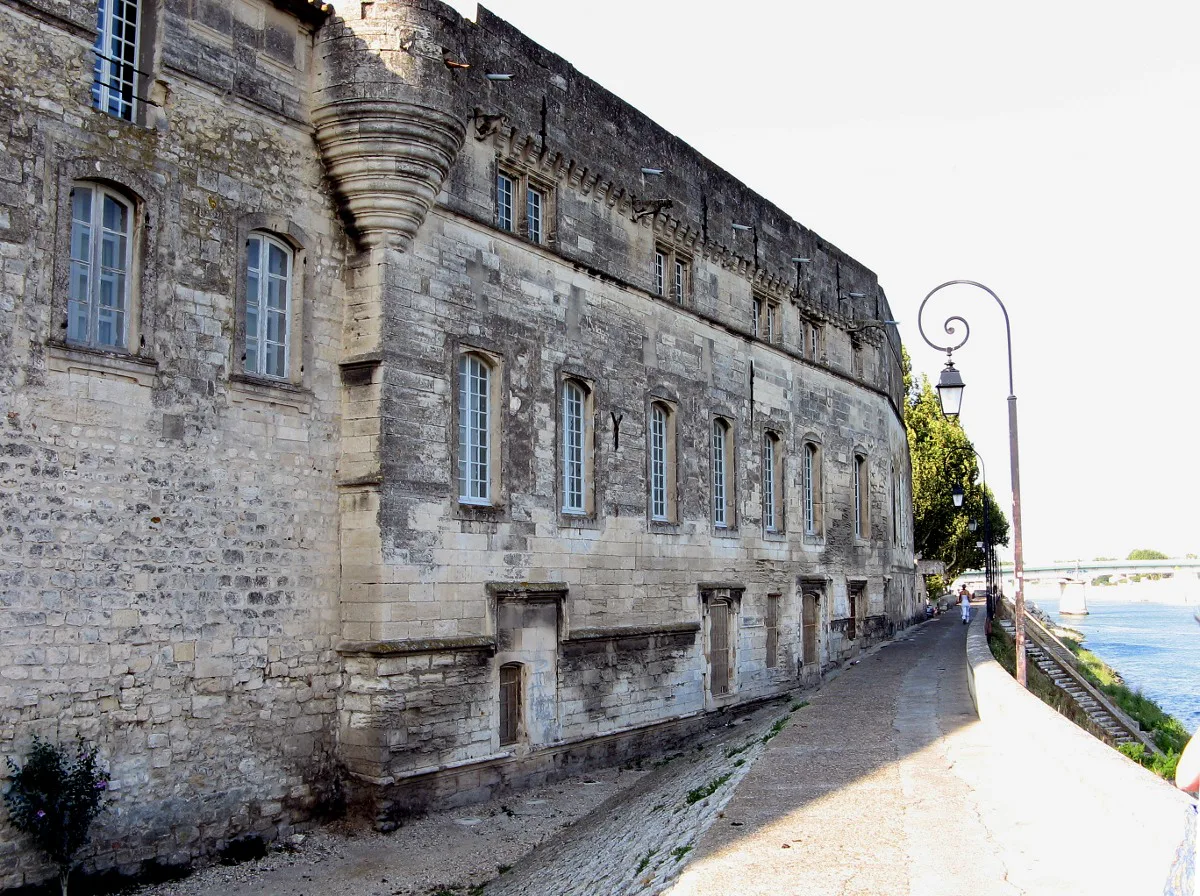
The Réattu occupies a former priory of the Knights of Malta on the Rhône side of the old town, which makes it a quieter, more architectural stop than the big archaeological museum. Its draw is the mix of fine art, drawings and photography in a building that is itself part of the visit.
Slot it into an afternoon when you want something calmer, and pair it with a walk along the river rather than trying to bolt it onto a monument-heavy morning. Small museums reward unhurried visits more than large ones do.
Museon Arlaten: Provençal Culture and Traditions
The Museon Arlaten is the city's ethnography museum, devoted to Provençal life, costume and custom, and it gives context that the Roman and art collections leave out. It is the one to choose if you want to understand the region's identity rather than its antiquities, and it works well on a second visit when the headline sights are done.
Group it with the Museon and Réattu as a half-day of smaller collections in the old town, since they sit within walking distance of each other. That pairing suits a slower pace and a shorter concentration span than a full Roman morning.
LUMA Arles in the Parc des Ateliers: The Contemporary Campus
LUMA is a creative campus rather than a conventional museum, spread across the former Parc des Ateliers with exhibitions and events running through the year. The Gehry tower is the landmark, but the value is in the programmed shows, so check what is on before you commit an afternoon to it, and expect a different experience depending on the season.
It is a 15- to 20-minute walk from the amphitheatre along the riverside, which makes it an easy add-on to a Roman day rather than a separate trip. If contemporary work is not your priority, the Alyscamps is a shorter and cheaper detour in the same direction.
Les Alyscamps and the Church of Saint Honorat
Les Alyscamps is a Roman necropolis turned Christian burial ground, with an avenue of sarcophagi and cypresses leading to the 12th-century church of Saint-Honorat, the start of the Chemin d'Arles to Santiago de Compostela. Van Gogh painted the site, and the Gehry tower visible behind it gives the walk its strange double perspective.
Entry is €5 full price and €4 reduced from 2 January 2026 to 31 December 2027, and the site opens daily across the year, with the latest summer hours running to 19:00 and winter days closing at 16:30 with last entry at 16:00. Allow 45 minutes, which is the length of the guided tour offered there, and note that animals are not accepted.
How Long to Allow
The Roman museum takes about two hours, the smaller old-town collections an hour each, and the Alyscamps under an hour, so a realistic museum day is one big collection plus one small one. Trying to fit the départemental, the Réattu, the Museon and LUMA into a weekend leaves no time for the amphitheatre or the cryptoportiques, which are the reason many people come.
Build the day around light and heat: outdoor Roman sites in the morning, museum in the early afternoon, and a short walk at the end. This pattern uses the museum as shelter from the Provençal sun rather than as a separate excursion.
Passes and Combined Tickets
Arles sells combined passes through the tourist office and online ticketing, advertised as a cheaper way to see several museums and monuments. A visitor reported buying a Pass Monuments Avantage for 19 euros on an earlier trip, which covered six monuments and four museums and stayed valid for six months, but treat that as history rather than a current price and check the tier that matches what you will actually visit.
The maths works when you will genuinely use four or more included sites. On a two-night break with one wet afternoon, two individual tickets often cost less than a broad pass, so count your realistic list before buying, and remember the Alyscamps and LUMA are priced separately from the city pass.
Opening Days and Planning Your Week
The Wednesday market on Boulevard Émile Combes runs from 08:00 to 12:45 all year, and it is the one fixed morning that should shape your museum scheduling. Book the market for the morning and a museum for the afternoon, since the stalls pack up before lunch and the collections stay open.
Museum hours change with the season, so check the individual venue's page for the week you are travelling and confirm the two or three museums you have chosen before you build the rest of the day around them.
A Wet-Weather and a Short-Break Version
In rain, head for the Musée départemental Arles antique and LUMA, both of which absorb a wet morning comfortably, then take a long lunch. The smaller old-town museums fill the afternoon gap between showers, and the Alyscamps walk waits for a dry spell.
On a 48-hour break, use day one for the Roman circuit and the archaeological museum, and day two for the market, the Alyscamps and one art collection. That combination gives you the archaeology, the Van Gogh link and one indoor highlight without overloading the schedule.
Where the Museums Sit and How to Walk Between Them
Most of the museums cluster in the old town within the boulevards, with the amphitheatre, théâtre and Réattu a short walk apart. The départemental museum sits outside the centre to the south, near the Roman circus, so plan it as its own trip, while LUMA and the Alyscamps both sit on the southern edge enjoyably combined on foot.
Plan Your Visit
Choose your museum strand before you book anything: Roman archaeology, Van Gogh, Provençal life or contemporary art. Then fit one big collection and one small one around the Wednesday market, and let the outdoor monuments take the best hours of the day.
Check current opening days and ticket prices on the tourist office site and each museum's own pages shortly before you travel, since hours shift by season. A short list of three venues you genuinely want beats a pass that sends you running between six, and a table at one of the best restaurants in Arles is a better use of the evening than a fourth museum.
Explore more Arles guides
Frequently Asked Questions
What museums are there in Arles, France?
The main ones are the Musée départemental Arles antique for Roman archaeology, the Fondation Vincent Van Gogh Arles for exhibition-led shows tied to the painter, the Musée Réattu for fine art in a former priory, and the Museon Arlaten for Provençal life and traditions. LUMA Arles in the Parc des Ateliers covers contemporary work. Plan on one large collection plus one small one for a single day.
Is Starry Night in Arles?
No source here places Starry Night in an Arles collection, so do not plan a trip around seeing it. The Fondation Vincent Van Gogh Arles runs temporary exhibitions rather than a fixed hang, so check which works are on show for your dates before you buy a ticket. The city's Van Gogh story is carried as much by sites such as the Alyscamps as by any gallery.
Is LUMA Arles worth visiting?
It depends on whether contemporary programming appeals to you. LUMA is a campus with exhibitions and events through the year rather than a fixed collection, so its value on any given weekend rests on what is showing; check the programme first. It is roughly a 15- to 20-minute riverside walk from the amphitheatre, which makes it an easy addition to a Roman day.
How many days do you need for Arles museums?
Two nights is enough for one big museum and one or two smaller ones alongside the Roman monuments. Allow about two hours for the Musée départemental Arles antique, around an hour each for the Réattu and Museon Arlaten, and under an hour for the Alyscamps. Trying to add LUMA as well usually squeezes out the amphitheatre and cryptoportiques.
Do you need to book Arles museums in advance?
It is worth checking each venue's own page before you travel, because opening days and hours shift with the season and exhibitions change. Book ahead when a specific show is your reason for going, and check what a combined pass actually includes before buying one. The tourist office sells passes online as well as in person.
Are there free museums in Arles?
No source here lists free entry at any Arles museum, so budget for tickets. Les Alyscamps, the Roman necropolis, charges separately with full and reduced rates published for the period through 2027. Check the tourist office ticketing pages for prices and any combined offers.
Sources
Notes for French city breaks
Optional updates to our guides.
You might also like
Continue reading
More guides you'll find useful