Is Arles Worth Visiting? An Honest Answer for a Short Break
Yes, Arles earns a short break if Roman ruins, Van Gogh's Arles and a Provençal market morning appeal. Here is what you get in one to two days.
On this page
Yes, Arles is worth visiting if you want Roman monuments you can walk between, a Provençal old town that rewards slow wandering and a morning at one of the region's largest weekly markets. The city packs a Roman arena, a Roman theatre, bathhouse remains and underground galleries into a compact centre, so a weekend covers the highlights without rushing.
It suits travellers who prefer depth over sprawl: two days lets you add the Alyscamps, the Romanesque cloister of Saint-Trophime and a museum or two. It suits you less if you want late-night energy, big-city shopping or a beach on the doorstep.
The short answer: why Arles earns a weekend or short break
Arles works because its best sights sit within minutes of each other, and its Roman set is unusually complete for a town this size. Two days is enough to see the arena, theatre, baths, cryptoportiques and Alyscamps without spending your break in queues or on buses. Add a Saturday and the market alone justifies the trip for food-minded visitors.
Arles is compact enough to walk, and only the Alyscamps sits just outside the centre, about a 10-minute walk from the heart of town. That gives you freedom to plan around opening hours rather than transport, and means a single day can still deliver a coherent slice of the city.
What Arles does better than most Provençal towns
Plenty of Provençal towns have a Roman fragment; Arles has a working set. The amphitheatre, the theatre, the Thermae of Constantine, the cryptoportiques beneath the forum, the Alyscamps necropolis and the Musée Départemental Arles Antique together tell a continuous story from the Republic to late Rome, all within a short stroll.
Then there is the Van Gogh layer. He spent over a year in Arles before the episode that sent him to an asylum in Saint-Rémy-de-Provence, and you can walk the streets and riverbank where he set up his easel. It is the rare place where a painter's biography and a Roman city share the same few hundred metres.
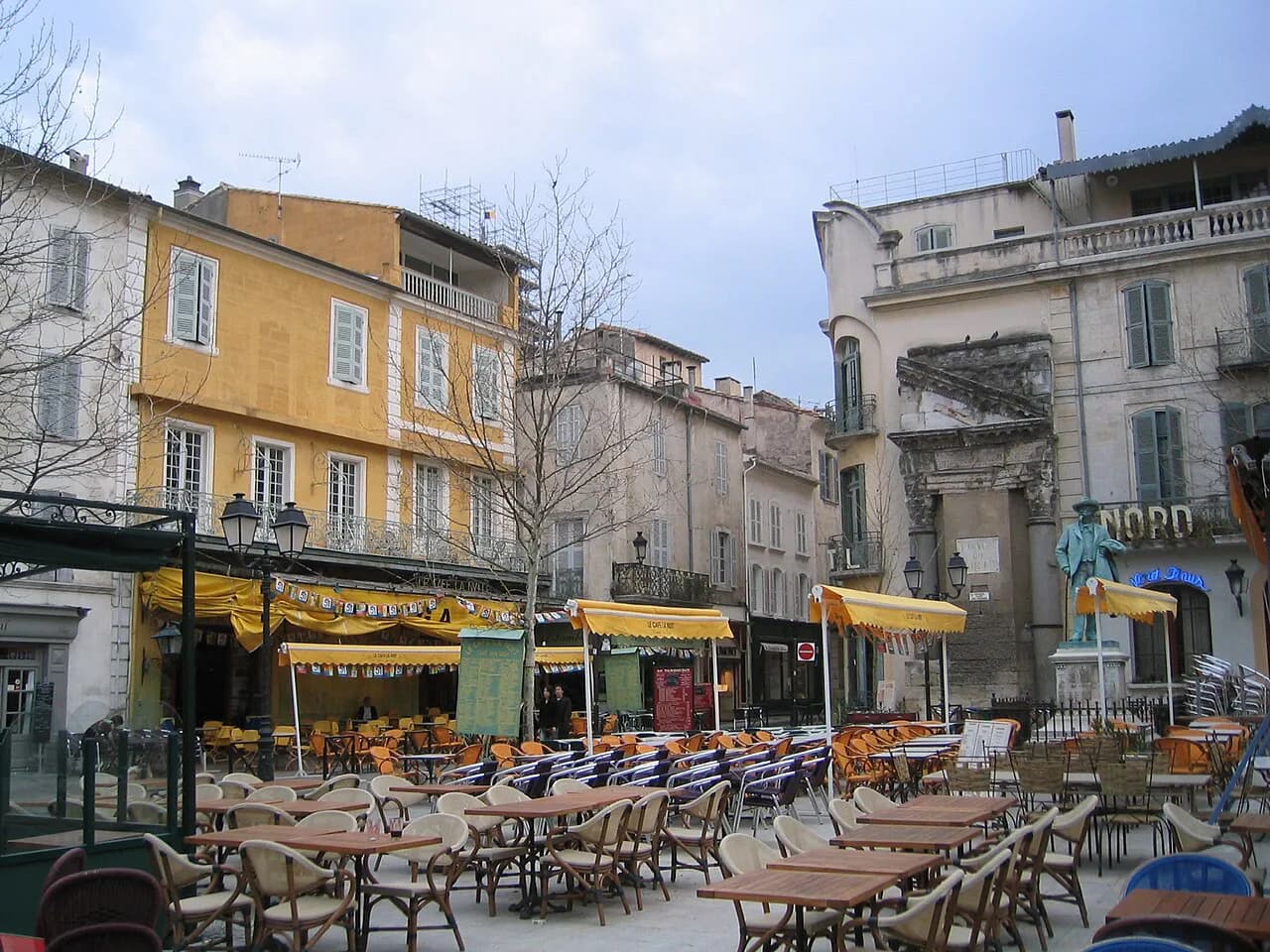
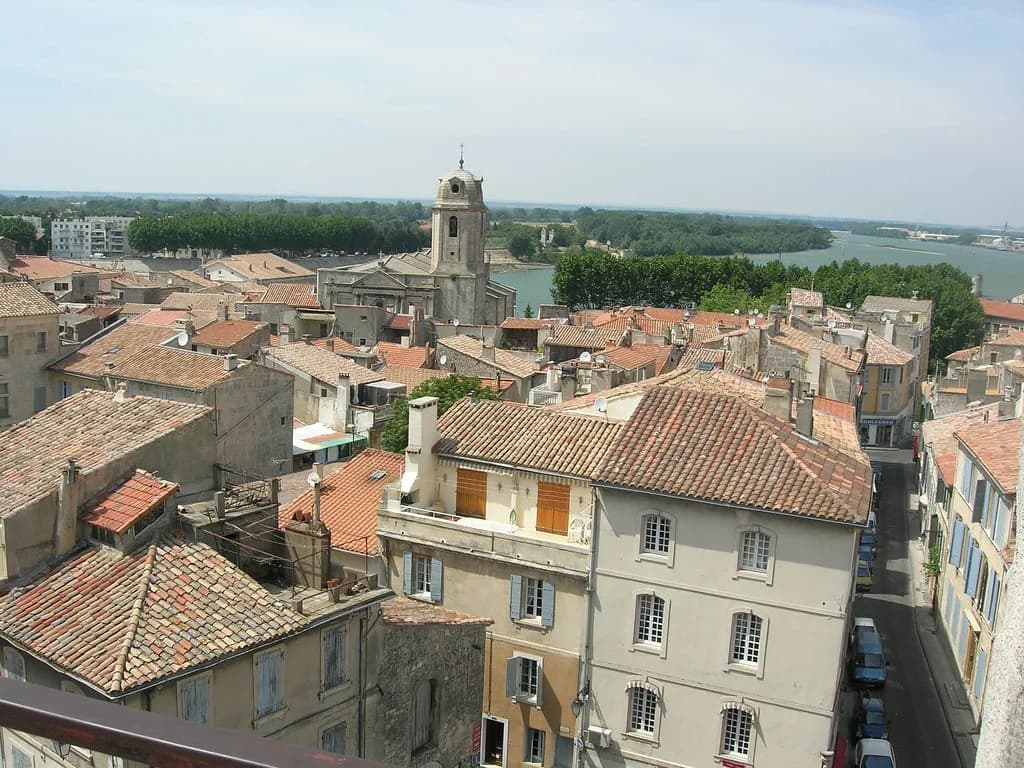
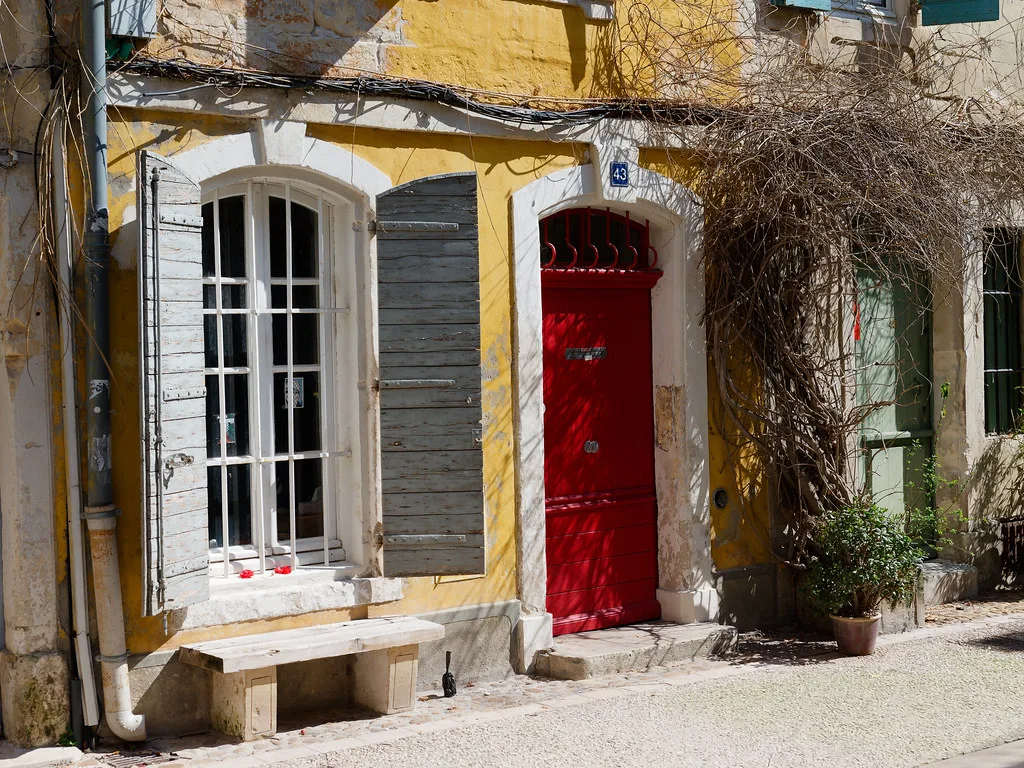
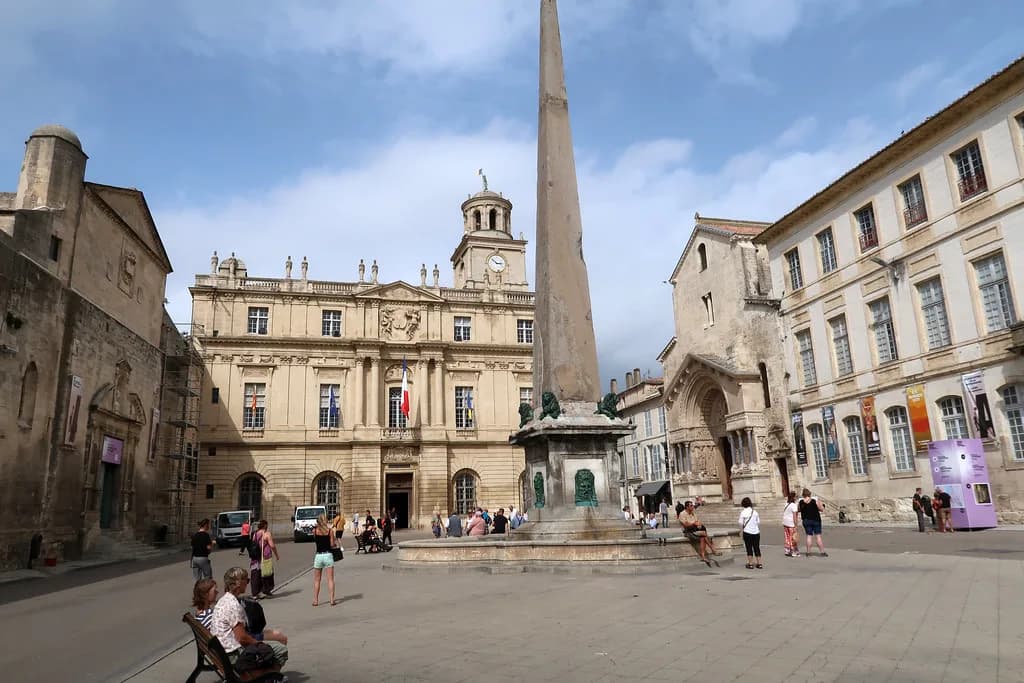
And it is lived-in rather than museumified. The old town's narrow cobbled lanes, sun-worn stone and small squares are the main event as much as any ticketed sight. La Roquette, the old fishermen's quarter a short walk out, is quieter and more bohemian, a good counterweight to the busier historic centre.
Roman Arles: the amphitheatre, theatre, baths and cryptoportiques in one walkable centre
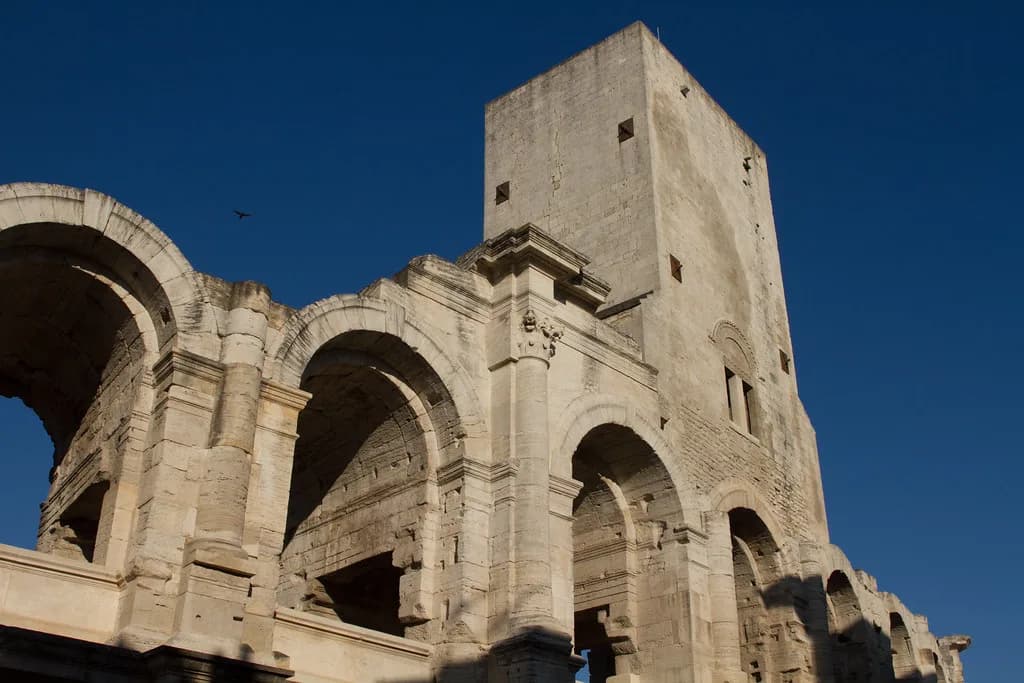
Start at the arena, built around 90 AD and once able to seat more than 20,000 spectators for gladiator games and chariot races. You climb the ancient towers for views over the arena, the city and the surrounding region, and the space still hosts concerts and bull-related spectacles rather than standing as a pure ruin.
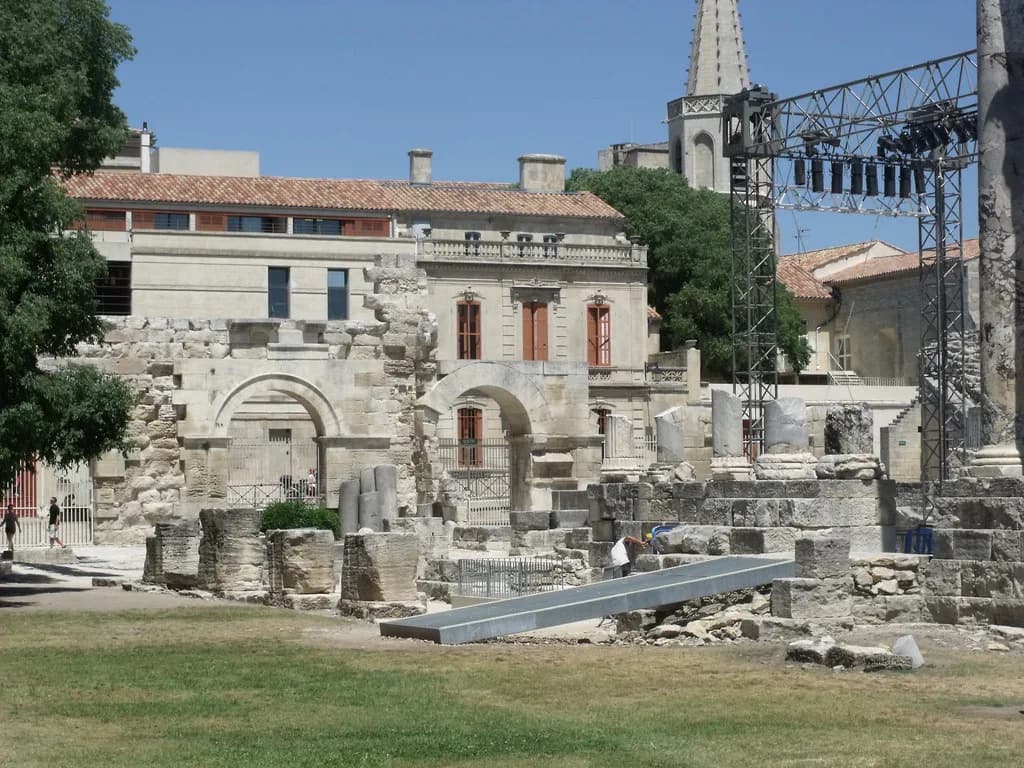
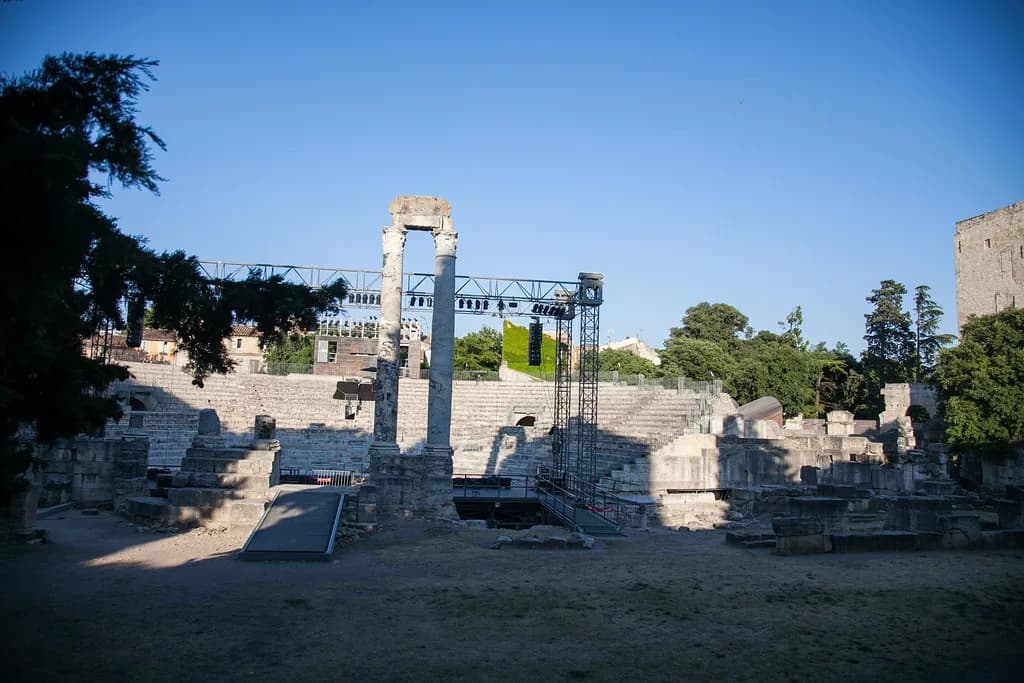
The Roman Theatre, built at the end of the 1st century BC, once seated around 8,000 people, and many of its stones were reused in the Middle Ages. The ruins are modest but atmospheric, and the adjacent Jardin d'Été is a free, shaded pause between monuments. Ten to fifteen minutes is enough for the nearby Thermae of Constantine, where the hot and cold rooms are still legible.
The cryptoportiques are the sleeper hit: underground galleries built to support the forum above, cool and dim, with rooms deep enough to wander into. Bring a charged phone for the torch and wear shoes that cope with uneven floors. The Alyscamps necropolis, lined with sarcophagi and ending at the small Saint-Honorat church, is the other atmospheric outlier.
Van Gogh's Arles: the places he painted and the museums carrying his name
The best Van Gogh sight is free: walk from Place Lamartine towards the Rhône and look left for the riverbank where he painted Starry Night Over the Rhône in 1888. The tourist office sells maps for a self-guided Van Gogh walk. The Jardin de la Maison de Santé, the courtyard garden of the hospital where he was treated, is the other quietly affecting stop.
For indoor art, the Fondation Vincent van Gogh Arles runs changing contemporary exhibitions in his name, and L'Espace Van Gogh occupies the former hospital with a courtyard modelled on his paintings. Neither is a gallery of his canvases, so go for the contemporary programme rather than expecting a Van Gogh retrospective.
The broader art offering is strong for a town this size: the Musée Réattu, housed in a former priory of the Knights of Malta, holds fine art including Picasso alongside photography. If you want a single indoor day, the museums in Arles can absorb one comfortably.
Modern art gets its own building at LUMA Arles, a Frank Gehry–designed tower in the Parc des Ateliers surrounded by exhibition spaces and a park, and it is closed on Tuesdays. It is the clearest break from the ancient city in the whole itinerary.
Provençal life: the market, the old town and the La Roquette quarter
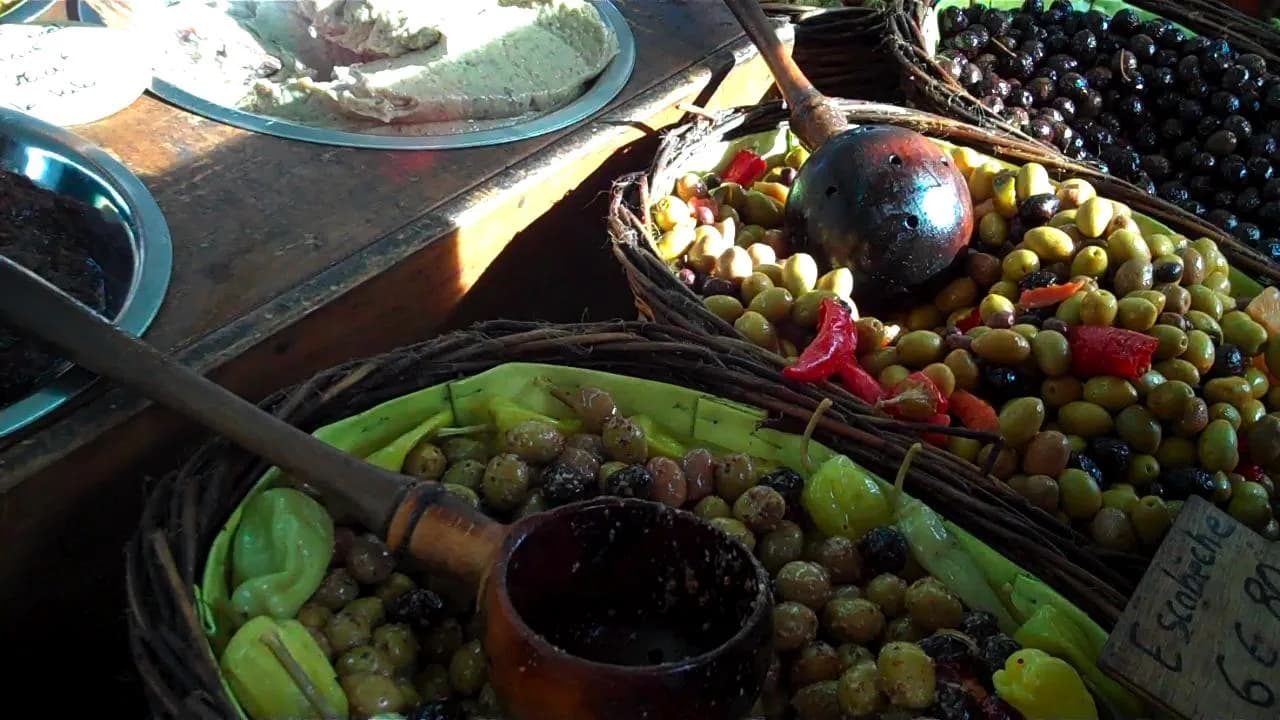
The weekly market on Saturday morning is the reason to time your visit: it stretches for more than 2 kilometres along Boulevard des Lices and ranks among the largest in Provence, with produce, cheeses, olives, herbs, fabrics, soaps and antiques. Arrive before 10am to beat the crowds and get the best selection.
The old town is the connective tissue between sights: small boutiques, galleries and cafés spill onto the pavements, and quiet corners reward an unhurried hour. Plan the market morning first and fit monuments around it, because it is the one fixed point in the week.
Beyond the centre, La Roquette is a maze of narrow lanes and colourful facades that was once the fishermen's quarter. It is a good afternoon stroll when you want to leave the main tourist trail, and it needs no ticket.
Who Arles suits best and who should look elsewhere
Arles is for you if you like Roman history, want a manageable town rather than a metropolis, and enjoy good food and a serious market. It is also a very good short-break fit for travellers who have already done Paris and want a smaller, denser Provençal city.
It is less obviously for you if you want a full weekend of headline museums, nightlife or a beach. The monuments are the main event, and one or two of them will satisfy a casual visitor as much as the full set. The arena also hosts bullfighting events, so check what is on if that matters to you.
How many days Arles needs: a one-day taster versus a two-day stay
One day is enough for the arena, the theatre, a walk through the old town and lunch. That is a satisfying taster but means cutting the Alyscamps, one of the cryptoportiques or any museum. If you only have a day, choose between the Roman underground and the Van Gogh riverbank rather than trying both.
Two days is the sweet spot, and the itinerary most short-break visitors should copy: day one for the Roman monuments and the old town, day two for the Alyscamps, the cloister of Saint-Trophime and a museum. Three days lets you add the Camargue or a slow market morning without squeezing the city.
Note the Alyscamps sits about 10 minutes' walk outside the centre, which is the only real distance you will cover on foot. Everything else is compact enough to string together.
How to fill a weekend in Arles, morning to evening
Day one: start at the arena before the tour groups, then the Roman theatre and the cryptoportiques under the forum, stopping for the Jardin d'Été in between. Afternoon for the Saint-Trophime church and its cloister. Evening for a dinner in the old town, and if you want a named recommendation, the restaurants we think are worth booking are the ones to start with.
Day two: if it is Saturday, the market on Boulevard des Lices takes the morning, then the Alyscamps on foot, then a museum in the afternoon. If it is not Saturday, swap the market for the Fondation Vincent van Gogh or LUMA and use the morning to wander La Roquette.
The centre is tight enough that you can pace the day by energy rather than distance. Leave slack for a café stop; it is the Provençal rhythm, not a wasted hour.
When to go: season-by-season trade-offs
Late spring and early autumn are the sweet spot: warm enough for outdoor cafés and pleasant for wandering the old town and Roman ruins without the summer heat. Summer runs hot, often 28–34°C, and draws the biggest crowds, so start early and plan shade in the middle of the day. Autumn brings warm, calmer days around 18–26°C.
Winter is much quieter, with cooler weather around 8–14°C, and some smaller shops and restaurants may close. That is a real trade-off: you get the monuments almost to yourself, but the town feels less alive.
What you should know before booking: closed days, tips and costs
Several Arles museums close on Tuesdays, including the Musée Départemental Arles Antique and LUMA Arles, and the latter also offers guided tours. The museum also has free entry on the first Sunday of each month. Build Tuesday around the Roman monuments and the old town instead.
The Arles monument pass bundles the Roman sights and saves money if you plan to see most of them. A full six-monument pass was reported at 19 euros per person, and a six-month Advantage Pass covering the monuments and several museums was reported at 16 euros, but treat both as reported prices rather than current ones and confirm at the tourist office or on site. Some museums, such as the Fondation Vincent van Gogh, were not included in the pass.
Parking fills quickly on market day: the central car park is the largest in town, with 500 spaces, but it can be full and may require waiting. If you are driving, arriving early is the practical fix.
Arles or Nîmes, and should you stay in Avignon instead?
Nîmes and Arles overlap heavily: both have a large arena and a Roman history museum, and Nîmes adds the Maison Carrée temple and the Tour Magne. Arles counters with its theatre, the Alyscamps and the Van Gogh trail. If Roman history is the whole point and time is tight, pick one rather than both.
Avignon makes a workable base: Arles is a short train ride away, and Avignon has its own Palais des Papes. Staying in Arles means you can do the market first thing and walk home afterwards, which is the more satisfying plan for a weekend.
If you are weighing up other Provençal cities for the same few days, the same logic applies: choose the city whose main sights match your interests, then plan the day around its fixed points.
Verdict: is Arles worth visiting for you?
Arles earns its weekend for anyone drawn to Roman engineering, Van Gogh's Provençal years and a serious market. The city is compact, the monuments are close together and the atmosphere holds up when you slow down.
If you want a museum-heavy city break, nightlife or a coastal base, Arles is not the obvious answer. Go for the ruins, the river and the market, and give it two days rather than one.
Plan Your Visit
Book around a Saturday if you can: the market is the easiest single highlight to build a weekend on. Otherwise pick late spring or early autumn for the best walking weather, and keep your first afternoon loose for the old town.
Before you go, check the Fondation Vincent van Gogh and LUMA websites for closures and current prices, and confirm the monument pass figure at the tourist office. Everything else is a short walk from the centre.
Explore more Arles guides
Frequently Asked Questions
Is Arles worth visiting for a weekend?
Yes. The Roman arena, theatre, baths, cryptoportiques and Alyscamps sit within walking distance of each other, and a Saturday market adds a strong Provençal anchor. Two days lets you cover the highlights without rushing.
How many days do you need in Arles?
One day covers the arena, theatre and a walk through the old town. Two days is the sweet spot, adding the Alyscamps, the cloister of Saint-Trophime and a museum. Three days lets you add a Camargue excursion or a slower market morning.
What is Arles best known for?
Roman monuments and Van Gogh. The amphitheatre, Roman theatre and Alyscamps tell the Roman story, while the riverbank where Starry Night Over the Rhône was painted and the hospital garden where he was treated tell the Van Gogh one.
Is Arles or Nîmes better for Roman history?
Both have large arenas and strong Roman museums. Nîmes adds the Maison Carrée and Tour Magne; Arles adds its theatre, the Alyscamps and the Van Gogh trail. With limited time, choose one rather than both.
Should you stay in Arles or Avignon?
Arles makes a better base for an Arles weekend, because you can do the market first thing and walk home afterwards. Avignon works if you want its Palais des Papes and plan to visit Arles by train.
Is Arles good for a Van Gogh trail?
Yes. The city has a self-guided Van Gogh walking route, the riverbank where he painted Starry Night Over the Rhône, the Jardin de la Maison de Santé and the Espace Van Gogh in the former hospital. None of this requires a car.
What day is the Arles market?
The weekly market runs on Saturday mornings along Boulevard des Lices. It is one of the largest in Provence, so arrive before 10am to beat the crowds.
Sources
Notes for French city breaks
Optional updates to our guides.
You might also like
Continue reading
More guides you'll find useful