Arles Itinerary: 2–3 Days in Roman Arles & Van Gogh's City
Plan a two- or three-day Arles itinerary around the amphitheatre, Saint-Trophime, the Van Gogh trail and the Wednesday and Saturday market.
On this page
Two days are enough for Arles if you want the Roman core, the cloisters and a market morning; add a third only if you plan to head south into the Camargue. The old centre is compact enough to cross on foot, so the itinerary below is organised by area rather than by transport. The single biggest planning decision is your market morning, because the main market runs on Wednesday and Saturday. If you are weighing a bigger Provençal city instead, our 3 days in Cannes shows how the same day-by-day planning works there.
Why Arles suits a two-day weekend and when three days earns its keep
Arles packs a Roman amphitheatre, a Roman theatre, a Romanesque church with cloisters and a Van Gogh trail into a centre you can walk end to end. Two days lets you see the monuments at a reasonable pace and still sit down for lunch, which matters in a city where the pleasure is the wandering between sights. The city has been a UNESCO World Heritage Site since 1981, which explains the density of protected monuments in a small area.
A third day changes the character of the trip. The Camargue, the protected wetland just south of Arles, holds more than 500 bird species with pink flamingos the headline act, along with wild horses, roaming bulls and pink salt flats. It is not a walking extension of the old town: you need a rental car or an organised tour from Arles to reach it.
If you only have a day, choose between the Roman monuments and the market rather than trying to do both. For a fuller sense of what the city offers before you commit, our guide to whether Arles is worth visiting sets out who it suits and how long to stay.
How Arles is laid out: the Roman core, the old town and the Rhône
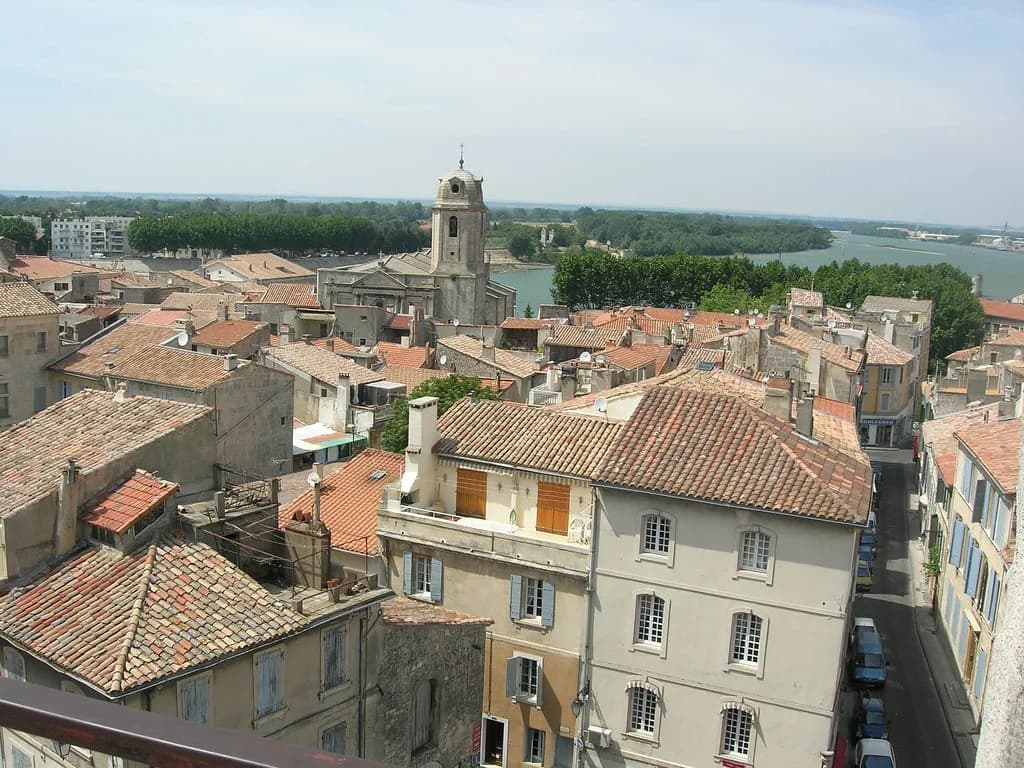
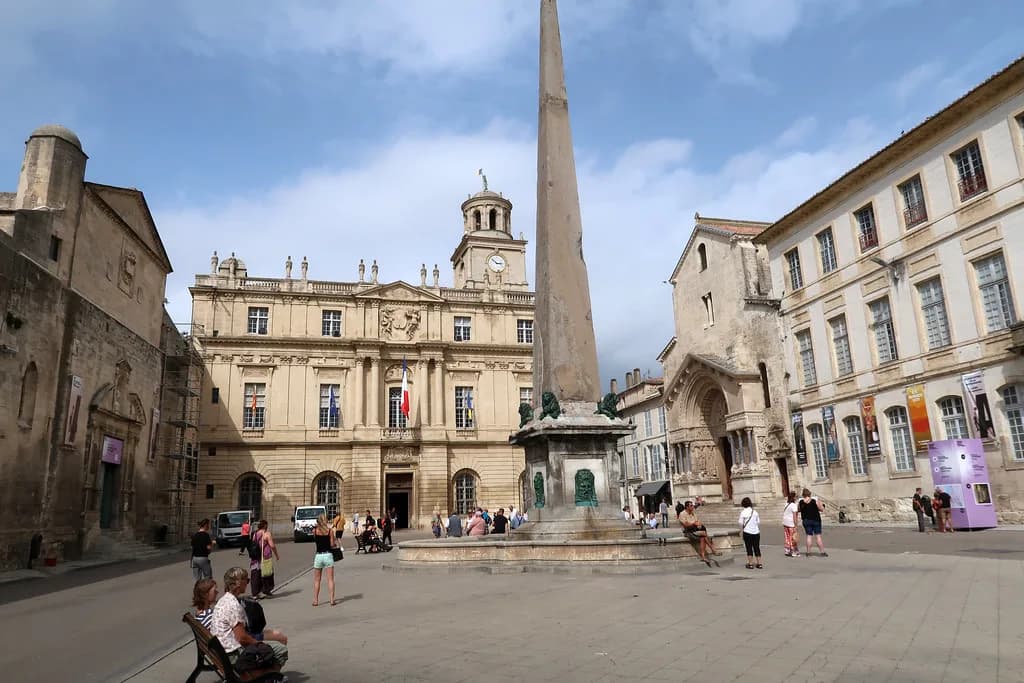
The Roman monuments sit close together in the northern part of the centre, with the amphitheatre and the ancient theatre within a few minutes of each other. South of them, the streets tighten into the medieval grid around the church of Saint-Trophime and the Place de la République. The Rhône runs along the western edge, and the Musée Réattu occupies a former grand priory overlooking the river.
This layout means you rarely need transport inside Arles. Build each day as a loop: monuments in the morning, church and museums after lunch, then a river-side or square-based evening. Hills such as Hauture, where Notre Dame de la Major stands, add a short climb but reward it with a quieter corner of the city.
Day 1 morning: the Roman amphitheatre and the ancient theatre
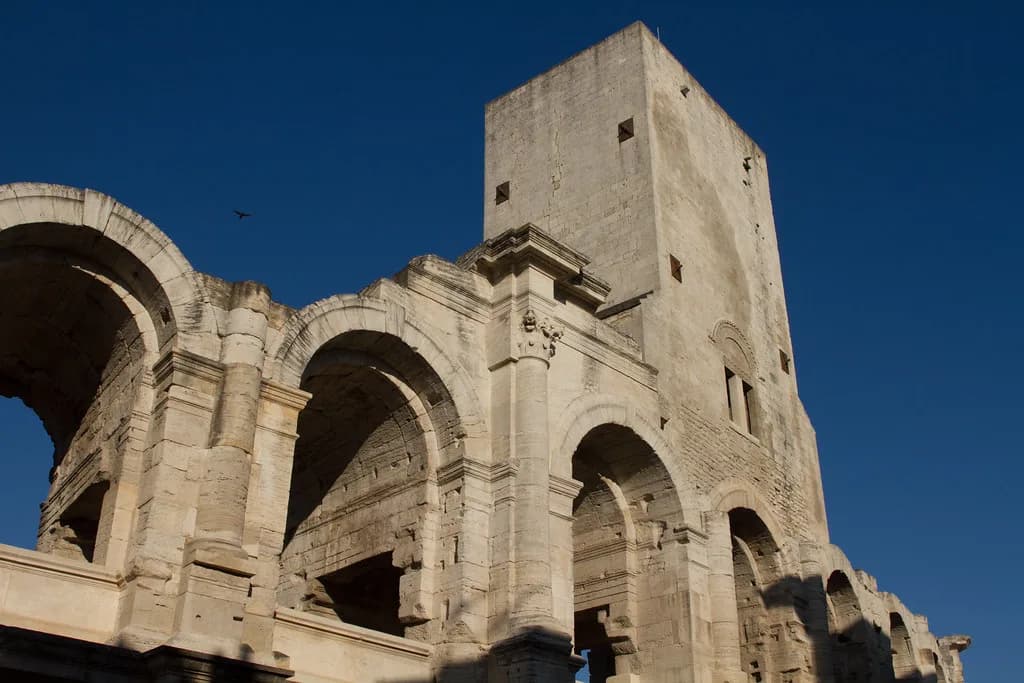
Start at the amphitheatre, the largest Roman monument in France and one built almost 2,000 years ago for crowds of up to 20,000. Walk the corridors and staircases up to the top tiers for the view over red-tiled roofs and the Rhône in the distance. The published schedule runs 9am to 6pm in March, April and October, 9am to 7pm from May to September, and 10am to 5pm from November to February.
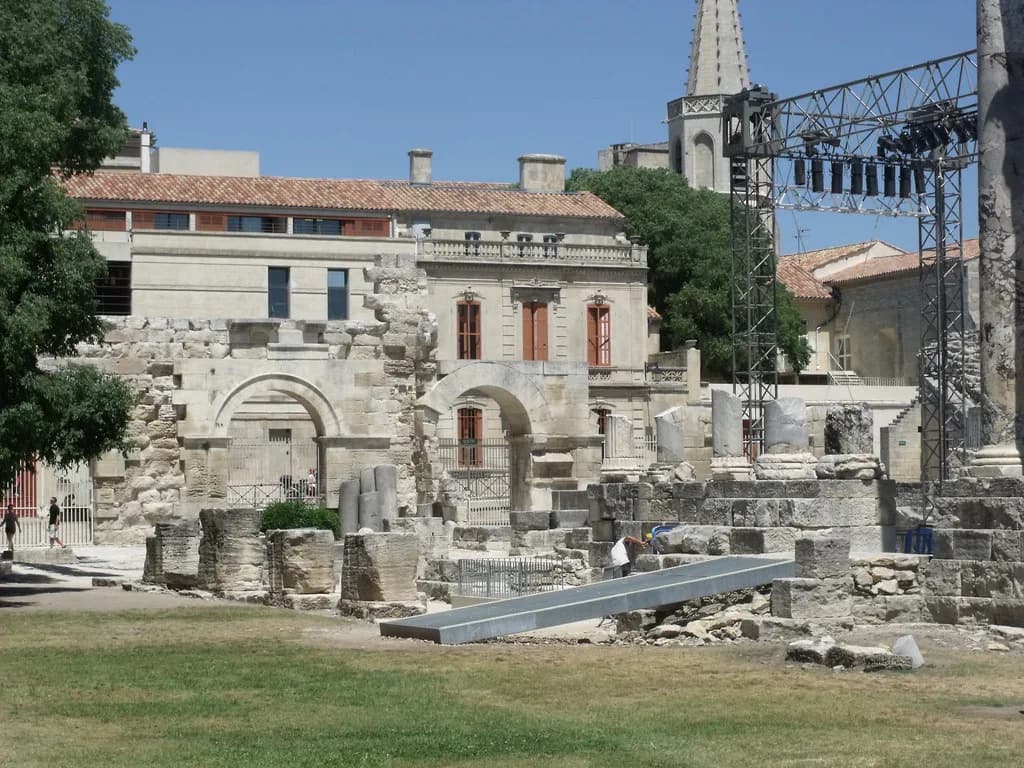
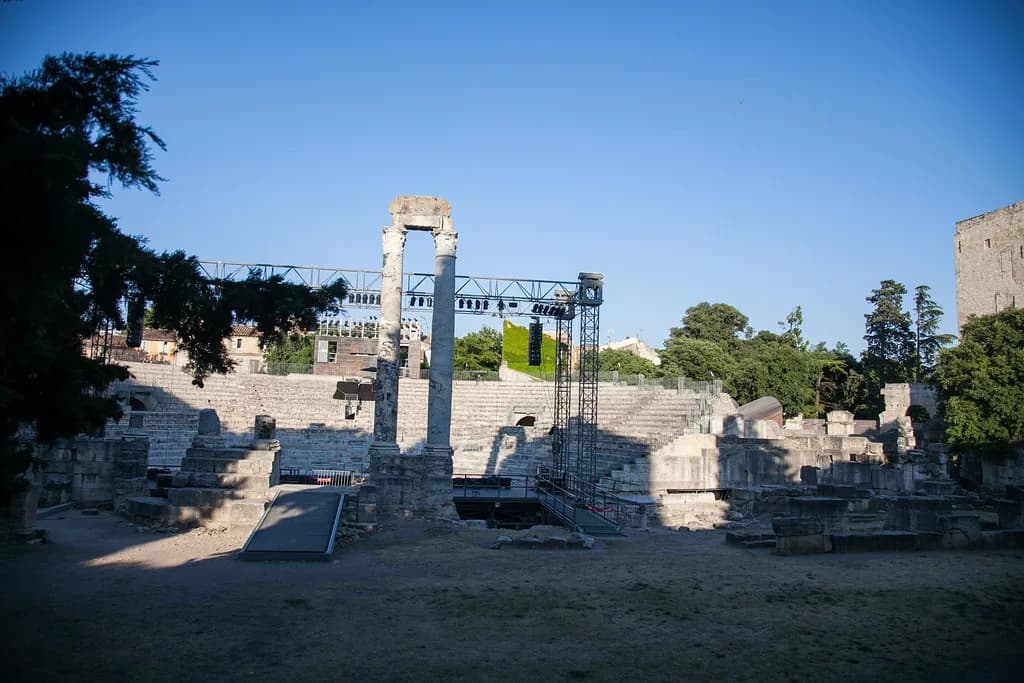
Then cross to the ancient theatre, one of the first Roman stone theatres and once built for around 8,000 spectators. Two columns still stand where a forest of them once framed the stage. Allow under an hour here unless you linger over the remains of the seating and stage buildings.
This is the moment to decide on a monument pass if you have not already. Buying a multi-site pass at the tourist office or at any Roman site is the standard way to cut per-monument costs, and the two options are compared further down.
Day 1 afternoon: Saint-Trophime, the cloisters and the Van Gogh panels
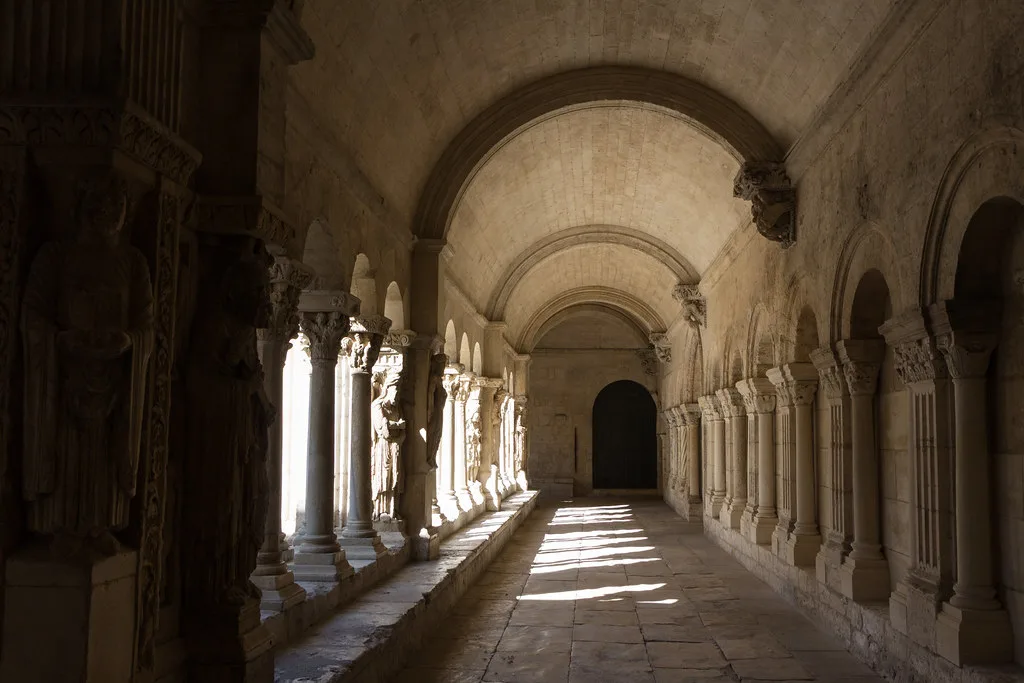
After lunch, head for the church of Saint-Trophime, built between the 12th and 14th centuries and named after the first bishop of Arles. The cloisters are the reason to come: carved capitals showing biblical scenes alongside mythical creatures and beasts, in a covered gallery that stays cool in the heat of the day. It is the single most rewarding interior in the old centre for many visitors.
Van Gogh arrived in Arles in February 1888 and stayed until May 1889, producing more than 300 paintings in that time. Twelve panels around the city mark where he set up his easel, so the trail works as a walking route between sights rather than a separate outing. Look for them as you move between the church, the river and the squares rather than hunting them down in one block.
Day 1 evening: Place du Forum and the café terraces
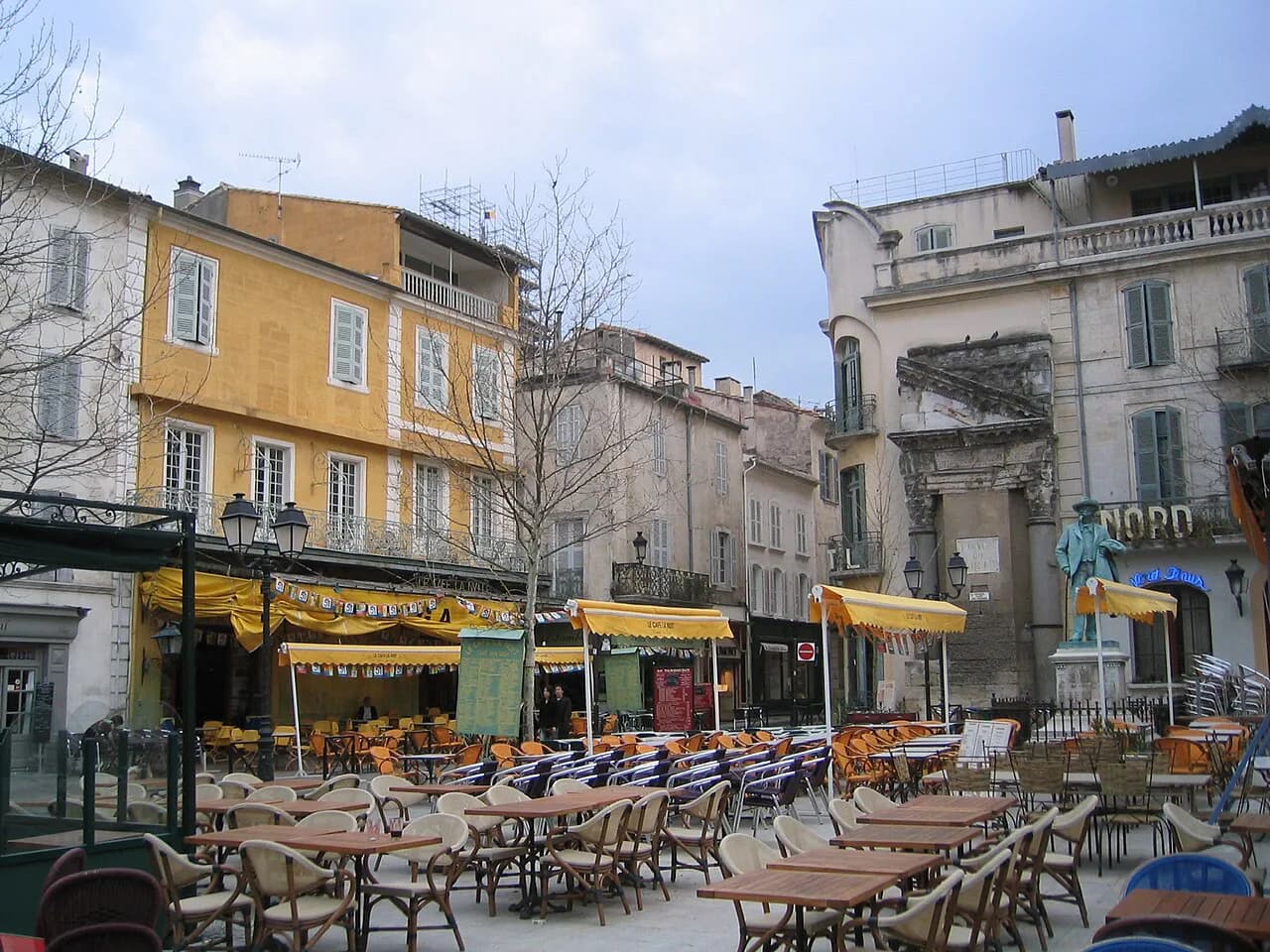
Place du Forum is lined with cafés, and the sunflower-yellow façade of the Van Gogh café is the draw because Van Gogh painted Café Terrace at Night here in 1888. The painting itself hangs in the Kröller-Müller Museum in Otterlo, so what you see in Arles is the setting, not the canvas. Expect the café to be busy; the surrounding square and nearby Place Voltaire offer quieter seating under the plane trees.
For dinner, plan around the fact that Arles is a small city and good tables fill quickly in season. Our selection of the best restaurants in Arles covers the options worth booking ahead, and the French custom of eating later than British visitors expect applies here too.
Day 2 morning: the Arles market and a slow wander through the old streets
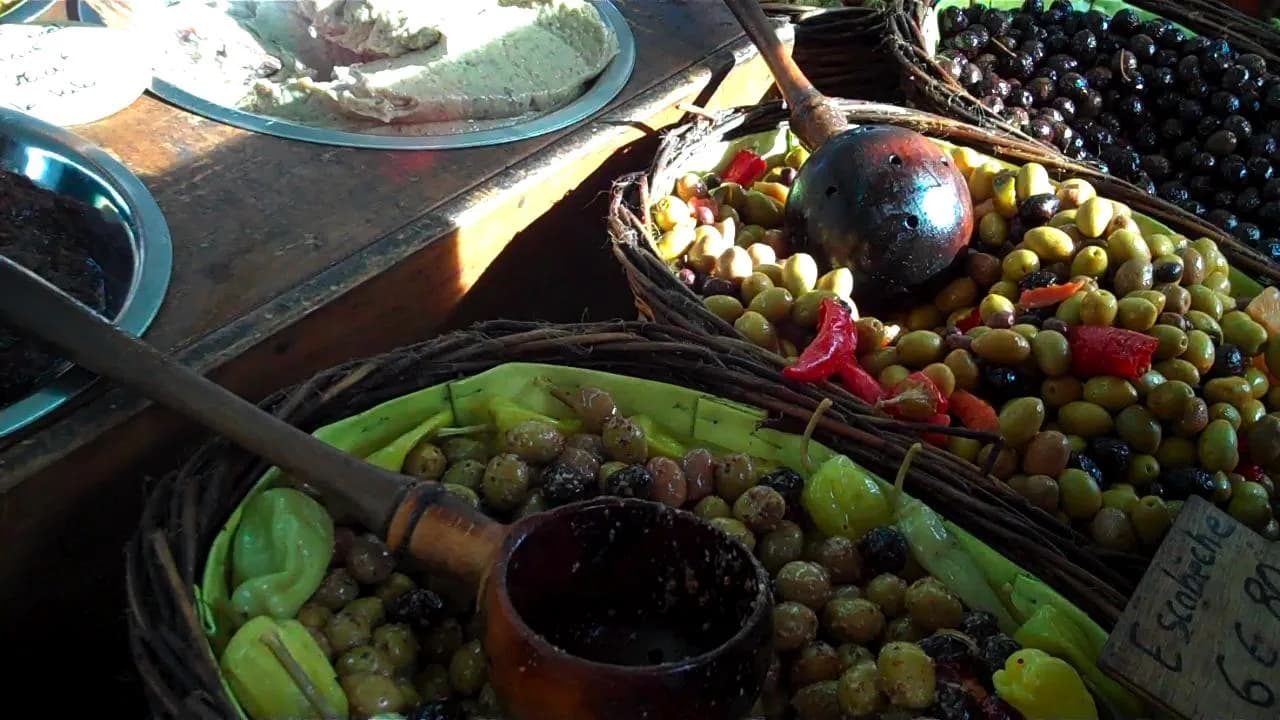
The Arles market runs on Wednesday and Saturday mornings and is the fixed point around which the rest of this itinerary should be arranged. It spreads local produce, Provençal baskets and linens through the streets, and it is as much a social institution as a shopping stop. If your weekend does not include a Wednesday or Saturday, swap this morning for the museums and keep the market for your next visit.
Give the market a full morning rather than an hour, then let the rest of the day drift. Wandering without an agenda is one of the pleasures of the centre, where winding streets and Roman fragments sit between ordinary shops and shuttered houses. Detailed market logistics, including which streets to target, are in our Markets in Arles guide.
Day 2 afternoon: Musée Réattu and LUMA Arles
The Musée Réattu is named after the Arles-born painter Jacques Réattu and occupies a 15th-century grand priory above the Rhône. Inside are 57 sketches and two paintings by Picasso, a collection of 18th- and 19th-century Provençal painters, and sculpture and photography holdings. It is a compact, civilised afternoon stop rather than a half-day commitment.
LUMA Arles opened in June 2021 in the Parc des Ateliers, a former rail yard, with a building designed by Frank Gehry. It is the contemporary counterweight to the Roman city and works well after the Réattu because the two are different enough to avoid museum fatigue. Check the day's programme before you go, since exhibitions rotate.
A third Van Gogh option fits here if the trail has caught your interest: the Fondation Vincent Van Gogh shows temporary exhibitions that always feature his work, with between one and ten Van Gogh paintings on loan each year. There is no permanent collection, so the visit depends entirely on what is hanging.
Day 2 evening: a second look at the Roman monuments in low light
Walk back through the Roman core as the day cools. The amphitheatre's sandstone arches read differently in evening light, and the streets around them empty out once the day-trippers have gone. This is also the time to photograph the exterior of the monuments without a queue in front of you.
Day 2 alternative: filling a rainy or museum-closed day
Arles museums keep their own closing days, and French museums commonly shut on a Monday or Tuesday, so check each venue's published hours before you build a day around it. If your dates fall on a closure, put the covered Roman monuments and the cloisters first, since those are the most weather-proof sights in the centre. Keep the market morning and the squares for the gaps between showers.
A practical fallback list: the amphitheatre interior, the Saint-Trophime cloisters and the Réattu, with a long lunch to break up the rain. That combination fills a wet day without repeating anything from Day 1.
Day 3 option: the Camargue wetland south of Arles
The Camargue is the reason to extend to three days. Birds are the main attraction, with more than 500 species recorded and pink flamingos the star, alongside wild horses, bulls and salt flats. With a rental car you can drive into the park yourself; without one, book a guided safari tour from Arles.
Treat this as a full day out rather than a morning add-on, because the distances inside the wetland are large and the wildlife rewards slow movement. Build in a proper lunch stop and don't schedule a museum for the same evening.
Day 3 option: smaller churches and Hauture Hill
If you would rather stay in the city, spend the morning on the quieter side of Arles. Hauture Hill is home to Notre Dame de la Major, a 12th-century church originally built on the site of a Roman temple, and the climb gives you a calm neighbourhood away from the monument circuit. It is a gentle half-day rather than a headline sight.
Pair it with one of the smaller churches and a long lunch, then use the afternoon for anything you skipped. This is a good day for slower travellers, or for anyone who has already seen the Roman monuments elsewhere in Provence.
Monument passes: Advantage versus Liberty and who each one suits
Two passes cover the main sights. The Advantage Pass costs 19€ and includes six monuments and four museums, valid for six months. The Liberty Pass costs 9€ and includes four monuments of your choice, the Réattu Museum and one other museum of your choice, valid for one month.
The trade-off is coverage against validity. The Advantage Pass pays off on a longer stay or a return visit within six months, while the Liberty Pass suits a two-day weekend where you want a handful of monuments plus the Réattu and will not be back. Buy either at the tourist office or at any Roman site.
When to go: spring and autumn versus peak summer
Provence is at its busiest in summer, when events fill the calendar, the weather is warm and tourist numbers peak. Spring and autumn bring fewer crowds and remain the most comfortable seasons for a walking-based itinerary like this one. Since Arles is largely an outdoor city, heat and crowds affect your day more than they would in a museum-heavy destination.
If you travel in high summer, front-load the monuments before the heat builds and keep the afternoon for cloisters, museums or a shaded square. In spring and autumn you can spread the walking more evenly across the day.
Arriving and getting around: train connections and walking times
By train, Marseille St-Charles to Arles takes about 45 minutes, and Avignon Centre about 25 minutes; from Paris Gare de Lyon the trip runs three to five hours with a change at Nîmes Pont du Gard, Avignon or Marseille St-Charles. Note that Avignon and Aix-en-Provence each have two stations, so check which one your ticket names. Once in Arles, everything in the old centre is walkable and you will rarely need a bus.
By car, Arles is roughly 45 minutes from Avignon on the D570N, about 37km of driving. Street parking and several car parks serve the centre. A car is useful mainly for the Camargue day; for the city itself it becomes a liability in the narrow streets.
A practical packing and booking checklist
Book train tickets and any guided Camargue tour before you travel, and reserve dinner tables for the nights that matter. Pack shoes for uneven Roman stone, a hat for the exposed amphitheatre seating and a light layer for the cloisters.
Before you leave, confirm the day's opening hours for the monuments and museums you plan to visit, since seasonal schedules change through the year. Then build your days around your market morning and the rest falls into place.
Plan Your Visit
Two days in Arles, anchored on a Wednesday or Saturday market morning, cover the amphitheatre, the theatre, Saint-Trophime and the Van Gogh panels without rushing. Add a third day only for the Camargue, which needs a car or a booked tour and deserves a full day of its own. Get the monument timing and the pass decision right and the rest of the trip organises itself.
Explore more Arles guides
Frequently Asked Questions
How many days do you need in Arles?
Two days cover the Roman amphitheatre, the ancient theatre, the Saint-Trophime cloisters and the Van Gogh panels at a comfortable pace. A third day is worth it only if you plan to visit the Camargue wetland south of the city, which requires a car or an organised tour.
When is the Arles market held?
The main Arles market runs on Wednesday and Saturday mornings. Build your itinerary around one of those mornings, since the rest of the week has no equivalent market day in the centre.
Is the Advantage Pass or the Liberty Pass better value?
The Advantage Pass covers six monuments and four museums over six months, while the Liberty Pass covers four monuments plus the Réattu and one other museum over one month. The Advantage Pass suits a longer stay or a return visit; the Liberty Pass suits a two-day weekend.
Can you visit the Camargue without a car?
Yes, by booking a guided safari tour from Arles. With a rental car you can drive into the wetland yourself, but either way allow a full day rather than a morning.
What are the amphitheatre opening hours?
Arles amphitheatre opens 9am to 6pm in March, April and October, 9am to 7pm from May to September, and 10am to 5pm from November to February. Seasonal schedules change, so confirm before you travel.
Where do you fly into for Arles?
Most visitors arrive by train, with Marseille St-Charles about 45 minutes away and Avignon Centre about 25 minutes. From Paris Gare de Lyon the journey takes three to five hours with a change.
Sources
Notes for French city breaks
Optional updates to our guides.
You might also like
Continue reading
More guides you'll find useful