Grenoble Old Town: What to See on a Weekend Walk
Plan a Grenoble Old Town walk: Place Grenette, Place Saint-André, the Roman wall on rue Lafayette and the morning market at Place aux Herbes.
On this page
Grenoble Old Town, the Vieille Ville, is a tight grid of cobbled lanes and small squares on the riverside, and half a day covers its main sights on foot. Two squares do the organising: Place Grenette and Place Saint-André, with the medieval and Renaissance streets packed between them. Arrive in the morning, when the market at Place aux Herbes is running, and the quarter is at its best.
This is a walk for people who like looking up. Steeples, Gothic and Renaissance façades and a surviving stretch of Roman wall sit within a few minutes of each other, and the flat centre makes the going easy. If you are still deciding whether the city earns a weekend, our guide to whether Grenoble is worth visiting sets out the honest case before you book.
How the Old Town is laid out
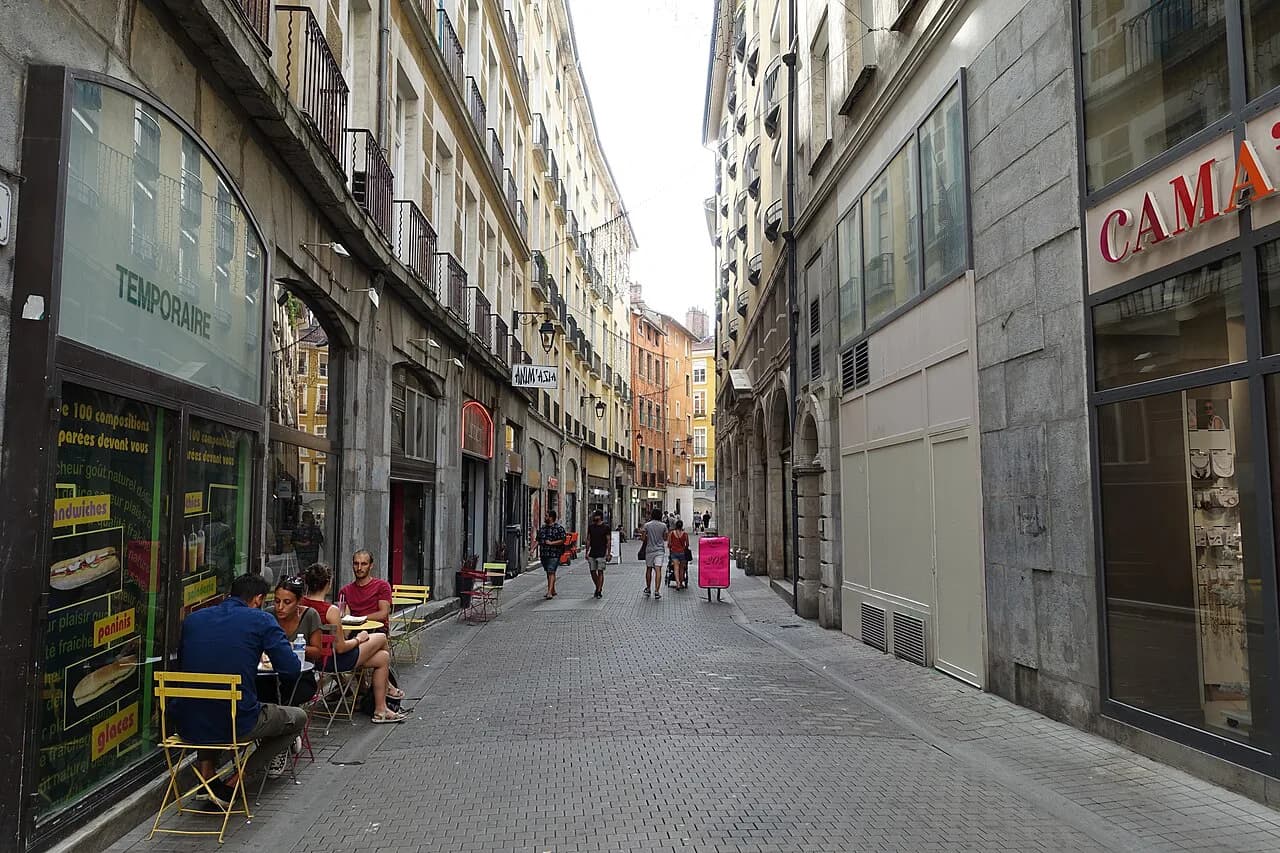
The quarter sits beside the Isère, a warren of pedestrian streets and squares that has been the city's meeting place for centuries. Grenoble began as a Gallo-Roman settlement called Cularo in 43 B.C., and from the 3rd century the area became the administrative capital, ringed by protective walls. Those layers show up as you walk: Roman fragments, medieval houses and grander parliamentary buildings within a few streets of one another, as the city's tourism office describes in its walk through the historic centre.
Treat Place Grenette and Place Saint-André as the two fixed points and the lanes between them as the substance of the visit. That shape lets you cut the walk short if it rains, since you are never far from either square or from a café terrace. It also keeps you off a street-by-street checklist, which is the wrong way to see a quarter this small.
The whole historic core is compact, and walking is the only sensible way to cover it. The tourism office also points out that the centre can be explored by bike, with the banks of the Isère and the Saint-Laurent neighbourhood within reach. For a first visit, though, the cobbles and the narrow lanes reward going on foot.
Place Grenette: the anchor square
Place Grenette has been one of Grenoble's main squares since the 17th century, and it still works as the natural starting point. In the middle is a stone fountain carved by the 19th-century sculptor Victor Sappey, decorated with cherubs and dolphins. Use it as a meeting point before heading into the lanes.
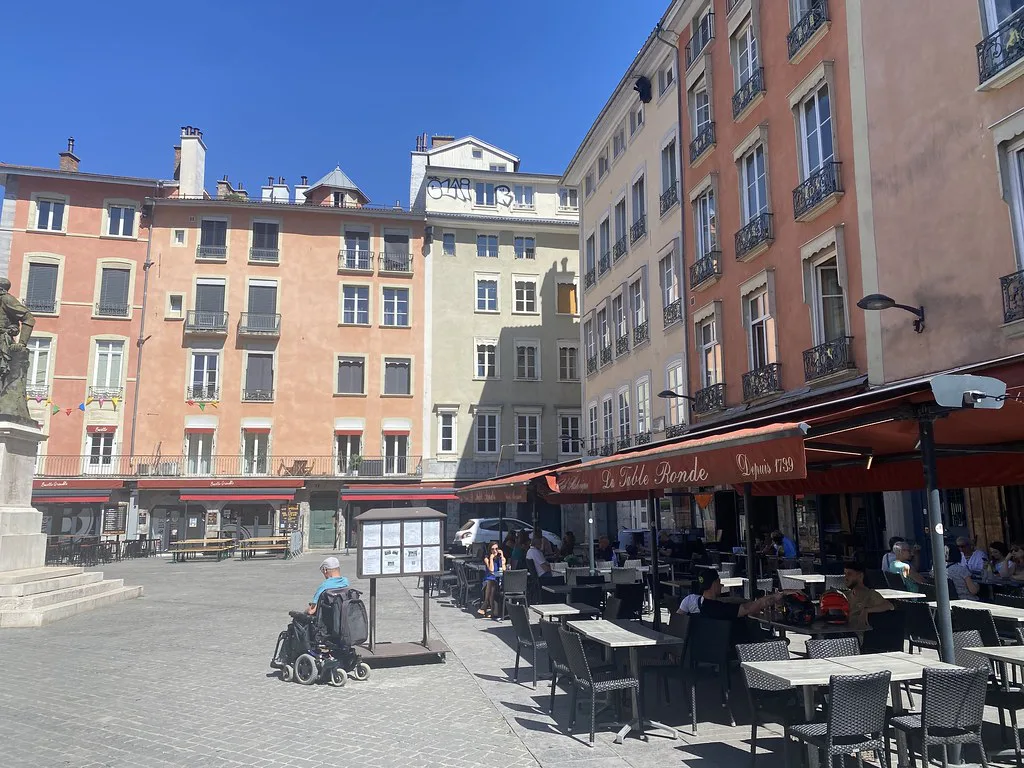
On the square stands Café de la Table Ronde, built in 1739 and described as the second-oldest café in France. Tradition holds that Stendhal sat here to write, a claim worth repeating as the story it is rather than as fact. Stop for a coffee if you want a pause early in the walk; otherwise note the façade and keep moving.
The tourism office picks out the fountains of Place Grenette as one of the pleasures of the city centre, with the Jardin de Ville a few minutes away. That short distance is the point: from here you can drift towards the garden or turn north into the oldest streets without committing to either.
Place Saint-André and the Collégiale Saint-André
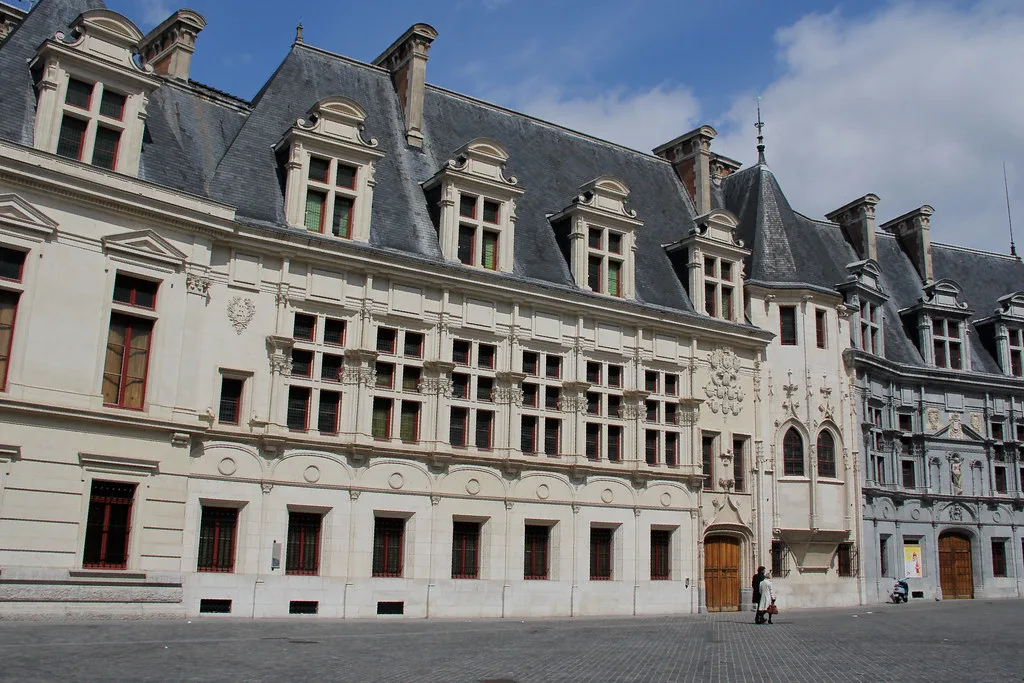
The steeple of the Collégiale Saint-André rises above the surrounding roofs and is almost impossible to miss from elsewhere in the quarter. The church opens onto Place Saint-André, where terraces face the old Dauphiné parliament building. Come for the square rather than the church interior, which is the honest trade-off here.
The former palace of the Dauphinois parliament has Gothic and Renaissance façades that make it one of the city's most distinctive buildings. Stand back on the square to take in the whole front rather than pressing up against it. The tourism office likewise treats the terraces of Place Saint-André, opposite the old parliament, as a place to linger.
Rue Lafayette and the Roman wall
At the beginning of rue Lafayette you can see the ruins of the Gallo-Roman wall the city built in the 3rd century. It is the oldest thing you will look at all day, and it sits in an ordinary street rather than behind glass. Look for it before the shops and signage pull your eye away.
Bronze medallions set into the streets mark where the full circuit of that wall once ran, so the line of the Roman city can be traced through the modern quarter. Following a few of them turns a single ruin into a route. Children tend to enjoy spotting them, which makes this stretch a good one for a family walk.
Place Notre-Dame and Place Saint-Claire
Place Notre-Dame holds the Fontaine des Trois Ordres, one of the small architectural set pieces of the historic centre. It sits on the edge of the oldest streets, so it fits naturally between the Roman wall and the riverside. Pause long enough to look at the fountain properly rather than passing through.
Place Saint-Claire has the sun-speckled atmosphere the tourism office singles out, a small square that works best as a pause rather than a destination. The lanes around it are where the quarter's medieval and Renaissance houses are thickest. This is the stretch to slow down in, especially with a camera.
Jardin de Ville and Stendhal's birthplace
The Jardin de Ville is a park shaded by old plane trees, a few minutes from Stendhal's birthplace, with pastel façades that the tourism office likens to Italy. After the tight lanes it gives you space and a bench, and it is the obvious place to break the walk. The Musée Stendhal sits in the same part of the centre.
If you want museums rather than squares, the Museum of Art and the Old Bishop's Palace are the substantial ones in the centre. Neither is a substitute for the walk, but either can fill an afternoon after the streets. Our guide to museums in Grenoble covers what each one holds and how to choose between them.
The market at Place aux Herbes
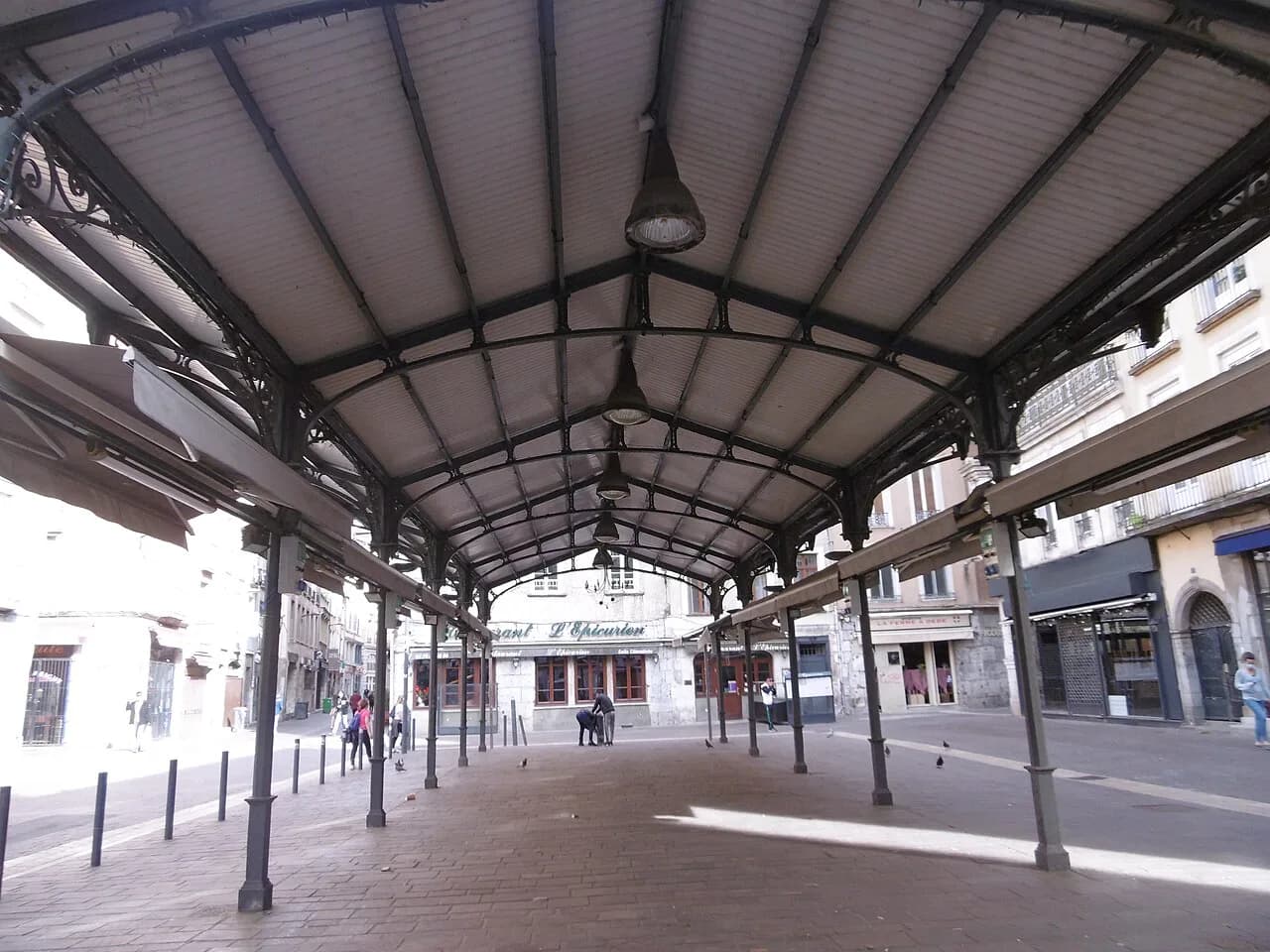
A busy farmers' market fills Place aux Herbes every morning except Monday. That single fixed point should shape your day: book the Old Town for a morning and you get the market, produce stalls and flower sellers as part of the walk. Leave it until the afternoon and you get the streets without them.
This is the constraint that makes an early start worth it, and it is why a Tuesday-to-Friday morning beats a lie-in. Saturday is the busiest day in the quarter, when locals and visitors both come out for the shops and cafés. A weekday morning gives you the market with room to move.
For a wider survey of food markets across the city, our Grenoble Markets guide covers the others worth knowing about.
A half-day route on foot
Start at Place Grenette, where the fountain and the café give you an easy orientation. Head north through the lanes to Place Notre-Dame, then to the top of rue Lafayette for the Roman wall and the first of the bronze medallions. This ordering walks you forward through the city's history rather than doubling back.
From the wall, drop to Place Saint-André for the Collégiale steeple and the parliament façade, then cross to Place Saint-Claire and finish in the shade of the Jardin de Ville. Allow a morning, with the Place aux Herbes market slotted in at the start if you are there on the right day. Walking is gentle, but the cobbles punish thin soles.
If you would rather hand the whole weekend to someone else's ordering, our Grenoble itinerary folds the Old Town into a longer plan with the Bastille and the museums.
Where the Old Town fits in a wider weekend
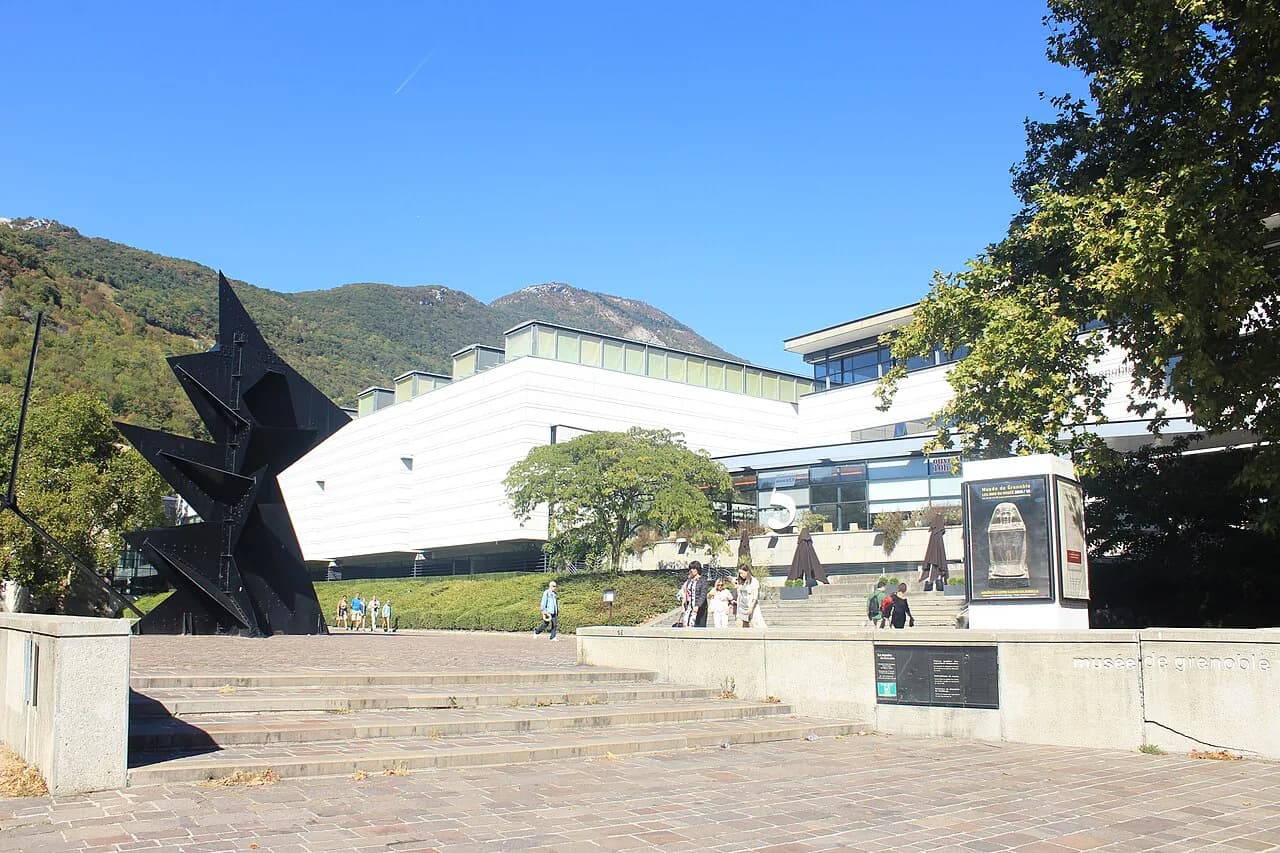
The Old Town covers the historic streets, but the two big set pieces sit outside it. The Musée de Grenoble holds the art collection, and the Bastille is reached by cable car from the city side of the Isère, with the fort looking back over the roofs. Both deserve their own half day rather than being squeezed into the walk.
The old quarter can be seen in a few hours, so a two-night break gives you the walk, one museum and the Bastille without rushing any of them. If time is very short, choose the Old Town over the museums: it is free, it is the reason the city feels like itself, and it needs no planning beyond an early start. Ticket prices and opening days for the museums and the cable car change, so confirm them before you set out.
Comparing Grenoble with another French old town helps you judge how much time to give it. Our Aix-en-Provence old town guide covers a much larger historic centre where the Cours Mirabeau sets the scale.
Practical timing and pacing
Mornings are the time to be here, both for the Place aux Herbes market and for the light on the stone. Saturday brings the crowds to the shops and cafés, so shift your walk to a weekday if you can. Two or three hours on foot covers the squares and streets comfortably, with time for a coffee.
The riverside setting means the quarter is pleasant in most weather, but it is an outdoor visit with few indoor pauses beyond the cafés and churches. Carry a light layer for the shaded lanes and plan the Jardin de Ville as your rest stop. If rain sets in, the squares are close enough together to retreat to a terrace.
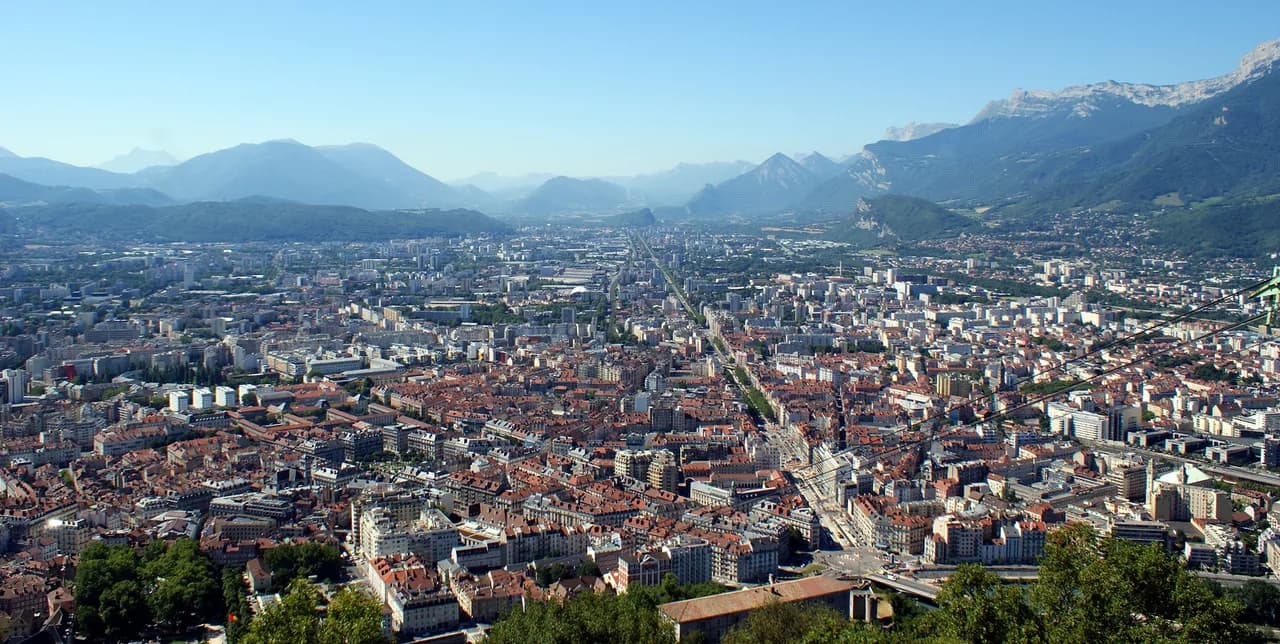
Grenoble rewards a short break precisely because the historic centre is small and walkable, with the mountains visible above the roofs. Our honest answer on whether Grenoble is worth visiting sets that against what the city does not offer.
What to skip with only an afternoon
With half a day, choose the walk over the museums and skip anything that needs a ticket. A second old town of the trip can wait; our Amboise old town guide shows how a much smaller historic quarter compares, with the Pont Général Leclerc over the Loire.
Concentrate on Place Grenette, Place Saint-André, the rue Lafayette wall and the Jardin de Ville, and let the smaller squares go. A day trip into the surrounding mountains fits only in passing on a short break, so keep the weekend in the city. Walking the old quarter properly beats a rushed circuit of everything.
Plan Your Visit
Grenoble Old Town is a half-day walk, best begun in the morning when Place aux Herbes is busy and the light is on the stone. Fix the route on Place Grenette and Place Saint-André, slot in the Roman wall on rue Lafayette, and finish under the plane trees of the Jardin de Ville.
Build the rest of the weekend around the museum and the Bastille, and leave the shops and cafés for a weekday if you want space. The outline above is the plan; the small discoveries in between are what make the quarter worth the trip.
Explore more Grenoble guides
Frequently Asked Questions
Is Grenoble Old Town worth visiting?
Yes, if you value historic streets over blockbuster sights. The quarter packs a Roman wall, medieval and Renaissance buildings, two handsome squares and a daily morning market into a compact, walkable area that costs nothing to wander. It is a half-day, not a full day, so pair it with a museum or the Bastille.
What is there to see in Grenoble Old Town?
Place Grenette with its Victor Sappey fountain, the Collégiale Saint-André and the old Dauphiné parliament on Place Saint-André, the Roman wall at the top of rue Lafayette with bronze medallions marking its line, the Fontaine des Trois Ordres on Place Notre-Dame, and the Jardin de Ville with Stendhal's birthplace nearby.
How long does it take to walk Grenoble Old Town?
Two to three hours covers the main squares and lanes at an unhurried pace, including a coffee stop. Adding the Place aux Herbes market in the morning stretches it a little. It is short enough for an afternoon, though a morning start suits the market and the light.
When is the market at Place aux Herbes in Grenoble?
The farmers' market runs every morning except Monday. It is the main reason to start early, and it shapes the day more than any other single detail. Saturday is the busiest day of the week in the quarter, so a weekday morning is calmer.
Where is the Roman wall in Grenoble?
The surviving ruins stand at the beginning of rue Lafayette in the Old Town. Bronze medallions set into nearby streets mark the line of the full circuit the Gallo-Romans built in the 3rd century. Follow a few of them to trace the old wall through the modern quarter.
What is Grenoble famous for historically?
Grenoble began as the Gallo-Roman settlement of Cularo in 43 B.C. and became the administrative capital of the area from the 3rd century. The former Dauphiné parliament building and the medieval and Renaissance houses of the Old Town carry that history. Stendhal, born nearby, is the city's best-known literary figure.
Sources
Notes for French city breaks
Optional updates to our guides.
You might also like
Continue reading
More guides you'll find useful