Fontainebleau Market: Days, Halles and What's Sold
A candid guide to Fontainebleau's market, its covered halles and the food stalls that matter, plus how to fit a market morning around the château and forest.
On this page
Fontainebleau's market is the town's regular food and produce stop, not a tourist spectacle, and it suits anyone who wants to eat well on a short break rather than tick off sights. The town spreads out from the château and the surrounding streets, so a market visit fits naturally into a morning that already includes the palace. Treat it as the practical anchor of a day, with the forest and the galleries filling the rest.
Where the market sits in the town centre
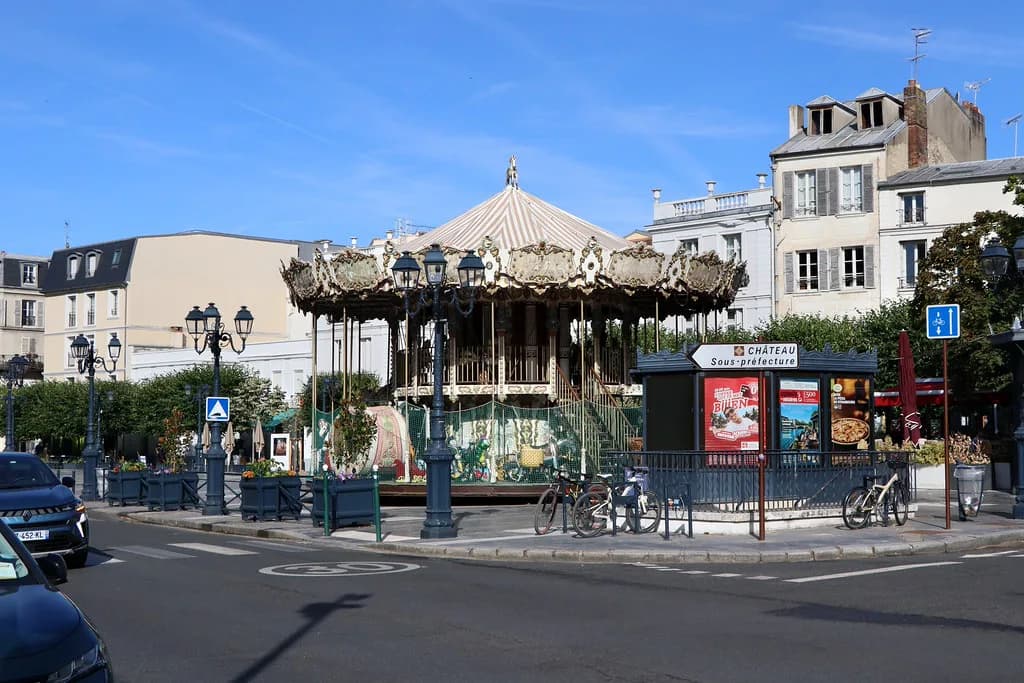
Fontainebleau is a compact royal town southeast of Paris, and its centre is small enough to cross on foot between the château and the shopping streets. The tourist office sits at 4bis place de la République, a useful fixed point if you need a map or a printed agenda before you start walking. From there, the château and its gardens are a short stroll through the old streets, which is the natural order for a market morning.
The town is the heart of the Pays de Fontainebleau, a territory of 26 towns that also takes in Barbizon and the villages along the Seine. That matters for market planning: some of the most interesting food addresses are in the town itself, while the artist villages are separate stops for another part of the day. Build your route around one centre at a time rather than trying to connect everything in a single walk.
The covered market building and what to expect
A covered market hall is a different animal from a row of open-air stalls: it is a building with permanent traders, and in French towns it often runs on its own rhythm. In Milly-la-Forêt, a small brocante fair is held on a Sunday morning each month in the old covered marketplace, which shows how these halls get reused for second-hand and antique trading as well as food. Check locally which days the Fontainebleau hall operates before you plan a morning around it.
Open-air stalls: produce, food and household goods
The town market is described as the place to explore Fontainebleau's everyday shopping, alongside the château and the forest as the area's headline draws. Expect the mix typical of a French provincial market: fruit and vegetables, cheese, prepared food and household goods, with the produce as the reason to come. Market days and morning hours decide the whole shape of your visit, so set them before booking anything else.
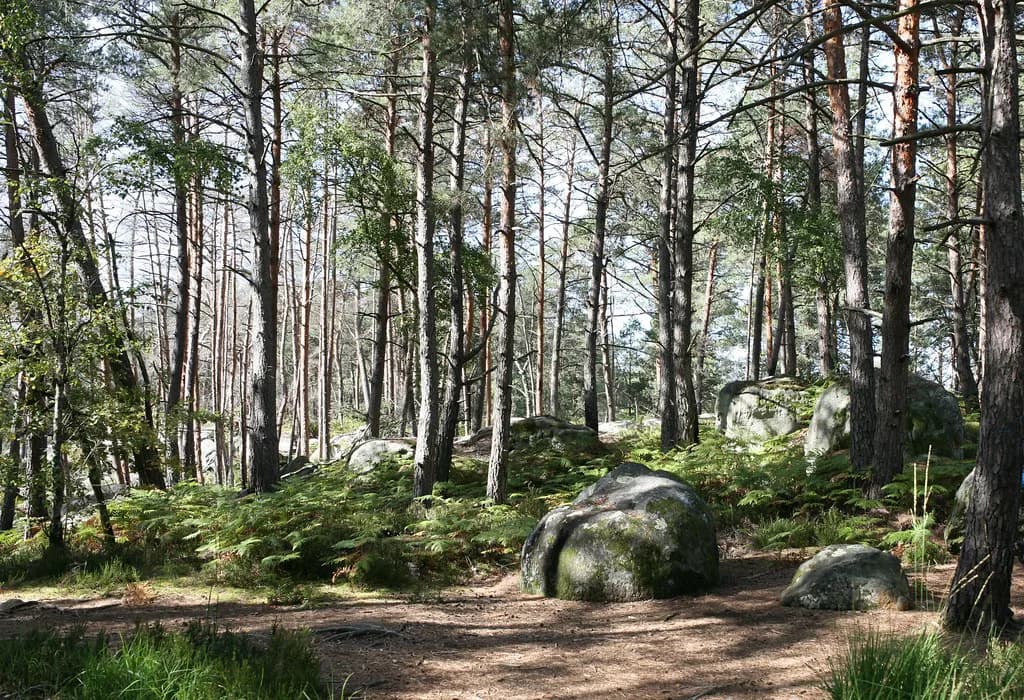
This is the stop for a picnic before the forest, and the forest itself covers more than 22,000 hectares of paths, rocky outcrops and sandy clearings. Buy bread, cheese and fruit in town, then walk or cycle into the trees rather than relying on anything inside the woodland. The combination of a market haul and a few hours under the oaks is the single best use of a free morning here.
Produce worth buying: cheese, pastries and local specialities
Fromagerie Barthelemy sells a signature cheese called Le Fontainebleau, which is the local edible souvenir to seek out rather than a generic wedge from a supermarket. For something sweet, Frédéric Cassel runs a pâtisserie and salon de thé on rue Grande, and the pastry chef's cakes are a proper sit-down stop rather than a grab-and-go. Both are named local businesses in the town centre, and both make more sense than a packaged gift.
If you want a full meal rather than a picnic, L'Axel sits steps from the château and serves Japanese-inspired cooking from chef Kunihisa Goto. It is a different proposition from market shopping, so decide whether your day is built on grazing or on one long lunch. Our guide to the best restaurants in Fontainebleau covers the sit-down options in more detail.
How to build a market morning around the château and the forest
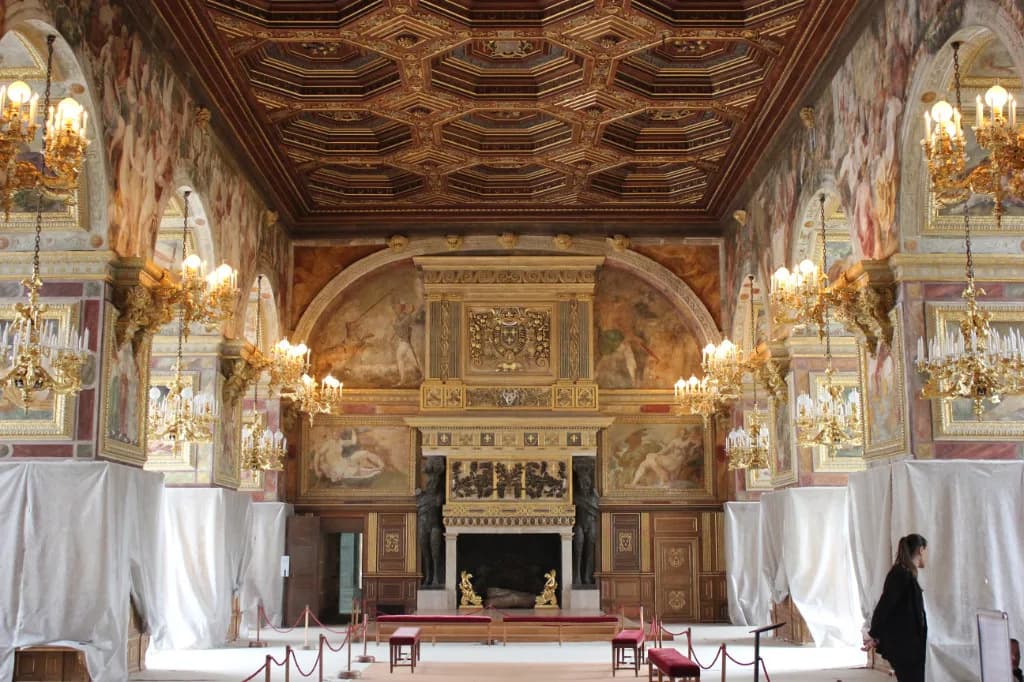
Start with the market while the produce is freshest, then walk to the Château de Fontainebleau, the only French palace inhabited by every monarch from the twelfth to the nineteenth century. That single fact explains the layered interiors: Renaissance work for François I, state apartments for Napoleon, and gardens first laid out by André Le Nôtre. Give the palace at least half a day if you want to see more than the main galleries.
Afterwards, cross into the Forêt de Fontainebleau for a short walk, or head to the riverside villages such as Samois-sur-Seine and Samoreau if you would rather stay on flat ground. The area is a base for climbing, hiking and horse riding, and the forest is the reason many visitors come at all. Keep the afternoon flexible: a market morning plus a palace visit is already a full day without adding a long hike.
Sunday and lunchtime trade in French towns
Provincial French towns generally slow down on Sundays and many shops shut over lunch, so plan a market morning rather than a late-afternoon browse. Confirm the specific days and hours for Fontainebleau before you travel, because a market that runs on a Tuesday will not help a Sunday arrival. The tourist office's events agenda is the place to check what is on during your dates.
If your break is short, put the market first on the morning it operates and treat everything else as optional. That logic is the same whether you are comparing French towns or reading a guide to the Ajaccio market. Decide by which day you are actually there, not by which market sounds best. The same applies when weighing a Loire Valley stop, so check the Amboise market days against your itinerary before committing.
Antiques and brocante around Fontainebleau
Antique hunting is a genuine local pursuit, distinct from the food market and worth a separate hour or two. Thierry May in Fontainebleau deals in original stone fireplaces and architectural materials, while Atelier Gabrielle Deschamps in Macherin mixes old and new pieces. Around Milly-la-Forêt, a small brocante fair takes over the old covered marketplace on one Sunday morning a month, so check the date before planning around it.
Treat brocante as its own outing rather than a detour from the food stalls: the objects are heavy, breakable and often priced for collectors. Bring cash and a bag, and go early if you want first pick. If you are weighing up whether the town justifies the trip at all, Is Fontainebleau Worth Visiting? What a Short Break Delivers sets out the trade-offs.
Practical limits and what to confirm
Market days, stall hours and which mornings the hall operates are exactly the details that change, so confirm them with Fontainebleau Tourisme before you set out. The tourist office publishes contact details and an events calendar for the whole Pays de Fontainebleau area. There is no reliable substitute for checking the current schedule close to your dates.
One day or a full weekend: how the market fits
With only one day, do the market first thing, then the Château de Fontainebleau and its gardens, and finish with a short forest walk or a drink in town. That order keeps you on foot and avoids doubling back across the centre. Skip the outlying villages entirely; they need their own half-day.
With a weekend, add Barbizon for the Musée des Peintres de Barbizon and the landscape painters' village, and consider Bourron-Marlotte or Moret-sur-Loing for a slower second day. Fontainebleau in october is a sensible window if you like the forest in autumn colour and fewer crowds. Two full days let you shop the market properly, see the palace without rushing and still eat well.
Plan Your Market Morning
Fontainebleau's market is best treated as the start of a day, not the whole of it: buy cheese, bread and pastries in town, then walk to the palace and out into the forest. Confirm the days and hours through the tourist office before you commit, and let the market schedule decide which morning you reserve for it. Everything else in this compact royal town fits around that one fixed point.
Explore more Fontainebleau guides
Frequently Asked Questions
Does Fontainebleau have a covered market?
The town has a market scene that includes a covered hall and open-air stalls, and the two keep separate rhythms. Check the current days for the covered building with the tourist office on place de la République before building a morning around it.
What days is the market in Fontainebleau on?
Market days vary and change, so confirm them with Fontainebleau Tourisme close to your visit rather than relying on an old listing. The tourist office publishes contact details and an events calendar for the town and surrounding villages.
What can you buy at Fontainebleau market?
Expect typical French provincial produce: fruit and vegetables, cheese, prepared food and household goods. Local names worth seeking out include Fromagerie Barthelemy for Le Fontainebleau cheese and Frédéric Cassel on rue Grande for pastries.
Is Fontainebleau market worth visiting on a weekend break?
Yes, if you use it as the start of a morning that continues to the château and the forest. It is a practical food stop rather than an attraction in itself, so pair it with the palace and a walk rather than making a special trip.
Where is the market in Fontainebleau town centre?
The market sits in the town centre, within walking distance of the Château de Fontainebleau and the tourist office on place de la République. Use the tourist office as your fixed point for a map before you start walking.
Are there antiques markets near Fontainebleau?
Antique dealers operate in Fontainebleau itself, including Thierry May for architectural materials, and a small brocante fair is held in the old covered marketplace in Milly-la-Forêt on one Sunday morning a month. Check the date before you go.
Sources
Notes for French city breaks
Optional updates to our guides.
You might also like
Continue reading
More guides you'll find useful