Things to Do in Fontainebleau: Château, Forest and Old Town
Plan a Fontainebleau weekend: the Château and its free gardens, forest trails and boulders, the historic centre and Barbizon, plus how long the town needs.
On this page
Fontainebleau is a royal and imperial town on the southern edge of the Île-de-France, wrapped around a château inhabited by every French monarch from the twelfth to the nineteenth century and backed by a forest of more than 22,000 hectares. It sits roughly 40 minutes from Paris, which makes it one of the most rewarding short breaks within easy reach of the capital. The town itself is small enough to cross on foot, so the real planning question is how you split your time between palace interiors, the free gardens, the forest and the surrounding artist villages.
Start with a clear verdict: one full day is enough for the Château de Fontainebleau and the historic centre, while two days let you add either the Forêt de Fontainebleau or Barbizon without rushing. A third day only makes sense if you want a second château such as Vaux-le-Vicomte or Courances, or a long walk in the forest. Almost everything worth seeing sits within a short walk of the château gates, so you do not need a car unless you are heading into the forest or out to the villages.
What Fontainebleau Is Best Known For
Two things put Fontainebleau on the map: the Château de Fontainebleau, the only French palace lived in by every monarch from the twelfth to the nineteenth century, and the forest that surrounds it. The tourist office describes a territory of rocky outcrops, sandy plateaus and centuries-old oaks stretching over 22,000 hectares, a landscape that has drawn artists and climbers for generations. That pairing of courtly interiors and raw woodland is what makes the town distinctive rather than simply another château stop.
The town holds the French Ville Impériale label, awarded for its imperial history, squares and Italian-style theatre, and the tourist office lists the château, its park and the forest as the core of a visit. Practically, this means you can spend a morning indoors among frescoes and a furnished royal apartment, then be under trees within twenty minutes on foot. It is also why the destination works in almost any season: the palace is weatherproof and the forest is at its best in dry, clear months.
If you are weighing up whether the trip justifies the train fare, the honest answer is yes for anyone who likes palaces with real depth plus walking country attached. You get a UNESCO-grade palace, free gardens, a proper forest and a village of painters without the crowds of Versailles. The trade-off is that Fontainebleau is a small town, so evenings are quiet and the restaurant choice is limited compared with a major city.
How the Town Is Laid Out
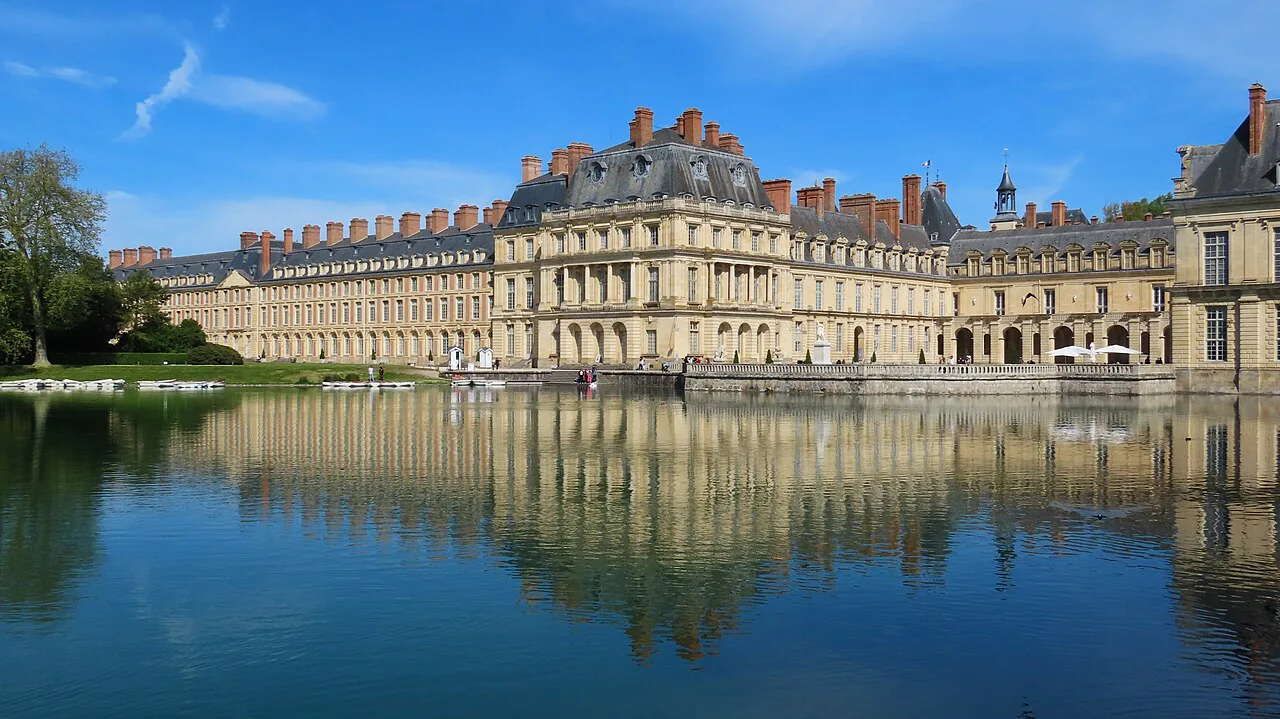
Fontainebleau radiates from the château, which anchors the north-eastern side of the centre, with its formal gardens and park spreading behind it. The historic core of streets and squares sits immediately south and west of the palace gates, so you can walk from the Cour d'Honneur to the main shopping street in a few minutes. The forest begins beyond the gardens and the edge of town, reachable on foot from the centre.
That compactness shapes your day: you do not need transport between the château, the old town and the start of the forest trails. Arriving by train from Paris puts you at Fontainebleau–Avon station, a short bus or taxi ride from the centre rather than a walk, so factor that transfer into your morning. Once in town, everything on this itinerary is on foot.
For orientation, treat the château as your fixed point and plan loops out from it: palace interiors first, then gardens, then the town streets for lunch, then the forest if you have the legs. That order also protects you if the weather turns, because the indoor highlight is done before any rain arrives. Keep the tourist office at 4bis place de la République in mind as a first stop for maps and current trail information.
How Long You Need
Give the château and the historic centre a full day: a morning inside the palace, an afternoon in the gardens and the town squares, and time for a proper lunch. That pace lets you actually look at the Renaissance frescoes and Napoleon's state apartments rather than racing through. If you only have a half-day, choose the palace interiors and the free gardens and leave the town streets for a return trip.
A second day is best spent either in the forest or in Barbizon, not both. The forest rewards walkers and cyclists with marked trails from the edge of town, while Barbizon offers the Barbizon School museums and the painters' village atmosphere. Trying to combine a serious forest walk with a village visit in one day leaves you doing neither properly.
If you want a second château, add a third day or swap out the forest entirely. Vaux-le-Vicomte and Courances are both in the region and each deserves a half-day of its own. The trade-off is straightforward: more palaces means less woodland, and Fontainebleau's forest is the reason many people come.
Château de Fontainebleau: The Palace Itself
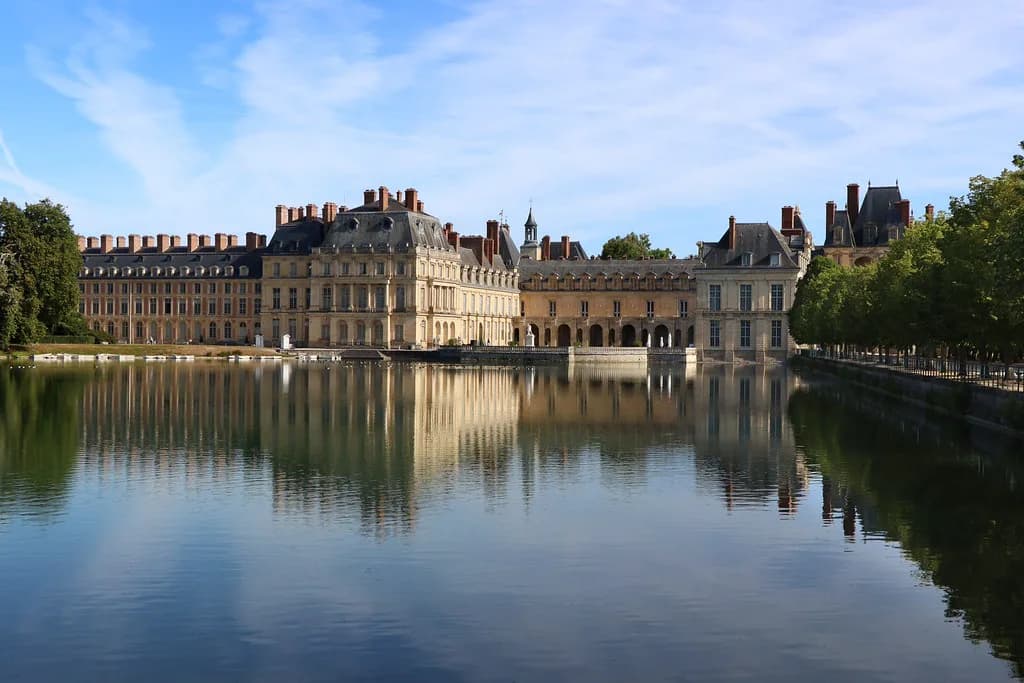
The Château de Fontainebleau is the second-largest palace in France and the one with the longest continuous royal occupation, from the Middle Ages through to the nineteenth century. François Ier gave it its Renaissance character, Napoleon Bonaparte stamped his own legend on it, and the result is a building that reads like a history book of France in stone and paint. It is the single sight you should not skip.
Allow at least two to three hours for the interiors if you want to take them in properly, and more if an exhibition is running in the château's programme. The palace hosts temporary shows that add a reason to return, so look up the current programme on the Château de Fontainebleau's official site before fixing your train. Keep the palace visit in the morning when your attention is freshest.
Tickets, opening days and any seasonal closures are published by the château itself, and the palace is the one place in town where you should confirm details before travelling. Buy your ticket and check the day's access on the official site rather than relying on third-party listings. The gardens, by contrast, need no ticket at all.
Inside the Château: Frescoes, Apartments and Furnishings
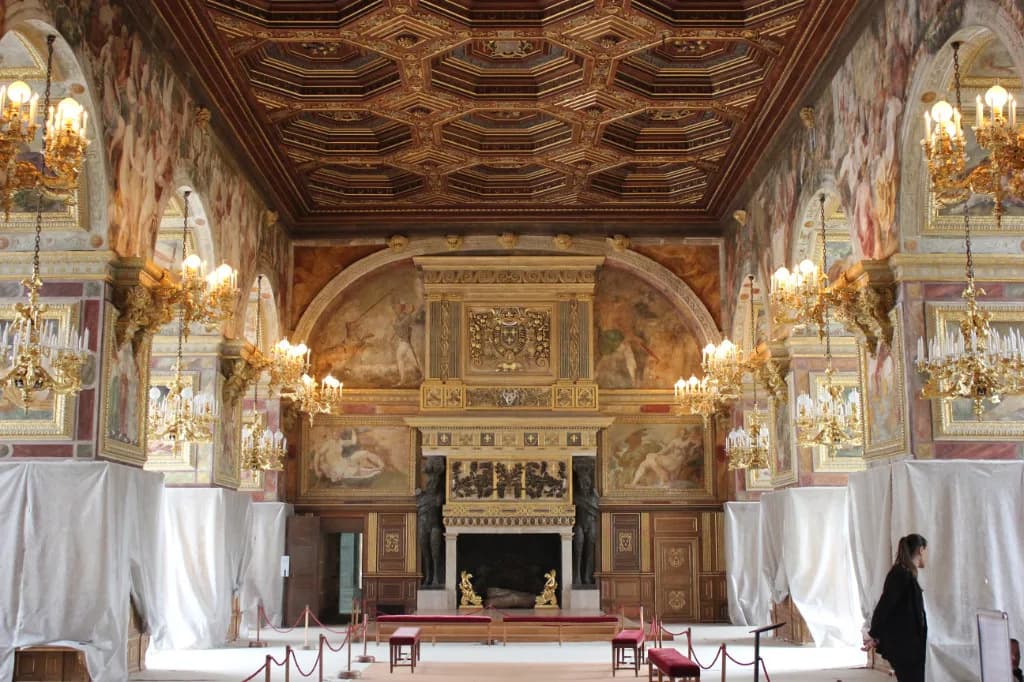
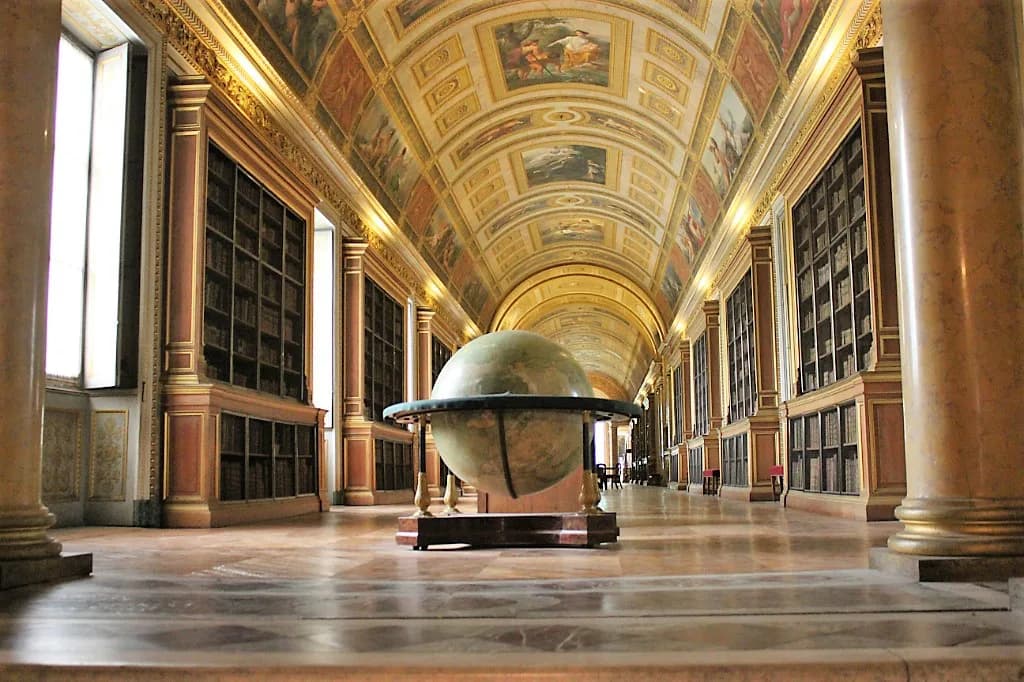
Inside, the château holds Renaissance frescoes commissioned under François Ier, the state apartments of Napoleon I, and interiors decorated for Marie-Antoinette alongside the later taste of Napoleon III and Empress Eugénie. It is one of the most furnished palaces in Europe, so the rooms feel lived in rather than emptied. That depth is why the interiors take time and why a rushed visit undersells the place.
Look for the contrast between the Renaissance galleries and the imperial apartments: it is the clearest way to see how each regime remade the palace for its own purposes. The tourist office notes that every fresco and moulding carries the pursuit of beauty of its era, which is a useful lens when you walk through. Give yourself permission to linger in two or three rooms rather than trying to see all of them.
Photography, access to specific rooms and any works under restoration change through the year, so the official site is the place to confirm what you will actually see on your date. Plan the interiors for when you are least likely to be tired, because the sequence of grand rooms is long. A short break in the gardens afterwards resets your attention.
The Park and Gardens: 130 Hectares, Free to Enter
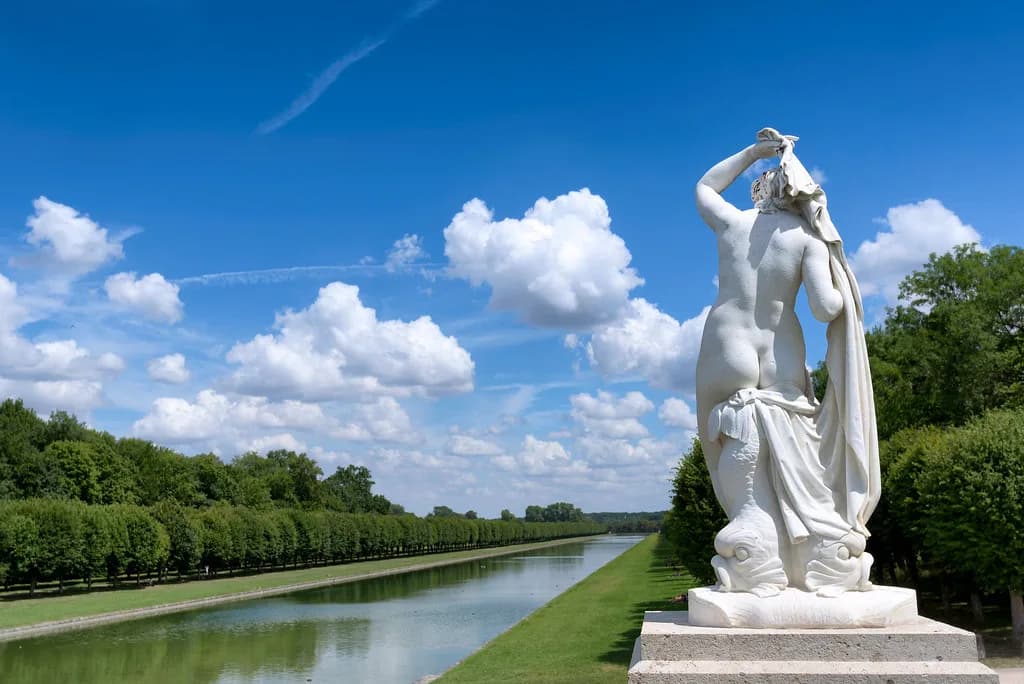
The château's park and gardens cover 130 hectares and are open free of charge under the usual conditions, which is the single best-value thing to do in Fontainebleau. That free access applies to the gardens and park, not the paid palace interiors, so a cheap half-day is genuinely possible. Plan at least an hour to walk the formal gardens and longer if you want to reach the wider park.
André Le Nôtre, later the gardener of Versailles, cut his teeth here with his first French-style garden, a detail that gives the parterres real historical weight. The tourist office describes gardens and parkland that vary between formal geometry and looser landscape set within 130 hectares. Bring a picnic in summer and eat it in the park rather than paying for a long lunch.
The gardens are the right answer when the palace is busy, when you are travelling on a tight budget, or when you simply want a slow morning. They are also the natural link between the town and the forest, so use them as your route out rather than a detour. There is no reason to choose between the château and the outdoors here, because they meet at the garden edge.
The Forêt de Fontainebleau: Walking and Cycling
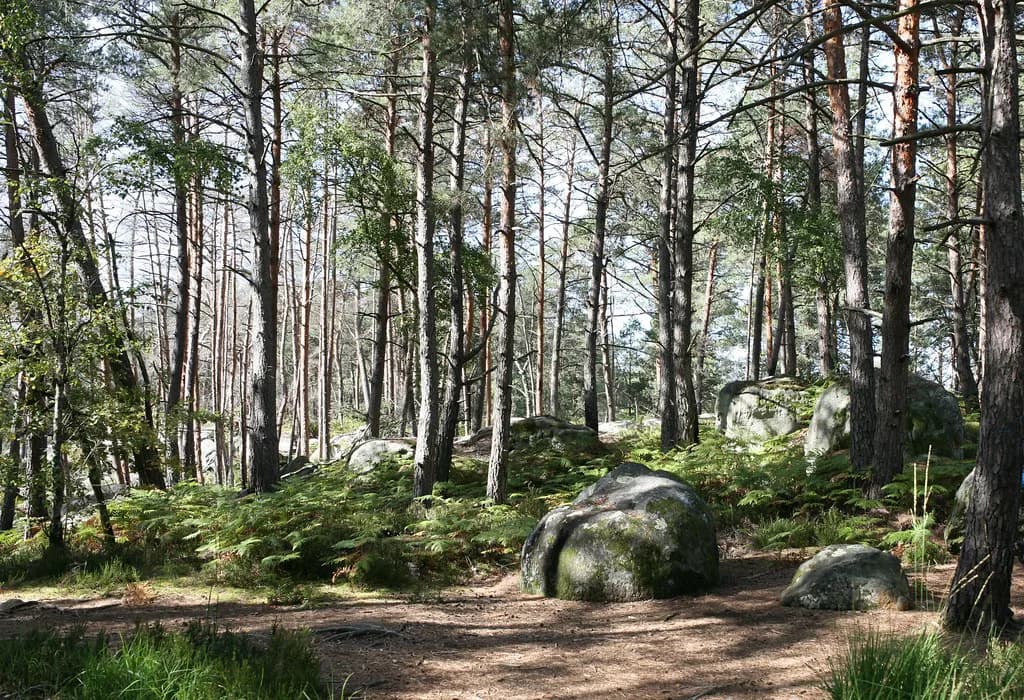
The Forêt de Fontainebleau spreads over more than 22,000 hectares of rocky outcrops, sandy plateaus and old oaks, and the tourist office describes it as a mosaic of landscapes that has inspired artists for centuries. Marked trails begin near the town, so you can walk out of the centre and be on forest paths without a car. This is the classic Fontainebleau half-day and the reason many visitors come at all.
Cycling covers more ground than walking and suits the forest's long, flat tracks; the tourist office lists cycling among the area's outdoor activities alongside hiking and horse riding. Pick a loop that matches your fitness rather than trying to see the whole forest, which is far too large for a weekend. Take water and a map, because phone signal and signage vary between sectors.
The forest is also a working landscape with climbing sectors and sensitive habitat, so stay on marked trails and keep to established boulder areas. Weather matters: sandy paths drain quickly after rain, but exposed plateaus are hot in high summer. The best seasons for a long walk are spring and autumn, when the colours and temperatures both cooperate.
Bouldering and Rock Climbing in the Forest
The Fontainebleau forest is the birthplace of bouldering, and the tourist office lists it openly as a climbing destination with time-sculpted terrain across the woodland. Even if you never touch a hold, you can watch climbers working the marked boulders near the popular sectors and get a sense of why the sport grew up here. It is a genuine spectator activity rather than a niche curiosity.
For beginners, the forest's circuits are colour-coded and graded, so a first session is realistic with rented shoes and a crash pad from a local shop. Keep ambitions modest for a weekend: a few easy problems and a walk between sectors is a good day. Do not wander onto hard problems or unsupervised sectors without proper equipment.
The forest's climbing culture is easy to underestimate: it is a serious international destination with a deep history, and weekends bring strong climbers to the classic sectors. Treat the boulders as you would any heritage landscape and leave no trace. If you only have an afternoon, choose one sector near town rather than trying to tour several.
The Historic Centre and Its Squares
Fontainebleau's centre is a compact grid of streets and squares around the château, with the Italian-style theatre among the buildings the town's Ville Impériale status highlights. It is small enough to explore in an hour or two on foot, which makes it a natural lunchtime loop between the palace and the forest. The pleasure here is the ordinary town life around an extraordinary palace.
Walk the main shopping streets toward the palace gates and you pass the town's pâtisseries, cheese shops and cafés, which are as much of an attraction as any single sight. The tourist office runs a guided walking tour of the historic centre with a cheese tasting, a useful option if you want the local art de vivre explained rather than guessed at. Book it ahead if your dates are fixed.
Expect a quiet town in the evenings and limited Sunday activity in the centre, so plan your shopping and browsing for Saturday if the weekend is your window. That is a reason to put the palace and gardens on Sunday and the town on Saturday. Individual shops set their own hours, so look up the ones you care about rather than counting on a uniform schedule.
Markets, Pâtisseries and Local Specialities
Fontainebleau's food identity runs through its pâtisseries and cheese shops rather than any single market hall, and Frédéric Cassel is the name to know: an award-winning pastry chef whose shop on rue Grande has been in town since 1994. Fromagerie Barthélemy is the place to try the local Fontainebleau cheese, a soft speciality worth seeking out. Both fit naturally into a morning in the centre.
The tourist office recently ran a Marie-Antoinette-inspired croissant challenge with four local establishments, including Dardonville, Frédéric Cassel and Suzy et Arlette in Fontainebleau and Galerie des Pains in Barbizon. That kind of collaboration is a good sign of a town that takes its pastry seriously. Names and offerings change, so confirm what each shop is making before you set your heart on a specific cake.
For a full meal, the town and its villages have a range of options from Michelin-starred cooking to casual bistros, and the best restaurants in Fontainebleau are worth planning around rather than leaving to chance. Book ahead for dinner, especially at weekends, because the better places fill up in a small town. A long lunch is often better value than dinner for the same kitchen.
L'Axel, steps from the château, serves Japanese-inspired gastronomy from chef Kunihisa Goto, a genuinely special-occasion choice rather than a quick bite. For something simpler, the villages around the forest offer country cooking and terraces that suit a post-walk appetite. Match the restaurant to the day's activity: a big lunch after a long walk, a lighter supper after the palace.
Barbizon and the Artist Villages
Barbizon, on the edge of the forest, was home to the painters of the Barbizon School in the early to mid-nineteenth century, and the village still trades on that legacy. The Musée des Peintres de Barbizon and the Millet studio hold collections tied to the artists who painted the surrounding landscape. It is a half-day trip from Fontainebleau and a good counterweight to the palace.
The tourist office also points to the Stéphane Mallarmé Museum in Vulaines-sur-Seine and the Rosa Bonheur château-museum in Thomery, which between them give the area a genuine artistic trail. Bourron-Marlotte and Moret-sur-Loing add cobbled streets and riverside scenery if you have time. Choose one village to do properly rather than ticking off several.
Barbizon rewards a slow wander: a museum, a village street and a coffee are enough. It is not a place for a checklist, and the pleasure is in the landscape the painters came for. Go on a weekday if you can, when the village is calmer.
Nearby Châteaux: Vaux-le-Vicomte and Courances
Vaux-le-Vicomte, the seventeenth-century estate whose gardens inspired Versailles, is the region's other great palace and hosts candlelit evening openings on Saturdays from June to October. It is a half-day visit in its own right and worth the trip if you have a third day. The candlelit evenings are a highlight of the region's summer season.
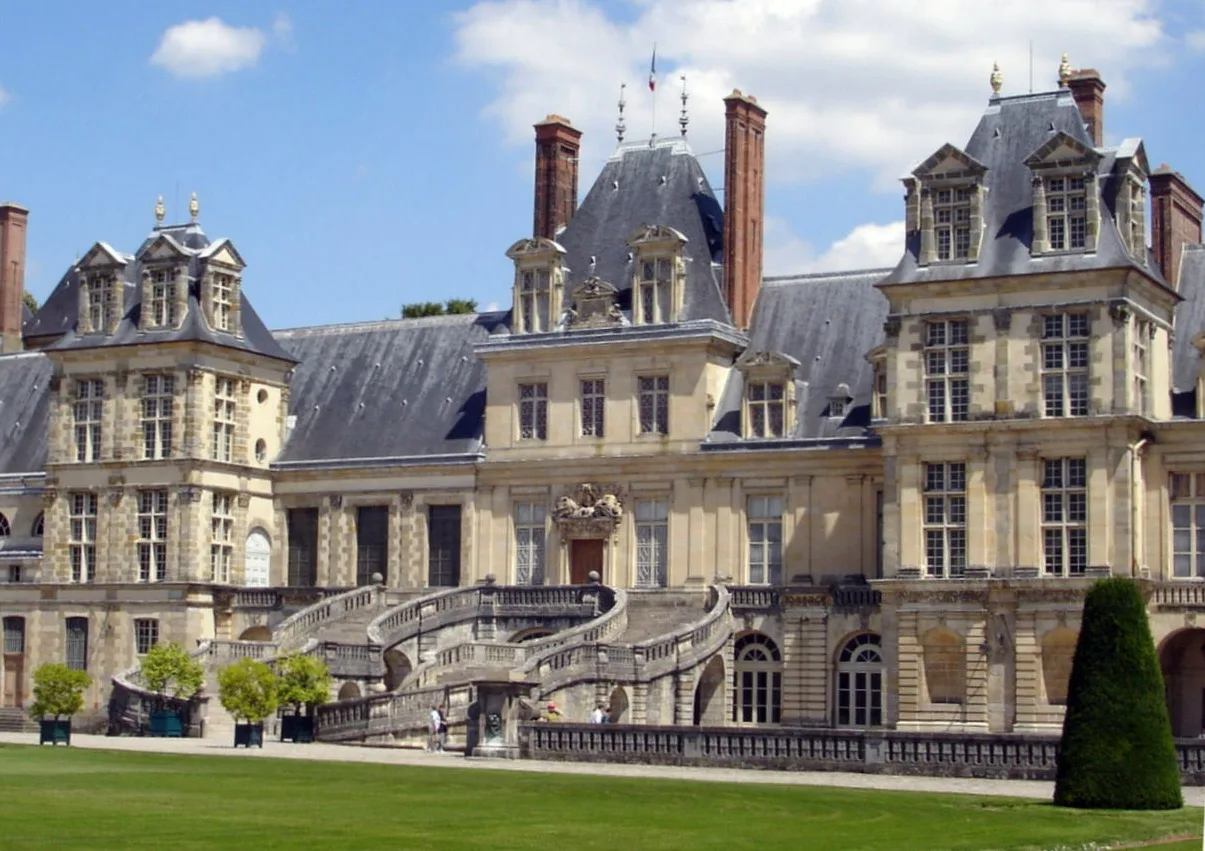
Courances, with its organic kitchen garden and horseshoe staircase modelled on Fontainebleau's, opens at weekends from April to November and closes in July and August. That seasonal pattern makes it a spring or autumn addition rather than a summer one. It suits travellers who have already done the main palace and want a quieter garden visit.
The trade-off is real: each château is a half-day, and adding one usually means dropping the forest or Barbizon. If you have only a weekend, keep Fontainebleau itself as the centrepiece and save Vaux-le-Vicomte and Courances for a return trip. If you have three days, one of them fits neatly.
When to Go
Spring and autumn are the best seasons for Fontainebleau: mild temperatures suit both the gardens and the forest, and the woodland colours are at their strongest. Summer brings the longest days and the best chance of dry forest walking, but the palace gets busier and the exposed plateaus are hot. Winter is quiet and the interiors remain open, so the palace works year-round even when the forest does not.
October is a strong month for a weekend: the forest is turning, the summer crowds have thinned, and the palace's exhibition programme is still running. The Fontainebleau Tourisme office publishes a seasonal events calendar, so check what is on for your dates. Weather is unpredictable, so pack for rain and plan one indoor day.
Avoid planning around a single event unless you have confirmed it for the year of travel, because exhibition and performance schedules shift. The town is small enough that a quiet weekend is still enjoyable even if nothing special is on. Build your trip around the palace and forest, which are always there.
What It Costs
The gardens and park are free, so the cheapest version of a Fontainebleau day is a walk through the grounds and the old town. Palace interiors are ticketed, and the château publishes current ticket prices and any reduced rates on its official site. Budget separately for a restaurant lunch and a pâtisserie stop rather than working from a single all-in figure.
Check the official page for entry, because prices vary by exhibition and by whether you want a guided visit. A combined palace-and-garden day is still modest compared with Paris museum pricing. Food is the variable cost: a picnic in the park keeps the day cheap, while a Michelin-starred lunch at L'Axel pushes it up.
If budget is tight, prioritise the free gardens, the historic centre and a forest walk, then decide whether the interiors justify the ticket for you. They usually do, but the palace is the one line item worth thinking about. Keep a small cash reserve for cafés and market stalls.
A Sample Two-Day Plan
On day one, start at the Château de Fontainebleau when it opens, spend the morning on the interiors, then walk the free gardens and the park before lunch in the town. Afternoon goes to the historic centre and a pâtisserie stop, with an early dinner because the town is quiet. This order gets the main sight done while you are fresh and leaves the rest of the day flexible.
On day two, choose one: the forest or Barbizon. For the forest, take a marked trail from town and give it four or five hours with a picnic; for Barbizon, visit the Musée des Peintres de Barbizon and the village in the morning, then return for a late lunch. Do not try both unless you have a third day.
If you have a third day, add Vaux-le-Vicomte or Courances, or extend the forest with a second sector on foot. Save the second château for a return visit if your first weekend is short. The point is depth over coverage.
Practical Points: Trains and Opening Days
Trains run from Paris Gare de Lyon to Fontainebleau–Avon, and from the station you take a bus or taxi into the centre; the château and old town are not walkable from the platform. Book your return train in advance and allow time for the transfer at both ends. The journey is short enough to make Fontainebleau a day trip, but a weekend gives it room to breathe.
The Monday and Sunday question should be settled in advance: the château publishes its own opening days and any closures, and many town shops and restaurants keep reduced Sunday hours. The palace and the town do not share a schedule. Check the official palace site for current dates and plan the free gardens or the forest for a day when interiors are shut.
The tourist office at 4bis place de la République is a reliable source for maps, guided tours and trail information once you arrive. Ask about the guided historic-centre walk and the forest tours if you want structure. Otherwise, this town is easy to do independently.
Plan Your Visit
Fontainebleau works best as a two-day break with the château and gardens on day one and the forest or Barbizon on day two. The free gardens mean even a tight budget gets a full day, and the compact centre means you never need a car. Book your train, confirm palace opening days and ticket prices, and let the rest follow the walking route.
If you are still deciding between French short breaks, compare Fontainebleau's palace-and-forest offer with a Provençal city like Aix-en-Provence before you commit, and our guide to the things to do in Aix-en-Provence makes that comparison easy. Both reward a weekend, but only one has a 22,000-hectare forest on its doorstep. For Fontainebleau, the differentiator is the combination of royal interiors and open woodland within walking distance.
Explore more Fontainebleau guides
Frequently Asked Questions
Is one day in Fontainebleau enough?
One full day covers the Château de Fontainebleau, its free gardens and the historic centre at a comfortable pace. Add a second day if you want the forest or Barbizon, because trying to do both in one day leaves you rushing.
What is there to do in Fontainebleau besides the château?
Walk or cycle the Forêt de Fontainebleau, watch or try bouldering on the marked circuits, explore the historic centre and its squares, and spend a half-day in Barbizon at the Musée des Peintres de Barbizon. The park and gardens are free and worth an hour on their own.
Are the gardens of the Château de Fontainebleau free?
Yes. The park and gardens are open free of charge under the usual conditions, while the palace interiors require a ticket. Check the château's official site for current garden access before you travel.
Do you need a car to visit Fontainebleau from Paris?
No. Trains run from Paris Gare de Lyon to Fontainebleau–Avon, then a short bus or taxi ride reaches the centre. Within town, the château, gardens, old town and forest trails are all on foot.
What is the forest of Fontainebleau known for?
It is a 22,000-hectare woodland of rocky outcrops and old oaks, famous as the birthplace of bouldering and as a landscape that inspired generations of artists. Marked walking and cycling trails start near the town.
Is Fontainebleau good for a weekend break?
Yes. A palace with real depth, free gardens and a large forest within walking distance make it one of the best short breaks near Paris. The town is quiet in the evenings, so plan for relaxed dinners rather than nightlife.
Which nearby châteaux are worth adding?
Vaux-le-Vicomte, whose gardens inspired Versailles, and Courances, open weekends from April to November and closed in July and August. Each is a half-day, so add one only if you have a third day or are willing to drop the forest.
When is the best time to visit Fontainebleau?
Spring and autumn give the best balance of mild weather, forest colour and quieter palace visits. Summer is best for long forest days but busier at the château, and winter keeps the interiors open when the forest is less inviting.
Sources
Notes for French city breaks
Optional updates to our guides.
You might also like
Continue reading
More guides you'll find useful