
Forêt de Fontainebleau: A Visitor Guide to the Forest
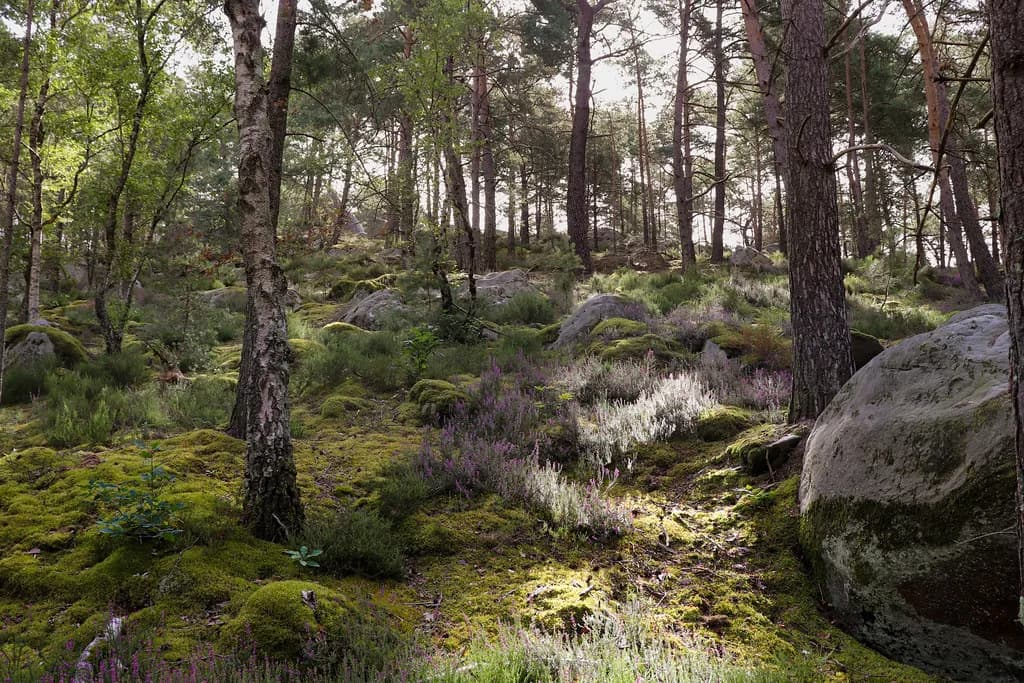
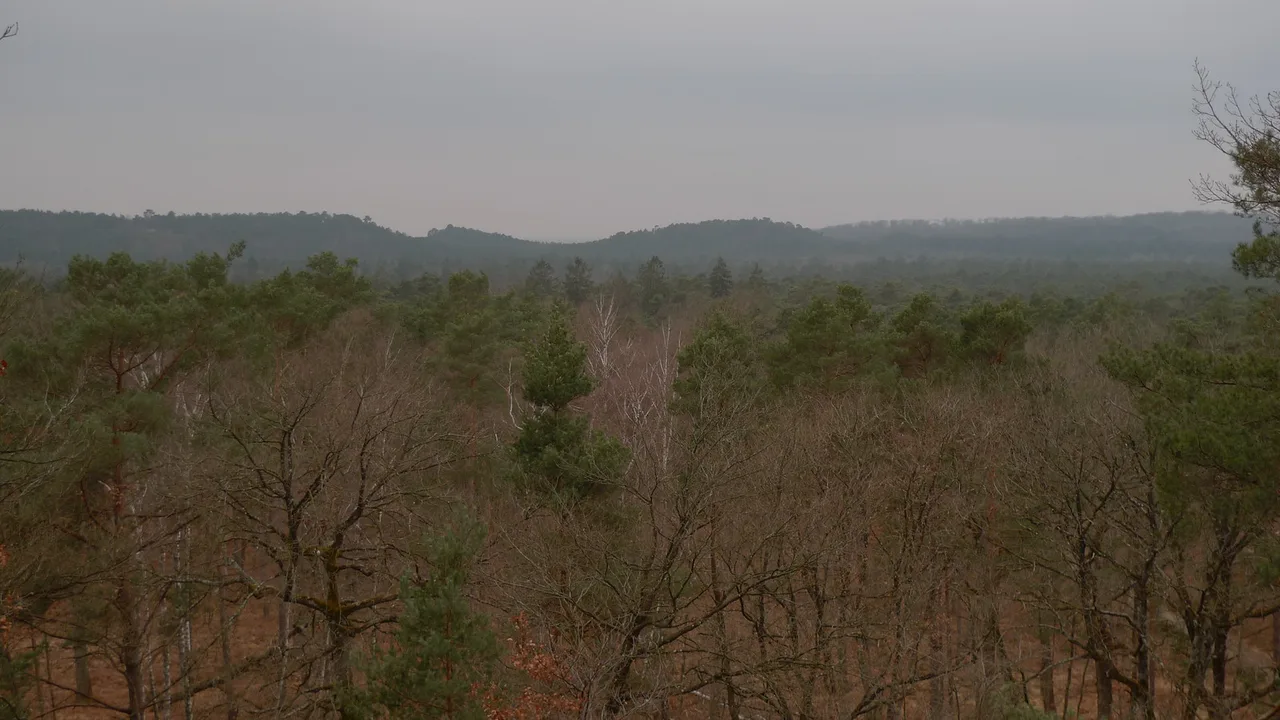
The Forêt de Fontainebleau is a state-owned forest massif of more than 22,000 hectares in Seine-et-Marne, Île-de-France, and it is the green backdrop to the town of Fontainebleau. It is known for sandstone boulders and marked walking routes, and it draws both randonneurs and grimpeurs. The forest is not a single uniform block: it is split into sectors, and one of them, Trois-Pignons, is subject to a long closure after the July 2026 fire.
Where the Forest Is and How It Is Laid Out
The massif lies in the department of Seine-et-Marne (77) and reaches the edge of Dammarie-les-Lys as well as the town of Fontainebleau, so you can treat the town as the front door to the woods. It is made up of state forests — forêts domaniales — rather than a single named park, which is why different sectors behave differently.
Within that whole, the Trois-Pignons sector in the domanial forest is the area where the July 2026 fire started, and it spread from there to other sites. Knowing the sector name matters, because a restriction on one part of the massif is not a closure of the entire forest.
Getting There and Getting Around
Fontainebleau is the practical base: the forest begins at the town's edge, so you can walk from the centre into the trees without needing a car for a short outing. For the outer sectors, including Trois-Pignons and the quieter corners of the massif, a car or a bike saves a lot of time on approach roads.
Plan your transport around one sector rather than trying to tour the whole forest in a day. The massif is large enough that criss-crossing it by car between trailheads eats the walking time you came for, and the sandstone tracks are uneven underfoot for cyclists off the main forest roads.
What to See: Sandstone, Trails and Climbers
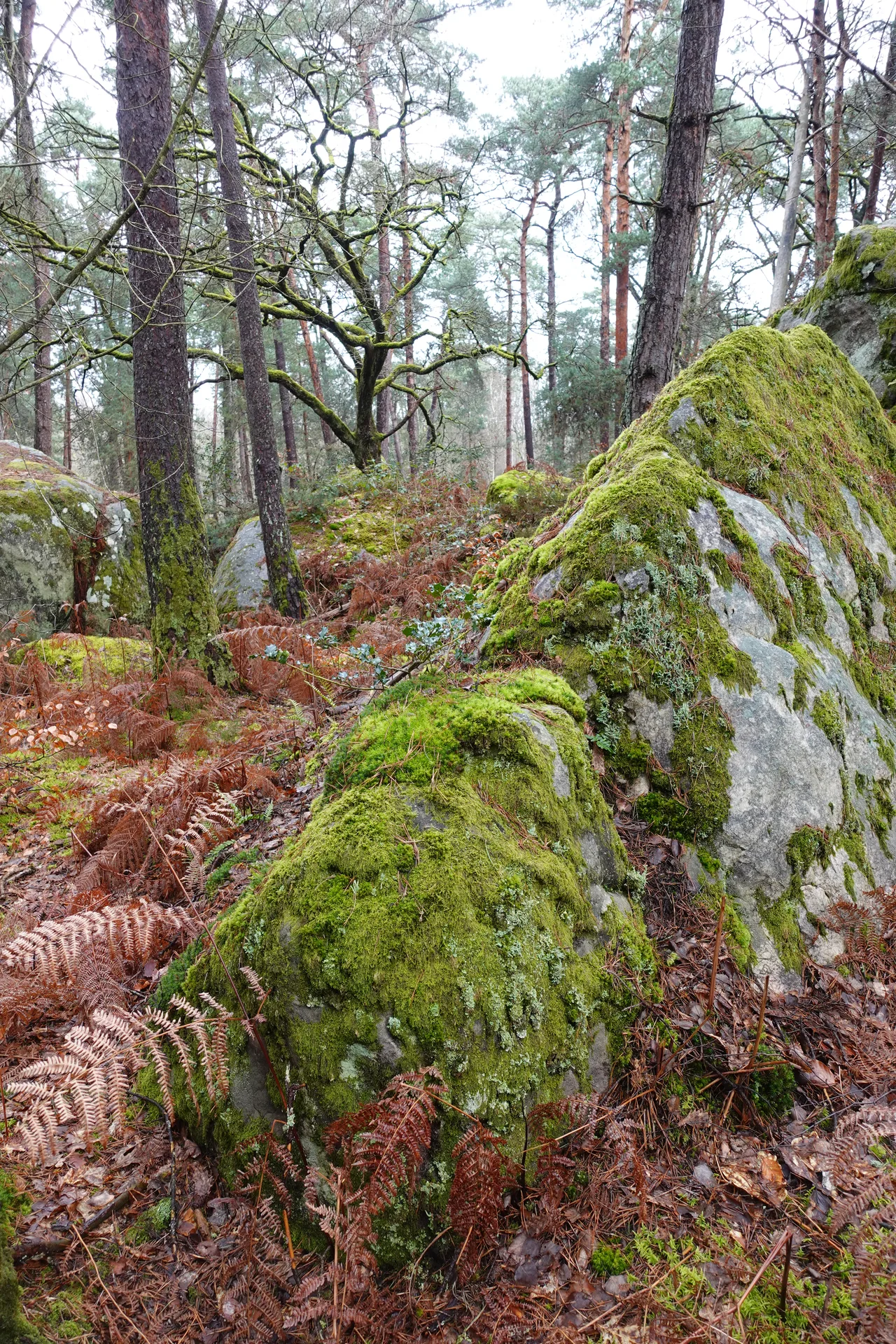
The forest's signature is sandstone chaos: boulder fields and rocky outcrops that make it a climbing destination as much as a walking one. That same terrain gives the forest a different character from a flat woodland stroll, and it is the reason the massif is frequented by grimpeurs alongside randonneurs.
Marked walking routes thread through the massif, and the rock formations sit close to them, so a walker gets the sandstone scenery without technical climbing. If you are coming to climb, treat the boulders as the objective and the trails as the way in between.
Access Restrictions After the July 2026 Fire
The fire broke out on 12 July 2026 at several points in the domanial forest of Trois-Pignons, and within days around 2,000 hectares had been affected, roughly a tenth of the massif. Access to the massif was strictly forbidden by préfecture order until Friday 31 July inclusive.
The longer problem is the ground itself: the soil burns as a peat fire, the root network is destroyed, and trees can fall long after the flames are out. The Trois-Pignons massif was reported as closed for at least a year, with dead trees expected to collapse over about two years, so do not assume that sector has reopened.
Because restrictions change with conditions on the ground, check the current préfecture and ONF notices for the sector you plan to walk in before you set out. Choose a trailhead outside Trois-Pignons if you are visiting while that sector remains closed.
Walking and Climbing: The 25 Bosses Question
The 25 Bosses circuit is the classic route walkers ask about most, and it is a serious hill-and-rock outing rather than a flat forest loop. The waymarking, start point and route length for it are not set out here, so get the current route description and a proper map from the local tourist office or a walking organisation before you commit to it.
On the marked trails generally, expect sandy ground between the rocks and short, steep pulls over the boulder fields. Carry a paper map or an offline app, because the terrain is uneven and route-finding over the outcrops takes attention.
How Much Time to Allow
A half-day is enough for an edge-of-forest walk from Fontainebleau, taking in a stretch of trail and some of the sandstone outcrops without travelling far. Give the forest a full day if you want to climb, link several sectors on foot, or reach the outer parts of the massif by car or bike.
Build in slack for the ground: rock and sand slow progress compared with forest paths, and closing sectors for restrictions can add a detour. If the forest is one part of a Fontainebleau weekend, pair it with the town rather than trying to cover the entire massif in the same day.
Practical Points Before You Set Out
Wear shoes with proper grip; sandstone polished by traffic and loose sand under the crags both punish smooth soles. Carry water and a map, and plan your navigation before you leave the town edge.
Check access before you leave: the préfecture order and ONF updates are the authoritative source on which sectors are open and which are closed after the fire. Do not enter a closed sector on the strength of an old trail map alone.
Nearby: The Town and the Château
Fontainebleau town sits right beside the forest, so a morning among the rocks and an afternoon in the streets fit together without much travel. Our guide to Fontainebleau attractions covers the town's sights in more detail if you want to plan the non-forest half of the day. If you are weighing a second royal day out, our things to do in Versailles makes a useful comparison for palace-and-garden planning.
The obvious pairing with the forest is the Château de Fontainebleau, a royal palace with formal gardens that give you a very different kind of walk from the sandstone trails. The Jardin de Diane, Fontainebleau is a compact garden space in the same orbit and makes an easy add-on.
If you have time for one more garden stop, the Grand Parterre at the Château de Fontainebleau is the formal counterpoint to the wild forest, and the Musée Stéphane Mallarmé suits a quieter indoor hour. The Église Saint-Louis, Fontainebleau is another town-centre landmark worth folding into the same walk.
For a wider shortlist of what to do in town around the forest, our things to do in Fontainebleau guide sets out the rest of the options. Allow at least a couple of hours for the château and gardens so the forest and the palace do not compete for the same afternoon.
Honest Trade-offs
The forest is enormous, so the satisfaction of a quiet trail comes with a real need to navigate. Post-fire closures mean some sectors, notably Trois-Pignons, are off-limits for a long period, and peat fires leave unstable trees that make trespass genuinely risky.
Treat the forest as a half-day or full-day outing planned around one sector, not a quick stop between town sights. Walkers who want an easy amble should stay near the Fontainebleau edge; climbers and long-distance walkers should plan transport to reach the outer crags.
Plan Your Visit
Decide first whether you are walking from the town edge or driving to an outer sector, then check which parts of the massif are open after the 2026 fire. Build the day around one area, carry a map and proper shoes, and leave the château and gardens for the part of the day when your legs are done with sandstone.
Frequently Asked Questions
Is the Forêt de Fontainebleau open to visitors?
The massif as a whole is not uniformly closed, but Trois-Pignons and other areas hit by the July 2026 fire were subject to restrictions, including a préfecture ban on access to the massif until 31 July inclusive and a closure of the Trois-Pignons sector reported as lasting at least a year. Check the current préfecture and ONF notices for the sector you plan to walk in.
How big is the Forêt de Fontainebleau?
The state-owned massif covers more than 22,000 hectares in Seine-et-Marne, Île-de-France. The July 2026 fire affected around 2,000 hectares, roughly a tenth of its surface.
Which part of the forest burned?
The fire started on 12 July 2026 at several points in the domanial forest of Trois-Pignons and spread to other sites. Around 2,000 hectares were affected, and the Trois-Pignons massif was reported as closed for at least a year.
Where should I start a walk in the forest?
Fontainebleau town is the simplest starting point, because the forest begins at its edge. For the outer sectors, plan transport to a trailhead and confirm access for that sector first, since closures are sector-specific.
How long does a visit take?
An edge-of-forest walk from town fits into half a day. Allow a full day if you plan to climb, link several sectors on foot, or drive to the outer parts of the massif.
What should I wear and bring?
Shoes with proper grip are the main thing, because sandstone and loose sand are slippery underfoot. Carry water and a paper or offline map, as the forest is signposted only in parts.
Can I combine the forest with the château?
Yes. The Château de Fontainebleau and its gardens sit in the town, so a forest walk and a palace visit work well in the same day if you allow a couple of hours for the château side.