
Musée Stéphane Mallarmé: Visiting the Poet's House at Valvins

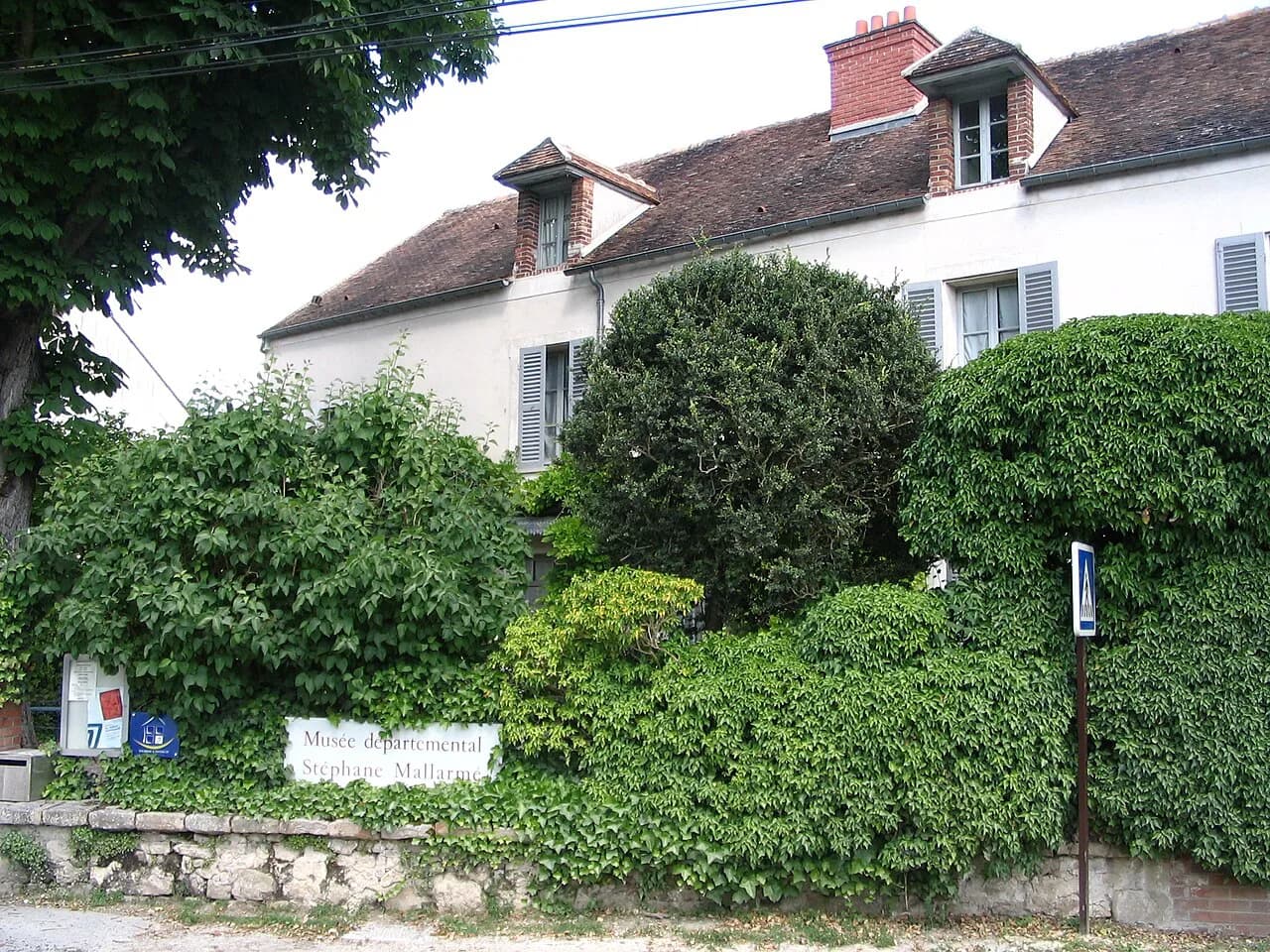
The Musée Stéphane Mallarmé is the former inn at Valvins, in the village of Vulaines-sur-Seine, where the Symbolist poet stayed from 1874 until his death in 1898. The house faces the Seine on the edge of the Forêt de Fontainebleau, and the museum that now fills it recreates the poet's daily life rather than presenting a gallery of masterpieces. Expect a domestic interior: three or four rooms, a small garden and a strong sense of a household.
It suits a reader who has already seen the Château de Fontainebleau and wants an hour of quiet outside the town, not a full afternoon's sightseeing. The house is small, so the trip only makes sense if you enjoy literary interiors and village riversides. Pair it with the town's main sights rather than treating it as a destination in itself.
What the Musée Stéphane Mallarmé is
Mallarmé called the house his "little house by the water", and it kept the charm of an old inn rather than the polish of a national museum. The rooms are arranged to evoke his family life and his friendships with the Impressionist painters and the Nabis, several of whom were neighbours; the photographer Paul Nadar was another. It is a place of living memory, and the museum uses temporary exhibitions and friendly guided visits to keep it that way.
Treat it as a poet's house first and a museum second. If you want wall labels and a chronological narrative, this will feel slight; if you want the atmosphere of a nineteenth-century riverside home, it rewards a slow hour.
Where it is: Vulaines-sur-Seine, not Fontainebleau
The address is 4 promenade Stéphane Mallarmé, 77870 Vulaines-sur-Seine, a village on the Seine a short distance south-east of Fontainebleau. The house sits on the riverbank and the forest lies close by, which is exactly the pairing that drew the poet here each summer. Plan your day around the journey out of Fontainebleau, because this is a separate village, not a quarter of the town.
The walk from the village towards the Seine puts you on the promenade named for the poet, with the house directly ahead. There is no grand approach; you arrive at a modest gate beside the water.
Getting there from Fontainebleau
The museum is outside the centre of Fontainebleau, so build in travel time rather than assuming you can walk from the château. The Fontainebleau Attractions: 6 Visitor Guides hub sets out the town's sights and how they sit together, which helps you decide whether to slot Valvins into a morning or an afternoon.
The museum publishes practical contact details and its address on the VisitParisRegion listing; confirm the route and any local transport arrangements there before you set out, since services to a village of this size are worth checking in advance.
Arrive with the house's short visiting window in mind. Because the museum keeps limited opening periods, a wasted journey is a real risk if you turn up on the wrong day.
Inside the house: dining room, cabinet, bedrooms
The visit takes in the dining room, a small Japanese cabinet and the bedrooms, filled with the poet's knick-knacks, books, photographs, prints, engravings and paintings. The Japanese cabinet is the kind of detail worth lingering over, since it reflects the taste of a household steeped in the aesthetic currents of the 1890s. This is an intimate circuit of rooms rather than a long gallery, and the pleasure comes from looking closely at small things.
Because the displays are personal objects rather than a formal collection, reading a little about Mallarmé's Symbolist poetry before you arrive pays off. A single poem or two in translation will make the rooms feel considerably less opaque.
The garden Mallarmé tended
The garden was restored in the spirit of the period, and it mattered to the poet, who wrote of making "their toilet to the flowers before his own". It is a small, enclosed space rather than a park, and it is the part of the visit most likely to stay with you. Sit for ten minutes; the house is best absorbed at that pace.
If gardens are your main interest in the area, the formal grounds at the château make a sharper contrast, and the Jardin de Diane, Fontainebleau is a short stroll in town rather than a village excursion, so plan them for a different part of the day.
Temporary exhibitions and events
The museum runs temporary exhibitions that complement the permanent rooms, alongside events and recreational visits through the year. These are the reason a second visit can be worthwhile, and they often tie the house to wider currents in nineteenth-century art. Check what is showing before you commit to the journey, because the house itself is compact enough that a special exhibition can double the value of the trip.
Details of the current programme appear on the museum's own site, along with the calendar for guided visits. Confirm the programme and current opening details before travelling, since the house keeps limited opening periods.
Opening days and hours
The Paris je t'aime listing gives a regular schedule of every day except Wednesday, 10am to 12.30pm and 2pm to 5.30pm, extending to 6pm in July. Note the Wednesday closure and the lunchtime gap: both are the kind of constraint that catches out a day-tripper who assumes a full-day opening.
The VisitParisRegion listing shows a narrow window in September 2026 rather than a general opening calendar, so do not read it as the museum's standard hours. The official museum site is the place to confirm which days the house is open during your trip.
Tickets: prices and free entry
The two listings in circulation do not agree on price. VisitParisRegion gives a full price of 6 euros and a reduced price of 4 euros, while Paris je t'aime gives a full price of 5 euros. Check the official site for the current tariff before you travel, and budget on the higher figure if you want to be safe.
VisitParisRegion sets out who pays nothing: children under 26, students under 26, job-seekers, RSA beneficiaries, disabled visitors and their companions, and tour guides holding a professional card, among others. A group rate applies from 10 people upwards. If you fall into one of those categories, bring proof, because the exemption is not automatic at the door.
How long to allow and when it is quietest
Allow about an hour for the house and garden, perhaps ninety minutes if a temporary exhibition is running. The rooms are few, so the visit is short by design; the mistake is to rush it after a long journey and feel the trip was not worth the effort. Combine it with something else nearby rather than travelling out for the house alone.
With a Wednesday closure and a midday break, the calmest slots are the first hour after the morning opening and the start of the afternoon session. Weekday mornings outside school holidays are the obvious choice, though the museum does not publish visitor figures to confirm that.
Group visits and access through the year
Groups can reach the museum all year round by reservation, subject to availability. That makes organised visits the route for anyone travelling outside the published opening periods, particularly school or literary society parties. Book well ahead and treat confirmation as essential before arranging transport.
Spoken tours are in French, so groups travelling from the UK should confirm whether interpretation or written material in English is available when they book. Non-French speakers will still get plenty from the rooms and the garden without a guide.
Nearby: forest, château and town gardens
The Forêt de Fontainebleau begins close to the river here, which is why the location works so well as a two-part outing: a literary house in the morning and woodland in the afternoon. The forest is vast, so pick a marked circuit rather than improvising a route from the village.
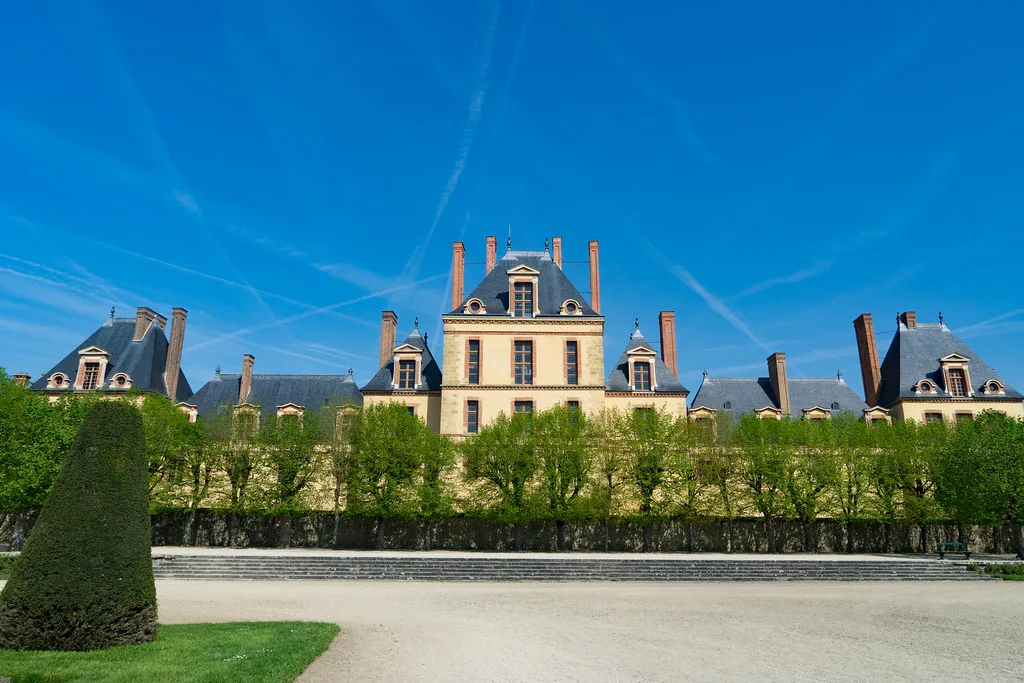
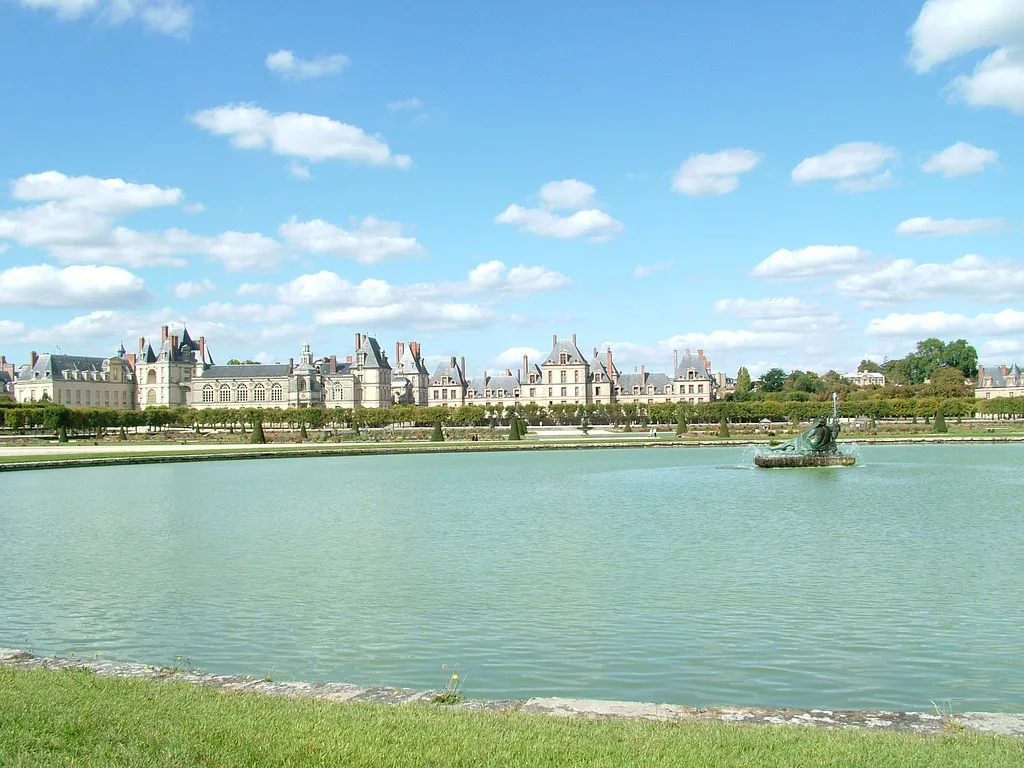
Back in town, the château and its grounds occupy a full half-day, and the Grand Parterre at the Château de Fontainebleau shows formal French garden design at its most disciplined — a useful contrast with the small domestic plot at Valvins. If you only have a weekend, do the château first and the poet's house second. For the same château-and-garden pairing on a grander scale, our things to do in Versailles guide shows how palace, gardens and town fit into a single visit.
For a fuller plan of the town, our things to do in Fontainebleau guide covers the central streets and squares, including the Église Saint-Louis, Fontainebleau, which sits among them and takes only minutes to look round.
The Visit in Brief
The Musée Stéphane Mallarmé is a one-hour visit to a poet's riverside home, best paired with the forest or the château rather than attempted as the centrepiece of a day. The two practical traps are the Wednesday closure and the midday break, both published on the Paris je t'aime listing.
Bring proof if you qualify for free entry, arrive for the start of a session, and give the garden time at the end rather than rushing back to the car. Check the official museum site for the current tariff and opening days before you travel.
Frequently Asked Questions
Where is the Musée Stéphane Mallarmé?
It is at 4 promenade Stéphane Mallarmé, 77870 Vulaines-sur-Seine, a village on the Seine near Fontainebleau. The house faces the river and sits close to the Forêt de Fontainebleau. It is not in Fontainebleau itself, so allow travel time from the town centre.
What can you see inside the museum?
The visit covers the dining room, a small Japanese cabinet and the bedrooms, along with the poet's books, photographs, prints, engravings and paintings. Outside, a garden restored in the spirit of the period completes the circuit.
When is the museum open?
The Paris je t'aime listing gives every day except Wednesday, 10am to 12.30pm and 2pm to 5.30pm, with a 6pm close in July. Opening periods are limited at other times of year, so confirm on the official site before travelling.
Is the museum closed on Wednesdays?
The Paris je t'aime listing states a Wednesday closure. Because opening periods vary through the year, treat Wednesday as the day to avoid but still verify the current calendar on the museum's own site.
Is entry free for students and children?
VisitParisRegion lists free entry for children and students under 26, along with job-seekers, RSA beneficiaries, disabled visitors and their companions, and guides with a professional card. Bring proof of eligibility.
Can groups visit by reservation?
Yes. The museum welcomes groups all year round by reservation, subject to availability, which is the route for anyone travelling outside the standard opening periods. Confirm before arranging transport.
How long does a visit take?
Allow about an hour for the house and garden, or ninety minutes when a temporary exhibition is on. The rooms are few, so the visit is short and best combined with something else in the area.
What is nearby?
The Forêt de Fontainebleau is close by, and the Château de Fontainebleau with its gardens makes a natural second half of the day back in town. Both need far more time than the poet's house.