
Château de Fontainebleau: What to See and How Long You Need
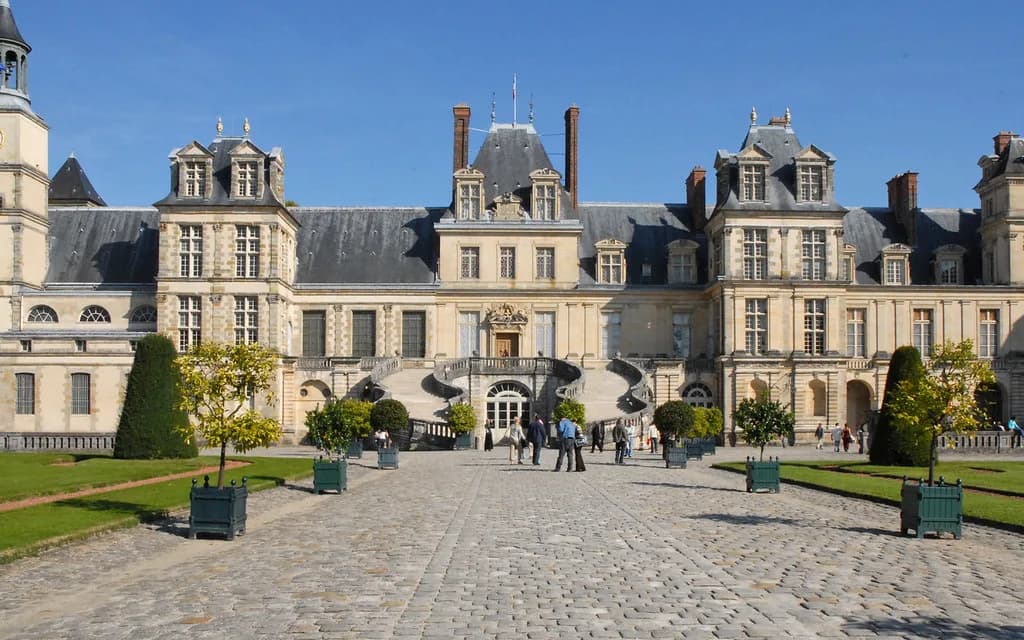
The Château de Fontainebleau is the reason most visitors come to this town, and it rewards more than a quick photo stop. The palace stands a few steps from the centre of Fontainebleau, so you can walk from the streets of the old town into the courtyards without a bus or taxi. Plan at least half a day if you want the state apartments and the gardens, and longer if you like to read the labels.
The tourist office describes the palace as the only château inhabited by all the monarchs from the twelfth to the nineteenth century, which is why the interiors read as layers rather than a single period. François Ier gave it its Renaissance character, and Napoleon Bonaparte later left his own mark on the rooms and the ceremonial spaces. That double identity is what separates Fontainebleau from the Loire châteaux and from Versailles.
What the Château de Fontainebleau is and why it matters
This is a working royal residence across centuries, not a ruin or a single-epoch showpiece. The tourist office calls it the only château inhabited by every monarch from the twelfth to the nineteenth century, so each suite tends to reflect the taste of whoever last remodelled it. Visitors who expect one consistent style are often surprised by how much the palace changes from wing to wing.
François Ier is the name to hold on to when you walk the galleries, because the tourist office credits him with giving the château its distinctive style. The frescoes and mouldings in the Renaissance rooms are the clearest evidence of that programme. If you only see one part of the interior, make it the decorated galleries rather than the later apartments. Renaissance patronage on this scale is also the story at the Château d'Angers, so the two palaces make a rewarding comparison on the same theme.
Napoleon Bonaparte is the second figure who shaped the visit, and the tourist office notes that he inscribed his own legend at Fontainebleau. His presence is felt in the imperial apartments and in the way the palace was furnished as a seat of power rather than a country retreat. Reading a little about him before you arrive makes the interiors much easier to follow.
Where the palace sits in Fontainebleau and how to reach it
The Château de Fontainebleau sits in the town of Fontainebleau, in Seine-et-Marne in the Île-de-France region, a few steps from the centre rather than out in the countryside. That layout is the practical advantage of the visit: you can arrive by train, walk into town and reach the palace gates on foot. The tourist office points out that the château is just a few steps from the royal and imperial town it served.
The Fontainebleau tourist office reception is at 4bis place de la République, which puts it close to the palace and handy as a first stop for maps and town information. The office publishes a telephone number and email for enquiries if you want to confirm practical details before you travel. Starting there orients you before you commit to the ticket queue.
Getting there from Paris
The tourist office places the Pays de Fontainebleau about 40 minutes from Paris, which makes it an easy day trip or a natural first stop on a weekend. Trains from the Paris stations serve Fontainebleau, and the station sits a short walk or bus ride from the palace and town centre. If you are coming for the château alone, an early train leaves you the whole morning in the state apartments.
For a weekend rather than a day trip, staying in the town removes the pressure of the last train and lets you split the palace and the town across two days. The tourist office publishes a how-to-get-here section and a list of accommodation options if you need to work out timings in advance. Treat the journey as part of the outing: the 40-minute run from Paris is short enough to do twice.
The courtyards and exterior: what to look at first
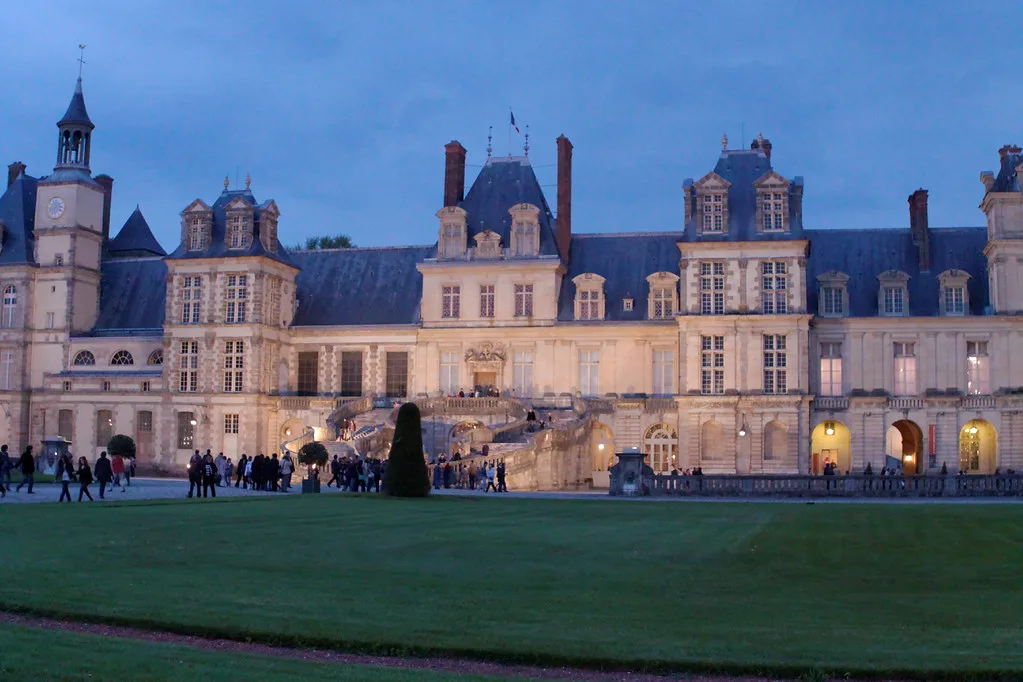
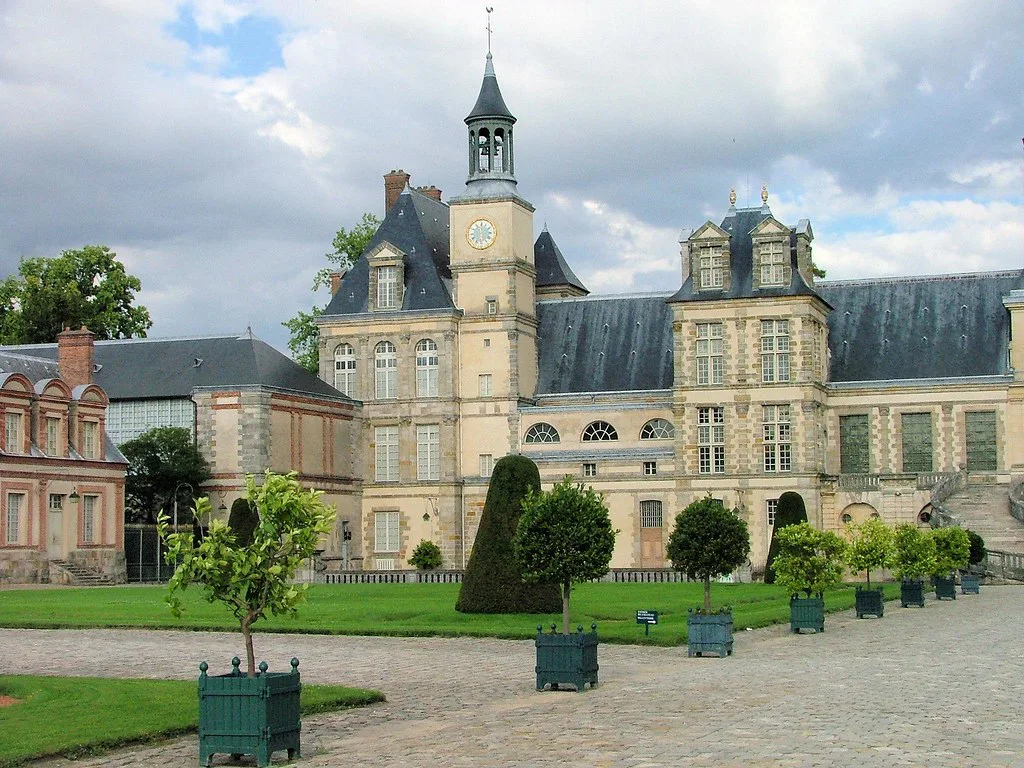
Start outside before you buy a ticket. The palace is built around courtyards, and the approach from the town gives you the scale of the complex before you meet the interiors. Give the courtyards fifteen or twenty minutes and look at the façades on each side, because they date from different building campaigns.
The tourist office notes that André Le Nôtre gave his first noble letters to the French-style garden here, which is a good reason to look at the gardens with some care rather than as a backdrop. The garden layout reflects the same formal principles he later applied elsewhere. Walk to the far end and look back at the palace for the view the designers intended.
Near the palace, the Jardin de Diane is a separate small garden worth a look on the same morning, and it takes only minutes to cross. If you want a quieter green corner before the crowds build, this is the place to find it.
Inside the palace: the galleries, apartments and gardens
Inside, the visit runs through decorated galleries, royal and imperial apartments, and the state rooms that hosted the court. The tourist office describes visitors moving through frescoed galleries and then into the gardens, which is a sensible order if you want the interiors while you are fresh. Allow yourself to slow down in the Renaissance rooms, where the detail is dense and easy to rush past.
The château is described by the tourist office as one of the most furnished palaces in Europe, so the rooms are shown with their furniture rather than as bare architecture. That makes the interiors slower to read than an empty monument, and it rewards a second pass through your favourite suite. If you are travelling with someone who tires of museums, the gardens give them an easy place to wait.
Beyond the palace, the Forêt de Fontainebleau covers more than 22,000 hectares and begins at the edge of town, which is why the setting feels greener than most royal residences. You do not need to walk far to reach woodland, and the change of scene works well after a morning indoors. Keep the forest as a short add-on rather than the main event of a château day.
How much time to allow
Budget half a day for the palace and the gardens together, and a full day if you want to add the town and a walk in the forest. The interiors alone take a couple of hours at a normal pace, and the gardens add another hour if you walk them properly. Arriving at opening time is the simplest way to see the main galleries before groups build up.
If your time is tight, choose the decorated galleries and one garden axis rather than trying to see every apartment. The palace is large enough that a rushed full circuit leaves you remembering corridors rather than rooms. A shorter, slower visit usually feels more worthwhile.
Tickets, opening times and closures
Ticket prices, opening hours and any closure days change with the season, so buy through the palace's own booking channel or the tourist office's online activity pages and check the details for your date before you travel. The tourist office lists entry tickets to the palace among the activities you can book online, which is the safest way to confirm what is included. Do not rely on a printed guidebook for the current times.
Reviews describe the château as a lavish Renaissance residence that has hosted French monarchs for centuries, which is a fair picture of what the ticket buys you. They are not a reliable guide to current prices or opening hours, so treat them as background reading only. Confirm the practical details directly with the palace before you set out.
Nearby options in the town
The town around the palace is worth an hour of its own, with the squares and streets of the historic centre close to the gates. The tourist office describes Fontainebleau as a designated Ville Impériale with its château, squares and Italian-style theatre, so the townscape is part of the visit rather than just a place to park. Walk the centre after the palace rather than before, when you still have energy for the interiors.
The Église Saint-Louis is in the town centre and makes a short, free stop on a walk back from the palace. It suits the half-hour before lunch better than a major sight in its own right.
The artist villages around Fontainebleau hold several small museums, including the Millet Studio and the Barbizon Painters Museum in Barbizon, the Musée Stéphane Mallarmé in Vulaines-sur-Seine and the Rosa Bonheur château-museum in Thomery. These are separate outings rather than add-ons to a palace morning, and each works best as a half-day in its own right. If you have a second day, pick one village and do it properly.
Practical tips for the day
Wear shoes you can walk in: the palace floors are hard, the gardens are gravel and the forest paths start within minutes of the gates. Carry water for the garden, since the formal beds offer little shade in the middle of the day. A light layer helps inside, where the stone rooms stay cool.
Book your palace ticket online where the tourist office offers it, arrive for opening and do the interiors first, then the gardens. That order keeps the most detailed rooms for when your attention is sharpest. Leave the town walk and any village museum for the afternoon or a second day.
Plan Your Visit
The Château de Fontainebleau works as a half-day visit or as the anchor of a full weekend in the town. Come for the Renaissance galleries and the imperial apartments, stay for the gardens, and walk back through the centre rather than heading straight for the station. It is one of the few French palaces where the town and the château feel like a single outing.
Explore more Fontainebleau guides
Frequently Asked Questions
How long does a visit to the Château de Fontainebleau take?
Allow half a day for the interiors and gardens together, and a full day if you add the town centre and a walk into the forest. The state apartments and galleries take a couple of hours at a normal pace, and the gardens reward another hour.
How do you get to the Château de Fontainebleau from Paris?
The tourist office places the Pays de Fontainebleau about 40 minutes from Paris by train, and the palace is a few steps from the centre of Fontainebleau once you arrive. Check the current train times and the walk or bus from the station before you travel.
Is the Château de Fontainebleau worth visiting?
Yes, if you want a royal palace with real depth rather than a single-period showpiece. The tourist office describes it as the only château inhabited by all the monarchs from the twelfth to the nineteenth century, and it is one of the most furnished palaces in Europe.
Who is associated with the Château de Fontainebleau?
François Ier gave the palace its Renaissance character, and Napoleon Bonaparte later remodelled and furnished it as an imperial residence. The tourist office also credits André Le Nôtre with the French-style garden.
Do you need to book tickets in advance?
The tourist office lists palace entry tickets among the activities you can book online, which is the simplest way to confirm availability and current prices for your date. Check the palace's own site for opening hours and any closures before you go.
What else is near the palace?
The Jardin de Diane and the Grand Parterre are close by, the Église Saint-Louis is in the town centre, and the Forêt de Fontainebleau begins at the edge of town. The artist villages of Barbizon, Vulaines-sur-Seine and Thomery are separate half-day outings.