
Grand Parterre at the Château de Fontainebleau: A Visitor's Guide
The Grand Parterre is the formal garden within the grounds of the Château de Fontainebleau, and it sits inside a domain the château describes as 1,500 rooms surrounded by 130 hectares of park and gardens. You reach it directly from the palace, so there is no separate trip involved: the garden is part of the same visit as the state apartments.
Allow it as a distinct stop rather than an afterthought. The interiors are a one-way, timed-feeling experience through crowded galleries, while the parterre is open ground where you set your own pace and can double back. Treat the garden as roughly an hour of wandering and the palace as the main booking of the day.
What the Grand Parterre Is
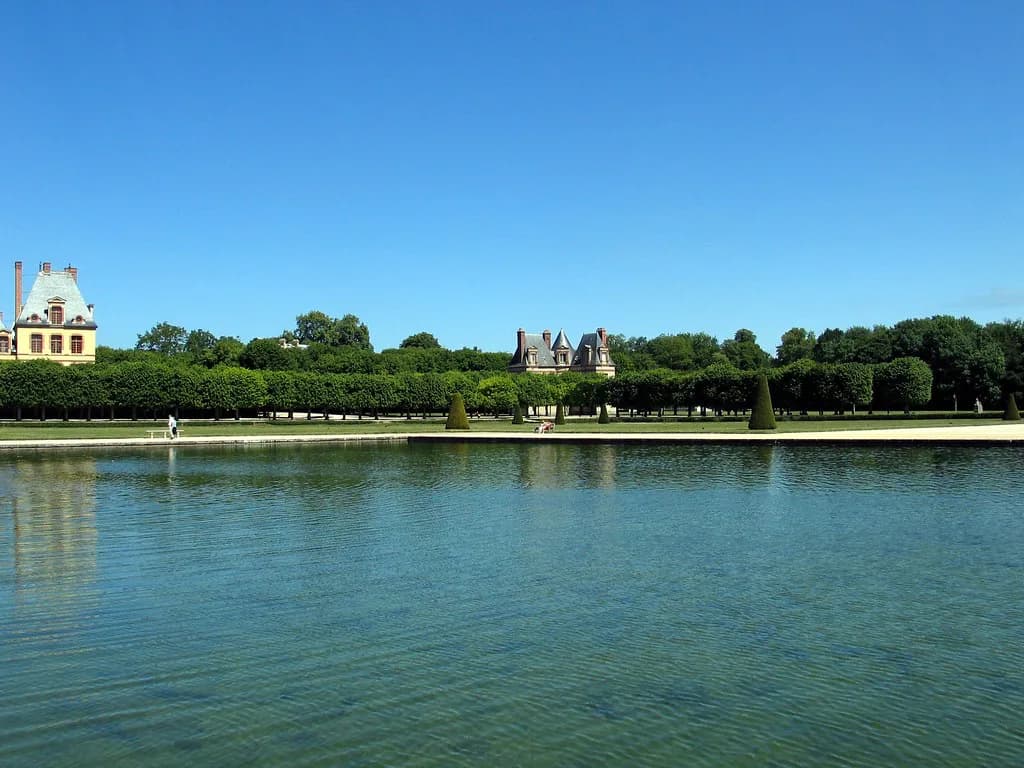
A parterre is a levelled, patterned garden bed laid out on the ground, and the Grand Parterre is the grandest of those formal layouts at Fontainebleau. It belongs to the French-style garden tradition at the palace, the geometric counterpart to the looser parkland and forest around it. Expect axes, edges and long sightlines rather than flowerbed clutter.
The château places the garden inside the 130 hectares of park and gardens that wrap the palace, so the parterre is one element of a much larger designed landscape. That scale matters when you plan: the formal garden is the concentrated, walkable core, and the rest is parkland you can extend into as far as your legs allow.
Where It Sits in Fontainebleau
The château sits right against the town, and the garden opens off the palace on the park side. That proximity is the useful fact for planning: you can walk from the streets of Fontainebleau into the palace grounds in minutes, with no shuttle or out-of-town transfer. If you need an orientation point in town, the tourist office is at 4bis place de la République, and it can confirm the current state of the grounds before you commit an afternoon.
Fontainebleau as a whole is pitched as a getaway within easy reach of Paris, with the palace, the forest and the artists' villages forming the core of a short break. The parterre is the piece of that landscape you can reach on foot from a town-centre coffee, which makes it a sensible anchor for a half-day. Our guide to Fontainebleau Attractions sets out the other stops worth pairing with it.
André Le Nôtre and the French-Style Garden
The French-style garden at Fontainebleau is credited in part to André Le Nôtre, who gave his first major work to this garden before going on to Versailles. Knowing that helps you read what you are looking at: the parterre is about control and perspective, using flat ground, long views and planted edges to make the palace façade the fixed point of every composition. The tourist office describes the château as a place where he cut his teeth on the French formal garden, and if you want to see where that training led, our things to do in Versailles guide follows the same geometry at a far grander scale.
Do not expect a single viewpoint to explain the whole garden. Walk the length of an axis, then turn and look back at the palace; the design is about the relationship between building, ground and horizon, not about individual specimen plants. That is why the garden rewards a slow second pass rather than a quick photo stop.
What to Look At
Start with the beds and their geometry, then follow the main axes outward and turn back to see how the palace façades sit against the sky. The garden's job is to frame the building, so the best views are the ones looking back at it rather than away. Give yourself time to find two or three of these vantage points instead of chasing round the whole perimeter.
The scale of the palace behind the garden is worth registering before you go inside, because the interiors are the same story told in fresco and stucco. If you plan to see the Grands Appartements afterwards, the garden is a useful primer on how the monarchy wanted to be seen from the outside looking in.
The Forest Beyond the Garden
Beyond the designed park, the Forêt de Fontainebleau covers more than 22,000 hectares, according to the tourist office, and its rocky outcrops and sandy plateaus begin at the edge of the estate. That gives the formal garden a rough, wooded backdrop rather than a purely rural one: the contrast between clipped geometry and wild forest is the point of the setting.
You do not need to enter the forest to enjoy the effect, but if you have a spare hour after the garden, the woodland paths start close by. Our foret de fontainebleau guide covers where the marked walking begins and how to avoid the climbing sectors if you just want an easy stroll.
How Long to Allow
Budget about an hour for the Grand Parterre itself, more if you want to sit or photograph the axes properly. Add at least two hours for the Grands Appartements, which run through the palace's ceremonial rooms, and considerably more if you are also doing the Renaissance rooms. Splitting the day between garden and interiors beats trying to cover both in one rushed circuit.
The trade-off is real: the garden is free-flowing and open-ended, the interiors are linear and crowded. If you only have half a day, do the garden first while you are fresh, then pick one interior strand rather than trying to see everything. The other gardens, including the Jardin de Diane, are easy to add on foot if you finish early.
Opening Days and Tickets
The château is open every day except Tuesday, and it also closes on 1 January, 1 May and 25 December, according to its own visitor information. Plan the garden around that pattern and treat the palace closure as the governing fact for your day. Ticket prices and any garden-specific access arrangements are set out on the same page, so check it before you travel rather than relying on secondhand figures.
The gardens can also be hired as private event space on certain days and in the evening, so the palace sometimes closes sections of the tour route to the public. If your trip hinges on one particular room or view, confirm before booking travel. Otherwise, a weekday morning outside Tuesday is the simplest choice.
The palace's plan-your-visit page is the place for current pricing, closure notices and access details. It is worth a two-minute check the week you go, since it is the only source that will reflect any change.
Best Time of Day and Season
Morning light works best for looking back at the palace façades, and early arrival keeps the axes clear before the coach groups build up. Aim to be at the garden gate when the grounds open and save the interiors for the middle of the day when the light outside flattens. That order also means your photographs of the beds come out clean.
Season changes the garden more than the palace: beds are replanted and the light shifts, but the geometry stays constant, so there is no single right month. Any dry day outside the Tuesday closure gives you the essential experience.
Nearby in Town and Inside the Palace
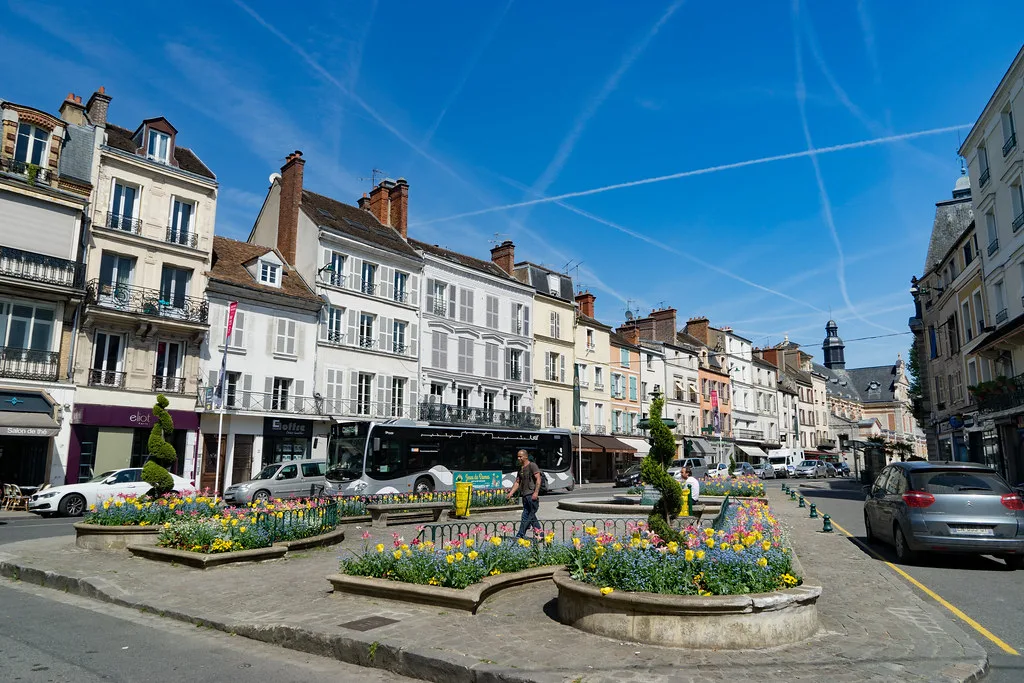
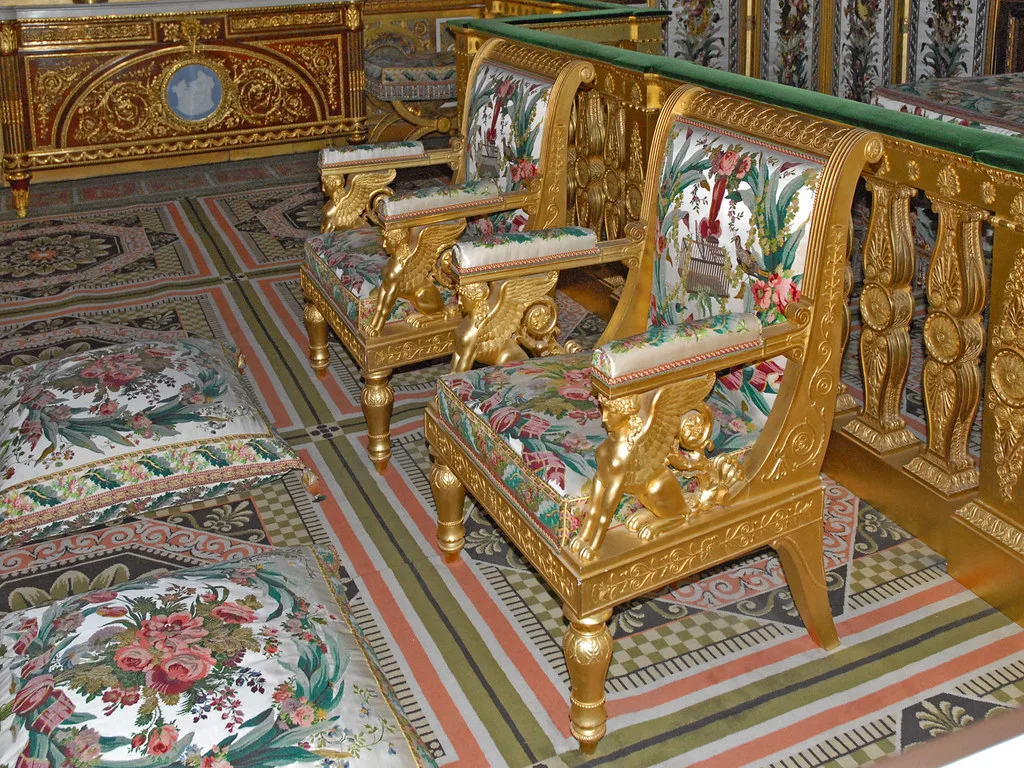
Inside the château, the Renaissance rooms are three historic apartments built as part of the king's own lodging, and they sit on the same visit route as the Grands Appartements. Outside, the town squares and the Église Saint-Louis are a short walk from the palace gates and make a natural continuation of a garden morning.
Further out, the artist villages and the forest are the other half of a Fontainebleau weekend, and our guide to things to do in Fontainebleau covers the full spread. Keep the garden as the fixed point of the day and let the rest of the town fill in around it.
Practical Notes Before You Go
Wear shoes that cope with gravel and uneven ground, because the parterre and park paths are not all paved. Carry water if you plan to extend into the park or forest edge, and keep an eye on palace closing times so you are not caught at the far end of the grounds. A final check of the château site covers any last-minute changes.
Plan Your Garden Visit
The Grand Parterre is the part of Fontainebleau you can see without a schedule: an hour of formal geometry, palace views and forest backdrop, sitting between the town streets and the château. Pair it with the Grands Appartements for the interior story, and keep Tuesday out of your plan.
Build the day around one palace strand and one garden pass, and you will see Fontainebleau at a civilised pace rather than through a coach window.
Explore more Fontainebleau guides
Frequently Asked Questions
Is the Grand Parterre at Fontainebleau free to visit?
No separate garden ticket price is published on the château's visitor information, so treat the parterre as part of the palace grounds and check the current pricing on the château's plan-your-visit page before you go. Do not budget on the basis of a garden-only entry.
How long does it take to walk the Grand Parterre?
Allow about an hour to walk the beds and axes at a relaxed pace, plus at least two hours if you are also visiting the Grands Appartements inside the palace. Photographers and anyone wanting to sit should add more time.
Is the garden open when the château is closed on Tuesdays?
The château states it is open every day except Tuesday, and also closed on 1 January, 1 May and 25 December. The published information does not separate garden access from palace opening, so plan your garden visit outside those days.
Can you visit the Grand Parterre without a château ticket?
The published visitor information does not set out a separate arrangement for the garden alone. Check the château's plan-your-visit page for current access rules before deciding whether to buy a palace ticket alongside the garden.
What is the Grand Parterre at Fontainebleau known for?
It is the formal French-style garden associated with André Le Nôtre, who gave his first major garden work here before Versailles. The layout is about axes and views back to the palace façades, set against the vast Forêt de Fontainebleau beyond.