Lille Old Town: What to See in Vieux-Lille
Plan a wander through Lille's old town, Vieux-Lille, with its Flemish-influenced streets, shops and book market, plus how long to allow for a visit.
On this page
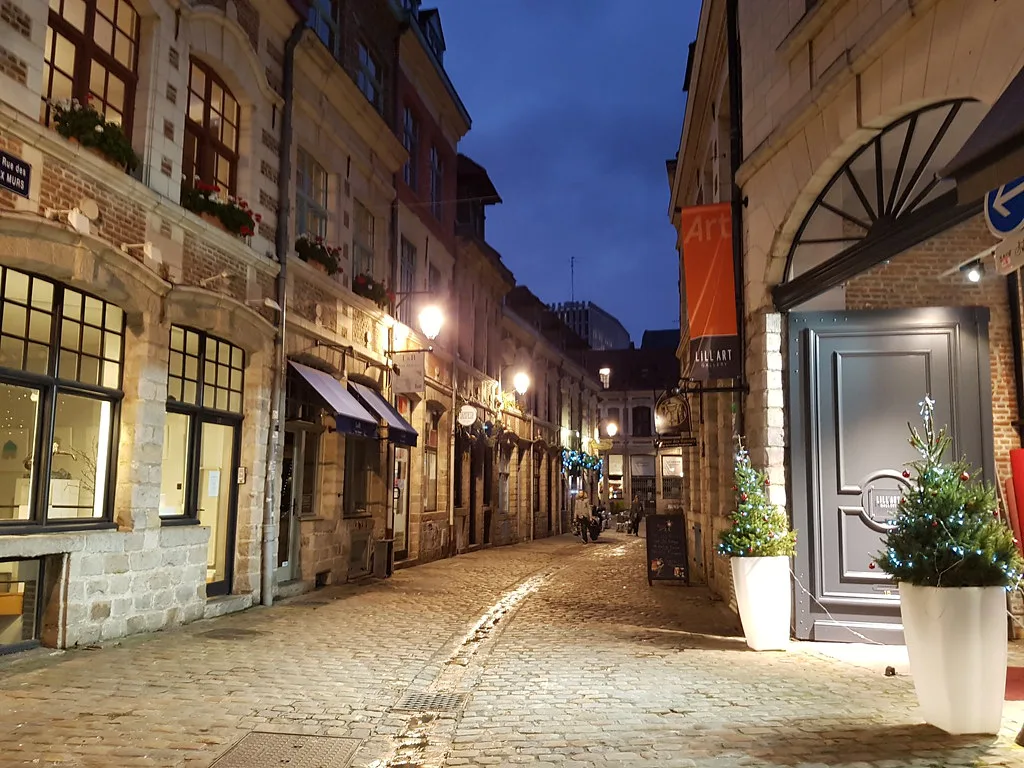
Vieux-Lille is where a weekend in the city should start. The old town sits inside the centre, its streets shaped by Flemish influence and largely built in the 16th and 17th centuries, according to a long-weekend account of the quarter. That makes it a district to wander rather than tick off, with the architecture and the food doing most of the work.
Give the old town a half day on foot and you will have time left for the rest of the centre. The centre is compact enough that most restaurants, shops and sights sit 15 to 20 minutes apart on foot, as the same account of the quarter describes. Wear shoes you can walk in and leave the car where it is.
What Vieux-Lille Is and Where It Sits
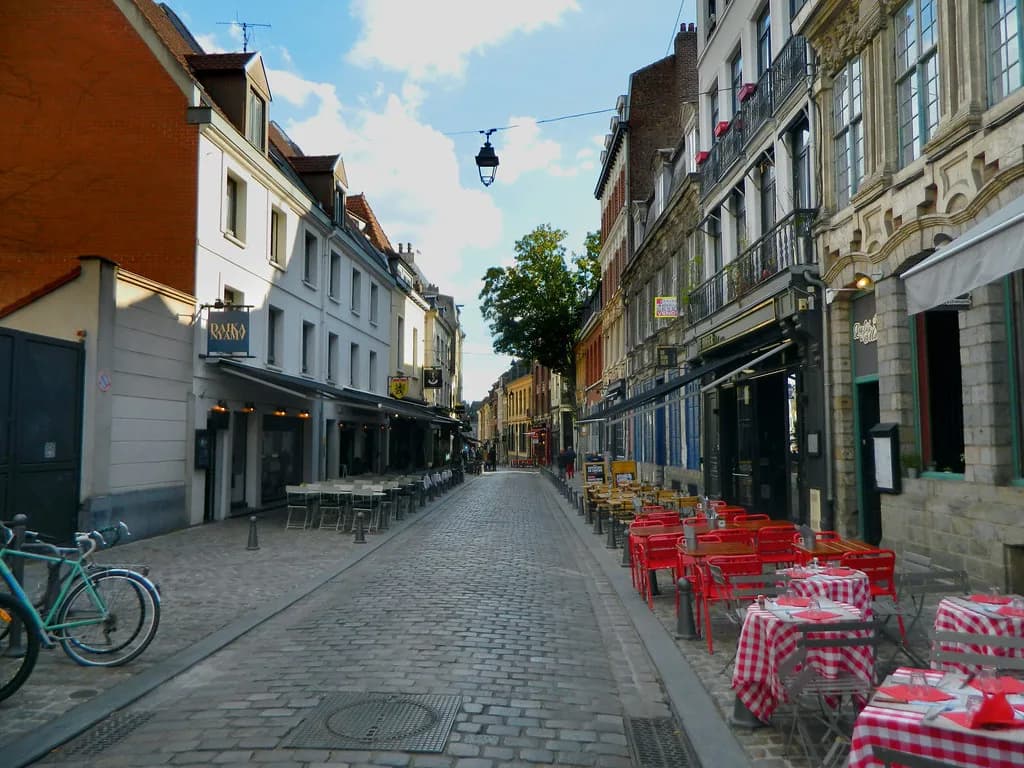
Vieux-Lille is the historic centre of the city, and its character is closer to Flanders than to Paris. The quarter's streets were mostly built in the 16th and 17th centuries under that Flemish influence, so expect tall, narrow facades rather than wide Haussmann boulevards. You will notice the difference the moment you step off the main shopping streets.
The quarter is a set of backstreets lined with shops, galleries and bars rather than a single monument, according to a visitor review of Vieux-Lille. That is the honest trade-off: if you want one big sight with a queue, the old town will not provide it. Come for the texture of the streets, and put the city's museums and squares elsewhere in the plan.
A Half-Day Walking Route Through the Old Town
Start in the old town itself and work outwards. The beauty of the quarter is that it is compact and very walkable, with the neighbourhoods you want to see within easy reach of each other on foot, as one city guide describes. Begin with a slow loop through the backstreets, then drift towards the main square and the shopping streets.
Rue Faidherbe is a useful anchor on the edge of the centre path, its handsome facades and central position making it a natural stepping-off point for the old town. Walk from there into the backstreets, then let the shopping streets carry you back. Allow two to three hours without stops, more if you plan to eat.
Squares and Streets: What to Look Up For
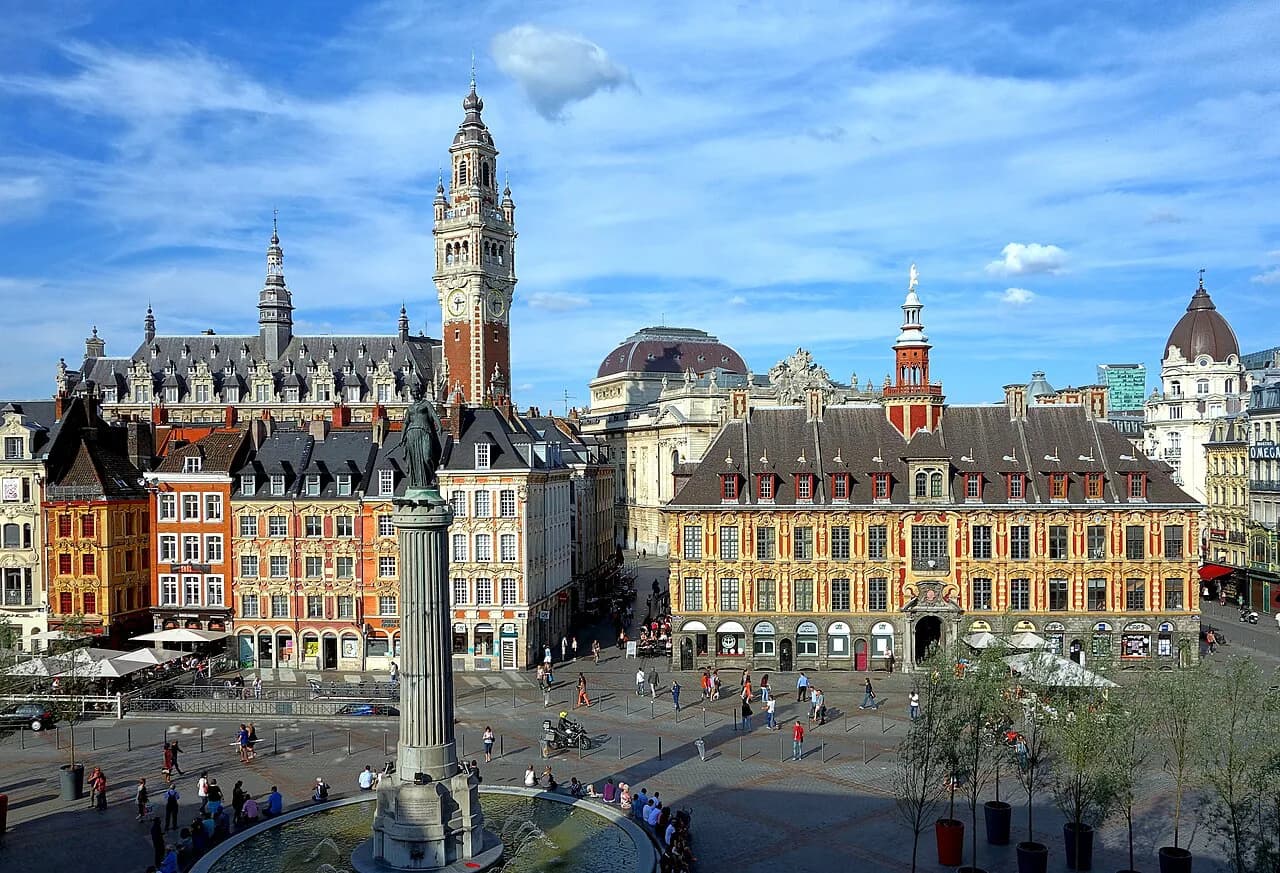
The old town's pleasure is in the detail above eye level: the rooflines, the brickwork and the rhythm of the facades. The quarter's Flemish-influenced, 16th- and 17th-century buildings are the reason to keep looking up rather than down at a map. Take the streets slowly enough to notice the difference between the old town and the wider centre.
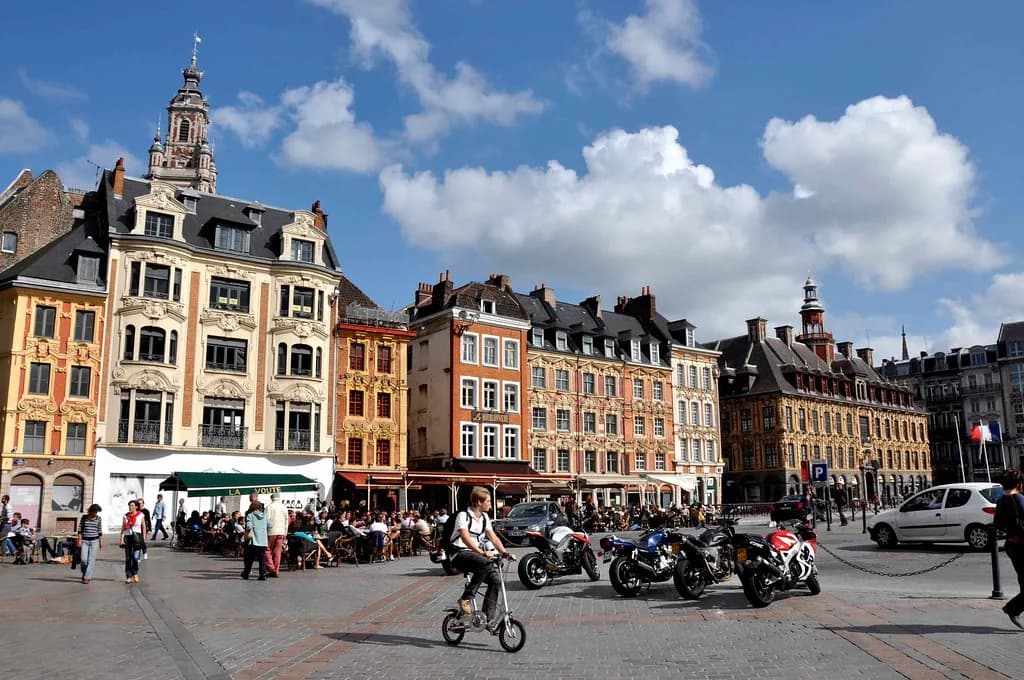
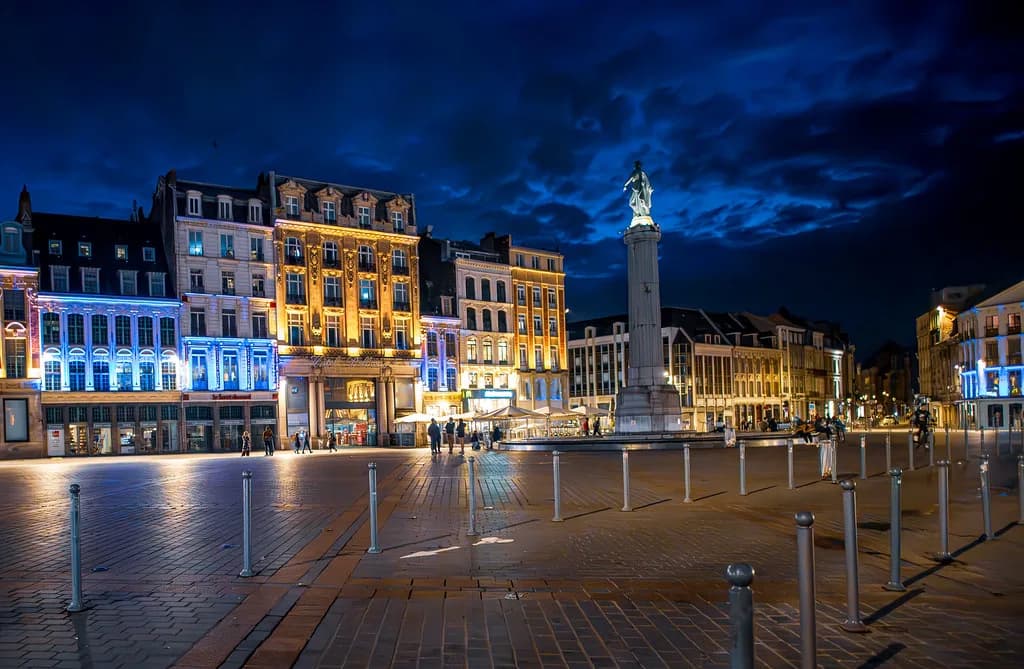
When you want a square to sit in, the city's main square, Place du Général de Gaulle, is the natural break point between the old town and the newer centre. It is where the two halves of a Lille weekend meet, and it gives you a clear sense of how small the centre really is. From there it is a short walk back into the old streets.
Shopping in Vieux-Lille
The old town is one of the better places in northern France for independent shops, concept stores and vintage finds, according to the Little Wanderbook guide. That is a reason to keep an afternoon loose rather than scheduled, since the pleasure is in getting lost and finding something. The backstreets are where most of this sits.
Cigoire is a concept store worth seeking out, with infused rum from Lille, homewares and independent clothing brands; the shop moves locations occasionally, so check its website for the current address before you go. Mes Demoiselles, Ba&sh and Love Stories Archive sit in the same orbit for clothing, with the last selling samples and older collections. These are shops to browse slowly, not a shopping trip to rush.
For the home rather than the wardrobe, Les Cousins de Léon and Memento Mori are the kind of places where small, affordable design pieces are stacked everywhere. Maisons du Monde and Habitat are larger options if you want furniture as a souvenir. This is the side of Lille that rewards a flexible afternoon rather than a strict schedule.
The La Vieille Bourse Book Market
La Vieille Bourse is the old town's best-known single stop: a courtyard market for second-hand books, magazines and artwork. Go on a weekday afternoon for the best experience, and allow time to linger in the courtyard rather than treat it as a quick photo. It is a genuinely local-feeling halt in the middle of a walk.
It also happens to be one of the most useful rainy-day stops in the old town, since the courtyards and covered passages keep the day moving when the weather turns. Pair it with the surrounding streets instead of abandoning the afternoon. If you are building a market-led day, plan the walk around it rather than the other way round.
Rain in Vieux-Lille
Rain does not have to end the walking day in the old town. The covered passages of Vieux-Lille are good for wandering, and the book market at La Vieille Bourse carries on regardless of the weather, according to the Little Wanderbook city guide. Build the route around those two and the rain becomes part of the atmosphere rather than a problem.
Add a long, indoor lunch and you will barely notice the weather. Le Barbier qui Fume is the natural stop: everything is smoked in the traditional way and the service is disarmingly friendly. That combination of a covered passage, a courtyard and a smoked lunch is a solid wet-day plan.
Coffee and Sweets in the Old Town
Lille is famous for its sweet side, and the old town is where you will find the best of it. Meert's waffles are the headline, with a pistachio filling that one city guide rates above the rest. The shop also sells loose-leaf teas and tea in beautiful boxes that work well as gifts.
Aux Merveilleux de Fred makes the soft meringue pastries the city is known for. Buy the mini versions and expect to eat them within minutes, which is precisely the point of stopping. Both are easy to fit into a walking route as a mid-morning or mid-afternoon pause.
If you want coffee rather than pastry, the city's specialist coffee spots include Caféine, Espresso Bar and Gorilla. They are the sort of place to sit with a map and re-plan the rest of the afternoon. None of these is a substitute for the old town itself; they are the pauses between the streets.
Lunch Stops Around Vieux-Lille
For a proper sit-down lunch, Le Barbier qui Fume smokes its dishes the traditional way and serves them with exceptionally friendly service. It is the obvious choice when the weather has turned, and a good anchor for a half-day route. Crêperies Beaurepaire does folded savoury or sweet crêpes with a well-placed terrace, which suits a lighter stop.
If you want something with more buzz, Basilic Café has a large terrace, colourful street art and a menu that leans on a soft burrata, a Thai soup with shrimp and a meringue dessert. The cocktails are listed at 7 euros. La Consigne, next to a park, is the cosy alternative with a terrace; book ahead for either if you are eating in the evening.
The city guide behind these listings puts a good dinner for two with drinks at around 60 to 70 euros, which is its stated estimate rather than a city-wide rule. Treat it as a rough guide for a substantial evening and check menus outside before you sit down. In a city this compact, a wrong guess costs only a few minutes of walking.
An Evening in the Old Town
Estaminet Au Vieux de la Vieille sits on a pretty square in the heart of the old city, and it is the natural place to end a long day of walking. The appeal is wine, people-watching and a pace that does not hurry you out. Go without a fixed plan for the rest of the evening.
Wine bars around the old town include Mother, BiboVino, Le Dandy and Little Havana, with Mother usefully close to La Consigne if you want to move from dinner to a bar without a long walk. The trade-off is that these places fill up, so an early start is better than a late one. The old town at night is compact enough that you can move between two or three without needing transport.
Beyond the Old Town: Grand Place and Roubaix
Vieux-Lille is the anchor, but the centre around Grand Place gives you the other half of the city. The main square is the obvious next stop after a morning in the old town, and the surrounding streets carry the shopping and restaurants. The whole centre is close enough that you can move between the old town and the square without planning transport.
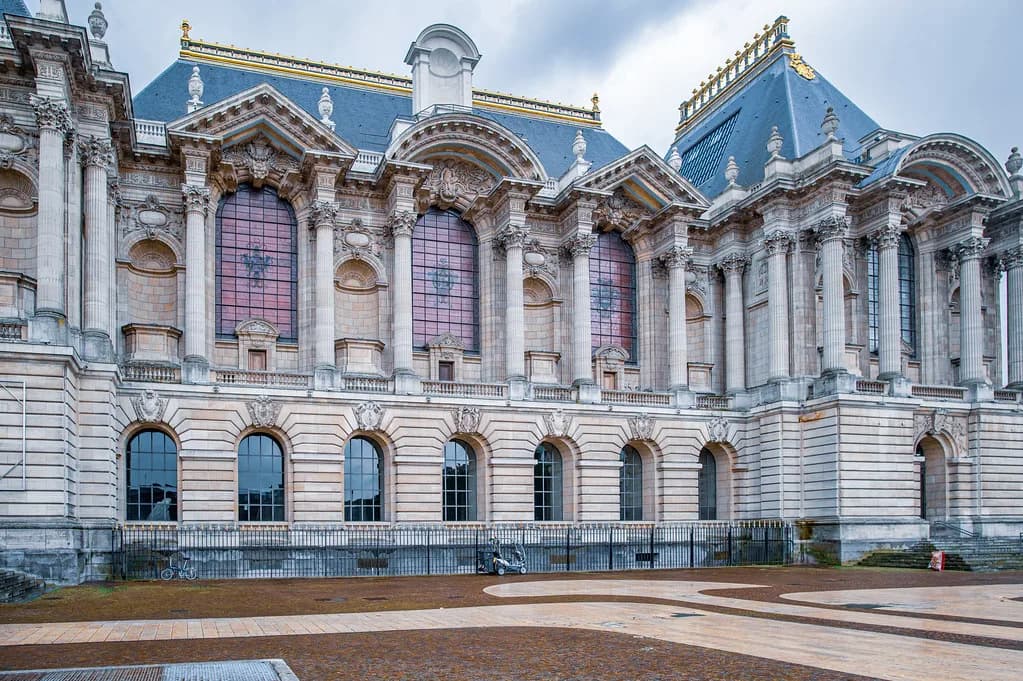
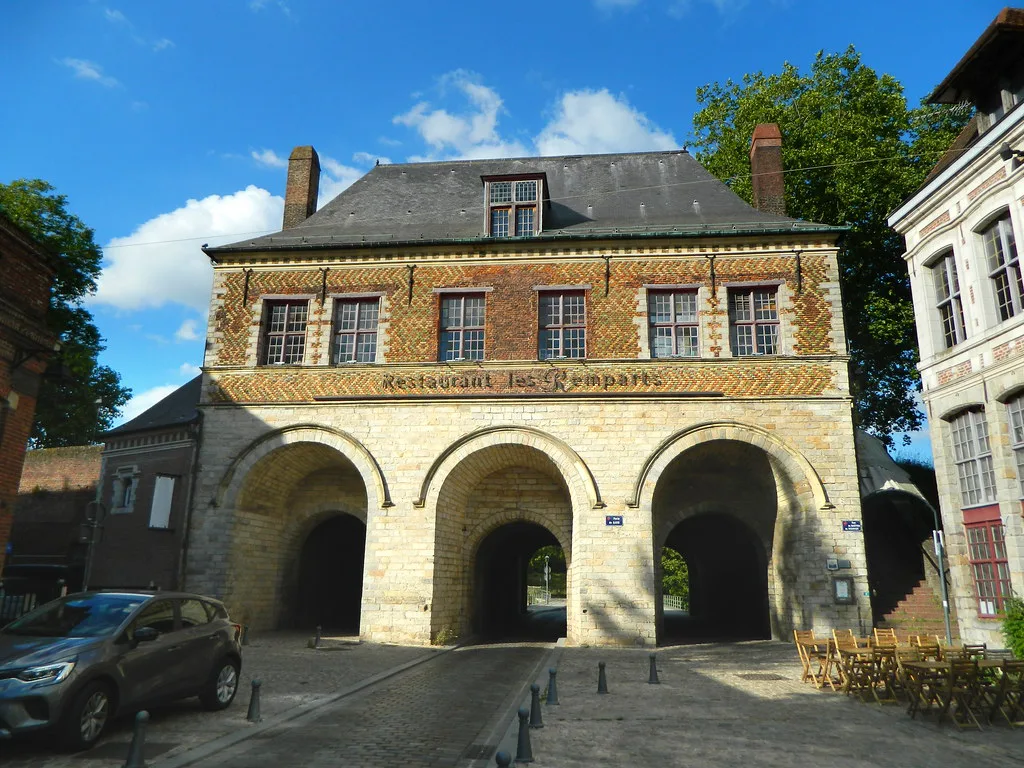
Museum la Piscine in Roubaix is the most striking detour: a former art deco swimming pool turned art museum, with a permanent collection that justifies the short trip from the centre. Roubaix is easily reached by metro, which makes it a half-day rather than a day out. Build it into a longer stay, not a short one.
How Many Days Lille Needs
Two to three days is the sweet spot, according to the Little Wanderbook guide: enough time for Vieux-Lille, a museum or two and a lazy afternoon in a wine bar. Add a day if you want a Roubaix or Ghent detour. The old town is the fixed point of any of those plans, so build the itinerary around it rather than squeezing it in.
A weekend is enough to see the old town properly, eat well and still have an unhurried afternoon, which is the point of a short break. If you only have two days, put Vieux-Lille on day one and the wider centre on day two, so the rain has a chance to be a minor inconvenience rather than a lost day.
Practical Points for Walking Vieux-Lille
The old town is compact and very walkable, and most of the neighbourhoods you will want to see are within easy reach of each other on foot. For rainier days or a day trip to Roubaix, the metro works well. Leave the car; it is not needed for a city break here.
The Lille City Pass covers 28 museums and attractions plus unlimited public transport across 24, 48 or 72 hours, which is worth considering if you plan to visit more than a couple of paid sites. Prices are not something you should guess at; check the current rate when you buy. If you are mostly walking the old town, the pass is optional rather than essential.
If you are building a wider city break, the old town pairs naturally with the city's other quarters. Look at the wider Lille attractions if you want to compare the old town with the museums and squares beyond it. The honest advice is that Vieux-Lille is the best single place to spend a morning.
Lille in September and the Braderie de Lille
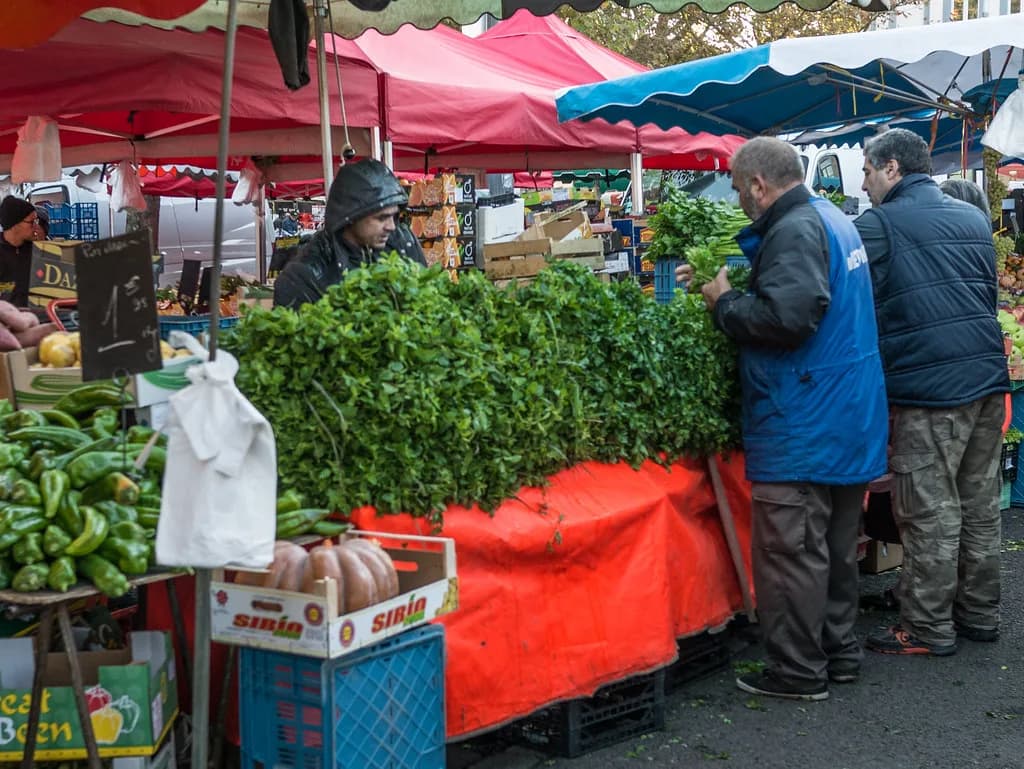
La Braderie de Lille is the largest flea market in Europe, held on the first weekend of September, with antiques, vintage finds and bargain hunting on a grand scale. It transforms the old town and the wider centre for that weekend, so expect the streets to be busier than usual and plan around it. If you want a quiet old town, choose another weekend.
Plan Your Visit
Vieux-Lille is the place to start a Lille weekend: a compact, Flemish-influenced old town that rewards slow walking and regular pauses. Give it a half day on foot, build in the book market and a sweet stop, and use the rest of the city for museums and squares. If you are still deciding whether the city is worth the trip, the honest answer is that the old town alone justifies a weekend.
Two days covers the old town and the centre comfortably, and three days lets you add Roubaix and the Museum la Piscine without rushing. Walk where you can and take the metro when the weather turns. The old town is the anchor; everything else fits around it.
Explore more Lille guides
Frequently Asked Questions
What is there to do in Lille old town in two days?
In Vieux-Lille, spend a half day walking the backstreets, browsing the independent shops and stopping at the La Vieille Bourse book market. Use day two for the wider centre, including Grand Place, and a museum or a wine bar in the evening. Two days is enough to see the old town without rushing it.
What dessert is Lille famous for?
Meert's waffles, particularly with pistachio filling, and the soft meringue pastries from Aux Merveilleux de Fred are the two names that come up most often. Both are easy to fit into a walk through the old town.
Where is Lille located?
Lille sits in northern France, close to the Belgian border, which is why its old town has a distinctly Flemish character. It is well connected by train from Paris and by metro within the city.
How many days do you need in Lille?
Two to three days is the sensible range. A weekend covers Vieux-Lille, a museum or two and a relaxed evening; add a day if you want a day trip to Roubaix or Ghent.
Is Lille walkable?
Yes. The centre is compact and the old town is entirely walkable, with most shops and sights 15 to 20 minutes apart on foot. The metro is useful when it rains or for trips out to Roubaix.
Sources
Notes for French city breaks
Optional updates to our guides.
You might also like
Continue reading
More guides you'll find useful