Lille Flea Market: The Braderie, Wazemmes and What to Expect
Lille's flea market scene peaks with the huge Braderie de Lille each September, while Wazemmes market runs year-round. Here's what to find where.
On this page
Lille does have a flea market, and the big one is the Braderie de Lille, an annual event that turns the whole city into a market rather than a single square. For the rest of the year, the Wazemmes market on a Sunday is the dependable browsing option. Which one suits your weekend depends on your dates, your tolerance for crowds and whether you want antiques or bargains.
The Braderie is not a morning market you drop into and leave; it is a city-wide event with its own geography, so the useful planning question is where to start and when to move. This guide breaks the city into browsing zones, sets out a one-day route, and flags the practical snags that catch first-timers. If you are still deciding whether the city merits the trip, our guide to whether Lille is worth visiting covers the wider case.
Why Lille Is Shorthand for Flea Markets in Northern France
The Braderie de Lille is the reason the city has a flea-market reputation beyond France. The organiser describes it as an event of exceptional scale stretching across nearly 100 kilometres of pavements through the centre of Lille and its surrounding neighbourhoods. It is a once-a-year occasion, held on the first weekend of September, not a permanent market you can turn up to any weekend.
Those scale figures are the organiser's own: more than 10,000 exhibitors and over two million visitors from across Europe. Treat them as a planning signal rather than a precise headcount. The practical consequence is real either way: central streets fill, metro stations near the stalls become congested, and movement slows sharply in the middle of the day.
The Braderie de Lille: Scale and What It Is
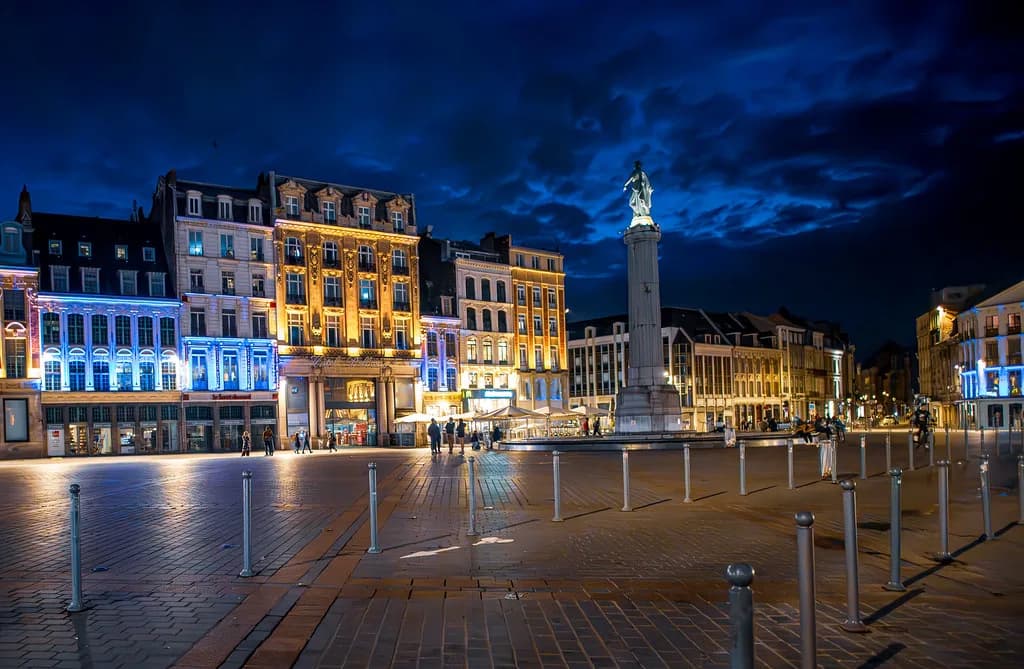
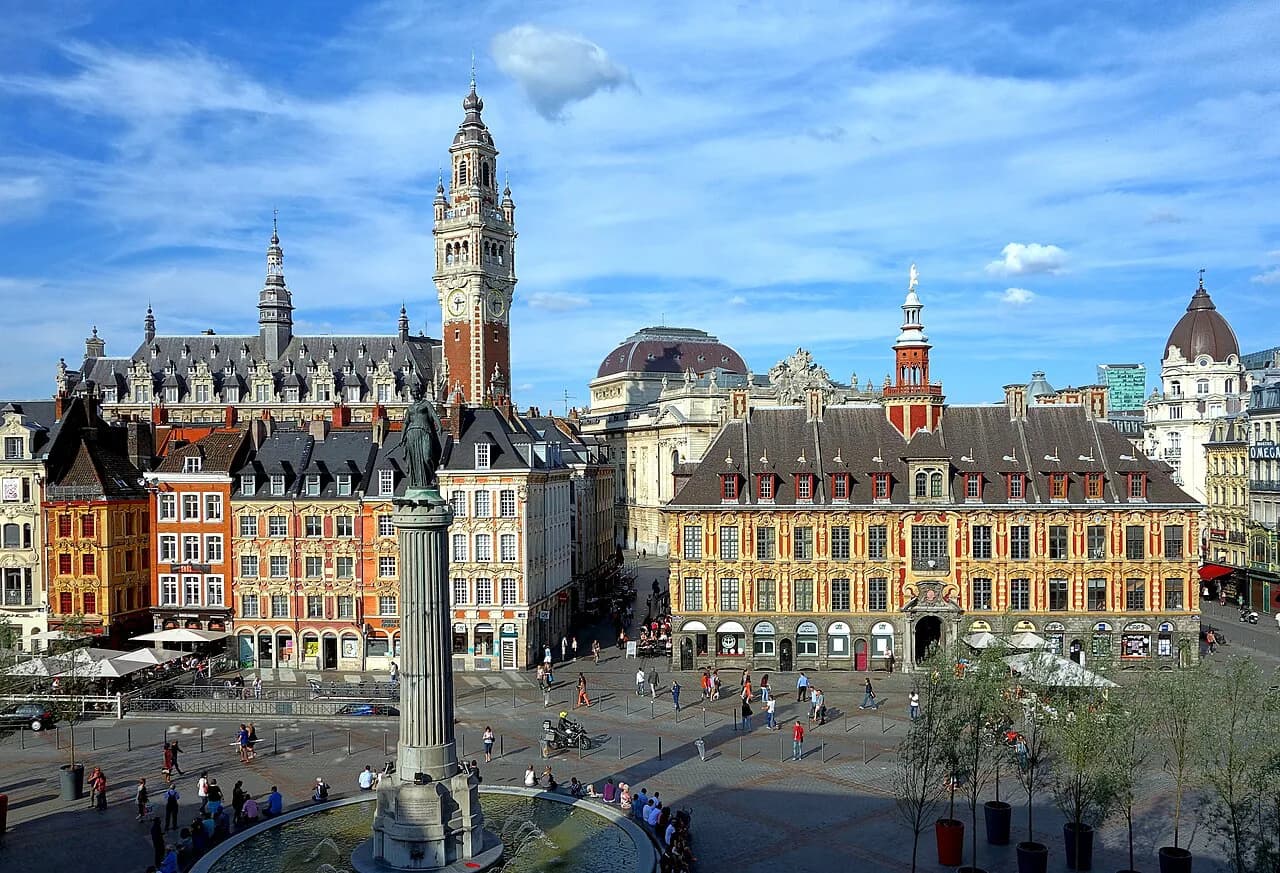
Think of the Braderie as a temporary district rather than a market. Stalls and professional dealers spread through Vieux-Lille, the city centre around the Grand'Place, Wazemmes to the south-west and Moulins to the south-east, each with a different mix of goods and a different atmosphere. The official perimeter runs from the Grand'Place (place du Général-de-Gaulle) out to those neighbourhoods, so your route choice effectively decides what you will see.
The goods are broad rather than curated: antiques and collectibles, second-hand and vintage clothing, vinyl records, books, decorative items, furniture and everyday household pieces. Lille's retail brands also set up clearance stalls outside their shops, which adds new goods to the second-hand mix. Mussels and fries are the traditional dish of the weekend, served across restaurants and street stalls.
When the Braderie Runs and How the City Is Laid Out for It
The next edition falls on 5 and 6 September 2026, the first weekend of September. Earlier editions are history, so plan around the published dates on braderiedelille.com rather than assuming a repeat of a past weekend. The event is annual, which means a weekend outside those dates gives you a normal city and the year-round Wazemmes market instead. Check the official dates and current details before booking travel.
The layout runs roughly north to south. Vieux-Lille sits north of the centre, the Grand'Place and the main shopping streets form the core, Wazemmes lies south-west and Moulins south-east. Two railway stations, Lille Flandres and Lille Europe, are the main arrival points; from Lille Flandres you walk up rue Faidherbe and reach the Grand'Place in a few minutes.
Vieux-Lille: Antiques and Higher-End Bric-a-Brac
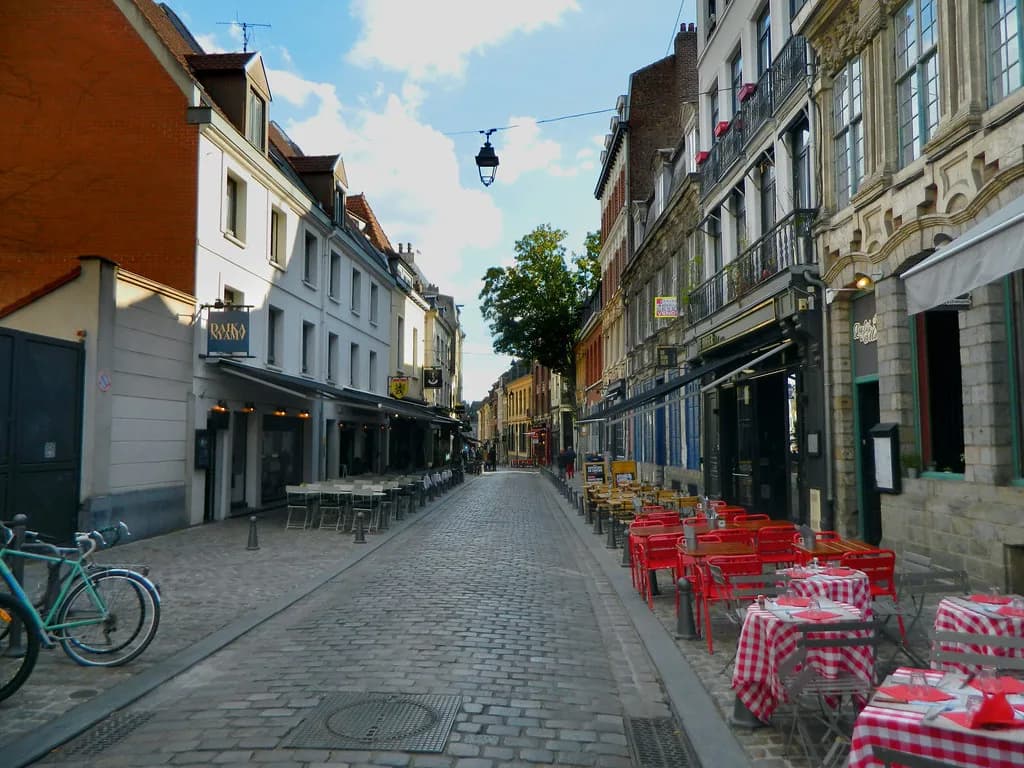
Start here if you want quality over volume. The cobbled streets of Vieux-Lille, particularly rue de la Monnaie, rue Esquermoise and rue Basse, host professional dealers selling antique furniture, works of art, vintage crockery, vintage jewellery and decorative objects. Prices run higher than elsewhere in the city, and the source of that quality is exactly why the detour is worth it for serious browsers.
The quarter rewards slow browsing rather than fast scanning, and it is compact enough to cover on foot before the crowds build. If antiques are not your priority, our guide to Lille Old Town covers the architecture and streets that make the area worth walking regardless.
City Centre Streets: Grand'Place, rue de Béthune and rue Faidherbe
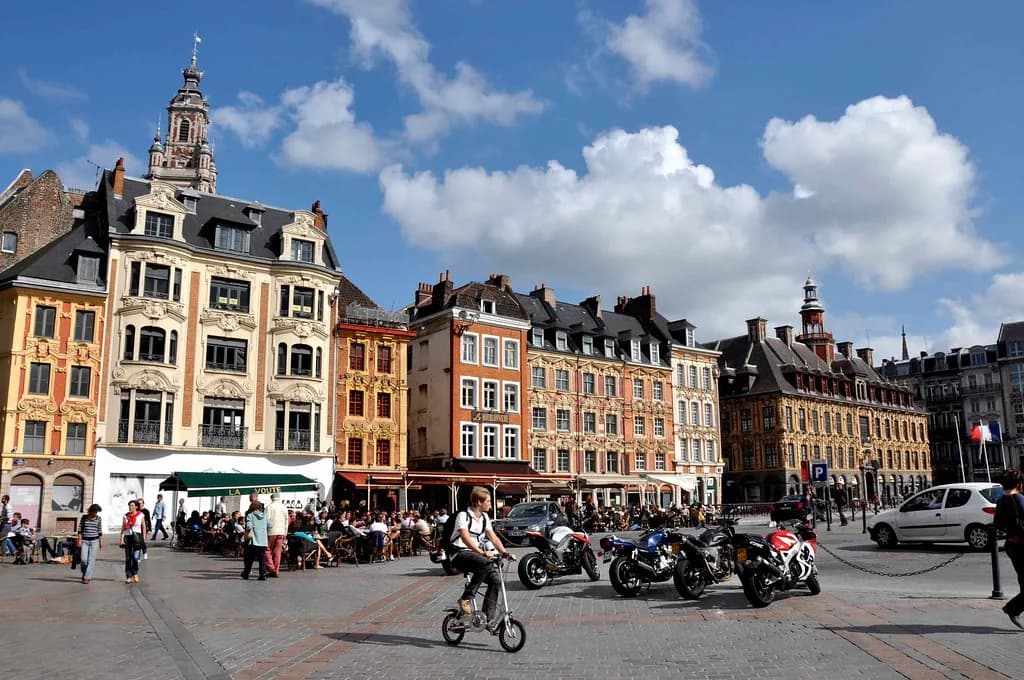
The centre is the busiest and most varied zone. Rue de Béthune carries general goods, brand clearance and clothing in a lively, family-friendly atmosphere; rue Nationale handles bric-a-brac, decorative items and books; rue Faidherbe, between the station and the Grand'Place, is where antiques and collectibles concentrate. The Grand'Place itself holds institutional stands plus food and drink, making it the natural central meeting point.
Expect to move slowly here, especially on Saturday afternoon. The trade-off is straightforward: the centre offers the widest mix and the easiest access from the stations, at the cost of the densest crowds.
Wazemmes: Cheap Vintage Clothes, Vinyl and the Sunday Market
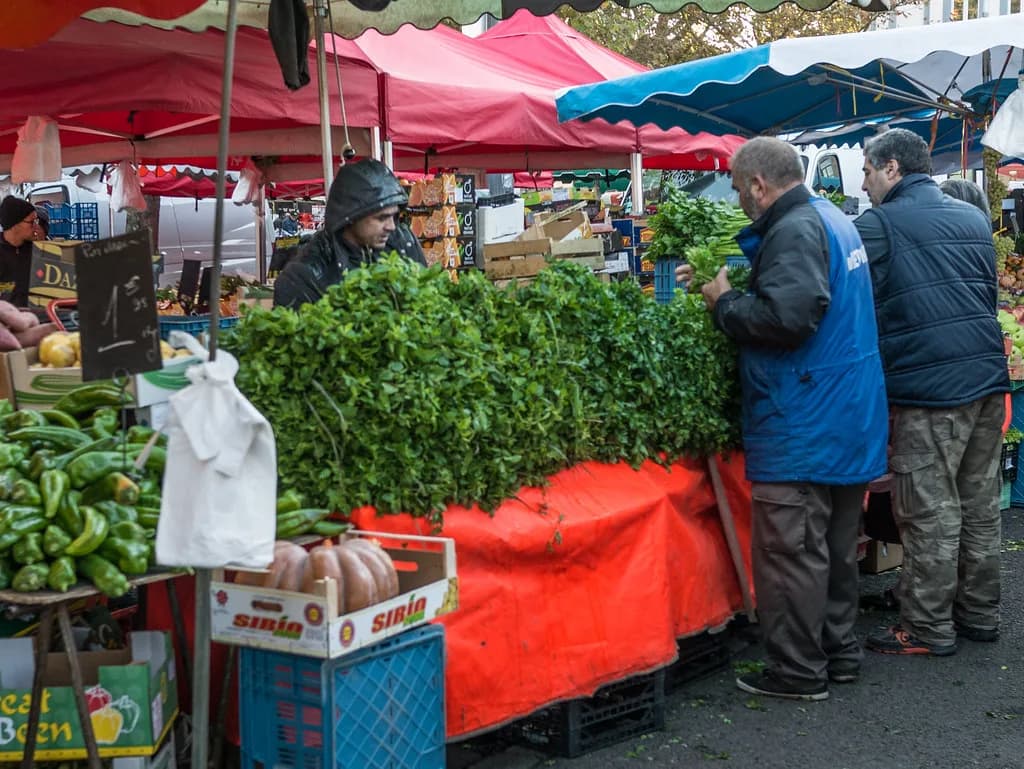
Wazemmes, reached via rue Gambetta and rue Léon-Gambetta, has a warmer, more cosmopolitan feel and is where budget browsing pays off. Cheap second-hand clothes, vintage clothing, vinyl records and pieces from local designers are the staples, and the neighbourhood is a good bet for food from around the world between browsing sessions. The Wazemmes market, known for its Sunday market year-round, takes on a more festive dimension during the Braderie.
Outside Braderie weekend, that Sunday market is the reason to build a Lille weekend around a Sunday. Our guide to markets in Lille covers the rest of the city's market calendar if you want options on other days.
Moulins and the Southern Neighbourhoods: Cheaper, Calmer Browsing
South of the centre, Moulins offers a more authentic and less touristy experience, with prices often more affordable and a less pressured atmosphere that makes negotiation easier. The stock is everyday rather than decorative: furniture, tools, household items and second-hand clothing. For good deals away from the crush of the centre, this is the zone to prioritise.
One-Day Route That Works: Vieux-Lille to Grand'Place to Wazemmes
Begin in Vieux-Lille at opening time on Saturday morning to browse the antique dealers before the crowds arrive. Move down to the Grand'Place for lunch and the central stalls, then head to Wazemmes in the afternoon for the atmosphere and second-hand clothes. Return to the centre in the evening, when sellers lower prices on what is left.
The sequence matters more than the clock. The busiest streets are often impassable in the middle of the day, so the early-morning and evening windows are when you make real progress on the popular routes.
Getting In and Around: Lille Flandres, Lille Europe and the Metro
Lille Flandres and Lille Europe are the main arrival points for visitors from outside the area, and from Flandres the walk up rue Faidherbe puts you at the Grand'Place within minutes. The Ilevia metro network links the different neighbourhoods, although the most central stations are often overcrowded on Saturday. Rihour, République - Beaux-Arts and Gambetta are the stops closest to the Braderie zones.
Bring a charged phone and download an offline map before setting out, because the mobile network can be overloaded with two million visitors in a restricted area.
Bargaining, Cash and Carrying Your Finds
Negotiation is easier where the pressure is lower: Moulins is the friendliest zone for haggling, while Vieux-Lille dealers price on quality and hold firmer. End-of-day bargaining in the centre is the other reliable window, when sellers drop prices rather than pack stock away. Carry a bag sturdy enough for what you buy and keep your hands free in the dense streets.
Moules-Frites and the Eating Side of the Braderie
Mussels and fries are the culinary tradition of the weekend, served in the city's restaurants and at street stalls. Treat eating as part of the day's rhythm rather than an interruption — the centre around the Grand'Place has food and drink stands, which makes it a sensible lunch stop. If you want to plan meals beyond the stalls, our pick of the best restaurants in Lille covers sit-down options.
Mistakes to Avoid: Timing, Crowds and Meeting Points
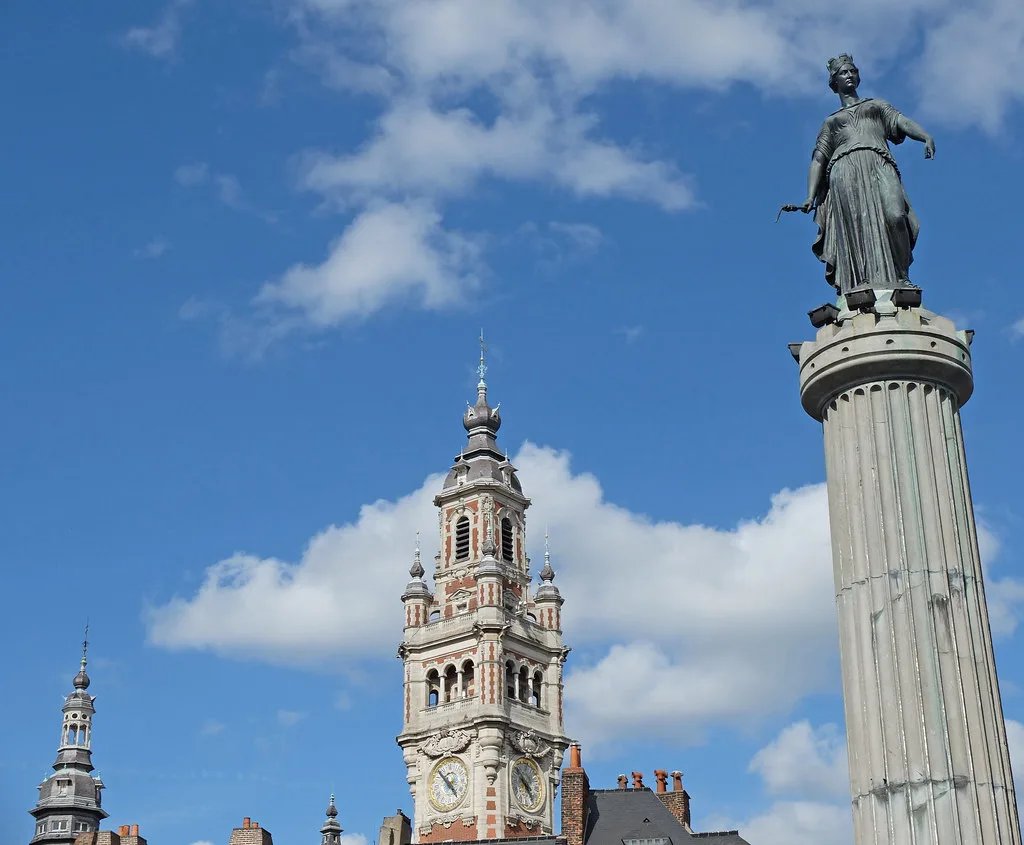
The common errors are arriving at midday, arranging to meet at the Grand'Place, and expecting to move quickly between zones. Use hard landmarks instead: the City Hall Belfry is visible from many streets, the Vieille Bourse sits between the Grand'Place and place du Théâtre, and Saint-Maurice church anchors Vieux-Lille. A metro station entrance or a named café is a better rendezvous than an open square full of people.
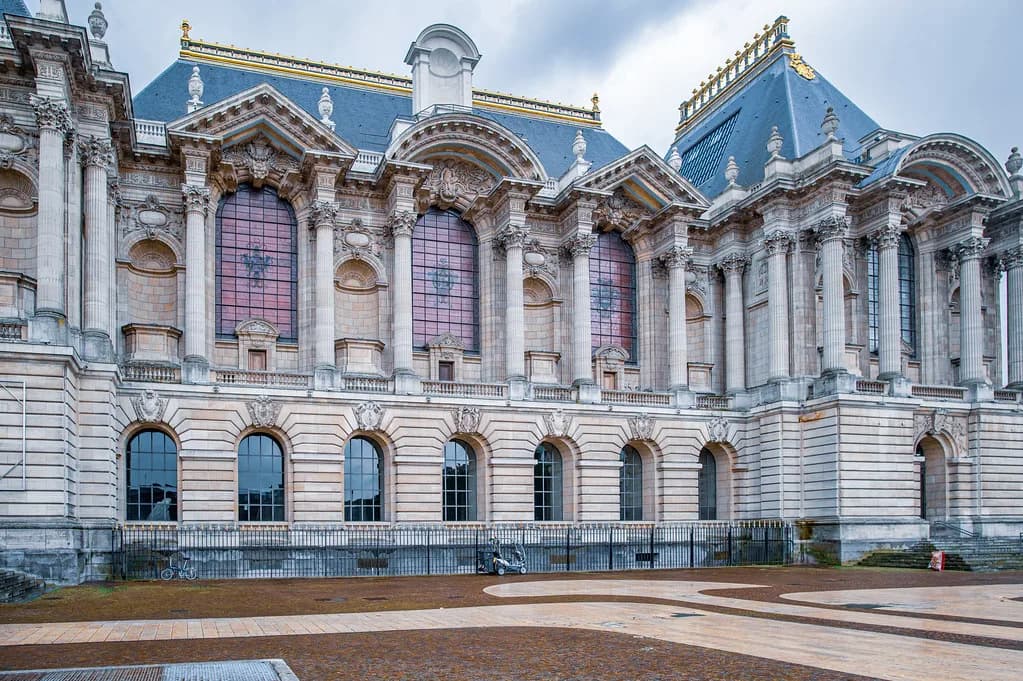
If a museum break appeals, the Palais des Beaux-Arts is one of the largest museums in France and the Citadel Park offers green space near the centre. Our museums in Lille guide sets out what to see when your legs need a rest from the pavements.
Outside Braderie Weekend: The Year-Round Market Option
On any other weekend, the Wazemmes market is the anchor for a market-led trip, and Sunday is when it runs through the market square and surrounding streets. It is a normal city market rather than a city-wide event, which makes for easier walking and more relaxed browsing. Pair it with the city's other sights rather than treating it as a substitute for the Braderie.
If you are comparing French cities for a bargain-hunting weekend, Lille's scale is unusual; the Marseille flea market and the Lyon flea market at Les Puces du Canal offer different, more contained versions of the same pleasure.
Practical Checklist for a Weekend Built Around the Market
Fix your dates against the published Braderie weekend rather than a past edition, and choose a Sunday if you want the year-round alternative. Book your train into Lille Flandres or Lille Europe so you can walk or ride the metro to the stalls. Then pick two zones, not four, and build in a proper lunch.
For the rest of your weekend, our things to do guide pairs the market with the city's main sights so the trip works even if you tire of browsing.
Plan Your Visit
Lille's flea market reputation rests on one enormous September weekend, but the city rewards a market-led trip at other times too. Decide first whether you are chasing the Braderie's scale or Wazemmes' Sunday calm, because the two need different plans. Once the dates are fixed, the route and the transport fall into place quickly.
Explore more Lille guides
Frequently Asked Questions
Does Lille have a flea market?
Yes. The Braderie de Lille is an annual city-wide flea market held on the first weekend of September, with the next edition on 5 and 6 September 2026. Outside that weekend, the Wazemmes market is known for its Sunday market and is the year-round option.
What is the world's biggest flea market?
The Braderie de Lille is presented by its organiser as an event of exceptional scale, spanning nearly 100 kilometres of pavements with more than 10,000 exhibitors and over two million visitors. Those are the organiser's figures, so treat the superlative as their claim rather than a measured comparison.
Is there a Sunday market in Lille?
The Wazemmes market is known for its Sunday market, and it extends from the market square into the surrounding streets. On Braderie weekend it takes on a more festive dimension, but it runs at other times of year as well.
What can you buy at the Braderie de Lille?
Expect antiques and collectibles in Vieux-Lille and along rue Faidherbe, general goods, clothing and brand clearance around rue de Béthune, books and bric-a-brac on rue Nationale, and cheap vintage clothing, vinyl and designer pieces in Wazemmes. Moulins leans towards furniture, tools and everyday items.
How do you get around the Braderie de Lille?
Most visitors arrive at Lille Flandres or Lille Europe; from Flandres, rue Faidherbe leads to the Grand'Place in a few minutes. The Ilevia metro links the neighbourhoods, with Rihour, République - Beaux-Arts and Gambetta closest to the stalls, though central stations are often overcrowded on Saturday.
When is the best time of day to browse?
Early morning and evening are the most workable windows, since the busiest streets can be impassable in the middle of the day. A Saturday start in Vieux-Lille before the crowds, with Wazemmes in the afternoon and a return to the centre in the evening, makes the most of both.
Is Lille worth visiting for a weekend?
Lille works well for a short break, with the Braderie as a headline reason in September and the Wazemmes Sunday market plus the old town, museums and parks filling other weekends. Crowds are the main trade-off during the Braderie, so plan zones and meeting points in advance.
Sources
Notes for French city breaks
Optional updates to our guides.
You might also like
Continue reading
More guides you'll find useful