Is Lille Worth Visiting? An Honest Answer for a Weekend
Yes, Lille is worth a weekend: a walkable Flemish-French old town, strong food and easy trains. Here is who will love it and how many days it needs.
On this page
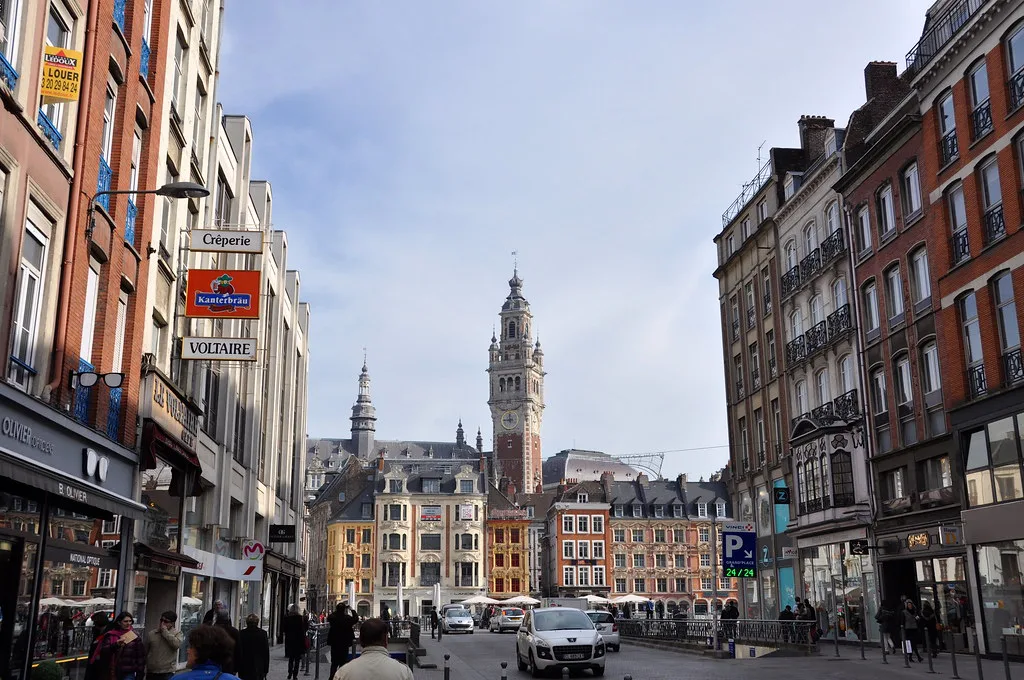
Yes. Lille is worth visiting for a two- or three-day break, and it suits travellers who want good food, Flemish architecture and a centre they can cross on foot. The city is compact and walkable, with the historic centre and Vieux-Lille reachable within 15 to 20 minutes on foot from each other. It works best as a food-led weekend rather than a checklist of blockbuster sights.
What Lille does well: a compact centre and a Flemish old town
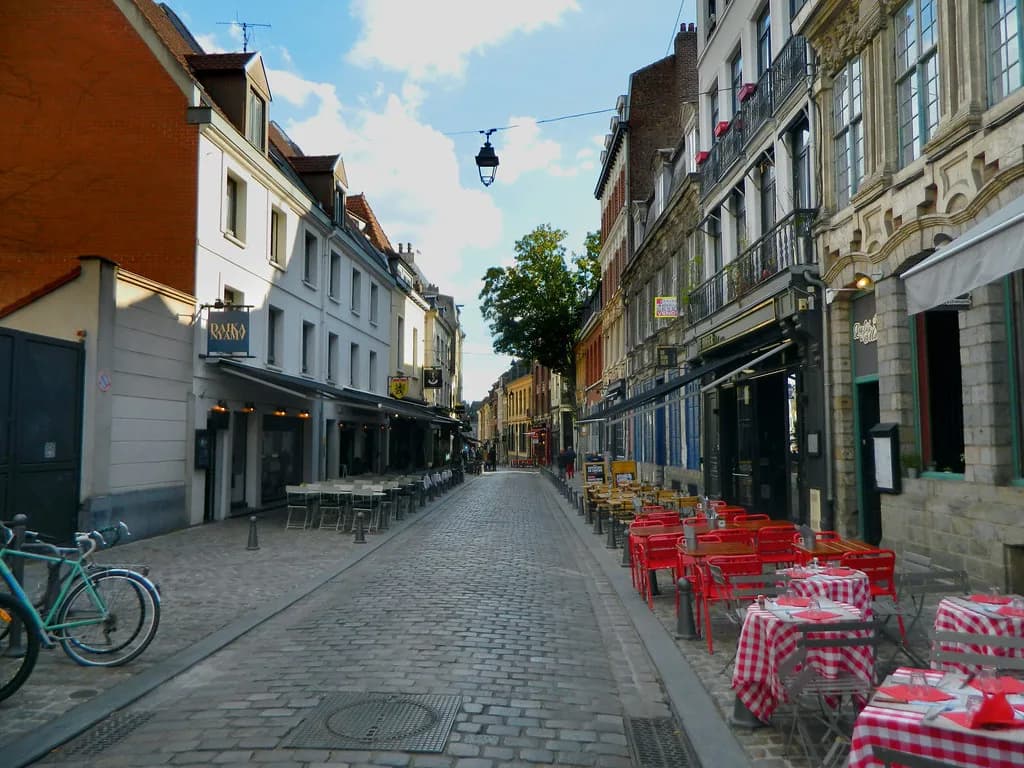
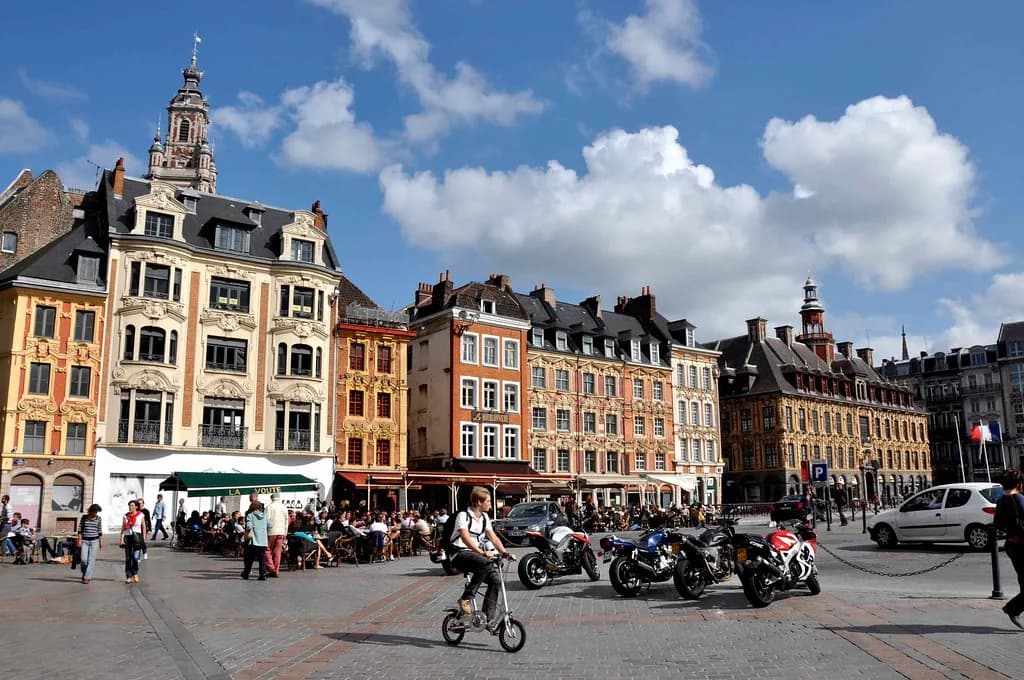
The city's strongest asset is its layout. The historic centre and Vieux-Lille are entirely walkable, and most restaurants, shops and sights sit within 15 to 20 minutes on foot of one another, so you can leave the car behind. That compactness means a weekend has real shape: you can cover the old town in a morning and still have an afternoon free for a museum or a long lunch.
Vieux-Lille is the prettiest part of the city, a district of Flemish-influenced streets that rewards aimless wandering as much as any single sight. If you want a structured sense of what sits where, start with a guide to the things to do in Lille and build the rest of your day around it. Plan the old town for a weekday afternoon if you can, when the streets are calmer than at the weekend.
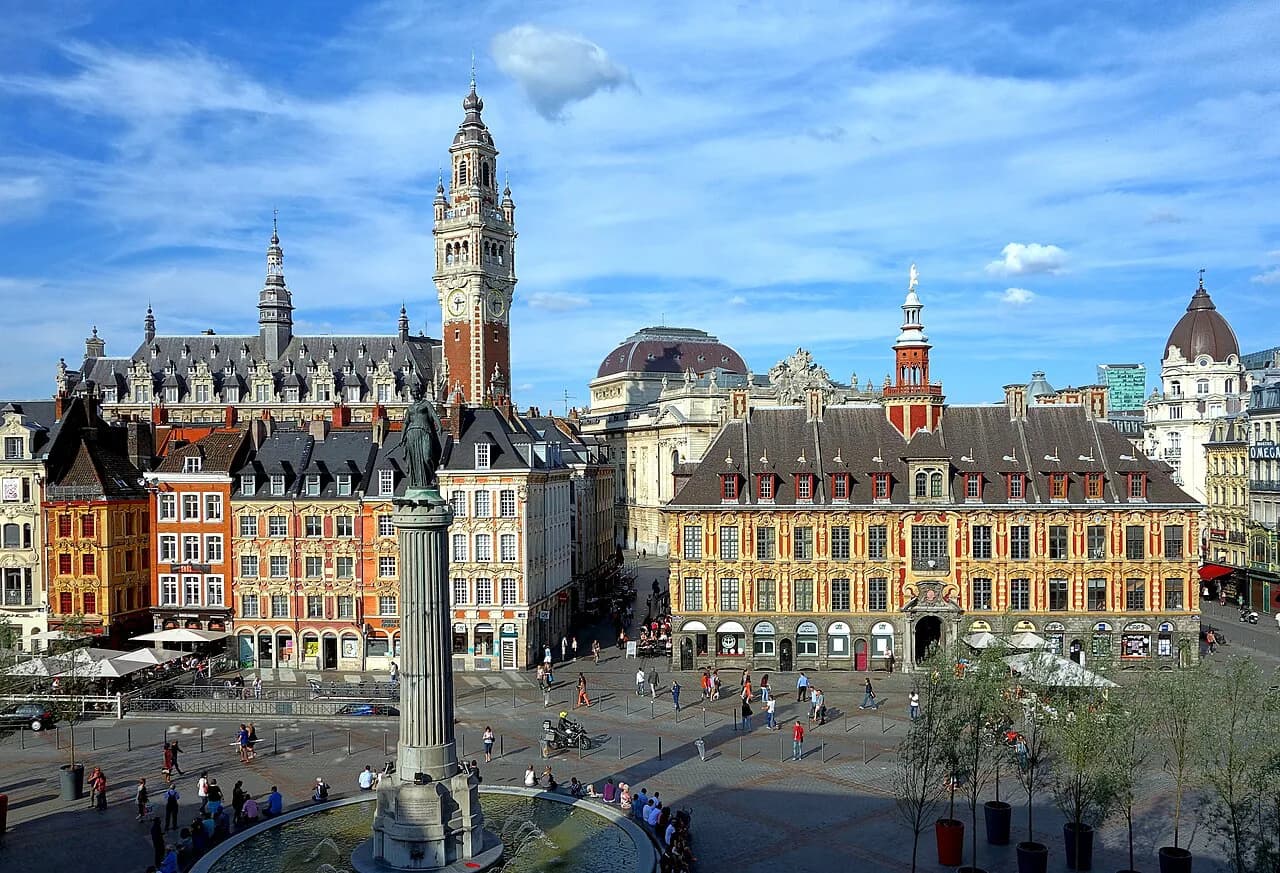
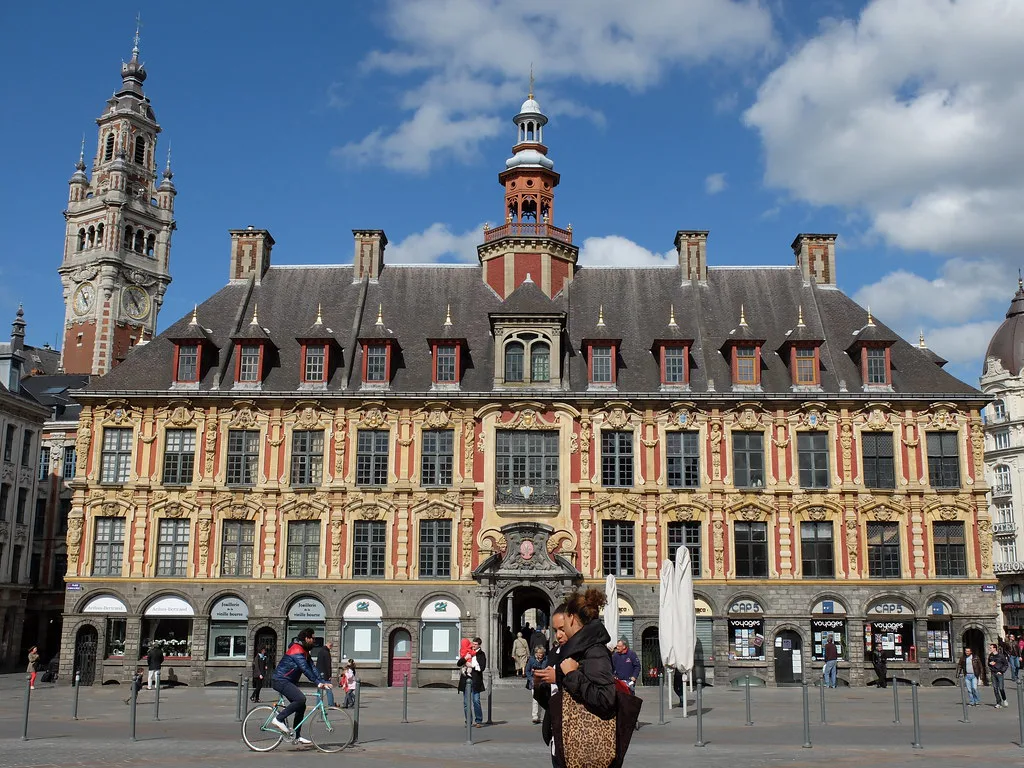
La Vieille Bourse, the old exchange, holds a second-hand book market in its courtyard, with books, magazines and artwork on sale. A weekday afternoon gives the best experience of it, which is worth factoring into your itinerary if your break falls over a weekend. The courtyard is a natural pause in any walk through the centre.
The food case: a European Region of Gastronomy
Lille has been recognised as a European Region of Gastronomy, and the eating is the reason many people come. The local repertoire leans on Flemish comfort food, and the city's patisseries alone justify a detour: Meert is known for its filled waffles, while Aux Merveilleux de Fred turns out meringue-and-cream pastries that are a Lille signature. Build at least one meal around a specific address rather than picking somewhere at random.
For a lunch that anchors the day, Le Barbier qui Fume smokes its dishes in the traditional way, and the crêperies serve folded savoury or sweet crêpes with a terrace on top. Weekend tables fill, so book the dinner you care about in advance rather than gambling on a walk-in.
Budget-wise, Lille is noticeably cheaper than Paris for meals and wine bars, with a good dinner for two including drinks rarely exceeding 60 to 70 euros. That gap is one of the strongest arguments for choosing the city over the capital for a short break. If you want a wider spread of options, browse the best restaurants in Lille and shortlist two or three before you travel.
Markets and museums that reward a weekend
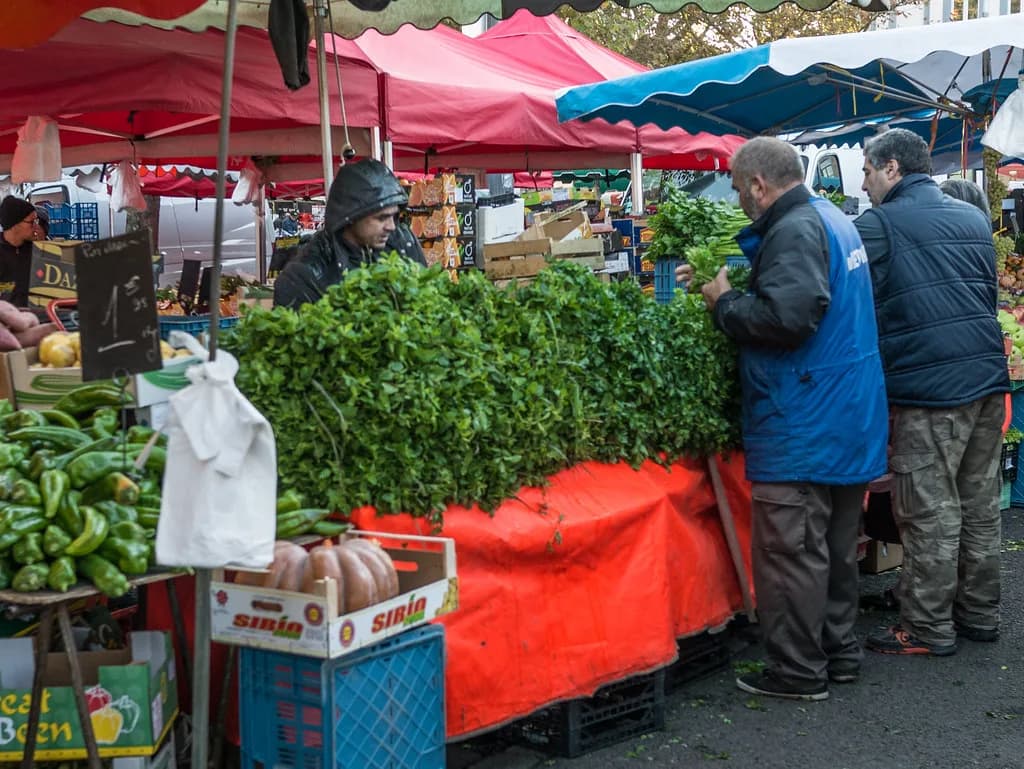
The Wazemmes market is the Sunday event worth planning around, a proper neighbourhood market that gives a weekend morning a purpose. Pair it with a slow breakfast and you have a morning that no museum could improve on. If your break does not include a Sunday, the weekday book stalls at La Vieille Bourse fill the gap.
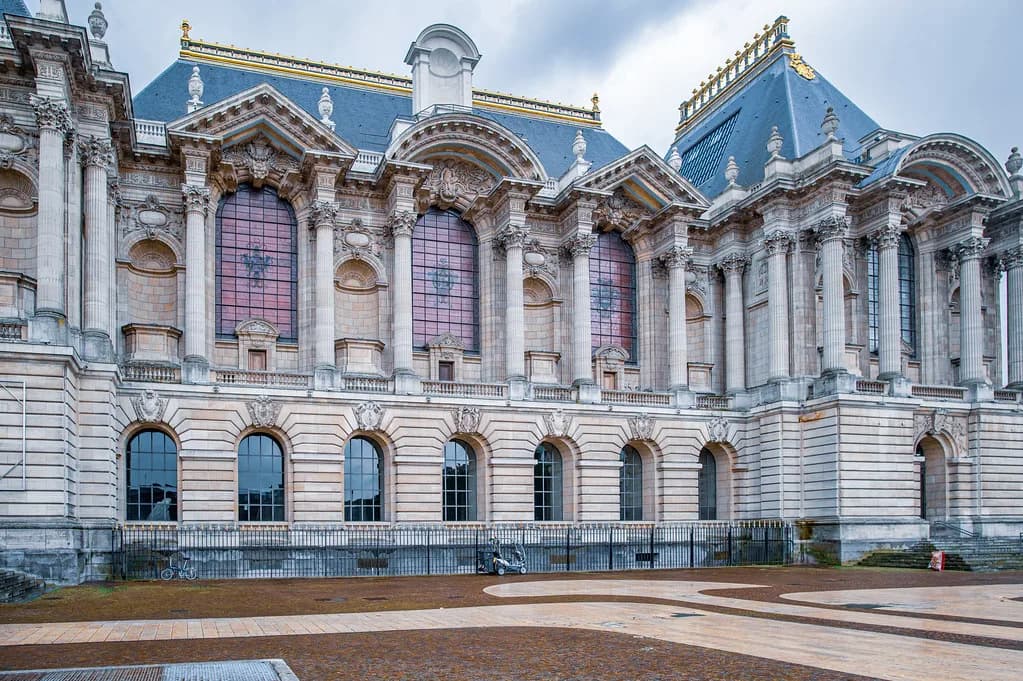
For museums, the Palais des Beaux-Arts is the headline stop in the city itself, and the wider museums in Lille are enough to fill a wet afternoon without leaving the centre. Museum la Piscine in Roubaix, a former art deco swimming pool converted into an art museum, is the one excursion genuinely worth the metro ride, for the setting as much as the collection. Give it half a day, not an hour.
Roubaix sits a short metro ride from the centre, which makes La Piscine an easy add-on rather than a separate trip. Read the markets in Lille before you set out, since what is running depends on the day you arrive.
How many days does Lille need? One, two or three
Two to three days is the sweet spot. A weekend gives you enough time to explore Vieux-Lille, visit a museum or two, eat well and still fit in a lazy afternoon in a wine bar, which is roughly what the city is for. One day is enough only if you are passing through and want a taste of the old town.
Add a day if you want Roubaix for La Piscine or a trip into Belgium. Three days lets you do both without rushing the centre, and it leaves room for a market morning and a proper lunch without checking the clock.
Who will love Lille, and who should pick somewhere else
Food-led travellers, architecture fans and anyone who wants a walkable city without Paris crowds will get on well here. The city has a large student population, which keeps the atmosphere relaxed and social, and the main tourist areas are busy and well lit in the evenings. Solo travellers generally find it an easy, compact place to navigate.
If you want grand monuments, big-name galleries on a Paris scale or a beach, look elsewhere. Lille's appeal is cumulative rather than spectacular: it is the old town, the food and the pace that win you over. Travellers chasing a checklist of headline sights may find two days enough and three too many.
Lille for a short break: the honest trade-offs
Against Paris, Lille trades scale for calm. You give up the density of world-class museums but gain a centre you can walk end to end and restaurant bills that do not sting; a good dinner for two with drinks rarely exceeds 60 to 70 euros. For a two-night break from the UK, that is usually the better trade.
Against Brussels, Lille is smaller and more immediately walkable, with a Flemish old town that feels French in its food and Flemish in its brickwork. Brussels has more to do at the top end; Lille is easier to finish in a weekend. The city is also close enough to Belgium for an easy detour to Ghent if you love architecture and café culture.
What a weekend costs
Beyond food, the Lille City Pass is the main budgeting decision. It comes in 24, 48 or 72-hour versions and gives free access to 28 museums and attractions across Lille plus unlimited public transport, so it pays off if you plan to visit more than one museum and use the metro. Pick the duration that matches your stay rather than the longest on offer. Current pass prices are on the official Lille tourism site.
The pass also solves the Roubaix problem: with transport included, the trip to La Piscine costs you time rather than extra fares. Work out how many museums you will realistically visit before buying, since a single museum and a lot of walking does not need a pass.
When to go
Spring and early autumn give the best of the city on foot, with the terraces usable and the old town comfortable to wander. La Braderie de Lille, the largest flea market in Europe, takes over the first weekend of September with antiques, vintage finds and bargain hunting on a grand scale; it is spectacular but fills the city, so book around it deliberately.
A winter weekend is a reasonable bet if your priority is museums and long lunches rather than street life. The Braderie de Lille draws the crowds and the accommodation that goes with them, so decide early whether you want the atmosphere or the calm. Check the official Braderie de Lille pages for the current year's programme and any road or transport changes.
Getting there and getting around without a car
Lille is well placed for trains from Paris, Brussels and London, which makes it a realistic car-free weekend. Once there, the metro handles rainier days and the run out to Roubaix, while the centre itself is best on foot. You genuinely do not need a car for a city break here.
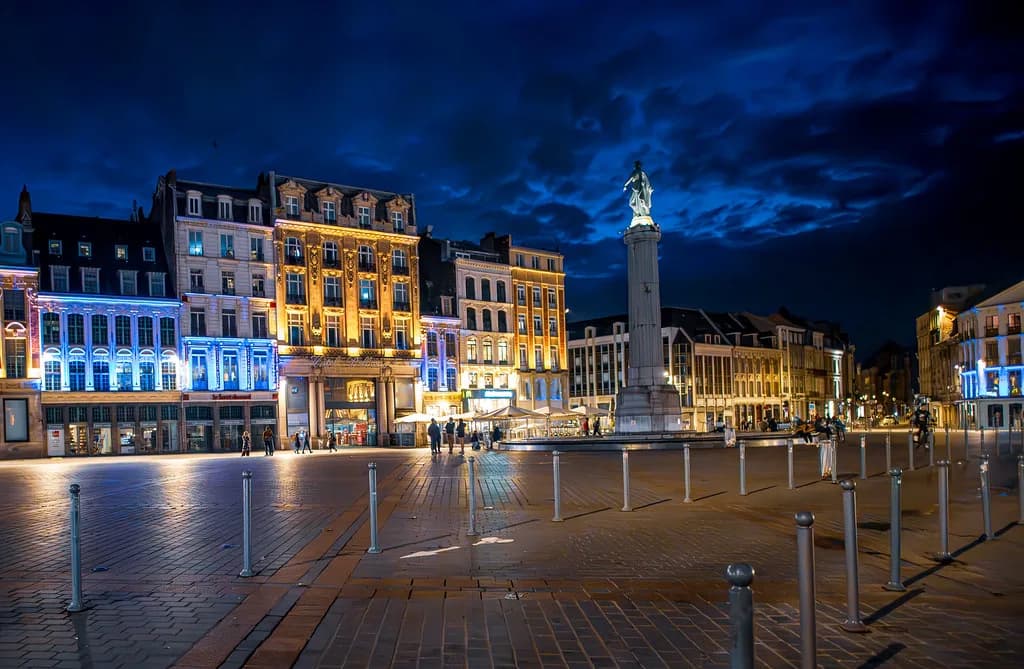
The trade-off is that the metro is for getting between districts rather than sightseeing, so plan your days by neighbourhood instead of hopping on and off. Group the old town, the Grand Place area and your museum visit into separate blocks and you will walk less than you expect.
A simple two-day plan
Start day one in Vieux-Lille, working through the streets to La Vieille Bourse and its book stalls, then take a long lunch and spend the afternoon on the Palais des Beaux-Arts or a second museum. Finish with dinner somewhere you booked ahead, since weekend tables go early.
Day two belongs to Wazemmes if it is a Sunday, with the morning at the market and the afternoon left loose for a wine bar or a walk back through the centre. On other days, take the metro to Roubaix for La Piscine and return for a late lunch. Either version leaves you with an evening free, which is the point of a Lille weekend.
Where Lille fits in a longer France trip
Lille works as a standalone weekend or as the first stop on a longer trip, with Paris within easy reach by train if you want to continue south. It also sits close enough to Belgium for a single detour to Ghent, though that is a separate break rather than an afternoon. Start with the Lille Attractions: 6 Visitor Guides if you are building a longer itinerary around the city.
The Verdict
Lille is worth visiting, and it is at its best over two or three days built around food, the old town and one museum trip to Roubaix. It will not outshine Paris for sheer density, but it beats the capital on walkability, cost and calm for a short break. Book the train, plan your days around the market calendar, and the city does the rest.
Frequently Asked Questions
Is Lille worth visiting?
Yes, for a two- or three-day break. The old town is compact and walkable, the food scene is strong and the centre is easy to cover on foot, so a weekend has real shape without rushing. It suits food-led and architecture-led travellers more than anyone chasing blockbuster monuments.
How many days should you spend in Lille?
Two to three days is the sweet spot. A weekend covers Vieux-Lille, a museum or two and several good meals. Add a day if you want the Roubaix trip for La Piscine or a detour into Belgium.
Is Lille nicer than Paris?
Not nicer so much as easier. Lille trades Paris's scale and density of big museums for a centre you can walk end to end, shorter queues and lower restaurant bills. For a short break from the UK, that trade usually works in Lille's favour.
Which is better, Lille or Brussels?
Lille is smaller and more immediately walkable, with a Flemish old town that is French in its food and Flemish in its brickwork. Brussels has more at the top end. If you want a city you can finish in a weekend, Lille is the easier fit.
Is Lille walkable?
Very. The historic centre and Vieux-Lille are entirely walkable, and most restaurants, shops and sights sit within 15 to 20 minutes on foot of each other. The metro is useful for rainy days and for the run to Roubaix.
Is Lille expensive?
By French standards Lille is quite affordable, and noticeably cheaper than Paris for meals and wine bars. The Lille City Pass is worth pricing against your plans if you intend to visit several museums and use public transport.
What is there to do in Lille when it rains?
Head for the museums, the covered passages of Vieux-Lille and the book market at La Vieille Bourse, which carries on regardless of weather. La Piscine in Roubaix is the best wet-day excursion, since the metro gets you there without a soaking.
Sources
Notes for French city breaks
Optional updates to our guides.
You might also like
Continue reading
More guides you'll find useful