Colmar Old Town: What to See and How to Walk It
Walk Colmar old town past Little Venice, the Fishmonger's District and Maison Pfister, with a route past the Koïfhus and advice on how much time to allow.
On this page
Colmar old town is small enough to walk end to end in a day and rich enough to justify two. The historic centre sits in the Grand Est region of Alsace, roughly 75 miles south of Strasbourg, and most of what you have come to see is inside a protected old quarter. Plan on one day for the streets and a second for the museums if art and history matter to you.
Where Colmar Old Town Sits in Alsace
Colmar lies on the Alsatian Wine Route in the Grand Est region, about 75 miles south of Strasbourg, and its old town is the reason most short-break visitors come. The centre has changed nationality repeatedly over the centuries, passing between France and Germany, which is why street signs often appear in both French and German and why the local Alsatian dialect is still heard. That layered history shows in the architecture as much as in the language.
Arriving is straightforward: fly into Basel or Strasbourg and continue by train, a combination that works well as a linear trip rather than a there-and-back loop. Trains between the cities are short and comfortable, so the journey is part of the break rather than a chore. If you want the wider picture of what the city offers, start with these things to do in Colmar and then narrow down to the old town.
How the Old Town Is Laid Out and How Long You Need
The old town is compact and walkable, and the main sights cluster together, so you can see the core in a day at an unhurried pace. Add a second day if you want to visit the museums properly; trying to squeeze galleries and streets into one afternoon leaves both rushed. The Trade-off is simple: one day for the streetscape, two for the streetscape plus collections.
Treat the Discovery Trail as your spine. It begins down in Little Venice and finishes at the Musée Unterlinden, passing many of the main sights with restaurants and bakeries along the way. Following it in that direction means you walk the canals first, then the historic lanes, and end at the museum quarter, which is a sensible finish if you still have energy. For the practical details, see the Colmar itinerary.
Start in Little Venice (Petite Venise)
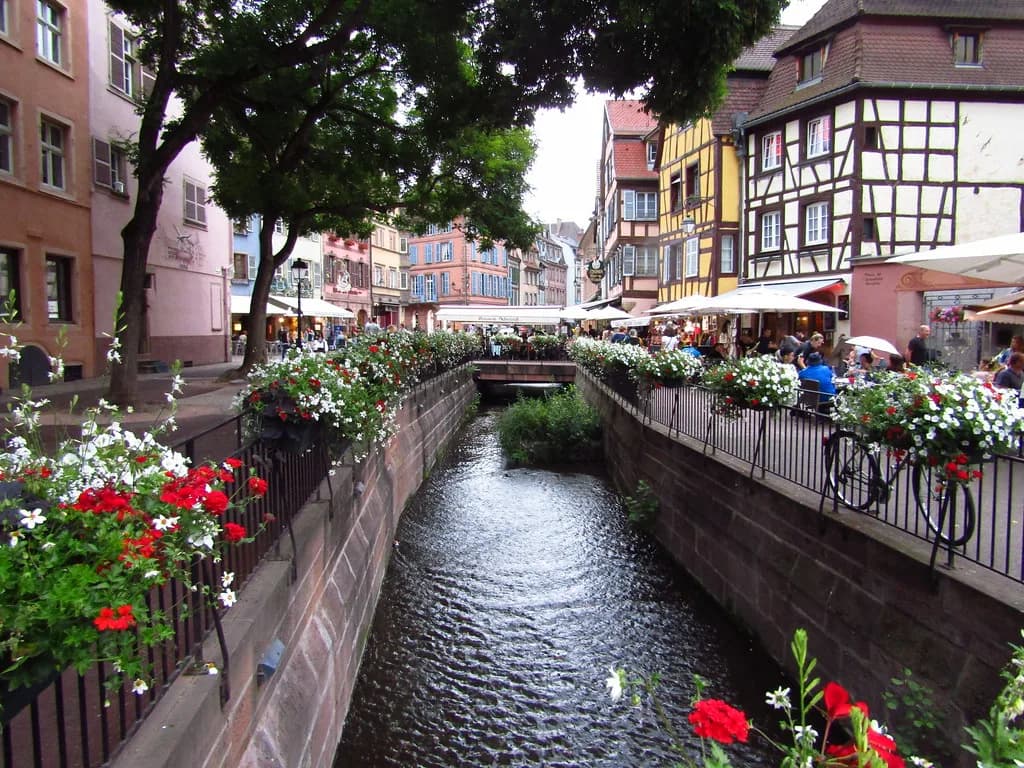
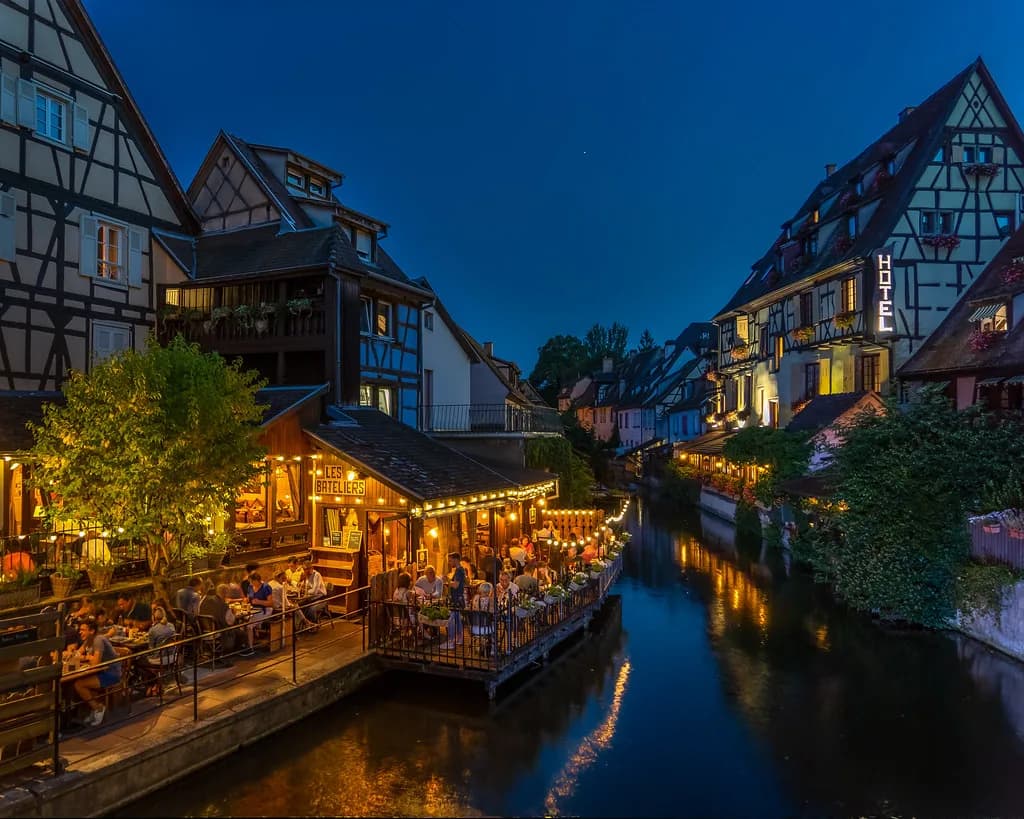
Petite Venise was once home to a community of wine-makers, boatmen and market gardeners, and its cobbled lanes and overhanging timber houses still frame a canal. This is the most photographed stretch of the old town, and it rewards a slow start rather than a quick pass-through. Walk it first thing and you get the streets at their calmest.
In summer you can take a boat trip on the canal and see the buildings from the water, but the streets themselves are the main event. Photography is the obvious draw here, so allow extra time if that is your thing. Itineraries that try to rush this quarter tend to regret it.
The Fishmonger's District Along Rue de la Poissonnerie
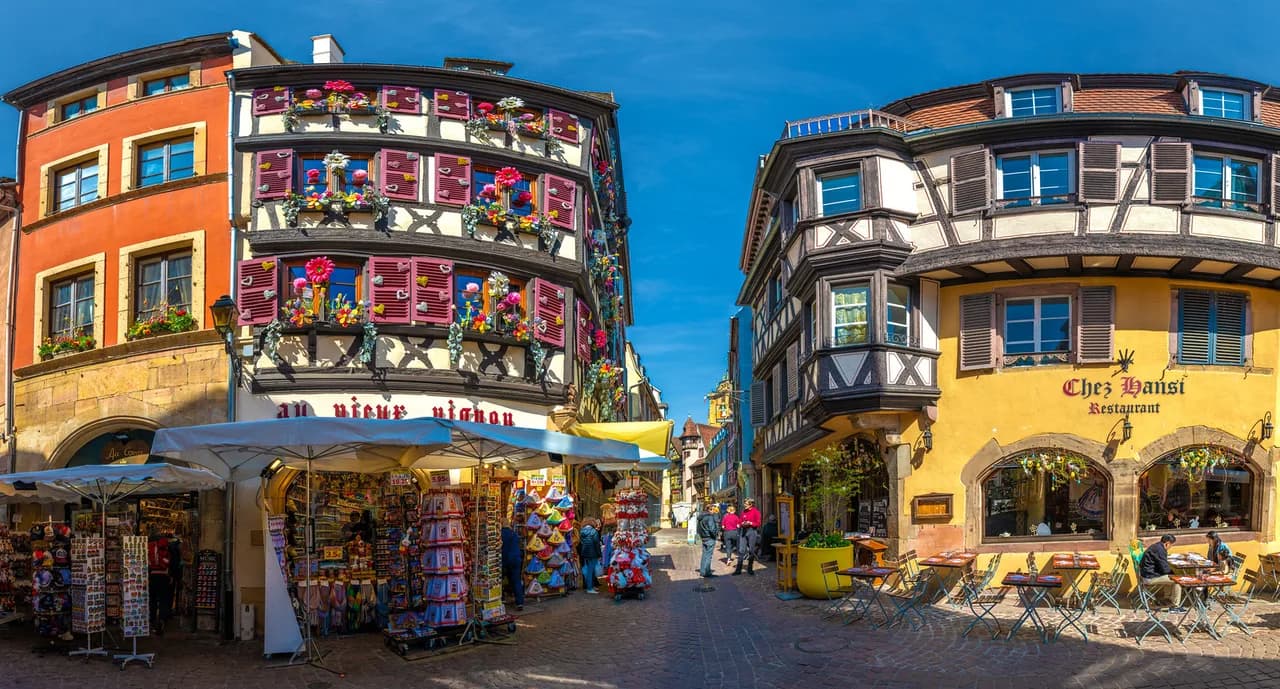
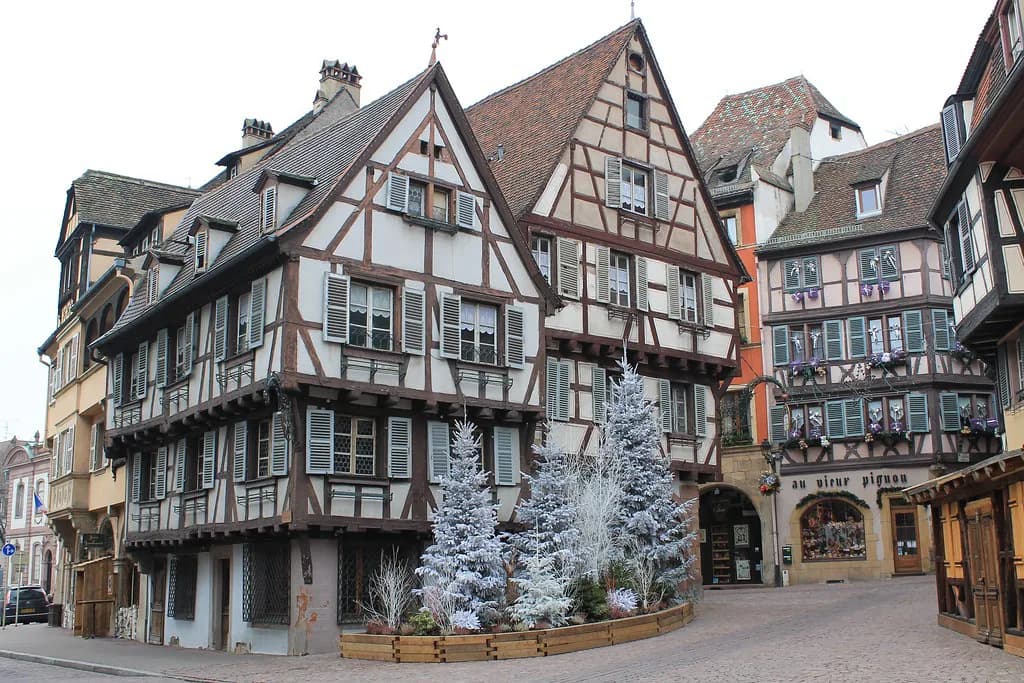
Nestled between Little Venice and the Tanner's District, the Fishmonger's District is one of the most striking in Colmar, centred on the narrow cobbled Rue de la Poissonnerie leading down to the wharf. This was once home to the professional fishermen and boatmen, one of the most powerful corporations in Colmar, who stored fish in ponds and sold them to townsfolk. A fire in 1706 destroyed many of the houses, but extensive restoration has brought the colourful half-timbered buildings back to something like their former glory.
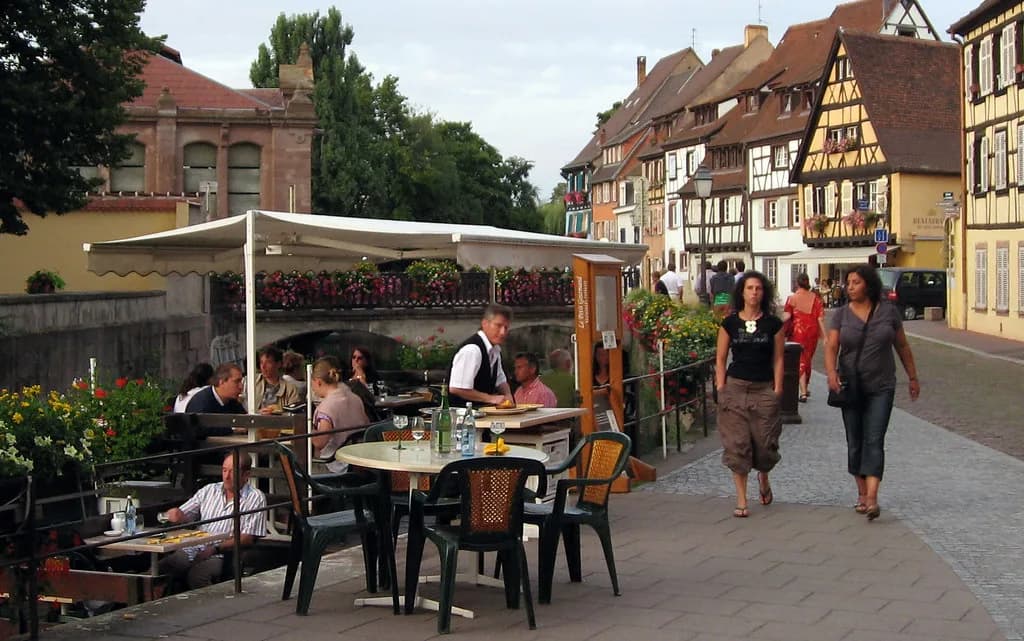
Walk the street slowly; the lanes are tight and the façades reward a closer look. This is also a good stretch for a pause, with traditional winstubs tucked into the surrounding streets. For a wider choice of places to eat, look at the best restaurants in Colmar before you commit.
The Tanner's District and Its Timber-Framed Houses
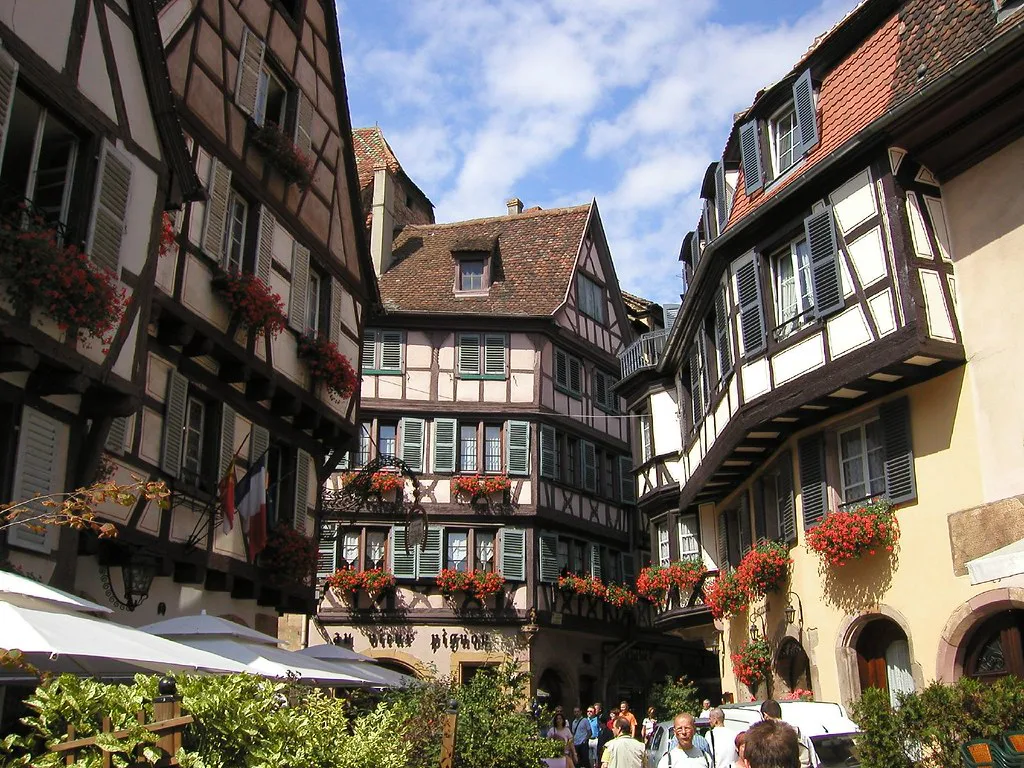
The towering timber-framed houses of the Tanner's District date from the 17th century and belonged to the town's tanners, whose trade shaped the buildings themselves. Many have open balconies on the upper floors where the skins were laid out to dry, while families lived underneath. It is one of the clearest places in Colmar to see how a trade shaped a street.
Maison Pfister and the Grand'Rue Sights
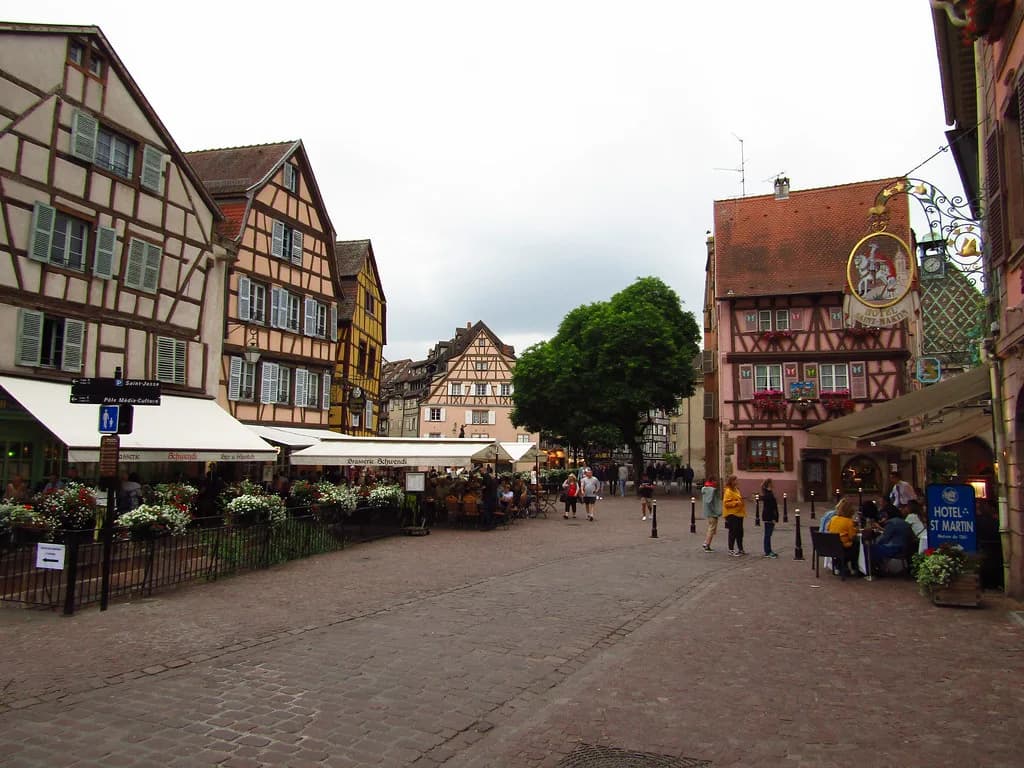
Further along the Discovery Trail, the Koïfhus sits at the junction of Grand'Rue and Rue des Marchands, and nearby stands Maison Pfister, a 16th-century house with famous wall paintings and a partial timber structure. It is one of the oldest buildings in Colmar and understandably one of the most photographed. Just across the street, the Fortwenger gingerbread shop is equally famous and considerably tastier; cross the threshold and you come out laden with gingerbread.
A little further on is the Maison des Têtes, a 17th-century Renaissance building adorned with faces and grotesque masks, which gives the house its name. The walk between these sights is short, so the temptation is to rush; don't. If your interest runs to shops and crafts, plan your browsing separately with this guide to shopping in Colmar.
The Koïfhus, Colmar's Oldest Public Building
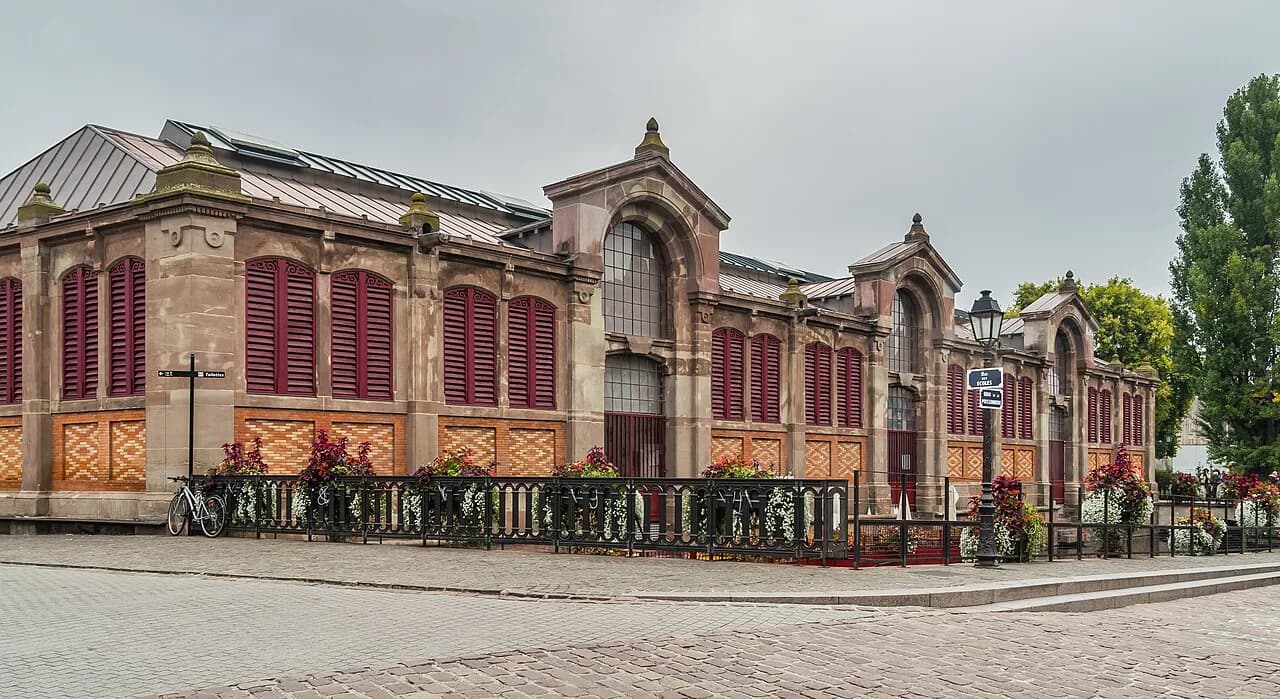
The Koïfhus, or former customs house, is the oldest public building in Colmar, built in the 15th and 16th centuries. It was used as a warehouse where imported and exported goods were taxed, and also hosted meetings of representatives from the ten imperial cities of Alsace, as well as serving as a theatre and a school. Today it remains a centre of community and regional activity.
Religious and Cultural Stops: the Dominican Church and Musée Unterlinden
The Dominican Church dates back to 1283 and, whatever you make of its stark interior, its stained glass is genuinely impressive. St Martin's is the other noteworthy church in Colmar, a fine example of regional Gothic architecture built of pink stone and heavily restored over the years after fire and other damage. Both are worth ten to fifteen minutes inside, plus time at the façades.
The Musée Unterlinden sits in a medieval convent in the north of town, and if you are planning a museum day, sort out which collections to prioritise in advance. On prices and current tickets, ask at the museum or check its own published information before you travel. If you are weighing up whether the break is worth it at all, this honest verdict on whether Colmar is worth visiting is a good starting point.
The Discovery Trail Walking Route
The Discovery Trail is the best single route through the old town, running from Little Venice to the Musée Unterlinden and passing most of the main sights along the way. It is a walking route rather than a themed attraction, so you can join or leave it wherever suits. A free copy is available by asking at your accommodation.
Practical Points: Cobbles, Luggage and Footwear
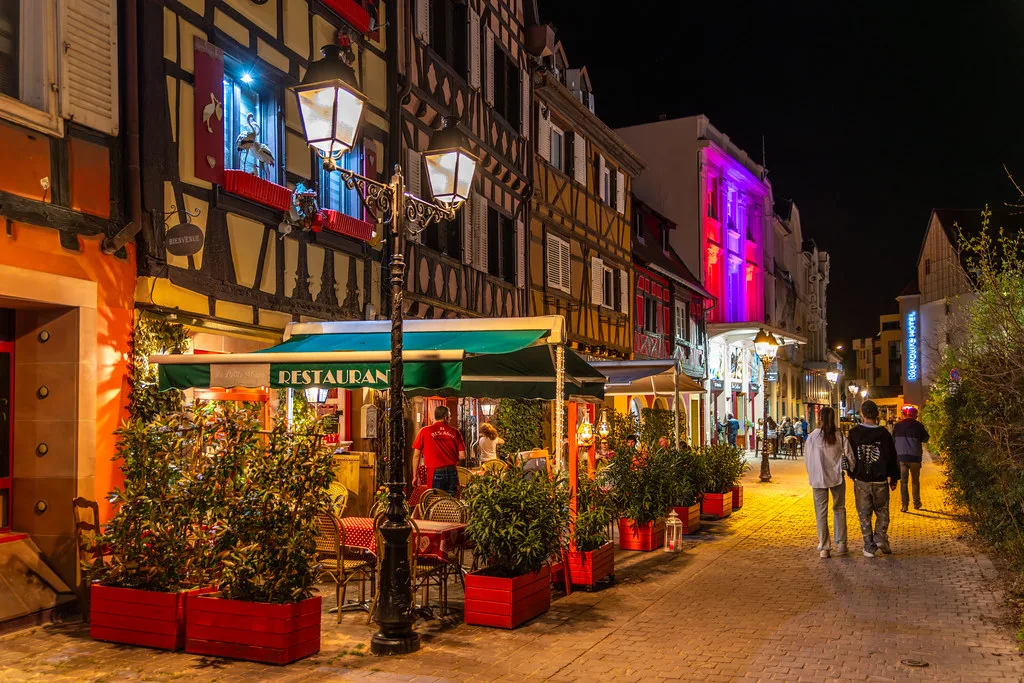
The old town is almost entirely cobbled, and trainers or flat shoes make the difference between a pleasant day and a sore one. Leave the heels behind and, if you are arriving with a suitcase, drop it before you start walking. The tourist office on Place Unterlinden is open Monday to Saturday from 9am to 6pm and Sunday from 9am to 1pm between 1 April and the end of November, with shorter holiday hours, and it stocks maps and brochures.
Where the Town Works for a Short Break
Colmar works well for a short break because the old town is one compact package, and the town is easy to reach from the UK and Ireland via Basel or Strasbourg by train. If your dates are flexible, plan around whether you want the town at its busiest or its quietest; this season-by-season guide gives the trade-offs. In October, expect colour in the vineyards and shorter evenings.
What to Eat in the Old Town
Traditional winstubs hidden down the ancient streets serve Alsatian cooking, including bibeleskas, a potato dish with Munster cheese and sour cream, along with fleischkierle, choucroute, tarte flambée and quiche Lorraine. Bretzels and macaroons fill the bakeries, which makes a mid-walk stop easy. One named option is the Wistub de la Petite Venise on Rue de la Poissonnerie; ask about the menu when you arrive rather than relying on what you have read.
Plan Your Visit
Walk the old town in the order the Discovery Trail lays out: canals first, then the Fishmonger's and Tanner's quarters, then the Koïfhus, Maison Pfister and churches, finishing at the Musée Unterlinden if you have a second day. Wear flat shoes and give yourself permission to slow down. Before you travel, download the free brochures and maps from the Colmar tourist office rather than relying on a printed guide.
Frequently Asked Questions
How long does it take to walk Colmar old town?
The core sights can be covered in a day on foot. Add a second day if you want to visit the Musée Unterlinden and the churches properly rather than just admiring them from outside. The Discovery Trail runs from Little Venice to the museum and is the most useful single route.
Is Colmar old town walkable?
Yes. The old town is compact and the main sights sit close together, so you can walk between them without transport. The surface is cobbled throughout, which makes flat shoes and something with a grip the practical choice.
What is Little Venice in Colmar?
Petite Venise is the canal quarter that was historically home to wine-makers, boatmen and market gardeners. It has overhanging timber houses, cobbled lanes and a canal, and it is the most photographed part of the old town. In summer, boat trips run on the canal.
What is the Koïfhus in Colmar?
The Koïfhus is Colmar's former customs house and its oldest public building, constructed in the 15th and 16th centuries. It was a warehouse where imported and exported goods were taxed, and also hosted meetings of representatives from the ten imperial cities of Alsace. Today it hosts community and regional activities.
How do I get to Colmar old town?
Fly into Basel or Strasbourg and take the train, which is short and comfortable and works well as a linear trip. From the station, the old town is a short walk, and the tourist office on Place Unterlinden stocks maps and brochures.
Do I need more than one day in Colmar?
One day covers the old town's streets and main squares. Two days let you add the Musée Unterlinden and the churches at a sensible pace. If you are mainly interested in food and wandering, a single relaxed day is enough.
Sources
Notes for French city breaks
Optional updates to our guides.
You might also like
Continue reading
More guides you'll find useful