Colmar Itinerary: How to Plan Two or Three Days on Foot
Plan a Colmar itinerary around the old town's pedestrian streets, Little Venice and the Tanners district, with a covered market stop and evening light.
On this page
Two days covers Colmar comfortably; three days lets you slow down and add a museum without rushing the streets. The historic centre is a compact protected area of pedestrian lanes, so the itinerary below is built as a single circuit rather than a list of sights to tick off in any order. Colmar sits among vineyards between the Vosges and the Rhine, with around 70,000 inhabitants in the town itself, and it keeps a country-town feel that rewards walking rather than transiting.
Use this plan to decide how to split each day by quarter: the merchant houses of the old town in the morning, the water districts after lunch, and something lit or seated in the evening. If you are still deciding whether the city earns a weekend at all, our honest weekend verdict on whether Colmar is worth visiting sets out the trade-offs before you commit.
Why Colmar Suits a Two-Day Weekend
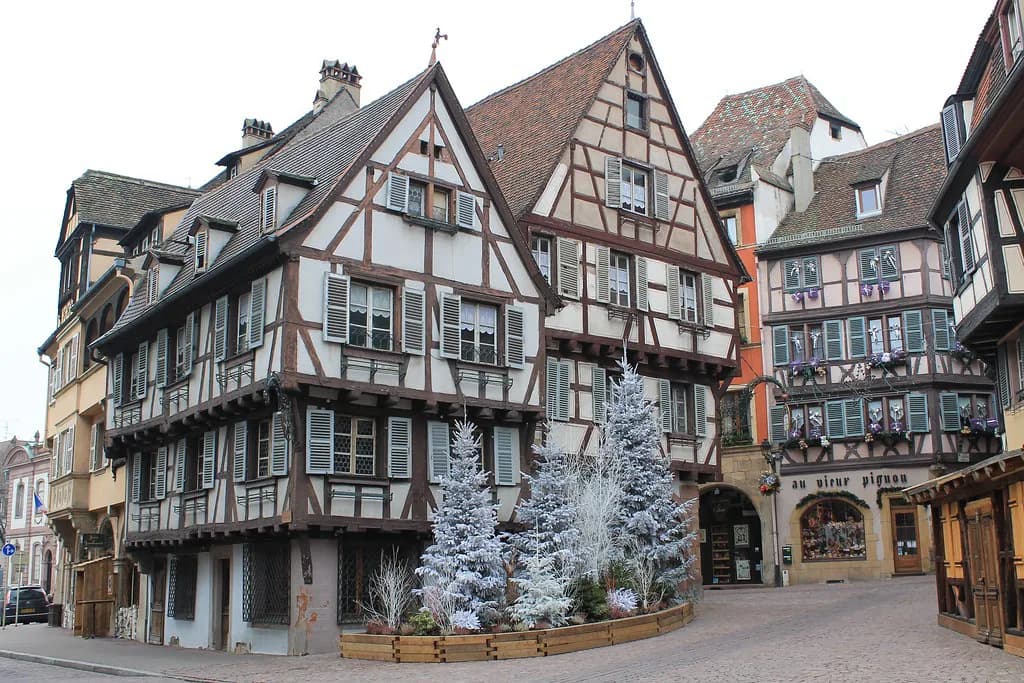
Colmar's historical centre is classed as a protected area and has had more than twenty years of careful restoration, which is why the half-timbered streets read as one continuous ensemble rather than isolated showpieces. Everything you want to see on a short break sits inside that pedestrian zone, so you can leave the car or the station behind and walk between sights. The town is also the self-styled capital of Alsace wines, with 37 wine-growing communities and 30 Grands Crus in the surrounding vineyards, so the landscape outside the streets is part of the appeal.
The realistic shape of a weekend is two full days on foot plus whatever you manage on arrival evening. A third day buys you a slower morning, a second museum and a look at one wine-growing village beyond the town limits. Start with our full guide to the things to do in Colmar if you want the complete sight list before narrowing it to a schedule.
How Colmar Is Laid Out
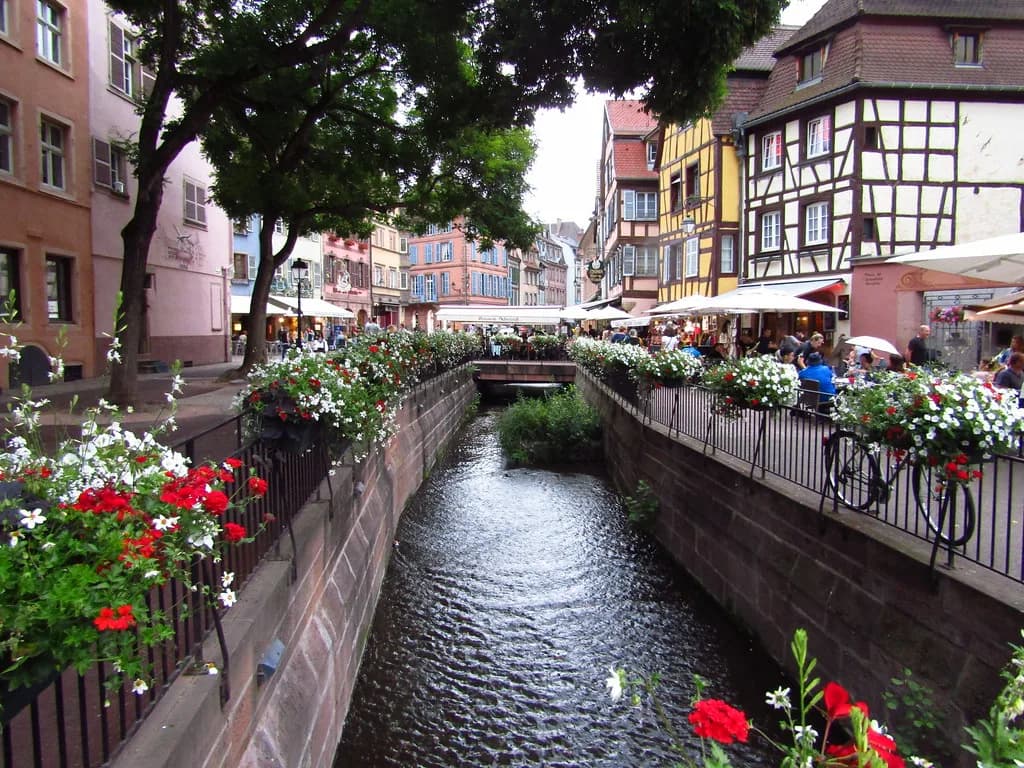
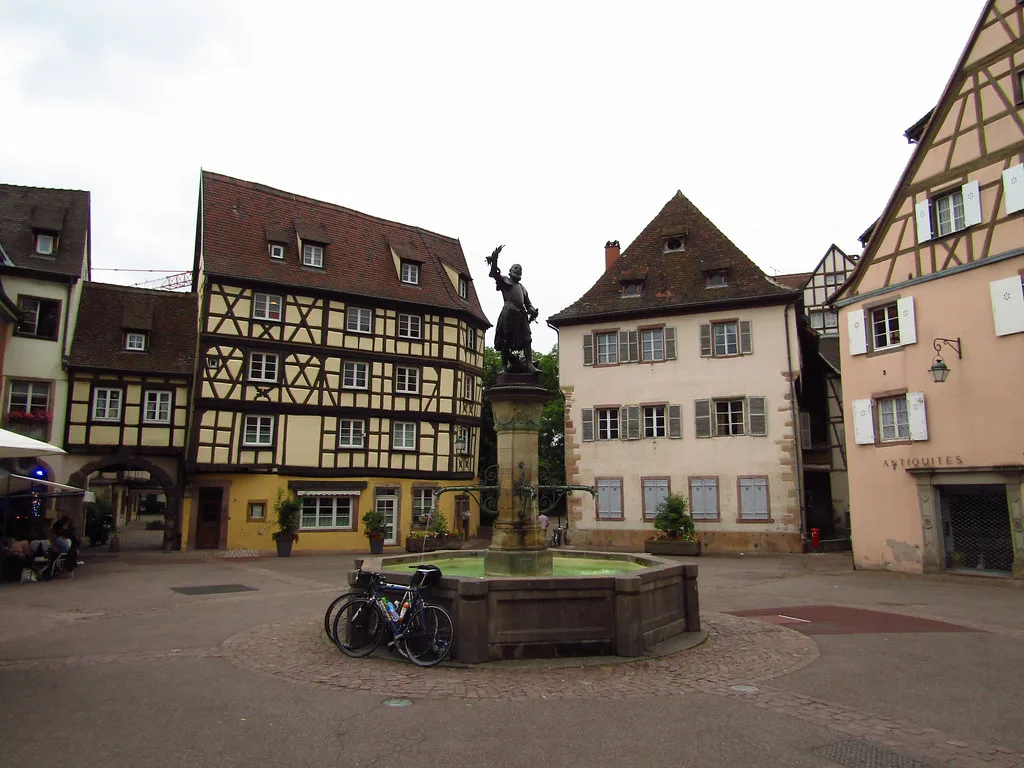
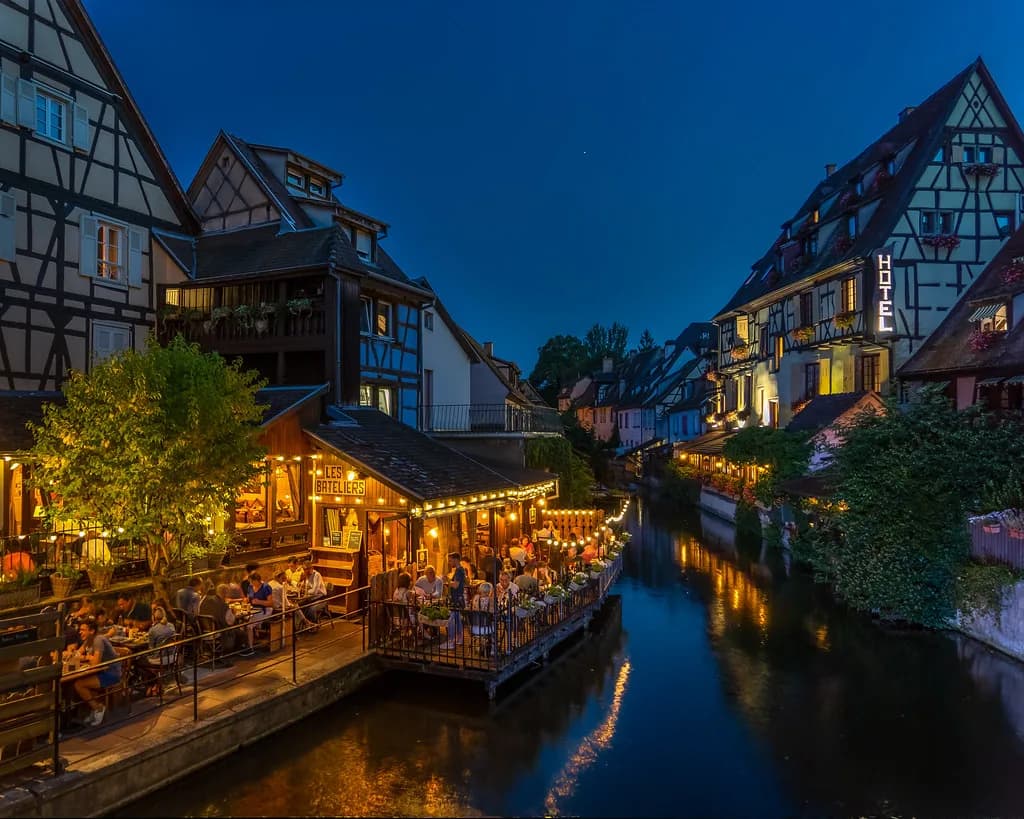
Treat the centre as four pieces: the dense merchant-house core, Little Venice, the Tanners district and the area around Place Unterlinden. Little Venice is the canal-side quarter that has become the standard photograph of the city, while the Tanners district is recognisable by its broad white-fronted houses. Place Unterlinden holds the tourist office and anchors the western side of the centre, making it a sensible first stop or meeting point.
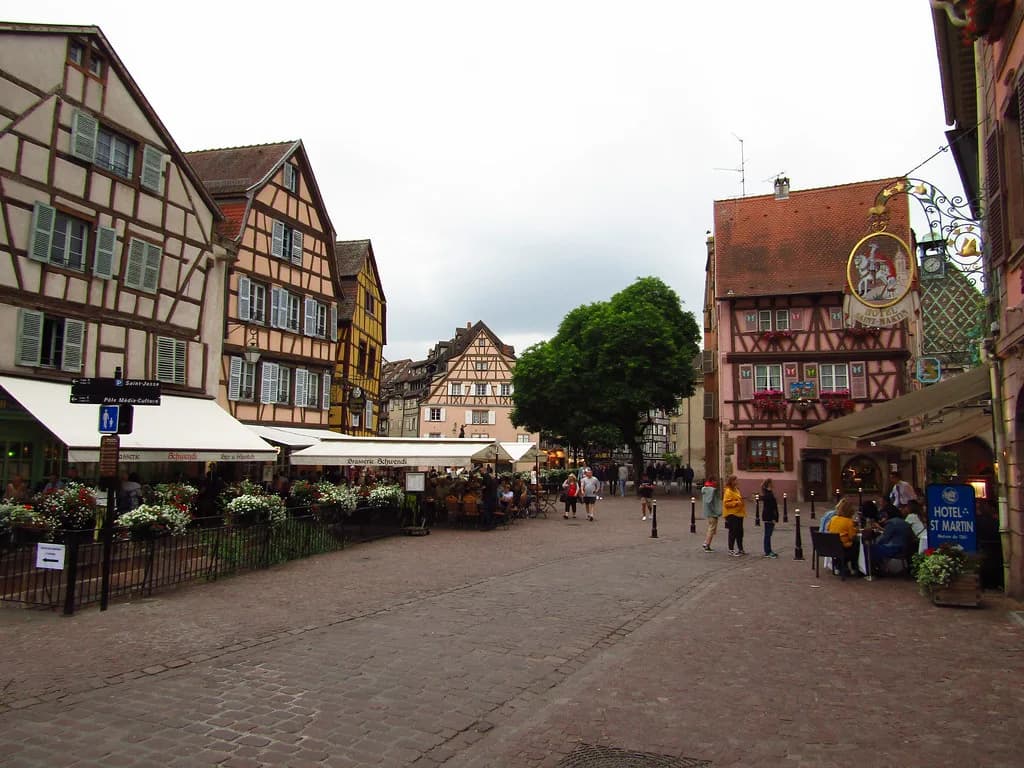
The old town is the part you will cross most often, so it is worth knowing its main axes before you arrive rather than navigating street by street. Our Colmar old town guide maps the lanes and the landmark buildings in more detail.
Everything described in this plan sits in the historic centre, which is why the days are ordered by quarter rather than by opening times. Download the city map with its discovery tour before travelling so you are not hunting for a paper copy on arrival.
Day One Morning: The Merchant Houses of the Old Town
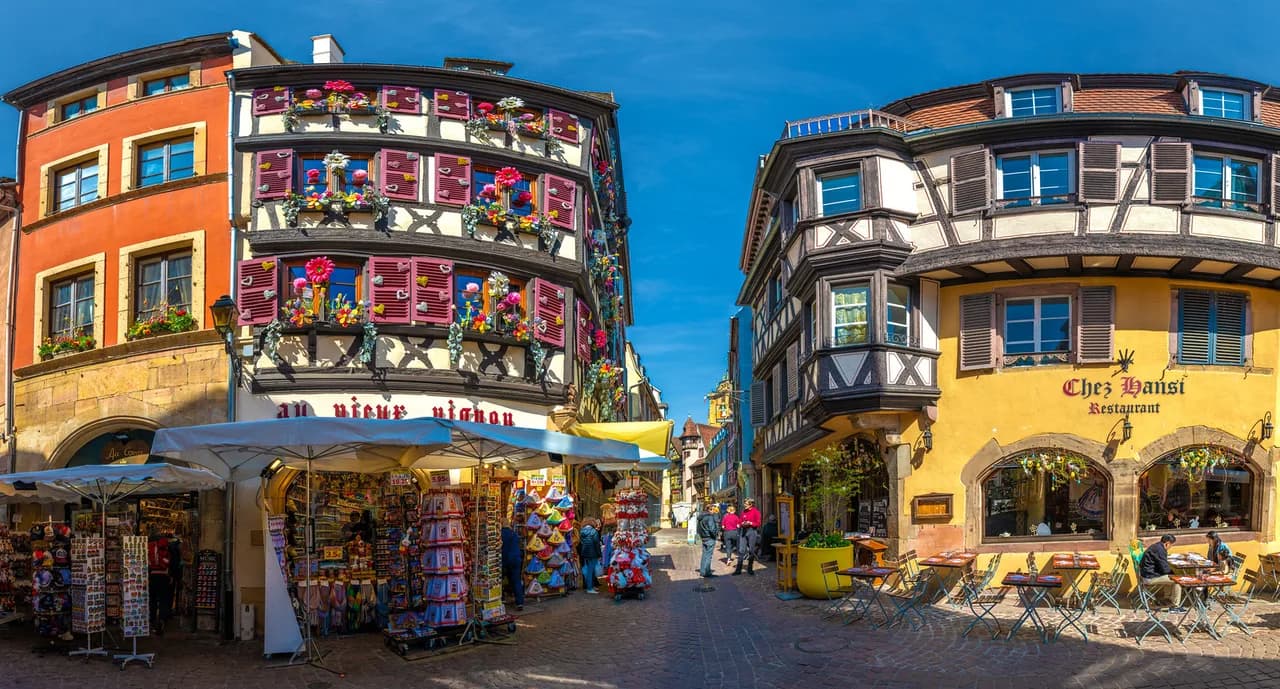
Begin in the core of the old town, where the merchant houses carry the architectural weight of the visit. The Pfister house dates from the 16th century and is known for its ornate angled oriel, painted murals and long wooden gallery, while the House of Heads is a 17th-century German Renaissance building decorated with 111 masks and a three-storey oriel. The Adolf house is the oldest in Colmar, and seeing the three in one morning is a natural walking sequence rather than three separate outings.
Walk without a strict route: the pleasure here is the pedestrianised protected sector itself, with shops selling made-in-Alsace food, textiles, décor and accessories on almost every street of the historic centre. Keep the morning free of timed entries so you can stop when a courtyard or façade catches your eye. If you want a broader shortlist of corners beyond the famous three, this round-up of favourite spots in Colmar is a useful cross-check against your own list.
Day One Afternoon: The Tanners District and Little Venice
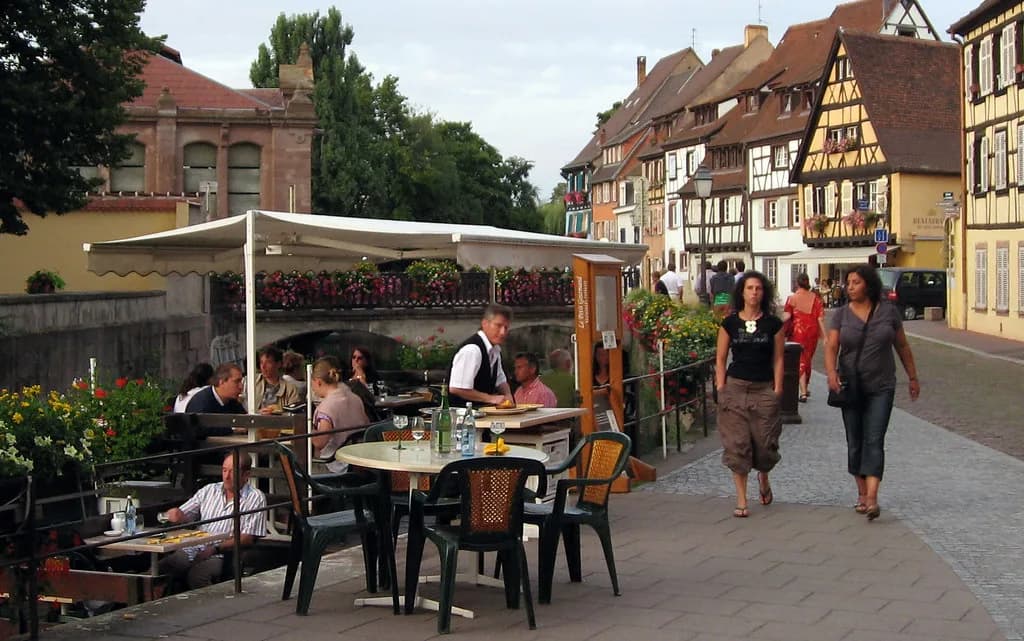
After lunch, head for the water. The Tanners district is the quieter of the two canal quarters, with its grand white-fronted houses, and it makes sense to walk it first before the crowds thicken around the classic viewpoints. Little Venice follows, and the short circuit through the canals is the most photographed stretch in the city.
This is the point in the trip to accept a slower pace: the circuit is short, so lingering costs you nothing except time you would otherwise spend doubling back. Our La Petite Venise walk-through covers the exact streets and the boats that run there.
If you would rather see the water from a boat than from the towpath, the little tourist boats are the standard option and are best booked for the afternoon rather than squeezed into the morning. A one-day plan from another traveller puts a boat tour first thing, which works if you arrive early but leaves the old town at its busiest later on.
Day One Evening: The Year-Round Lighting
Colmar runs a permanent lighting scheme of about 1,100 computer-controlled light sources on a fibre-optic network across the town, and the display changes in intensity and colour through the year. The lights come on from nightfall on Fridays and Saturdays throughout the year, and every evening during major events such as the international festival and the regional Alsace wine fair. Plan your late walk for a Friday or Saturday if the lighting matters to you, and eat first so you are free to wander afterwards.
Dinner is where Alsace does its most persuasive work, and the local classics are the reason to book a table rather than grab a sandwich. Our pick of the best restaurants in Colmar covers the traditional Winstubs and what to order in them.
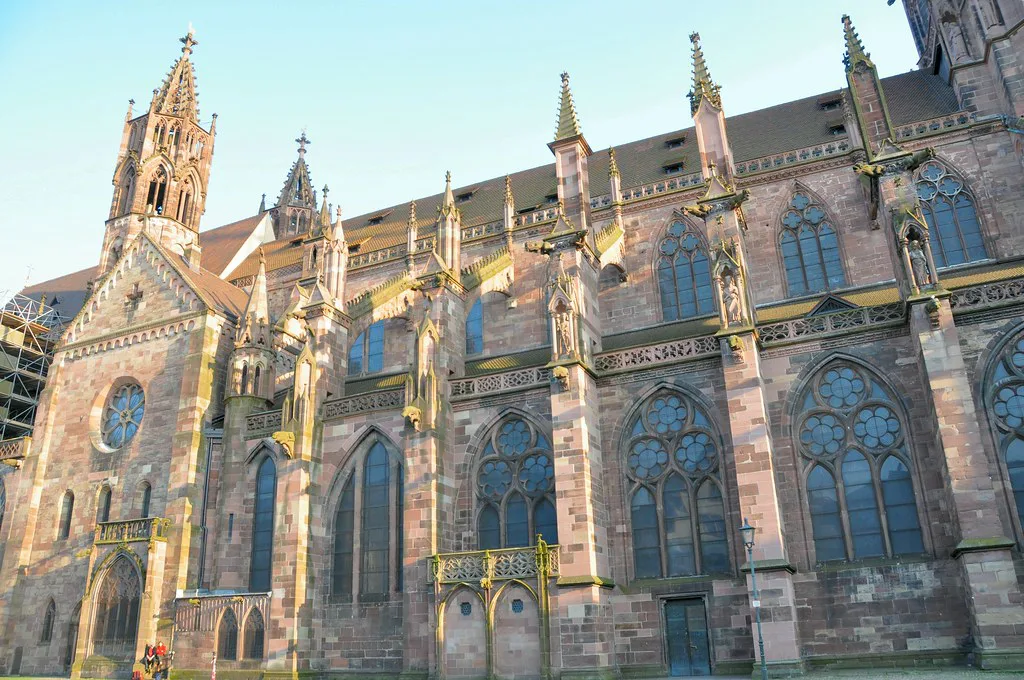
Day Two Morning: The Collégiale St Martin and the Covered Market
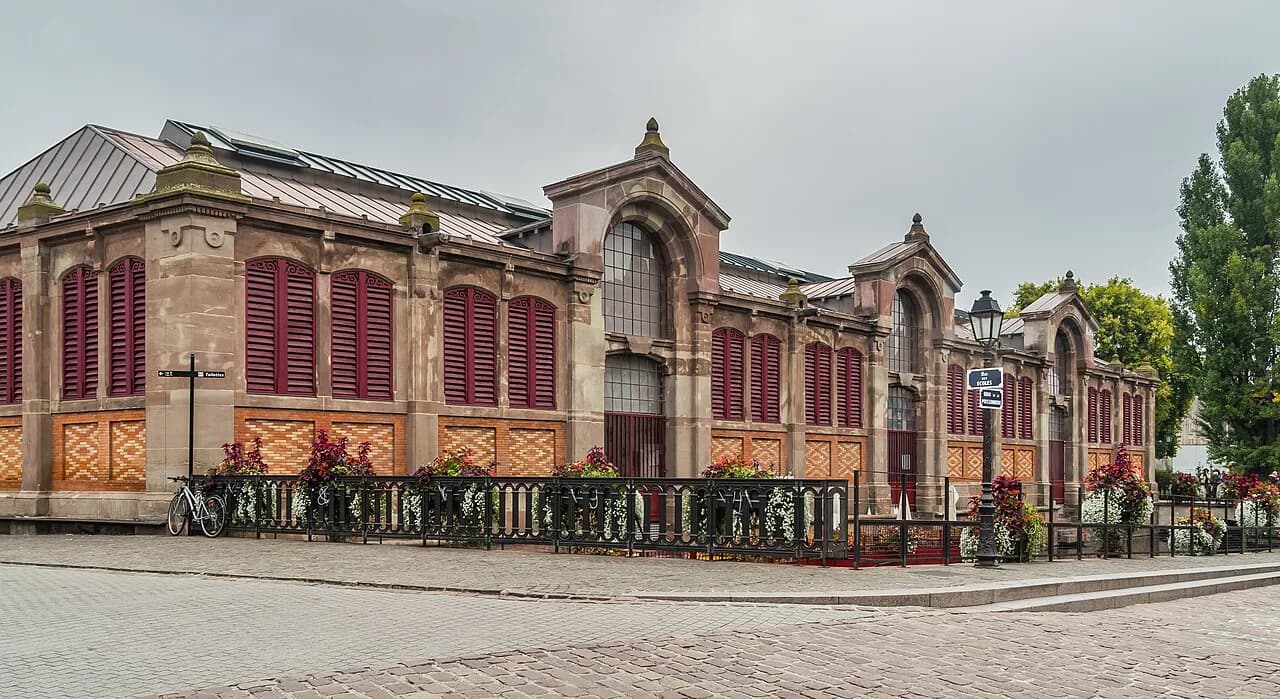
Start day two at the Collégiale St Martin, the collegiate church whose Gothic detail and colour make it the strongest single interior in the centre. From there, walk to the covered market on rue des Ecoles, a brick and metal-frame hall designed in 1865 that has returned to its original role as a market hall. Around twenty merchants sell fruit and vegetables, butchery, cheese, bakery and pastry, fish and other regional produce under one roof.
The market is the obvious place to assemble a picnic lunch or to eat simply, and it doubles as a provisions stop if you are travelling home by train. Check the Colmar market page for which traders are there and what is in season before you build the morning around it.
Note the hall's address as 13 rue des Ecoles so you are not sent to the outdoor market by mistake: the two are different stops with different rhythms. Shops in the centre lean heavily towards local products, so a market visit followed by a browse covers most gift-buying in one sweep.
Day Two Afternoon: A Museum Slot
Give the afternoon to one museum chosen for your own interests rather than to whatever is closest. Colmar's collections range from fine art to local history and folklore, and the tourist office lists the museums in the city with their details so you can match one to your taste. One museum done properly beats two rushed, especially if the morning already included the church and the market.
If you want a pre-selected shortlist with context, start with our guide to the museums in Colmar and pick the single one that fits the weather and your energy.
Colmar's most famous painting cycle sits in the Musée Unterlinden, which is the obvious choice for a first visit to the city's art. The museums hub gathers every collection we cover in one place if you would rather compare before deciding.
A Three-Day Version
A third day changes the rhythm rather than the contents: repeat the old town in the morning light, add the second museum you skipped, and leave the afternoon loose. The gain is unhurried time in the Tanners district and along the canals, which is exactly where a two-day schedule feels tightest on a busy Saturday. It also gives you room for a single look at one of the wine-growing villages outside town, such as Turckheim, Eguisheim or Kaysersberg, without cutting anything from the city itself.
If you want to see how this three-day shape works in a very different French city, our three days in Carcassonne plan shows the same principle of ordering days by quarter rather than by list. The best time to visit Colmar is worth reading before fixing dates, because the town's character shifts sharply between a warm-season weekend and a cold one.
Where to Build In Meals
Alsace eating in Colmar means Winstubs, the traditional taverns where sauerkraut, tartes flambées, munster and kougelhopf appear alongside local wine. Build lunch around the covered market on rue des Ecoles and keep dinner for a proper sit-down meal, since the evening is when the town is at its most atmospheric and worth a slower table. The tourist office maintains a restaurant search for the city and its surroundings if you want to see what is listed before you go.
One practical habit: book dinner for a Friday or Saturday evening if you want to combine eating with the lighting, and keep the meal earlier than you would at home. Our shopping in Colmar guide is the companion piece for the food shops and local products that fill the hours between meals.
Practical Ground Rules
The Tourist Office of Colmar and its region sits on Place Unterlinden and offers free wifi, which makes it a useful first stop for maps and current information. From 1 April to the end of November it opens Monday to Saturday from 9am to 6pm and Sunday from 9am to 1pm, with shorter public-holiday hours; the pattern outside that window is not the same, so confirm before relying on it out of season.
The office encourages visitors to download brochures rather than request printed copies, part of a policy to cut print runs and postage. The booklets and maps page carries the city map, the magazine and cycle routes as PDFs you can keep on your phone.
Wear shoes you can walk in for a full day: the centre is pedestrianised and the day-one circuit alone covers the merchant houses, the Tanners district and Little Venice without a bus or tram in between. Keep a card for small purchases at the market, where individual traders set their own terms. Confirm the opening days and hours of any museum you plan to visit before you set out, as these vary between collections.
What to Skip or Save for Another Trip
Colmar's Christmas-market season transforms the town and pulls in crowds on a different scale from the rest of the year, so treat it as its own trip rather than folding it into this itinerary. The same goes for wine tasting and the vineyard trails: enjoyable, but they need their own half-day and a plan for getting back. Our best time to visit Colmar guide sets out how the seasons differ so you can decide which version of the town you want.
October is a good example of the trade-off: cooler days and thinner crowds in the old town, shorter evenings for the outdoor circuit. Our month-by-month notes on Colmar in October explain what to expect from the weather and the season.
Two Days or Three: The Verdict
Choose two days if you want the merchant houses, the canals, one church and one museum, with both evenings free for dinner and the lighting. Choose three if you would rather see two museums, walk the water districts twice at different times of day, and give one afternoon to a wine-growing village outside town. The extra day is not about more sights; it is about removing the feeling that you are working through a list.
Whichever you pick, order the days by quarter and keep the market as a fixed midday anchor rather than an afterthought. That single decision keeps the walking short, the meals sensible and the evenings open. If Colmar is one stop on a longer French trip, our three days in Cannes itinerary shows how to apply the same quarter-by-quarter logic to a coastal city, and our three days in Carcassonne plan applies the same ordering to a walled medieval town.
Plan Your Visit
Colmar's reward is that a compact, protected centre lets you plan in half-days rather than hours: merchant houses on the first morning, water districts on the first afternoon, church and market on the second. Fix the covered market on rue des Ecoles as your midday stop and the rest of the day arranges itself around it. Two days is enough for the essentials; three is the better trip if you want the city to feel unhurried.
Before you go, download the city map and the magazine from the tourist office, note the Place Unterlinden opening hours for your dates, and check the museums you intend to visit. More planning material for the city sits in our Colmar Attractions hub.
Explore more Colmar guides
Frequently Asked Questions
How many days do you need in Colmar?
Two full days are enough to see the merchant houses of the old town, the Tanners district and Little Venice, the Collégiale St Martin, the covered market on rue des Ecoles and one museum. Add a third day if you want a second museum, repeated walks along the canals at different times, and an afternoon in one of the surrounding wine-growing villages. The historic centre is compact and pedestrianised, so time goes on lingering rather than travelling between sights.
What should you do on a two-day Colmar itinerary?
Spend the first morning among the merchant houses, including the Pfister house, the House of Heads and the Adolf house, then walk the Tanners district and Little Venice after lunch. Keep the first evening for dinner and the town lighting, which is switched on after nightfall on Fridays and Saturdays throughout the year. On day two, start at the Collégiale St Martin, stop at the covered market on rue des Ecoles and give the afternoon to one museum chosen to suit your interests.
Is Colmar walkable in a weekend?
Yes. The historic centre is a protected pedestrian zone and the whole itinerary above stays inside it, including Little Venice, the Tanners district, Place Unterlinden and rue des Ecoles. You do not need a bus or tram between sights on either day, provided you are comfortable on your feet for a few hours at a time. Wear proper shoes and expect to cover the same streets more than once, which is part of the pleasure rather than a detour.
When is the covered market in Colmar open?
The market hall stands at 13 rue des Ecoles and houses around twenty traders selling produce, meat, cheese, bread, pastry and fish. Trading days and hours are set by the market itself, so confirm them on the Colmar tourist office site or ask at the office on Place Unterlinden before you build a lunch around it. Treat it as a morning-to-midday stop unless you have checked otherwise for your dates.
Where can you eat traditional Alsatian food in Colmar?
Look for Winstubs, the traditional Alsatian taverns where sauerkraut, tartes flambées, munster and kougelhopf are the staples, paired with the local wines the town is known for. The tourist office keeps a restaurant search covering Colmar and its surroundings, a good starting point. Reserve a table for Friday or Saturday evening if you want to combine dinner with the year-round town lighting.
When are Colmar's lights switched on?
The town's lighting scheme comes on from nightfall on Fridays and Saturdays throughout the year, and every evening during major events including the international festival and the regional Alsace wine fair. That makes a Friday or Saturday stay the obvious choice if the illuminated streets are part of the appeal. Plan dinner early on those evenings so you are free to walk afterwards rather than watching the clock.
Where is the tourist office in Colmar?
The Tourist Office of Colmar and its region is on Place Unterlinden in the 68000 postcode, with free wifi available inside. From 1 April to the end of November it opens Monday to Saturday from 9am to 6pm and Sunday from 9am to 1pm, with shorter hours on public holidays. Hours outside that period differ, so check the office's own site for your travel dates.
Should you add a third day to a Colmar weekend?
Add the third day if you want a second museum, more time in the Tanners district and along the canals, and one unhurried afternoon in a wine-growing village such as Turckheim, Eguisheim or Kaysersberg. Keep two days if the essentials, one church and one museum are enough and you would rather spend both evenings on dinner and the illuminated streets. The extra day buys pace, not more landmarks.
Sources
Notes for French city breaks
Optional updates to our guides.
You might also like
Continue reading
More guides you'll find useful