Is Colmar Worth Visiting? An Honest Weekend Verdict
Is Colmar worth visiting? Yes, for walkable canals, half-timbered streets and Alsace villages nearby, not for a packed museum trail. Here is the trade-off.
On this page
Yes, Colmar is worth visiting, provided you want atmosphere rather than a tick-list. The historic core is small, largely pedestrianised and built for wandering, and it sits within easy reach of the Alsace villages that give a short break its second act.
The trade-off is thin. Colmar has few headline museums and no cathedral to organise a day around, so anyone who needs a full schedule of sights will run out of things to do quickly. Whether that matters depends entirely on the kind of trip you enjoy.
Is Colmar worth visiting? The short answer
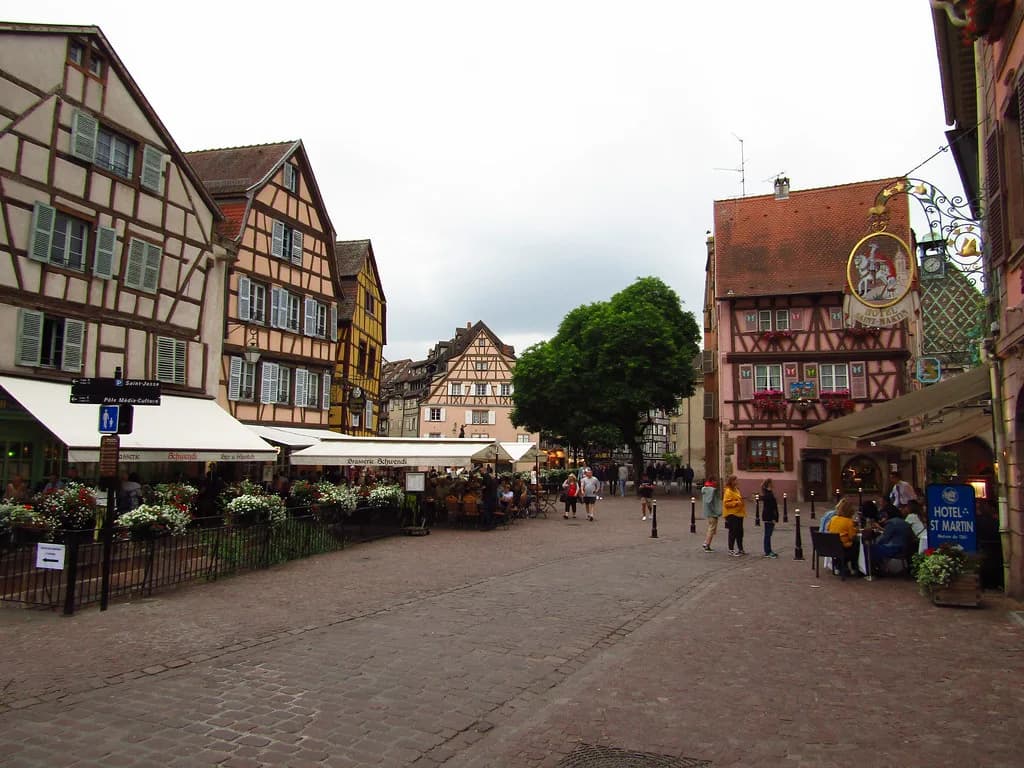
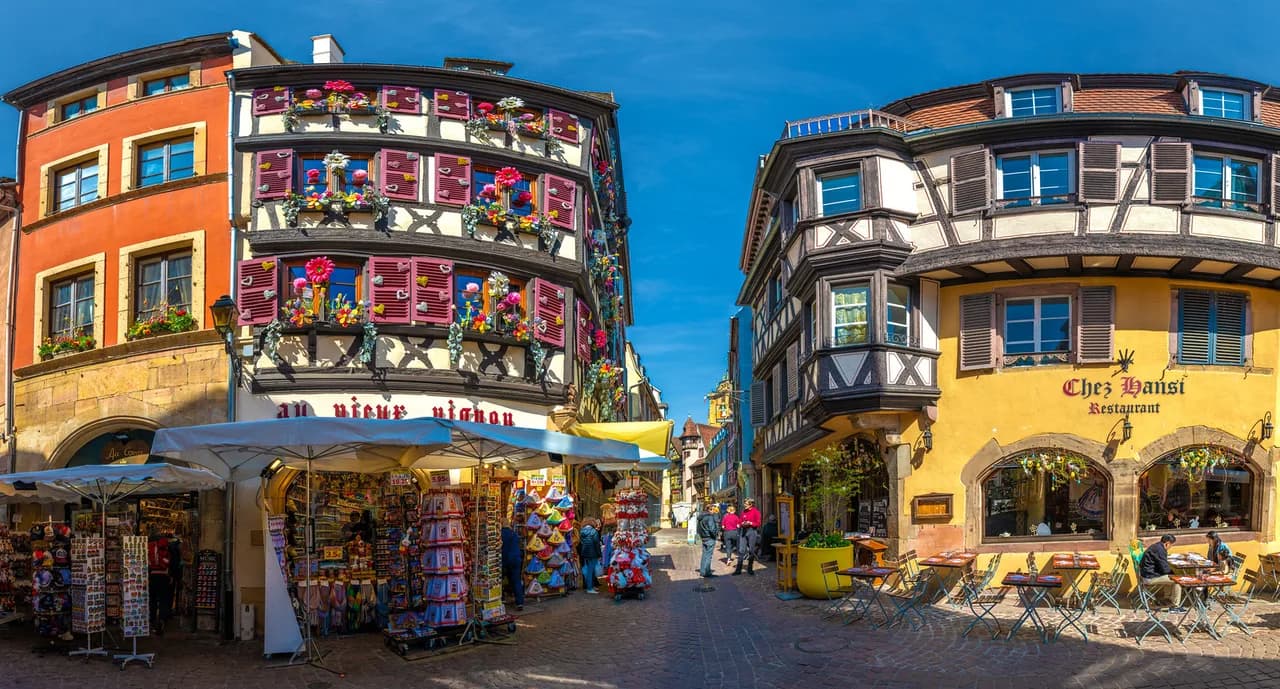
Colmar suits travellers who are happy to spend a morning photographing half-timbered houses, stop for coffee and let the day find its own shape. It suits them because the town itself is the attraction, not a sequence of ticketed sights.
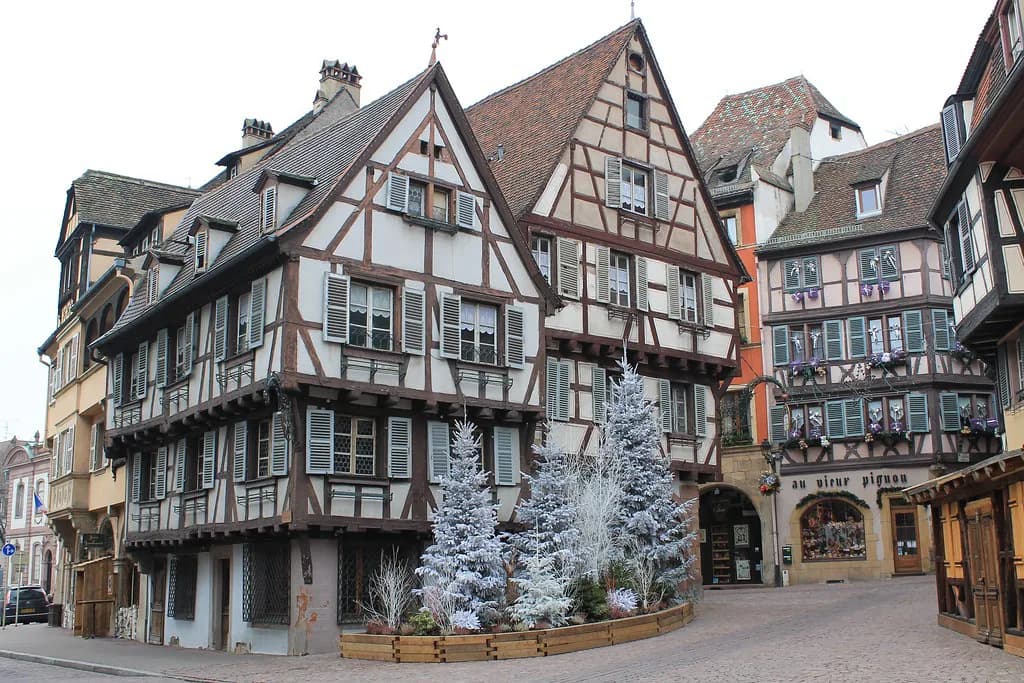
It is a poor fit for anyone who measures a destination by the number of museums, tours and monuments on the list. The city's appeal rests on canals, pastel houses and window boxes rather than a dense trail of monuments, and a weekend built around ticking off sights will feel thin by the second afternoon.
The honest test is simple: if the appeal of a colourful, compact French town with canals and wine country around it sounds like enough, book it. If you need a reason to be busy from morning to night, look at a larger city instead.
What Colmar does well: a compact, car-free old town you cross in 20 minutes
The old town is entirely walkable and most of it is car-free, which changes the character of a weekend. You can cross the historic centre in about 20 minutes on foot, so nothing on a short break requires a bus, tram or taxi.
That compactness pays off in the evening as much as the day. Because the centre is small, you can return to the same square or canal three times in a weekend without losing time to travel between them.
From the train and bus station it is roughly a 20-minute walk into the centre. Arriving with a small case rather than a large one makes that final stretch far easier on cobbles.
The sights that anchor a day: Petite Venise, St Martin's Church, the Marché Couvert and the Unterlinden Museum
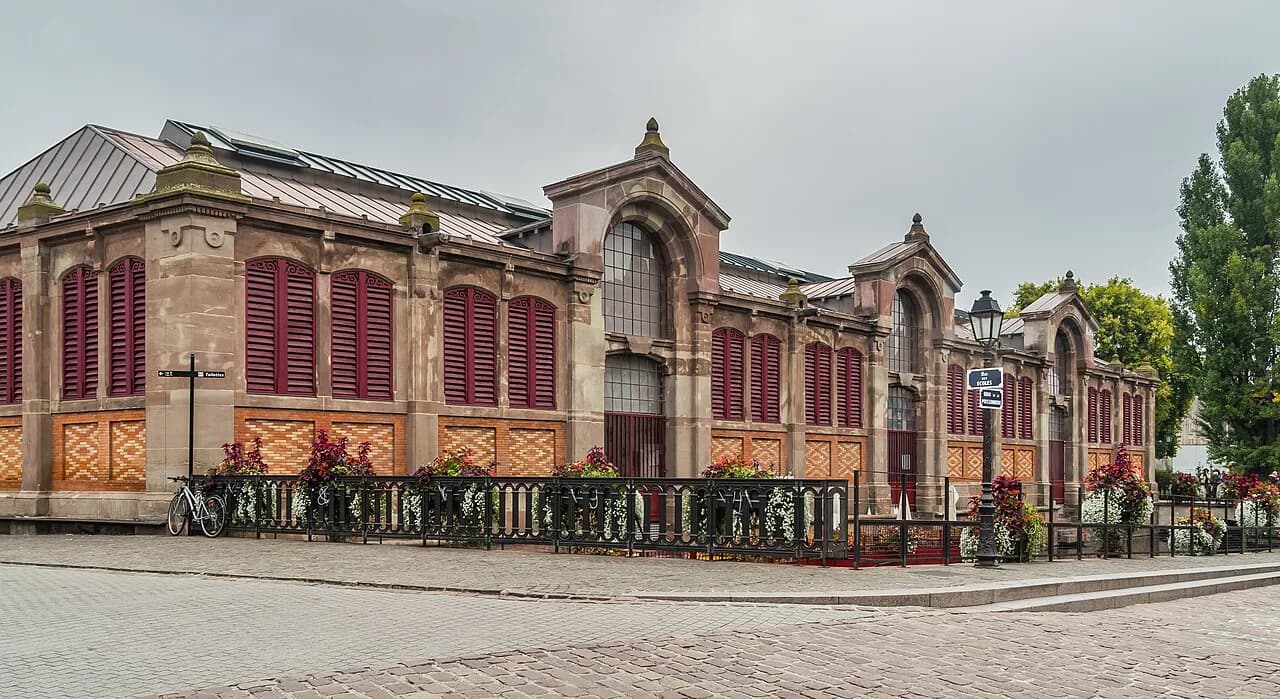
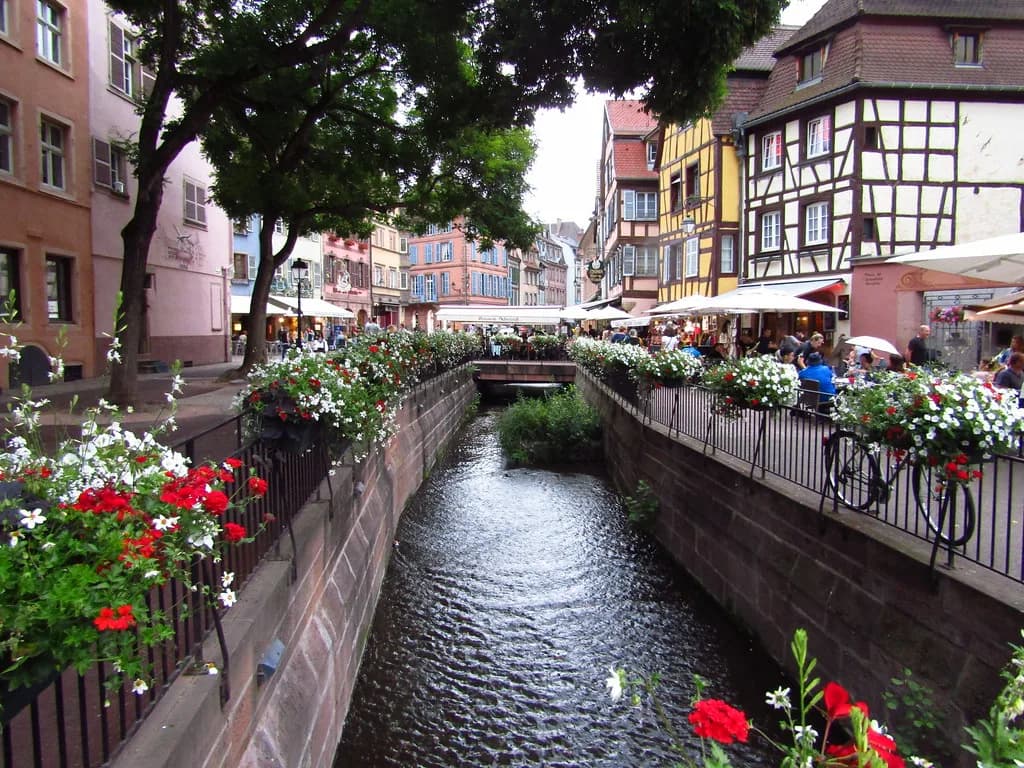
Four places give a Colmar day its structure. Petite Venise supplies the postcard view, St Martin's Church is the Gothic landmark in the centre, the Marché Couvert covered market handles lunch and Alsatian specialities, and the Unterlinden Museum holds the Isenheim Altarpiece.
Petite Venise is the spot everyone photographs, so treat timing as a practical decision. Early morning or late afternoon gives you fewer people in the frame, while the middle of the day brings the tour groups.
The Unterlinden Museum is the strongest indoor option, and the Isenheim Altarpiece gives it real weight if you like art and history. It also earns its place on a wet day, when the canals lose some of their charm.
A short canal boat ride is a pleasant way to see the town from water level, and it takes little out of the day. Check the museum's ticket price and current opening days when you arrive, since these are the details most likely to alter a plan.
Who will love Colmar, and who will find a day is enough
Colmar rewards people who like atmosphere, food, people-watching and photography over organised activities. If your ideal afternoon is a café table and a slow loop through old streets, this town was built for you.
Visitors who want a packed schedule of tours, museums and attractions will find the town short on material. The core can be seen in a day, and beyond wandering, a church, a market and some shopping, there is not much else in the centre itself.
That does not make Colmar a wasted stop, because its position is the real asset. The Alsace villages and the wine country around it turn a one-day town into a three-day base.
How long Colmar needs: one day for the historic core, three days with Alsace villages
One full day covers the historic core comfortably, including Petite Venise, the church, the market and a museum. A single overnight stay lets you see it in the evening after the day-trippers leave, which many visitors rate as the best part.
Three days is the realistic figure if you want the surrounding villages as well. Eguisheim, Kaysersberg, Riquewihr and Ribeauvillé all sit within striking distance and each deserves more than a photo stop.
A small-group tour removes the parking problem in the villages and drops you in each centre, while a rental car gives you freedom over timing. Choose the tour if you want four villages in a day, and the car if you prefer two at your own pace.
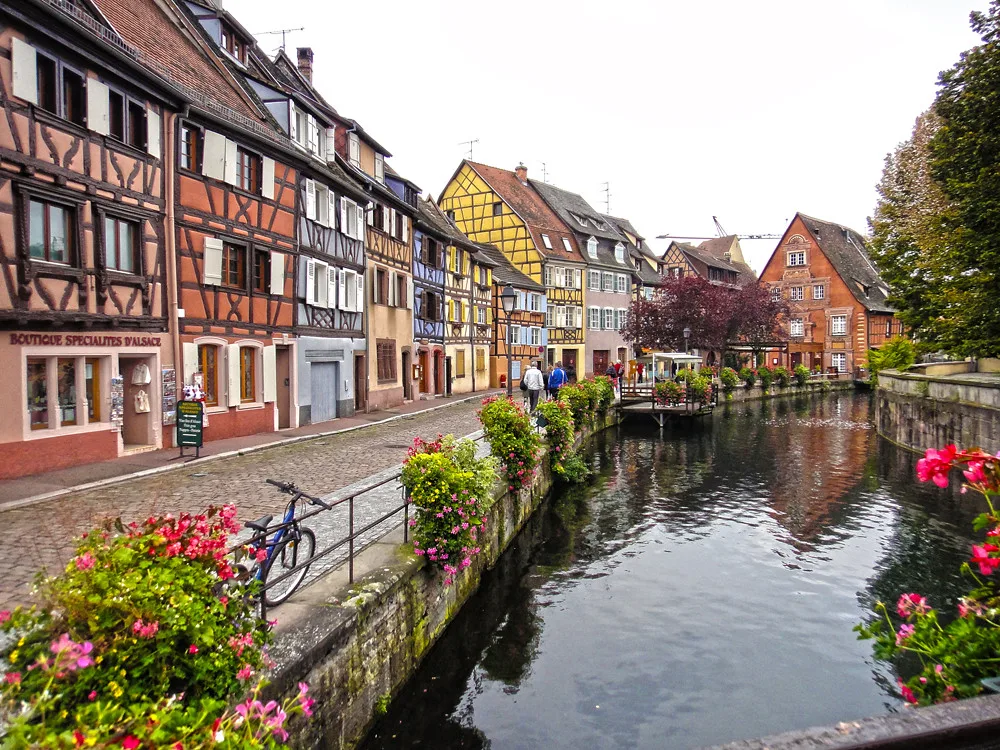
When to go: summer crowds, mild holiday-season visits and why December changes the day's shape
Summer brings warmth and the heaviest day-trip traffic, so start early if you want Petite Venise without a crowd in front of it. The upside is long evenings and easy wandering after dinner.
The holiday season dresses the whole town in decorations and gives the day a structure that summer lacks, with markets to shop and eat through. December draws the biggest crowds of the year, so staying overnight pays off once the daytime visitors have gone.
Spring and autumn sit between the two, with fewer people in the streets and comfortable conditions for walking the old town. Whichever month you pick, an overnight stay changes the experience more than the season does, and the best time to visit Colmar, season by season, explains how each period reshapes the day.
Colmar or Strasbourg as a base: hotel choice, direct trains and tours weighed up
Strasbourg is the larger city and offers far more hotels and direct train connections from other European cities. If your priority is an easy arrival and a wide choice of places to sleep, Strasbourg is the simpler base.
Colmar wins on character, and the two are only about 30 minutes apart by train. Staying in Colmar puts the fairytale streets outside your door in the morning and evening, which is exactly when the town is at its best.
Tours are the third factor: Strasbourg has far more group tours leaving from it, including village and wine-route day trips. From Colmar the village tours exist but the choice is narrower.
Getting there: trains from Strasbourg, Basel and Paris, and the walk into the centre
Basel-Mulhouse-Freiburg is the most convenient airport, with a direct train to Colmar taking about 45 minutes. Trains from Paris and Zurich take around 2.5 hours with at least one change.
From Strasbourg the train takes under an hour, which makes a day trip possible if you are based there. From Paris the journey is long enough that Colmar works better as an overnight stop than a day trip.
Buses are a workable alternative on some routes, and they drop you at the same station with the same 20-minute walk into the centre. Book the train when you want speed and the bus when the timetable suits you better.
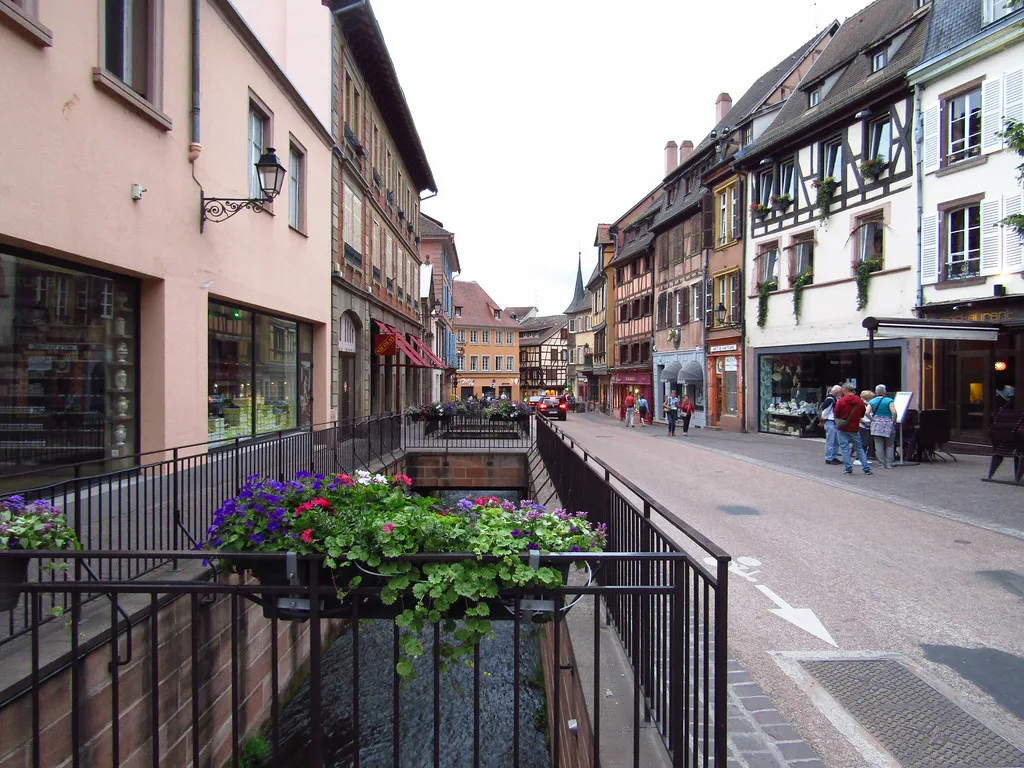
Colmar on a short break: what the day actually looks like, morning to evening
Start early at Petite Venise while the light is soft and the streets are quiet, then loop through the old town towards St Martin's Church. By mid-morning the market is the natural next stop for coffee and something to eat.
Spend the afternoon in the Unterlinden Museum if the weather turns, or take a canal boat ride if it holds. Late afternoon is the second good window for the canals, once the coach groups have moved on, and the full Colmar itinerary sets the stops in a walking order.
In the evening the centre empties out and the streets become pleasant to wander without purpose. Dinner in town rounds off the day, and the walk back to a central room takes minutes rather than a taxi ride.
Costs and expectations: a touristy, not-cheap town, and what that buys you
Colmar is a touristy town, and food and accommodation cost more than in less visited parts of France. What you pay for is the setting: the canals, the half-timbered streets and the ability to walk everywhere.
Don't expect to have the place to yourself outside low season, and budget for the fact that the centre is where everyone concentrates. The compensation is that you never need transport once you are in the old town.
Museum tickets, market produce and restaurant bills vary by season and venue, so check prices at the door or on the venue's own page rather than relying on a figure from an old guide. The best restaurants in Colmar are worth booking ahead in the busy months.
The honest downsides: crowds, thin sight list and a core that is the attraction
The main drawbacks are real. Colmar gets busy, its list of formal sights is short, and the historic core is the attraction rather than a gateway to something bigger.
That means a badly planned trip can feel like two hours of photographs followed by nothing to do. The fix is to treat the town as a base and give the surrounding villages at least one full day.
If you dislike crowds and want a long list of museums, Colmar will disappoint on both counts. If you accept those limits, the town delivers a very specific pleasure that few French cities inside the Grand Est match.
Verdict: book Colmar for atmosphere, not for a tick-list
Book Colmar if you want a walkable, photogenic town where the pleasure comes from wandering, eating and slowing down. Add at least one day in the Alsace villages and an overnight stay, and a weekend here makes sense.
Skip it if you need a dense schedule of sights to justify the trip, or if crowds in a small space will spoil the experience. In that case, a larger Alsace base will serve you better, and Is Aix-en-Provence Worth Visiting? shows how a southern alternative handles the same trade-off between atmosphere and a packed sight list.
Explore more Colmar guides
Frequently Asked Questions
Is Colmar worth visiting for a day?
Yes, one day covers the historic core, including Petite Venise, St Martin's Church, the Marché Couvert and the Unterlinden Museum. Staying overnight changes the experience more than adding a second daytime activity, because the streets are quietest in the morning and evening. If your time is very short, arrive early and leave the canal views for late afternoon.
How long should you spend in Colmar?
Allow one full day for the town itself and three days if you want the surrounding Alsace villages. Eguisheim, Kaysersberg, Riquewihr and Ribeauvillé are close enough for a day out, either by car or on a small-group tour. Many visitors find a single overnight stay gives them the best of the old town without the day-trip crowds.
Is Colmar or Strasbourg better for a weekend?
Strasbourg is the easier base for arrival, with more hotels and more direct train connections from other European cities. Colmar is the more atmospheric place to stay, and the two are around 30 minutes apart by train, so you can base in one and visit the other. Strasbourg also has a wider choice of group tours.
What is the best month to visit Colmar?
Summer is warm and busy, while spring and autumn bring fewer people and comfortable walking conditions. The holiday season draws the biggest crowds but decorates the town and gives the day a structure of markets to browse. Staying overnight helps at any time of year, especially when visitor numbers peak.
What is there to do in Colmar besides wander?
The Unterlinden Museum, home to the Isenheim Altarpiece, is the strongest indoor sight, and St Martin's Church anchors the centre. The Marché Couvert is the place for Alsatian specialities, and a short canal boat ride adds a different view of Petite Venise. Beyond that, the old town itself is the main attraction.
Is Colmar expensive?
Food and accommodation cost more than in less touristy parts of France, which is the price of visiting a very popular small town. Set against that, everything in the historic centre is within walking distance, so you save on transport. Check museum tickets and menu prices on the day, as they are not fixed from season to season.
Sources
Notes for French city breaks
Optional updates to our guides.
You might also like
Continue reading
More guides you'll find useful