Best Restaurants in Strasbourg: What to Eat and Where
Plan where to eat in Strasbourg: the Alsatian dishes worth ordering, named winstubs and cheese tables, and how to time lunch, dinner and bookings.
On this page
Strasbourg eating is Alsatian before it is anything else. Tarte flambée, choucroute garnie, baeckeoffe and cheese-heavy plates dominate the winstubs, the traditional wine rooms, and the densest cluster sits in La Petite France and around the Cathédrale Notre-Dame de Strasbourg. Plan your days around one big Alsatian meal and lighter food either side of it, and the city makes sense quickly.
The dishes to order in Strasbourg
Tarte flambée is the dish to understand first. It is a thin dough base spread with crème fraîche and one or two toppings rather than a loaded pizza, so order it expecting something simpler and sharper than the name suggests. Many restaurants around the city serve it, which makes it the safest single order for a first meal in Strasbourg.
Choucroute garnie is the full Alsatian plate: sauerkraut with several meats, boiled potatoes alongside. It arrives plain rather than sauced, and the portion is generous enough that it works best as the main meal of the day. Order it at lunch if you want the evening free for something lighter.
Raclette is a table dish, not a solo one. You pick one cheese to share across the table and the sides come as all-you-can-eat, so a group of two or three gets better value than a single diner. Finish with a café gourmand, an espresso served with a small selection of desserts, which is the standard French way to end a heavy Alsatian meal.
Kougelhopf, the Alsatian brioche, turns up alongside wine tasting flights and on bakery counters. It is a good thing to buy whole and eat over a couple of mornings rather than a dessert to chase at dinner.
How Strasbourg eating works: service, bookings and timing
Book restaurants in advance where you can, either online or by phone, especially for the named rooms below and for any dinner on a weekend. Some places close between lunch and dinner, which is the single most common trap for a visitor who plans to wing it at 4pm.
Sit-down meals tend to follow French hours rather than all-day service, so build your day around a proper lunch and a later dinner rather than expecting a full menu at any hour. That pattern fits Strasbourg's compact centre well: you can walk the old town in the morning, eat a long lunch and still have the afternoon for a museum or a park, and the museums in Strasbourg close on set days, so check the weekly pattern before you fix which afternoon you spend indoors.
If you want the detail on which kitchens are open on which days and what a table costs, the wider old town pages set out the geography of the centre in more depth. Use them to fix your area first, then pick a restaurant inside walking distance.
Winstubs and classic Alsatian rooms
Chez Yvonne is the benchmark winstub, running since 1873 and serving choucroute garnie in a set of separate wood-panelled rooms. It is popular enough that reservations matter; the style is traditional Alsatian cooking rather than anything reinvented, so go for the classic plates.
Le Tire-Bouchon is one of the most popular restaurants in town, with an old-cellar interior and a menu that includes Bibeleskaes, fried potatoes with smoked salmon, salad and creamy yogurt. It suits a first evening when you want a full Alsatian spread without committing to a multi-course tasting format.
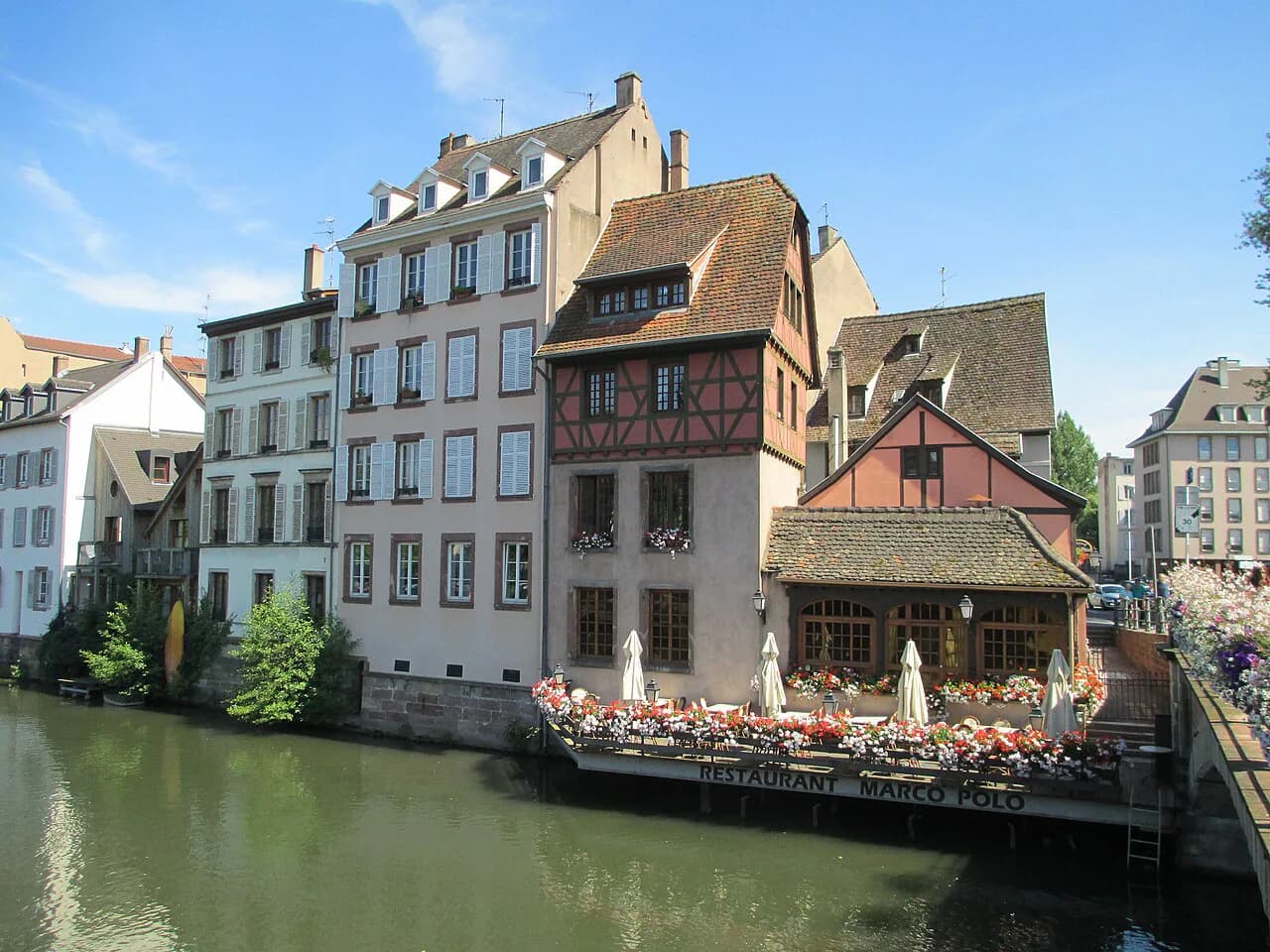
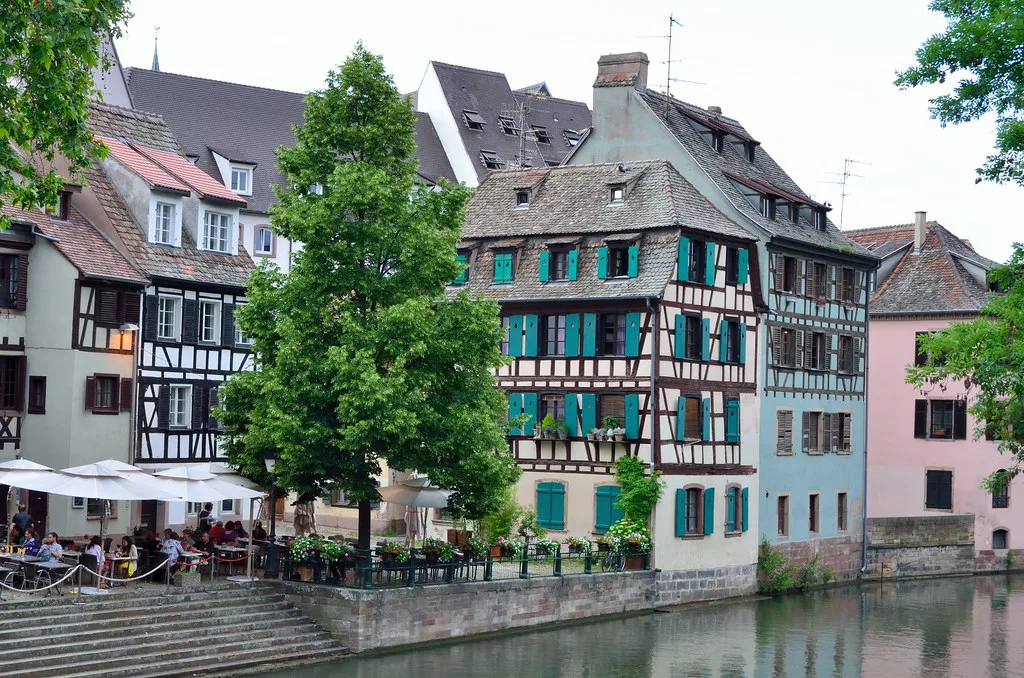
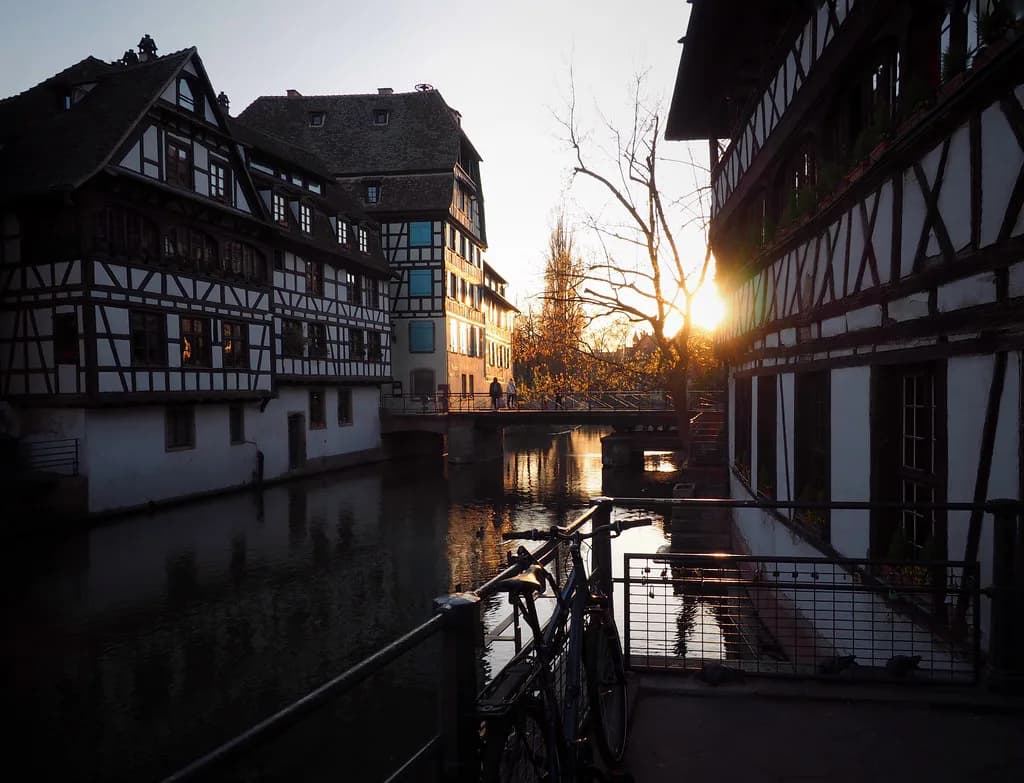
Au Pont Saint-Martin sits in La Petite France and has waterfront views that carry a premium. Reviews are mixed and service can run slow, but the tarte flambée itself is the reason to go; sticking to that one dish is the way to leave without feeling you paid tourist prices for a mediocre meal.
Tarte flambée done properly
A good tarte flambée has a thin, crisp base, a thin smear of crème fraîche and restrained toppings. If you order one expecting pizza with sauce and a pile of ingredients, you will be disappointed; order it as its own thing and it is one of the best cheap meals in the city.
The trade-off at Au Pont Saint-Martin is explicit: you are paying for the setting on the water in the most photographed quarter of Strasbourg, and the service may not match it. Go for lunch rather than a set-piece dinner, keep the order simple and the value holds.
Raclette and cheese: La Cloche à Fromage
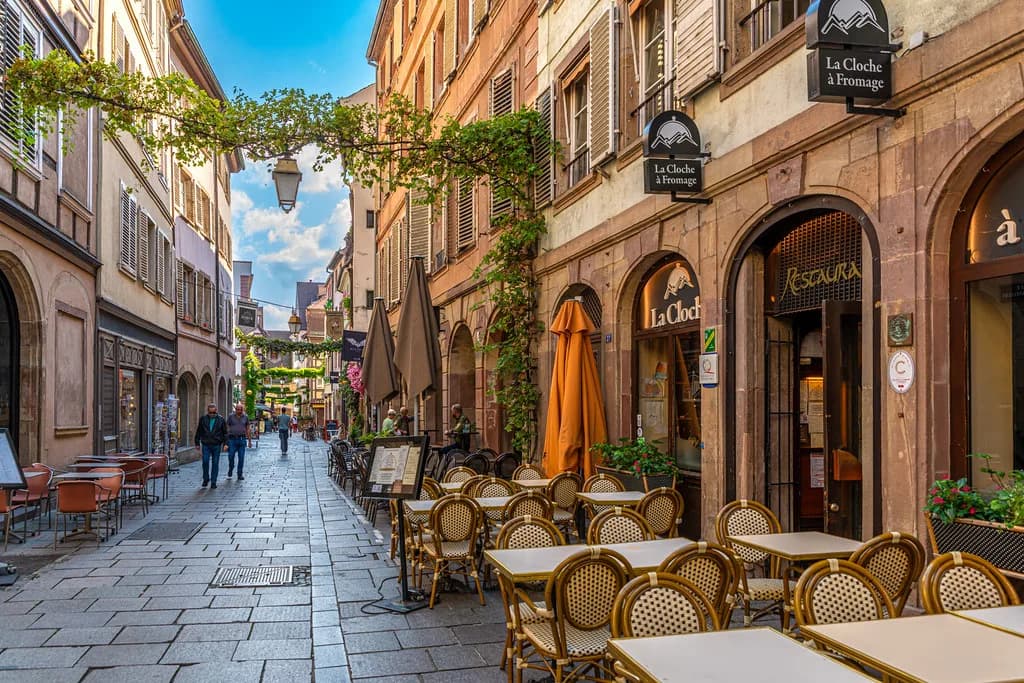
La Cloche à Fromage specialises in raclette, and the format is one cheese chosen for the whole table with unlimited sides of potatoes, meats, pickles and bread. The raclettes range from 37 to 50 euros, and the cheapest option, a Raclette du Jura, is the one to take if you are not chasing a specific cheese.
Reserve a table, and resist ordering widely from the rest of the menu; the cheese, pickles and potatoes are filling enough that extra courses go to waste. It is the right pick for a cold-weather evening or a group dinner where everyone shares.
For cheese to take away rather than eat in, Maison Lorho is a small shop with a queue that moves; wait it out and buy a piece to eat with bread on the riverbank. Pair it with the market food below and you have a very good cheap lunch.
Views and occasion tables: Maison Kammerzell
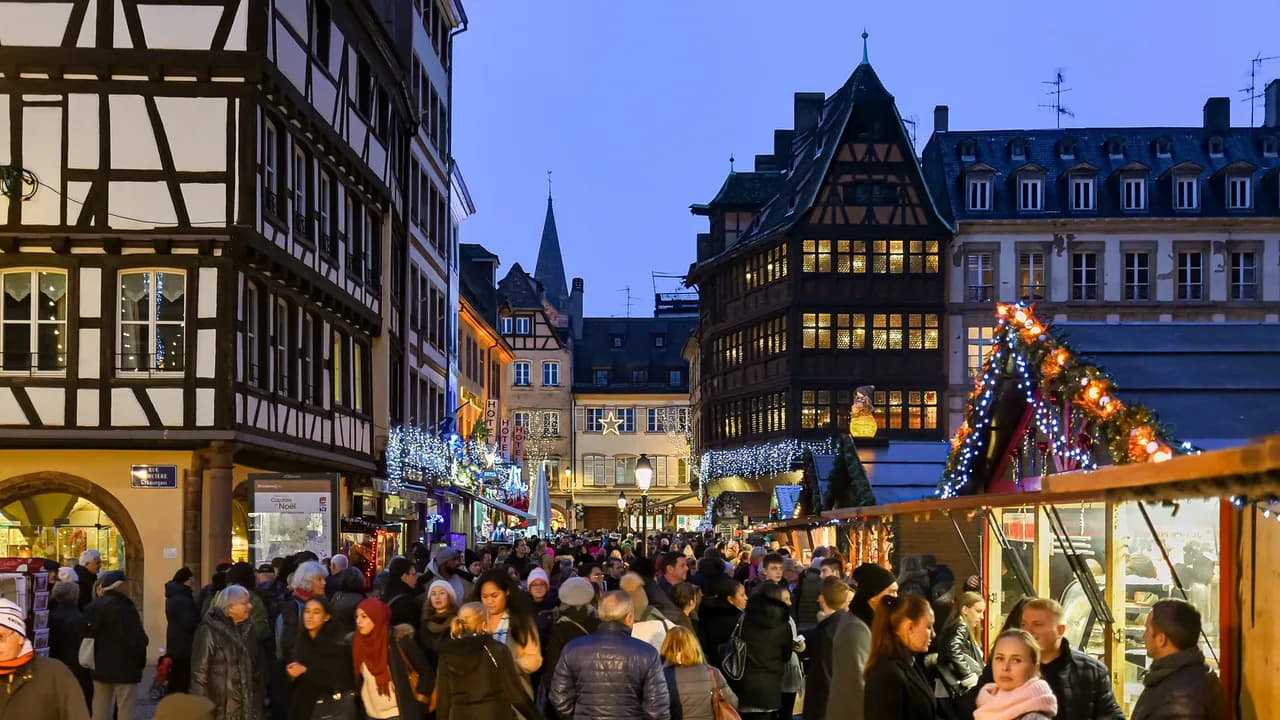
Maison Kammerzell is the building everyone photographs: Gothic foundations from 1467, carved figures and stained glass, sitting directly opposite the cathedral. The draw is the outdoor terrace with a cathedral view, and the food is the supporting act rather than the reason to book.
Inside, the painted rooms are just as striking as the terrace, so the decision is between the view and the interior. Choose the terrace on a warm evening, book ahead if the cathedral view matters, and treat it as a drink-and-one-dish stop rather than a long dinner.
If a big set-piece dinner is not the point of your trip, the view is free from the square itself, and your money is better spent on a winstub. That is the honest trade-off at this address, and the same logic applies to the restaurants around the Cathédrale Notre-Dame de Strasbourg more widely.
Sweet stops and cafés
Naegel is the patisserie stop for tarts and tartelettes, and the fruit tarts often sell out by 4pm, so buy early in the day rather than after a museum. There is no seating inside; take your tartelette to the cathedral square or the riverfront.
Bistrot & Chocolat serves hot chocolate as melted chocolate ordered by origin and percentage rather than a sweet milky drink. The noir option is intense, so order one to share at the table before committing to a cup each.
Café Broglie is the straightforward breakfast stop: coffee and a croissant near Place Broglie, which also puts you beside the Wednesday farmers market. Combine the two and you have a cheap, fast start to a market morning, and the markets in Strasbourg run on fixed days rather than every day.
For a more unusual stop, Au Fond du Jardin serves madeleines in set seatings and requires booking in advance year-round. Check the seatings directly before you build a day around it.
Buying food to eat outside
Place Broglie hosts a Wednesday farmers market with cheese, bread, olives, prepared dishes, vegetables and fruit, and it closes by 11am. Arrive early, buy breakfast and lunch in one go, and eat it on a bench rather than paying for a second restaurant meal.
The flea market runs Wednesday and Saturday from 7am to 6pm, with Saturday the livelier of the two days. It is a browse-and-coffee stop rather than a food market, but it is a good use of a morning before lunch.
Between a market picnic and a cheese-and-bread lunch from Maison Lorho, you can eat very well in Strasbourg for a fraction of a restaurant bill. Save the sit-down budget for one or two named rooms instead of three, and spend the saving in the food shops along the shopping streets instead.
Where each choice fits a two-day weekend
On a two-day break, give the first evening to a winstub such as Chez Yvonne or Le Tire-Bouchon for the full Alsatian spread, and keep the second night for raclette at La Cloche à Fromage if the weather is cold. Lunch slots are better value and easier to book than dinner.
Use a market morning for breakfast and picnic supplies, and a café stop for the afternoon slump rather than a third sit-down meal. That structure leaves room for the cathedral tower and a museum without turning the weekend into a restaurant crawl.
If you are still deciding whether Strasbourg deserves a weekend at all, the honest case is that the food alone justifies it, with one caveat: the touristy addresses nearest the cathedral charge for position. Walk ten minutes for better value.
Booking and timing mistakes to avoid
The most common mistake is assuming continuous service: some Strasbourg restaurants close between lunch and dinner, so a 4pm table is not guaranteed anywhere. Plan an early or late lunch instead of a mid-afternoon meal.
Second is leaving dessert to chance: patisseries and tart shops run out later in the day, so buy pastries in the morning if you want them for the evening. Third is arriving at a farmers market after 11am and finding it gone.
Book the named rooms above in advance, keep one meal a day flexible for market food, and read the rest of the city guide before you fix your days. A clear plan of things to do alongside the eating gives you the classic Strasbourg tables without spending the whole weekend in queues.
Plan Your Strasbourg Eating
Strasbourg rewards a dish-first plan: choose tarte flambée, choucroute garnie or raclette as the anchor of each day, then pick a winstub or cheese room to match. Book the named restaurants ahead, keep a lunch slot open for market food and buy pastries early.
If you want a wider shortlist of French city kitchens to compare against, our guides to best restaurants in Arles follow the same dish-first logic. Confirm current opening days and prices directly with each restaurant before you travel.
Explore more Strasbourg guides
Frequently Asked Questions
What food should I eat in Strasbourg?
Start with tarte flambée, a thin dough base with crème fraîche and one or two toppings. Then try choucroute garnie, sauerkraut with several meats and boiled potatoes, and raclette if you are eating as a group. Finish with a café gourmand or an Alsatian kougelhopf.
Where can I eat tarte flambée in Strasbourg?
Au Pont Saint-Martin in La Petite France is a known address, and many restaurants across the city serve it. Order it as a simple flatbread rather than a pizza, and expect the waterfront setting to carry a premium at the touristy addresses.
Do I need to book restaurants in Strasbourg?
Book ahead for the popular winstubs and cheese rooms, especially at weekends, by phone or online. Build your day around a proper lunch and a later dinner, because some restaurants close between lunch and dinner.
How much does raclette cost in Strasbourg?
At La Cloche à Fromage raclette is served by the cheese, with one chosen for the whole table and unlimited sides. Ask the restaurant for its current price list rather than relying on old figures, since a sit-down cheese dinner is the priciest meal of most Strasbourg weekends.
Where can I buy food for a picnic in Strasbourg?
The Place Broglie farmers market runs on Wednesdays and closes by 11am, selling cheese, bread, olives and prepared dishes. Maison Lorho is a small cheese shop worth queueing for, and patisseries sell tarts to take away.
What dessert is Strasbourg known for?
Tarts and tartelettes from patisseries such as Naegel are the local sweet stop, and they sell out by late afternoon. Kougelhopf, the Alsatian brioche, is the other classic to buy, and a café gourmand ends a restaurant meal.
Are there good affordable restaurants in Strasbourg?
Tarte flambée is the cheapest sit-down order, and market food from Place Broglie or a cheese-and-bread lunch keeps costs down. Save the budget for one named winstub or raclette dinner rather than three restaurant meals a day.
Sources
Notes for French city breaks
Optional updates to our guides.
You might also like
Continue reading
More guides you'll find useful