Strasbourg Itinerary: A Practical 2–3 Day Plan
Plan a Strasbourg weekend with a day-by-day itinerary grouped by area, plus cathedral tower tickets, dinner picks, market days and free museum Sundays.
On this page
Two days covers Strasbourg's headline sights comfortably, and three days lets you add a museum, a market morning and a green escape without rushing. The old town is an island roughly 1.5km end to end, which you can walk across in about 20 minutes, so the real planning problem is grouping stops by area rather than transport.
Build each day around one of the two tourist hubs: the streets around the Cathédrale Notre-Dame de Strasbourg and the Ponts Couverts side towards Petite France. Keep one afternoon free for something slower, either a boat loop around the island or a park, and book dinner before you travel rather than gambling on walk-ins.
Why Strasbourg Suits a Two- or Three-Day Break
Strasbourg packs a cathedral, a canal-side quarter, several museums and a market scene into a walkable centre, which is why a short break works better here than in a larger French city. The old town sits on an island, and the walk from one end to the other takes about 20 minutes across roughly 1.5km. That means you can move between the cathedral and the bridges on foot within a single morning.
The trade-off is that everything central is compressed, so a packed schedule buys you little. Better to pick two or three anchors a day and let the wandering fill the gaps, because the half-timbered streets between the hubs are the point. If you are still deciding whether the city justifies the trip, it is worth weighing what a short break here actually delivers.
How to Shape the Days
Treat the cathedral quarter as your morning hub and the Ponts Couverts side as your afternoon one. The cathedral area gives you the tower climb and the Palais Rohan museums, while the bridges and Petite France give you the classic views and the waterfront restaurants. Splitting them this way cuts backtracking and leaves the middle of the day for a proper sit-down lunch.
Keep one slot for a green escape if the weather holds: the Parc de l'Orangerie in the west of the city, or the flat park around the Château de Pourtalès out by tram. These are half-day options, not filler, and they suit a third day better than a second. For the full menu of sights before you commit, the city's attractions are grouped by area.
Day 1 Morning: the Cathedral and the Tower Climb
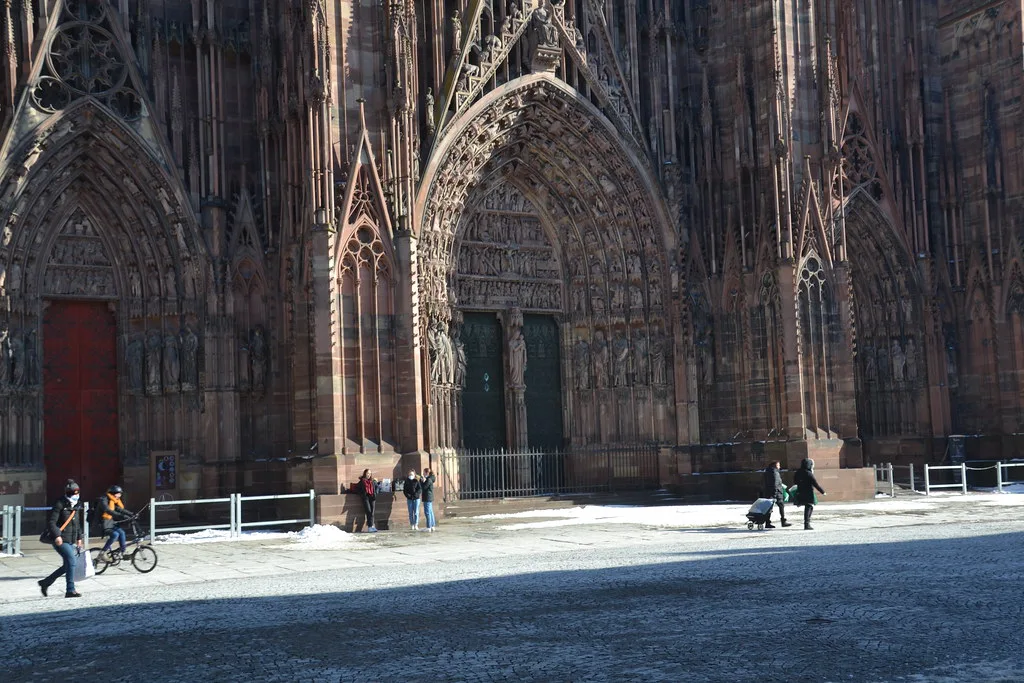
Start at the Cathédrale Notre-Dame, where entry to the interior is free and the tower climb costs €8. Allow about 10 minutes to walk through the inside, then decide whether the climb fits your day: the tower is 142 metres, and moderately fit visitors reach the top in roughly five minutes of steady stairs. The reward is the view over the rooftops, so pick a clear morning.
The cathedral opens Monday to Saturday from 8:30am to 11:15am and again from 12:45pm to 5:45pm, with Sunday and public holiday hours of 2pm to 5:15pm. That mid-morning gap matters: arrive early enough to see the interior before the doors close, or plan to return after lunch. The surrounding lanes are the densest part of the old town for wandering afterwards.
Day 1 Afternoon: Petite France, the Ponts Couverts and the Barrage Vauban
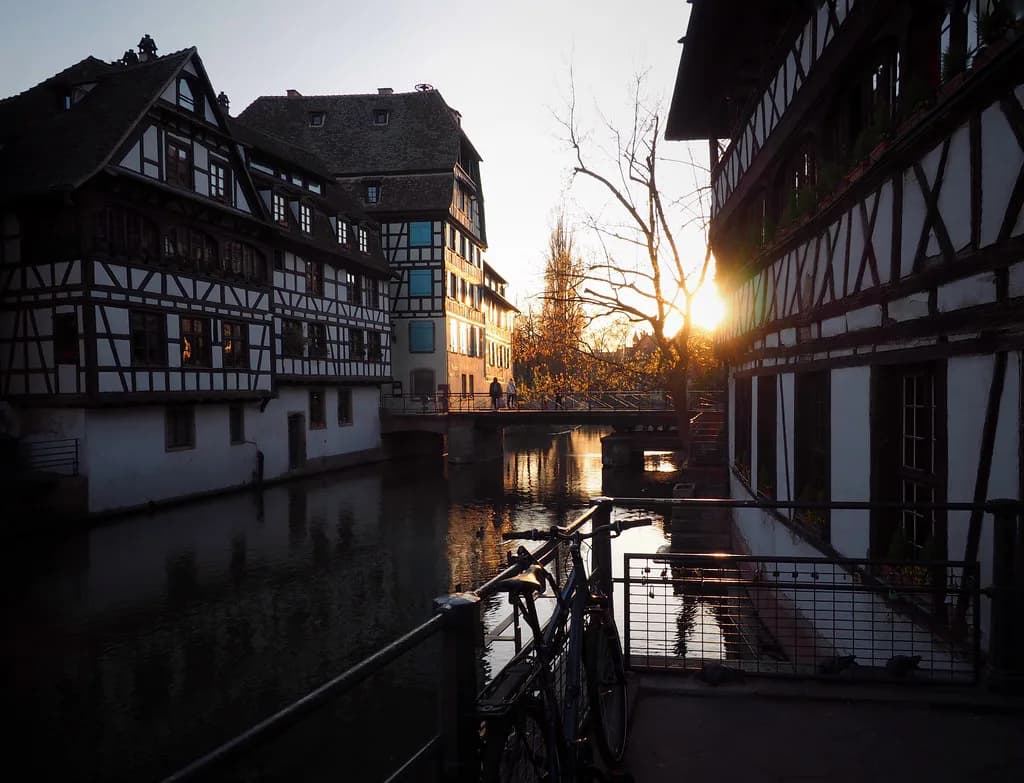
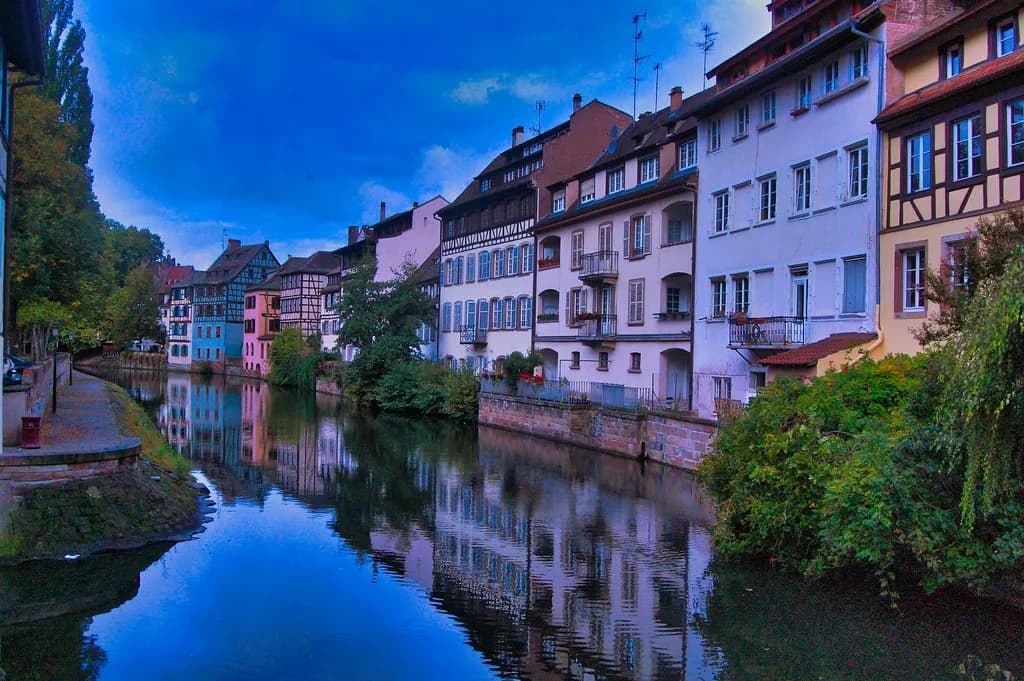
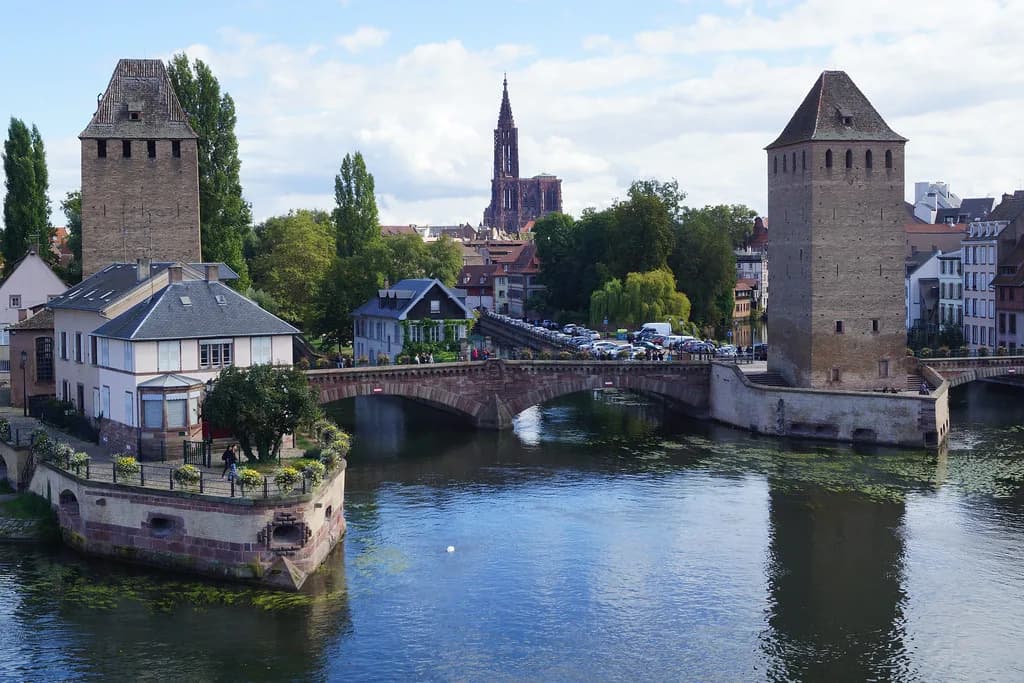
Walk southwest to Petite France for two set pieces: the Ponts Couverts, a group of three bridges with two 13th-century towers, and the Barrage Vauban, whose terrace gives the best view back over the bridges and the quarter. The dam spans about 120 metres across the Ill on 13 arches, and you can walk across the top for the panorama. Give this stretch an hour or two with stops.
The Maison des Tanneurs, a classic Alsatian half-timbered building now used as a restaurant, anchors the quarter and is worth a look even if you eat elsewhere. Shops here lean towards tourist fare, so treat it as a viewing stop rather than a shopping one. It is also the most photogenic part of the city, which means it is busiest in the middle of the day.
Day 1 Evening: Dinner Near the Cathedral
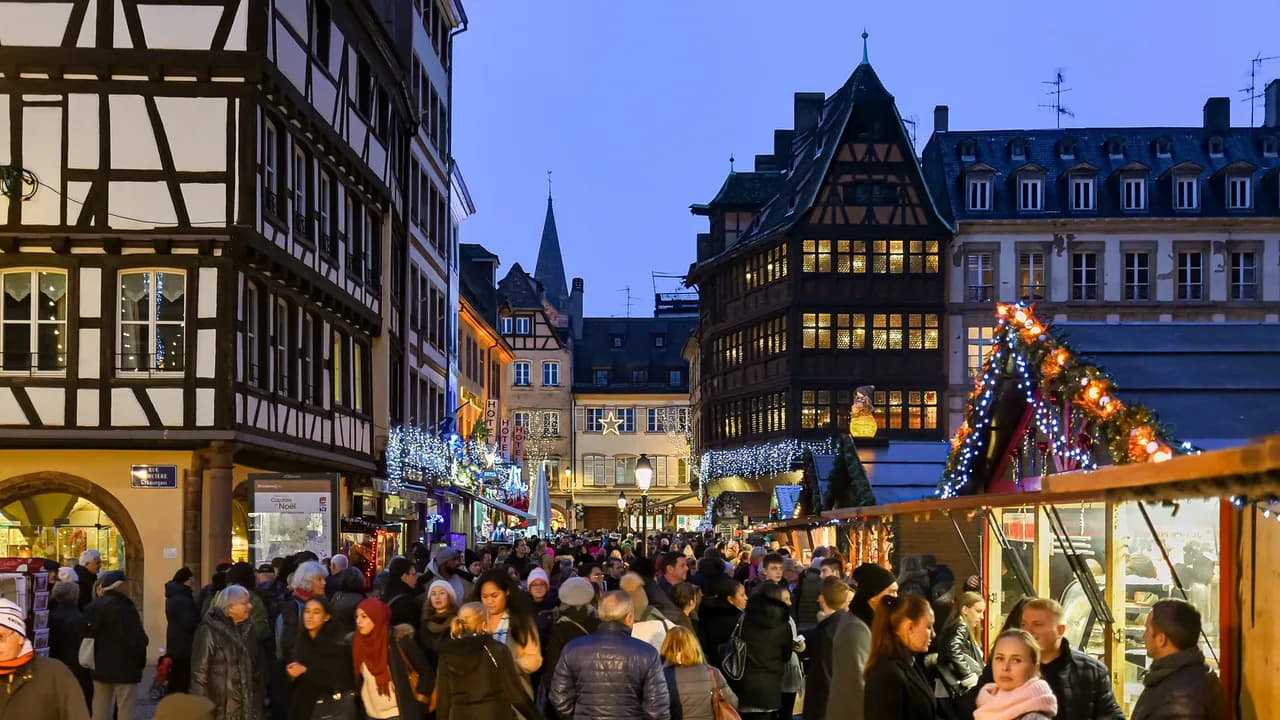
Book dinner in advance for your first night, because popular rooms in the centre fill up and some kitchens close between lunch and dinner. Maison Kammerzell, with Gothic foundations from 1467 and a façade covered in sculpted figures and stained glass, puts you directly opposite the cathedral; an outside table there gives you the façade at dusk. The building alone justifies the detour, and the classic Alsatian dishes are the reason to stay.
Le Tire-Bouchon is another strong central choice, popular enough that reserving is the sensible move, with a cellar-like interior and dishes such as bibeleskaes with fried potatoes and smoked salmon. Whichever you pick, finish with a café gourmand, an espresso served with a small selection of desserts and easily shared. For a wider spread of options by area, browse the city's restaurants before settling on a table.
Day 2 Morning: Pick One Museum
If you see only one museum, make it the Historical Museum of the City of Strasbourg, which explains how the city passed between French and German rule and takes about 1.5 hours. That context makes the rest of the old town legible: the architecture, the street names and the food all make more sense afterwards. Set aside a full morning rather than squeezing it between other stops.
Day 2 Alternative: the Palais Rohan Museums
The Palais Rohan houses three museums on one ticket each at €7.50: the Museum of Fine Arts, the Museum of Decorative Arts and the Archaeological Museum. The fine arts collection is small and takes about 30 minutes, which makes it an easy add-on rather than a morning's commitment. If you have time for two, the archaeological museum is the more rewarding companion. The city's modern and contemporary art museum is a separate stop and also costs €7.50, with two floors of works including pieces by Miró, Kandinsky and Picasso that take around an hour to see properly. Choose between the historical museum and this one based on whether you want the city's story or its art, not both in one morning. Prices and opening days are worth confirming with each museum before you go.
Day 2 Afternoon: Boat Cruise or the Place Broglie Market
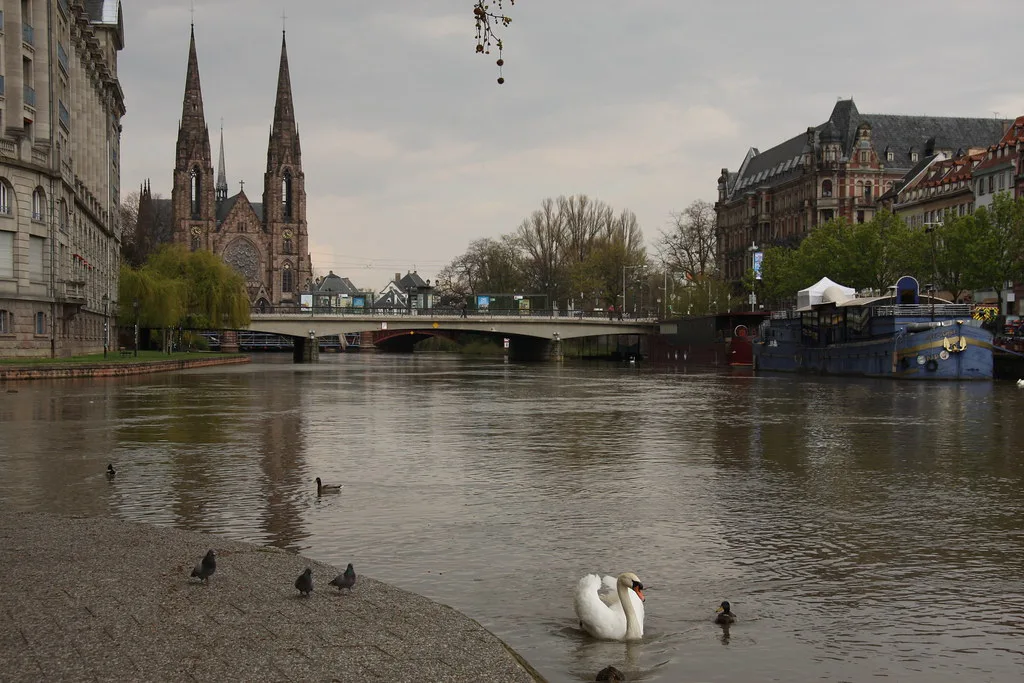
The Batorama boat loop around the island typically starts around 10am and runs about 1 hour 15 minutes, with covered, heated boats and recorded commentary in English and 11 other languages euro. With the Strasbourg City Card, the fare came to €11.95 in the year of that trip, and tickets are sold at the Batorama office on Place de la Cathédrale with boarding close by. Check current departure times and fares when you book, since the schedule shifts with the season.
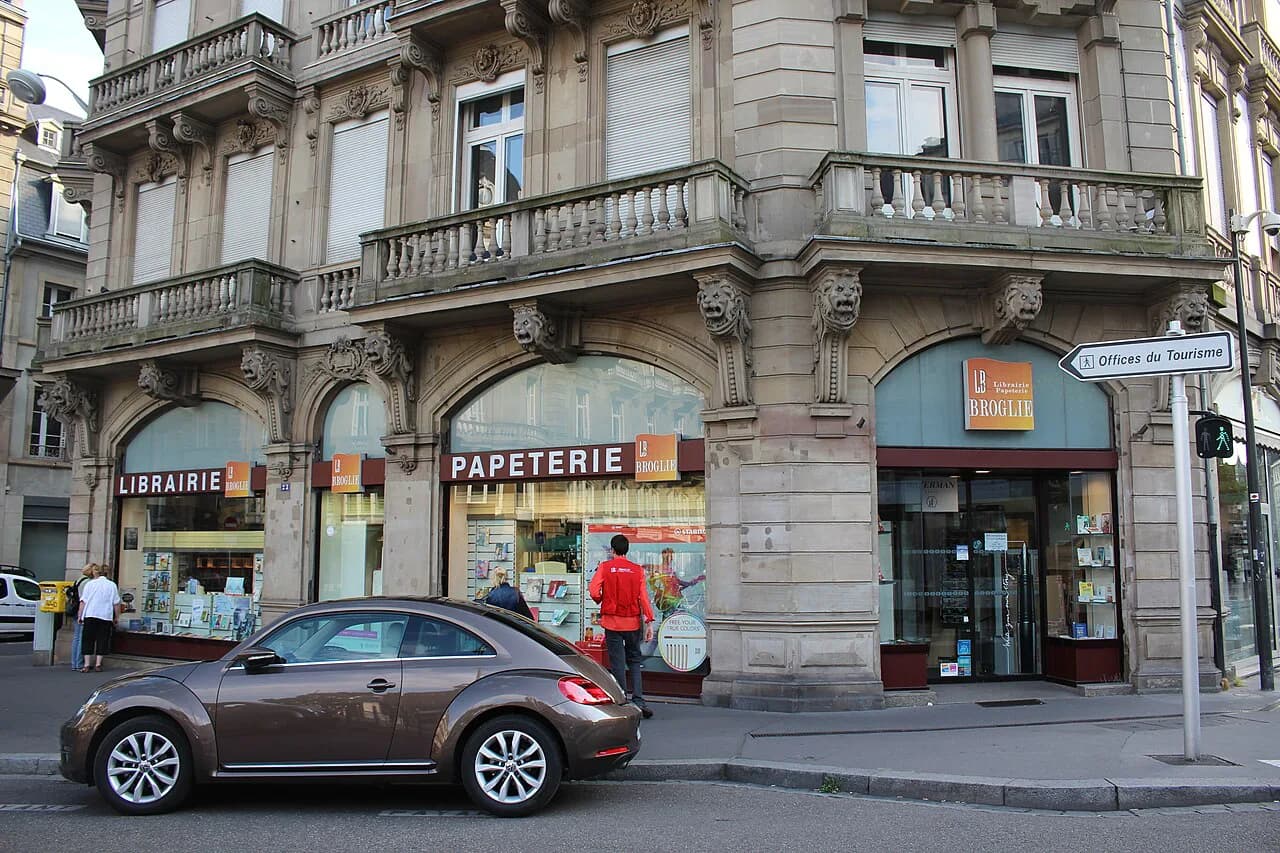
If you would rather stay on land, the Wednesday farmers market at Place Broglie, outside the Opera House, sells cheese, bread, olives, prepared meals, vegetables and fruit, and closes by 11am. That early finish makes it a morning commitment, not an afternoon one, so pair it with a museum visit later in the day. The market is sometimes replaced by a fair, so check before you build your morning around it.
Day 2 Evening: Tarte Flambée in Petite France
Tarte flambée is a thin flatbread with a crème fraîche base and one or two toppings, closer to an Alsatian specialty than to pizza, and it is the dish to order on your second evening. Au Pont Saint-Martin in Petite France serves it with waterfront views; stick to the tarte flambée rather than the pricier menu items and you will feel you got value. The setting is touristy but genuinely worth seeing.
For a bigger production, La Cloche à Fromage specialises in raclette, with raclettes ranging from €37 to €50 and all-you-can-eat sides including potatoes, pickles, meats and bread. It is a long, filling meal rather than a quick stop, so book it for an evening when nothing else is planned. Reservations are the sensible default at both places.
Day 3 Option A: the Flea Market Morning
The flea market runs on Wednesdays and Saturdays from roughly 7am to 6pm, and 10am is a good compromise between stalls being set up and the best pieces going. Saturday is the livelier of the two days, though weather affects how many vendors turn out. Expect clothes, chandeliers and trinkets rather than serious antiques, and bring cash and a bag.
Pair it with a coffee and a pastry afterwards rather than planning a second big sight for the same morning. Markets are slow, sociable places, and trying to fit a museum in before lunch defeats the point. If your trip falls outside Wednesday and Saturday, move straight to the park options instead.
Day 3 Option B: Parc de l'Orangerie or Château de Pourtalès
The Parc de l'Orangerie is the easier green escape: in spring you can see young storks in the nests around the park and neighbouring streets, and there are small boats to rent on the lake plus a waterfall and rose garden. It suits a relaxed couple of hours rather than a full day. Bring a picnic if the weather is kind.
The park around the Château de Pourtalès is larger and reached by tram or taxi; the paths are flat and easy, and cycling is popular there. Loops can stretch long if you follow the trails, so decide your route before you set off rather than drifting into an unplanned 11km walk. It is the better choice if you want distance and quiet over convenience.
Day 3 Lunch and a Sweet Stop
Naegel is the patisserie stop for tarts and tartelettes, and the queue outside is a sign you are in the right place rather than a reason to walk on. Go early in the day: the tarts can run out by around 4pm, and there is no seating inside, so take yours to the cathedral square or the riverfront. Sandwiches and soups are also sold for a quick lunch.
Maison Lorho is the cheese shop to seek out, small enough that a line forms outside, and worth waiting in for supplies to eat later. Between the two you have lunch and dessert sorted without a restaurant booking. Both are the kind of small specialist shop that makes a self-catered lunch better than a rushed café stop.
Free and Cheap Levers
Municipal museums open free on the first Sunday of every month, which reshapes a weekend plan if your dates are flexible: land that Sunday on a museum day and spend the rest of the trip outdoors. Outside that window, budget for the individual tickets. Free entry applies to the municipal museums, so check which ones qualify before counting on it.
The Strasbourg City Card cost €6 at the tourist office or €5 online, was valid for seven days, and gave reduced rates on the boat tour, the astronomical clock presentation, the cathedral platform, the municipal museums and bike rental. If you plan two or three of those, the card can pay for itself. The European Parliament also offers free visits, though you should confirm the arrangements before travelling.
Eating Notes and Daily Rhythm
Some restaurants close between lunch and dinner, so a late-afternoon hunger pang is best answered by a bakery or a tart rather than a restaurant table. Book evening meals ahead where you can, especially for the well-known rooms near the cathedral and in Petite France. Café gourmand is the standard way to finish: an espresso with a small selection of desserts, generous enough to share.
Hot chocolate here means melted chocolate rather than powder, ordered by origin and percentage; at Bistrot & Chocolat a single dark serving is rich enough to share before ordering your own. For coffee and a croissant, Café Broglie is a straightforward breakfast stop. If you are travelling with a laptop, Anticafe works on an hourly rate with drinks included, so check current prices and opening hours before you settle in for a session.
A One-Day Version for a Stopover
Arriving by train with a single day, go straight to the cathedral for the free interior, climb the tower if the queue is short, then walk southwest through Petite France to the Ponts Couverts and the Barrage Vauban terrace. That route covers the two hubs on foot in a few hours with a lunch stop between them. It is the highest-value use of a short stop.
If time allows only one extra, take the boat loop for the orientation it gives you, or the Wednesday Place Broglie market if your visit falls on that morning. Skip the museums on a one-day trip: they reward time you do not have. If you are weighing a longer city break against another destination, a comparable three-day plan elsewhere shows how much a short trip can hold, such as this 3 days in Cannes itinerary.
Where Three Days Beats Two
Two days gets you the cathedral, the tower climb, Petite France and one museum or boat trip, which is a satisfying weekend. Three days adds a market morning, a park or a second museum without turning the trip into a checklist. The extra day is worth it if you like markets and slow lunches more than ticking off sights.
If you are short on time, cut in this order: the second museum, the park, then the boat. Keep the cathedral, the bridges and one good dinner, because those are the experiences that define the city. Timing matters too: the season changes how much daylight you have for the outdoor stops.
Plan Your Visit
Lock in two anchors per day, keep one flexible afternoon, and reserve your dinners before you travel. That structure fits Strasbourg's compact geography and leaves room for the wandering that makes the city worth the trip.
Check the cathedral hours, the boat departure times and museum prices and opening days directly with each operator as your dates approach, since these are the details most likely to shift between seasons. Everything else, from the bridges to the tarts, you can arrange on the day.
Explore more Strasbourg guides
Frequently Asked Questions
How many days do you need in Strasbourg?
Two days covers the cathedral, the tower climb, Petite France and either one museum or the boat loop. A third day adds a market morning, a park or a second museum at a relaxed pace, and it is the better choice if you like slow lunches and browsing stalls rather than ticking off sights.
Is two days enough for Strasbourg?
Yes, if you group each day by area instead of criss-crossing the centre. The old town is an island roughly 1.5km end to end, which takes about 20 minutes to cross on foot, so the cathedral quarter and the Ponts Couverts side can each carry a half-day without transport.
What should you do on a first visit to Strasbourg?
See the cathedral interior, which is free, climb the tower if the morning is clear, then walk southwest to the Ponts Couverts and the Barrage Vauban terrace for the classic view over Petite France. Finish with an Alsatian dinner near the cathedral, booked ahead, or a tarte flambée in Petite France.
Are Strasbourg museums free on the first Sunday of the month?
Municipal museums open free on the first Sunday of every month, which makes that date worth building a weekend around. The concession covers the municipal museums, so confirm which collections qualify before you plan a museum-heavy day around it. Individual ticket prices are set per museum.
How long does the Strasbourg boat tour take?
The Batorama loop around the island runs about 1 hour 15 minutes and typically starts around 10am, with covered boats and recorded commentary in English and other languages. Departure times shift with the season, so confirm the current timetable and fare at the ticket office on Place de la Cathédrale.
What day is the flea market in Strasbourg?
The flea market runs on Wednesdays and Saturdays, from roughly 7am to 6pm, with Saturday the livelier of the two days. Around 10am is a sensible arrival time, and weather can affect how many vendors set up. Expect clothes, chandeliers and trinkets rather than serious antiques.
What can you do in Strasbourg in one day?
Cover the two hubs on foot: the cathedral interior, the tower climb if the queue is short, then Petite France, the Ponts Couverts and the Barrage Vauban terrace, with lunch between them. If one extra fits, take the boat loop, or the Wednesday Place Broglie market if your visit lands that morning.
Sources
Notes for French city breaks
Optional updates to our guides.
You might also like
Continue reading
More guides you'll find useful