Things to Do in Antibes: Old Town, Beaches and Picasso
Plan a weekend in Antibes with the old town, Port Vauban, the Picasso museum, sandy beaches and the Cap d'Antibes coastal walk, plus how long you need.
On this page
Antibes works as a short break because it gives you a walled old town, a working harbour and sandy beaches within walking distance of each other. Unlike much of the Côte d'Azur, whose shoreline is famously pebbly, Antibes has golden sand at several town beaches, which is reason enough to choose it over a larger neighbour for two or three nights.
Start in the Vieil Antibes lanes behind the ramparts, walk the harbour at Port Vauban, then give the Picasso collection and the coastal path south of town their own half-days. That order keeps you on foot and saves the longer outings for when you have a full day.
How Antibes Is Laid Out
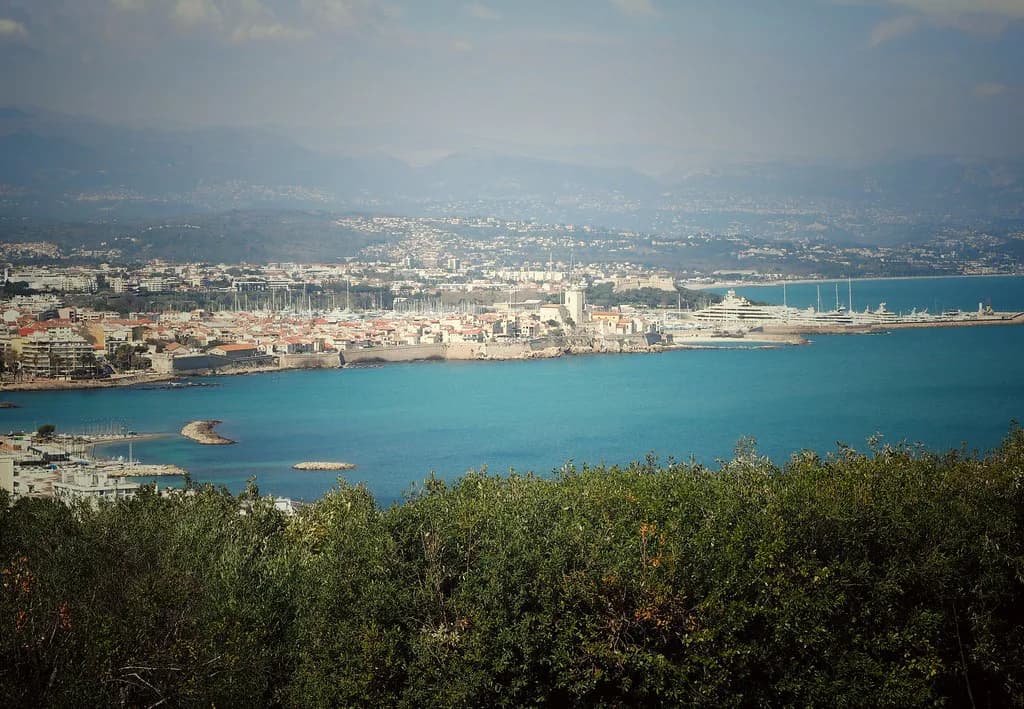
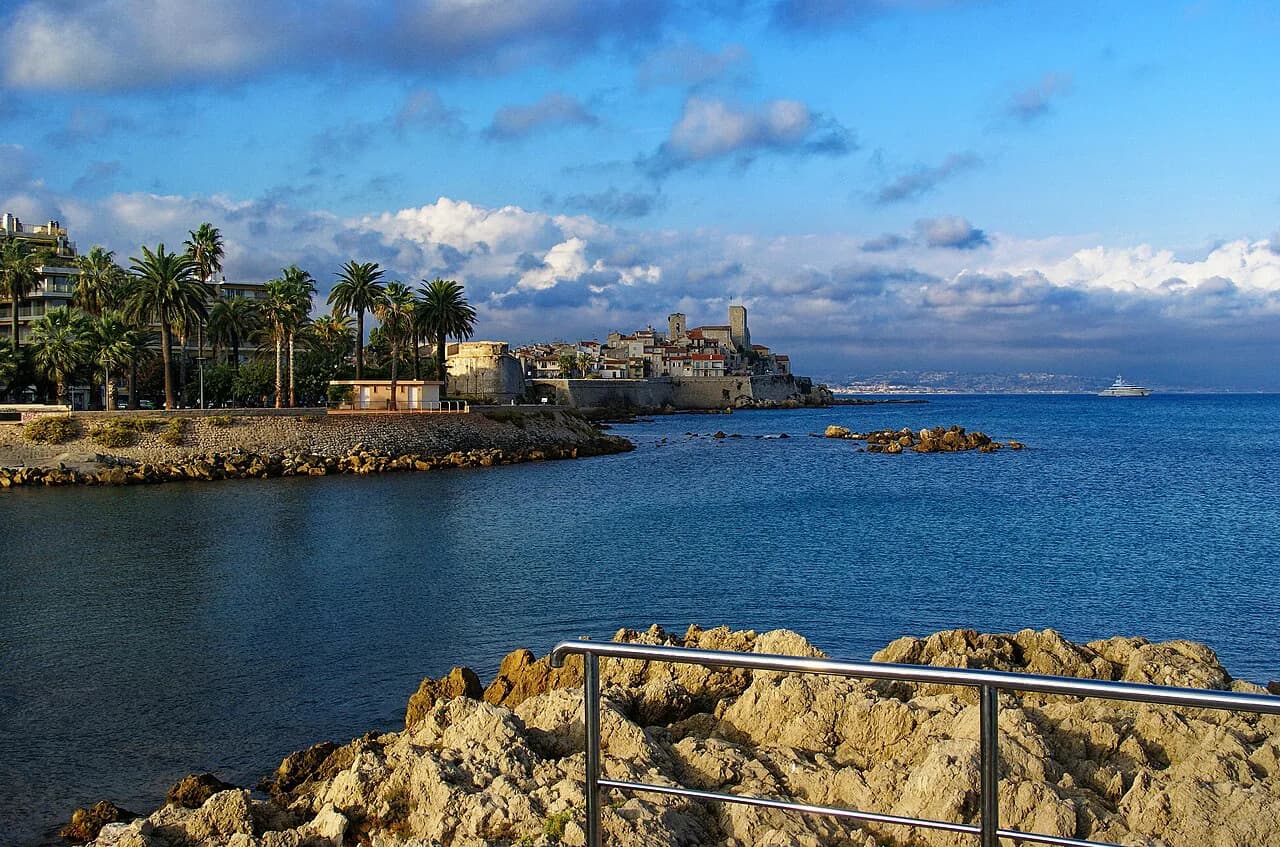
The town sits on a headland with the old town at its tip, the marina wrapping the northern side and the beaches running south towards the Cap. Everything in the centre is close enough to walk, from the station through the shopping streets to the ramparts in well under half an hour. Buses cover the run out to Juan-les-Pins and the Cap if you would rather not walk back.
Think of it as four pieces: Vieil Antibes and the harbour, the beaches immediately south of the walls, the wooded Cap d'Antibes, and Juan-les-Pins across the peninsula. Knowing which piece you are heading for each morning stops you criss-crossing the town, particularly in summer heat.
Start with Vieil Antibes and the Ramparts
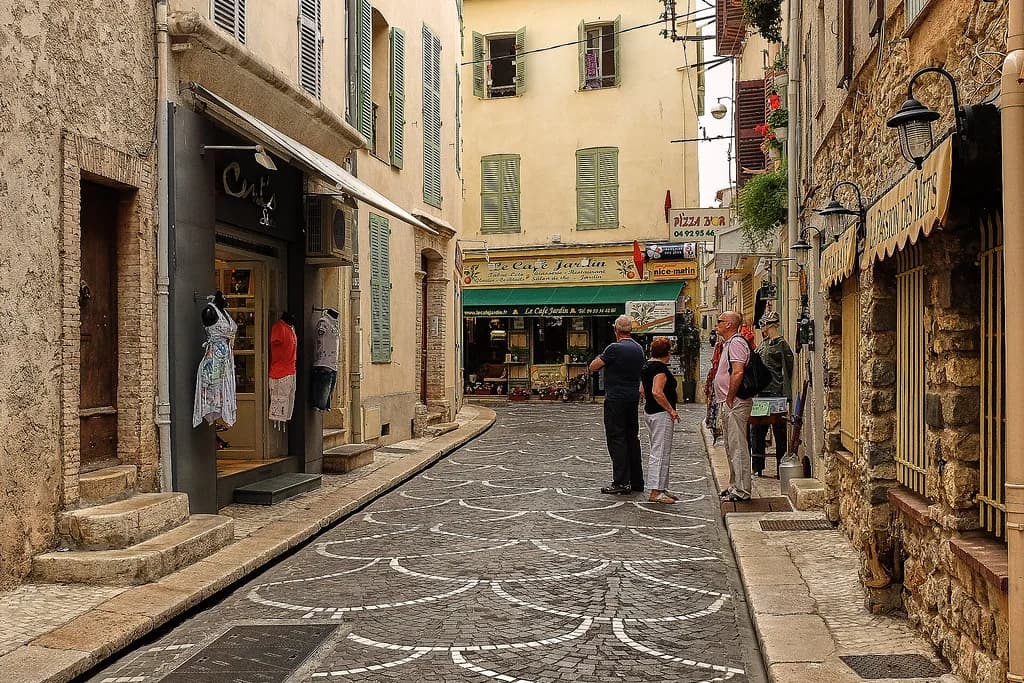
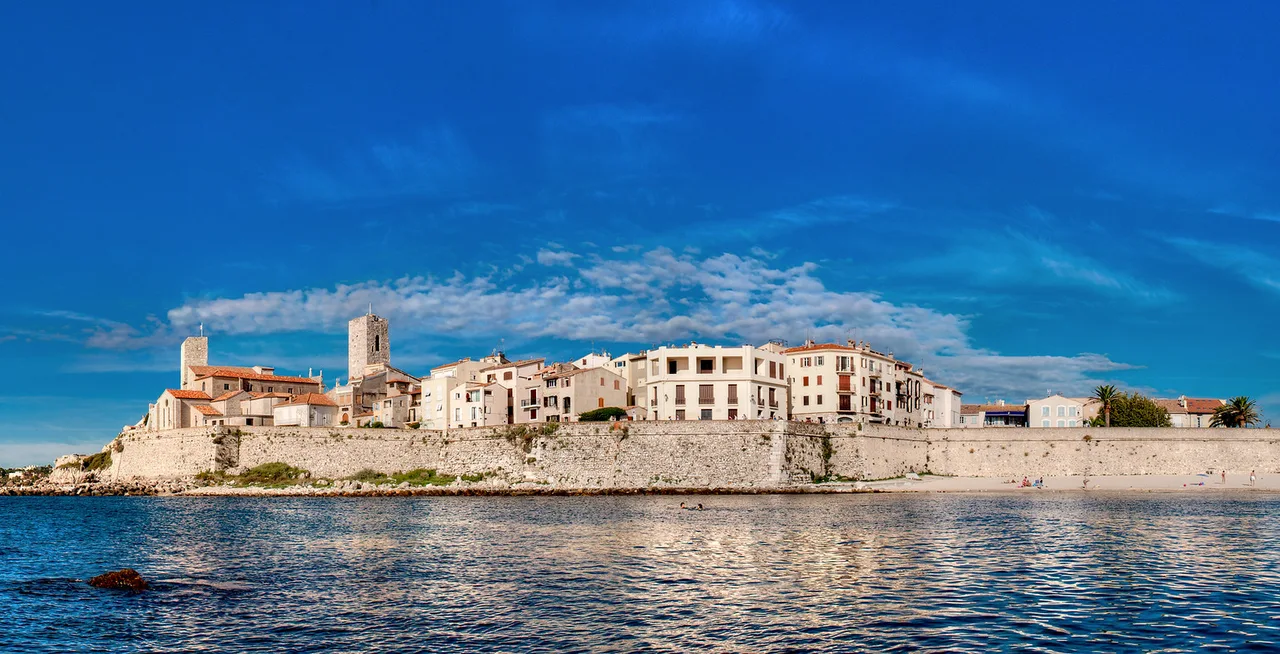
Inside the stone walls, the streets are a maze of cobbles overlooked by pastel buildings with brightly painted shutters, mixed with pavement cafés and small shops. The Baroque Cathédrale Notre-Dame-de-la-Platea, with its rose-pink façade, and the Musée Peynet, devoted to a local cartoonist, both sit among these lanes. Allow a couple of hours simply to wander, longer if you stop for coffee.
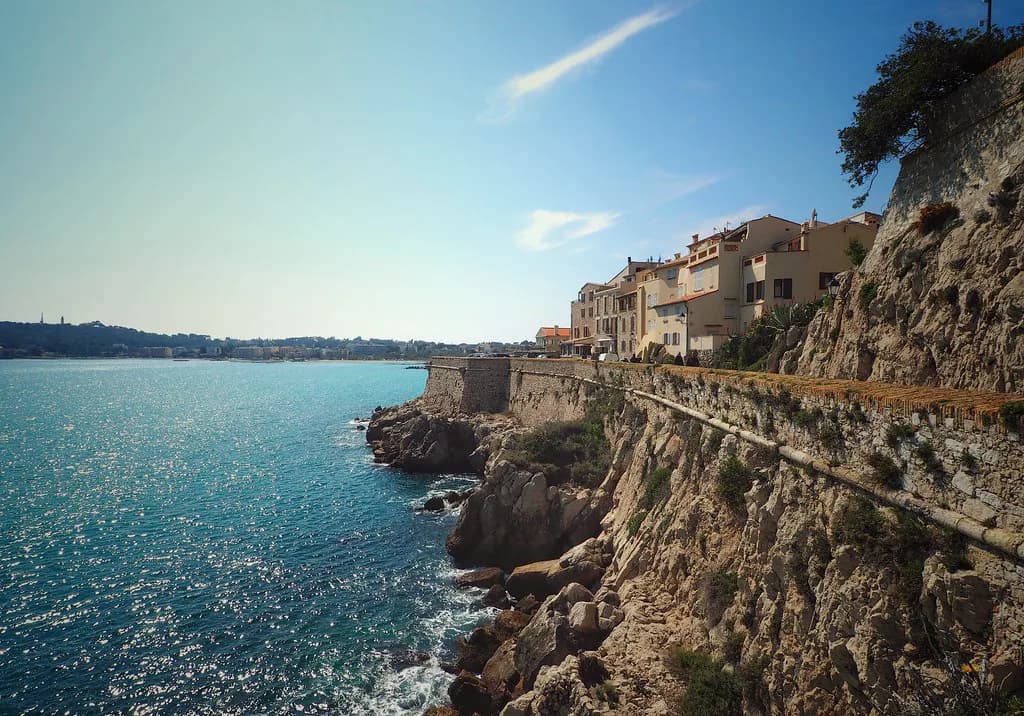
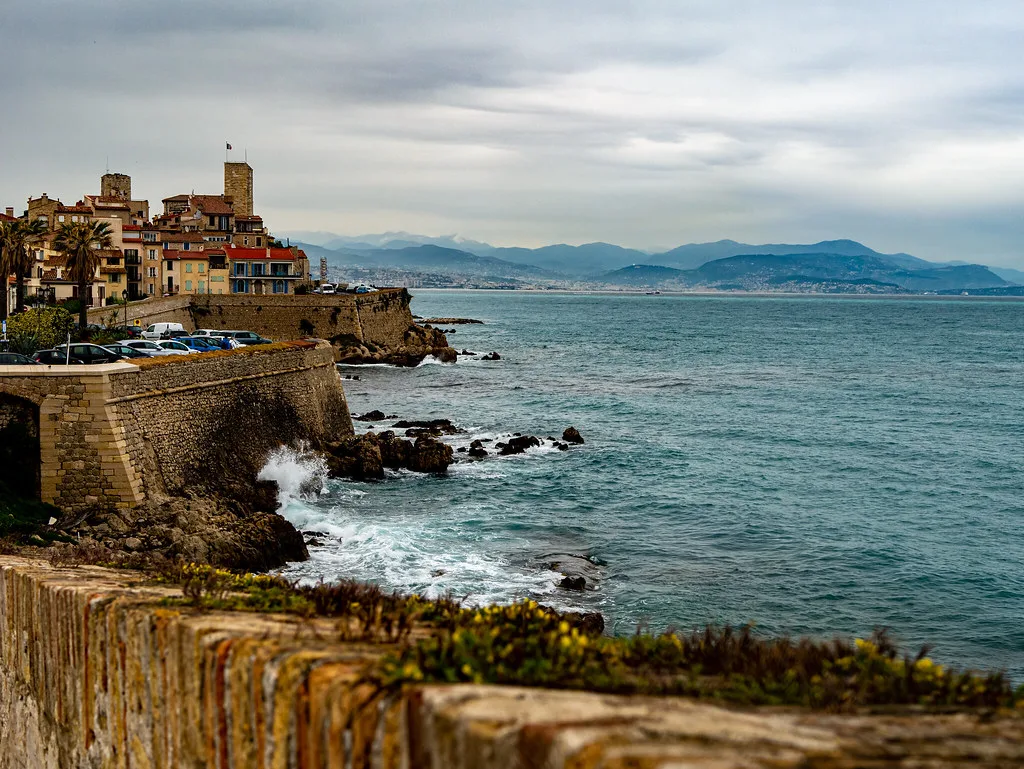
The best free walk in town follows the ramparts from the harbour round to the southern beaches, with the sea directly below the walls. It links the old town to the sand without dropping you into traffic, and it is short enough to do twice, once in the morning and again at sunset.
When you want a proper sit-down meal rather than a café snack, the old town and the streets around the market hold most of the choice; the best restaurants in Antibes cluster within a few minutes of the ramparts.
Port Vauban and Billionaires' Quay
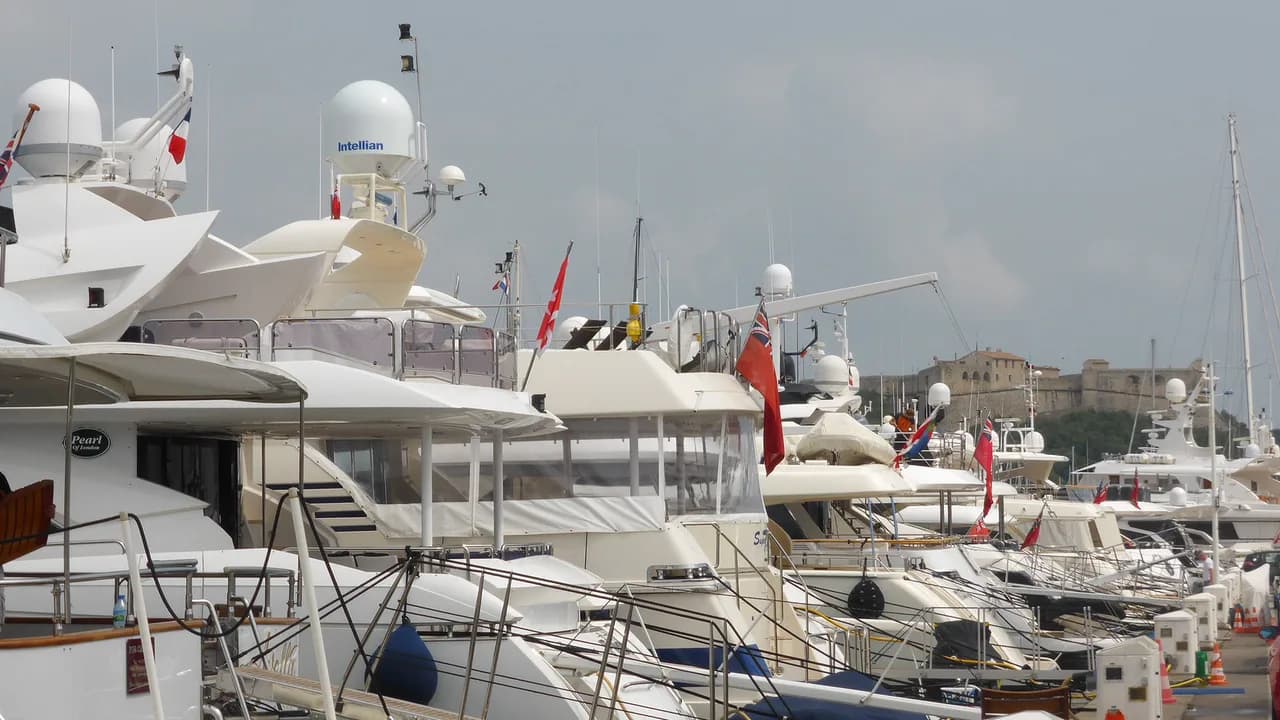
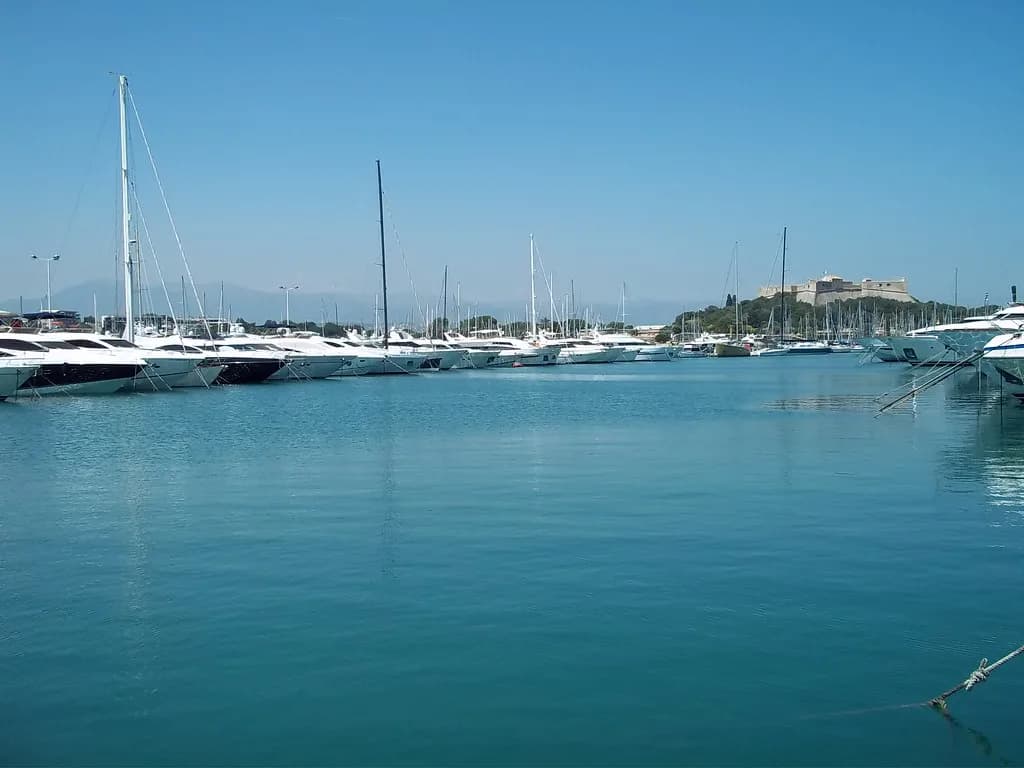
Port Vauban is the largest marina in the Mediterranean, used as a natural harbour since Roman times and now home to more than 1,500 boats, from small fishing craft to superyachts. A waterfront stroll costs nothing and takes maybe twenty minutes if you keep moving, considerably longer if you stop to look.
Between the harbour and Fort Carré lies Billionaires' Quay, with berths for 18 superyachts and crew often polishing the railings. It is spectacle rather than sightseeing, but it is the image most people carry home from Antibes, and it sits directly on the route to the fort.
Picasso at the Château Grimaldi
Picasso spent six months living in the seafront Château Grimaldi in 1946, and the building later became the Musée Picasso. The collection runs to 245 of his paintings, drawings and ceramics, some donated by the artist and others by his second wife Jacqueline, with contemporary sculpture on the terrace. Entry is €12.
The museum sits right on the walls, so pair it with the ramparts walk rather than making a separate trip. Beyond Picasso, the city walls hold artists' studios where you can see what is being made locally now, which makes a good counterpoint to the 1940s rooms.
On the Saint-Jaume bastion outside, Jaume Plensa's Nomade, a giant figure built from letters, looks out to sea and is lit from inside after dark. It is free to see and lands you neatly at the point where the old town meets the beaches.
Fort Carré and the View over the Baie des Anges
Fort Carré stands on the Saint Roch peninsula beyond the marina, in parkland above the water. Built in the 16th century to guard the border with the neighbouring county of Nice, it was reshaped into its star plan by the military architect Vauban, and Napoleon was briefly imprisoned there during the Revolution. Entry is €5.
The interior is largely empty, so go for the 43-metre ramparts, which look over Antibes on one side and across the Baie des Anges towards Nice on the other. It is a half-hour visit plus the walk out and back, and the parkland makes it a good break from the crowds in the old town.
The Marché Provençal and the Craft Market
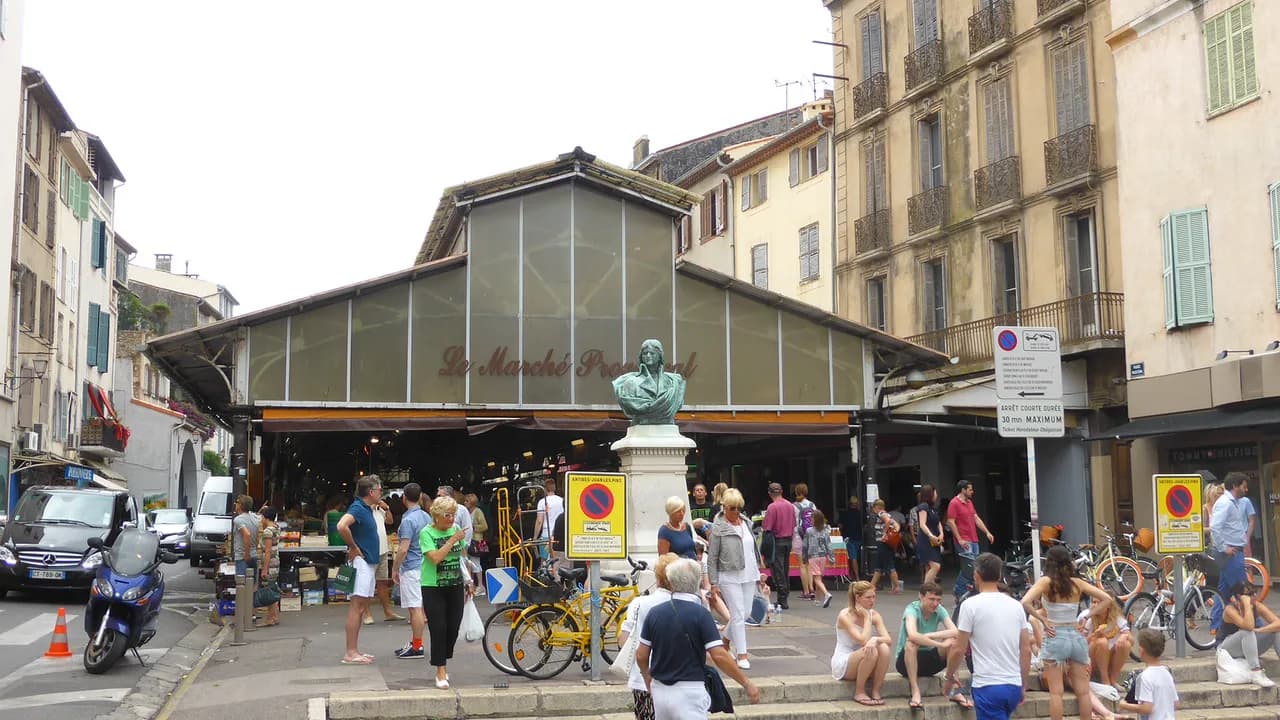
The covered Marché Provençal brings traders from across Provence to sell fruit, vegetables, cheeses, olives and charcuterie. It runs 7.30am to 1pm every day from June to August and is closed on Mondays the rest of the year, so build your morning around it: arrive early for the best produce and the thinnest crowds.
The same venue hosts a craft market of local painters, sculptors and ceramicists, open 3.30pm to midnight Thursday to Sunday from mid-June to September and 3.30pm to 7pm Friday to Sunday at other times. That split means an August evening and an October afternoon give you quite different shopping.
Sandy Beaches Close to the Old Town
Plage de la Gravette is the closest beach to the centre, reached through an archway from the port and overlooked by the ramparts. The sheltered cove suits swimming, and locals use it for a sunset aperitif on the sand.
Further south, Plage de Ponteil sits beside the Antibes Yacht Club, where you can hire boats or kayaks, and Plage de la Salis follows. Both have shallow water and lifeguards on duty in summer, which makes them the easier pick with children. Plage de la Garoupe, further out on the Cap, has beach clubs hiring loungers with drinks service in summer.
The Cap d'Antibes and the Sentier de Tirepoi
The Sentier de Tirepoi is a 5km coastal path along the Cap d'Antibes, starting near Plage de la Garoupe and following a narrow track with steps and handrails over the rocks. Allow around two hours, and treat it as a half-day outing rather than a photo stop, with proper shoes.
The route passes the Baie des Milliardaires and Villa Eilenroc, a grand villa gifted to Antibes on condition its gardens stayed open to the public. The gardens open on Saturdays from 10am to 4pm, with entry at €2, so check the day before you set out if that is the reason for the walk.
Garoupe Lighthouse and Notre-Dame-de-la-Garoupe
For the widest view on the peninsula, take the Chemin de Calvaire, which begins just after Plage de la Salis and climbs a steep, stony path through pine forest for a little over a kilometre to the Garoupe Lighthouse. From the top you can pick out Juan-les-Pins and Cannes in one direction and Nice, Villefranche-sur-Mer and Italy in the other.
The lighthouse itself is automated and not open to the public, but the 16th-century chapel of Notre-Dame-de-la-Garoupe can be visited, with picnic benches and a café selling drinks in summer. It is the natural add-on to the coastal path, or a standalone climb if you have a spare morning.
Juan-les-Pins Across the Peninsula
Juan-les-Pins is a 25-minute walk across the peninsula from Antibes and feels like a different resort: Art Deco hotels, rows of sunbeds on the Grand Plage, and the jazz heritage of its Fitzgerald-and-Chaplin heyday. Jazz à Juan still runs each July, and handprints of performers who have played the festival line Boulevard Edouard Baudoin.
Come over for an afternoon on the sand and walk back before dinner, rather than moving between the two towns repeatedly; the centre of Antibes has the older streets and the market, which is where most of a short break belongs.
How Many Days Antibes Needs
One full day covers Vieil Antibes, the ramparts, the harbour and Fort Carré, with the Picasso museum folded in if you start early and skip a long lunch. Add a second day for the Cap d'Antibes walk and the Garoupe climb, and a third if you want Juan-les-Pins and the beaches without hurrying.
Two nights is the useful minimum for a weekend: one day in town and one on the Cap, with the market morning fixed first and everything else arranged around it. If your days are short, the ramparts and the Gravette beach give you the essence of Antibes in an afternoon.
When to Go
Antibes has a Mediterranean climate, with average highs of 27°C in July and August, when coastal breezes temper the heat but the Côte d'Azur is at its busiest and most expensive. Book well ahead if summer is your window and expect packed beaches.
Spring and autumn give average highs of 20–24°C in May, June, September and October, which suits the Cap walk far better than August. November is the wettest month, and winter highs of around 11°C come with some restaurants and hotels closed, so the shoulder months are the sensible compromise.
Getting There and Getting Around
Nice-Côte d'Azur Airport is 16km away. The direct Zou! Express Bus 82 reaches Antibes in around 40 minutes, or you can take a short tram ride to Nice-Saint Augustin station and pick up a TER regional train, which is the quicker option. Fares vary by service and season, so check current prices before you travel.
Direct trains from Paris Gare de Lyon take about 5 hours 20 minutes, and the station sits in the centre of town. The centre is compact and easy on foot, with local buses out to Juan-les-Pins and the Cap when you want to save your legs.
Honest Trade-offs
Antibes gives you sand where much of the Côte d'Azur gives you pebbles, and a walled town that is quieter than Nice or Cannes without being dull. The price is a smaller city with fewer big museums, so if you want a dense urban break with galleries and nightlife, a larger neighbour may suit you better.
Plan around the closures rather than fighting them: the market shuts on Mondays outside summer, Fort Carré and the Picasso museum each take a chunk of a day, and the Cap walk needs daylight and decent shoes. Build your days around the fixed points and let the beaches fill the gaps.
Plan Your Weekend in Antibes
Fix the market morning first, then give the old town and ramparts a full day, the Cap another, and slot the Picasso museum and Fort Carré into whichever half-days remain. That gives you sand, sea views and a walled town without ever needing a car.
If Antibes turns out to be the first stop on a longer trip, the same walking-first approach works elsewhere in the region, from the markets and fountains of Aix to the old port streets of Ajaccio. For the first of those, our guide to the things to do in Aix-en-Provence follows the same on-foot logic through the old town, museums and markets.
Explore more Antibes guides
Frequently Asked Questions
What should you not miss in Antibes?
The ramparts walk from the harbour to the southern beaches, the lanes of the old town around the Cathédrale Notre-Dame-de-la-Platea, and the Picasso collection at the Château Grimaldi. If you have a second day, the Sentier de Tirepoi coastal path on the Cap d'Antibes is the standout outing.
Is Antibes worth visiting for a weekend?
Yes, if you want a walled old town, a superyacht marina and sandy beaches within walking distance. Two nights lets you cover the town in a day and the Cap d'Antibes in another, with the market morning fixed first.
How do you spend a day in Antibes?
Start at the Marché Provençal when it is open, wander the old town and the ramparts, look round the Musée Picasso, then walk out to Fort Carré or down to Plage de la Gravette. Finish on the harbour as the light drops.
Which beaches in Antibes are sandy?
Plage de la Gravette, Plage de Ponteil and Plage de la Salis are all sand, with Ponteil and Salis having shallow water and summer lifeguards. Plage de la Garoupe, further round the Cap, has beach clubs hiring loungers in summer.
When is the Marché Provençal open?
The covered market runs 7.30am to 1pm every day from June to August, and is closed on Mondays the rest of the year. A craft market of local painters, sculptors and ceramicists uses the same venue, mostly late afternoons and evenings.
How long does the Cap d'Antibes walk take?
The Sentier de Tirepoi runs about 5km along the coast from near Plage de la Garoupe and takes around two hours, with steps and handrails over the rocks. Give it a half-day and wear proper shoes.
How do you get to Antibes from Nice airport?
Either the direct Zou! Express Bus 82, which takes around 40 minutes, or a tram to Nice-Saint Augustin followed by a TER train, which takes 10 to 20 minutes. The station is in the centre of Antibes, so you can walk from there.
Is Antibes better than Nice for a short break?
Antibes suits travellers who want a compact walled town and sandy beaches rather than a large city. Nice offers more museums, galleries and city bustle; Antibes offers an easier, slower weekend on foot.
Sources
Notes for French city breaks
Optional updates to our guides.
You might also like
Continue reading
More guides you'll find useful