Is Antibes Worth Visiting? A Short Break Guide
Antibes packs a walled old town, a Picasso museum, sandy beaches and a Cap coastal path into one walkable town. Here's who it suits and how long to allow.
On this page
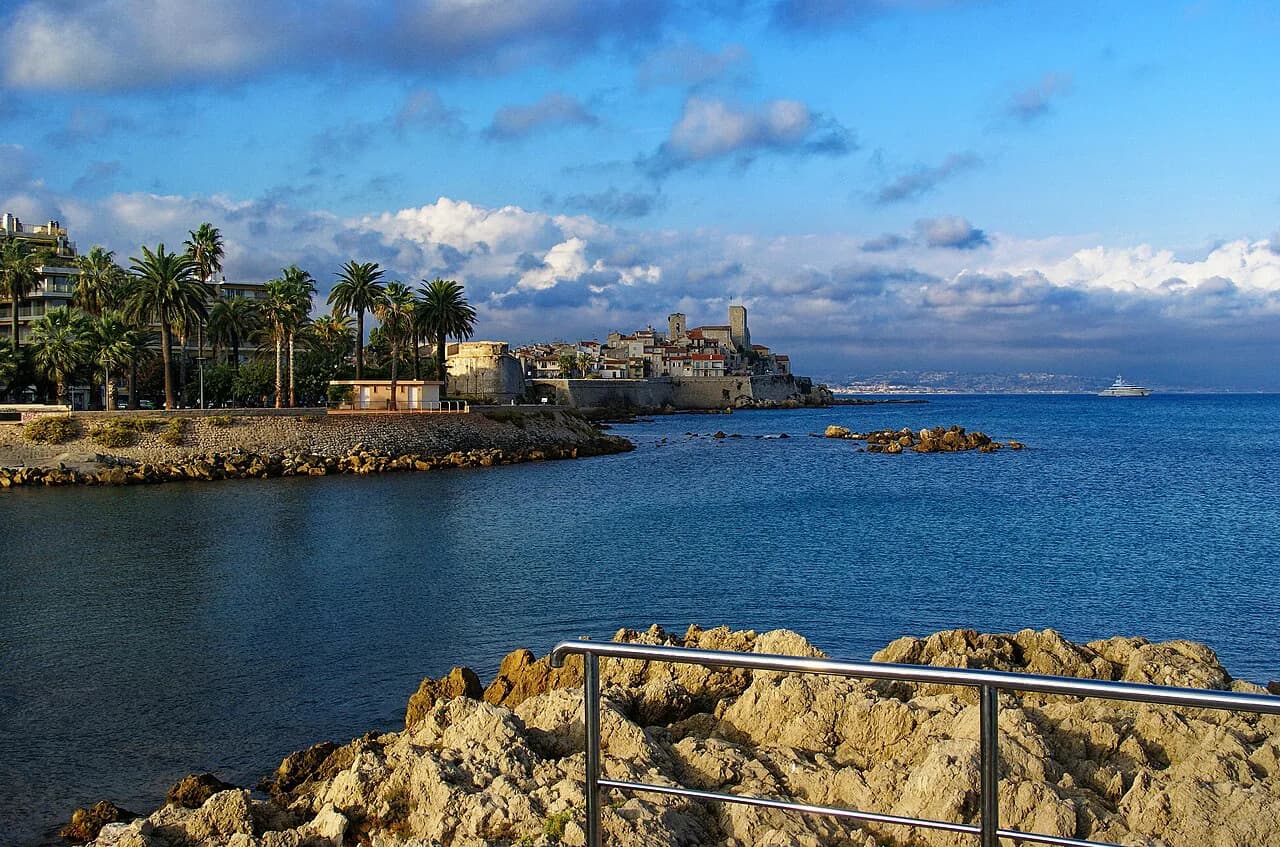
Yes, Antibes is worth visiting, provided you want a compact walled town with sand and art rather than Riviera glamour. Vieil Antibes sits inside 16th-century ramparts, and the harbour, the Cap and the neighbouring resort of Juan-les-Pins are all within walking distance of the station. That combination is hard to match on a two- or three-night break.
The trade-off is scale: this is a town, not a city, and it does not have Nice's museum depth or Cannes' shopping. It rewards travellers who like wandering cobbled streets, swimming before lunch and eating well in the evening. If you are comparing the three, the honest answer is that Antibes is the most relaxed base of the lot.
How Antibes is laid out
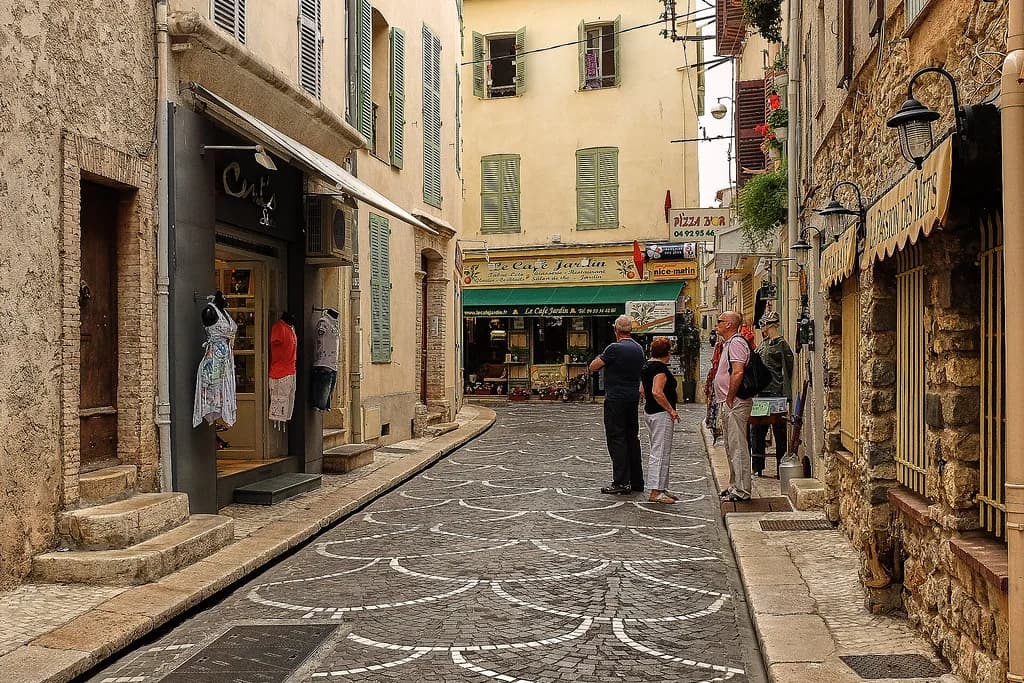
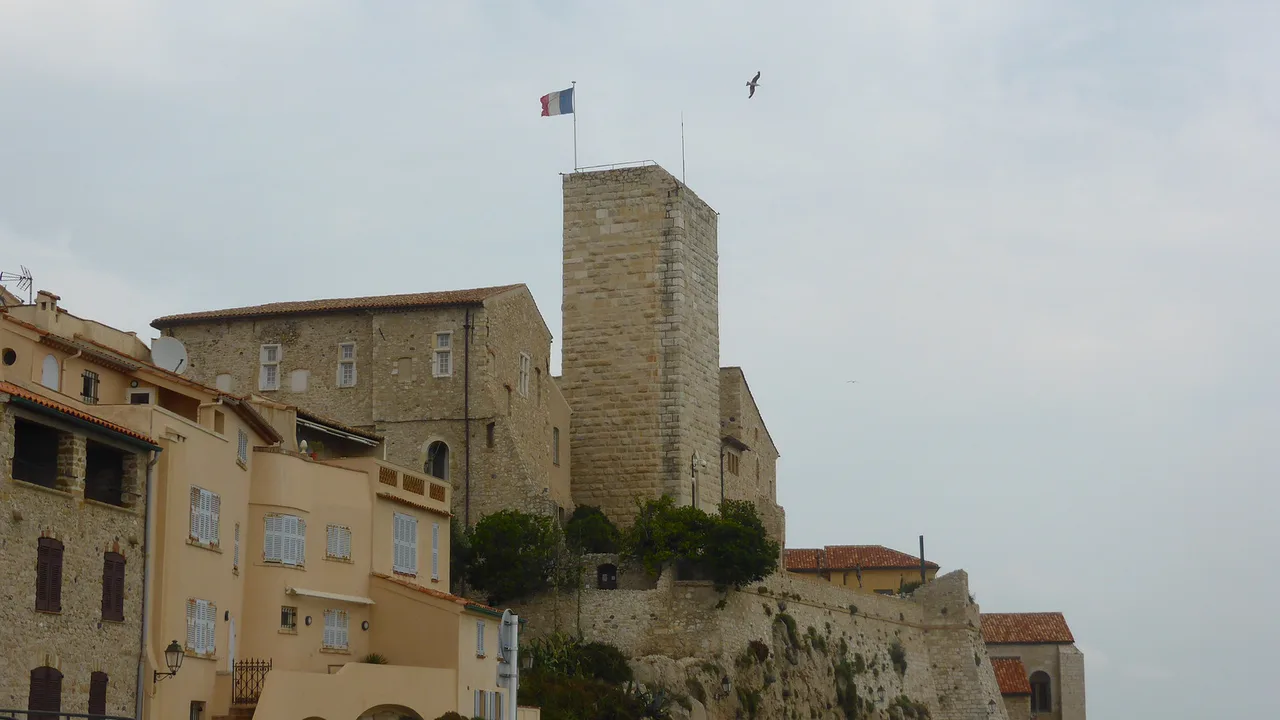
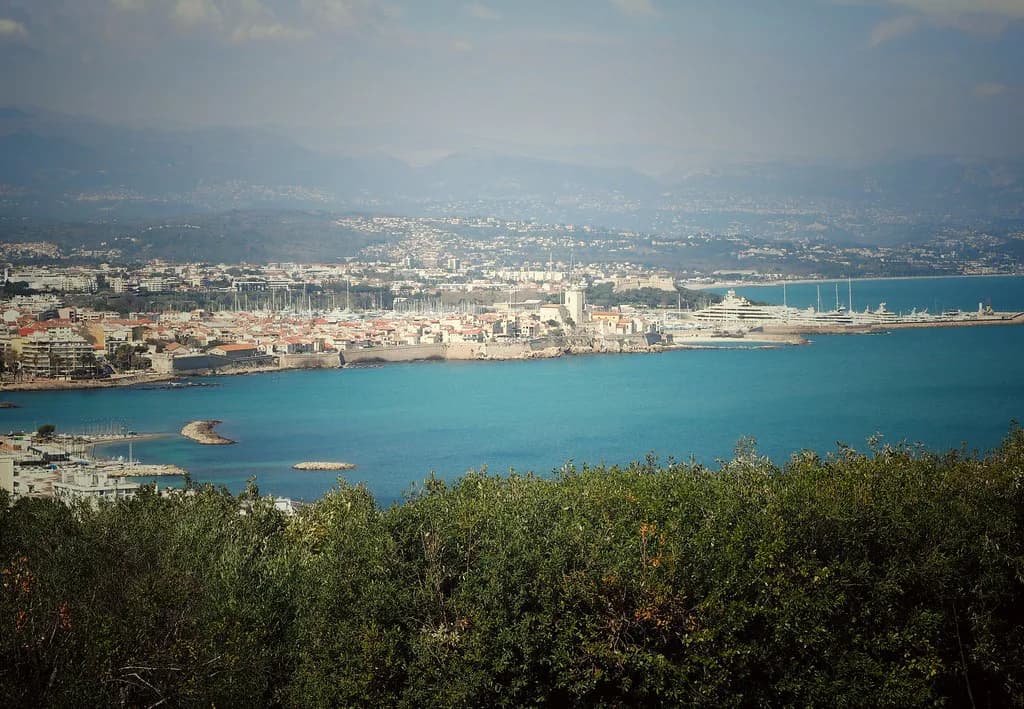
Think of Antibes as four pieces. Vieil Antibes is the old town inside the ramparts, a maze of narrow cobbled streets overlooked by pastel buildings with brightly painted shutters. Port Vauban wraps around the eastern side, and the sandy town beaches sit just south of the walls.
The Cap d'Antibes is the wooded headland to the south, edged by a coastal footpath and the Plage de la Garoupe. Juan-les-Pins lies on the far side of that peninsula, a 25-minute walk across from the old town, and it feels like a different resort entirely. That geography settles the main choice when you pick a base: sleep near the ramparts or nearer the sand.
All of this is walkable, and the train station is in the centre, so a car is a liability rather than a help for a short break. Local buses run out to Juan-les-Pins and the Cap if you would rather not walk back.
What you actually see in a day: the old town, the ramparts and the cathedral
Start inside the walls. The streets of Antibes old town are the main sight, lined with pavement cafés, bakeries and small shops, and you will pass the Baroque Cathédrale Notre-Dame-de-la-Platea with its rose-pink façade. Add the Musée Peynet, devoted to a local cartoonist, if you want a short indoor stop.
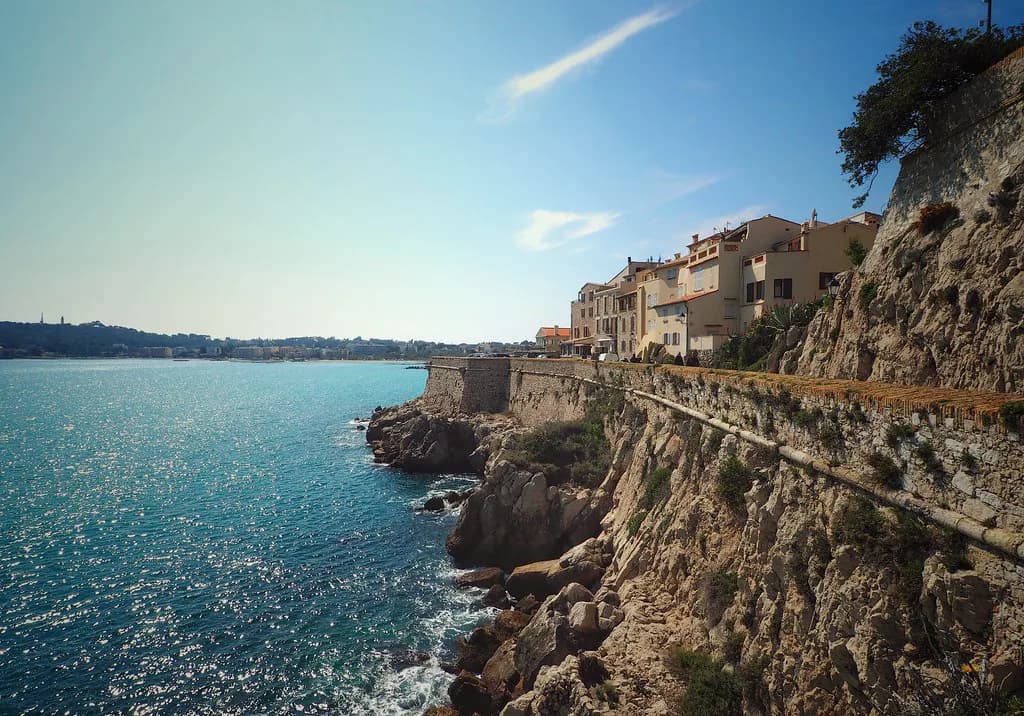
Save the ramparts for late afternoon. A path runs along the walls from the harbour round to the southern beaches, with the sea directly below and views back over the rooftops. It is level and short enough to do twice.
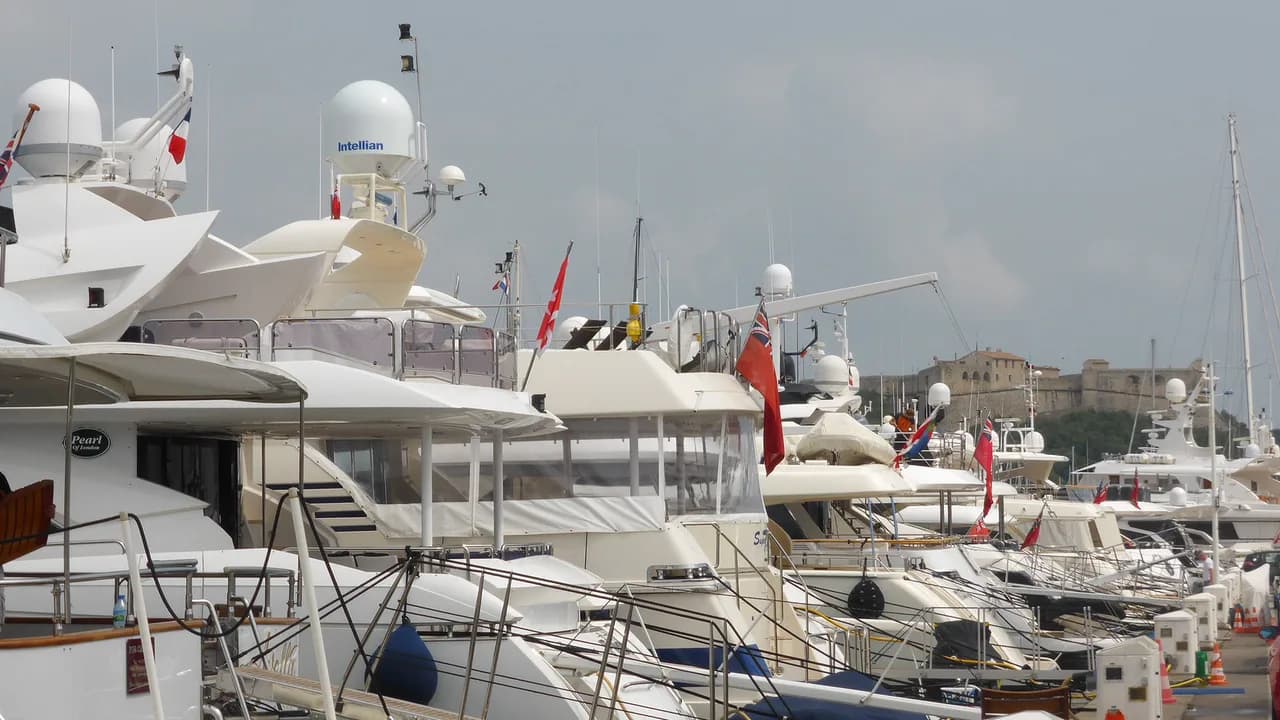
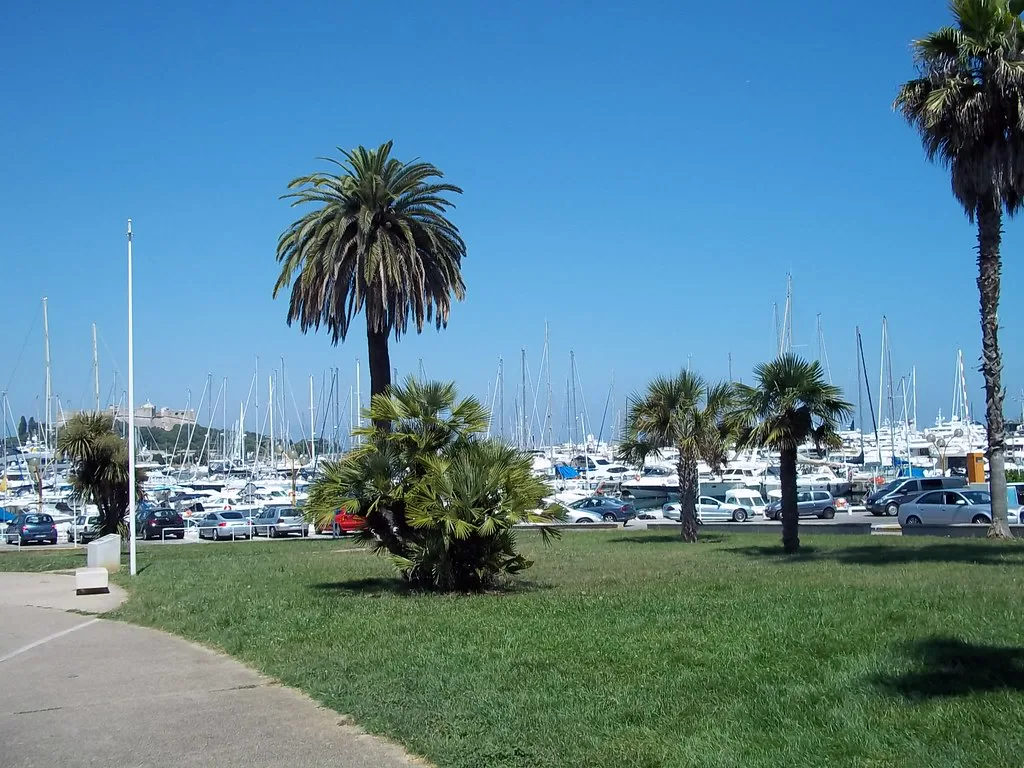
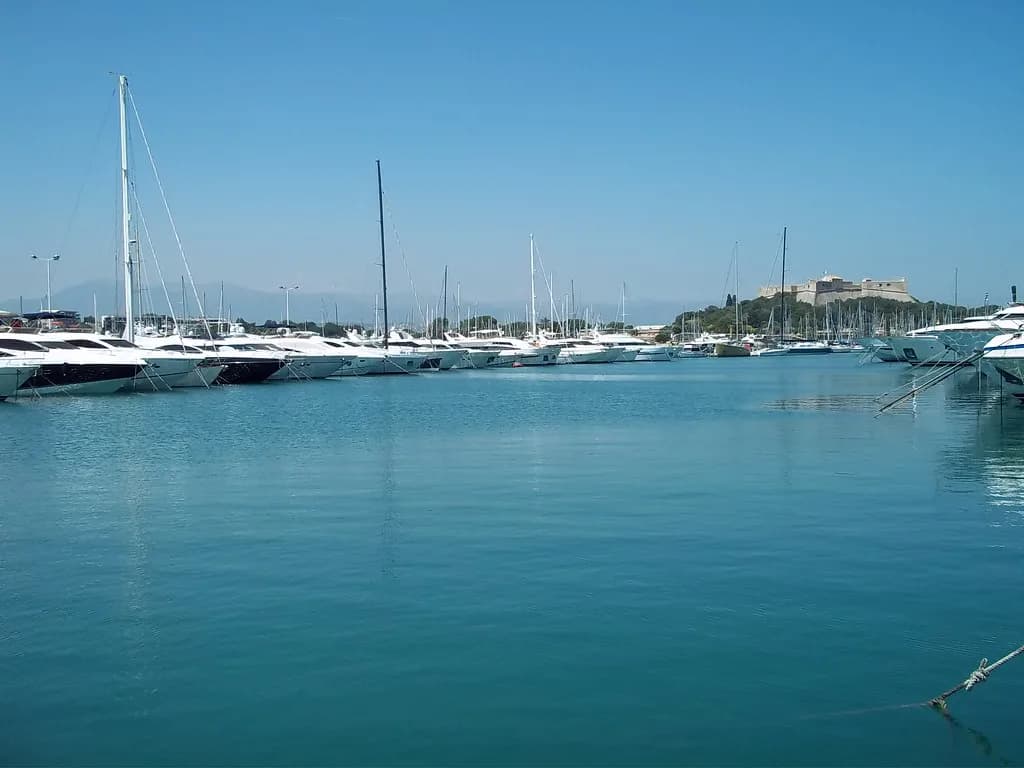
Then walk the harbour. Port Vauban is the Mediterranean's largest marina, with more than 1500 boats, and the stretch towards Fort Carré known as Billionaires' Quay holds space for 18 superyachts. It is a 20-minute stroll that tells you more about modern Antibes than any museum.
Art and history: Musée Picasso and Fort Carré
Picasso lived in the seafront Château Grimaldi for six months in 1946, and the building later became the Musée Picasso. The collection runs to 245 paintings, drawings and ceramics, some donated by Picasso and others by his second wife Jacqueline, with contemporary sculpture on the terrace. Entry is €12.
Look for Le Nomade on the Bastion Saint-Jaume, Jaume Plensa's giant figure built from letters and seated facing the sea. It is lit from within at night, so it works as a bookend to a museum visit rather than a separate outing.
Fort Carré, on the Saint-Roch peninsula beyond the marina, is star-shaped after Vauban added defensive walls, and Napoleon was briefly held there during the Revolution. Entry is €5, and the 43-metre ramparts give you Antibes on one side and the Baie des Anges on the other. The interior is largely empty, so go for the view rather than the displays.
If museums are your priority, plan the sequence before you arrive, since opening days vary across the town and change with the season. Smaller collections such as the Musée Peynet fill an hour rather than an afternoon.
The markets: Marché Provençal on Cours Masséna
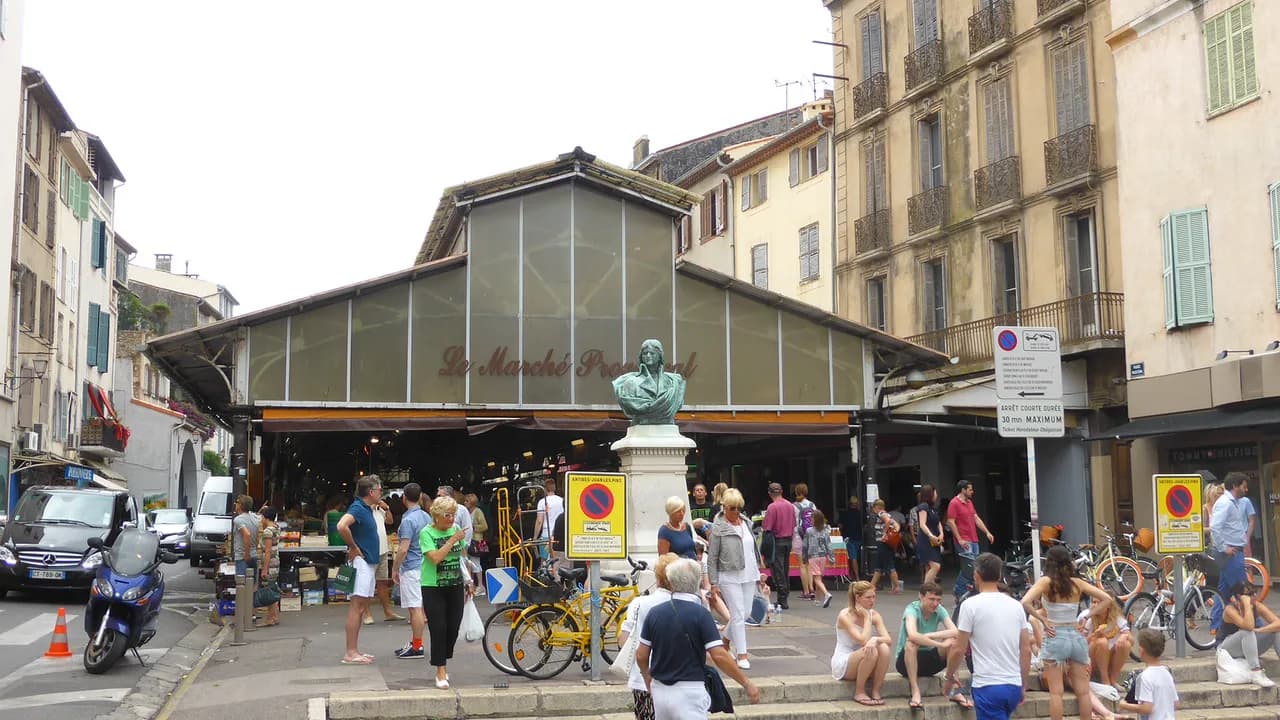
The Marché Provençal is a covered market on Cours Masséna where traders from across Provence sell fruit, vegetables, cheeses, olives and charcuterie. It runs from 7.30am to 1pm every day from June to August, and is closed on Mondays for the rest of the year. A Monday visit outside summer therefore costs you the market, so shift your days if it matters.
Go early. The best produce goes first, and by mid-morning the aisles are shoulder to shoulder in high season. The same venue also hosts a craft market of local painters, sculptors and ceramicists, which runs 3.30pm to midnight Thursday to Sunday from mid-June to September and 3.30pm to 7pm Friday to Sunday the rest of the year.
Outside the market, the old town's small shops sell local gifts such as white cotton clothing, glassware and dried herbs. Most are independent and individually run, so hours vary shop to shop and a midday pause is common.
Beaches: la Gravette, Ponteil, la Salis and la Garoupe
Antibes has golden sand, which is not a given on this coastline. The closest to the centre is Plage de la Gravette, reached through an archway from the port and overlooked by the ramparts; it is a sheltered cove that suits a quick swim.
Just south of town, Plage de Ponteil sits next to the yacht club and Plage de la Salis looks back at the old town, which makes it the better of the two for views. Both have shallow water and lifeguards on duty in summer, so they are the safer pick with children.
Further out, Plage de la Garoupe on the Cap has luxury beach clubs in summer where you can hire a lounger with drinks service; a section of the beach is private. In July and August the Côte d'Azur is very busy, so expect packed sand and high prices, and book ahead.
Beach clubs set the tone at la Garoupe rather than the town centre. If you want a lounger and table service, budget for it; if you want to swim and leave your towel on the sand, Gravette and Ponteil do the job for nothing.
The Cap d'Antibes walk and the Garoupe lighthouse
The Sentier de Tirepoi runs for 5km along the rocks of the Cap, starting near Plage de la Garoupe, with steps and handrails and a name that comes from the east wind that batters the coastline. Allow around two hours; this is a proper walk, not a promenade. You pass the Baie des Milliardaires and glimpses of the villas on the water's edge.
For a viewpoint without the coastal path, follow the Chemin de Calvaire from just after Plage de la Salis. The path is a little over a kilometre, climbing steeply through pine forest to the Garoupe lighthouse and the 16th-century chapel of Notre-Dame-de-la-Garoupe, with picnic benches and a summer drinks kiosk. The lighthouse itself is automated and not open to the public.
Villa Eilenroc was gifted to Antibes on condition that its gardens stayed open to the public, and they can be visited on Saturdays from 10am to 4pm for €2. That Saturday-only window is the reason to check your calendar before promising anyone a garden visit.
Juan-les-Pins: a different Antibes
Juan-les-Pins is 25 minutes on foot across the peninsula and has a completely different atmosphere: Art Deco hotels, lines of sunbeds on the Grand Plage and a resort bustle the old town lacks. It was a Jazz Age favourite of F Scott Fitzgerald and Charlie Chaplin, and handprints of stars who have played the annual jazz festival line Boulevard Edouard Baudoin.
Treat it as a half-day, not a rival base, unless you want beach-club life on your doorstep. Walk over in the morning, swim, and come back through the Cap for the light at the end of the day.
How many days Antibes needs
One day gives you the old town, the ramparts and a swim, with time for one museum at most. Two to three days is the right shape: that covers the Musée Picasso, the Cap coastal path, a beach afternoon and a proper evening meal, without rushing.
A week only makes sense if you want to slow down, revisit coves and take the train along the coast. Antibes is compact enough that a long stay is about living in the town rather than seeing more of it. As a single point of comparison, Aix-en-Provence offers an inland, fountain-and-square city break instead of a coastal one.
If your dates are flexible, decide those first and then build the days around the market and museum hours. A Tuesday-to-Thursday break outside summer gives you the Marché Provençal and thinner streets.
When to go: climate and crowds
Antibes has a Mediterranean climate. Typical averages are highs of 27°C in July and August, 20–24°C in May, June, September and October, and 11°C in winter, with November the wettest month. Those are climate averages, not a forecast.
Summer brings dry heat tempered by coastal breezes, but also the biggest crowds, the highest prices and beaches at capacity. Spring and autumn are the better bet for a short break: warm enough to swim for many visitors, with the occasional shower. Winter is mild but quiet, and some restaurants and hotels close.
Heat also changes how you walk the Cap. Do the coastal path early or late in summer, carry water and wear shoes with grip for the rocky sections.
Who Antibes suits and who it does not
It suits couples and friends on a two- or three-night break who want to walk everywhere, swim, eat well and see real art without dressing up. It also works for a first taste of the Côte d'Azur on a budget, since the old town is free to roam and the beaches are public.
It suits less well if you want nightlife, a long shopping street, big-city museums or a beach of your own. Cannes delivers the glamour and Nice delivers the city; Antibes delivers the town.
Getting there and getting around without a car
Nice-Côte d'Azur Airport is 16km away. A direct Zou! Express Bus 82 reaches Antibes in around 40 minutes, and taking the tram to Nice-Saint Augustin then a TER regional train takes 10–20 minutes; fares for both options vary, so treat them as indicative and check before you travel. Direct trains from Paris Gare de Lyon take about 5 hours 20 minutes.
Once there, everything in the old town, the port and the town beaches is on foot, and local buses cover Juan-les-Pins and the Cap. A car is only useful if you are touring further along the coast.
Verdict: does Antibes earn its place on a Riviera weekend?
Yes. Antibes earns a short break because it gives you ramparts, a Picasso collection, sandy beaches and a serious coastal walk within one walkable town, and it does so without the Riviera price tag attached to every meal. Two full days is enough; three lets you slow down.
Choose it for a relaxed, cultured, swim-and-stroll weekend, and choose Nice or Cannes if you want city scale or glamour. If you are weighing a different French short break altogether, an alpine lake town makes a quiet contrast to the coast.
Plan Your Visit
Build your break around two fixed points: a morning at the Marché Provençal on a day it is open, and a clear slot for the Musée Picasso. Everything else, from the ramparts at sunset to a swim at la Gravette, fits around them.
Outside summer, remember the market's Monday closure and the Saturday-only garden window at Villa Eilenroc when you fix your dates. Opening days at the town's museums and the fort are worth checking directly before you travel.
Explore more Antibes guides
Frequently Asked Questions
Is Antibes worth visiting for a day?
Yes, one day covers the essentials: the streets inside the ramparts, the walk along the walls and a swim at Plage de la Gravette, which sits just below the old town. Add either the Musée Picasso or Fort Carré, not both, and you still have time for a long lunch. A single day is tight if you also want the coastal path on the Cap, which takes around two hours.
How many days do you need in Antibes?
Two to three days suits most short breaks. That allows the Musée Picasso, a beach afternoon, the Sentier de Tirepoi on the Cap and an evening in the old town without rushing. A week only makes sense if you want to slow down and revisit the coves, since the town itself is compact.
Is Antibes better than Nice or Cannes for a weekend?
It depends what you want from the weekend. Antibes gives you a walled old town, sandy beaches and the Picasso museum within a few minutes of each other, at a calmer pace than either neighbour. Nice has the bigger city and deeper museum collections, while Cannes has the glamour and the shopping. For a relaxed, cultured break with swimming, Antibes is the better fit.
What is Antibes famous for?
Picasso's six-month stay at the Château Grimaldi, now the Musée Picasso, is the headline. The town is also known for its ramparts and old town, the superyachts of Port Vauban, the Marché Provençal on Cours Masséna and the sandy beaches, which are not a given on this coastline. Le Nomade, Jaume Plensa's letter-built figure on the Bastion Saint-Jaume, has become a modern emblem.
Do you need a car in Antibes?
No. The train station is in the centre, the old town, port and town beaches are all walkable, and local buses run to Juan-les-Pins and the Cap d'Antibes. A car becomes a liability for a short break because you would be parking it rather than using it. From Nice airport, a direct bus or a tram plus regional train both reach the town.
When is the best time to visit Antibes?
Spring and autumn give the best balance, with typical highs of 20–24°C in May, June, September and October and fewer people on the sand. July and August are hotter and much busier, with packed beaches and higher prices. Winter is mild but quiet, and some restaurants and hotels close for the season.
Are the beaches in Antibes sandy?
Yes, unlike much of the Côte d'Azur. Plage de la Gravette is the closest to the old town and is sheltered by the ramparts, while Plage de Ponteil and Plage de la Salis just south of town have shallow water and summer lifeguards. Plage de la Garoupe on the Cap has beach clubs and a private section.
Is Antibes expensive?
The town is free to walk, the public beaches cost nothing and a museum ticket is a modest outlay, so a short break here can be cheaper than the Riviera's glitzier addresses. Costs climb in summer, when beaches and restaurants fill and prices rise. Beach clubs at la Garoupe are the priciest way to spend a day on the sand. Check current museum and fort entry prices online before you go.
Sources
Notes for French city breaks
Optional updates to our guides.
You might also like
Continue reading
More guides you'll find useful