Antibes Itinerary: A Practical 2- to 3-Day Plan
Plan an Antibes itinerary day by day, with the Musée Picasso, Fort Carré, the old town and Cours Masséna market, plus opening days and walking routes.
On this page
Two days cover Antibes properly; three days slow the pace rather than add a new headline sight. The town stacks up neatly: the Vieille Ville and ramparts sit beside Port Vauban, the Musée Picasso occupies the Château Grimaldi inside the old walls, and Fort Carré lies a short walk north-east along the coast. Plan the museum and the fort on different days from your market morning, because both close on Mondays.
The big planning decision is day order. The Musée Picasso and Fort Carré both shut on Monday, so if your break includes a Monday, put the markets, the old streets and the port on that day and shift the ticketed sights elsewhere. The rest of the itinerary below starts with the old town, works outward to the port and fort, and keeps a third day for a leisurely market wander.
Why Antibes Suits a Two- or Three-Day Break
Antibes is small enough to walk end to end but has enough substance to fill a weekend without a car. The historic core, the port and the main museum cluster within a compact area, so you spend time looking rather than travelling. That makes it a better fit for a short break than a sprawling city where each sight costs a bus ride.
The town also has a genuine second centre at Juan-les-Pins, a separate seaside district with its own beachfront, market days and evening promenade. Treat it as an afternoon extension rather than a base-hopping exercise, and you keep the trip simple. If you are weighing Antibes against a larger Riviera city, the appeal here is compactness rather than a longer list of blockbuster sights.
How Antibes Is Laid Out
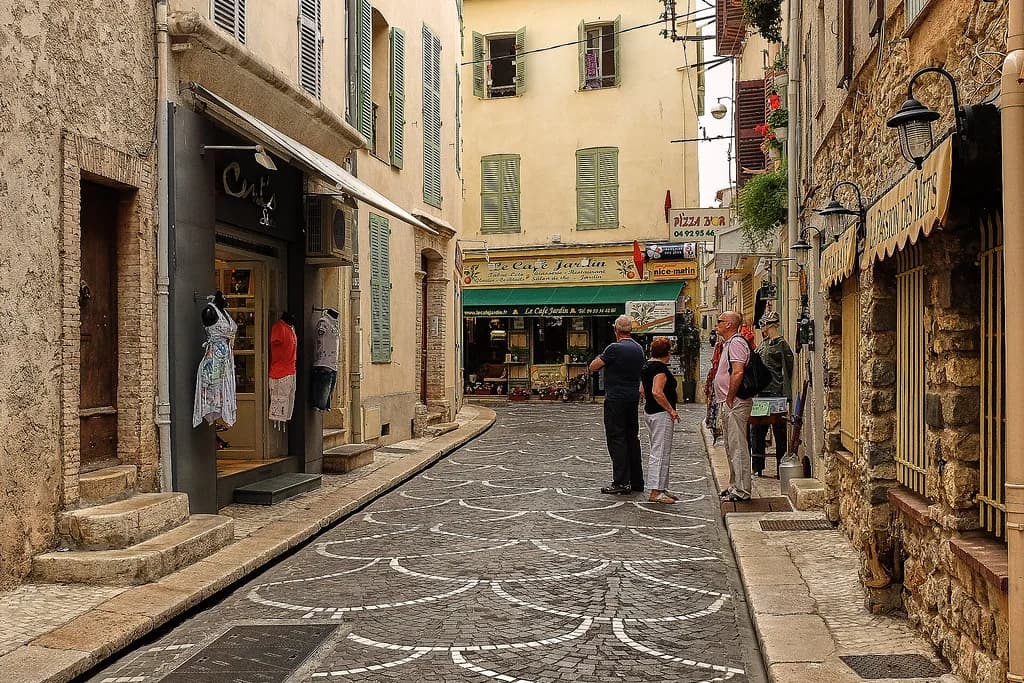
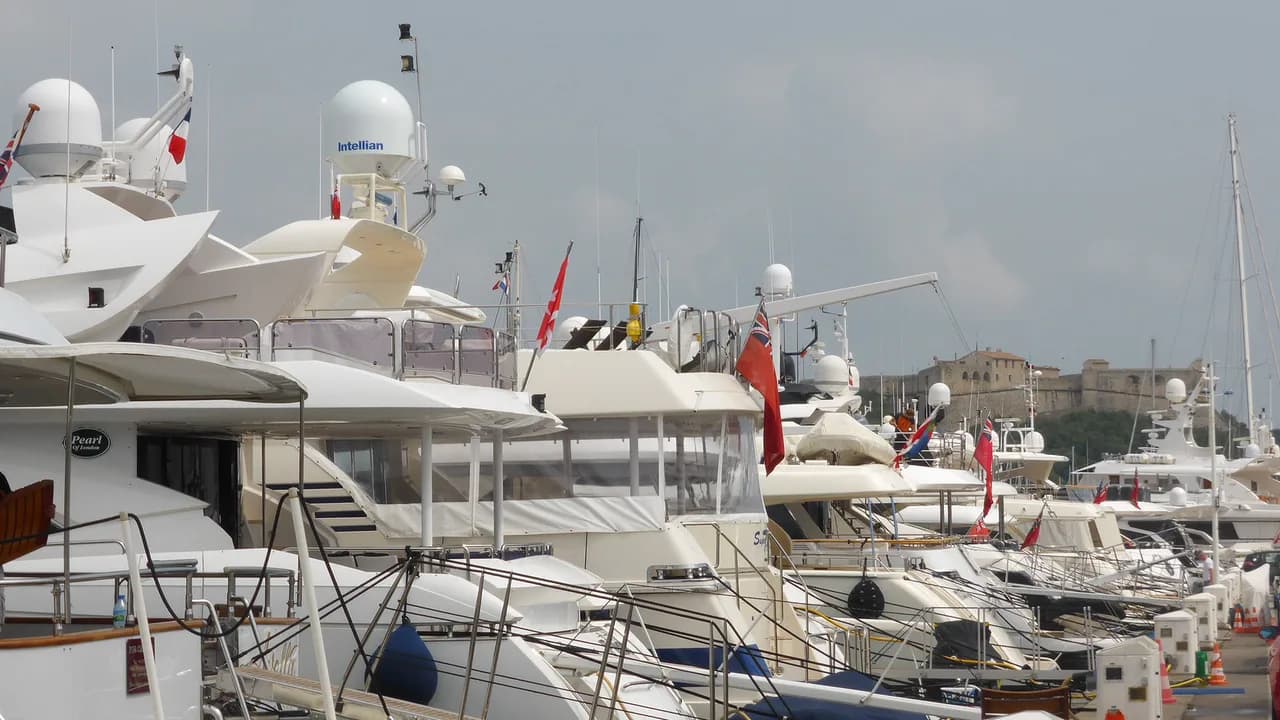
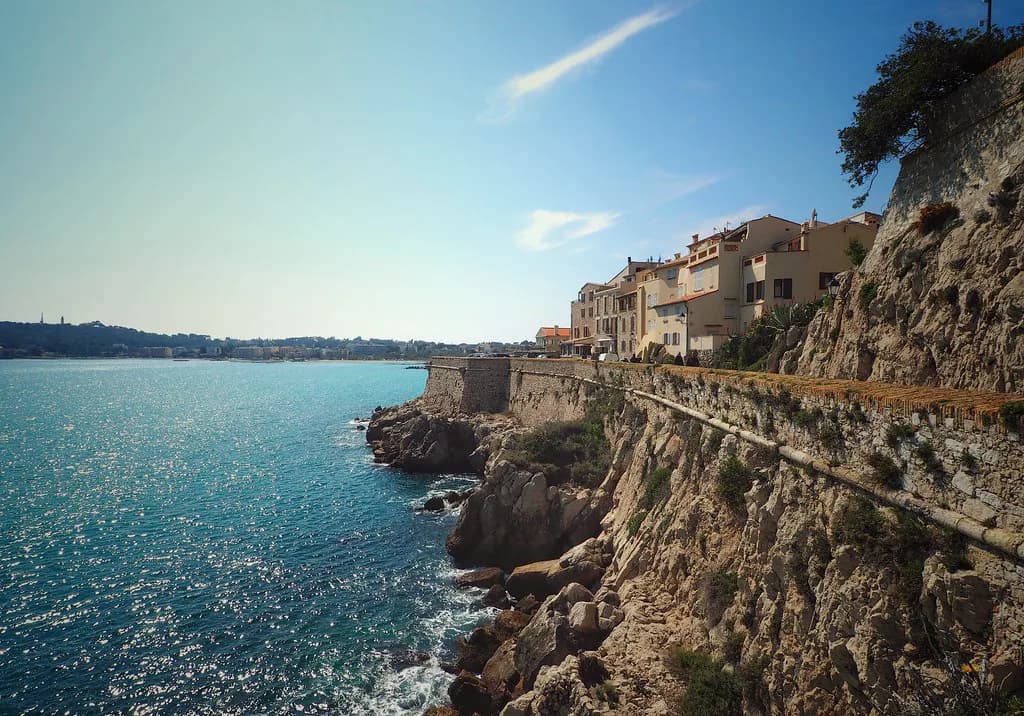
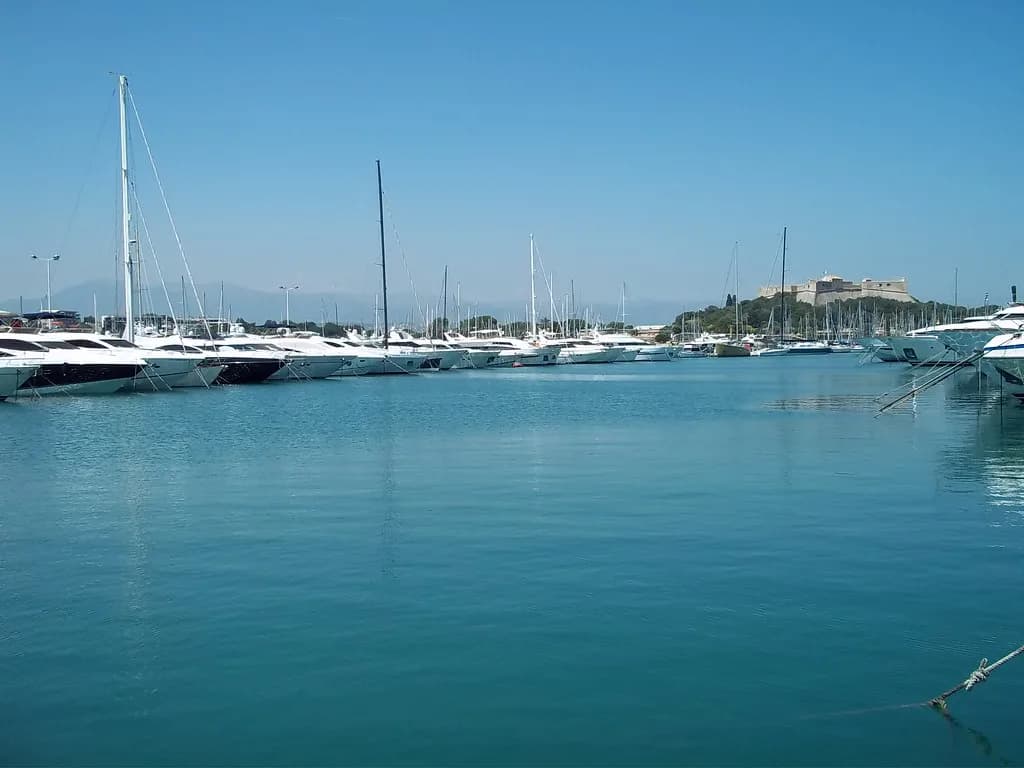
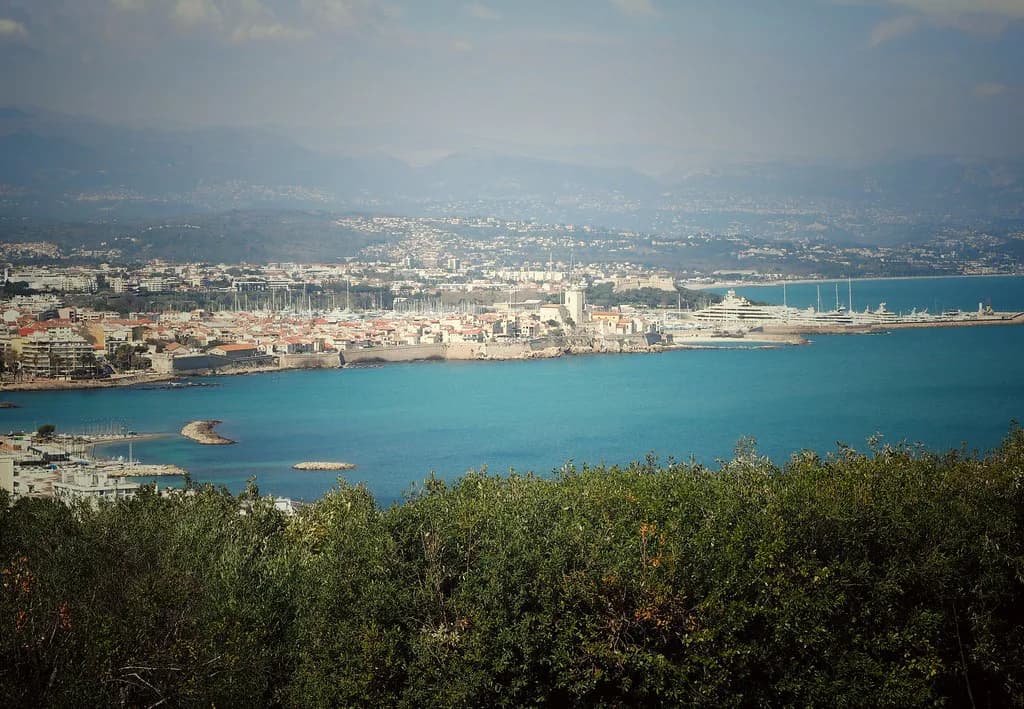
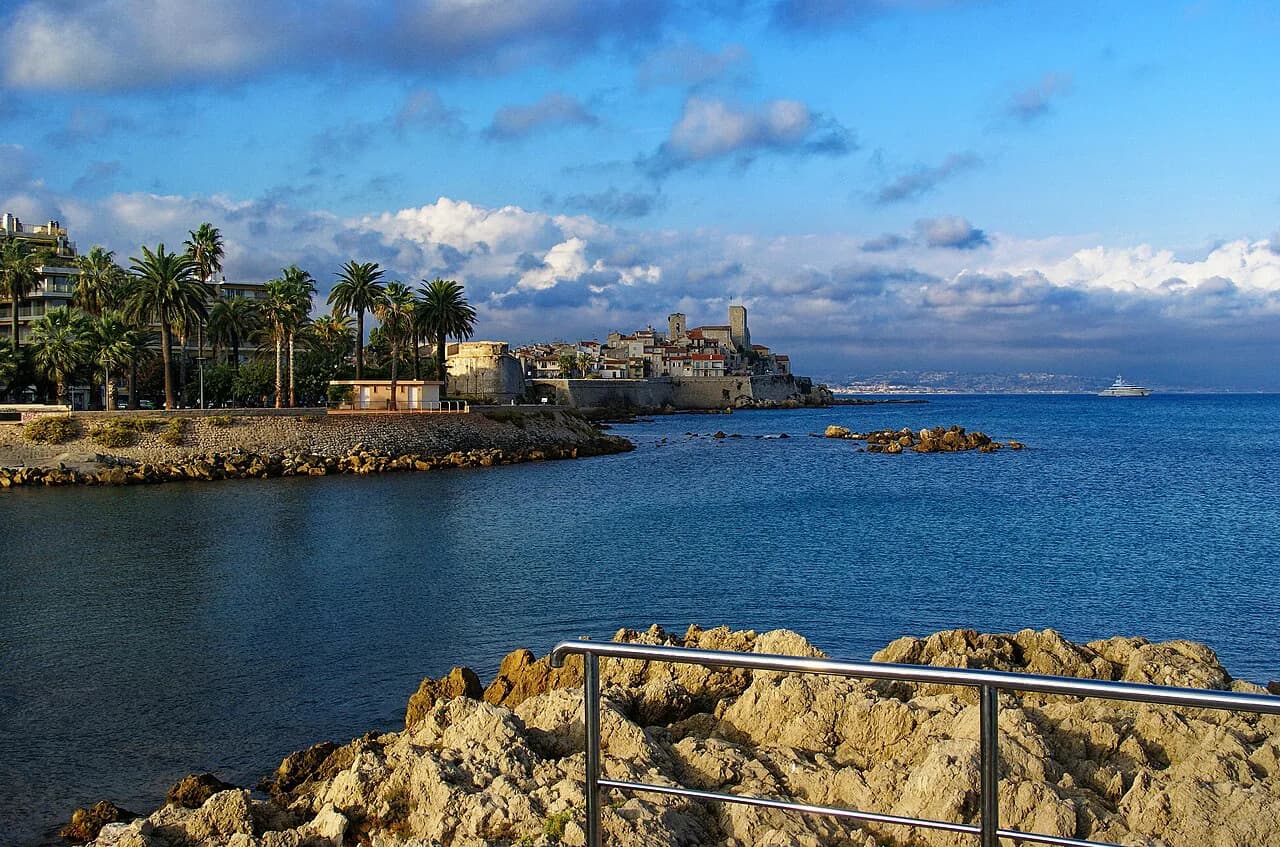
Think of Antibes in three bands. The Vieille Ville is the walled old town, a tangle of narrow streets around the cathedral and the Marché Provençal hall on Cours Masséna, with the ramparts running along the sea edge. Port Vauban, one of the Mediterranean's largest marinas, sits immediately north of the old town, and the Musée Picasso stands at the seaward corner in the Château Grimaldi on the Promenade Amiral de Grasse.
North-east of the port, the coast bends around to Fort Carré, a Renaissance fortress on a headland with a rampart walkway and gardens around it. Beyond that the coastline continues towards Juan-les-Pins, which has its own station, beaches and market square. Walking from the old town to Fort Carré is a straightforward coastal stroll; continuing to Juan-les-Pins is a longer haul, so many visitors take the train or bus for that leg.
When to Go: Season-by-Season Trade-Offs
Summer brings the longest opening hours and the busiest streets. From mid-June to mid-September the Musée Picasso runs continuous hours instead of closing at lunchtime, and the Cours Masséna market stays open until 13:45 rather than 13:00. The trade-off is heat and crowds in the middle of the day, which argues for sightseeing early and lingering over a long lunch.
Spring and autumn give you comfortable walking weather and quieter ramparts, but you lose the extended summer timings, so plan museum visits around the midday break. Winter is the quietest season and the best time to have the old town streets largely to yourself; the catch is that the market skips Mondays from 1 September to 31 May, which reshapes your week.
Day 1: The Vieille Ville and the Ramparts on Foot
Start inside the walls. Walk the narrow lanes of the Vieille Ville, look in on the cathedral quarter and follow the ramparts where they face the sea, which gives you the town's shape in an hour or so before the crowds build. The Picasso connection runs through this quarter: the artist worked at the Château Grimaldi in autumn 1946 and left paintings and drawings behind, and the district of Safranier, within the old town, is part of the same compact walk.
Break for lunch near Cours Masséna rather than pushing straight into the museum. Afterwards, walk the length of the port and look back at the walls from the water side; it is a fifteen-minute amble that resets your sense of the town's scale. Keep the evening loose and eat in the old town, where the streets stay lively without requiring a plan.
If your first day falls on a Monday, swap this day with the next one. The market hall on Cours Masséna stays shut on Mondays from 1 September to 31 May, and both the Musée Picasso and Fort Carré close on Mondays year-round, so Monday is the day for streets, ramparts and the port only.
Musée Picasso in Château Grimaldi: What You See, Closed Mondays
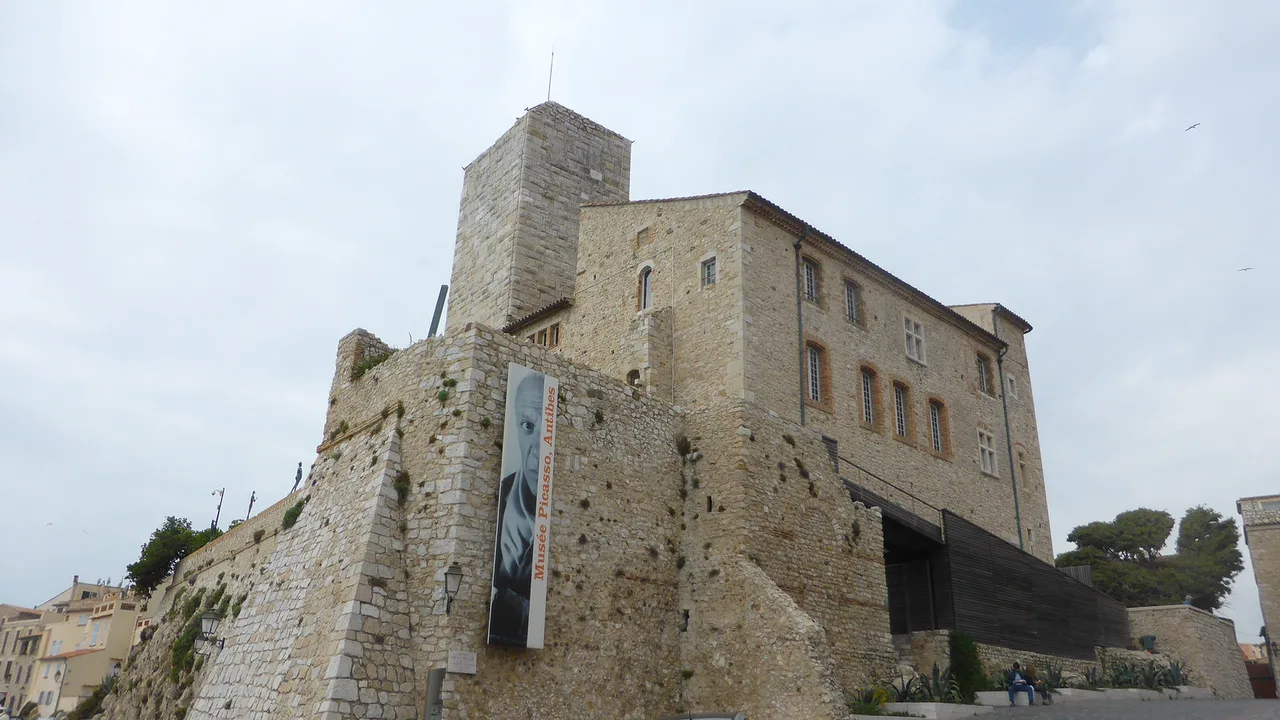
The Musée Picasso occupies the Château Grimaldi, a medieval castle on the acropolis site of the Greek city of Antipolis, perched about twenty metres above the bay. Inside are around 245 works by Picasso, including La Joie de vivre and La Chèvre, shown alongside a modern art collection with pieces by Fernand Léger, Nicolas de Staël, Germaine Richier and Joan Miró. The terrace holds sculptures with the sea as a backdrop, which is the reason many visitors rate this museum above its size.
Allow about an hour for the collection and the terrace, and rather more if you read every panel. The museum opens 10:00–13:00 and 14:00–18:00, switching to continuous hours from mid-June to mid-September, and closes on Mondays plus 1 January, 1 May, 1 November and 25 December. Entry prices are set by the museum, so check the current tariff on the official Antibes Juan-les-Pins tourism site before you go.
Book this museum for the morning of day one or day two and build the rest of the day around it. Because it closes over lunch outside summer, a late-afternoon attempt in spring or autumn will fail. Pair it with the old town walk so you are not crossing town twice.
Markets on Cours Masséna: The Daily Provençal Market and Its Monday Exception
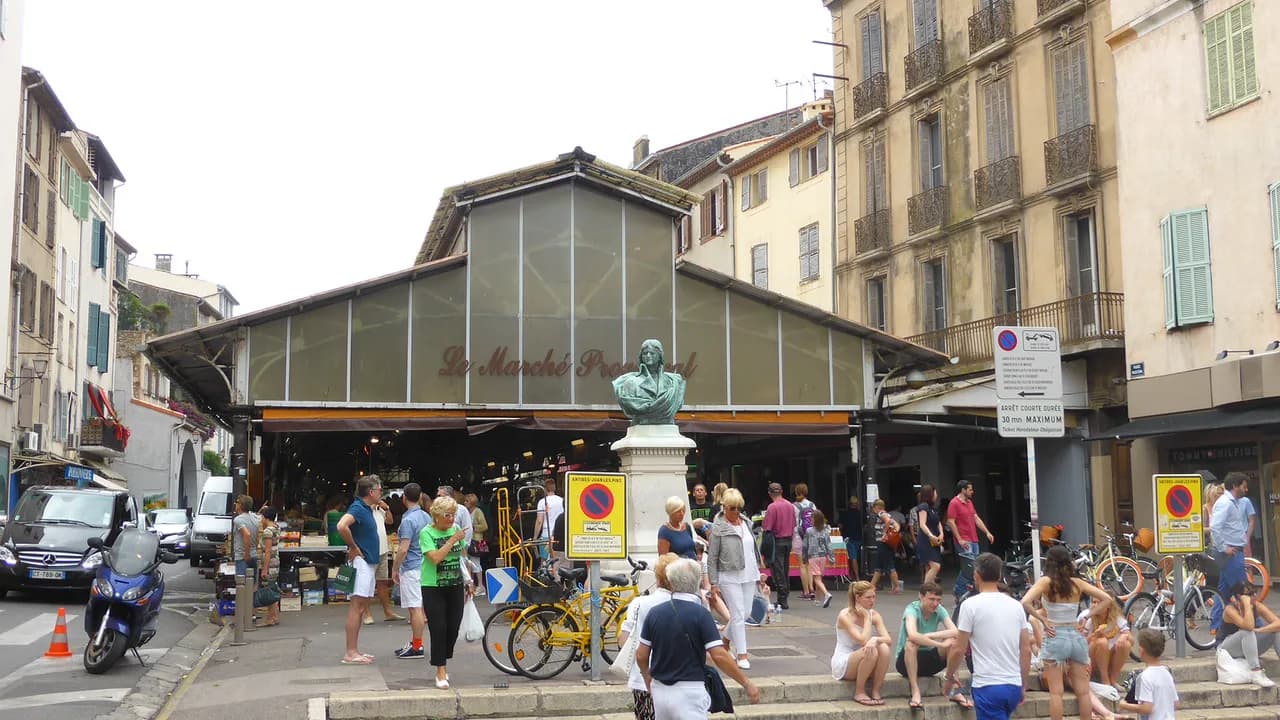
The Marché Provençal on Cours Masséna is the spine of any Antibes morning. Stalls under the hall sell cheese, charcuterie, spices, flowers and regional produce every morning from 07:30 to 13:00, extending to 13:45 from 1 June to 31 August. The one exception: it does not open on Mondays between 1 September and 31 May, so a winter Monday morning needs a different plan.
Beyond the hall, the town runs a patchwork of smaller markets worth knowing. Place De Gaulle holds a stallholder market on Tuesday from 06:00 to 13:00 and on Thursday and Saturday from 06:30 to 13:00; Place Jean Aude runs Wednesday and Friday from 07:30 to 13:00; Boulevard Albert 1er has one on Thursday from 07:30 to 13:00; and Esplanade Championnet has a Sunday market from 07:30 to 13:00. Place Nationale hosts a flea market on Thursday and Saturday from 07:30 to 18:00.
If your short break lands on a weekend, the craft market at Cours Masséna adds an afternoon option: Friday, Saturday and Sunday from 15:30 to 19:00 between October and mid-June, and Thursday to Sunday from 15:30 to 00:30 from mid-June to the end of September. The farmers' market at the esplanade de la Garoupe runs on the third Sunday of each month, 10:00–16:00, which is worth timing a Cap d'Antibes walk around.
Day 2: Fort Carré, the Port and the Coastal Path
Give the morning to Fort Carré. The Renaissance fortress, built under Henri II to guard the frontier with the County of Nice, has a rampart walkway at 43 metres with views back over the town and out to sea, plus four hectares of Mediterranean gardens around it. It is a compact visit that rewards the walk out rather than a long stay inside.
Walk back through the port afterwards and take a late lunch on the Antibes side of the water. The route from the old town to the fort follows the coast, so you can reverse it and stop wherever the view appeals. If you want a longer leg, continue past the fort towards Cap d'Antibes, where the Tire-poil footpath runs around the headland.
Reserve the late afternoon for the ramparts and a slow drink rather than another ticketed sight. Two days in Antibes work best when one of them is left open like this; cramming a third museum produces a blur. The port itself is the sight, with the fort on one side and the old walls on the other.
Fort Carré Practicalities: Prices, Monday Closure and Weather Closures
Fort Carré charges 5 € full fare and 3 € reduced for students, groups of ten or more, large families and teachers, with free entry for certain beneficiaries on proof. A multi-site card at 15 € covers access to the municipal museums over seven consecutive days, which is the sensible purchase if you plan to see the Musée Picasso and other town museums as well. These are the 2026 rates published by the tourist office.
Opening hours shift with the season: 10:00–17:00 with the last visit at 16:30 from 1 September to 30 June, and 10:00–18:00 with the last visit at 17:30 from 1 July to 31 August. It closes on Mondays and on 1 January, 1 May, 1 November and 25 December. Reservations are recommended by telephone on +33 (0)4 92 90 52 13, and the site can close without notice in bad weather or for security reasons, so treat a windy or stormy forecast as a reason to reorder your days.
Because the fort is outdoors, put it on the day with the better forecast rather than locking it to day two. If a closure catches you out, the Musée Picasso and the old town fill the gap comfortably. Either way, the fort closes on Mondays, so do not save it for your last morning if that morning is a Monday.
Day 2 Alternative or Add-On: Juan-les-Pins and Its Own Market Days
Juan-les-Pins is a different mood from the old town: a beachfront resort with a promenade, its own station and a market on Friday at Pont Dulys from 07:30 to 13:00. In July and August, night markets run from 18:00 to midnight on the Promenade du Soleil at Juan-les-Pins and at Pré-des-Pêcheurs in Antibes, which gives a summer evening somewhere to go after dinner.
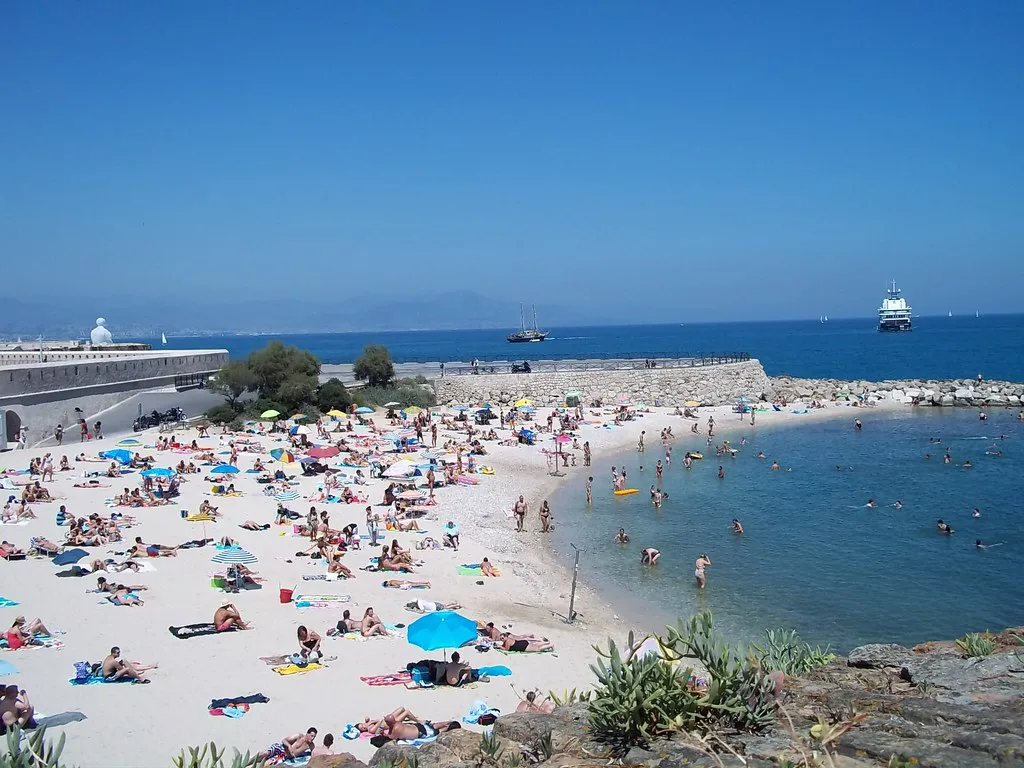
For a two-day break, treat Juan-les-Pins as an afternoon: take the coastal path or the train, walk the seafront and come back for dinner in the old town. On a three-day plan, give it a half day with the beach as the anchor. The destination suits anyone who wants a swim and a promenade without the bustle of the walled town.
Day 3: A Slower Morning of Markets and Older Streets
A third day earns its place through pacing rather than new sights. Take the market on Cours Masséna slowly, buy picnic supplies and eat them on the ramparts or by the port. Then wander the streets of the Vieille Ville you skipped on day one, including the Safranier quarter and the cathedral end of town.
Use the afternoon for whatever the weather allows: the Picasso museum if you have not yet been, the fort if the forecast is kind, or a stretch of the coastal path. Check the day of the week against the smaller markets before you commit, since Place De Gaulle, Place Jean Aude and the Boulevard Albert 1er stalls each run on different mornings. A Thursday in Antibes, for instance, gives you both the Boulevard Albert 1er market and the Place Nationale flea market.
If you would rather trade Antibes for a bigger city on day three, Cannes is a short train ride west and offers its own three-day rhythm; our 3 days in Cannes itinerary shows how that rhythm fits together. That said, most short-break visitors get more from a slower Antibes day than from a second town squeezed in.
Filling the Gaps: Cafés, Long Lunches and Terraces
Antibes rewards the long lunch more than most Riviera towns. The museum's midday closure outside summer pushes you towards a proper sit-down meal anyway, and the old town has the density of cafés and restaurants to make that easy. Book nothing complicated: pick a terrace on the day and let the timetable breathe.
Shopping is the other natural filler. The old town's independent shops and the market hall give you something to do in the hour before a museum reopens, and the Cours Masséna craft market handles the late afternoon. Keep an eye on Sunday trading, when many shops in French towns of this size pull down the shutters.
Where the Itinerary Flexes: Rainy Days, Closed Museums and Market Timings
Rain changes the plan more than anything else. Fort Carré is exposed and can close without notice in bad weather, so move it to another day and use the wet hours in the Musée Picasso and the covered market hall. The museum's own closure days are Mondays plus the four public holidays listed on its official page, so a rainy Monday leaves you with the old town streets and not much else indoors.
Market timing is the other flex point. The Cours Masséna hall runs every morning but skips Mondays in the colder half of the year, so a Monday visit outside summer needs a different breakfast plan. In summer, the same market stays open until 13:45, which buys you a later start.
For a broader view of the town's museums, including options beyond the Picasso, plan around the Monday closures before booking anything timed — check current opening days and prices before you go. A small cluster of municipal museums plus the multi-site card can fill a wet afternoon neatly if you see which are open that day.
Two Days Versus Three: What to Cut
With two days, cut Juan-les-Pins and the craft market. Day one is the old town, ramparts and Musée Picasso; day two is Fort Carré, the port and the Cours Masséna market, with the afternoon left open for whatever the weather suggests. That is a complete Antibes short break without rushing.
With three days, add a slow market morning and a half day at Juan-les-Pins, ideally on a Friday when the Pont Dulys market runs. The third day is also where the day order can absorb a bad-weather day without losing a headline sight. Do not add a fourth day expecting more sights; you would be repeating the same streets at a gentler pace.
Costs at a Glance: What to Budget For
Budget for Fort Carré at 5 € full fare or 3 € reduced, and consider the 15 € multi-site card if you plan to visit several municipal museums within seven days. These are the 2026 published rates; both are small sums and worth paying rather than skipping the fort's rampart views.
The Musée Picasso ticket price is not listed on the tourism page describing the collection, so check the museum's official website for the current tariff before you set a budget. Food and drink costs vary with where you sit and what you order, so build a margin rather than a fixed figure. Everything else on this itinerary, including the ramparts, the port and the Cours Masséna market, costs nothing to walk.
Plan Your Visit
Antibes works as a two-day break with a clear order: old town and ramparts first, the Musée Picasso around its lunchtime closure, Fort Carré and the port second, and the market on a morning that is not a winter Monday. Three days buys a slower morning and a Juan-les-Pins afternoon rather than a new headline sight. Confirm hours and prices close to your dates, since both the museum and the fort run seasonal timetables.
Explore more Antibes guides
Frequently Asked Questions
How many days do you need in Antibes?
Two days are enough to see the Vieille Ville, walk the ramparts, visit the Musée Picasso and spend a morning at Fort Carré. Add a third day if you want a slower market morning, the craft market on Cours Masséna or an afternoon at Juan-les-Pins. Beyond three days you are repeating streets rather than finding new sights.
Is the Musée Picasso in Antibes open on Mondays?
No. The Musée Picasso closes on Mondays, and it also closes on 1 January, 1 May, 1 November and 25 December. Opening hours are 10:00 to 13:00 and 14:00 to 18:00, becoming continuous from mid-June to mid-September. Plan the museum for a Tuesday to Sunday and put the old town walk on the Monday instead.
When is the market in Antibes old town?
The Marché Provençal on Cours Masséna runs every morning from 07:30 to 13:00, staying open until 13:45 from 1 June to 31 August. It does not open on Mondays between 1 September and 31 May, so a winter Monday needs another plan. Smaller markets run at Place De Gaulle, Place Jean Aude, Boulevard Albert 1er and Esplanade Championnet on other mornings.
Is Antibes worth visiting for a weekend?
Yes. The old town, the port, the ramparts and the Musée Picasso sit within a short walk of each other, and Fort Carré is a coastal stroll away, so a weekend covers the main ground without a car. The main planning trap is Monday, when both the museum and the fort close.
Should you stay in Antibes or Juan-les-Pins for a short break?
Antibes old town gives you the walls, the market hall and the museum on your doorstep, which suits a first short break. Juan-les-Pins is a beachfront resort with its own station and a Friday market at Pont Dulys, so it works better if swimming and a promenade matter more than the historic core. Both are close enough that you can visit one from the other.
What should you cut from a two-day Antibes itinerary?
Cut Juan-les-Pins and the Cours Masséna craft market. Keep day one for the Vieille Ville, ramparts and the Musée Picasso, and day two for Fort Carré, the port and the morning market. That leaves the afternoon free for whatever the weather allows.
Sources
Notes for French city breaks
Optional updates to our guides.
You might also like
Continue reading
More guides you'll find useful