The Best Time to Visit Antibes: A Season-by-Season Guide
The best time to visit Antibes is autumn, with warm weather and thinner crowds. See how each season compares for crowds, rates and what stays open.
On this page
The best time to visit Antibes is autumn, roughly September to November, when average highs still reach the low 20s Celsius and the summer crowds have thinned. Prices ease too, and most restaurants and attractions stay open before the winter slowdown. If you want warm sea and a swim, aim for September rather than November.
Spring runs it close: highs climb from the upper teens into the low 20s, the town looks its best and the season is getting busier each year. Summer delivers the heat and the buzz, but packs the small centre and drives room rates up. Winter is the cheapest and quietest window, with the real risk that some of what you came to see is shut.
How Antibes' Seasons Work: A Quick Comparison
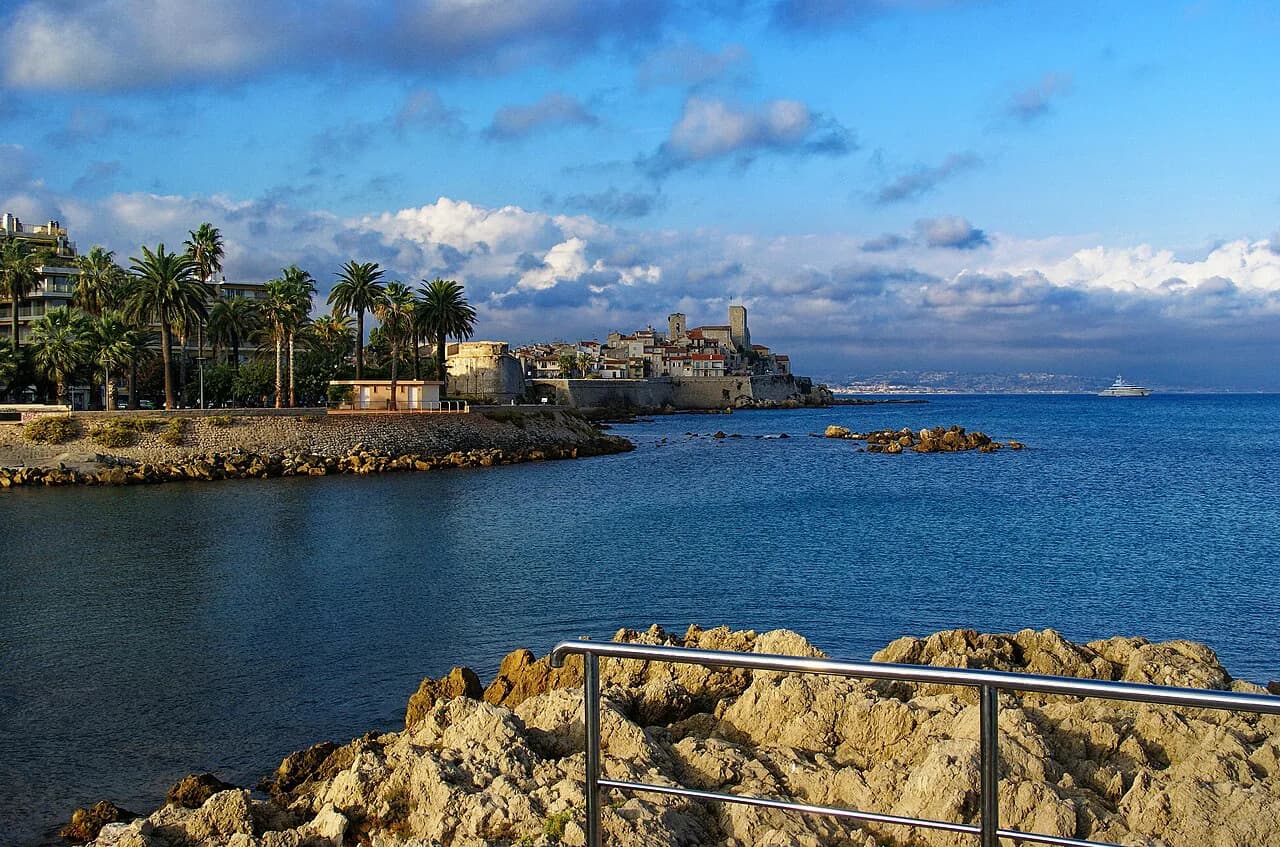
Antibes sits between Cannes and Nice on the Côte d'Azur, a compact town wrapped around a working port with a walled old town and the beach suburb of Juan-les-Pins to the west. That compactness is why the season matters so much: a two-night break here relies on a handful of sights, a market and a stretch of sand, so closures and crowds hit harder than they would in a big city.
Think of the year in four modes rather than four equal seasons. Autumn is the sweet spot, spring is the rising star, summer is peak volume and heat, and winter is low season with lower rates and possible closures. Decide which of those modes you can live with, then pick the month.
Climate averages are the honest tool here, not forecasts. They tell you what a given month usually feels like, which is exactly what you need to choose dates months ahead; they cannot tell you what the weather will do on your specific weekend.
Autumn (September to November): Warm Seas, Fewer Crowds
Autumn is the strongest all-round choice. September highs sit around the mid-20s Celsius, and even November still averages highs around the low 60s Fahrenheit (roughly the mid-teens Celsius), so terraces stay usable well into the season. Rain builds towards October and November, when monthly precipitation figures are at their highest, so pack for showers rather than a washout.
The real prize is the balance: restaurants and attractions are still open, but the summer crush has gone and hotel rates soften with it. For a short break built around the old town, the Musée Picasso and a few hours on the sand, this is the least frustrating window of the year.
If swimming is the point, book early September; the sea holds summer warmth and the air is still generous. By late October you are choosing Antibes for walking, eating and looking rather than for lying on Plage de la Gravette.
Winter (December to February): Low Season, Lower Rates, Closures
Winter is Antibes at its quietest, with average temperatures in the 40s and 50s Fahrenheit (roughly the single figures to low teens Celsius). Hotel rates drop to their lowest of the year, which makes it tempting for a cheap weekend. The trade-off is explicit: some of the attractions you would most want to see may be closed, and the town's holiday rhythm thins out.
That makes winter a bad fit for a first, short visit where the Musée Picasso and a lively old town are the whole point. It suits travellers who already know Antibes, or who want long lunches, sea views and empty streets and can absorb a disappointment or two.
Before booking a winter break, check the individual museum and monument pages for the days you plan to travel, since opening patterns change by season. Treat any winter saving on the room as a discount against flexibility, not as a free lunch.
Spring (March to May): Mild and Increasingly Popular
Spring lifts average highs from the upper teens into the low 20s Celsius, and the town looks its most photogenic as the planting comes back to life. It is a genuinely lovely time to walk the old town, the port and the coastal path without the summer heat.
The catch is popularity: spring is drawing more visitors each year, so the gap between spring and summer in crowds and rates is narrowing. Late March and April are noticeably calmer than May, which is when the season starts to feel like a warm-up act for summer.
May into early June is the connoisseur's window if you want warmth without peak-season volume, and it lines up with the start of the summer events calendar in June.
Summer (June to August): Heat, Crowds and Peak Rates
Summer is peak season, with average highs around the high 20s Celsius and a small city full of vacationers. Hotel rates reach their highest of the year, driven by demand from across France and beyond, and the centre, port and beaches are at their busiest.
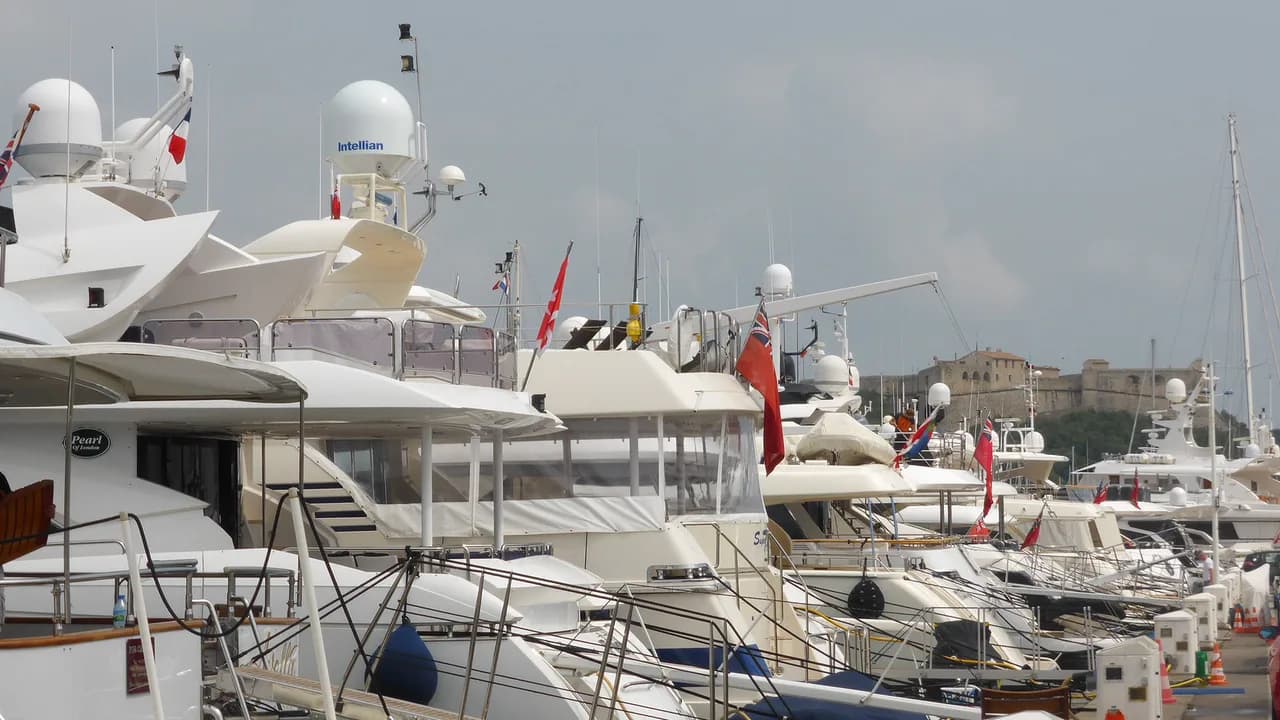
It is not a bad time to come, just an expensive and crowded one: swimming, boat-watching at Port Vauban and long evenings are the reward. Book accommodation early and expect to queue for the headline sights.
June brings Les Voiles d'Antibes, July brings Jazz à Juan in Juan-les-Pins, and fireworks run through July and August. These are the months when the town has most going on and least room to absorb visitors, so plan around them rather than stumble into them.
Month-by-Month at a Glance
January and February are the coldest and cheapest months, with low rates and the highest risk of closures. March and April bring mild, improving weather and moderate crowds, while May is warm and noticeably busier. June is hot and lively, with the sailing regatta kicking off the summer calendar.
July and August are the hottest, busiest and priciest, with Jazz à Juan and fireworks adding to the pull. September is the pick of the year for warmth with thinner crowds, October is still pleasant but wetter, and November and December close the circle back towards low-season quiet.
Use this as a filter, not a guarantee: the same month can feel very different in a sunny spell and a wet one. If your dates are fixed, plan indoor anchors such as the museums and the covered market so a poor day does not ruin the trip.
What the Weather Actually Feels Like
Antibes has a classic Mediterranean pattern: hot, dry summers and mild, wetter winters. Average precipitation is lowest in July and climbs through autumn, peaking in October and November, which is why autumn is warm but not reliably dry.
In practice, summer means strong midday sun, so plan walking for mornings and evenings and save the shaded old town streets for the hottest hours. Winter means a coat and a willingness to be indoors; spring and autumn mean layers, because a warm afternoon can follow a cool morning.
These are typical averages over many years, not a weekend forecast, so treat them as a guide to what to pack and what to expect. They are still the best basis for choosing between, say, late September and late October.
When Each Part of Antibes Is at Its Best
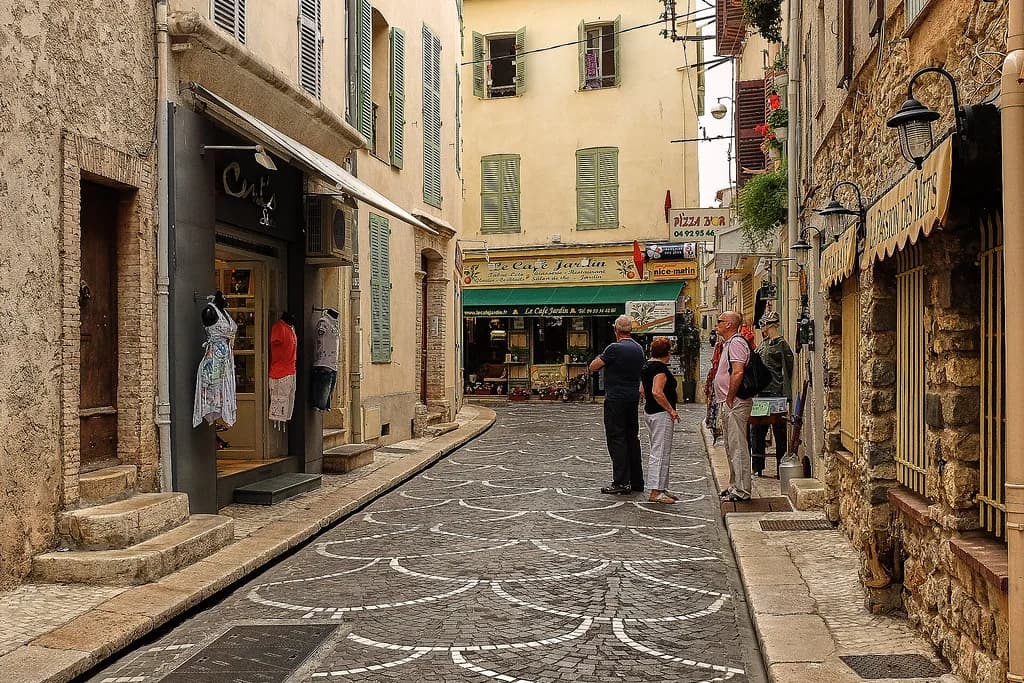
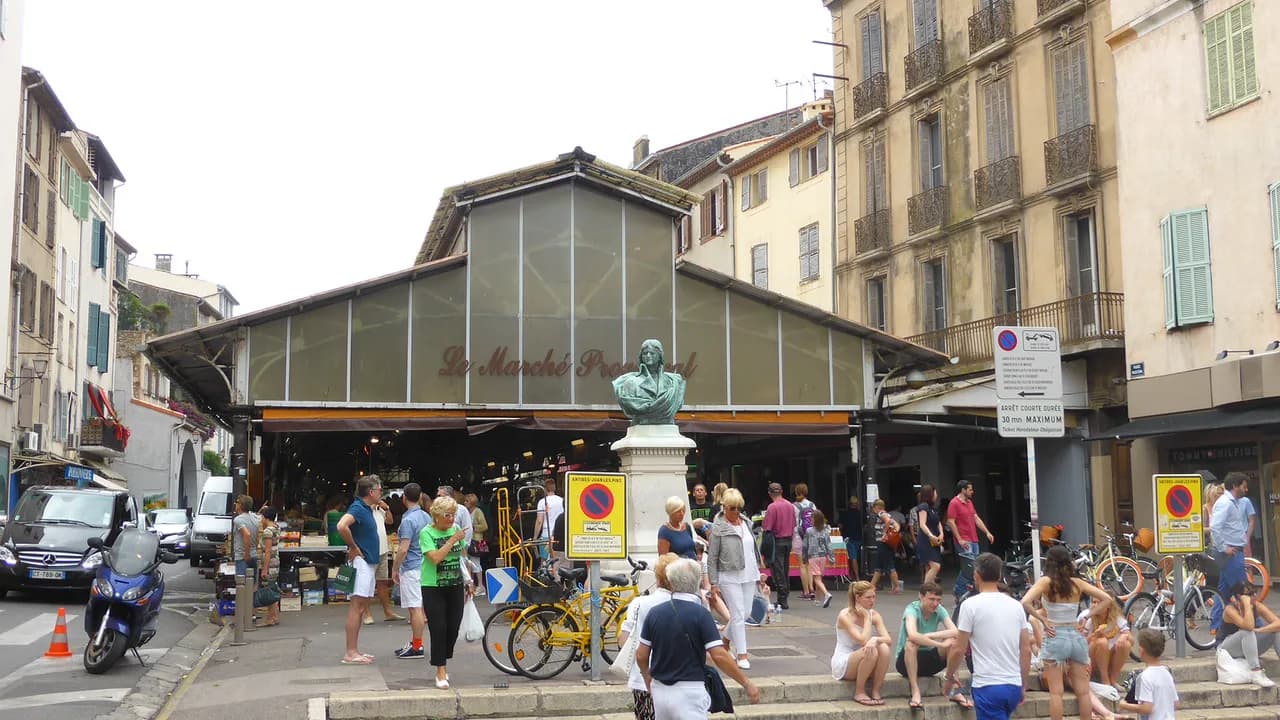
Vieil Antibes, the walled old town of narrow lanes and small squares, is at its best in spring and autumn, when you can wander without the summer squeeze. The Marché Provençal, the covered market in the old town, runs daily except Mondays, so a Monday visit needs a different plan for food shopping.
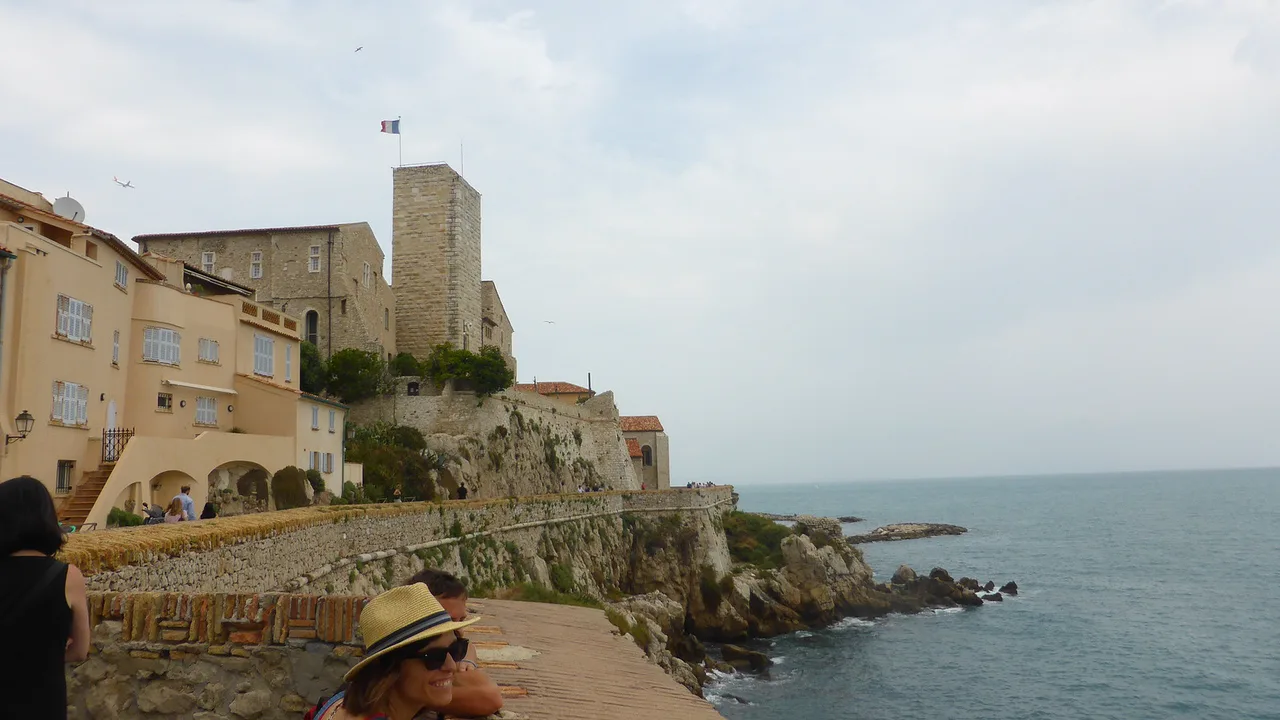
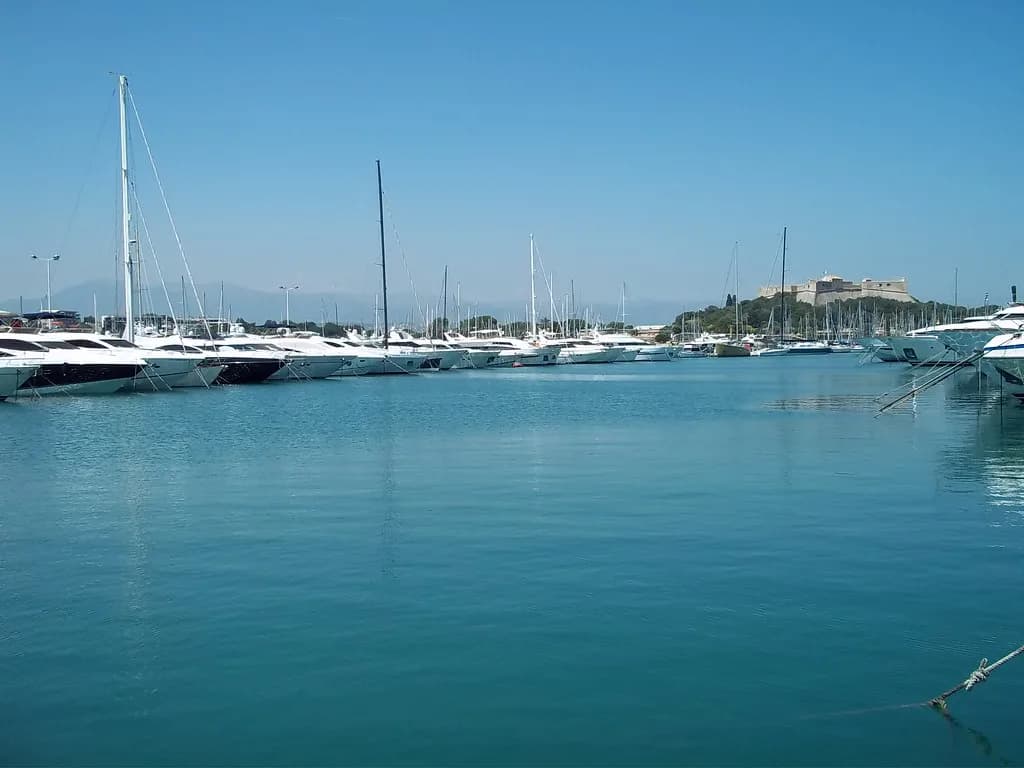
The Musée Picasso in the Château Grimaldi, perched above the sea, is a year-round indoor anchor and a sensible choice in winter or on a wet autumn day. Fort Carré, the 16th-century fortress on the hill by the harbour, rewards clear days when the views across the bay and towards the Alps are sharp.
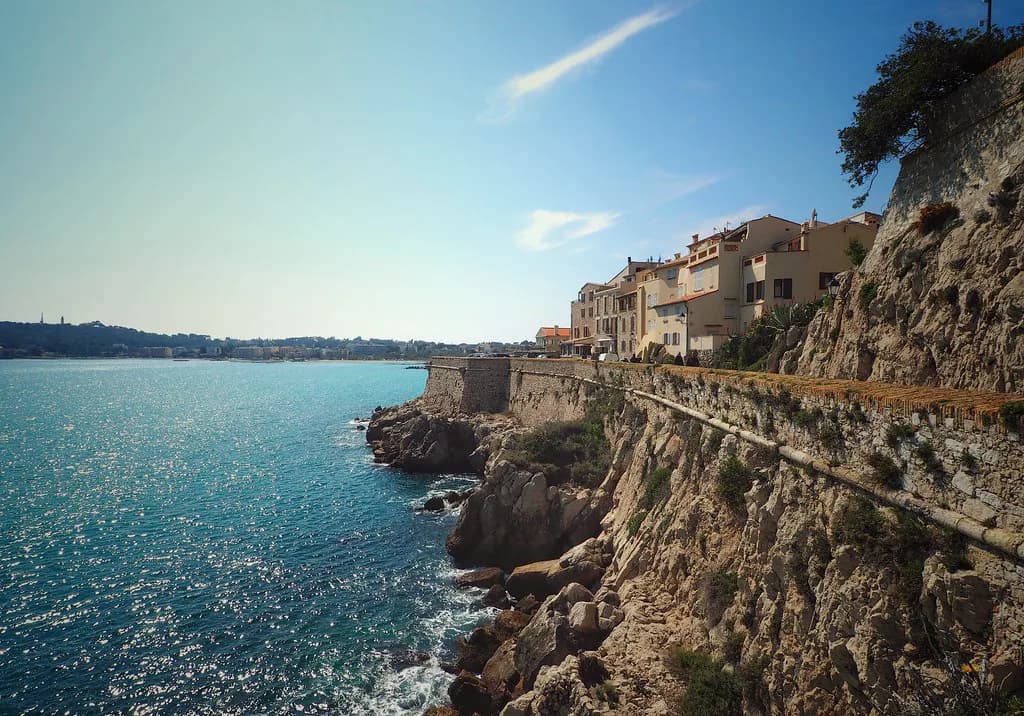
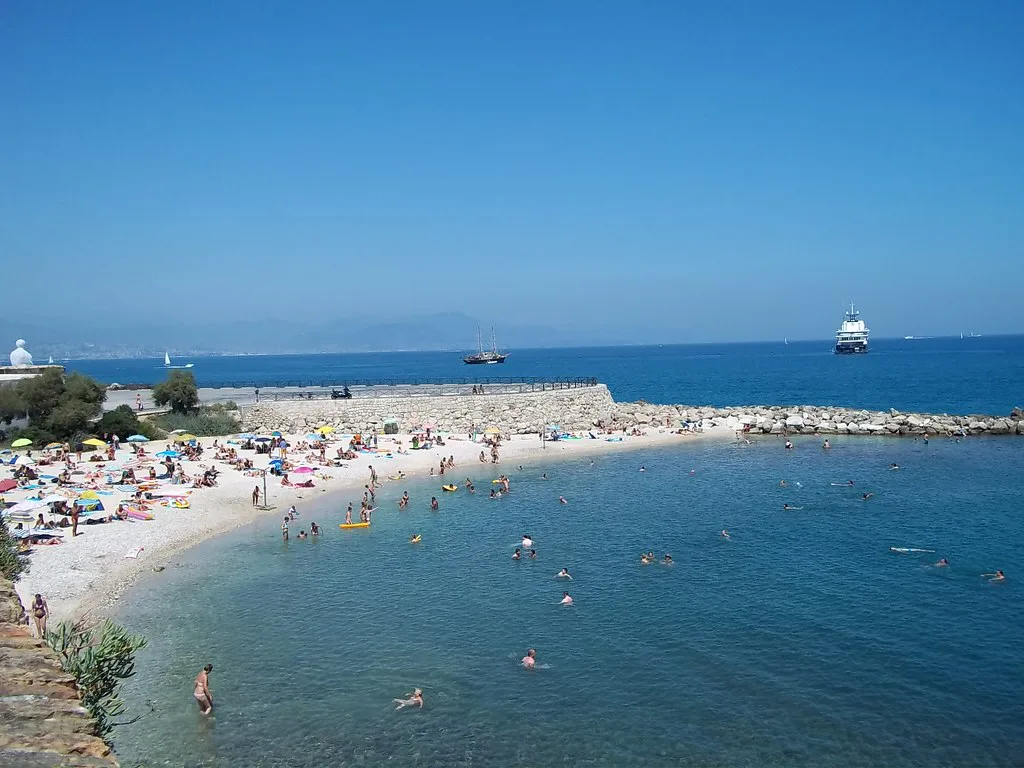
Plage de la Gravette, the sheltered sandy beach by the old town, is a summer and early-autumn pleasure; outside those months it is a place to walk rather than swim. Juan-les-Pins, with its promenade and beach bars, is liveliest in summer, and the Sentier du Tirepoil along the Cap d'Antibes is best in spring and autumn when the heat is manageable.
How Busy It Gets, and What That Does to Rates
Crowds follow a simple curve: quiet in winter, building through spring, peaking in summer, then falling away sharply in autumn. Rates track the same line, with winter the cheapest window and summer the most expensive, which is the core trade-off of any Antibes booking.
The practical move is to travel in the shoulder weeks just outside peak season, when you get much of the summer experience at a lower cost. September and early October, or late April and May, are the value picks.
If your dates fall in peak season, book early and build your days around the quieter hours, such as early mornings in the old town before the crowds arrive.
A Two-Day Plan for the Best Months
In September or October, spend the first morning in the old town: the Marché Provençal for picnic supplies, the Cathédrale Notre-Dame-de-la-Platea and the Chapelle Saint-Bernardin, then the Musée Picasso. In the afternoon, walk the harbour and look up at Fort Carré before a slow dinner.
Day two is for the coast: walk the Sentier du Tirepoil along the Cap d'Antibes in the morning, then spend the afternoon on Plage de la Gravette or along the waterfront. If rain closes in, shift the museum visit and keep the walk for a clearer window.
For a fuller day-by-day structure, use our Antibes itinerary as a frame and swap stops to suit the weather. Two nights is enough for the town itself; a third gives you a slow morning on the beach or the market.
Choosing Your Dates: A Simple Decision Framework
If warmth with thinner crowds is the goal, book September, ideally the first half. If you want lower rates and can accept closures, choose winter. If you need everything open and don't mind the heat or cost, take summer and book early.
Check two things before committing: the season's typical weather for your month and whether the sights you care about are likely to be open. Anything you cannot confirm for your dates is best treated as a risk, not a plan.
For a first visit, autumn is the obvious answer; for a repeat visit with low expectations on weather, winter can be quiet and inexpensive. Compare your options honestly, then lock in.
Plan Your Visit
Autumn is the best time to visit Antibes: warm, open for business and far less crowded than summer. Spring is a close second, summer is best for atmosphere and swimming, and winter is for cheap, quiet breaks where you accept that not everything will be open.
Pick your month by what you value most, then build the trip around the old town, the museums and the coast. A two-day break works in any season, provided you match your plans to what is likely to be open.
Explore more Antibes guides
Frequently Asked Questions
What is the best month to visit Antibes?
September is the strongest single month: highs average in the mid-20s Celsius, restaurants and attractions are still open, and the summer crowds and room rates have both eased. Early October is the next best bet, though rain becomes more likely as the season goes on.
Is Antibes worth visiting in winter?
Yes, if you want low rates and quiet streets rather than a full sightseeing programme. Winter is the cheapest and calmest stretch of the year, but some attractions may be closed, which is a real risk on a short first visit. Check the individual museum and monument days for your dates before booking.
How hot is Antibes in summer?
Average highs sit around the high 20s Celsius in June, July and August, and this is also the busiest and most expensive season. Plan walks and beach time for mornings and late afternoons, and keep the shaded old town lanes for the middle of the day.
When is Antibes least crowded?
Winter, from December to February, is the quietest period, followed by late autumn and the earliest weeks of spring. Summer is the opposite: the small centre, the port and the beaches fill with vacationers, and rates peak with demand.
Is Antibes expensive in high season?
Accommodation rates reach their highest of the year in summer, driven by heavy demand, and they fall to their lowest in winter. Travelling in the shoulder weeks just outside peak season, such as September or late April, gives you much of the summer experience at a lower cost.
How many days do you need in Antibes?
Two nights covers the essentials: the old town, the Marché Provençal, the Musée Picasso and a walk along the coast or an afternoon on Plage de la Gravette. A third night gives you room for the Sentier du Tirepoil on the Cap d'Antibes or a slower day at the beach.
Sources
Notes for French city breaks
Optional updates to our guides.
You might also like
Continue reading
More guides you'll find useful