Antibes Old Town: What to See and How to Walk It
Plan a walk through Antibes Old Town: the Picasso Museum in Château Grimaldi, the ramparts, Marché Provençal and the streets of Vieil Antibes.
On this page
Antibes Old Town, or Vieil Antibes, is worth roughly half a day on foot: a walled knot of narrow cobbled streets with the Picasso Museum inside the Château Grimaldi, a covered market hall, and ramparts that open onto the Mediterranean. Everything in the historic core sits within a short walk of everything else, so you can cover the essentials in two hours and still have time for the coast. The trade-off is that the Picasso Museum shuts on Tuesdays and closes over lunch, which reshapes any plan built around it.
What Antibes Old Town is and why it rewards a half-day on foot
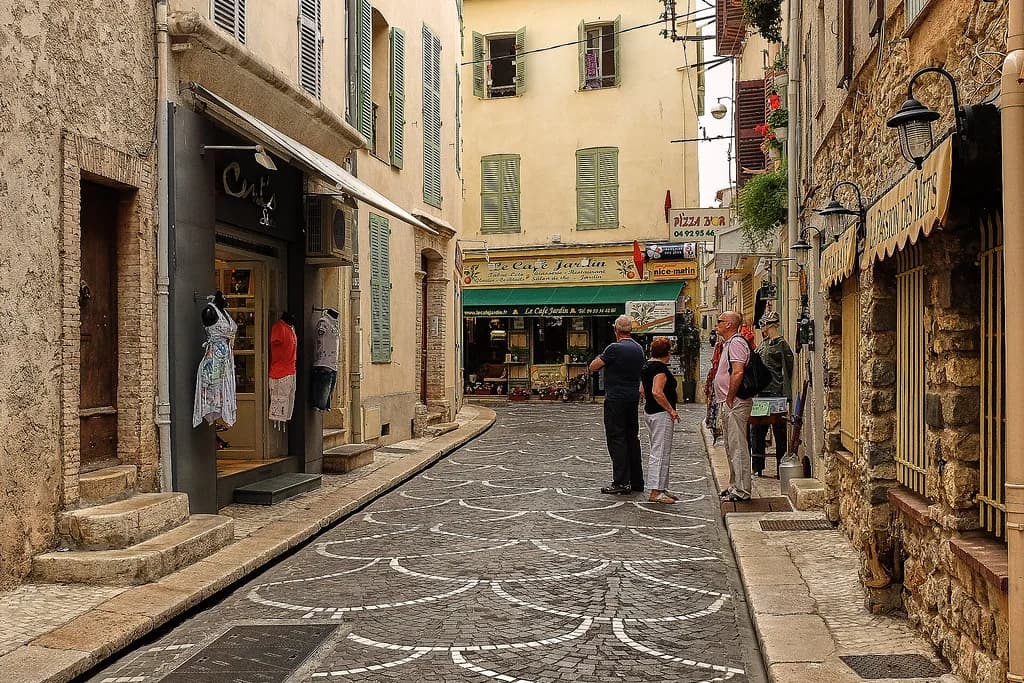
Old Town Antibes is a maze of narrow, cobblestone streets lined with colourful buildings, small squares, artisan shops and local eateries, and it holds the town's best-known sights, including the Picasso Museum. Because the streets are tight and the sights cluster together, walking is the only sensible way to cover it; a car adds nothing inside the walls. Give it a morning or an afternoon rather than a full day, and use the saved time for the coastline outside the ramparts.
The old town is the natural anchor for a short break, and the wider things to do in Antibes spread from here to the beaches, the marina and the Cap. If you are still deciding whether the town suits you, the case for is Antibes worth visiting rests on exactly this: a walkable historic core plus sea access within minutes. Set your expectations accordingly and it delivers comfortably.
How Old Town is laid out: ramparts, Château Grimaldi and cobbled lanes
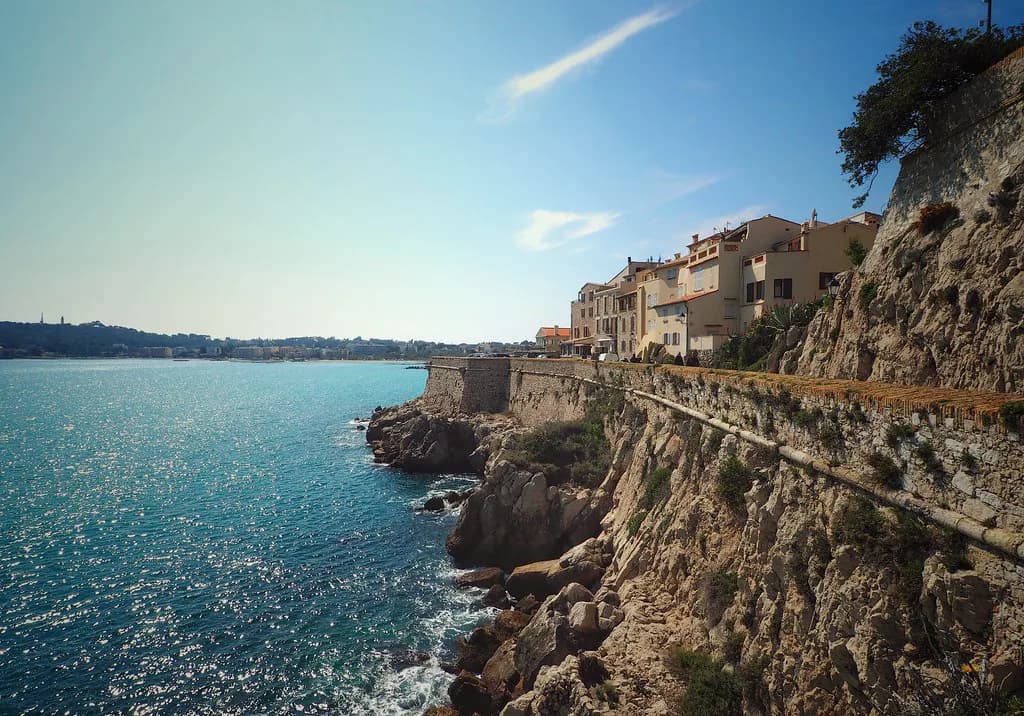
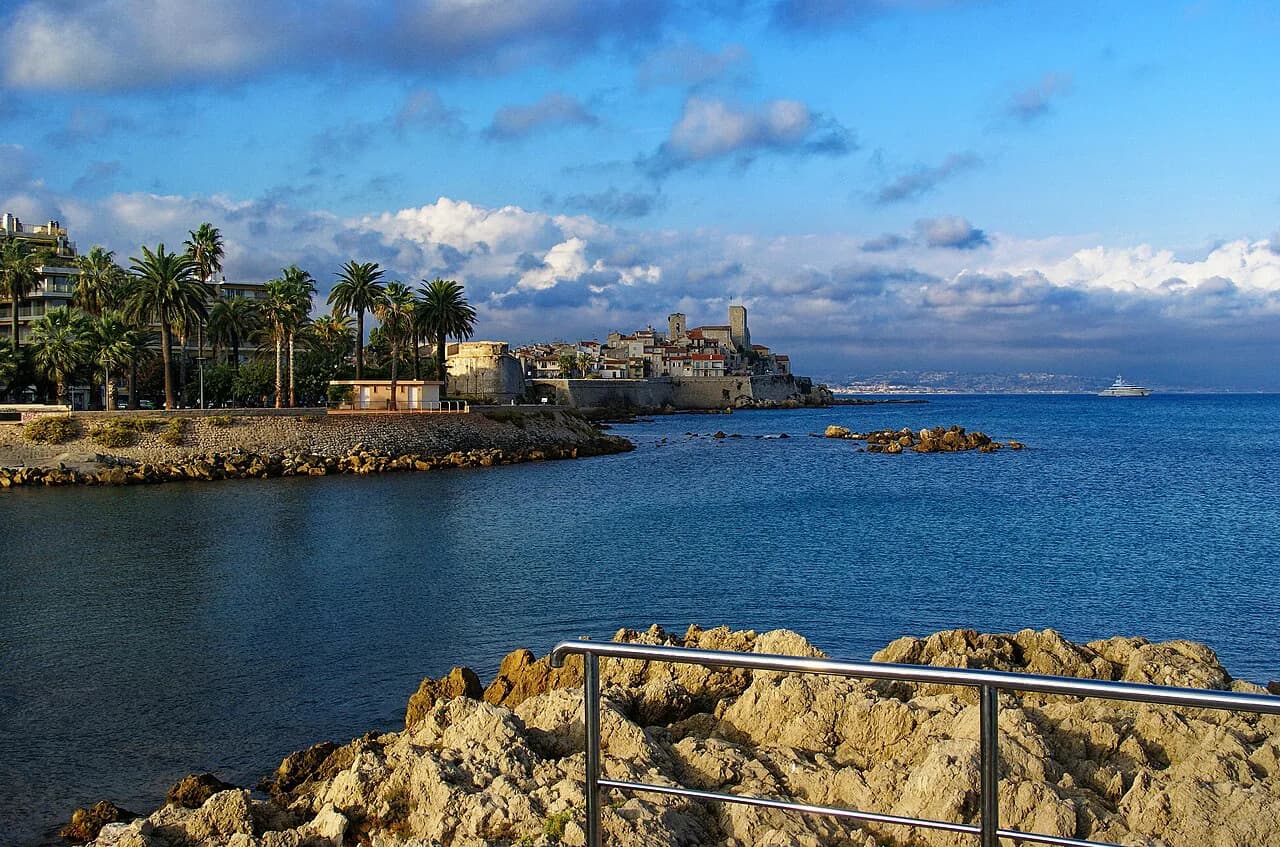
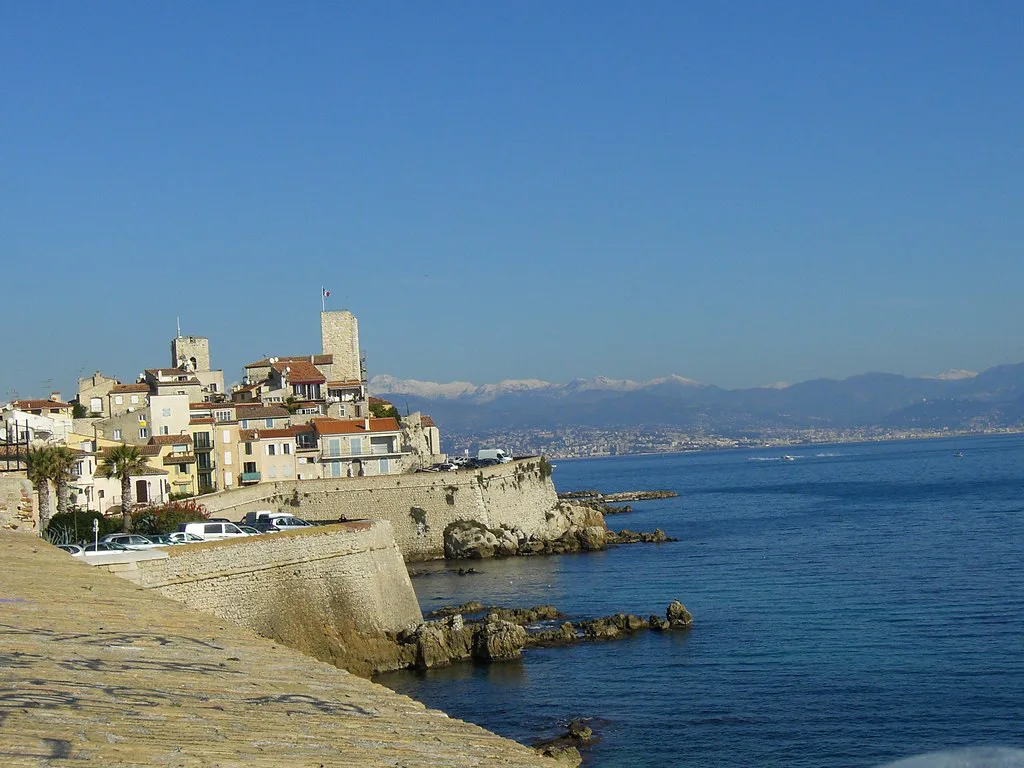
Picture a rough oval pressed against the sea. The ramparts wrap the old town on the water side, the Château Grimaldi and its Picasso Museum sit inside the walls near the sea edge, and the Marché Provençal hall stands among the lanes behind. Port Vauban lies at one flank, so you can enter from the harbour, walk the lanes, cross the ramparts and end at the water without ever doubling back far.
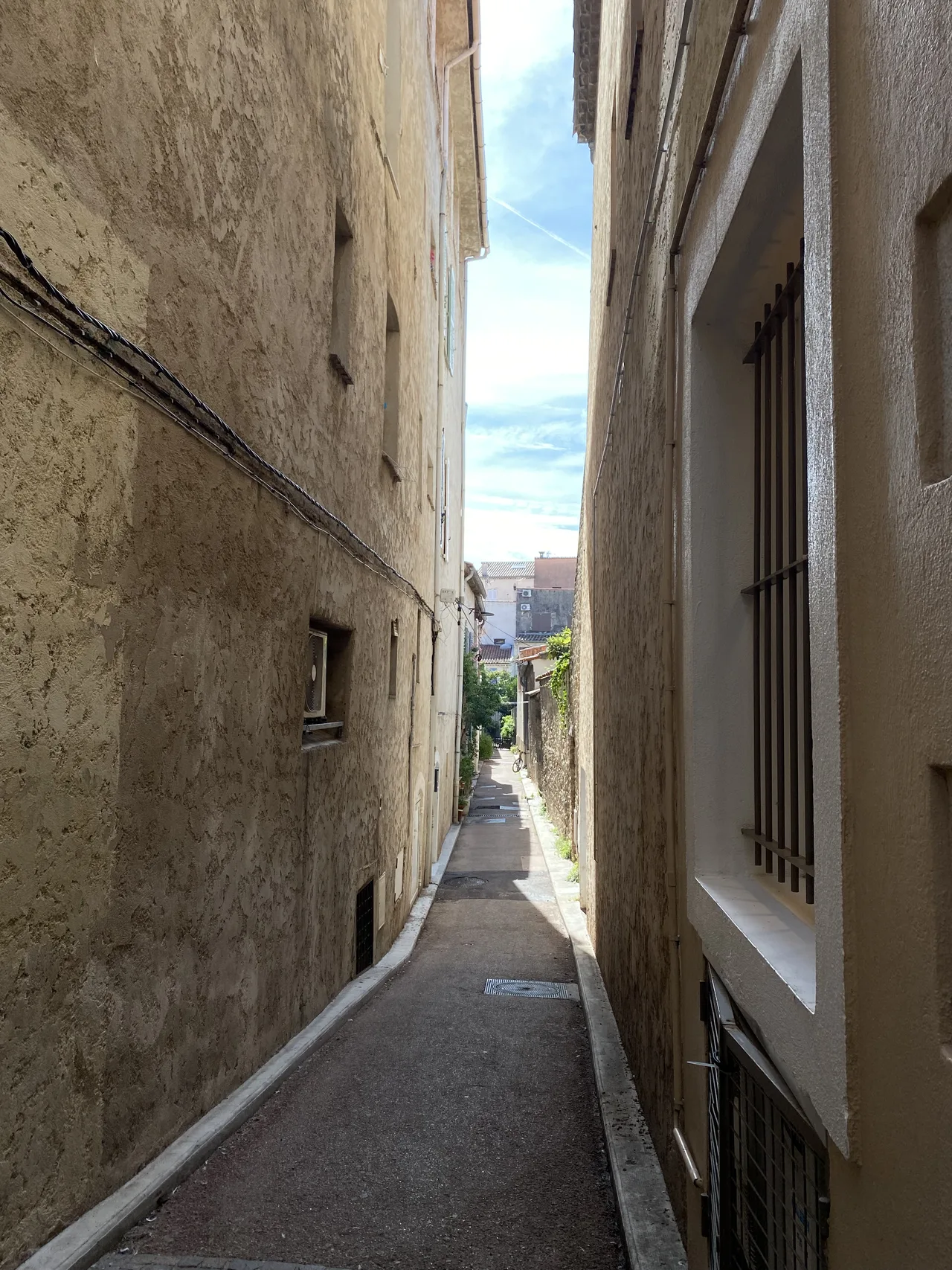
The lanes are genuinely narrow and paving is uneven in places, so flat shoes matter more than planning does. Signage is modest, and getting mildly lost between the market hall and the sea wall is part of the experience rather than a failure of navigation. If you want a structured order of stops, an antibes itinerary saves you from improvising the sequence on the day.
Start at the ramparts and Jardin des Poètes for the sea view
Begin on the ramparts that circle the old town; they make a natural morning or evening stroll, with open sea views and a series of bronze sculptures by Nicolas Lavarenne set into the stonework along the way. The sculptures give the wall walk a purpose beyond the panorama, and the contrast between modern bronze and old fortification is the pleasure of the route. Walk it early or late, when the light is low and the wall is quieter.
At the southern end of the ramparts a small jut of land forms the Jardin des Poètes, planted with palms and cacti and easy to miss if you are watching the sea. Treat it as a five-minute pause rather than a destination, then carry on along the wall. The whole circuit is short enough to fold into the first hour of your walk.
Musée Picasso in Château Grimaldi: what it is and what it costs
The Picasso Museum occupies the Château Grimaldi, where Picasso used a studio space in 1946; today it holds a substantial collection of his work alongside pieces by other modern artists, with the sea just outside the windows. Entry costs 6 € full price and 3 € for seniors and students. Opening hours are split either side of lunch, with the ticket office closing before the museum does, so buy on arrival rather than late in the session.
The museum closes on Tuesdays and on 1 January, 1 May, 1 and 11 November and 25 December. Normal hours run from 10am to 12.15pm and 2pm to 5pm, with the ticket office open until 4.30pm; summer hours from 1 July to 15 September stretch to 10am–12.30pm and 2pm–6pm, with tickets until 5.45pm. Build the rest of the walk around whichever session you choose, because the lunchtime gap is long enough to kill an unstructured morning.
Vieil Antibes on foot: squares, Chapelle Saint-Esprit and artisan shops
Away from the museum, the old town is best taken slowly: colourful facades, small squares, artisan shops and cafes where you can sit and watch the street. The Chapelle Saint-Esprit d'Antibes, a small church tucked into the lanes, is a quick and worthwhile stop on the way through. Allow an hour of unhurried wandering between the museum and the market hall.
Shops here are small and independently run, so browsing is part of the walk rather than a separate activity; if retail is a priority, plan the shopping in Antibes around the lanes near the market hall. The old town rewards a slower pace than the ramparts do, and the two halves of the visit feel distinct even though they sit metres apart.
Marché Provençal: what the covered hall sells and how to use it
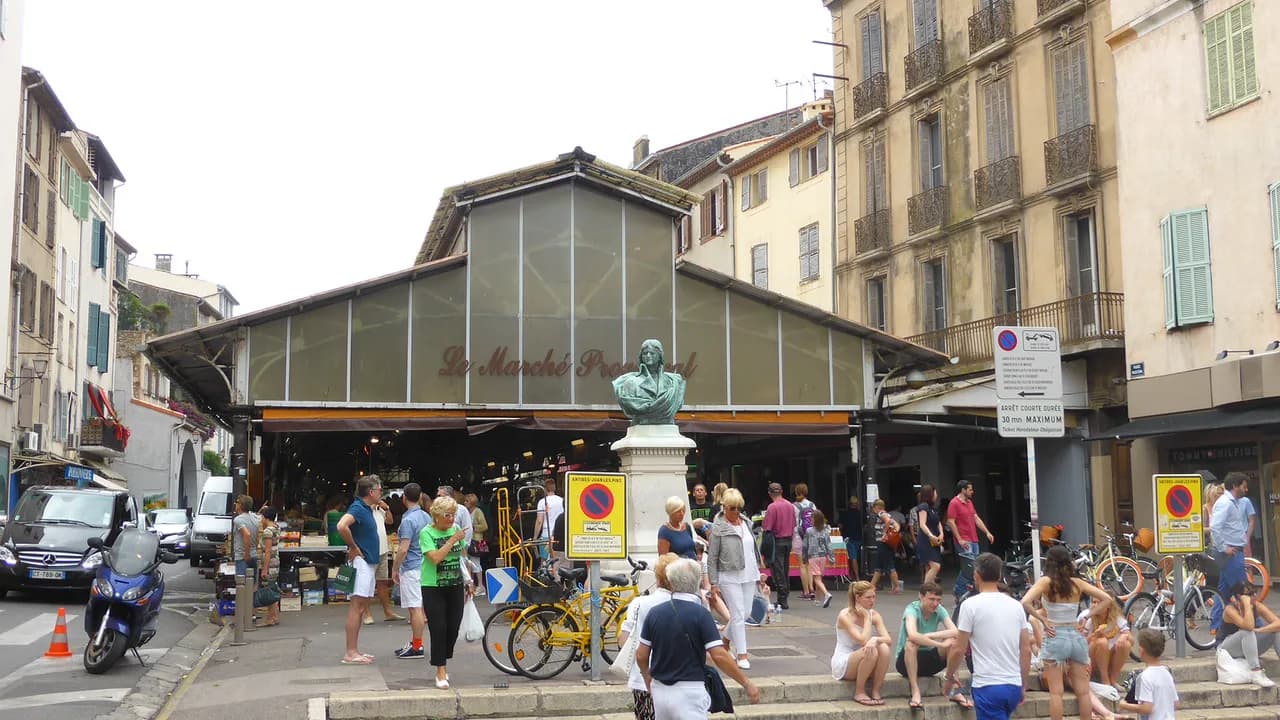
The Marché Provençal trades under a traditional covered hall, with vendors selling fresh produce, local cheeses, herbs, olives and freshly baked bread. Use it as a picnic supplier rather than a sit-down stop: pick up bread, cheese and olives, then eat on the ramparts or by the water. It also works as a weather-proof interlude if the sea wind picks up.
Check the market's current trading mornings before you build a day around it, since a market visit that lands on the wrong day leaves a gap in the plan. If you want the fuller picture of which days the town's markets run, the markets in Antibes guide sets out the schedule. Pair the hall with a wander past the cours Masséna nearby.
Port Vauban at the edge of Old Town
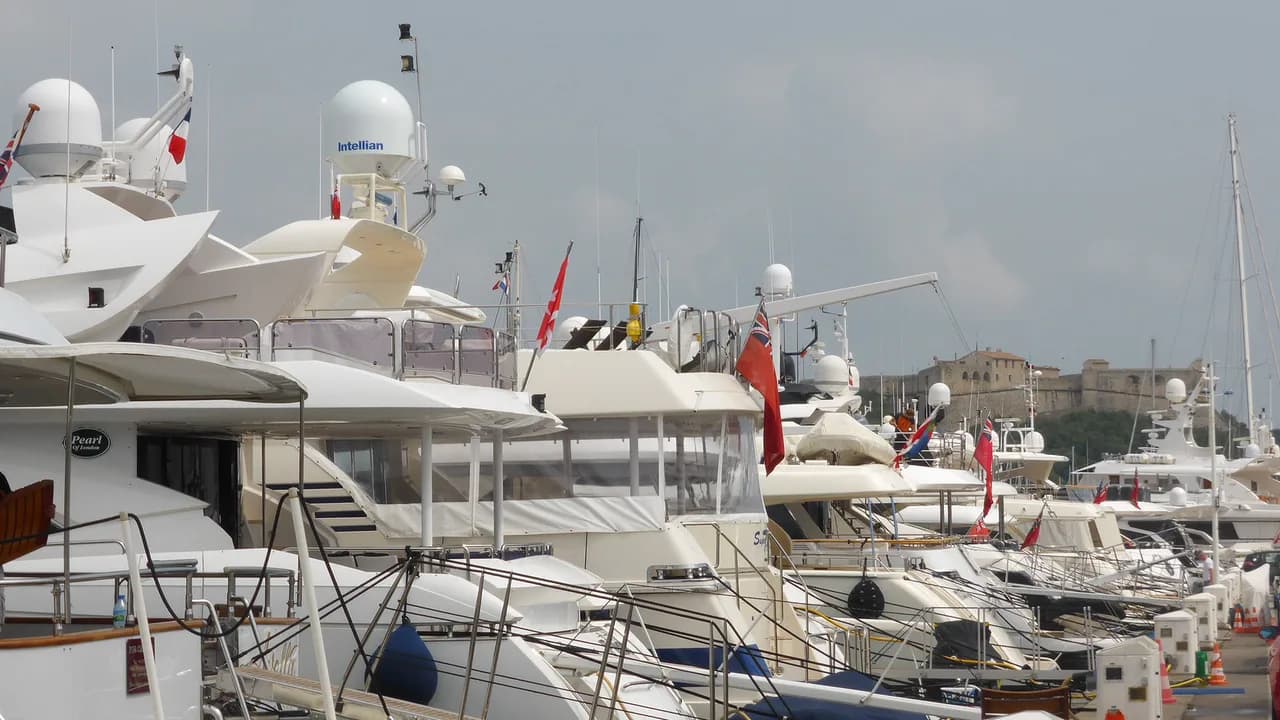
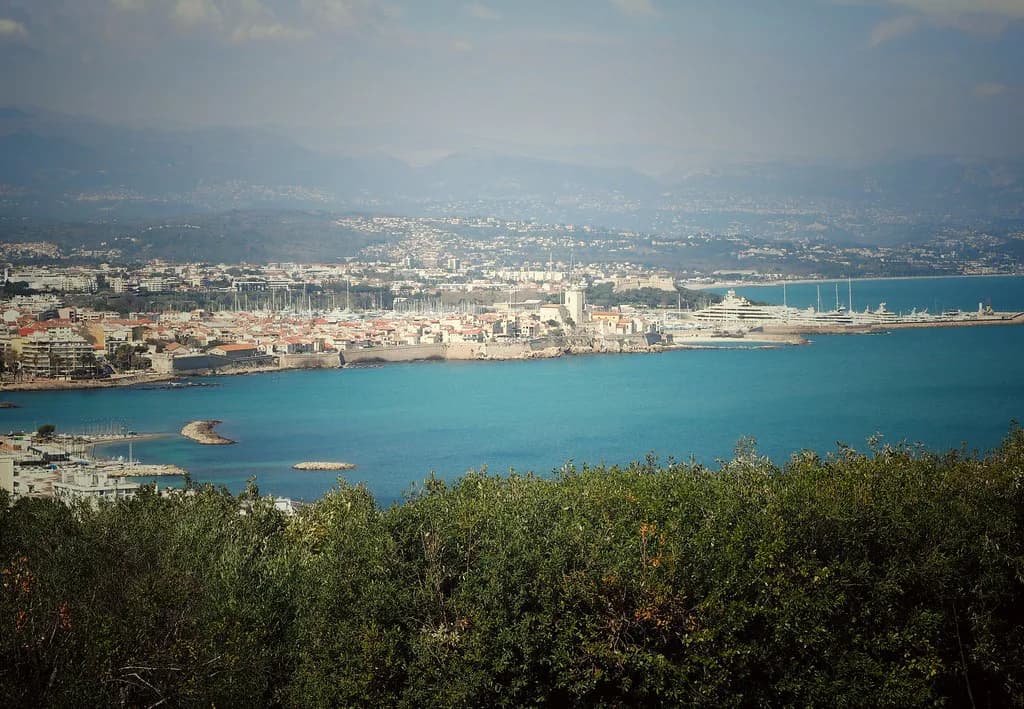
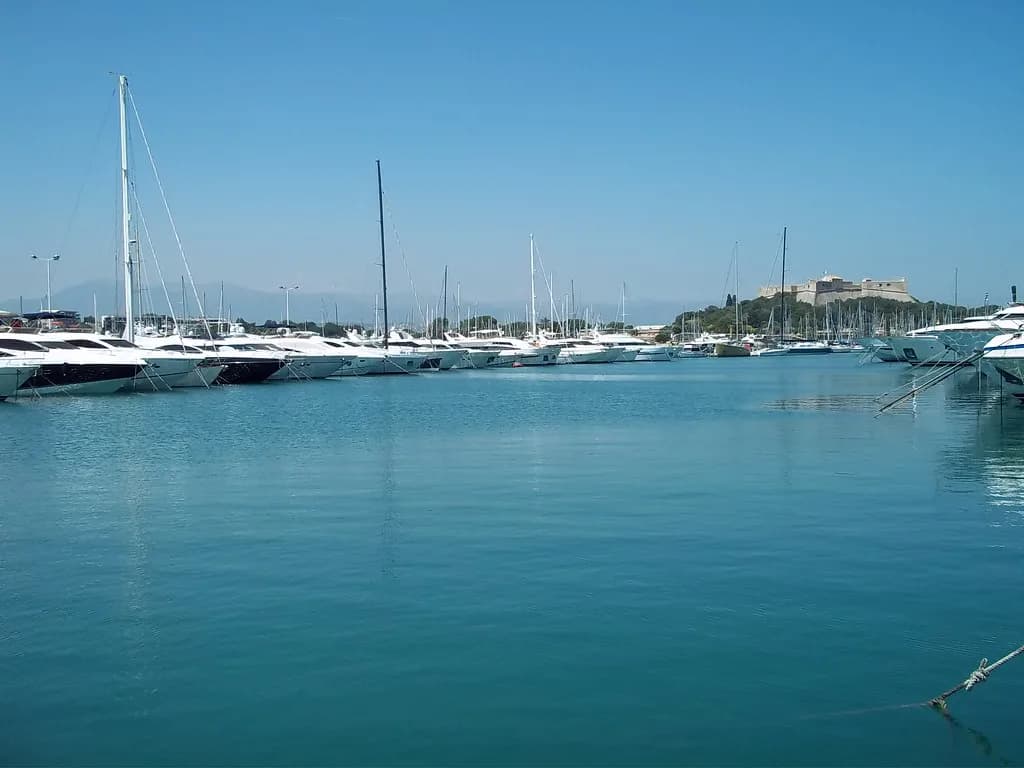
Port Vauban, one of the largest marinas in the Mediterranean, sits directly against the old town and has a maritime history reaching back to the Roman era. Superyachts moor here in numbers, and strolling the quay edge is a free, ten-minute contrast to the medieval lanes. Come at the end of the walk, when you have already seen the walled town from above.
Fort Carré: the short detour beyond the marina
Fort Carré is a sixteenth-century fortress on a rocky outcrop above the sea, now open to visitors, with ramparts, underground rooms and watchtowers, and panoramic views back over Antibes and the marina from the top. Entry is 5 € full price and 3 € reduced for students, teachers and families. The climb is worth it for the view, but treat it as a separate outing from the old town walk rather than a stop on the loop.
The fort is open year-round on a seasonal timetable, so confirm the hours for your dates before walking out along the harbour. Allow the detour an hour including the walk from the old town. If you are short on time, the ramparts give you sea views for free and the fort can wait.
Pause points: gelato, coffee and a sit-down lunch
For a mid-walk stop, Gelateria Del Porto is the local gelato pick, and it draws a queue in high season, so take the chance when the line is short. For coffee, La Torref De Fersen has a terrace for watching the street and a few indoor tables if you need to sit and work. Both fit naturally between the museum and the ramparts.
For a proper sit-down meal, old-town options include Le Chaudron for classic French cooking with Italian dishes alongside, and Casa Azul Antibes for fish tacos when you want something quick and uncomplicated. Book ahead for the smaller rooms, which fill fast. The best restaurants in Antibes picks out the tables worth planning around.
If you would rather eat before or after the old town, the wider Where to Eat in Antibes guide covers the rest of the town. Keep lunch short if you are squeezing in the Picasso Museum's afternoon session, since the doors open again on a fixed schedule.
Half-day versus full-day: combining Old Town with the Cap d'Antibes coastal path
A two-hour core loop covers the ramparts, the Jardin des Poètes, the lanes, the market hall and Port Vauban, leaving the Picasso Museum as either an add-on or the centrepiece depending on your appetite. To stretch the day, add the Cap d'Antibes coastal path, Le sentier du littoral, which starts at Plage de la Garoupe and follows cliffs, coves, villas and pine woods around the headland.
Be honest about the path: it is narrow, and in summer it gets extremely busy, turning into a slow single file of walkers. Go early or out of season if you want the scenery without the shuffle. Billionaires Bay, the Baie des Milliardaires, is on the route if you walk the full headland.
Where Old Town sits relative to La Salis beach and the rest of Antibes
La Salis beach is a short walk from the old town, with clear shallow water and views across to the Cap and, on a clear day, the Alps. Plage des Ondes on the far side of the Cap is smaller but sandier, and busy because of it. Use the beach as a late-afternoon finish after the ramparts rather than a separate trip.
Beyond the old town, Antibes spreads out to Juan-les-Pins and the headland, and the town's sights divide neatly into the walled core, the coast and the museums. The Antiques Attractions hub groups the six visitor guides if you are planning more than one stop. Broader context for the wider Côte d'Azur sits in guides such as Aix-en-Provence old town, if you are comparing bases.
When to go and how to time the day
Time your visit around the museum's Tuesday closure and the lunchtime gap; those two facts determine whether the old town is a relaxed morning or a rushed one. For seasonal trade-offs, the best time to visit Antibes weighs crowds against temperature month by month. A weekday morning outside July and August gives you the lanes at their calmest.
Market days and shop hours vary across the town, so confirm the specific venue before relying on it; one check the week before you travel covers both. Antiques dealers and brocante traders run on their own calendar, covered in the antibes flea market guide if browsing is on your list.
Plan Your Visit
Antibes Old Town fits into a half-day without strain: ramparts first, the Picasso Museum in its morning or afternoon session, the Marché Provençal hall for picnic supplies, and Port Vauban to finish. Budget 6 € for the museum and 5 € for Fort Carré if you add the harbour detour, and keep the Cap path for a day when you can start early.
Frequently Asked Questions
Is Antibes Old Town worth visiting for a day?
Yes, for half a day. The walled core is compact, so the ramparts, the Jardin des Poètes, the Marché Provençal hall, the Picasso Museum and Port Vauban fit comfortably into a few hours on foot. A full day comes from adding the Cap d'Antibes coastal path or La Salis beach.
When is the Picasso Museum in Antibes closed?
It closes on Tuesdays throughout the year and on 1 January, 1 May, 1 and 11 November and 25 December. On open days it shuts over lunch, running a morning session and an afternoon session, with summer hours longer than the rest of the year.
How much does it cost to visit the Picasso Museum and Fort Carré?
The Picasso Museum charges a full-price ticket with a reduced rate for seniors and students, and Fort Carré has its own full and reduced entry fees. Check the current prices with each venue before you travel, since rates change.
Did Picasso live in Antibes?
Picasso used a studio in the Château Grimaldi in 1946, and that building now houses the Musée Picasso. The collection includes his work alongside pieces by other modern artists, in a setting that overlooks the Mediterranean.
Can you walk from Antibes Old Town to the Cap d'Antibes coastal path?
The Le sentier du littoral path starts from Plage de la Garoupe on the Cap, reachable on foot from the old town but a long walk. The path is narrow and busy in summer, so start early if you plan to combine it with the old town in one day.
Where can you walk around Antibes Old Town?
Start on the ramparts for the sea views and the Nicolas Lavarenne bronzes, pause at the Jardin des Poètes, then drop into the lanes around the Château Grimaldi and the Marché Provençal hall, finishing at Port Vauban. The whole loop is short and flat apart from the wall steps.
What is there to see inside Vieil Antibes?
The lanes hold colourful buildings, small squares, artisan shops and the Chapelle Saint-Esprit d'Antibes, with the Picasso Museum inside the Château Grimaldi as the main indoor stop. The market hall and the harbour edge sit at either side of the old town.
Sources
Notes for French city breaks
Optional updates to our guides.
You might also like
Continue reading
More guides you'll find useful