Aix-en-Provence Itinerary: How to Plan 2 or 3 Days
Plan two or three days in Aix-en-Provence with Cézanne's studio, the Granet Museum, Cours Mirabeau and the markets, grouped by area to cut walking.
On this page
Two days cover the heart of Aix-en-Provence comfortably, because the historic centre is compact and walkable; a third day adds the Cézanne sites or the Vasarely Foundation. The plan below works area by area so you are not crossing the old town twice, and it bends around whichever markets are running when you arrive. Everything sits within a short walk of Cours Mirabeau, the city's main spine.
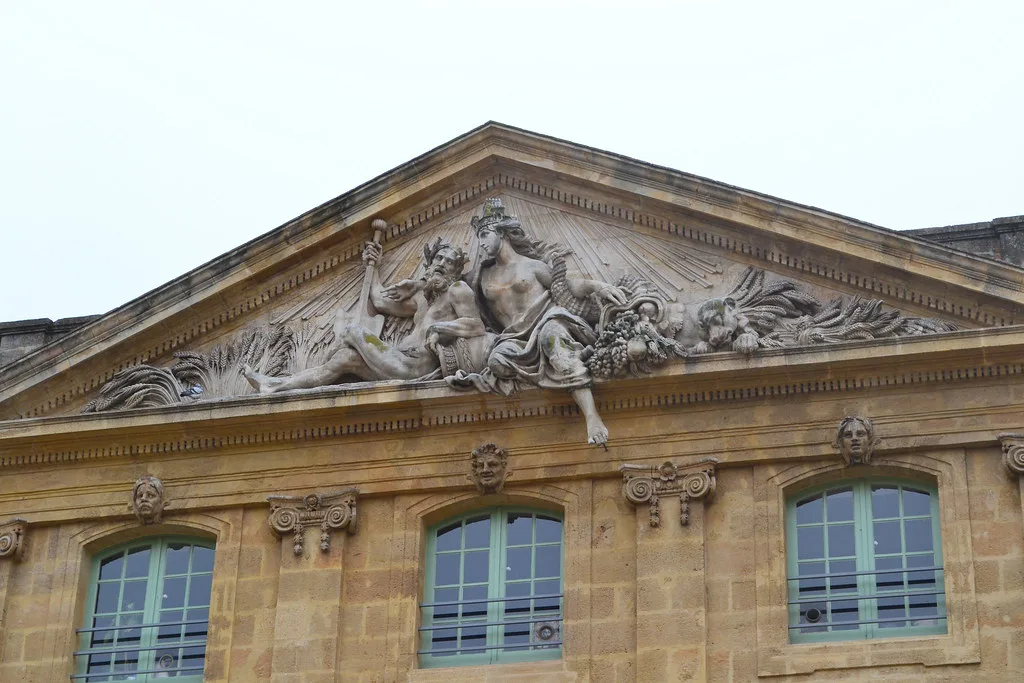
Aix has the third-largest collection of Baroque architecture in France after Paris and Versailles, and the tourist office treats its fountains, private mansions and squares as the main event. That suits a short break: the sights are outdoors, free to look at and clustered together. Museums and the market squares fill the gaps between meals.
How the city is laid out
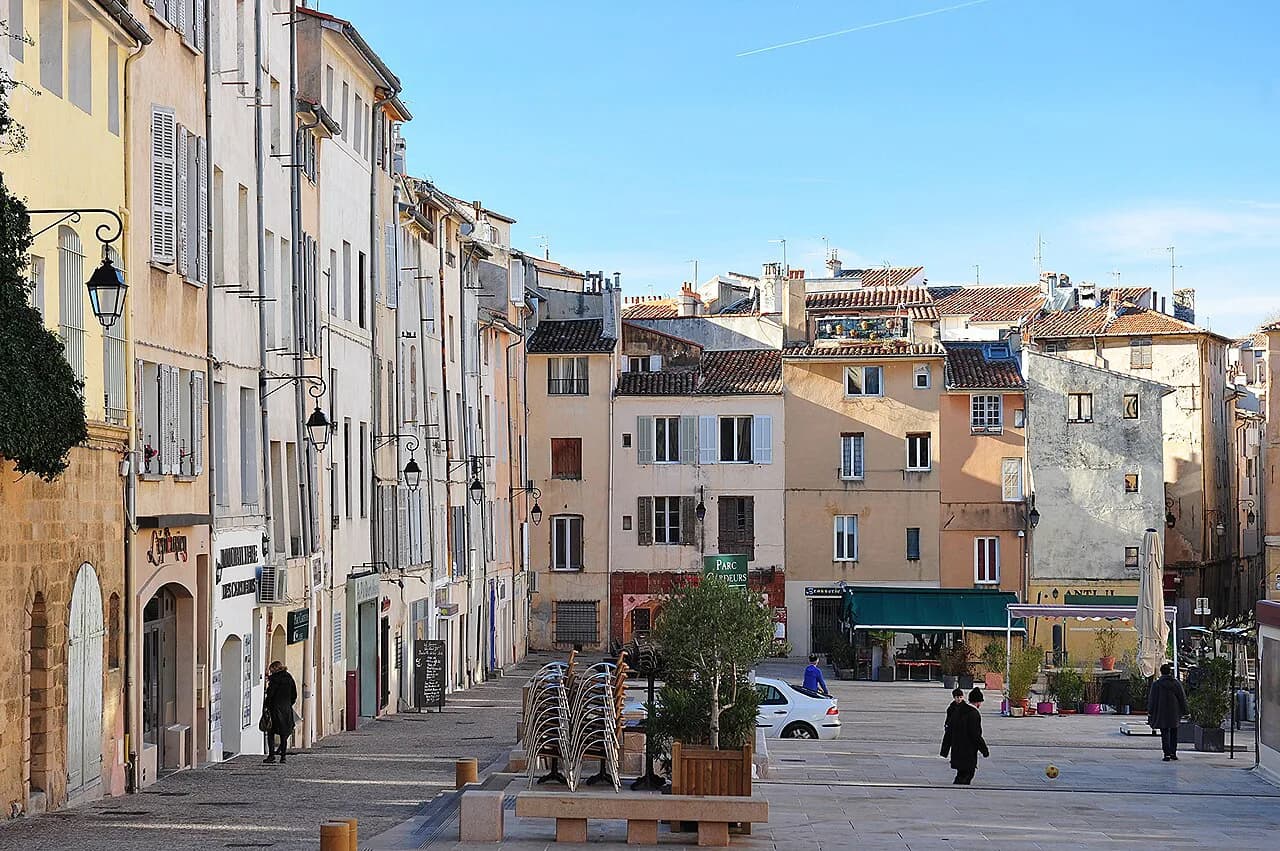
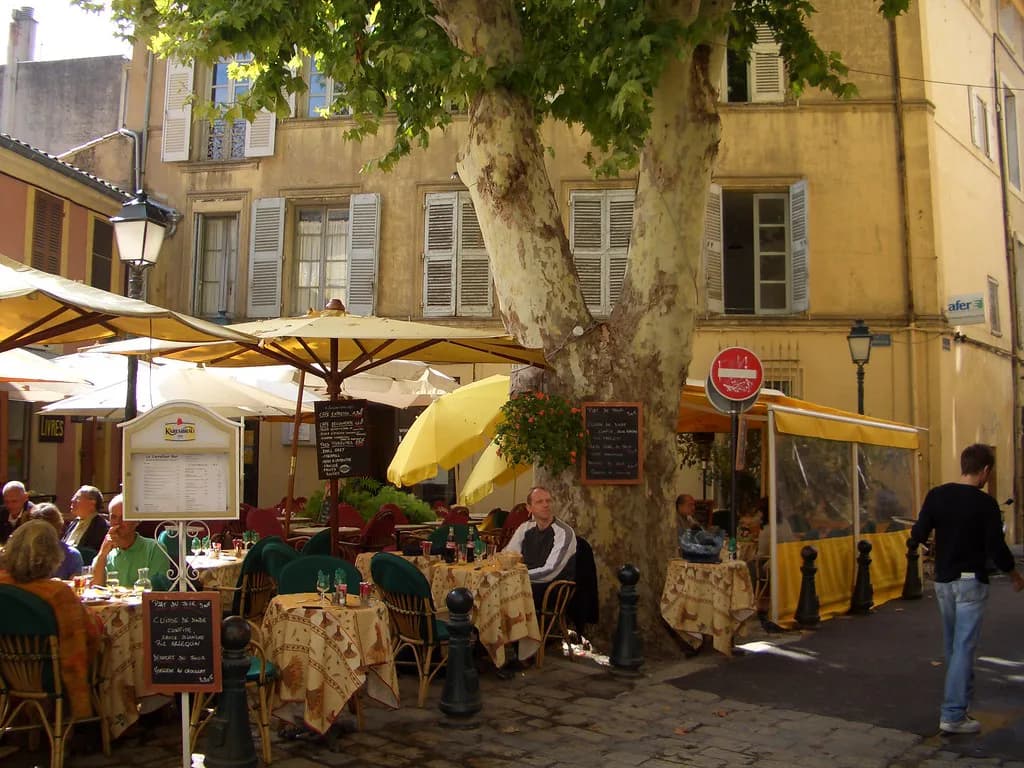
Cours Mirabeau is the spine: a broad, plane-tree-shaded avenue that was once a street for horse-drawn carriages and now holds café terraces, fountains and some of the busiest pavement in the city. The old town and the Mazarin district sit on one side, with the newer shopping quarter of Les Allées Provençales on the other. Orient yourself here once and the rest of Aix falls into place.
The old town is a knot of lanes around Place d'Albertas and the market squares, easy to wander and easy to get turned around in. The Mazarin district, home to Hôtel de Caumont and its private-mansion atmosphere, is quieter and grander. Plan each half-day in one of these zones rather than flitting between them.
Sights further out need a deliberate trip: the Vasarely Foundation sits in a light-kinetic building of sixteen hexagonal modules, and the Camp des Milles memorial site lies outside the centre. Neither is a stroll from Cours Mirabeau, so give one of them a half-day rather than squeezing it between cafés.
When to go and how to shape the days
The tourist office describes Aix as bathed in the sunshine of a wonderful climate, and the city's life happens outdoors on squares and terraces. That makes the open-air sights the backbone of any plan, with museums as the flexible filler. Build each day around one indoor stop and one outdoor walk so a wet morning does not derail the whole trip.
The Cézanne guided tour, "In the Steps of Cezanne", runs from April to October, so a spring-to-autumn visit can pair the self-guided trail with a guided version. Outside that window, follow the marked pedestrian route yourself using the free Cézanne Pocket Guide from the tourist office. Treat the guided tour as a seasonal bonus, not a fixture.
Day 1 morning: Cours Mirabeau and the old town
Start on Cours Mirabeau with a coffee on a terrace and watch the city wake up, exactly as the tourist office suggests. Then walk the length of the avenue to see its fountains and plane trees, and duck into the old town lanes behind it. The whole stretch takes well under an hour at an unhurried pace.
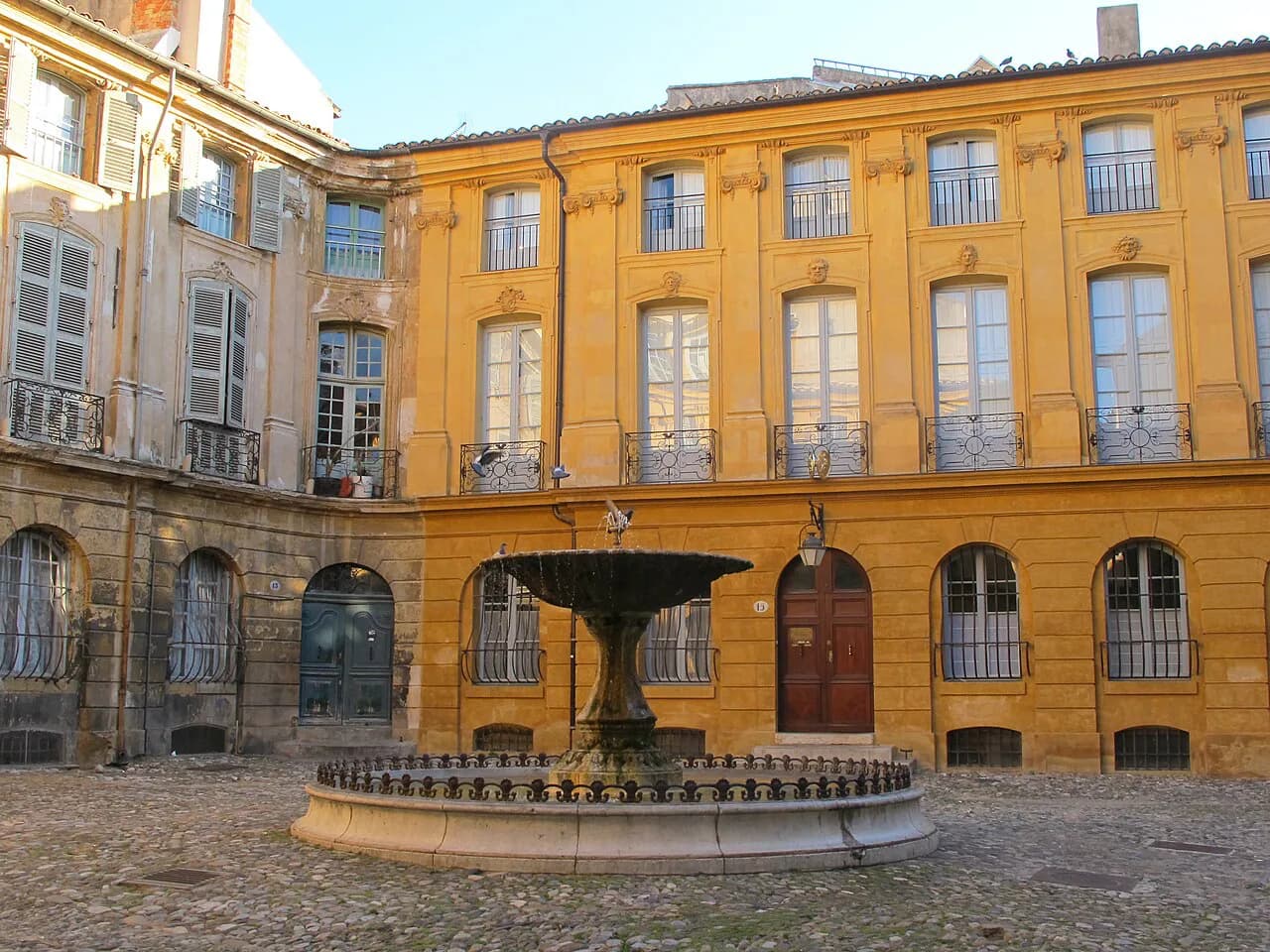
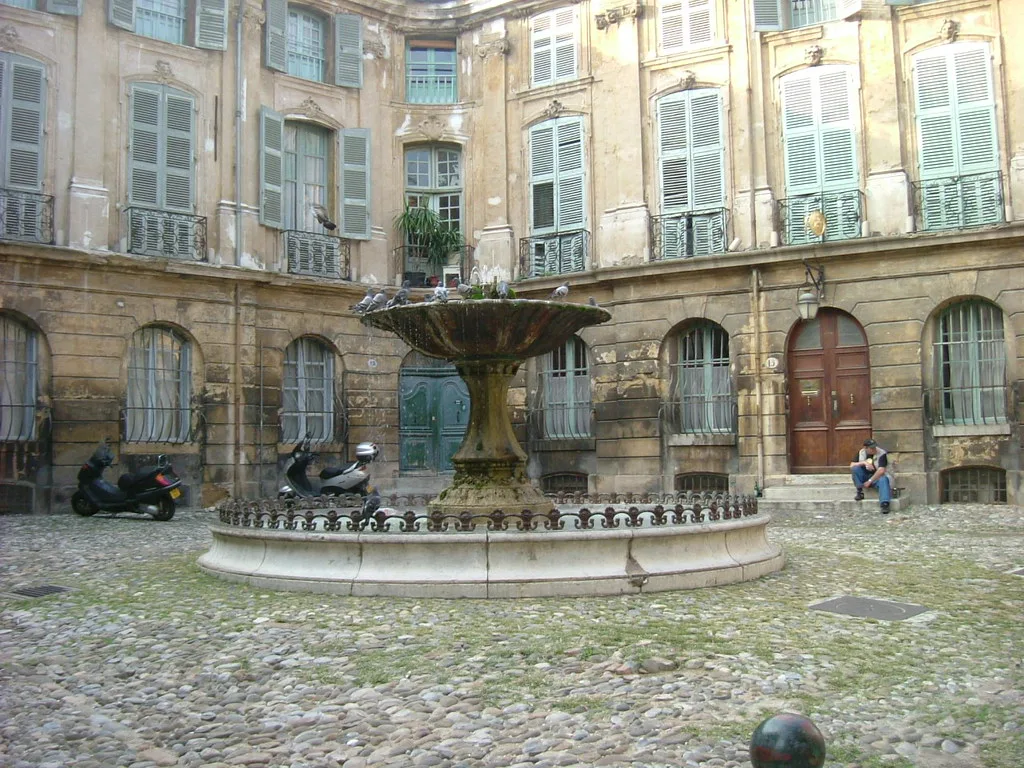
In the old town, find Place d'Albertas, a small square of rustic charm tucked into the middle of the quarter, then let yourself drift through the surrounding lanes. The tourist office points visitors towards the private mansions and Baroque facades that line these streets. Keep this walk loose; the pleasure is in the wandering rather than ticking off addresses.
Day 1 afternoon: the Granet Museum and calissons
The Musée Granet, just off Rue d'Italie and a couple of minutes from Cours Mirabeau, is classified as one of the finest museums in France. Its collections run from the 14th to the 20th century, with works by Rembrandt, Ingres and Cézanne, plus the Granet XXe display of the Jean Planque collection in the Chapel of the White Penitents. Allow a couple of hours and check the day's opening before you commit.
After the museum, hunt down calissons, the almond-and-candied-melon sweet that is Aix's signature confection. Buy them from a confectionery or craft factory, or from the tourist office's own Comptoir du Pays d'Aix shop. It is the simplest edible souvenir in the city and travels well.
Day 1 evening: eat early or plan around 7pm
Many Aix restaurants do not open for dinner until around 7pm, in classic French fashion, so a long lunch or a late-afternoon snack saves you from a hungry wait. The happy hour on Cours Mirabeau fills the terraces as people meet after work for the last of the sunshine. If you want an early night, eat lunch properly and treat the evening as a drink and a light bite.
Day 2 morning: a market morning
Aix has as many markets as days in the week, spread across its squares and districts: fruit and vegetables, antiquarian books, flowers. That is the single most useful fact for planning, because it means you bend the itinerary around whichever market is running rather than chasing a fixed day. Wander the squares and let the stalls set the pace. For the practical details, see the markets in Aix-en-Provence.
Two named stops are worth knowing: the farmers' market at Place Richelme and, at weekends, a flea market on Cours Mirabeau with antiques and a Provence feel. Both are mentioned without fixed weekdays, so treat them as likely rather than guaranteed. A market morning pairs naturally with a picnic lunch assembled from the stalls.
Day 2 afternoon: Hôtel de Caumont and the Pavillon Vendôme
In the heart of the Mazarin district, Hôtel de Caumont is a restored 18th-century private mansion turned art centre, with two temporary exhibitions a year devoted to art masters, plus a tea room, lounge bar and bookshop. It is the most polished indoor stop in the city and a good wet-weather fallback. Build in time for the tea room rather than rushing the galleries.
The Pavillon Vendôme, one of the loveliest surviving 17th-century pleasure houses, sits surrounded by French-style gardens not far from the bustle of the centre. Inside are furniture, paintings and objects from the late 17th and early 18th centuries, with temporary exhibitions through the year. It makes a calm hour after the density of the old town.
Day 2 evening: a terrace on Cours Mirabeau
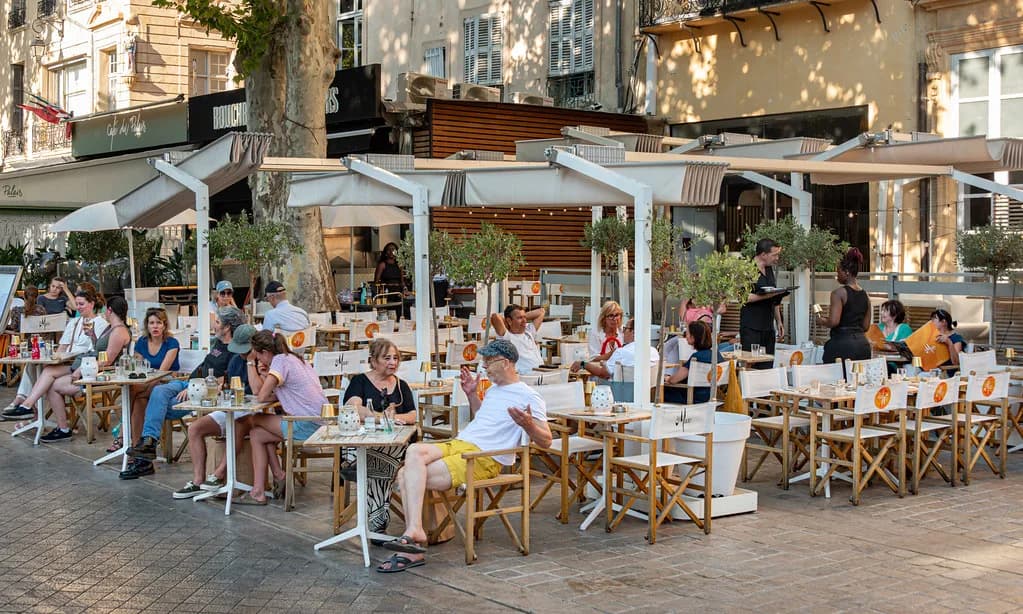
End the second day back on Cours Mirabeau, which the tourist office calls the perfect place for a stroll at any hour: morning coffee, lunch in the shade of the plane trees, or happy hour as the sun drops. Pick a terrace, order a drink and watch the city pass. It costs nothing to walk the avenue, whatever you spend at the table.
Day 3 option A: the Cézanne trail
Give a whole half-day to Cézanne rather than scattering his sites through the centre walk. Open the door of his studio, see the family property of Jas de Bouffan, look out over Sainte-Victoire from the Bibémus Quarries, and finish at the Saint-Jean cemetery where he is buried. A pedestrian route marked with studs stamped with a "C" links the house where he was born to that final resting place.
The studio and Jas de Bouffan sit in the city, while the Bibémus Quarries and the mountain view lie further out, so plan transport between the clusters rather than counting on one continuous walk. The free Cézanne Pocket Guide from the Aix-en-Provence Tourist Office maps the sequence step by step. If you only have time for one piece, the studio is the most concentrated dose of the painter's world.
Day 3 option B: the Vasarely Foundation or Camp des Milles
The Vasarely Foundation is a listed building of sixteen hexagonal modules holding 44 monumental architectural integrations of optical art, and it rewards a slow visit rather than a quick photo stop. The Camp des Milles memorial site, the only major French internment and deportation camp still intact and open to the public, is a heavier and more reflective half-day. Choose one: they pull in different directions and neither suits being tacked onto a market morning.
Shopping and food stops
Sweet stops cluster in the old town: the tourist office names Weibel, Béchard, Riederer and Philippe Segond among the renowned pâtisseries, and Parli, Brémond and La Chocolaterie de Puyricard among the calisson-makers. Pâtisserie Weibel also has a pastel-toned café attached, handy for a mid-afternoon pause. Budget a little time and money here; pastry shops are not a five-minute errand.
For chains rather than crafts, Les Allées Provençales holds H&M, Zara, Nature et Découverte, Fnac and Monoprix, while the pedestrian streets carry names such as Hermès, Longchamp and Agnès B. There is even an Apple Store at the end of Cours Mirabeau, with the larger chains on the adjoining shopping street. The two zones sit close enough to combine in one loop.
Two days versus three
With two days, keep Day 1 and Day 2 as written and drop the Cézanne trail or the Vasarely and Camp des Milles options entirely. The centre alone fills a weekend without rushing, and the compact layout means you lose little by staying put. A single day only scratches the surface: you would see Cours Mirabeau, the old town and one museum at most.
The third day suits anyone who has already seen the centre and wants a different register, whether art history with Cézanne or modern architecture and memory at the Vasarely and Camp des Milles sites. If your interests lie elsewhere, Arles packs its own Roman amphitheatre and a rich itinerary into a comparable short break.
Practical notes on walking, tickets and closures
Aix is small enough that walking times between the main sights stay short; the old town and Mazarin district are minutes apart, and only the outlying sites need transport. Book temporary exhibitions and guided tours ahead where the venue offers it, particularly the Hôtel de Caumont shows and the seasonal Cézanne tour. For ticketed sights, check current admission and closing days directly with each venue before you go, since museum closing days in France vary by institution.
Markets and shops keep their own rhythms across the week, and the tourist office's market page is the place to confirm which squares are active on your dates. The city pass bundles several sights, which can simplify a museum-heavy third day. Keep one flexible afternoon free so you can swap indoors for outdoors if the weather turns.
Plan Your Visit
Two days give you Cours Mirabeau, the old town, a market morning, the Musée Granet and Hôtel de Caumont at an easy pace; a third adds Cézanne or the Vasarely Foundation and the Camp des Milles. Group each half-day by quarter, and let the market calendar shape your mornings rather than forcing a fixed route. The result is a short break that feels unhurried in a city that rewards exactly that.
Explore more Aix-en-Provence guides
Frequently Asked Questions
How many days should I spend in Aix-en-Provence?
Two days cover the historic centre, Cours Mirabeau, the old town and the main museums comfortably on foot. A third day lets you add the Cézanne sites, the Vasarely Foundation or the Camp des Milles memorial site without rushing. A single day only scratches the surface, so treat two days as the realistic minimum.
What should I not miss in Aix-en-Provence?
Cours Mirabeau for the café terraces and fountains, the old town lanes around Place d'Albertas, the Musée Granet with its Cézanne and Planque collections, and Hôtel de Caumont in the Mazarin district. A market morning in the squares is the other essential, and calissons are the local sweet to try.
Is Aix-en-Provence walkable for a weekend?
Yes. The historic centre is compact, and Cours Mirabeau links the old town and Mazarin district with the newer shopping quarter, so most sights sit within short walks of each other. Only the Vasarely Foundation and the Camp des Milles memorial site need transport.
What can you see in Aix-en-Provence in one day?
With one day, focus on Cours Mirabeau, the old town streets around Place d'Albertas, and one museum, either the Musée Granet or Hôtel de Caumont. Add a quick market stop and a pastry shop. Trying to reach the Cézanne sites or the Vasarely Foundation on the same day leaves no time to enjoy any of them.
Which Cézanne sites can you visit in Aix-en-Provence?
Cézanne's studio, the Jas de Bouffan family property, the Bibémus Quarries with their view of Sainte-Victoire, and the Saint-Jean cemetery where he is buried. A pedestrian route marked with studs stamped with a "C" connects his birthplace to the cemetery, and the tourist office offers a free Cézanne Pocket Guide.
When does the guided Cézanne tour run?
The tourist office's "In the Steps of Cezanne" guided tour runs from April to October. Outside those months, follow the marked Cézanne trail through the city yourself using the free pocket guide, and check the tourist office for current booking details.
Should I book museum tickets in advance?
Book ahead for temporary exhibitions at Hôtel de Caumont and for guided tours that offer advance booking. For permanent collections, check each venue's admission and closing days directly, as opening days vary between French museums.
Sources
Notes for French city breaks
Optional updates to our guides.
You might also like

Continue reading
More guides you'll find useful