
Citadelle de Lille: What You Can Actually See Inside and Around Vauban's Fortress
The Citadelle de Lille is a 1667 fortress built on Louis XIV's orders to Vauban's design, nicknamed the 'Queen of the Citadels'. You cannot simply walk into the inner fortress: it still houses the Corps de Réaction Rapide-France and around 450 soldiers from 14 allied nations, so the gates stay closed to casual visitors. Plan around the Parc de la Citadelle instead, Lille's largest green space, and treat entry to the fortress itself as a booked extra rather than a given.
What the Citadelle de Lille is
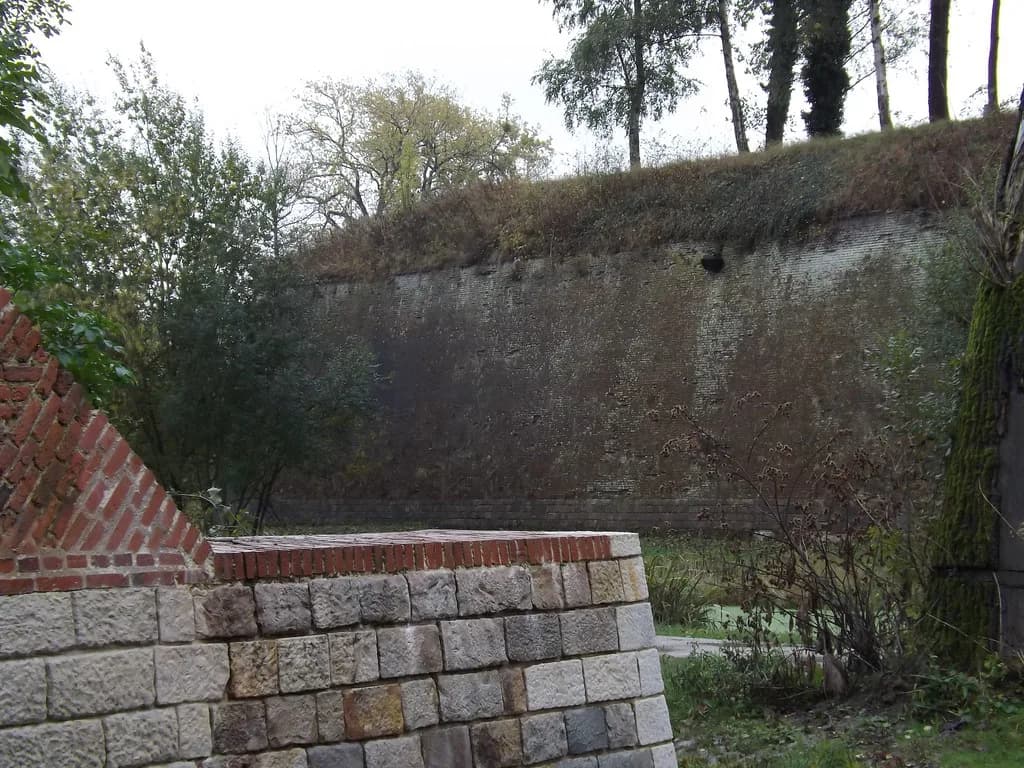
Louis XIV took Lille from the Spanish Netherlands in 1667 and ordered a fortress built to celebrate and defend the new French city. Vauban's design is the high point of his work, and it marks one of the first visible moves from baroque to classical style in seventeenth-century military architecture. The chapel inside is the oldest classical building in Lille, a detail worth knowing before you look at the low brick and stone buildings from outside.
The Citadelle has been classified as a Monument historique since 2012, so it is protected as heritage rather than presented as a tourist attraction with rooms to tour. That status shapes the experience: you read the ramparts, gates and outer walls as a defensive system, not as a museum circuit. Expect walls, earthworks and water rather than exhibits and labels.
Where it sits and how it fits into a Lille weekend
The Citadelle sits north-west of the city centre, wrapped inside the Parc de la Citadelle, so you reach it by walking through the park rather than by arriving at a ticket window. From the central sights around the Grand'Place Lille (Place du Général de Gaulle) it is a pleasant cross-city walk, and the approach through the park is part of the visit.
For a two-day Lille break, give the Citadelle a half-afternoon rather than a full day. Pair it with the old centre in the morning, or use it as a green decompression between indoor sights such as the Cathédrale Notre-Dame-de-la-Treille and the Palais des Beaux-Arts de Lille. Two nights in the city is enough to cover the centre plus one long park walk.
Why you mostly can't go inside
The Citadelle keeps a military role and hosts the CRR-Fr, described by the tourist office as the most powerful deployable operational headquarters in the French army. That is the reason the gates of the 'Queen of the Citadels' are hard to pass, as the same source puts it plainly. Read that as a working site first and a monument second.
This does not mean the interior is off limits altogether. The Office de Tourisme de Lille arranges visits into the fortress, so the practical move is to contact the tourist office before your trip rather than turning up at the gate. Ask what is running during your dates, then build the rest of the day around whatever answer you get.
How to get past the gates
Guided entry is organised through the tourist office at Palais Rihour, Place Rihour, and its staff handle visits and bookings by phone or in person. Contact them once your dates are fixed, because interior places depend on military access and cannot be assumed. Treat a confirmed booking as the only reliable sign that you will see inside the walls.
No ticket price for these visits is published on the tourist office page, so ask for the current rate when you book instead of budgeting a guess. The same applies to the running times and dates of guided visits. One phone call settles both questions.
The Parc de la Citadelle and its ramparts
The Parc de la Citadelle is the largest green space in Lille, and it is where most of your time will go. It contains the bois de Boulogne, with paths suited to walking or cycling, so bring shoes that handle gravel and grass rather than pavements. The outer walls, gates and water features give the walk its shape.
Use the park's own geolocated routes rather than improvising. Each route has a fixed number of stages, which makes it easy to follow on a phone and to judge how far you have left. Durations and distances below are the park's suggested figures, not guarantees once you stop for photos.
The heritage route: Porte Royale, Second Enceinte and Quartier Libre
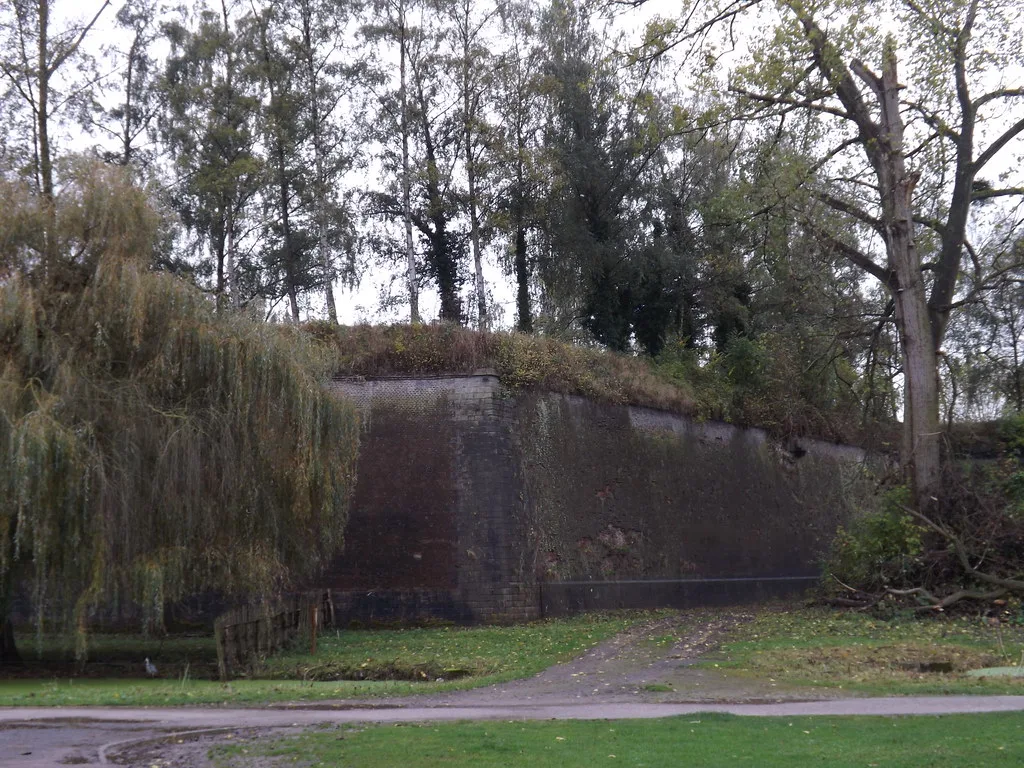
The heritage route is the one to take if you want the fortress explained: 35 minutes, 4 km and 12 stages, running from the Porte Royale to the newer Quartier Libre. It follows the second enceinte, the outer defensive line, where the surviving structures show how the Citadelle was meant to work. The Porte Royale is the ceremonial entry and the obvious place to start.
Look for the chapel while you are on this loop: it is the oldest classical-style building in Lille, which is easy to miss when the brickwork reads as uniformly military. The decorative royal motifs Vauban's engineers worked into the defences repay a slow look. Reading the walls this way turns a park stroll into a lesson in seventeenth-century siege design.
The nature and biodiversity route
If you would rather look at plants and birds than brickwork, the nature and biodiversity route takes about 1 hour over 4.3 km in 12 stages. It covers the varied flora and fauna of Lille's biggest green space, much of it unexpected in a city park. This is the better choice on a warm day when you want shade and water rather than a history lesson.
The Remembrance and Citadelle route
The Remembrance and Citadelle route is short and specific: 30 minutes, 2 km and 8 stages. It takes in monuments to French soldiers killed in the First World War and a plaque commemorating those shot in 1941, plus a memorial to a notable figure in French history. Take it if you want the site's twentieth-century history as well as Vauban's.
The well-being route
The well-being route is the running option: 30 minutes, 2 km and 5 stages, aimed at people starting out with running and fitness. The park is flat enough for an easy loop and large enough to avoid the tighter paths near the gates. If you want a jog with a view rather than a history walk, start here.
How long to allow
For most weekenders, budget two hours on the ground: one of the shorter park routes at an unhurried pace, plus time at the Porte Royale and along the ramparts. If you add a guided interior visit, plan the best part of a morning or afternoon around it, since the fortress is the slow part. The heritage route alone takes 35 minutes at the park's suggested pace.
Slot the Citadelle into the second morning of a two-day plan, when you have already covered the Grand'Place Lille and want open space before leaving. Check the tourist office's opening hours at Palais Rihour before you go, since the counter is the place to settle any question about visits. In dense central Lille, this is the calmest large space within walking distance.
Family stops and practical trade-offs
Cita-Parc, an amusement park inside the Citadelle park, runs attractions aimed at children of all ages, which makes the area workable for families. Fares and opening days are seasonal, so check current prices and dates with Cita-Parc before promising a child a ride. Otherwise the bois de Boulogne paths are the free alternative for running off energy.
The honest trade-off is that this is a visit about walls, water and landscape, not rooms and collections. Ground is exposed in parts, interior access depends on a booking, and the reward is scale and atmosphere rather than exhibits. If you want guaranteed indoor sightseeing, put the Palais des Beaux-Arts de Lille or the Lille Belfry (Beffroi de l'Hôtel de Ville) first and treat the Citadelle as the walk afterwards.
Walkers who like to understand a city through its edges should keep the Citadelle on the list; anyone expecting a castle tour should adjust expectations before setting out. Either way, the park costs nothing to enter, so the risk of a wasted trip is low. Save the interior for a confirmed slot.
Plan Your Visit
Build your Citadelle afternoon around a park route first and a guided interior visit second. Call the tourist office at Palais Rihour to ask about fortress visits, then pick between the 4 km heritage loop and the 4.3 km nature route depending on whether you want history or greenery. Either way, the ramparts and the Porte Royale are the parts you can count on.
Check the park's own route pages before you set off, since they carry stage-by-stage directions you can follow on a phone. Then fold the Citadelle into the wider set of things to do in Lille without letting it swallow a whole day. Two hours is usually enough, and a half-day is plenty.
Explore more Lille guides
Frequently Asked Questions
Can you visit the Citadelle de Lille?
You can visit the Parc de la Citadelle and its ramparts freely, but the inner fortress is a working military site. The Office de Tourisme de Lille arranges visits into the Citadelle, so contact the tourist office at Palais Rihour in advance and treat a confirmed booking as the only reliable sign of interior access.
What is the Citadelle de Lille?
It is a fortress built from 1667 on Louis XIV's orders to Vauban's design, nicknamed the 'Queen of the Citadels'. It is classified as a Monument historique and still houses the Corps de Réaction Rapide-France and around 450 soldiers from 14 allied nations.
How much does it cost to visit the Citadelle de Lille?
The park itself costs nothing to enter. For guided visits into the fortress, ask the tourist office for the current rate when you book, since prices and visit times depend on what is running during your dates.
What is there to do at the Citadelle de Lille?
Follow one of the park's geolocated routes: heritage (35 minutes, 4 km, 12 stages), nature and biodiversity (1 hour, 4.3 km, 12 stages), Remembrance and Citadelle (30 minutes, 2 km, 8 stages) or the well-being running loop (30 minutes, 2 km, 5 stages). Cita-Parc, an amusement park within the grounds, suits families.
How long does the walk around the Parc de la Citadelle take?
The park's shortest suggested loops take around 30 minutes, and the nature and biodiversity route runs about an hour over 4.3 km. Budget two hours on the ground if you want to stop at the Porte Royale and along the ramparts as well.