
Saint-Ruf, Avignon: What to Expect From This Quiet District

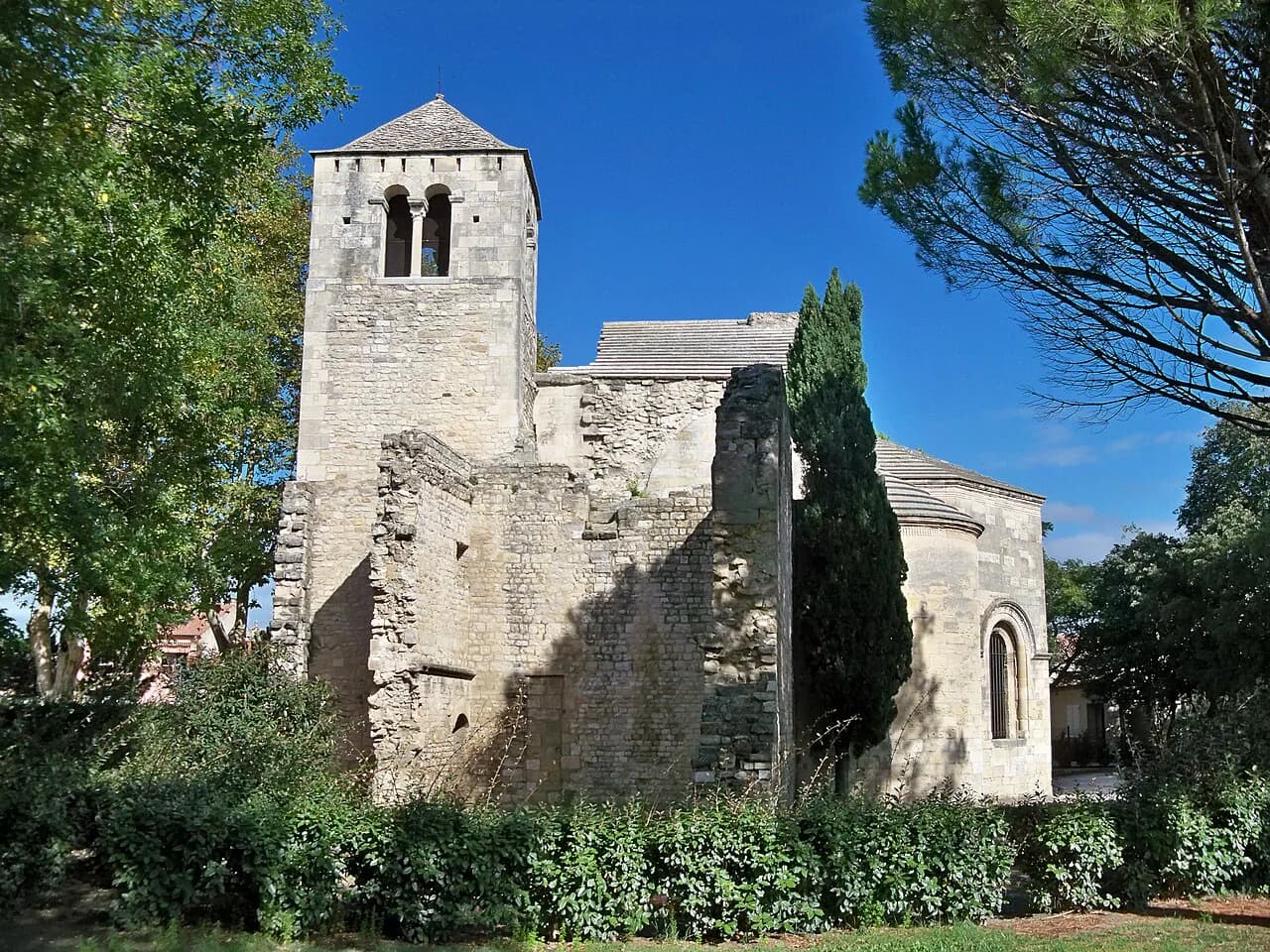
Saint-Ruf is a residential district on the edge of central Avignon, built around the Abbaye Saint-Ruf, the mother house of a religious order that ran from the 11th to the 18th century. It is not a sight-dense quarter: you come here for one substantial medieval site, a calmer street rhythm and a straightforward tram ride into the walled city. Treat it as a place to sleep and eat cheaply-feeling rather than a place to tick off attractions.
Where Saint-Ruf Sits in Avignon
The quarter lies just outside the historic centre, with the abbey site mapped at roughly 1.9 km from the Palais des Papes and the Rocher des Doms across the old town. That puts it within a manageable walk of the walls, though the stroll is a city walk through ordinary streets, not a scenic approach. The Vaucluse and Provence setting means hot, bright summers and cool, mistral-blown winters shape how much walking you will want to do.
Think of the district as the quiet counterpart to the tourist core. If you want the Palais des Papes on your doorstep, the centre is the better base; if you want a normal neighbourhood with a tram link, Saint-Ruf works. You can compare it against its neighbours on our Avignon Neighborhoods: 4 Area Guides before committing. The same quiet-base-versus-central-base trade-off plays out in other Provençal cities too, as our things to do in Arles guide shows.
The Abbey at the Heart of the District
The abbey of Saint-Ruf was a house of canons regular in Avignon between the 11th and 18th centuries and served as the mother house and original headquarters of the Order of Saint-Ruf. After 1158 it was reduced to a priory, which explains why the site reads as a modest religious foundation rather than a grand cathedral complex. Understanding that arc makes the remains far more legible when you arrive.
Access, opening hours and any guided visits are not fixed details you should assume, so check locally before building a day around the abbey. The district also carries the saint's name: Ruf is venerated as Avignon's first bishop, with a feast day of 14 November in the church calendar, which is calendar information rather than a local festival. Read the abbey as a historical anchor for the quarter, not as a guaranteed attraction.
Character of the Quarter and Who It Suits
Saint-Ruf is a local, lived-in area rather than a postcard quarter. That makes it a good fit for repeat visitors to Avignon, slow travellers and anyone who wants a quieter evening away from the bus groups around the Palais des Papes. It suits people who are happy to walk or take the tram for their sightseeing and who value a calmer street over a central address.
It is a weaker choice for a first-timer with only one night who wants the walls, the Rocher des Doms and the Pont d'Avignon within a few minutes of the hotel door. It also gives you little reason to linger if you are travelling specifically for dense sightseeing. Travellers weighing up other residential options can look at Montfavet, Avignon further out or La Balance, Avignon closer in.
Getting There and Getting Around
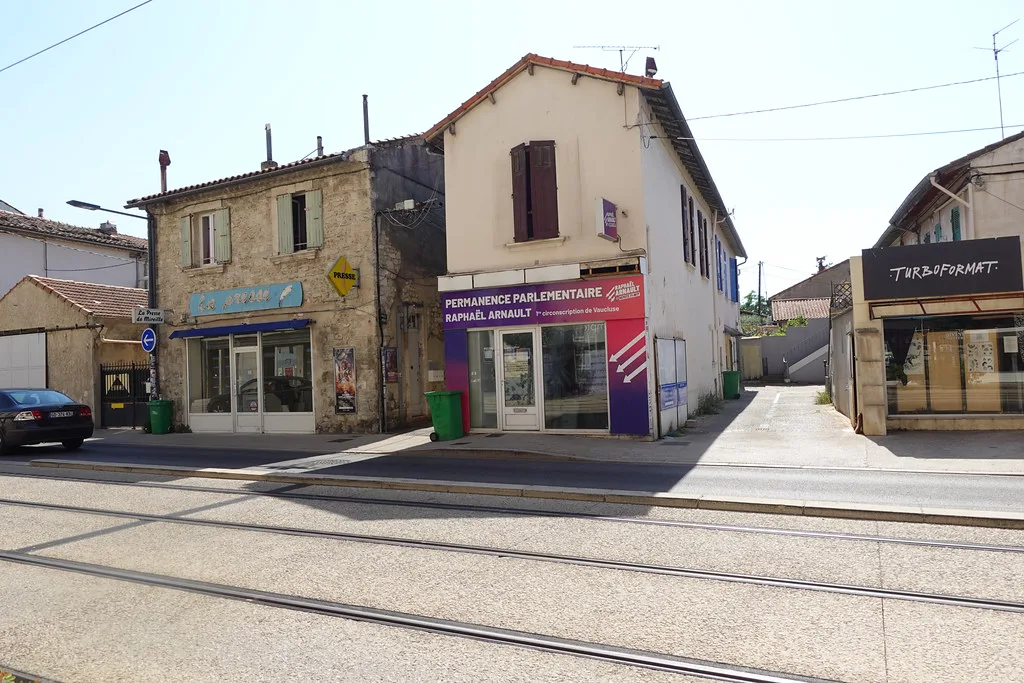
The avenue Saint-Ruf is the district's main artery, and its layout has been reshaped around cycling. The Grand Avignon authority set out works to protect cyclists on the avenue after several falls caused by bikes sharing the tramway alignments, so expect a road where bike lanes and tram tracks sit close together. Cross the tracks deliberately and keep an eye on lane markings rather than drifting along the pavement edge.
Trams run along the avenue corridor, which makes the quarter easy to link to the centre without a car. For a weekend, that means you can base yourself here and still reach the main sights quickly, rather than committing to a long walk each way. Tram routes and ticket options are published by Orizo, the Grand Avignon transport network, so check them before you travel.
What to See on Foot in and Near the District
The abbey is the one anchor sight in the quarter itself, and it rewards a slow look rather than a quick photo stop. Beyond that, the pleasure of Saint-Ruf is the ordinary fabric of a Provençal residential district: small streets, local shops and a sense of how Avignon lives outside the walls. Do not expect a checklist of museums here; the centre holds those.
From the district, the historic centre, the Palais des Papes and the Rocher des Doms are reachable on foot or by tram, so you can pair a quiet morning here with an afternoon among the big sights. Plan the centre for the day and keep the quarter for the evening. For a fuller sightseeing list, see our Avignon Attractions: 6 Visitor Guides.
Eating and Drinking in the Quarter
Saint-Ruf is a residential area, so eating here is about neighbourhood places rather than destination dining. Expect the rhythm of a local quarter, with Provence staples and everyday cooking rather than a tourist strip. The trade-off is honest: you get calmer meals and a more local feel, but fewer choices than in the centre and less choice on quieter evenings.
French restaurant hours are not uniform, and many kitchens close between lunch and dinner, so plan a late lunch or a booked dinner rather than turning up mid-afternoon. Walk the avenue and side streets to see what is actually open before deciding. If you want a guaranteed spread of options, the centre is the safer bet for a big evening meal.

Where Saint-Ruf Fits in a Two-Day Avignon Plan
A sensible split is to give the walled centre and the Palais des Papes your first full day, then use the second for a slow morning around Saint-Ruf and the abbey before returning to the centre for anything you missed. That keeps the walking manageable and gives the district a proper look rather than a passing glance. The 1.9 km gap between the abbey and the Palais des Papes is the figure to keep in mind when planning the day.
That plan works best if you are staying nearby; if you are based in the centre, treat Saint-Ruf as a half-day excursion instead. Either way, it slots in without much effort thanks to the tram corridor along the avenue. Compare it with La Balance, Avignon if you want a more central base with the same residential feel.
Practical Notes on Timing Your Visit
Avignon is busiest in summer, when heat and crowds build through the middle of the day and the mistral can blow in cooler, gustier weather. Spring and early autumn give you easier walking conditions for a district where you will spend time outdoors. There is no local festival hook to time a trip around in Saint-Ruf itself, so pick your season on comfort rather than atmosphere.
Before you go, confirm abbey access and tram details locally, since these are the two things that most affect a day here. Everything else is straightforward: the quarter is small, walkable and easy to combine with the centre. Use our Avignon Neighborhoods guide to compare it honestly with the alternatives.
Is Saint-Ruf Right for Your Weekend?
Saint-Ruf is the right base if you want a quiet, everyday Avignon with a major medieval abbey and a tram link into the centre, and you are relaxed about walking or riding to the sights. It is the wrong base if your priority is stepping out of the hotel into the Palais des Papes and the old town. Be clear about which of those you are before you book.
Whichever way you lean, plan the centre for your big sightseeing day and give Saint-Ruf a slower half-day, then check abbey access and tram details before you travel. Our Avignon Neighborhoods: 4 Area Guides will help you weigh it against the rest of the city.
Explore more Avignon guides
Frequently Asked Questions
Where is the Saint-Ruf district in Avignon?
Saint-Ruf lies just outside Avignon's historic centre, with the abbey site mapped at roughly 1.9 km from the Palais des Papes. It is a residential quarter reached easily on foot or by tram rather than a walled-centre neighbourhood.
What is the Abbaye Saint-Ruf?
It was a house of canons regular in Avignon between the 11th and 18th centuries and the mother house of the Order of Saint-Ruf. After 1158 it was reduced to a priory, so it reads as a modest religious foundation rather than a cathedral-scale complex.
Can you visit the Abbaye Saint-Ruf?
Opening arrangements and any visits are not something to assume, so check locally before planning a day around the abbey. Treat it as a historical anchor for the quarter rather than a guaranteed attraction.
Is Saint-Ruf within walking distance of the historic centre?
Yes. The abbey site is mapped at about 1.9 km from the Palais des Papes, which is a manageable city walk through ordinary streets rather than a scenic approach. The tram corridor along the avenue is the easier option.
How do you get to Saint-Ruf by tram or bike?
Trams run along the avenue Saint-Ruf corridor, linking the quarter to the centre. If you cycle, note that the avenue was reshaped to protect cyclists after falls caused by bikes sharing the tramway alignments, so cross the tracks deliberately and watch lane markings.
Is Saint-Ruf a good base for a weekend in Avignon?
It suits repeat visitors and slow travellers who want a quieter, local-feeling quarter with a tram link. It is less good for a first-timer with one night who wants the Palais des Papes and the old town on the doorstep.
What is there to see and eat in the Saint-Ruf quarter?
The abbey is the main sight in the quarter itself. Eating is neighbourhood-level rather than destination dining, with calmer meals and fewer choices than the centre, so check what is open and plan around French kitchen hours.