
Bourg Neuf, Avignon: What to See and Who It Suits

Bourg Neuf is the district immediately north of Avignon's walled old town, a residential and commercial quarter rather than a monument. Its appeal on a weekend break is location: you sleep outside the ramparts and walk into the historic centre. The district itself is quiet and everyday, so treat it as a base and a change of pace rather than the main event.
What and where Bourg Neuf is
The name means "new town", which refers to the medieval expansion that grew up outside the original walls. Today Bourg Neuf covers the streets north of the historic centre, between the old town edge and the broader modern city. Avignon's tourism is heavily concentrated inside the ramparts, so the district trades a few minutes' walking for calmer streets and easier everyday shopping.
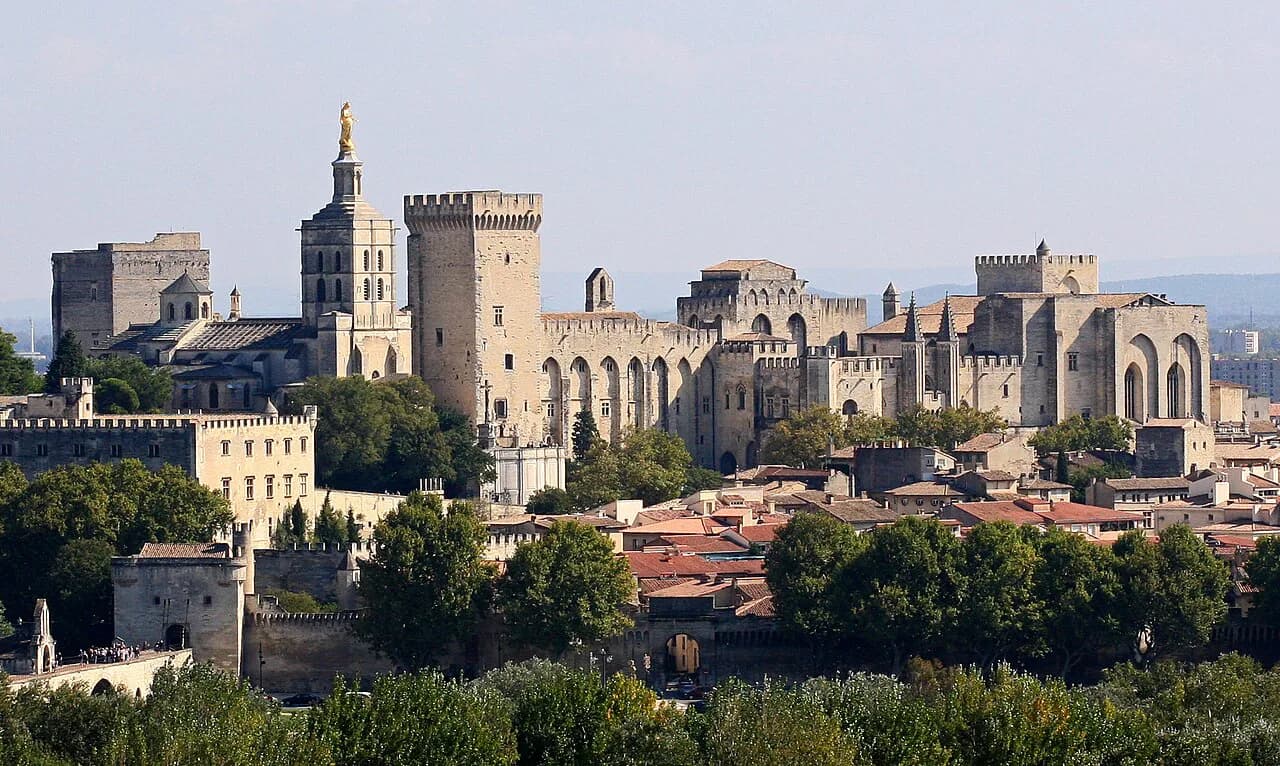
The walled centre, with the Place de l'Horloge at its heart and the Palais des Papes at its western edge, sits just south of the district. The Rhône runs along the west side of the old town, so Bourg Neuf has no river frontage of its own. In practice, you orient yourself by the ramparts and the Boulevards that ring them, not by the river.
Getting there and around
Avignon has two main rail stations: the central station at the edge of the old town and the out-of-town high-speed station serving the TGV lines. Coming from either, aim for the ring of boulevards around the old town and walk north from there. The historic centre is compact enough to cross on foot, so a car is more hindrance than help inside the district.
Avignon also has its own airport, which serves the region, and the city connects by bus and rail to the surrounding area. Once you are in Bourg Neuf, the old town, the station and the main shopping streets are all walkable, which is the district's strongest practical argument. Use the walking time to the sights as your filter when choosing accommodation.
Character of the streets
Bourg Neuf reads as a working neighbourhood: apartment blocks, smaller houses, bakeries, pharmacies and everyday shops rather than souvenir displays. That means fewer crowds and a better sense of how the city actually functions. It also means fewer postcard views; the handsome squares and monumental buildings are on the other side of the ramparts.
If you want to step straight out of your door into medieval lanes and floodlit stone, this is not the district for that. If you want a quieter street to return to after a long day, it does the job. Compare it honestly with La Balance, which sits inside the old town and puts the sights on your doorstep at the cost of bustle and noise.
Who Bourg Neuf suits, and who it does not
The district suits weekenders who are happy to walk ten to twenty minutes to reach the old town and who value a calm base and cheaper, more ordinary services over atmosphere. It also works well for repeat visitors who have already seen the headline sights and want to slow the pace. Travellers with limited mobility should weigh the daily walk carefully.
It suits less well anyone on a first, very short visit whose priority is to be inside the walls at all times, or anyone who wants evening life outside the door. Montfavet, further out, goes still quieter and more residential, while the central quarters keep you in the middle of everything. Pick according to how much walking you want built into each day, and if you are weighing a similar base-versus-centre trade elsewhere in Provence, see our Arles city guide.
What to see nearby on a short break
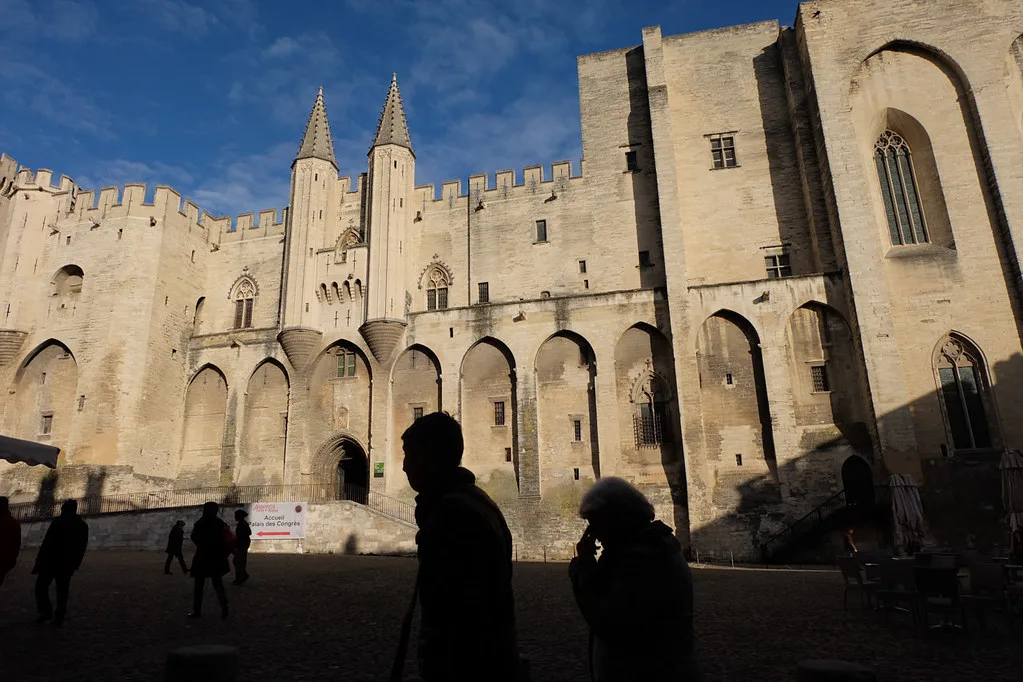
The headline sights all sit within the old town, south of the district: the Palais des Papes, the Petit Palais and the cathedral square on the Rocher des Doms. Avignon's papal history gives the city its identity, and the 2017 sept-centenary celebrations are a reminder of how central that legacy remains to how the city presents itself.
Across the river, Villeneuve-lès-Avignon offers a calmer counterpoint with its own historic core and views back towards the city. Treat it as a half-day change of scene rather than a separate trip, and check river crossing options locally before setting out. Within Bourg Neuf itself, expect everyday streets rather than ticketed attractions.
Avignon also hosts a major theatre festival each summer, and the wider region has a long tradition of cultural and religious events. Those are pleasant extras if your dates happen to coincide; they are not a reason to choose Bourg Neuf as a base. Plan your days around the museums and monuments in the old town and let the district be your quiet retreat.
Where to eat
Bourg Neuf is where everyday Avignon eats: bakeries for breakfast, small restaurants and takeaways serving the people who live and work there. That means a different value proposition from the tourist-facing terraces inside the walls. For a sit-down dinner in a historic setting, you will walk into the centre; for a quick lunch, the district is entirely adequate.
French eating rhythms matter more than any specific address. Lunch service typically runs for a defined window and kitchens close between services, while many restaurants shut on one or two days a week. Build your day around a proper midday meal and keep the evening flexible, confirming your chosen restaurant's hours directly before you rely on it.
Where to stay in the district
Bourg Neuf offers ordinary city accommodation rather than boutique stays: small hotels, guest rooms and apartment rentals aimed at people who want space and quiet. The trade-off is the daily walk to the sights, plus fewer restaurants and bars right outside. If you are a light sleeper or travelling as a family, that trade can be worth taking.
Book by location rather than by name: look at how far a property sits from the ring of boulevards, because that distance is what you will walk twice a day. Check whether breakfast is offered, since the district's bakeries keep ordinary French opening patterns and you may not want to hunt for coffee first thing. Verify current availability and terms with the property directly.
Practical rhythms for a weekend
French shops commonly close on Sundays and some close over the lunch hour, and many museums close one day a week, often Monday or Tuesday. None of that is unique to Bourg Neuf, but it hits harder in a residential district where you depend on local shops and bakeries rather than the tourist economy inside the walls. Assume a quieter Sunday and plan accordingly.
The practical fix is to front-load: do your shopping and any museum visits on the days they are open and keep Sunday for walking, the riverside and the old town's streets. Buy breakfast supplies the day before. Confirm the specific opening days of any museum or shop you are counting on, since published hours change by season.
Fitting Bourg Neuf into a one-, two- or three-day plan
On a one-day stop, use Bourg Neuf only as a place to arrive and leave from: walk straight into the old town and spend the day between the Palais des Papes, the Place de l'Horloge and the Rocher des Doms. There is no case for touring the district itself on that schedule.
With two days, give the first to the walled centre and the second to a slower circuit: the papal palace and museums in the morning, then a wander through Bourg Neuf's streets in the late afternoon when the shops are quiet. Three days allows a half-day across the river at Villeneuve-lès-Avignon and an unhurried morning in the district's cafés.
Whichever plan you choose, anchor each day in the old town and treat the district as the connective tissue between your bed and the sights. That framing keeps expectations realistic and stops you over-scheduling a quarter that is not built for sightseeing.
Honest trade-offs
The core trade is simple: Bourg Neuf gives you quieter streets, more ordinary shops and often more space for your money, at the price of a daily walk and less atmosphere. Inside the walls you get stone, squares and evening life but more noise and more tourist pricing. Neither is wrong; they suit different trips.
Choose Bourg Neuf if you are a walker, you have seen Avignon before, or you want a base that feels like a real French city rather than a stage set. Choose the centre if this is your first visit and every minute counts. Either way, check the current opening days of the specific sights and restaurants you plan to use before you travel.
Plan Your Avignon Base
Bourg Neuf is a base decision, not a sight: quiet, everyday and close enough to walk into Avignon's walled centre. Weigh the daily walk against calmer streets, and pick it if you are happy on foot and want to come home to a normal neighbourhood.
Use the district for sleeping and breakfast, and spend your days inside the ramparts and along the river. Confirm the opening days of the museums and restaurants you plan to use, then leave the rest of the weekend loose enough to wander.
Explore more Avignon guides
Frequently Asked Questions
Is Bourg Neuf in Avignon worth staying in for a weekend?
Yes, if you are happy to walk into the old town each day and prefer a calm, everyday neighbourhood over tourist bustle. It is less compelling for very short first visits where you want to be inside the walls the whole time.
How far is Bourg Neuf from Avignon's old town?
It sits directly north of the walled centre, so the main sights are a short walk away rather than a trip across the city. Check the exact distance from your accommodation to the ring of boulevards around the old town.
What is the Bourg Neuf area of Avignon like?
It is a residential and commercial quarter with apartment blocks, bakeries and everyday shops rather than monuments. Fewer crowds, fewer postcard views, and a genuine sense of how the city works.
How do I get to Bourg Neuf from Avignon's station?
Head for the boulevards that ring the old town and walk north from there; the centre is compact enough to reach on foot. From the out-of-town high-speed station, you will need onward transport into the city first.
Which part of Avignon is best for a short break?
The old town suits first visits where atmosphere and proximity matter most. Bourg Neuf suits repeat visitors, walkers and anyone who values quiet and space over being in the middle of things.