
Vauban, Lille: the Citadel, the Park and Who This Quarter Suits
Vauban is the Lille district wrapped around the Citadel and its park, north-west of the centre. It is a place for walking, forts and open sky, not for browsing shop windows, so it rewards a planned half-day rather than an aimless wander. Read it as one piece of a wider weekend and slot it in alongside the rest of our Lille Neighborhoods coverage when you work out how the city fits together.
Expect two separate decisions here. The park and ramparts are one outing; getting inside the fort is another, and it hinges on a guided tour rather than turning up at a gate. Plan the green space into any short break, and treat the interior as a booking you make in advance or skip.
What and Where Vauban Is
The district sits north-west of central Lille, arranged around the Citadel and the Parc de la Citadelle. Its identity is military and green: ramparts, water, lawns and woodland rather than a dense grid of streets with bars on every corner. That makes it a distinct stop from the shopping and eating quarters closer in.
If you are weighing up where to spend your limited hours, compare it with the busier quarters before committing. Euralille, Lille's business and transport cluster, is a different animal entirely, while Wazemmes, Lille suits market browsing and food shopping. Vauban is the counterweight: open space and fortifications, best paired with a compact city-centre morning. If fortified cities are your theme, our things to do in Reims picks up the same thread with its cathedral and champagne cellars.
The Citadel in Brief
Louis XIV took Lille in 1667 and ordered the Citadel, and it is the work of Sébastien Le Prestre de Vauban, known as the 'Queen of citadels'. It was a working fort from the outset, which explains why it still reads as a defensive machine rather than a monument laid out for visitors. Give it context by thinking of it as part of a fortified city rather than an isolated sight.
Look at the shape of the place on a map before you go: the plan follows the ground and makes more sense once you have seen the ramparts from outside. Walking the park perimeter gives you the fort's outline without needing to book anything, and it sets up the interior tour if you decide to take one. The tourist office describes the whole ensemble as the masterpiece of its engineer.
Why You May Not Get Inside
The Citadel still serves a military purpose and houses the Corps de Réaction Rapide-France, the French army's operational headquarters, with around 450 soldiers from 14 allied countries based there. That is exactly why access through the gates is limited and why you cannot simply walk in. The fort is listed as a historic monument, but listing does not mean open doors.
Lille's tourist office is the route in, and it runs guided visits to the interior rather than leaving the gates to chance. Treat a tour as the way to see the inside, not a bonus. If your dates do not line up with one, the outer walls and the park still make a satisfying visit.
How to See the Interior on a Guided Tour
Book through the Office de Tourisme de Lille, which arranges guided tours of the fort and asks visitors to contact it in advance. The office's reception at Palais Rihour on Place Rihour is open daily, and phone lines run daily too, so you can sort a tour before you travel rather than arriving hopeful. Ask about language and timing when you book, since those details change and are not fixed in print here.
Check the current tour schedule and price directly with the tourist office before you commit, because neither is fixed and both change. A tour is the only way to see inside the fort, so it is the difference between the district as scenery and the district as a proper visit. If you are short on time, the outer loop covers the essentials.
Architectural Details to Spot from Outside
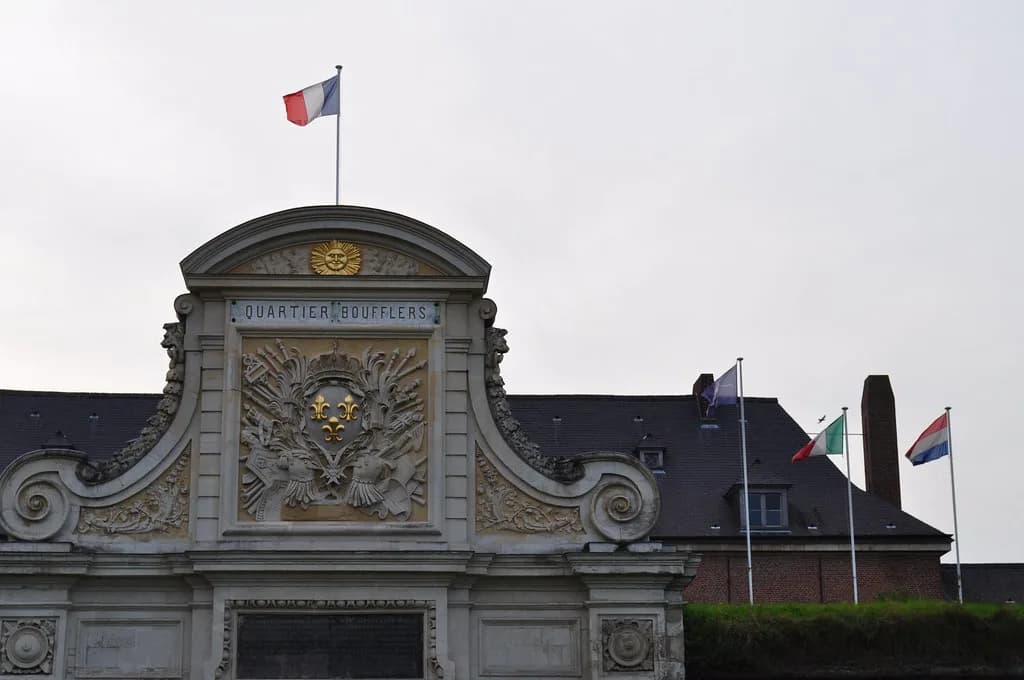
The Porte Royale is the ceremonial gate to look for, decorated with the fleur-de-lys, a crown, sun motifs and imperial Roman armour. Spot these details and you are reading the fort's royal self-promotion, built to glorify Louis XIV. The decoration makes a good target on a walk even if the interior is closed to you.
The chapel is the oldest building in Lille in the classical style, and the fort marks a visible shift from baroque to classical architecture. If you only look at the ramparts as earthworks, you miss the point: this is architecture as well as engineering. Bring an eye for detail rather than a checklist.
Parc de la Citadelle and the Bois de Boulogne
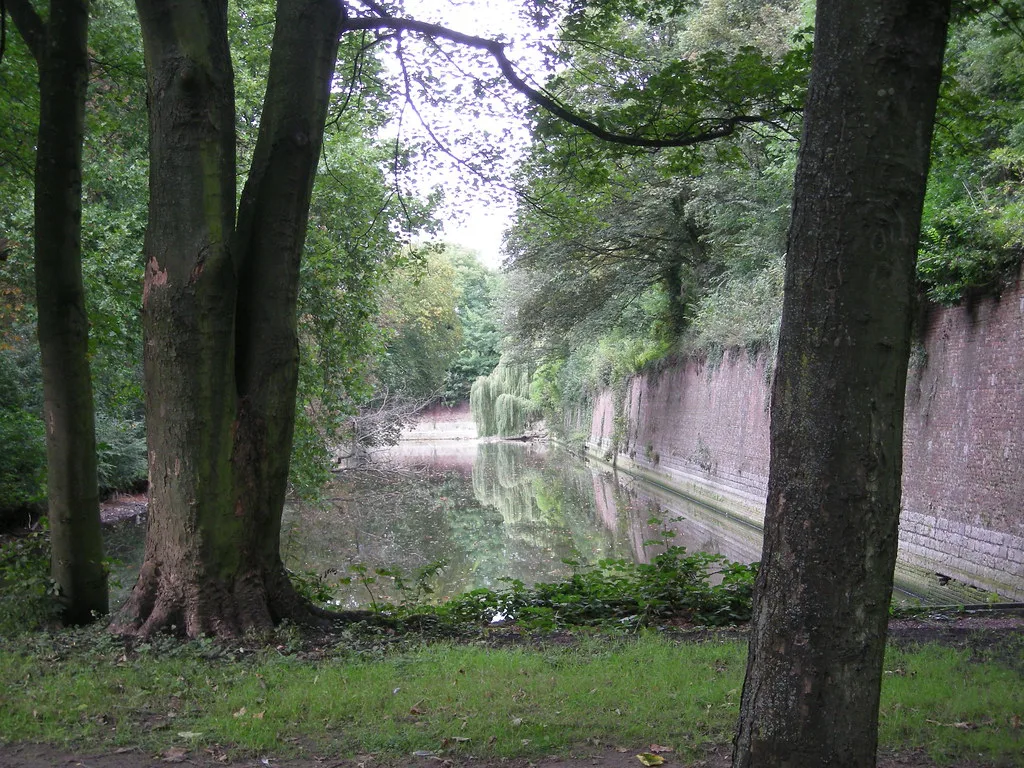
Parc de la Citadelle spreads across 3.5 hectares, with expansive lawns, a rotunda, tall trees and ponds. That is enough space to stretch out a picnic, walk slowly or let children burn energy without feeling hemmed in. The lawns are the reason many locals rate the area as a park first and a fort second.
Inside the park, the Bois de Boulogne offers walking and cycling paths through trees, so the district works for a longer loop rather than a quick photo stop. Bring shoes you can walk in and allow more time than you think for the paths. It is a good change of pace after dense central streets.
Cita-Parc and Family Time
Cita-Parc is the family draw in the district, with attractions for children of all ages. If you are travelling with younger children, this is the reason to give Vauban a full afternoon rather than a flying visit. Pair it with the park lawns so the day has both play and open space.
The combination of rides, grass, ponds and paths means families can split up and regroup without leaving the area. That flexibility is worth more than a single headline sight. Adults who want cafés and shopping will find the district thin on both, so set expectations accordingly.
Who the Vauban District Suits
Vauban suits walkers, families, cyclists and anyone interested in fortifications and military architecture. It also suits travellers who have already ticked off central Lille and want a different mood without leaving the city. If you like a half-day of open air with a strong historic core, this is your quarter.
It suits you less if you want cafés, boutiques and a lively street scene on the doorstep, or if you are only in Lille for a single day and want everything within a short radius. Consider basing your browsing elsewhere and treating Vauban as a dedicated outing. Pair it with a central afternoon rather than expecting to drift into it.
Getting There and Getting Around
The district sits north-west of the centre and is best reached on foot or by bike from the central quarters, with the fort and park forming a single walking circuit once you arrive. Lille's tourist office maps and transport pages are the place to check the exact approach for your starting point. Aim to arrive with a loop in mind rather than hopping between separate sights.
Once inside the park, everything is on foot: lawns, ponds, the rotunda and the wooded paths connect without roads cutting through. Wear comfortable shoes and leave the car behind if you can. A bike turns the perimeter and the woodland paths into an easy hour rather than a long walk.
Where to Eat and Stay in and Around the District
Vauban is short on dining and sleeping options compared with the centre, so plan to eat before or after your walk rather than relying on the park edges. Base yourself in central Lille or another quarter with more choice, and come here for the green space. If food is your priority, Wazemmes, Lille is the better bet for market shopping and eating.
If you want shops and lunch close at hand, look at a central base and treat Vauban as a morning out. The trade-off is real: you gain quiet and open space but lose the convenience of stepping out to a café. Choose based on how much of your weekend you want to spend walking.
For the wider city picture, our lille neighborhoods guide helps you weigh the districts against each other before you book anything. The centre's squares, including Grand Place, are where most of the eating and browsing clusters, which makes them a practical base. Vauban then becomes the green excursion rather than the home base.
Half-Day Versus Full-Day Plan
For a half-day, walk the outer ramparts to the Porte Royale, take in the chapel from outside, then loop the lawns, ponds and rotunda of the park. That covers the architecture and the green space without needing a booking. It fits neatly into a Lille weekend and leaves the afternoon free.
For a full day, add the guided tour of the interior and give Cita-Parc time with children, then extend into the Bois de Boulogne paths. That combination fills a day comfortably if you walk rather than rush. Skip the tour and the day shrinks to a pleasant half-day instead, which is a perfectly good outcome.
Plan Your Visit
Vauban rewards a clear plan: see the Citadel from the ramparts, walk the park, and book a tourist-office tour only if you want the interior. It is a district of forts and woodland, not cafés and boutiques, so give it hours rather than a passing glance. Check the day and time of any tour with the tourist office before you travel, since schedules change.
Explore more Lille guides
Frequently Asked Questions
Is the Citadelle de Lille open to visitors?
The fort still houses the Corps de Réaction Rapide-France, so you cannot walk in freely. Lille's tourist office arranges guided tours of the interior, and you should contact it in advance to book one. Without a tour, the surrounding park and ramparts are still worth the trip.
How do you get inside the Citadel in Lille?
Book a guided tour through the Office de Tourisme de Lille, which arranges visits to the fort and asks visitors to get in touch ahead of time. Ask about language, timing and price at the time of booking, as these are not fixed year-round.
What is there to see in the Parc de la Citadelle?
The park covers 3.5 hectares with lawns, a rotunda, ponds and tall trees, and it connects to the Bois de Boulogne paths for walking and cycling. The Porte Royale and the classical chapel are the architectural details to look for from outside.
Is the Vauban district worth visiting on a Lille weekend?
Yes if you like forts, open space and walking, or you are travelling with children and want Cita-Parc and the park. It is less suited to visitors who want cafés, shops and a lively street scene, so pair it with a central base rather than staying in the district.
Who should base themselves outside Vauban?
Travellers who want restaurants, shops and nightlife on the doorstep are better off in a central quarter, since Vauban is thin on dining and sleeping options. Treat the district as a dedicated outing from the centre instead.
Can you see the Citadel without a guide?
You can see the outer walls, the Porte Royale and the park freely, but the fort interior is accessed by guided tour arranged through the tourist office. Plan around that if the interior matters to you.