
Krutenau, Strasbourg: What to See and Who It Suits
The Krutenau is the quarter to pick if you want Strasbourg's everyday bustle rather than its postcard core. It sits south-east of the historic centre, facing the Grande Île and beside the university and La Petite France, with cafés and terraces running across the quarter. Treat it as a place to eat, wander the quays and sleep, not as a ticketed sight in itself.
Where the Krutenau sits in Strasbourg
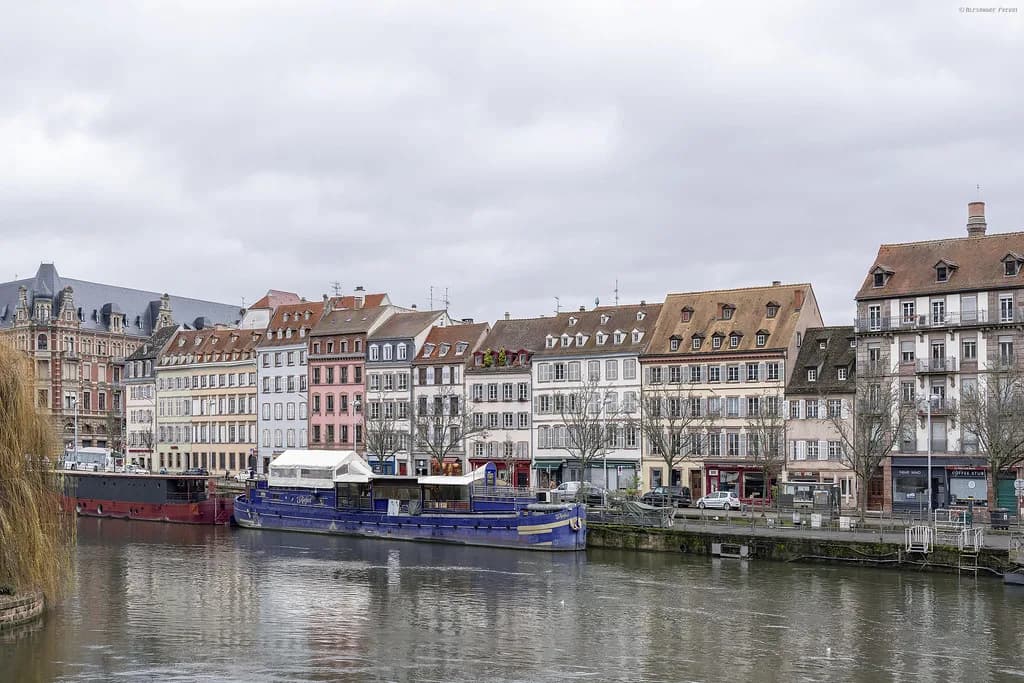
The quarter lies on the south-east edge of the Grande Île, the island that holds the cathedral and the old centre. La Petite France borders it on the west and the university sits alongside, so you can walk from the Krutenau into the historic core without crossing the river twice. The city's visitor office calls it a district once threaded with canals, which explains the water-facing streets you meet at its edges.
This position is the quarter's main practical advantage: it is a residential base with the centre on the doorstep. If you are working out which quarter of the city to anchor a weekend around, the broader comparison of Strasbourg Neighborhoods shows how the Krutenau differs from districts further out.
How the quarter is laid out: Place Saint-Nicolas-aux-Ondes to Place d'Austerlitz
The practical spine of the Krutenau runs from the place Saint-Nicolas-aux-Ondes to the place d'Austerlitz, the stretch where the cafés, bars and terraces are concentrated. Use those two squares as your fixed points and the quarter becomes easy to navigate on foot, with the busiest life between them.
Streets along the quays are the most sought-after and the most animated; the western side, pressed against the Esplanade, is calmer and quieter. That split is the single most useful thing to know when choosing where to walk in the evening: head to the water for atmosphere and inland for a slower pace.
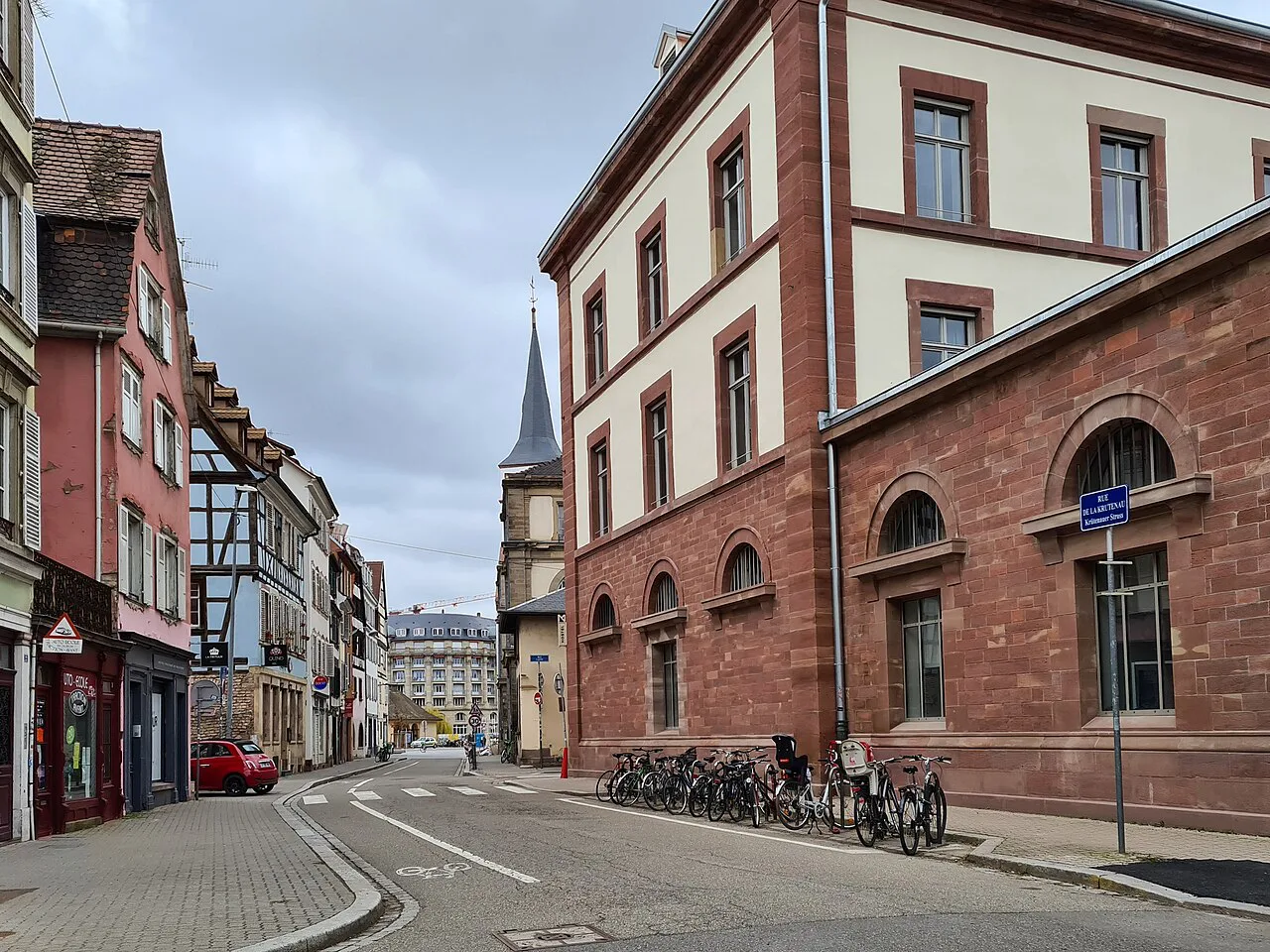
A sale listing for a house in the quarter describes it as a lively, village-like neighbourhood in the heart of the city, which matches the scale you find on the ground: narrow streets, low buildings and amenities close at hand. Nothing in the street pattern demands a map, so plan on wandering rather than following a route.
Character: a boatmen's quarter that still feels like a village
The Krutenau was historically the preserve of boatmen and fishermen, working the canals that once crossed it. That waterborne past, rather than any single monument, is why the quarter still reads as a small place inside a large city. Look for the canal-side streets as you walk towards La Petite France and the history explains itself.
Over time the area has housed workers, students, soldiers and artisans, and it now functions as a second city centre for Strasbourg. The result is a quarter with real daily life in it rather than a preserved set piece, which is precisely what draws visitors who have already seen the cathedral.

Who the Krutenau suits, and who it does not
Choose the Krutenau if you want terraces, a short walk to the centre and a neighbourhood that stays lively into the evening. It is a strong fit for a weekend where eating and ambling matter as much as sightseeing, and for anyone who prefers a lived-in quarter to a museum-like one.
Skip it as a base if you need quiet. The same concentration of cafés, bars and terraces that makes the quarter fun is what makes it animated, and the busiest streets are the ones along the quays. Light sleepers should look at the calmer side towards the Esplanade, or consider a different district altogether.
Cafés, bars and terraces: planning a lunch stop
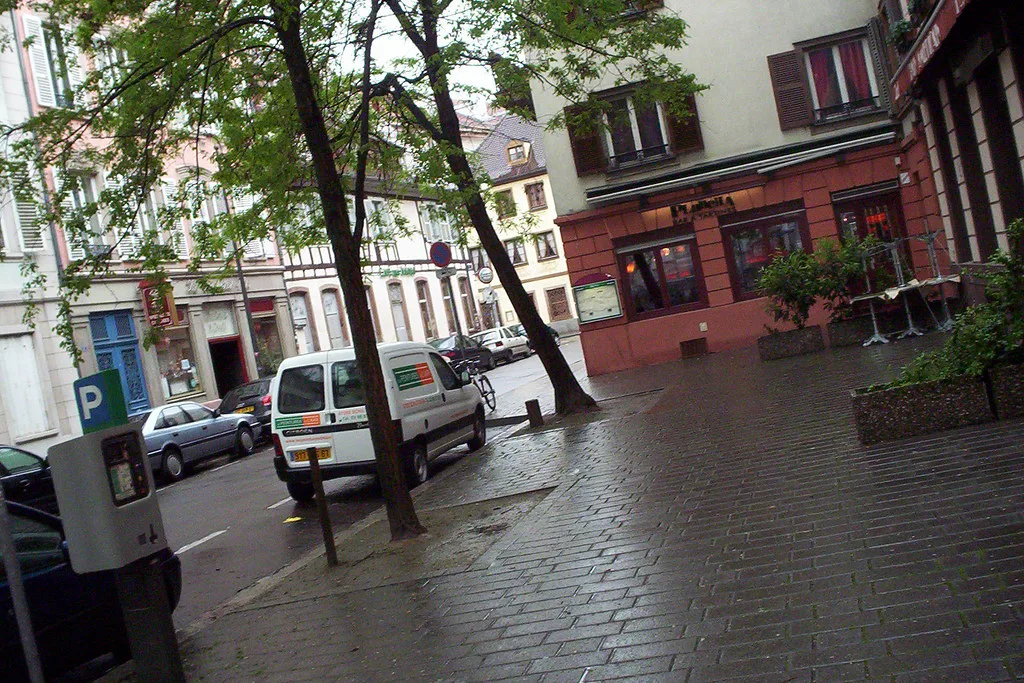
Eating in the Krutenau is less about booking a name and more about claiming a terrace seat and watching the quarter work. The café and bar culture is the defining activity here, so leave a lunch slot free rather than scheduling a museum over it. Walk the place Saint-Nicolas-aux-Ondes to place d'Austerlitz axis at midday and pick whatever is busy.
The quarter is described as somewhere it is good to live, with animated streets balanced by quieter corners, so a lunch stop can be followed by a genuinely peaceful walk without leaving the area. Pair a terrace meal with the inland streets towards the Esplanade when you want to slow down.
Walking the quarter and what lies within reach
A half-day in the Krutenau works best as a loop: the quays, the two squares, then west into La Petite France and over towards the Grande Île. The distances are short enough that you can combine the quarter with the cathedral centre in a single afternoon. Build the walk around the canal-side streets first, while you still have energy for the busiest stretch.
For the cathedral and the island's main sights, plan around things to do in Strasbourg and slot the Krutenau in as the eating and wandering half of the day. The quarter rewards an unhurried hour or two rather than a checklist.
The university sits directly alongside, which keeps the quarter young and busy through term time. That proximity also means the streets are thronged at predictable hours, so an early morning walk gives you the place closer to itself.
Practical orientation and trade-offs
The Krutenau's central position has a cost: quayside streets are the most desirable and the most expensive in the quarter, while the western edge towards the Esplanade is cheaper and quieter. Those differences matter mostly if you are staying overnight rather than passing through.
If the Krutenau's bustle is too much, the Neustadt Strasbourg offers a grander, more monumental alternative around Place de la République, and the Quartier de la Gare is the practical choice near the station. The Robertsau, Strasbourg sits further out and suits a different kind of trip entirely. If you are weighing up a different city for a similar short break, our guide to the things to do in Colmar covers another walkable Alsatian old town.
For a wider menu of sights and districts beyond the quarter, Strasbourg Attractions collects the city's main visitor guides in one place. Use it to decide what to pair with a Krutenau afternoon before you fix your days.
Plan Your Visit
Give the Krutenau a half-day, ideally built around lunch on a terrace between the place Saint-Nicolas-aux-Ondes and the place d'Austerlitz, then walk the quays and slip into La Petite France. Stay here if you want buzz and a short walk to the centre; look towards the calmer western edge if you want sleep.
Confirm café and bar hours locally on the day, since the quarter's terraces set their own schedules. In practice the Krutenau is a place to plan loosely and let the streets fill in the gaps.
Frequently Asked Questions
What is the Krutenau like in Strasbourg?
It is a busy, village-like quarter on the south-east edge of the Grande Île, next to La Petite France and the university. Its streets were once crossed by canals and worked by boatmen and fishermen, and it now serves as something of a second city centre, with cafés, bars and terraces concentrated between the place Saint-Nicolas-aux-Ondes and the place d'Austerlitz.
Is the Krutenau worth visiting on a weekend break?
Yes, if you want everyday Strasbourg rather than only the cathedral core. The quarter is best used for a terrace lunch, a wander along the quays and an evening out, and it is close enough to the centre to combine with the island's main sights in one afternoon. Anyone who needs quiet at night is better off towards the Esplanade side or in another district.
Where is the Krutenau in relation to the cathedral and Petite France?
The Krutenau faces the Grande Île, the island holding the cathedral and the old centre, and La Petite France borders it on the west with the university alongside. That means you can walk from the quarter into the historic core without crossing the river twice, which is what makes it practical as a base for a short break.
Is the Krutenau a good area for eating and drinking?
Cafés, bars and terraces are the quarter's defining activity, spread between the place Saint-Nicolas-aux-Ondes and the place d'Austerlitz. Rather than booking a specific name, walk that axis at midday, take a free lunch slot and choose a busy terrace. Keep the afternoon loose so a meal can be followed by a quieter walk inland towards the Esplanade.
How long do you need in the Krutenau?
Half a day covers the quarter comfortably: the quays and canal-side streets first, then the two squares, then west into La Petite France and over towards the Grande Île. Because the distances are short, most visitors pair the Krutenau with the cathedral centre in a single afternoon rather than giving it a day of its own.