
Musée Granet, Aix-en-Provence: What to See and How to Visit
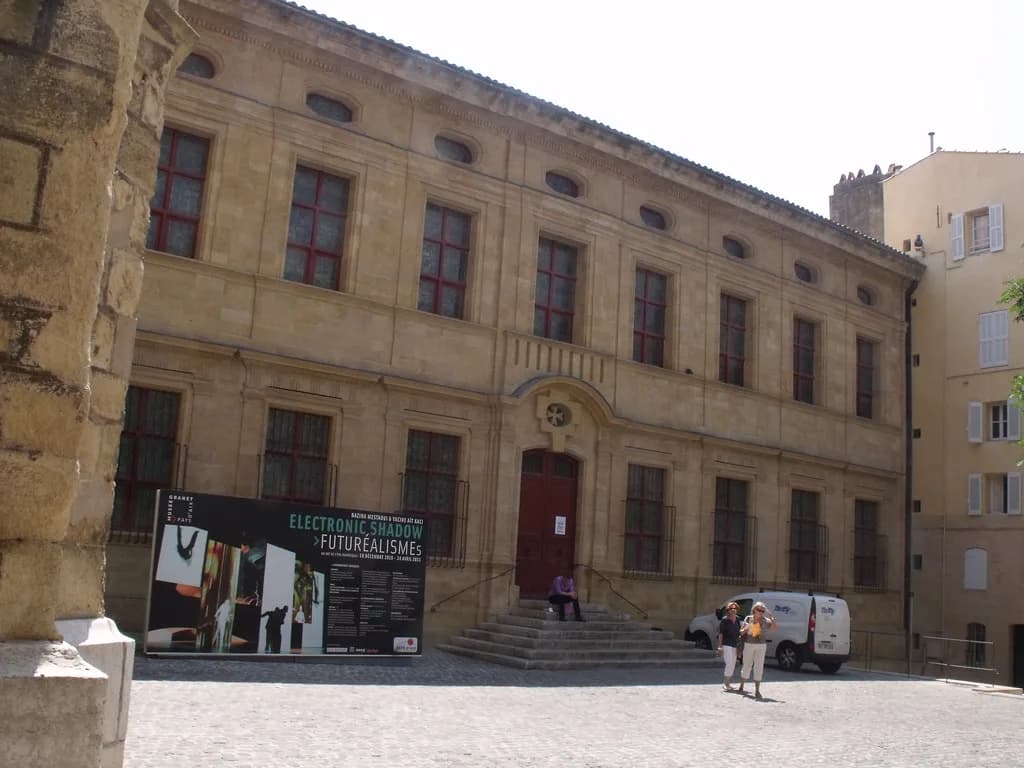
The Musée Granet is Aix-en-Provence's principal fine-arts museum, set in the former Palace of Malta just off Rue d'Italie and a short walk from Cours Mirabeau. It is the right stop for a rainy morning or a focused half-day of paintings, not a full-day outing on its own.
Two things decide how you visit. The museum covers works from the 14th to the 20th century across its main building, and its modern holdings sit in a separate space, Granet XXe in the Chapelle des Pénitents Blancs, so a visit planned around one wing only will miss the other.
What the Musée Granet is
The museum occupies the former Palace of Malta and is classed among the finest museums in France, with collections running from the 14th to the 20th century. Rembrandt, Ingres and Cézanne all appear in the holdings, which gives you a reason to go beyond a single painter.
Its position in the Mazarin quarter puts it inside the old city rather than on its edge, so it slots into a walking day rather than requiring a trip out. Treat it as one anchor of an Aix weekend and build the rest of the day around the streets nearby; the wider set of Aix-en-Provence Attractions shows what else earns a slot.
Where it is and how to reach it
The entrance is just off Rue d'Italie, very close to Cours Mirabeau, in the Mazarin district. From the plane trees of the cours it is a few minutes on foot, which makes it an easy add-on to a morning coffee on the terrace.
Because it sits inside the historic centre, you reach it on foot from most of the old town, and the surrounding quarter of 17th- and 18th-century townhouses is worth the walk itself. Plan the museum as a stop between two streets rather than a separate excursion, and keep the Cathédrale Saint-Sauveur for the same walking loop.
The collections inside
The main building holds the core collections, including the Cézanne rooms and the older European paintings. Pick two or three areas that interest you rather than trying to cover every room, because the spread from the 14th to the 20th century is wide enough to exhaust a short visit.
Cézanne is the local name, but the museum's own account of its holdings is the place to start for what is actually on the walls. The Cézanne deposit is a group of eight paintings placed by the State in 1984, tracing roughly half a century of his development; that is the frame to hold in mind, not a full retrospective.
Cézanne at the museum and elsewhere in Aix
The Cézanne paintings at the Granet are one part of the painter's presence in Aix, not the whole story. His studio and the family property at Jas de Bouffan sit elsewhere in the city, and the tourist office points visitors towards a marked walking route through the places associated with him.
If Cézanne is your main reason for coming to Aix, the museum alone will not satisfy you; pair it with the Atelier Cézanne and the route through the city. If you want a broader art collection with one strong Cézanne group, the Granet is the efficient choice.
Granet XXe and the Jean Planque collection
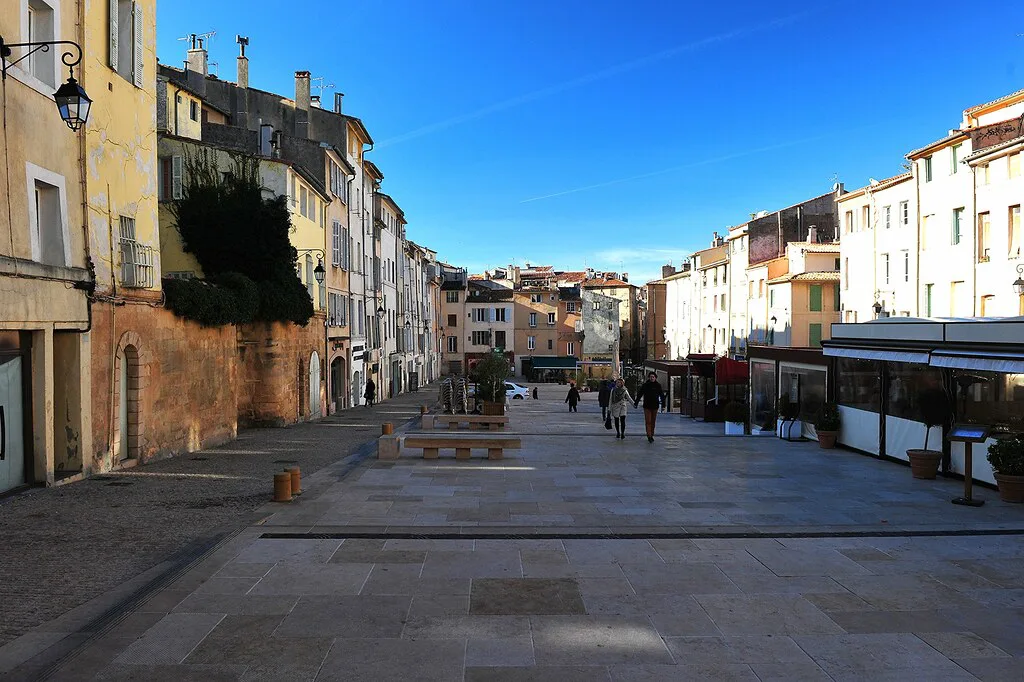
The modern side of the museum is Granet XXe, housed in the Chapelle des Pénitents Blancs, a 17th-century chapel given over to the Jean Planque collection. It holds nearly 120 works, from Impressionists and Post-Impressionists such as Renoir, Monet, Van Gogh and Degas through to 20th-century names including Picasso, Braque, Klee and Dubuffet.
The Planque works come to Aix on a 15-year loan from the Fondation Jean et Suzanne Planque, arranged in 2010. Check where Granet XXe sits relative to the main building before you set out, because the two spaces are separate and a single ticket plan for one will not cover both.
How long to allow and how to pace the visit
Allow around two hours for the main building and a further hour for Granet XXe if you want to see both properly. That makes a comfortable half-day, which leaves the afternoon free for the old town, markets or a walk along the cours.
A sensible order is the older paintings and the Cézanne group first, then a break, then the chapel. If you are short of time, choose one building and do it well rather than rushing both.
Opening hours and tickets
The museum's own site carries the current opening days, closing days and ticket prices, and those details are the ones to plan around. If you are timing a weekend around a specific exhibition, check the dates on the same page before booking travel.
There is also a City Pass for Aix-en-Provence, sold in 24, 48 and 72-hour versions, which can change how much the museum costs you overall. Compare the pass price with what you actually plan to visit rather than buying it automatically.
Practical trade-offs for a weekend
The museum is a reliable rain-proof anchor for a short break, but it works best as part of a day rather than the whole of it. Art lovers will want the half-day; travellers who came mainly for Cézanne's landscapes should weight their time towards the studio and the quarries instead.
Aix rewards wandering, and the museum sits in the middle of streets, squares and fountains that are free to explore. Budget your time so the museum does not crowd out the old town, which is the reason many people come.
Nearby sights to pair with the museum
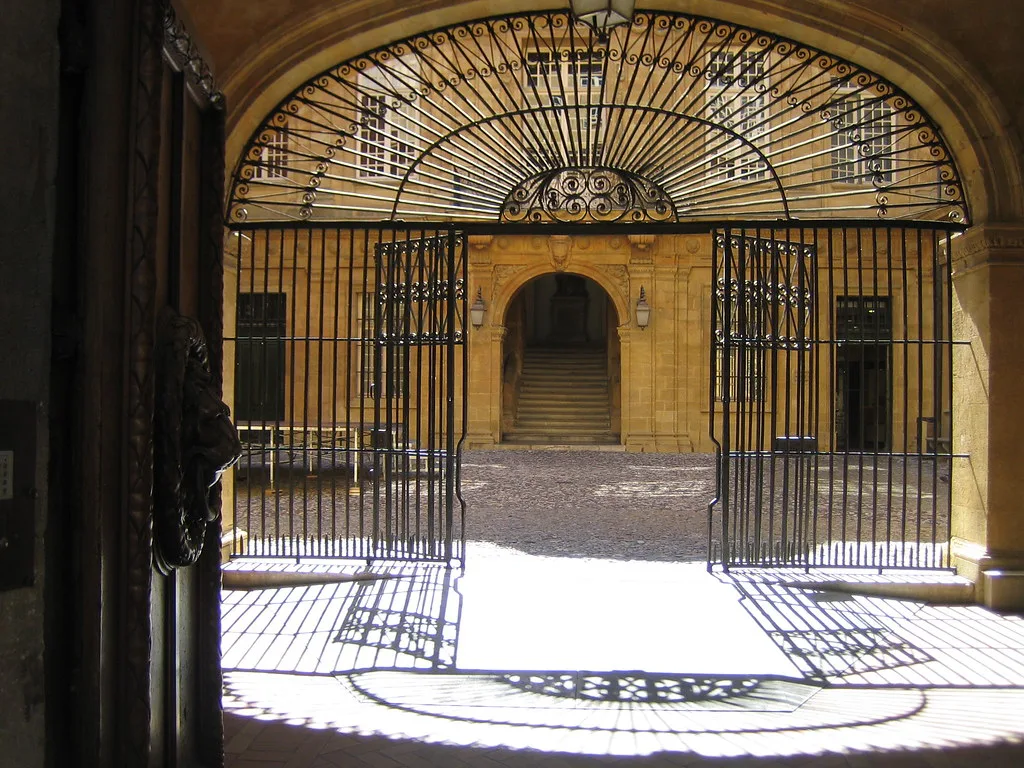
Cours Mirabeau is the obvious next stop, a few minutes away and the liveliest stretch in the city. From there the old town, the cathedral and the markets are all within walking distance, which makes a museum morning easy to extend.
The Musée du Pavillon de Vendôme, a 17th-century pleasure house in French-style gardens with 17th- and 18th-century portraits and Provençal furniture, is a short add-on that suits a quieter hour. It charges an entry fee and closes on Tuesdays, with free entry on the first Sunday of the month, which is worth factoring into your day.
Markets and the rest of the day
Aix runs food markets on Place Richelme every day, with further food and fairground markets on Tuesday, Thursday and Saturday mornings at Place Verdun and Place des Prêcheurs. The flower market on the Place de l'Hôtel de Ville runs daily except the first Sunday of the month, which is the day the Pavillon de Vendôme opens free.
That schedule makes a Saturday the strongest day for a combined museum-and-market visit, since the morning stalls and the museum can fit into one loop. Tuesday and Thursday work similarly, while Monday leaves the daily Richelme market as the main option.
Plan Your Visit
Build your day around the museum first, then fill the rest with Cours Mirabeau, the markets and one nearby house or chapel. That gives you the art without turning the weekend into a gallery crawl.
Before you travel, confirm the museum's opening days, ticket price and any exhibition dates on its official site, and check market days against your dates. Then leave room for an unplanned hour in the old town, which is where Aix works best.
Explore more Aix-en-Provence guides
Frequently Asked Questions
Where is the Musée Granet in Aix-en-Provence?
It is in the former Palace of Malta, just off Rue d'Italie in the Mazarin district, a few minutes on foot from Cours Mirabeau and the old town. That central position makes it easy to combine with a walking day rather than a separate trip.
Does the Musée Granet have Cézanne paintings?
Yes. Eight Cézanne paintings were deposited at the museum by the State in 1984 and trace roughly half a century of his work. His studio and the Jas de Bouffan property are elsewhere in the city, so the museum is one part of the Cézanne story in Aix.
What is Granet XXe?
Granet XXe is the museum's modern art space in the Chapelle des Pénitents Blancs, showing the Jean Planque collection. It holds nearly 120 works by Impressionists, Post-Impressionists and 20th-century artists, and it sits in a separate building from the main collections.
How long does a visit to the Musée Granet take?
Allow about two hours for the main building and a further hour if you want to see Granet XXe properly, which makes a comfortable half-day. Pick two or three areas rather than trying to cover everything, given the wide span of the collections.
Is the Musée Granet worth visiting on a weekend in Aix?
It is a good rain-proof anchor and rewards art lovers with a half-day, but it is a weaker fit if Cézanne's studio and landscape sites are your priority. Pair it with the old town, the markets and one nearby house rather than making it your whole day.
When are the Aix-en-Provence markets held?
The food market on Place Richelme runs every day, with further food and fairground markets on Tuesday, Thursday and Saturday mornings at Place Verdun and Place des Prêcheurs. The flower market runs daily except the first Sunday of the month.
How much does the Musée Granet cost?
Prices are set by the museum and are published on its official site, so check there before you go. The Aix-en-Provence City Pass, sold in 24, 48 and 72-hour versions, is worth comparing against what you actually plan to visit.