
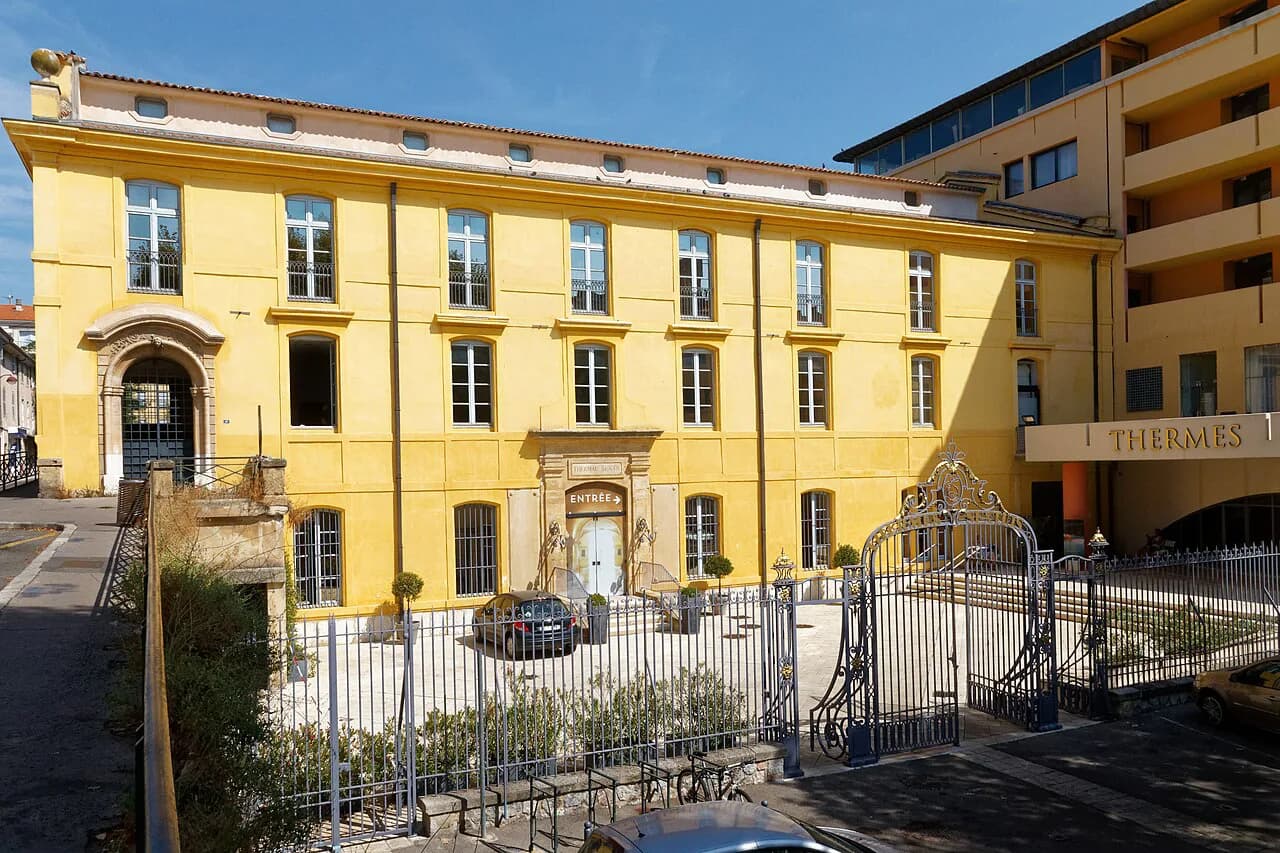
Thermes Sextius: Aix-en-Provence's Roman Baths Site

The Thermes Sextius are the visible Roman bath remains of Aix-en-Provence, at 55 avenue des Thermes at the top of the cours Sextius. What survives is fragmentary: a single vaulted pool still stands on a site now occupied by the Aquabella hotel and its spa, so treat this as a short, worthwhile stop rather than a full bathing complex.
It slots naturally into a walk through central Aix: the cours Sextius runs north from the old town, and the baths sit at its head, within reach of the cathedral quarter and the markets. Allow a brief look at the remains and the Fontaine des Thermes, then carry on into the old town rather than planning a separate outing.
What the Thermes Sextius site is
Aix-en-Provence was known in Latin as Aquae Sextiae, and its hot springs are the reason the Romans settled here. The public baths were built in the second half of the 1st century at the top of what is now the cours Sextius, and they served as a place for hygiene, sociability and culture in Roman city life.
The baths were destroyed around 300 when Christianity discouraged their use, and they lay forgotten until 1704, when the demolition of a house uncovered some of the remains. Today the Hôtel Aquabella and its spa occupy the site, so the ancient structure and a working hotel share the same ground.
Where it is and how to get there
The address is 55 avenue des Thermes, 13090 Aix-en-Provence, in the city centre and in the historic quarter. A public transport stop sits less than 500 metres away, and the tourist office lists the location as central and close to bus stops, which makes it easy to reach on foot from most of the old town.
Practically, walk north along the cours Sextius until it ends at the baths, an approach that takes you past the fountains and plane trees of one of the city's main avenues. Because the site is in the centre, you can combine it with the old town on the same morning, rather than making a dedicated trip.
What actually survives
The key surviving element is a vaulted pool, still visible on the site, which gives a sense of how the baths were built and fed by the hot springs. The remains are limited, so do not expect a museum of rooms, mosaics or labelled displays; the visit is about seeing one authentic piece of Roman engineering in its later setting.
Alongside the pool stands the Fontaine des Thermes, fed by the source Reine Jeanne, which sits within the thermal establishment on the spot of earlier Celtic-Ligurian and Roman remains. Seeing the spring and the pool together makes the link between the ancient baths and the water that still defines this corner of Aix.
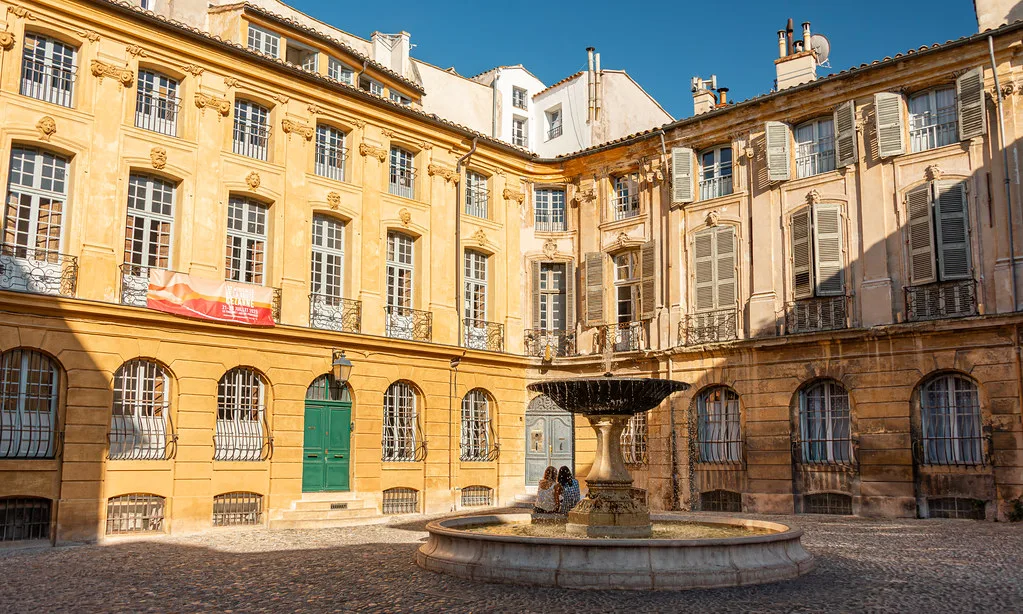
The Aquabella hotel and spa on the site
The Hôtel Aquabella, a four-star hotel and spa, now occupies the thermal site, set in a Mediterranean garden in the heart of Aix. The Thermes Sextius spa operates within it and draws on the same spring water, so the address remains a place of bathing and wellbeing, even though the Roman fabric is a shadow of what once stood here.
The spa markets itself as the largest in the region, with treatments using spring water captured in Aix-en-Provence. If you want a treatment rather than a look at the ruins, contact the spa directly for availability, and treat the Roman remains as a separate, quick stop on your walk.
How long to allow and how it fits a weekend
Set aside 20 to 30 minutes for the surviving remains and the Fontaine des Thermes, enough to read the setting and take a few photographs without rushing. Because the site is a single pool rather than a multi-room complex, it works best as one stop on a longer walk through central Aix rather than a half-day destination.
A sensible plan is to start at the top of the cours Sextius, see the baths, and walk back down through the old town towards the cathedral and the markets. That sequence keeps you moving through the city's core and leaves the rest of the day for Aix's museums and squares. Line it up against our wider pick of Aix-en-Provence Attractions: 6 Visitor Guides before you fix your days.
Practical points: opening and tickets
The tourist office lists the Thermes Sextius as a historic site and monument and notes that its opening times are not guaranteed. Check the current access arrangements with the Aix-en-Provence tourist office or the hotel before you set out, since the site sits within a working hotel and spa.
The sources publish no separate admission price for the Roman remains as a standalone attraction; the spa and hotel operate their own offers and bookings, which are separate from seeing the pool and fountain. Treat any spa prices or packages you see as spa products, not as the cost of visiting the ruins.
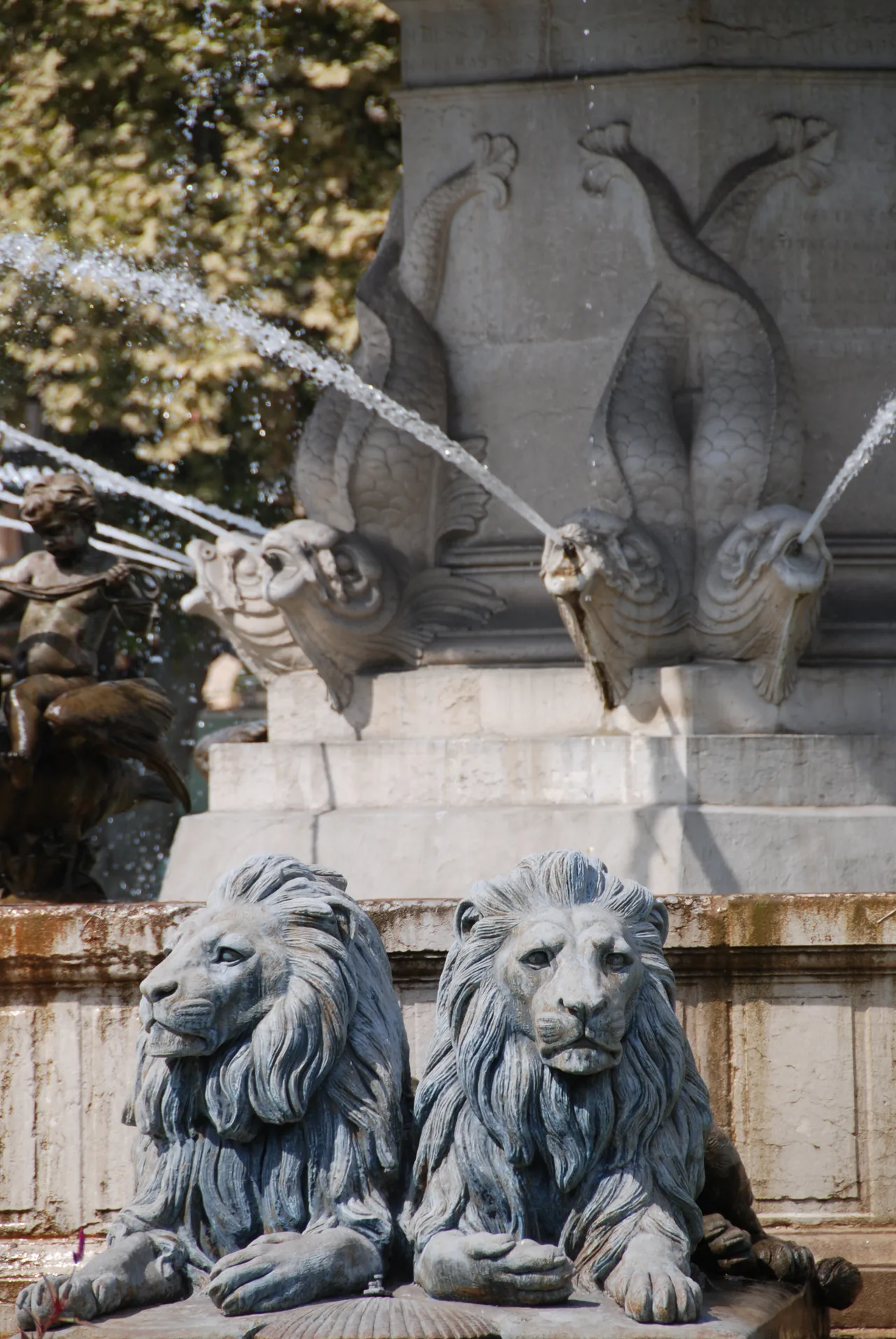
Nearby: the old town within walking distance
From the baths, the Cathédrale Saint-Sauveur and the old town are a short walk south, along with the squares and fountains that define central Aix. The Musée Granet and the Atelier Cézanne sit further out but remain reachable on foot or by a short bus ride, making a natural second stop after the Roman remains.
The Cours Mirabeau, with its cafés and fountains, lies a little further south again and makes a good bookend to a morning that starts at the Thermes Sextius. Combine the two and you cover the city's Roman layer and its grand 17th-century avenue in a single loop.
Plan Your Visit to the Thermes Sextius
The Thermes Sextius are a short, honest look at Aix's Roman past: one vaulted pool and a spring, wrapped inside a modern hotel and spa. Approach them as a stop on a walk up the cours Sextius rather than as a museum visit, and you will get exactly what is there without disappointment.
Pair the site with the old town, the cathedral and the Cours Mirabeau for a coherent half-day in central Aix, and confirm opening arrangements with the tourist office before you go, since the site operates within a working hotel.
Explore more Aix-en-Provence guides
Frequently Asked Questions
What is left to see of the Roman baths in Aix-en-Provence?
The main surviving element is a vaulted pool still visible on the site, along with the Fontaine des Thermes fed by the source Reine Jeanne. The remains are fragmentary rather than a restored bath complex, so allow a short stop rather than a long visit.
Where are the Thermes Sextius in Aix-en-Provence?
They stand at 55 avenue des Thermes at the top of the cours Sextius, in the centre of Aix-en-Provence, within the historic quarter. Bus stops are within 500 metres, and the site is a short walk from the old town.
How long does a visit to the Thermes Sextius take?
Allow around 20 to 30 minutes to see the vaulted pool and the fountain. Because the site is small, it works best as one stop on a longer walk through central Aix rather than a separate outing.
Can you visit the Roman baths of Aix-en-Provence?
The remains sit within the Hôtel Aquabella and its spa, so access can be limited by the hotel's operations. Check current arrangements with the Aix-en-Provence tourist office or the hotel, especially outside peak season.
When were the Thermes Sextius built and rediscovered?
They were built in the second half of the 1st century, destroyed around 300 and rediscovered in 1704 when a house was demolished and some remains came to light. The site later became the grounds of the Hôtel Aquabella.
What else is near the Thermes Sextius?
The Cathédrale Saint-Sauveur, the old town and the Cours Mirabeau are all within walking distance south of the site. The Musée Granet and the Atelier Cézanne are further out but still reachable on foot or by a short bus ride.