
Église Saint-Nicolas in Blois: What to See at This Romanesque Church
Église Saint-Nicolas is worth a short stop in Blois if you like Romanesque churches or modern stained glass, but it is not a destination in its own right. The building is medieval, the glass is late 20th-century, and the visit takes minutes rather than hours.
It sits in the old centre of Blois, so the sensible plan is to fold it into a walk between the bigger sights rather than make a separate trip. Read it as a quiet counterpoint to the Château de Blois and the cathedral, both a short walk away in the same historic quarter.
Why visit Église Saint-Nicolas
The case for stepping inside rests on two things: a Romanesque shell from the 12th century and a set of modern windows most visitors do not expect. The church is recorded as a monument historique, which puts it among the protected historic buildings of Blois rather than among its minor chapels.
It is a working parish church rather than a museum, so there are no ticket desks or exhibition panels. If you want a ticketed, curated experience, the château delivers that; Saint-Nicolas rewards a ten-minute look and an eye for detail.
Skip it if your weekend is tight and your taste runs to Renaissance interiors and formal gardens. Include it if you are already walking the old centre and want to see how a medieval nave handles 20th-century glass.
Where it sits in Blois and how to fold it into a walk
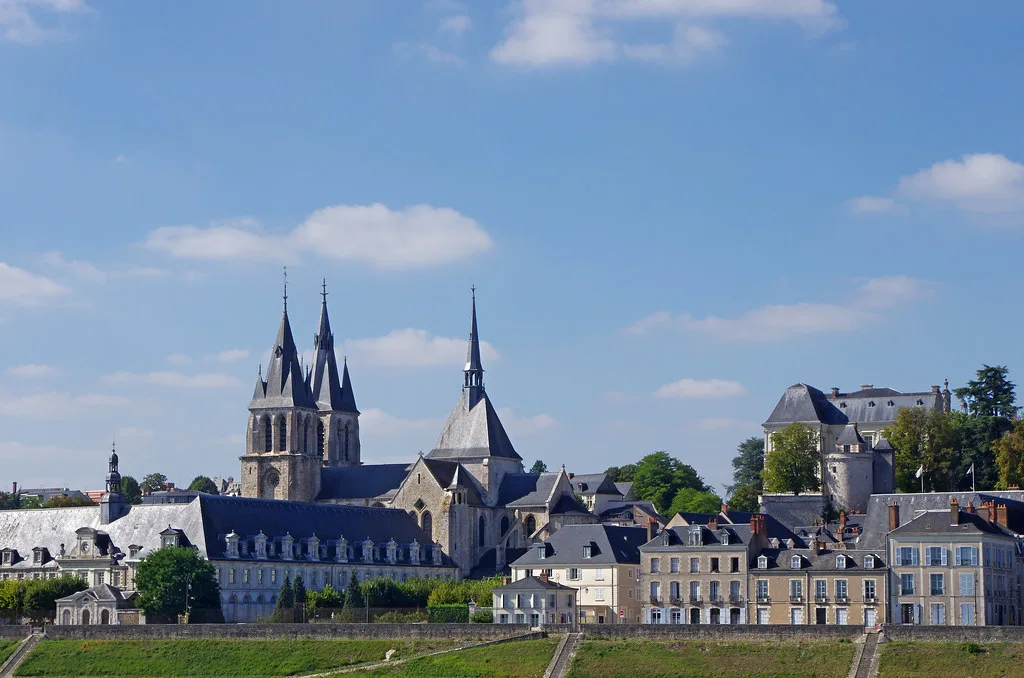
The church is in Blois, in the Loir-et-Cher, and the photographic record places it in the ancient centre of the town. That is the useful planning fact: it belongs to the same compact historic core as the château and the cathedral, not to an outlying district.
Work it into a loop rather than a dedicated outing. A natural order is château first, then the old streets, then Saint-Nicolas, then the cathedral, which keeps you moving downhill or across the centre instead of retracing steps.
Blois is small enough that the between-sights walking is short, so the church costs you little more than the minutes you spend inside. If you are building a longer list of stops, the wider set of Blois Attractions shows what else sits within the same walkable core.
The building: Romanesque origins and the recorded construction period
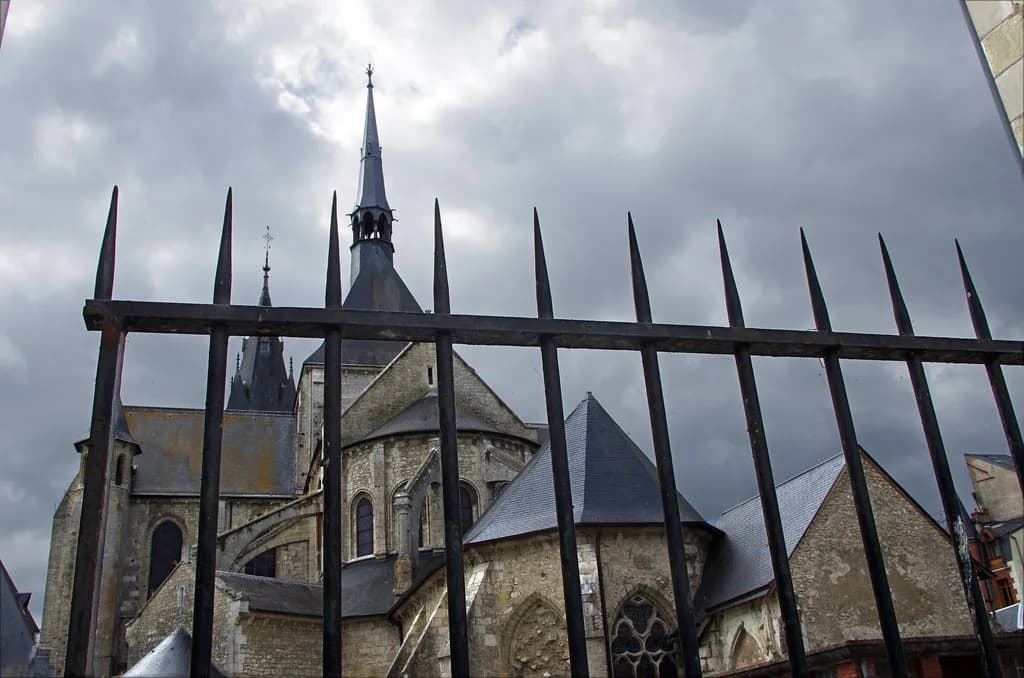
The church is described as Romanesque and as having been built in the 12th century, which is the style cue to hold in your head as you look at the nave and openings. Romanesque here means thick walls, rounded arches and small windows, the opposite of the tall Gothic cathedral you will see later on the same walk.
The construction period is recorded as 1138 to 1186, a span of roughly fifty years that explains why the fabric is not all of one piece. Look for changes in stonework and window size where you can, rather than expecting a single uniform campaign.
Keep the medieval masonry and the modern glass separate in your mind. The walls are the historic monument; the windows are a later intervention, and treating them as one story flattens what is actually interesting about the building.
What to look for inside: Didier Alliou's stained glass
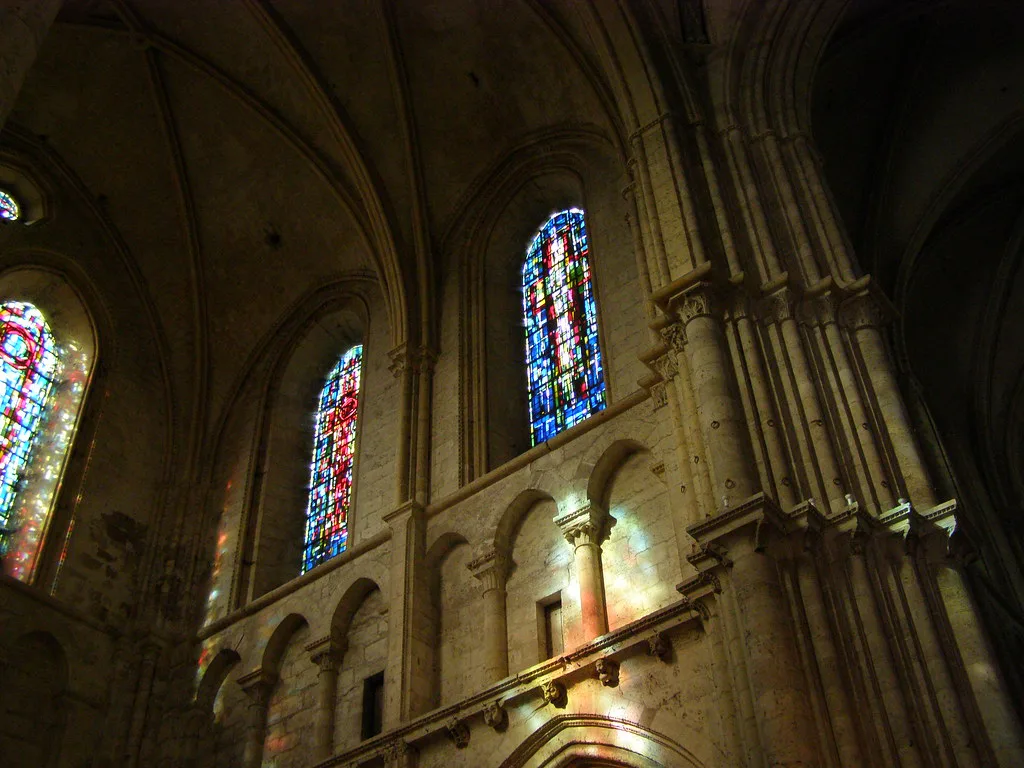
The specific thing to hunt for is the stained glass by Didier Alliou, installed in 1989 and recorded as a project at this church. It is contemporary work set into a medieval interior, so the contrast of colour and abstraction against old stone is the point of the visit.
Move around rather than viewing from one spot: glass reads differently from the aisle, from under the window and from the back of the nave, and the light shifts through the day. Give the windows a few minutes each instead of photographing them from the door.
This is a vitrail commission from the late 1980s, so expect a modern palette and modern composition rather than 19th-century devotional scenes. If modern stained glass is your reason for coming, it is worth pairing this stop with the cathedral's own windows on the same afternoon.
How much time to allow and when to slot it in
Budget around fifteen to twenty minutes inside, plus whatever time you spend circling the exterior. That is enough to see the Romanesque structure and the Alliou windows without rushing, and it keeps the church as a stop on a walk rather than an outing that eats a morning.
Slot it into the middle of a day, between the château and the cathedral, when you are already crossing the old centre. Doing it first thing or last thing means a special detour for a short visit, which is rarely worth it.
If you are in Blois for a single day, treat Saint-Nicolas as an optional extra and let the château and cathedral carry the day. If you have two days, the church fills a natural gap between the headline sights without competing with them. If you are weighing up a full weekend of Loire stops, our Amboise city guide covers the same kinds of short church and old-town visits in a neighbouring river town.
Opening hours, access and service times: where to confirm
Église Saint-Nicolas is open to the public, according to its inventory record, but the same record gives no daily hours. Confirm the current opening times and any service schedule locally before setting out, since a parish church can be closed for a funeral or a mass when you arrive.
There is no ticket price to budget for here, so the risk is wasted walking rather than wasted money. Check at the door or with the Blois tourist office on the day, and keep the church as a flexible stop you can drop if it is shut.
Nearby in Blois: what to pair with the church
The Château de Blois is the obvious pairing: a royal residence with Renaissance wings and a courtyard, and a much bigger visit that justifies a timed slot. Do the château with a booked time and leave Saint-Nicolas loose around it.
For a different register, the Maison de la Magie, Blois is a short walk in the same central area and gives you an indoor hour with a family-friendly slant. It works well as the counterweight to a quiet church visit on a wet afternoon.
Two smaller stops round out the centre: the Maison des Acrobates, Blois, a medieval timber-framed house best seen from the street, and the Jardin de l'Évêché in Blois, an open garden beside the cathedral with views over the river. Both are short, free-feeling additions to the same walk rather than destinations.
If you are sketching a fuller plan, the broader list of things to do in Blois helps you order these stops by opening days and by how long each needs.
Practical notes: church etiquette and quiet visits
This is an active place of worship, so dress as you would for any French parish church: covered shoulders, quiet voices and no wandering into roped-off areas. Photography is usually tolerated without flash, but follow any notices posted at the entrance rather than assuming.
The windows are the reason most visitors come, so give them attention in silence and let other people do the same. A short, attentive look is more useful here than a rushed circuit with a phone in front of your face.
Keep the visit short and treat the church as a pause in the day, not an attraction to tick off. That framing matches both the building's scale and its role in the old centre of Blois.
Is Église Saint-Nicolas Worth Your Time?
Yes, if you are already walking the old centre of Blois and want a short, free-feeling stop with a genuinely unusual pairing of Romanesque stone and 1989 stained glass. No, if you are choosing between this and the château on a tight schedule, since the château carries far more for the same hour.
Plan it as a fifteen-minute pause between bigger sights, check the door before you commit, and go in expecting a working church rather than a visitor attraction. That is the honest trade-off, and it is a good one for the right traveller.
Frequently Asked Questions
Is Église Saint-Nicolas in Blois worth visiting?
It is worth a short stop if you are already in the old centre and you like Romanesque architecture or modern stained glass. It is a working parish church rather than a museum, so it takes minutes rather than hours, and it should not displace the château or cathedral on a tight schedule.
How old is the church of Saint-Nicolas in Blois?
The building is Romanesque and dates to the 12th century, with its construction period recorded as 1138 to 1186. That span explains why the stonework is not uniform across the church.
What stained glass can you see at Église Saint-Nicolas in Blois?
Look for the windows by Didier Alliou, installed in 1989 and recorded as a project at this church. They are contemporary work set into a medieval interior, so the contrast with the old stone is the main thing to notice.
How long does a visit to Église Saint-Nicolas take?
Allow around fifteen to twenty minutes inside, plus time outside. That covers the Romanesque structure and the modern windows without rushing, and it keeps the church as a stop on a walk.
Where is Église Saint-Nicolas in Blois?
It is in Blois in the Loir-et-Cher, in the ancient centre of the town, within short walking distance of the Château de Blois and the cathedral. Plan it into a loop through the historic core rather than a separate trip.
Are there opening hours or service times for the church?
The inventory record confirms public access but gives no daily hours or service schedule. Opening times and any mass times are best checked locally on the day; keep the church as a flexible stop you can drop if it is closed.