
Citadel of Calvi: A Visitor's Guide to the Genoese Citadel
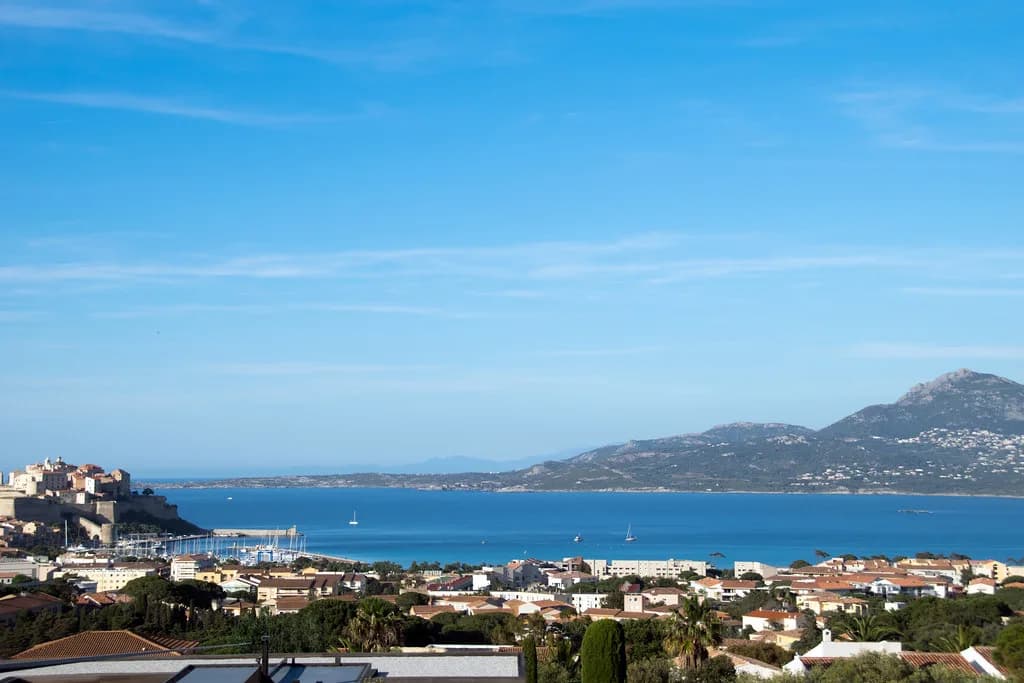
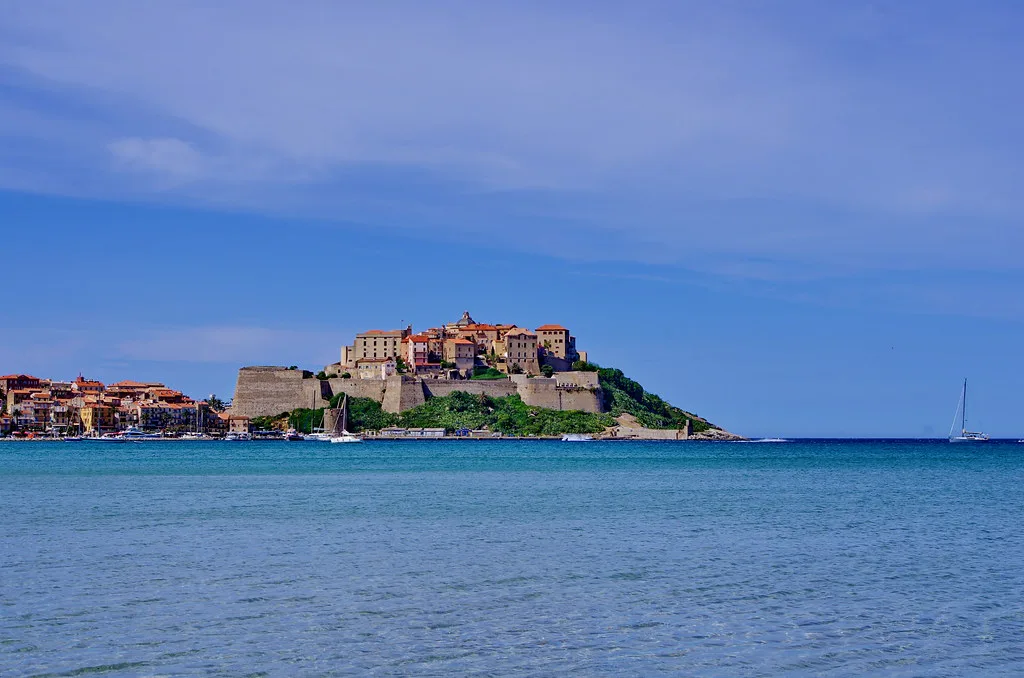
The Citadel of Calvi is the walled Genoese town on the rocky promontory that rises straight from the sea above the marina and beach. It is the reason Calvi is recognisable from the water, and it rewards a slow couple of hours rather than a quick photo stop.
You reach it on foot from the lower town, climb through a gate in the walls, and spend your time in lanes, churches and viewpoints rather than in a single ticketed monument. This guide covers what is inside, how the walk works and how long to allow.
What the Citadel of Calvi is and why it dominates the town
The citadel is a walled town on a promontory, built by Genoa and described as dating from the 13th century, with ramparts that drop down towards the sea. Its fortifications are the most striking sight in Calvi, and the old town inside them is still lived in and visited rather than preserved as an empty monument.
Calvi sits on the north-west coast of Corsica in the Balagne region, and the citadel is the heart of its identity. The bay, the beach and the mountains behind give it a setting that changes with the light, which is why the walk up is worth doing even if you have little interest in military architecture. If you are weighing up where to base yourself, compare this with the things to do in Bastia, which pairs a Genoese citadel with an old port of its own.
Where it is: the rocky promontory above the marina and beach
The citadel occupies the headland at the western end of the bay, with the marina and fishing boats at its foot and the long sandy beach running east from there. The lower town, the port and the beach are all within a short walk of the walls, so the citadel is easy to combine with a morning on the sand or a look at the boats.
From the beach you get the classic view of the walls rising above the water, and the walk along the shore is the best way to see the citadel's full profile before you go in. The bay is broad — around five kilometres of beach according to the Corsican tourist board — so pick your approach from the part of the beach nearest the port.
How to get there on foot from the marina and lower town
The approach is on foot: from the marina, walk towards the promontory and follow the lane that climbs to the gate in the walls. It is a short but steady ascent, so wear shoes you can walk in and carry water in summer rather than treating it as a stroll.
There is no need for a car or a bus to reach the citadel from the centre. If you are coming from further along the beach, allow extra time and walk via the port, which keeps the climb to the end of the route rather than spreading it out.
The Genoese walls and the Civitas Calvi Semper Fidelis motto
The walls are Genoese work, and the town's motto, Civitas Calvi Semper Fidelis, records Calvi's loyalty to the republic of Genoa. Knowing that helps you read the fortifications: they were built to hold a strategic port for a distant maritime power, not simply to keep out pirates.
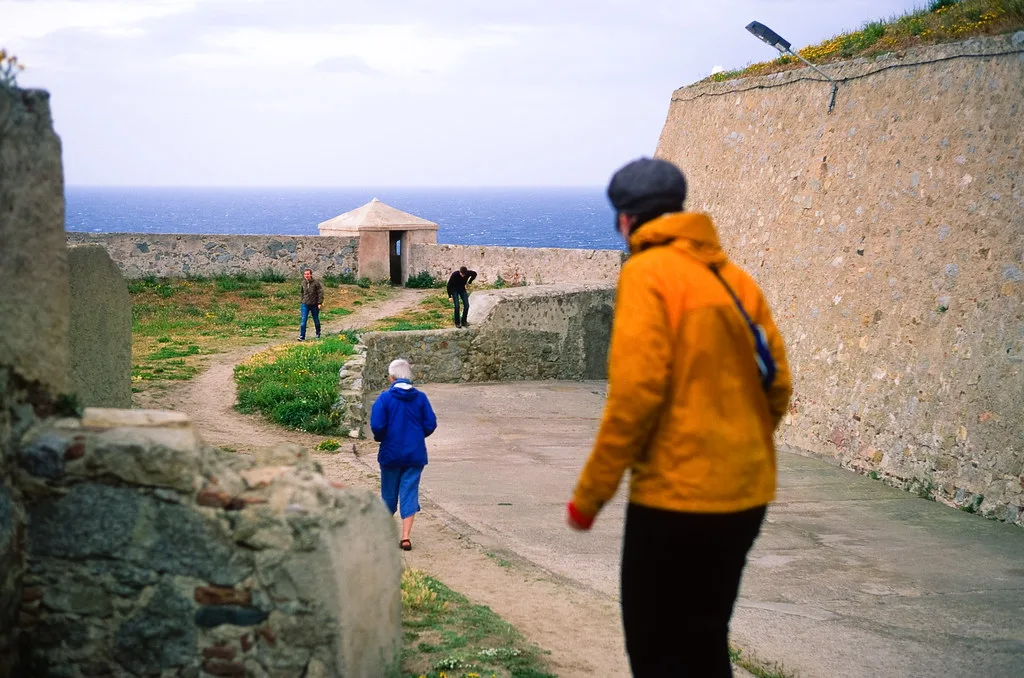
Walk the ramparts where access allows and look out over the water; the walls are the citadel's best free viewpoint. The bastions and gates give you a sense of how the town was defended, and the seaward stretch shows how steeply the rock falls away.
Wandering the narrow streets and lanes inside the walls
Inside the gate the streets are narrow, with small food shops, Corsican craft and beauty boutiques, and restaurant terraces tucked between the buildings. It is a place to wander without a fixed route: the lanes are short and interconnected, so you will loop back to the main square without much effort.
The Cathédrale Saint-Jean-Baptiste is the main church inside the walls and the natural anchor for a wander. Step in if it is open, then use the surrounding lanes to find the quieter corners away from the main approach.
The house linked to the Columbus family and the Napoleon connection
Calvi claims Christopher Columbus, and inside the citadel you can see the ruin of the house that belonged to the Culombu family. Historical proof of his birthplace is unclear, so treat the claim as local tradition rather than settled fact — it is still part of how the town tells its story.
The Napoleonic link is more concrete: Napoleon's godfather, Laurent Giubega, had a house in the citadel, and the town is part of the European network of Napoleonic cities. Look for the references as you walk rather than expecting a museum devoted to either man.
Views from the citadel over the bay, the mountains and the Revellata
From the walls and the high lanes you look across the bay to the mountains, which carry snow into spring, and west towards the Revellata peninsula with its lighthouse and rocky coves. The citadel is the best place in town to take in the whole setting at once.
The view is the reason to linger at the top rather than rush back down. Find a gap in the walls on the seaward side, sit for a few minutes, and let the town below and the water do the work.
How much time to allow and how to pace a visit
Allow an hour and a half to two hours for the citadel itself: the climb, a wander through the lanes, a look inside the cathedral and time on the walls. Add more if you plan to eat inside the walls, where the terraces make it easy to lose an afternoon.
The mistake is treating the citadel as a ten-minute photo stop. Pace it in three parts — the approach and walls, the lanes and cathedral, then the viewpoint — so you are not climbing back up after a break in the lower town.
Nearby: the marina, the town beach and the pine-lined walkway
Back down at sea level, the marina and the town beach sit at the foot of the citadel. The beach is a long sweep of pale sand with a pine wood behind it, and a wooden walkway runs along the edge of the trees for an easy stroll after the climb.
The combination makes a natural half-day: citadel in the morning, beach and marina in the afternoon. If you want a broader plan for the town, the Calvi attractions hub sets out the other sites worth your time.
Notre-Dame de la Serra and the Revellata as add-ons after the citadel
If you have a car or are happy to walk further, Notre-Dame de la Serra sits on the hill above town and gives the widest panorama over Calvi and the surrounding mountains. It is a pilgrimage chapel first and a viewpoint second, and it works best as a separate outing rather than an extension of the citadel walk.
The Revellata peninsula, west along the coast road, has a lighthouse and small coves and is a half-day in itself. Treat both as add-ons: the citadel is complete without them, and squeezing them in makes for a rushed day.
Practical notes: markets and the walk back down to town
Markets in Calvi follow a regular pattern: the Marché Couvert runs every morning from 8am to 12.30pm with fruit, vegetables and regional produce, and fish and producers set up on Sundays from 9am at Port Calellu by the Tour du Sel. On the first and third Thursdays of the month there is a clothing and accessories market all day in the parking de l'Ortacce, opposite Super U.
After the citadel, walk back down through the lanes to the port and the lower town, where the market and the beach are within easy reach. The Calvi-Balagne tourist office on the Chemin de la plage can confirm current times and any seasonal changes before you set out.
Plan Your Visit
The Citadel of Calvi is a free-to-wander walled town rather than a single ticketed attraction, and its value is in the climb, the lanes, the cathedral and the views. Give it a half-day alongside the marina and beach, and keep Notre-Dame de la Serra and the Revellata for a separate outing.
Before you go, check the Calvi-Balagne tourist office for any changes to access or market times, especially outside summer. Then simply walk up from the port and let the citadel set the pace.
Explore more Calvi guides
Frequently Asked Questions
What can you see inside the Citadel of Calvi?
Inside the walls you can walk the narrow lanes, visit the Cathédrale Saint-Jean-Baptiste, see the ruin of the house linked to the Columbus family, and take in views over the bay and mountains from the ramparts. There are also small shops and restaurant terraces within the old town.
How long does it take to visit the Citadel of Calvi?
Allow an hour and a half to two hours for the climb, a wander through the lanes, a look inside the cathedral and time on the walls. Add longer if you plan to eat inside the walls.
Is the Citadel of Calvi free to walk around?
The citadel is a walled town you can walk into and explore without a ticket. The cathedral and any individual sites may have their own arrangements, so check locally on arrival.
How do you walk to the Citadel of Calvi from the marina?
From the marina, walk towards the promontory and follow the lane up to the gate in the walls. It is a short but steady climb on foot, so wear comfortable shoes and carry water in summer.
Was Christopher Columbus born in Calvi?
Calvi claims Columbus, and the citadel contains the ruin of the Culombu family house. Historical proof of his birthplace is unclear, so the claim is best treated as local tradition rather than settled fact.
What is nearby after visiting the citadel?
The marina and the long sandy town beach sit at the foot of the citadel, and the pine-lined walkway along the beach makes an easy stroll. Further afield, Notre-Dame de la Serra and the Revellata peninsula work as separate half-day outings.