
Notre-Dame de la Serra, Calvi: the Hilltop Chapel Above the Town

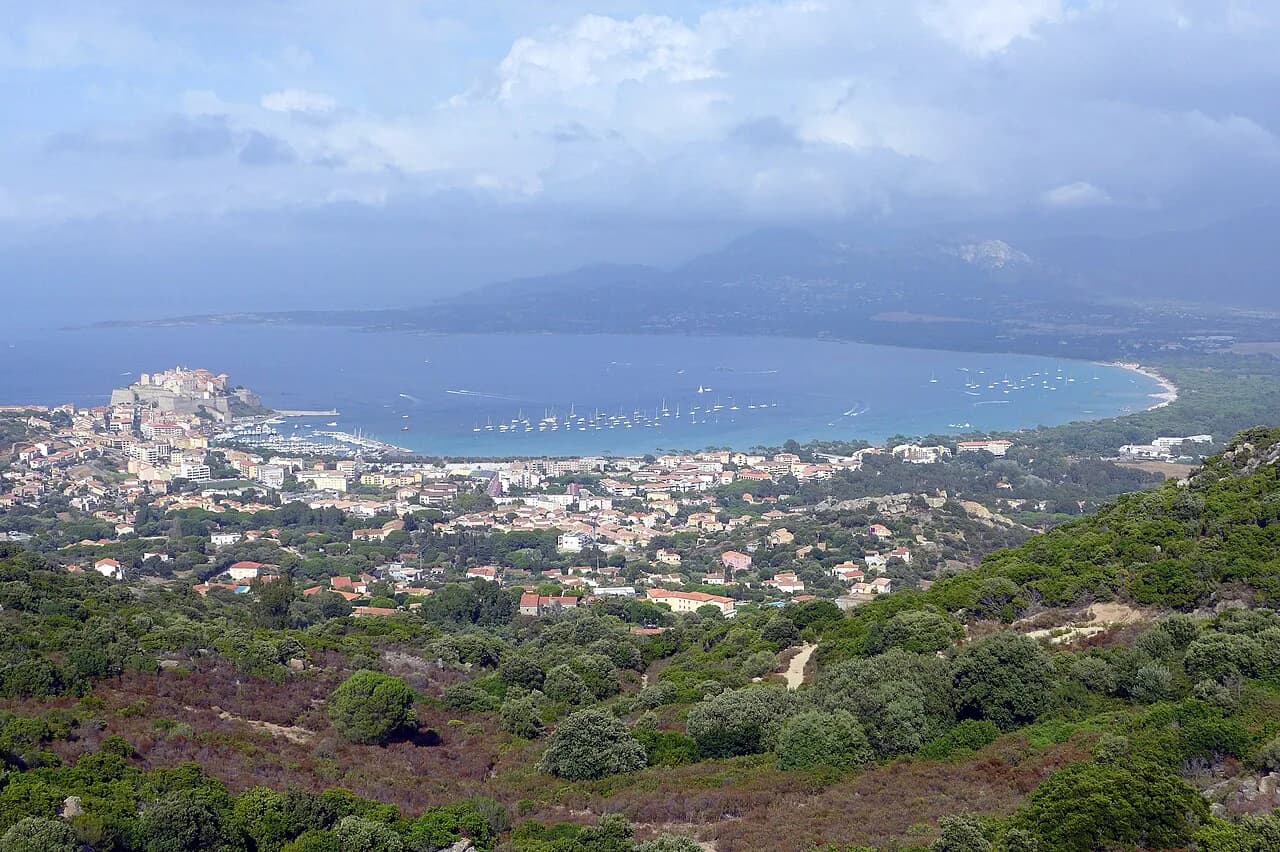
Notre-Dame de la Serra is a small chapel on the hill of the same name at the southern edge of Calvi, in Haute-Corse, looking down on the town, the bay and the Revellata peninsula. It is a pilgrimage sanctuary rather than a museum, and the visit is built around the climb, the panorama and the building itself. This guide sets out the two ways up, what the chapel's history explains about its appearance, and how to pair it with the citadel below.
What Notre-Dame de la Serra is
Notre-Dame-de-la-Serra is one of the three chapels of Calvi, perched on the hill that carries its name and protecting the town in the way a sanctuary is meant to. It began as a fifteenth-century foundation, built in 1479, and it has been a place of pilgrimage rather than a parish church. Treat it as a short outing with a view, not a sight that fills an afternoon.
The chapel sits close to the Presqu'île de la Revellata, the peninsula that closes the bay to the north-west, and the hill gives a clear line of sight over both the town and the water. That position, rather than any great size, is the reason to come. Set aside the expectation of a large church interior and plan instead for a viewpoint with a shrine at its centre.
Where it is and how to go up
The chapel stands on its hill at the southern exit of Calvi, and a road runs directly up to it from that side of town. If you are driving or being dropped off, this is the straightforward option and puts you at the chapel without a climb. The road approach is the practical choice for anyone short on time, travelling with young children or visiting in the heat of the day.
On foot, the usual route begins near the citadel, on the town side of the hill, and climbs from there. Visitors report the ascent taking about 45 minutes, with an hour advised if you want to be at the top for the sunset rather than arriving as it starts. It is described as a pretty easy walk, so the effort is moderate rather than punishing, but the hour allowance is the honest figure to plan around in warm weather.
Keep the two published figures separate when you plan. The fifteen-minute, 0.20 km measure applies to the walk on the chapel hill itself once you are up there. The 45-to-60-minute figure is the reported time for the climb from near the citadel, and it is a visitor's estimate rather than a surveyed distance.
What you see from the top
From the chapel hill the panorama takes in Calvi itself, the sweep of the bay and the Revellata peninsula beyond. The source describes the view as imprenable, and that is the main draw of the ascent. Give yourself time at the top rather than turning straight round, because the outlook is the reason the walk exists.
The light changes through the day, and the reported advice to allow a full hour is aimed at people timing their arrival for the sunset. Mornings give a different angle on the town and water, and an early start also means cooler air on the climb up from the citadel. Choose your slot by whether you want the sunset light or an easier ascent.
The chapel: from 1479 to the 1850s
The original sanctuary was constructed in 1479 and destroyed during the siege of 1794, when the hill above the bay was chosen by the English for its strategic position. That explains why a foundation from the fifteenth century presents a much newer building today. The chapel you see was rebuilt between 1850 and 1860 on the ruins of the older sanctuary.
Knowing the rebuilding history changes how you read the architecture: this is a nineteenth-century chapel on a medieval site, not an intact medieval survival. Look at it as a reconstruction that kept the site's role as a sanctuary. The building is modest, so the history does more work than the fabric.
The statue of the Virgin
Almost touching the chapel stands a rocky outcrop inside the pilgrimage enclosure, and on it is a statue of the Virgin with her arms open toward the town, in a protective pose. It is the detail most worth lingering over at the top, and the reason the hill reads as a place of intercession rather than just a viewpoint. Look for it before you start back down.
A local legend holds that bringing the person you love to this spot assures longevity and beauty to the relationship, which is the kind of story that makes the outcrop a stopping point rather than a passing feature. Take it as folklore and enjoy it on those terms. Photographs of the chapel and its setting circulate widely if you want to see the composition before you go.
Pilgrimage on 8 September
On 8 September the chapel holds its pilgrimage celebrating the birth of the Virgin, a fixture in the Balagne calendar rather than a quiet chapel day. If you are in Calvi around that date, expect the hill to be considerably busier than on an ordinary day. If you want the panorama to yourself, plan around the date instead of on it.
The pilgrimage is the one fixed point in the chapel's year that the published record names, and it is a religious occasion first. Approach it as a witness rather than as an event to plan a trip around, and check locally for the day's arrangements before travelling.
Nearby: the citadel and the lower town
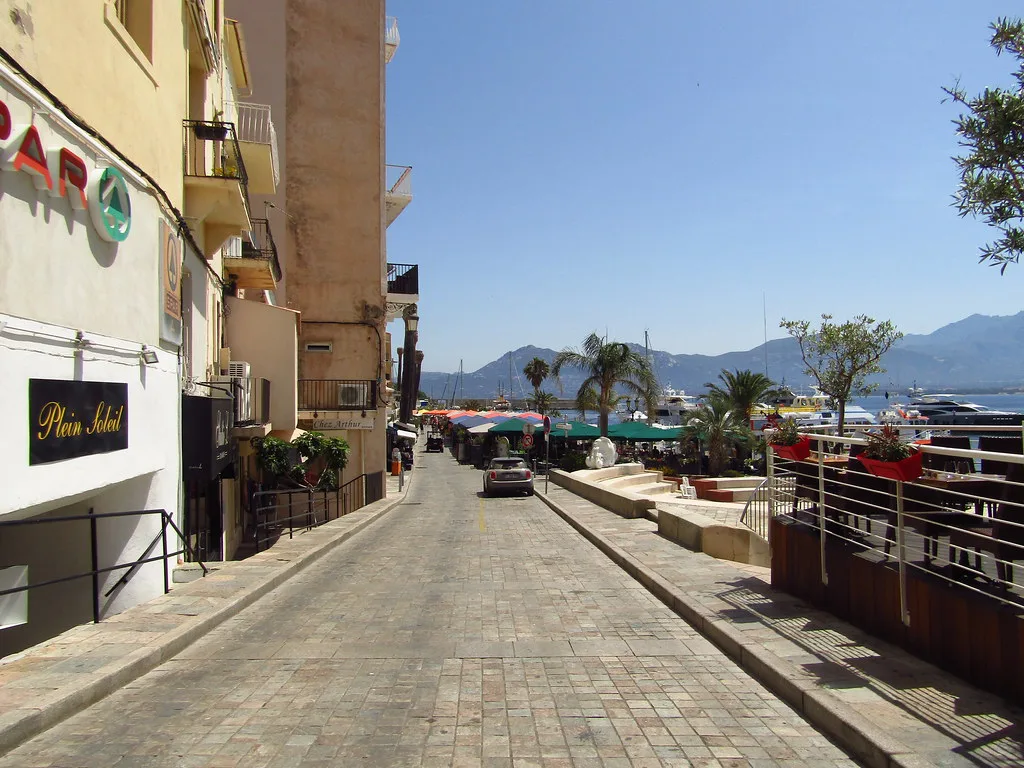
The chapel combines naturally with the citadel of Calvi below, which is where the walking route from town begins. Cathédrale Saint-Jean-Baptiste sits inside that citadel quarter, so a single outing can take in the climb, the panorama, the chapel and the old town on the way back. Allow the morning or the late afternoon for the whole sequence rather than treating the chapel as a separate trip.
The marina and lower town sit at the foot of the same hill, which makes a loop of the port, the climb and the citadel realistic in a day. If you have more time in Calvi, this is one of several outings worth building a short break around.
Practical notes before you set out
The chapel is not a ticketed attraction in the way a museum is, and the useful preparation is about the walk rather than the entrance. Wear shoes you can climb in, carry water for the ascent from the citadel, and keep the hour's allowance in mind if you are aiming for sunset. Visitors who have made the climb describe it as easy, but easy in Corsican heat is not the same as easy at home.
Whether the chapel is open when you arrive is a separate question from reaching the hill, and the view is available regardless. Check locally in Calvi for the current state of the building before you make the chapel interior the purpose of the trip. The hill itself, the statue and the panorama are what most visitors come for.
Plan Your Visit
Notre-Dame de la Serra rewards a simple plan: climb from near the citadel or drive up from the south side, spend time with the panorama and the statue, and read the chapel as an 1850s rebuilding of a 1479 sanctuary shattered in the 1794 siege. Slot it alongside the citadel and the old town rather than as a standalone excursion, and if you are weighing up the island's main towns later, our guide to things to do in Ajaccio covers a very different sort of city break.
If your dates fall on 8 September, expect the pilgrimage to bring the crowds with it; otherwise pick your hour by the light and your fitness by the climb. Everything else about the hill you can judge on arrival.
Explore more Calvi guides
Frequently Asked Questions
How long does it take to walk up to Notre-Dame de la Serra from Calvi?
Visitors report about 45 minutes on foot from near the citadel, with a full hour advised if you want to be at the top before sunset. That is a reported walking time rather than a measured distance, so pace it by the heat and your own fitness. Once on the chapel hill, the walk around the site itself is only about fifteen minutes over 0.20 km.
Can you drive to Notre-Dame de la Serra?
Yes. A road runs directly up to the chapel from the southern exit of Calvi, putting you at the top without a climb. It is the sensible choice if you are short on time, travelling with young children or visiting in the middle of a hot day, while the walk from near the citadel gives you the panorama on the way up.
When was Notre-Dame de la Serra built?
The original sanctuary was built in 1479 and destroyed during the siege of 1794, when the hill above the bay was taken for its strategic position. The chapel standing today was rebuilt between 1850 and 1860 on the ruins of that older sanctuary, which is why a fifteenth-century foundation looks like a nineteenth-century building.
What is the pilgrimage at Notre-Dame de la Serra?
On 8 September the chapel holds its pilgrimage celebrating the birth of the Virgin, a longstanding date in the Balagne calendar. The hill is much busier than usual that day, so plan around the date if you want a quiet panorama, and treat the occasion as a religious event rather than a spectacle.