
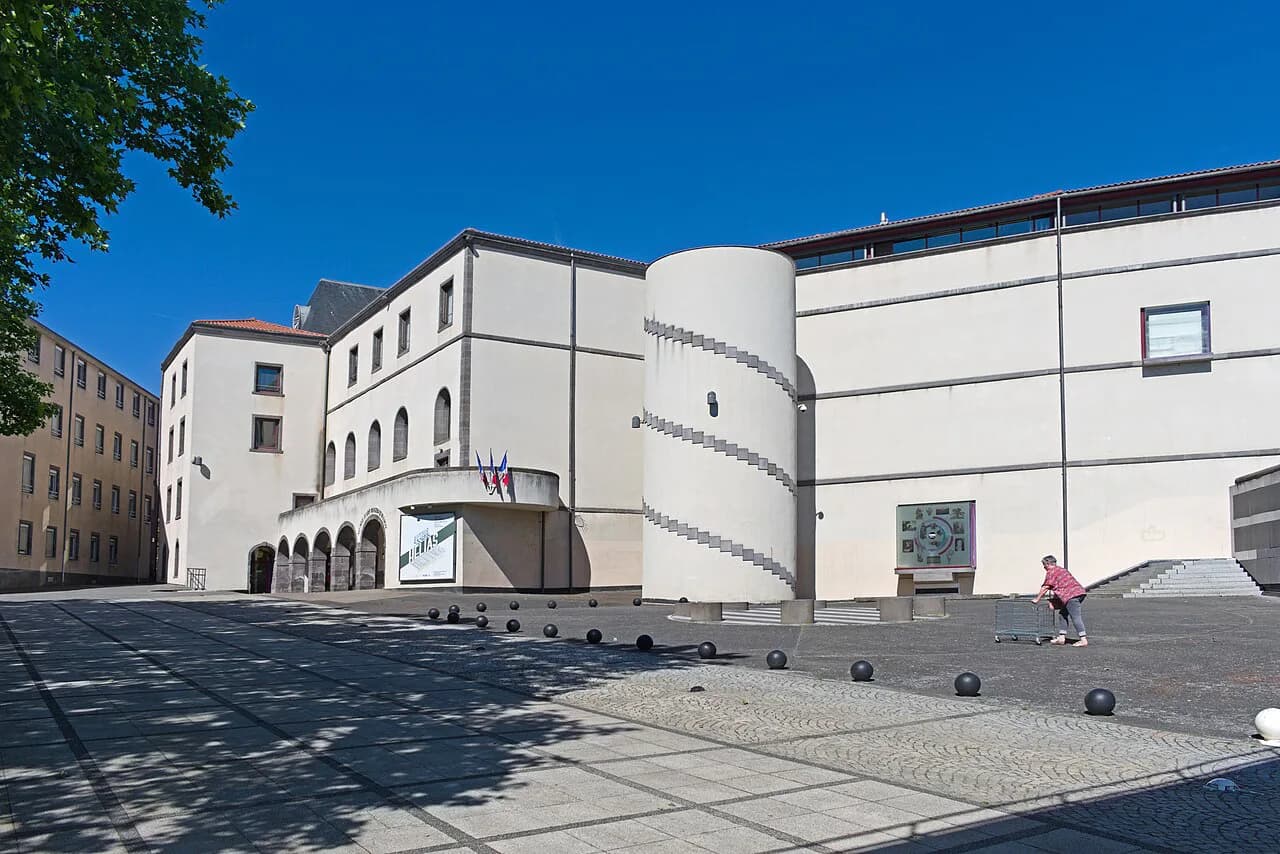
Musée d'Art Roger-Quilliot: Clermont-Ferrand's Fine Arts Museum

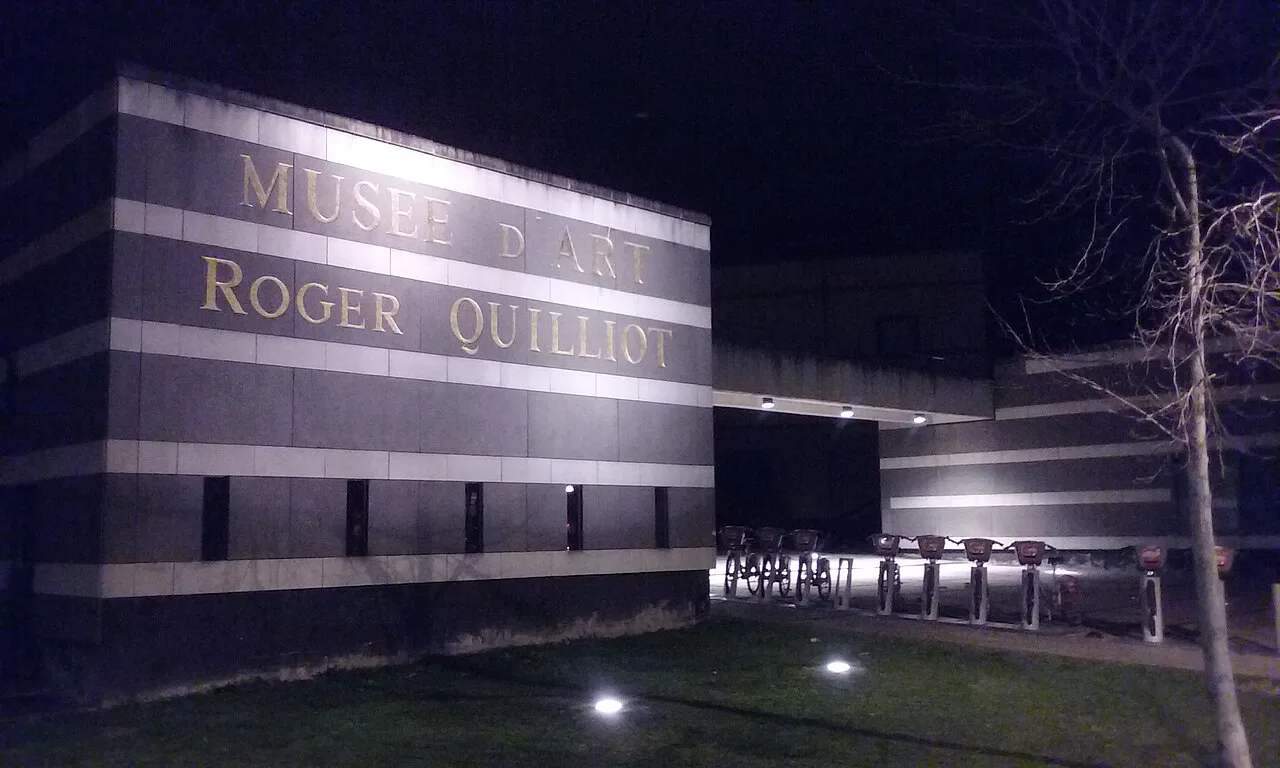
The Musée d'Art Roger-Quilliot, known locally as the MARQ, is Clermont-Ferrand's fine arts museum, housed in a converted building in the old Montferrand quarter. Its collections run from the Middle Ages to the twentieth century, which makes it the strongest indoor stop in the city on a wet or cold day. Plan it as the anchor of a half-day in Montferrand rather than a quick look on the way somewhere else.
The museum sits outside the historic core of Clermont-Ferrand, in a quarter that was a separate town for centuries, so it rewards a little planning. Arrive by tram, give the galleries two hours, then walk the old streets around it. This guide covers where it is, how to reach it, what hangs inside and how to fit it into your weekend; for the wider city, the Clermont-Ferrand Attractions hub maps out the rest.
What the Musée d'Art Roger-Quilliot is and why it's worth your time
The museum holds a rich collection of works spanning the Middle Ages to the twentieth century, displayed in a building designed for slow looking. That range means you can see religious painting, landscape and modern pieces in a single visit without moving across town. If you have one museum slot in Clermont-Ferrand and prefer painting and sculpture to science or industry, this is the pick.
It is also the fine arts anchor of the Clermont Auvergne Métropole museum network, which includes the Muséum Henri-Lecoq, the Musée Bargoin and the Musée de la vigne et du vin de Basse-Auvergne. One useful rule ties them together: entry is free for everyone on the first Sunday of the month, and always free for visitors under 18.
Two things follow from that. A Sunday trip at the start of the month costs nothing and will be busier, while a midweek visit buys you quieter rooms at the normal rate. Check the current prices and opening hours before you book, since Clermont Auvergne Métropole sets its own tariffs for the MARQ.
Where it is: Place Louis-Deteix in the Montferrand quarter
The address is Place Louis-Deteix in the Montferrand quarter, postcode 63100, on the eastern side of Clermont-Ferrand. Montferrand was a separate medieval town with its own grid of old streets, and the museum stands within that historic district rather than beside the black lava-stone cathedral in the centre. Expect a short ride out from the main sights and a different, quieter streetscape when you arrive.
Treat the quarter as part of the visit. The museum faces onto a broad parvis in a district of half-timbered houses and old church stone, so a loop of the surrounding streets adds twenty to thirty minutes. If you are comparing this with the city's central sights, the Cathédrale Notre-Dame-de-l'Assomption and the Place de Jaude, Clermont-Ferrand sit a tram ride away and pair well with a later afternoon.
How to get there by tram and bus, plus parking
The simplest arrival is tramway line A, which has a stop named for the museum, Musée d'Art Roger-Quilliot, at the foot of its parvis. Bus lines E3 and S14 also serve the same stop, so you are not tied to the tram if you are coming from elsewhere in the métropole. From the stop, the museum is a short walk up to the entrance.
Drivers have an easy option: parking spaces are free immediately beside the museum, which is unusual for a city-centre cultural visit. The trade-off is that Montferrand's old streets are narrow, so park first and walk rather than circling for a kerbside space. Allow a little extra time if you are arriving at a busy weekend slot.
If you are basing yourself in the centre, the museum works as a single tram hop from the Hôtel de Ville area, where line A also stops. That makes it realistic to combine the MARQ with central sights in one day without a car. Check the current tram and bus timetable before you travel, since frequency varies by season and day.
What to see inside: collections from the Middle Ages to the 20th century
The permanent collection is the main event: paintings and sculpture from the medieval period through to the twentieth century, arranged so that you move forward in time as you walk. Look for the religious panels and the landscape work in particular, which carry the story of art in the Auvergne and beyond. Temporary exhibitions are staged alongside the permanent rooms, so there is usually a reason to return.
Because the building is generous with space, the hang is not cramped and you can step back from large works. That suits anyone who prefers a few rooms seen properly to a rushed circuit of dozens of galleries. Pick two or three periods that interest you and give them your attention rather than trying to absorb everything.
The building itself: a 1990 conversion by Fainsilber and Gaillard
The museum opened in 1990 after a conversion by the architects Adrien Fainsilber and Claude Gaillard, who turned the existing building into a museum with majestic volumes and fluid lines. The architecture is part of the experience: sightlines carry you from one level to the next and invite you to wander rather than march through. If you enjoy museum buildings as much as their contents, give the atrium and stairways a few minutes of their own.
The conversion followed the museum's 1990 reopening as a museum, and the interior bears the mark of late twentieth-century French museum design, with an emphasis on light and open circulation. That makes it a comfortable place to spend a wet morning even when the galleries are busy. Bear in mind that some spaces are closed off for events on certain evenings, so the route through the building can shift.

The Chapelle des Ursulines and the temporary exhibition rooms
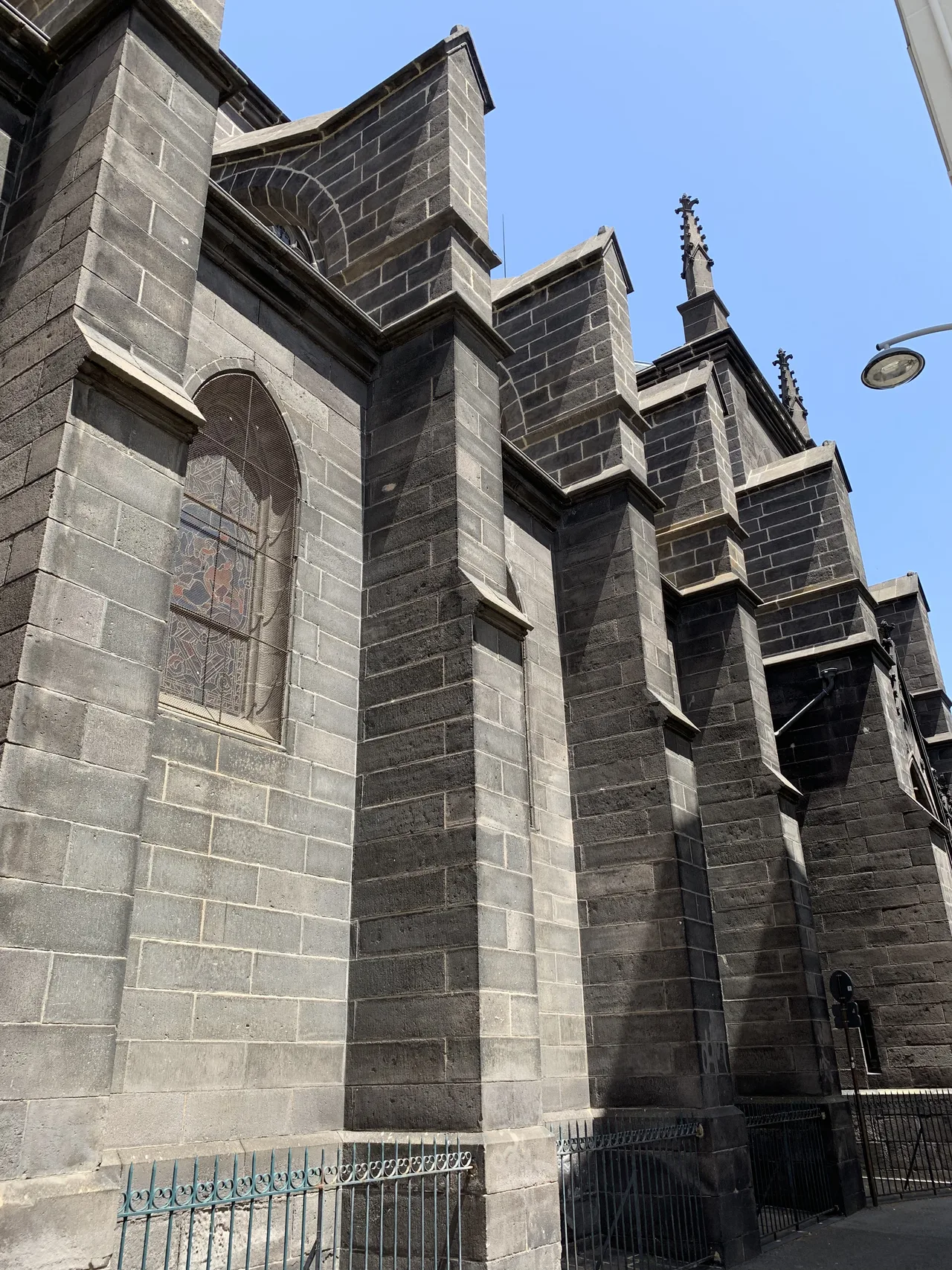
Two large rooms on the first floor host temporary exhibitions, and one of them is the Chapelle des Ursulines, consecrated in 1702 and listed as a monument historique. Seeing contemporary or touring shows inside a consecrated chapel is the museum's most distinctive experience. Check what is on before you go, since the exhibition programme changes through the year.
Because these rooms also serve as event spaces, access can be restricted at certain times, so the exhibition should be the first thing you check on arrival. If the show on view does not appeal, the permanent collection alone justifies the trip. Either way, allow extra time for a temporary exhibition rather than squeezing it into the last twenty minutes.
How long to allow and how to pace a visit
Two hours covers the permanent collection at a comfortable pace, and three hours covers it plus a temporary exhibition and a coffee stop. Add thirty minutes for a walk around old Montferrand if the weather is kind. Trying to do the museum and three central sights in one afternoon is the common mistake.
The building's layout means there is no single forced route, so set your own order: start with the period that interests you most while you are fresh, then work outwards. If you are travelling with children, the scale of the place means short visits work better than a marathon. Under-18s enter free, which makes a quick first visit low-risk.
Opening days and times, and free entry on the first Sunday
Published schedules for the museum list Tuesday to Thursday from 10:00 to 18:00, Friday from 13:00 to 18:00, and weekends from 10:00 to 13:00 and 14:00 to 18:00, with a lunchtime break on Saturday and Sunday. Treat that as an indication and confirm on the museum's own pages before you travel, because timetables change between seasons.
Those hours leave a gap on weekend middays, so plan lunch for 13:00 to 14:00 rather than arriving at the door at half past twelve. Friday is an afternoon-only day, which suits a late start after a morning elsewhere in the city. If your weekend is short, Saturday morning is the most efficient slot.
Entry is free for everyone on the first Sunday of the month, and free at all times for under-18s, across the métropole's museums. The rest of the time you pay the museum's current admission charge, and holders of the ClermontPass get a 10 per cent reduction on entries.
Tickets and ClermontPass discounts
The museum publishes its admission charge on site and through the métropole's museum pages; buy on arrival or check whether timed entry applies during popular exhibitions. There is no need to commit to a figure in advance, but budget for a paid ticket on any day except the first Sunday. Under-18s go free, so families only pay for adults.
The ClermontPass gives 10 per cent off entries at participating sites, including this museum and L'Aventure Michelin, so it pays off if you plan several paid visits in one trip. It does not replace the free first-Sunday rule, which applies whatever pass you hold. Work out your list of paid museums before deciding whether the pass is worth it for you.
What's nearby in Montferrand to pair with the museum
Old Montferrand is the obvious pairing: half-timbered houses, a Gothic church and quiet streets within a few minutes of the museum door. Walk the loop after your visit rather than before, so you are not carrying bags through the galleries. It is the kind of quarter that rewards a slow twenty minutes without a map.
Back in the centre, the city's other heavyweights fill out a weekend: the cathedral, the Place de Jaude, the Basilica of Notre-Dame du Port and the Jardin Lecoq. The basilica and the Jardin Lecoq both sit within reasonable walking distance of the centre and make a natural second half to a day. If you are weighing a second city break, our Lyon city guide covers the same mix of old-town streets and major churches.
If you are building a longer list, the free art spaces in the centre are worth knowing: the FRAC Auvergne for contemporary work, near the Hôtel de Ville tram stop, and the Hôtel Fontfreyde photographic centre, a Renaissance townhouse a short walk from the Gaillard stop. Both are free to enter year-round, which balances the cost of a paid museum ticket.
Practical points: Monday and Tuesday closures, and booking before you travel
French museums often close at the start of the week, and the published schedule for this one begins on Tuesday, so a Monday visit is the risk you should eliminate before setting out. Confirm the current week's opening on the museum's own site rather than relying on a third-party listing. That single check saves a wasted tram ride across town.
If your trip is built around the free first Sunday, arrive early in the morning slot, since free days draw crowds and the weekend lunchtime closure interrupts the middle of the day. For a quieter visit, choose Tuesday to Thursday and go straight after opening. Either way, leave the museum until you have seen the rest of the city so you are not rushed.
Plan Your Visit
The Musée d'Art Roger-Quilliot suits a half-day: tram line A to the museum stop, two hours in the galleries, a walk through old Montferrand and lunch either side of the weekend midday break. Free entry on the first Sunday and for under-18s keeps the cost down, and the ClermontPass knocks 10 per cent off paid entries.
Build the rest of the weekend around the centre: the cathedral, the Place de Jaude, the basilica and the Jardin Lecoq, with the Puy de Dôme for a clear day. Check the museum's current opening days and prices directly before you travel, then fix the museum into the day that fits.
Frequently Asked Questions
Is the Musée d'Art Roger-Quilliot free?
Entry is free for everyone on the first Sunday of each month, and free at all times for visitors under 18, as part of the Clermont Auvergne Métropole museum network. On other days you pay the museum's current admission charge. Holders of the ClermontPass get a 10 per cent reduction on entries.
What are the museum's opening hours?
A published listing gives Tuesday to Thursday 10:00 to 18:00, Friday 13:00 to 18:00, and Saturday and Sunday 10:00 to 13:00 and 14:00 to 18:00. Hours can change with the season and exhibition programme, so confirm the current times on the museum's own pages before you travel.
Is the museum open on Monday or Tuesday?
The schedule that appears in listings starts on Tuesday, which suggests Monday is not an opening day, but confirm this on the museum's own site before you set out. Tuesday to Thursday is the quietest window and the safest bet for a full visit.
How do you get to the Musée d'Art Roger-Quilliot by tram?
Take tramway line A to the Musée d'Art Roger-Quilliot stop at the foot of the museum's parvis. Bus lines E3 and S14 also serve the same stop. Drivers will find free parking spaces immediately beside the museum.
What is there to see at the Musée d'Art Roger-Quilliot?
The permanent collection covers painting and sculpture from the Middle Ages to the twentieth century, and temporary exhibitions are staged in first-floor rooms including the Chapelle des Ursulines, consecrated in 1702. The 1990 conversion by Adrien Fainsilber and Claude Gaillard is itself worth a look.
How long does a visit to the Musée d'Art Roger-Quilliot take?
Allow about two hours for the permanent collection and three if you add a temporary exhibition and a break. Add thirty minutes for a walk through old Montferrand. The weekend midday closure makes a morning or early afternoon start the most practical.