
Citadelle de Saint-Tropez: What to See at the Citadel and Maritime Museum

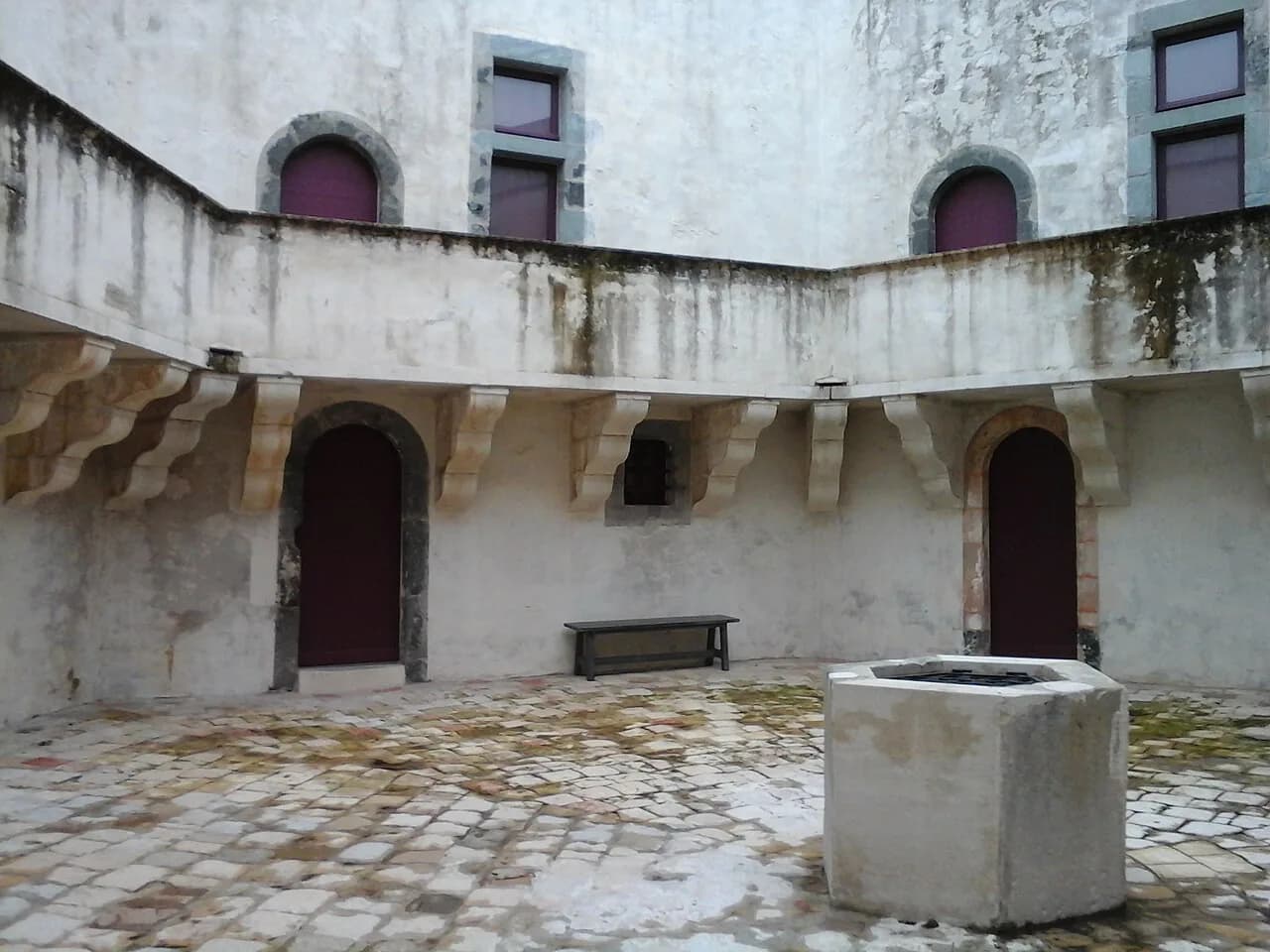
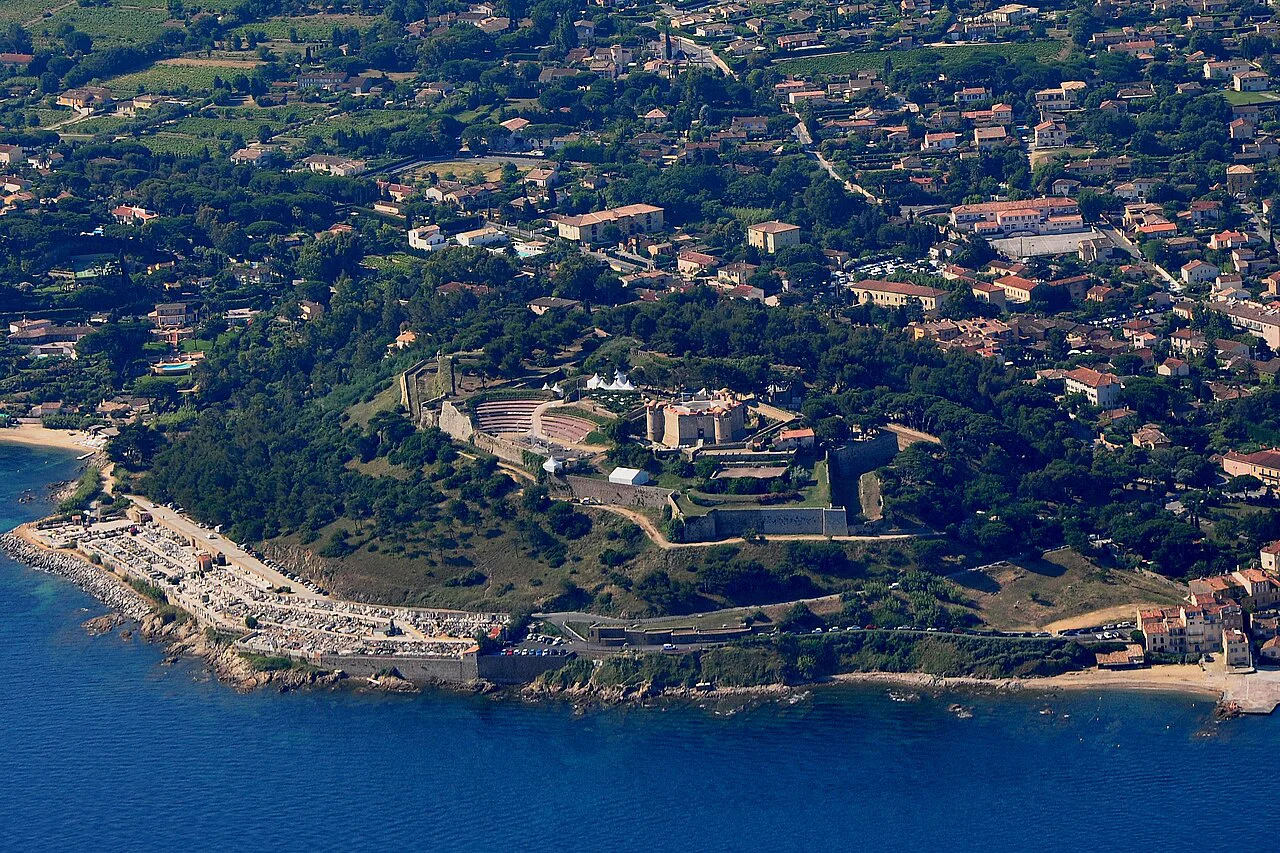
The Citadelle de Saint-Tropez is a pre-Vauban fortress from the early seventeenth century, set on the hill above the town and housing the Musée d'histoire maritime. You come for two things: a short, absorbing museum about the port's seafaring past and a rampart walk with one of the broadest views of the baie de Saint-Tropez. Entry is inexpensive and the visit is short, so it works best as one part of a morning or afternoon rather than a standalone outing. It is one of the stops covered in our Saint-Tropez Attractions: 6 Visitor Guides, which sets the citadel alongside the town's other sights.
Plan around the climb. The citadel sits above the old village and the harbour, so the approach is uphill on foot, and that ascent is the main practical decision of the visit. The museum itself is compact, the guided tour is delivered in French, and guided visits need booking ahead; each of those points shapes how you slot the citadel into a day in Saint-Tropez.
What the Citadelle de Saint-Tropez is
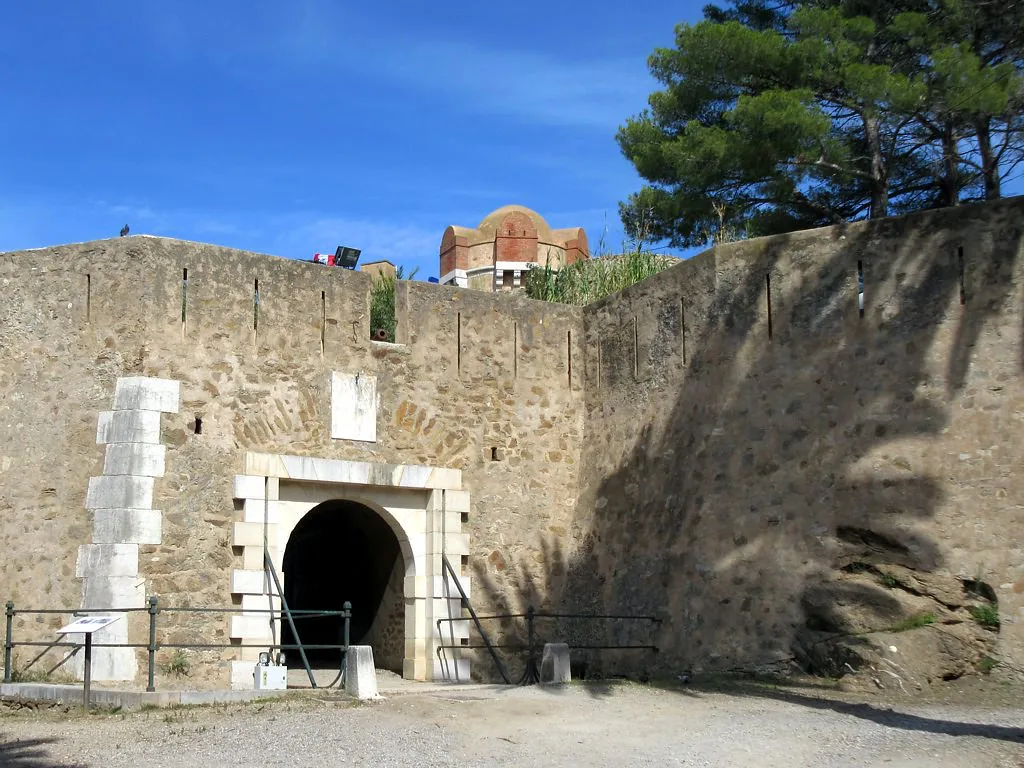
This is a fortress first and a museum second. The citadel is described as a pre-Vauban citadel dating from the early seventeenth century, which places it before Vauban's later system of fortification, and it stands above the town rather than within it. Visitors consistently find it quieter than the streets below, which makes it a useful counterweight to the bustle around the harbour.
Inside the walls, the Musée d'histoire maritime tells the story of the port through its sailors rather than its soldiers. The collections were bought by the town or lent and donated by individuals and institutions, and they cover the trades and voyages that built Saint-Tropez as a maritime centre. Expect a human, commercial history here, not a display of cannon and battle plans.
Where it is and how to reach it
The address is 1, montée de la citadelle in the Quartier Citadelle, 83990 Saint-Tropez. The montée is the stepped or sloping lane that climbs from the lower town towards the fortifications, so the walk starts close to the historic centre and gains height quickly. Wear shoes you can climb in and carry water in summer, when the exposed stretch warms up fast.
Coming from the water, the natural route is up from the Vieux Port and through the lanes of the old village, which puts the citadel at the end of a short but steady climb. Treat the ascent as part of the visit rather than an obstacle: it is what separates the citadel from the crowded quays and gives the ramparts their height. Allow extra time if you are visiting in the heat of the day or with young children.
Inside the museum: Saint-Tropez as a Mediterranean port
The museum's starting point is a striking fact: in the eighteenth century Saint-Tropez was the third largest French port in the Mediterranean. Many Tropézien sailors spent half their lives in the Ottoman Empire, and the first locals to round Cape Horn went whaling. Those three details alone reframe a town usually associated with beaches and summer crowds.
The displays go on to cover the work that kept thousands of the city's sailors busy for centuries, notably coastal shipping and fishing. Individual careers give the story its scale, including Captain Annibal Bérard in Zanzibar and Captain Morello on the coasts of India. Read the panels as a set of voyages rather than a chronology and the collection makes more sense.
The ramparts and the panorama over the bay
At the foot of the ramparts the view opens across the baie de Saint-Tropez, and it is the single best reason to make the climb even if museums are not your priority. Because the citadel sits above the town, you look down on the harbour and along the coast instead of across a street. Give yourself ten or fifteen minutes on the walls; the light shifts through the day and the panorama rewards a slower look.
Tickets and prices
Full-price museum entry is 3,00 €, and admission is free for children under twelve. Payment is taken on site, so there is no need to buy in advance for ordinary entry. Those are the published rates for the citadel and its museum, and they make the visit one of the cheapest cultural stops in town.
The guided tour itself is listed as free for all audiences; the museum entry fee is separate. Check the two separately before you plan: a guided visit does not replace the entry fee. If you only want the ramparts and the collection, budget for the entry charge alone.
Guided tours: format and booking
Guided tours of the citadel and its museum run for one hour and are delivered in French. They are free for all audiences, and booking is compulsory, made at least a week ahead by phone on 04 94 97 59 43 or by email to citadelle@ville-sainttropez.fr. The museum arranges the date and time of the visit with you, so the tour is not a fixed daily slot.
For English-speaking visitors the French delivery is the real trade-off. If your French is limited, the tour still adds structure and access to the story behind the collections, but you will lean on what you can follow rather than on translated commentary. The self-guided option, with the entry ticket and the panels, is the safer choice if comprehension matters more than narration.
How long to allow and how to pace the visit
Budget roughly ninety minutes to two hours in total, including the climb. The museum is compact and the guided format runs one hour, so the collection will not fill an afternoon on its own; the ramparts and the walk down add the rest. Arriving earlier in the day leaves you cooler on the ascent and gives you the option of a second stop afterwards.
A sensible sequence is to climb first, see the museum and the ramparts while you are fresh, then descend into the old village for the rest of the morning. The citadel is a viewpoint with a story attached, not a full-day destination, so pairing it with the lanes below rather than treating it as the day's centrepiece keeps the pace right.
Practical trade-offs before you go
Three points decide whether the citadel suits you. The uphill approach rules it out for anyone who struggles with steps or heat; the guided tour is in French, which limits its value if you do not follow the language; and guided visits require booking at least a week ahead by phone or email, which is hard to arrange on a spontaneous weekend. Ordinary entry has none of those constraints.
The museum arranges each guided visit's date and time with you directly, so before you set out, contact the museum on 04 94 97 59 43 to agree a slot and to settle any questions about access. A quick call to that number settles both questions.

Nearby: the old port, the old village and the Musée de l'Annonciade
The Vieux Port is the obvious next stop, a short descent from the citadel and the natural place to see the town's maritime identity in working form. From there the old village lanes lead on through La Ponche, the historic fishing quarter, which pairs well with the citadel's story of coastal shipping and fishing. The three together make a coherent half day built around the sea.
For an art counterpart, the Musée de l'Annonciade holds the town's modern painting collection and sits down in the town rather than on the hill. Place des Lices, with its plane trees and café terraces, is the other easy addition if you want a square to sit in after the descent. Both are within the same compact centre, so you can link them on foot without transport.
If you have time for one more quiet stop, the Cimetière Marin sits above the town and adds another sea-facing viewpoint to the day. It is a contemplative contrast to the harbour and works best at the end of a route that has already taken in the citadel and the old village.
Who the citadel suits and who should skip it
The citadel suits anyone who wants the port's history explained rather than assumed, and anyone who values a wide, uncrowded view over the bay more than a beach afternoon. It also works well for families: entry is free for under-twelves and the visit is short enough for children to finish without fatigue. At a few euros for an adult ticket, the risk is low even if the museum turns out to be briefer than you expected.
Skip it if the climb is a real obstacle, or if you are counting on an English-language guided experience and cannot rearrange your trip around a French one. Equally, if your weekend is built around the harbour, the squares and the shops, the citadel is a worthwhile add-on rather than a must. Use the wider list of things to do in Saint-Tropez to decide what else earns your limited time.
Plan Your Citadel Visit
Treat the Citadelle de Saint-Tropez as a compact, high-value stop: climb from the old town, see the maritime collection, and take the ramparts slowly for the view across the baie. Entry at 3,00 € with free admission for under-twelves and on-site payment makes it easy to fit in, and a ninety-minute slot leaves the rest of the day free for the port and the old village.
The one decision that needs planning is the guided tour: one hour, in French, free, and bookable at least a week ahead by phone or email, which suits a trip arranged in advance rather than a last-minute weekend. Confirm the day's opening and any seasonal closure with the museum before making the climb.
Explore more Saint-Tropez guides
Frequently Asked Questions
How much does it cost to enter the Citadelle de Saint-Tropez?
The citadel and its Musée d'histoire maritime charge a modest full-price entry, with children under twelve admitted free and payment taken on site. The museum publishes the current rates, and a call to 04 94 97 59 43 settles the figure before you climb.
Do you need to book a guided tour of the citadel?
Yes. Guided visits are by reservation only, made at least a week in advance by phone on 04 94 97 59 43 or by email to citadelle@ville-sainttropez.fr. The museum agrees the date and time with you, so there is no fixed daily departure.
What language are the guided tours in?
The one-hour guided tour is delivered in French, so visitors with limited French get less from it than from the panels. Walking round the museum with an entry ticket is the straightforward alternative if comprehension matters.
What can you see from the citadel ramparts?
The walls sit above the town, and the panorama opens across the baie de Saint-Tropez with the harbour and coastline below. The viewpoint alone justifies the climb, even for travellers who skip the collection.
How long should a visit to the citadel take?
Allow about ninety minutes to two hours including the uphill approach, the museum and time on the ramparts. The collection is small, so it fits alongside the Vieux Port and the old village rather than filling a whole day.