
Musée de l'Annonciade: Saint-Tropez's Modern Art Museum
The Musée de l'Annonciade is Saint-Tropez's modern art museum, holding paintings from 1890 to 1950 by the colour-led movements that made this fishing port a centre of the avant-garde. It sits at 2, place Georges Grammont, a short walk from the harbour, so it slots into a morning or afternoon in the old town rather than a separate excursion. Our Saint-Tropez Attractions: 6 Visitor Guides collection puts it alongside the port, the Citadelle and the old quarters.
What the Musée de l'Annonciade is and why it matters in Saint-Tropez
The museum opened in 1922 and exists because Paul Signac sailed into Saint-Tropez in 1892 aboard his yacht L'Olympia, bought a house he turned into a studio called La Hune, and invited painter friends to join him. Cross, Matisse, Derain and Marquet all answered, and the town became one of the most active centres of early twentieth-century painting. The collection reflects that history rather than a general survey of European art.
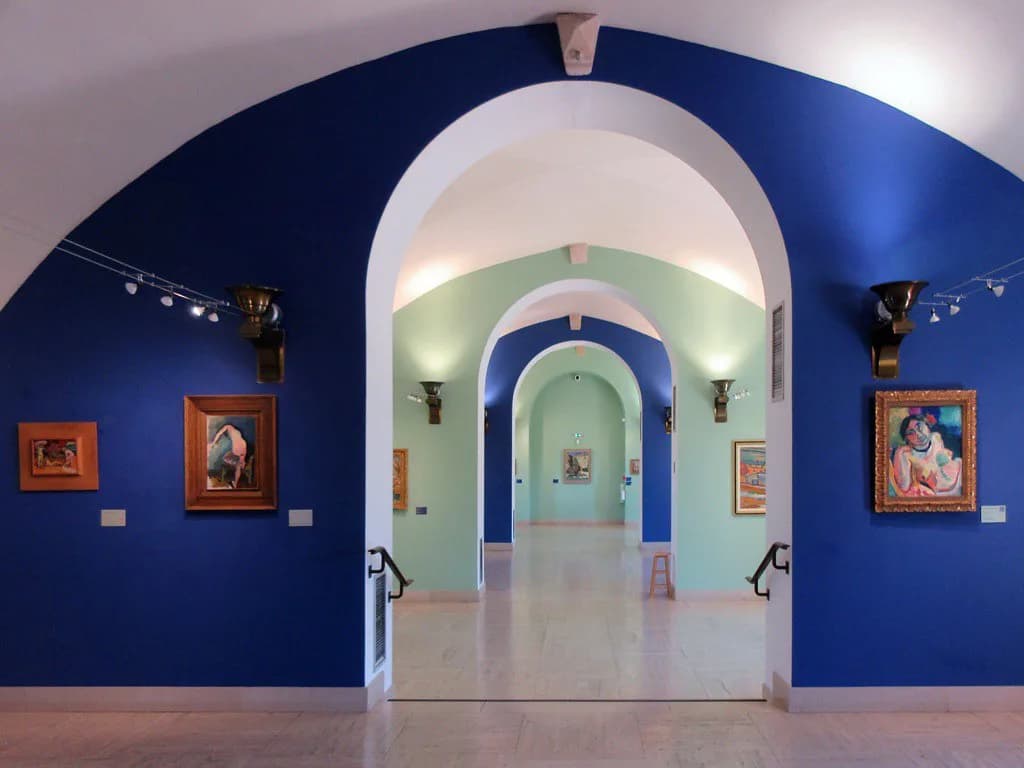
The works on show belong mostly to the pointillist, Nabis and Fauve movements, and every artist represented built their work around a deliberate study of colour while staying within figurative painting. That focus is what gives the museum its coherence: you are looking at one argument about light and pigment, pursued by a small circle of painters in one stretch of coast.
Where the museum is: 2, place Georges Grammont by the old port
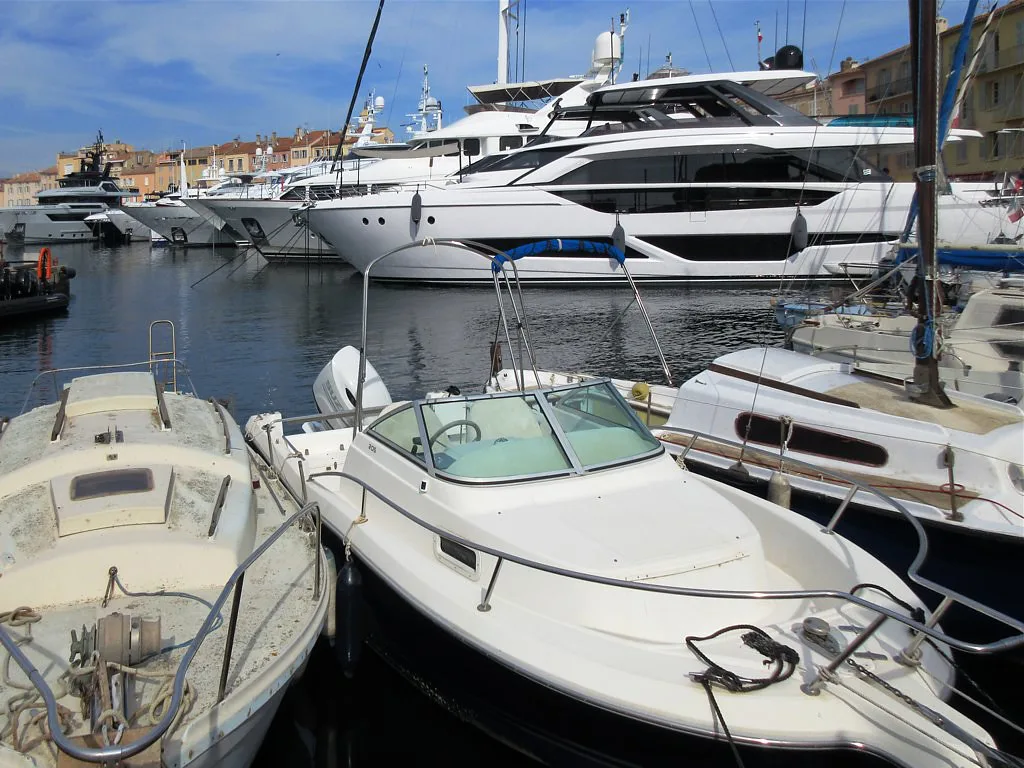
The address is 2, place Georges Grammont, 83990 Saint-Tropez, on the edge of the harbour quarter. The building is a former chapel, which explains the compact, slightly unusual gallery spaces inside. Because it sits right beside the water, you can pair the visit with a walk along the Port de Saint-Tropez and the quays without any transport in between.
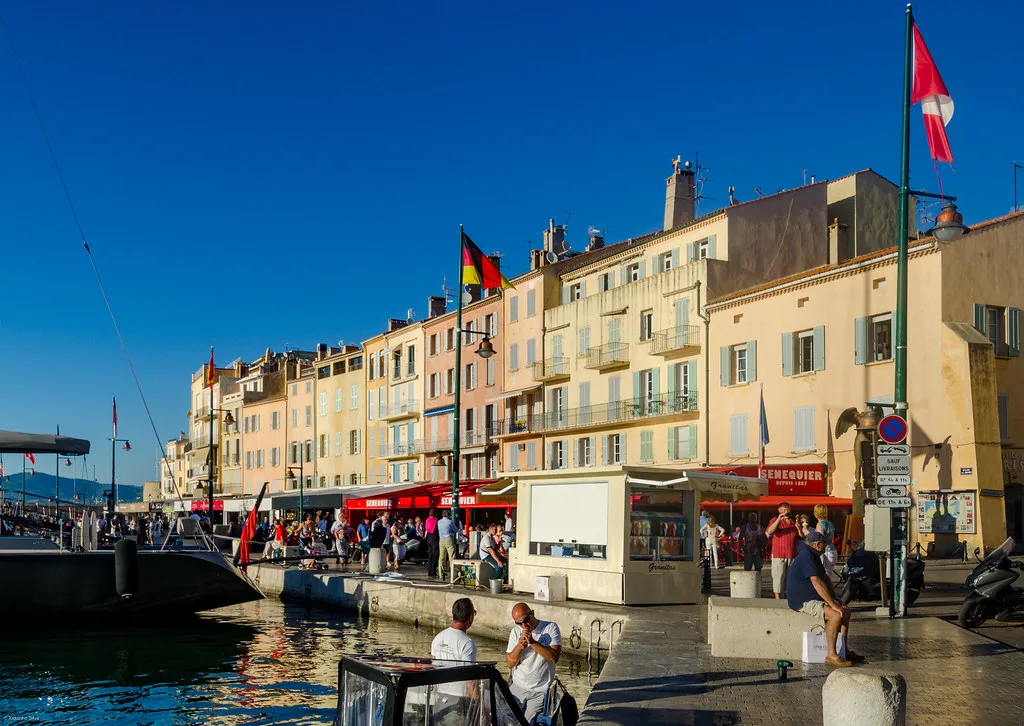
The immediate surroundings are the tight lanes of the old town, with La Ponche, the small former fishing quarter, a few minutes further round the bay. Treat the museum as one stop on a half-day loop of the port, the old streets and the waterfront rather than a destination that needs its own journey.
How to get there and how long to allow on foot
Saint-Tropez's centre is small and walkable; from the main harbour quays the museum is a matter of minutes on foot, and from the Place des Lices edge of the old town it is a short walk downhill through the lanes. Allow more time in high summer, when the streets between the port and the museum fill up and progress slows.
Parking sits outside the immediate core, so most visitors arrive on foot from a car park or a bus stop and walk in. The town's own transport and parking information is published by the mairie if you need to plan the approach by car.
Inside the collection: Signac, Matisse, Derain and Marquet
Expect first-rate paintings by Signac, Matisse, Derain and Marquet, alongside other artists of the same circles, all made between 1890 and 1950. The museum is small, but the quality is high and the hang is unusually consistent for a collection of this size.
Several works are currently entrusted to specialist centres for study and restoration as part of a future refurbishment project, so what hangs on the walls shifts. That makes the thematic route, rather than a fixed checklist of paintings, the reliable way to plan the visit.
What you will actually see now: the first-floor route
The visit is concentrated upstairs and organised by theme: the Saint-Tropez of the painters, seascapes, southern landscapes, the nude and still life. Knowing this in advance helps you pace the rooms, because the museum does not run chronologically from one end to the other.
The painters' Saint-Tropez section is the heart of the museum for most visitors: canvases showing the village and its bay as the artists found it, before the resort that surrounds you outside. Compare those views with the harbour on the way out, and the geography of the place snaps into focus.
Opening days and hours by season
Opening hours follow the seasons. In January, February, March, November and December the museum opens Tuesday to Sunday from 10h to 17h; in April, May, June and October it opens Tuesday to Sunday from 10h to 18h; and in July, August and September it opens every day from 10h to 19h. Note the Monday closure outside high summer.
Annual closures fall on 1 January, 15 January to 10 February, 1 May, 17 May, 15 to 30 November and 25 December. The museum also publishes one-off exceptional closures on the same page, so check the date you plan to visit before setting out.
Tickets: full price, reduced price and free entry
The full ticket is 5€ or 6€ depending on whether a major temporary exhibition is running. The reduced rate of 3,50€ covers groups of 10 to 30 people, children from 12, students under 25, jobseekers, Friends of the Louvre, guide-lecturers and Maison des Artistes members.
Entry is free for children under 12, ICOM members, visitors with a disability card, school groups, the press and members of the museum's own Friends association, and on European Heritage Days and the Nuit des Musées. An annual pass giving unlimited access for 12 months costs 15€, which pays for itself in three visits at the full rate.
How much time to budget and when to go for a quieter visit
This is a small museum, so an hour to ninety minutes covers the first-floor route comfortably; add half an hour if a temporary exhibition is on. It is the kind of place you can see properly in a single visit rather than skim and leave.
Aim for the opening hour, or the late slot in July and August when the museum stays open until 19h. Saint-Tropez is busiest at the height of summer, and the middle of the day brings both heat and crowds into the old town lanes.
Nearby: the Citadelle, the old port and Place des Lices
The Citadelle de Saint-Tropez, with its maritime history museum, sits on the hill above town and makes a natural second stop if you want more context on the port's seafaring past. It is a climb from the harbour, so pair it with the museum only if you have the legs and the time. If your trip extends along the coast, the same appetite for small, focused art collections is worth planning into a weekend in Cannes.
Back at sea level, the old port and the Place des Lices are both within easy walking distance of the museum. The Cimetière Marin, the seaside cemetery associated with artists and writers, lies beyond the old town for those continuing on foot.
Plan Your Visit
Check the date against the annual closures before you go, then plan the museum as part of a harbour-side morning: port, museum, old-town lanes, with the Citadelle if you have a full day. Tickets run to a few euros, with a reduced rate, free categories and an annual pass, all listed on the museum's official page.
Frequently Asked Questions
What are the Musée de l'Annonciade's opening hours?
The museum follows a seasonal pattern. In January, February, March, November and December it opens Tuesday to Sunday from 10h to 17h. In April, May, June and October it opens Tuesday to Sunday from 10h to 18h. In July, August and September it opens every day from 10h to 19h. Outside high summer it closes on Mondays.
How much does entry to the Musée de l'Annonciade cost?
There are two full-price levels, one when a major temporary exhibition is running and a lower one when it is not. A reduced rate applies to groups, older children, students, jobseekers and certain professional and association members, and several categories enter free, including children under 12 and ICOM members. An annual pass gives unlimited access for a year and is worth it if you plan several visits. The official town page sets out the current amounts and eligibility.
When is the Musée de l'Annonciade closed?
Beyond the weekly Monday closure outside July, August and September, the museum shuts on 1 January, from 15 January to 10 February, on 1 May, on 17 May, from 15 to 30 November and on 25 December. It also lists occasional exceptional closures on its official page, so check the date before travelling.
What can you see inside the Musée de l'Annonciade?
The collection covers paintings made between 1890 and 1950 by pointillist, Nabis and Fauve artists, among them Signac, Matisse, Derain and Marquet. The visit is laid out upstairs by theme: the Saint-Tropez of the painters, seascapes, southern landscapes, the nude and still life. Because some works are away for study and restoration ahead of a refurbishment, the hang changes, so plan around the themes rather than a fixed list of pictures.
How long should you spend at the Musée de l'Annonciade?
An hour to ninety minutes is enough to see the first-floor route without rushing, and a temporary exhibition adds roughly half an hour. It is a compact museum, so it works well as one stop on a harbour-side walk rather than a half-day in itself.
What is nearby the Musée de l'Annonciade?
The museum sits on the edge of the old port, so the quays and the lanes of the old town are immediately outside. La Ponche is a few minutes round the bay, the Place des Lices is a short walk up through the streets, and the Citadelle with its maritime history museum sits on the hill above town.