
Citadelle d'Ajaccio: A Visitor's Guide to the Genoese Fortress
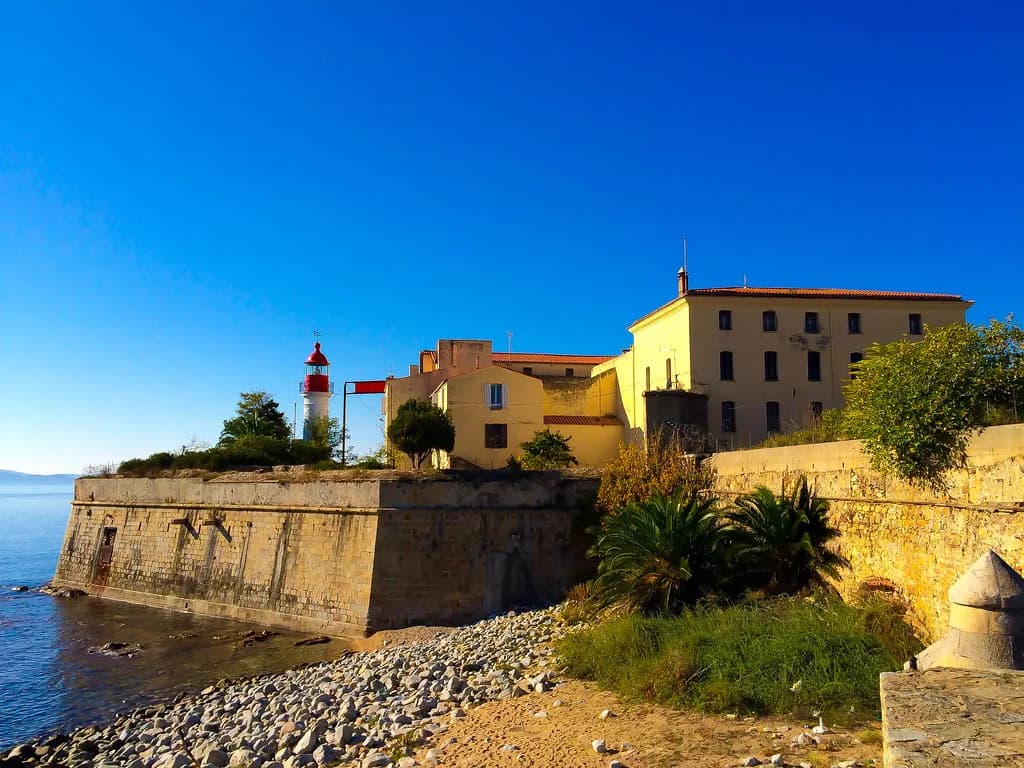
The Citadelle d'Ajaccio is a Genoese military fortress on the southern tip of Ajaccio, first built in 1492 and further fortified in the 16th century into the shape visitors see today. It sits at the bottom of the old town, close to the marina, and has welcomed civilians only since 2020.
Treat it as one segment of an old-town walk rather than a destination on its own. The walls, the sea-facing position and the quiet interior take far less time than the cathedral, Maison Bonaparte and the market combined, so slot the fortress in between them and keep the day moving.
What the Citadelle d'Ajaccio is
The fortress began as a Genoese stronghold, built in 1492 and later reinforced in the 16th century, and it served for centuries as a military base. Its walls are the reason the southern edge of the old town looks the way it does, closing the city off from the sea on one side while the harbour opens on the other.
The change that matters for visitors is recent: the citadel has only been open to civilians since 2020. That makes it a relatively undeveloped sight compared with the Napoleonic circuit in the centre, with a calm interior that feels more like a walled quarter than a museum.
Where the fortress sits
You will find the citadel at the southern end of the old town, on the sea side, with the marina and ferry terminal a short distance to the north. Orient yourself first at Place Foch, the central square by the harbour with its Napoleon statue, then walk south through the lanes rather than following the waterfront road.
The old town itself is small and the whole southern edge is walkable within minutes, which is why pairing the citadel with the adjacent streets makes sense. If you are arriving from the cruise or ferry terminal, the fortress is one of the closest historic sights to the port.
Getting there on foot
The most rewarding approach is through the old town: from Place Foch, head south past the market square at Place Campinchi and continue into the narrow streets until the walls rise ahead of you. The walk takes only a few minutes and passes pastel houses, small shops and café terraces along the way.
An alternative is to follow the marina southwards, which gives you the water on one side and the back of the old town on the other, then cut inland when the citadel comes into view. This route is flatter and easier with luggage or in the heat, but it misses the atmosphere of the lanes.
What to see inside
Inside the walls, the draw is the setting rather than a checklist of exhibits: old stone ramparts, quiet courtyards and the sense of a fortress built to watch the sea. Le Pavillon du Général is the prettiest structure within the enclosure and the obvious place to pause for a photograph. If you enjoy comparing Genoese fortresses, the Citadelle de Saint-Tropez offers a similar seaside setting on the French Riviera.
There is also a small restaurant inside the citadel serving food and drinks in a relaxed, cosy setting, which makes the fortress a reasonable lunch or coffee stop rather than only a walk-through. The atmosphere is tranquil and the place is popular with locals as much as visitors, so it works best outside the busiest midday window.
Seeing the walls from outside
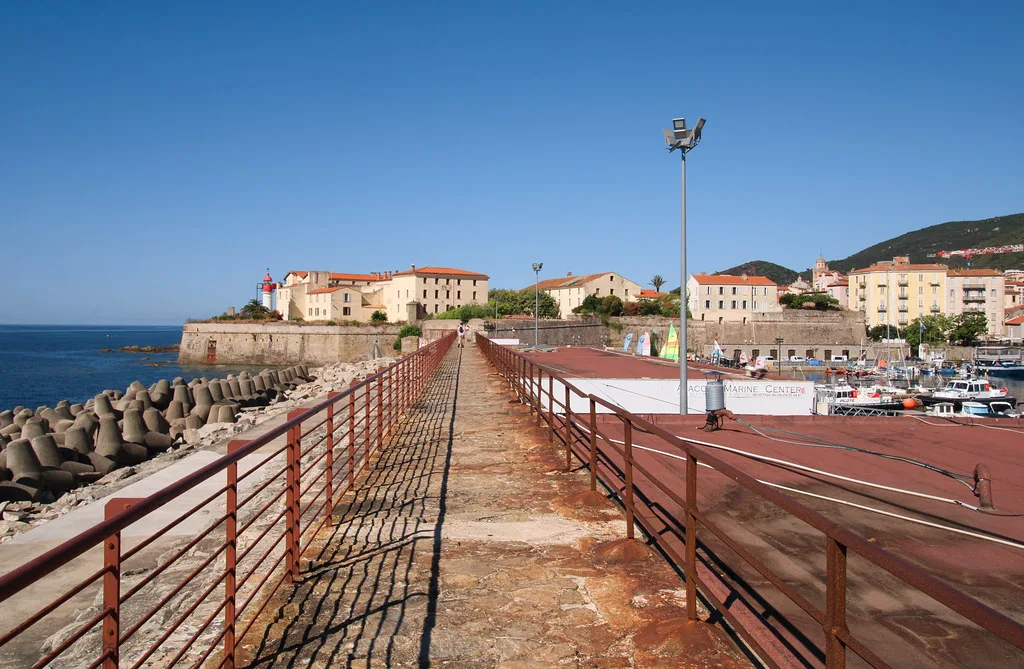
The fortress photographs better from a distance than from within, and there are two reliable angles. From the marina side you get the long profile of the ramparts against the water; from the beach areas just to the left of the citadel you get the walls above the sand, which is the classic view of the fort.
A short uphill walk near the citadel also gives you a view over the beach in front of the fortress, useful if you want the sea and the walls in one frame. Allow a few minutes for this rather than building a separate outing around it.
How long to allow
Budget around half an hour to an hour inside the citadel, longer if you stop at the restaurant or linger on the ramparts. The site is compact, so the time you spend is governed by how much you want to sit and look rather than by the number of things to see.
Pace the visit as part of a two- to three-hour old-town circuit: the citadel first, then the cathedral and Maison Bonaparte on the way back up, with the market in the morning if you time it right. That sequencing keeps you from retracing the same lanes twice in the heat.
What's nearby
The Cathédrale Notre-Dame-de-l'Assomption, known locally as Santa Maria Assunta, sits just north of the citadel near Place Foch, a small Baroque church where Napoleon was baptised. It is a natural next stop on the walk back into the centre.
Maison Bonaparte, the family home turned museum, is a short walk away in the old town and pairs well with the fortress for anyone following the Napoleonic trail. Note that the house closes on Mondays and shuts briefly around lunch, so plan it for a morning or mid-afternoon slot.
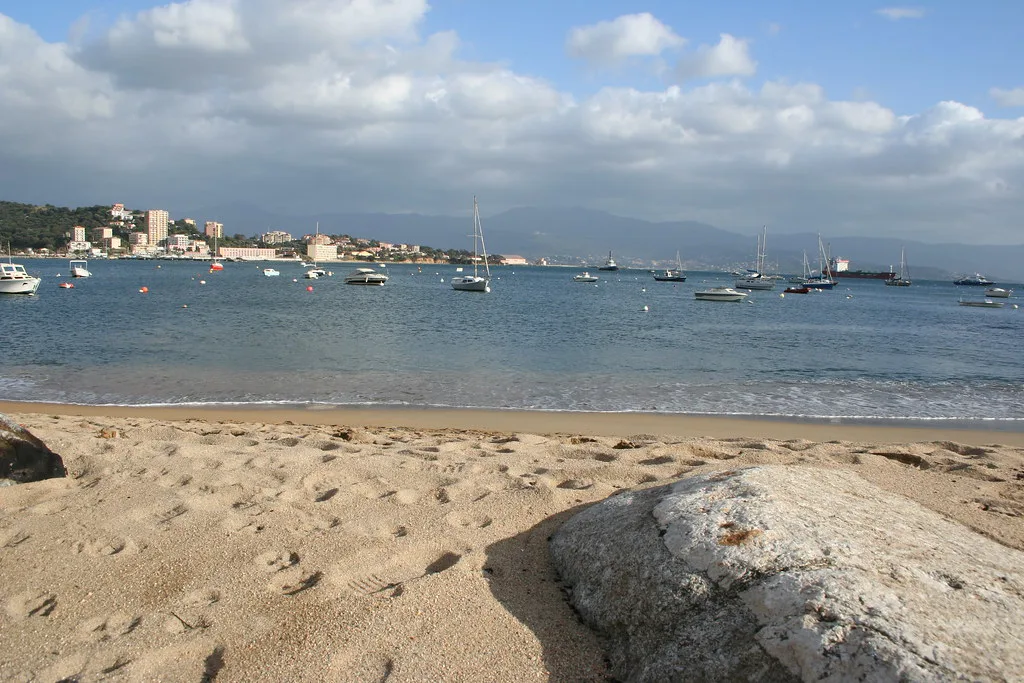
Plage Saint-François, the small sandy beach next to the citadel, is the easiest place to combine a swim with the sightseeing, and it gives you the fort from below. For a fuller market morning, the stalls at Place Campinchi run Tuesday to Sunday and are liveliest at weekends.
Practical points: hours, tickets and access
The Ajaccio tourist office lists the citadel among the city's heritage sights, and that listing is where to confirm current opening hours, any entry charge and whether parts of the enclosure are closed for works. Check before you set out, particularly outside the summer season.
Access is on foot through the old town or along the marina, and the approach involves some uneven paving and steps near the walls. Wear shoes you can walk in and carry water in summer, since shade inside the enclosure is limited.
Pairing the citadel with the rest of Ajaccio
If you have a full day, start at the market on Place Campinchi in the morning, walk south to the citadel, then work back north via the cathedral and Maison Bonaparte. That route keeps the walking logical and leaves the afternoon free for the Fesch Museum or a boat out towards the Îles Sanguinaires.
The Chapelle Impériale, the Bonaparte family mausoleum beside the Palais Fesch, is open from May to October and makes a natural add-on for anyone interested in the imperial story. Combine it with the museum on the same ticket rather than making a separate trip.
Plan Your Visit
The Citadelle d'Ajaccio rewards a short, unhurried stop rather than a dedicated half-day: walk down through the old town, look at the walls from the beach and the marina, and use the interior as a quiet pause before turning back to the cathedral and Maison Bonaparte. Check the tourist office listing for current hours and entry before you go.
Frequently Asked Questions
Where is the Citadelle d'Ajaccio?
It stands at the southern end of Ajaccio's old town, on the sea side, a few minutes' walk from Place Foch and the marina. The ferry and cruise terminal are close by, so it is one of the easiest historic sights to reach on foot from the port.
When was the Citadelle d'Ajaccio built?
The fortress dates from 1492, when it was built as a Genoese stronghold, and it was further fortified in the 16th century into the shape you see today. It served as a military base for centuries and has been open to civilians only since 2020.
Can you go inside the Citadelle d'Ajaccio?
Yes. The enclosure is open to visitors, and inside you will find the old ramparts, Le Pavillon du Général and a small restaurant serving food and drinks. Check current opening hours and any entry charge with the Ajaccio tourist office before you set out.
How long do you need at the Citadelle d'Ajaccio?
Allow around half an hour to an hour inside the walls, plus a few minutes on the beach or marina side to see the fortress from outside. It works best as part of a two- to three-hour circuit of the old town rather than a standalone outing.
What is there to see near the Citadelle d'Ajaccio?
The Cathédrale Notre-Dame-de-l'Assomption, Maison Bonaparte and Plage Saint-François are all within a short walk. The market on Place Campinchi and the Fesch Museum are a little further north but fit easily into the same day.
How do you get to the Citadelle d'Ajaccio?
Walk south from Place Foch through the old town lanes, or follow the marina and cut inland when the walls appear. Both routes take only a few minutes, and the marina approach is flatter.
Is the Citadelle d'Ajaccio free to enter?
Entry terms are set by the site and change, so check the Ajaccio tourist office listing before your visit rather than relying on older figures. The walk around the outside of the walls and the beach below them is open to everyone.
What should I wear to visit the Citadelle d'Ajaccio?
Wear comfortable shoes for uneven paving and steps on the approach, and carry water in summer because shade inside the enclosure is limited. The old town lanes are steep in places, so sandals are a poor choice for the walk down.