
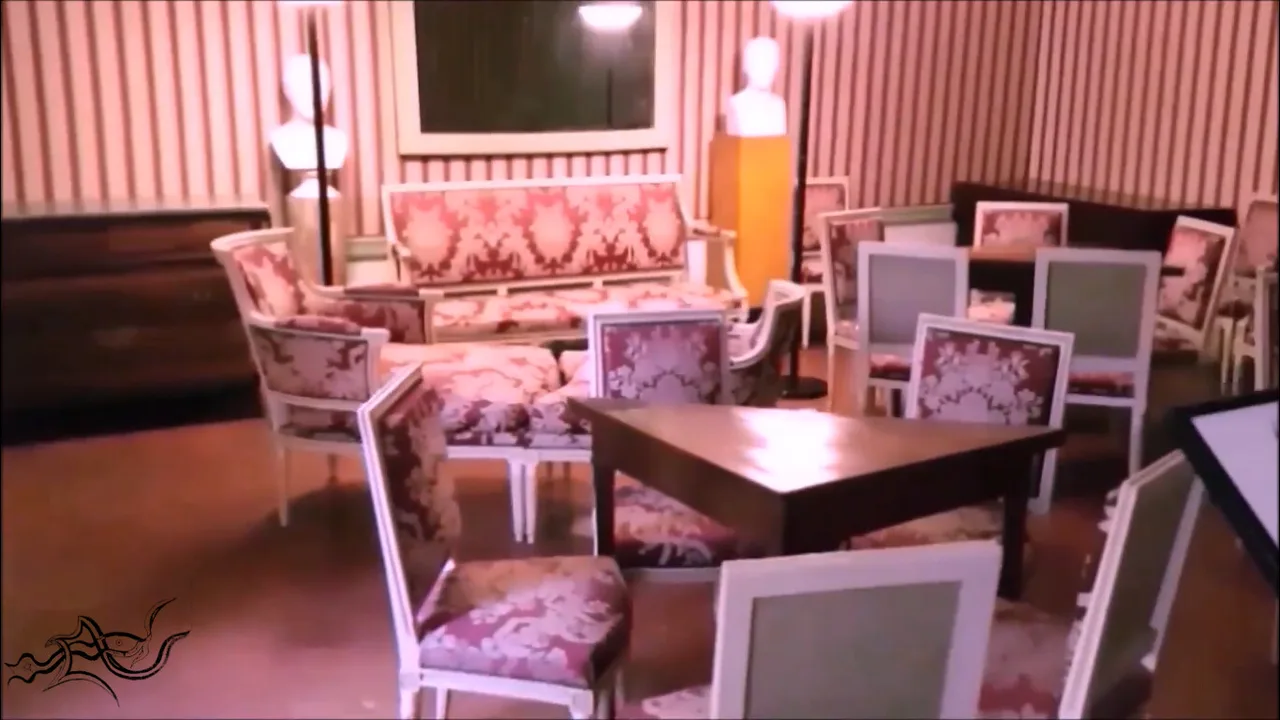
Maison Bonaparte, Ajaccio: Napoleon's Birthplace in the Old Town
Maison Bonaparte is the family house in Ajaccio where Napoleon Bonaparte was born in 1769, now a museum furnished with period furniture, portraits and personal items. It is a compact old-town stop rather than a grand museum, so give it roughly an hour and treat it as one link in a short walking circuit.
The house earns its place because it tells the Corsican and family story behind the imperial legend, in the same streets where the Bonapartes lived. The building sits near the cathedral and a short walk from the marina, which makes it easy to fit into a one- or two-day visit without a separate trip across town.
Why Maison Bonaparte earns an hour of your weekend
This is not a blockbuster attraction: the rooms are domestic in scale, filled with the kind of furniture, portraits and family objects that give a feel for how the Bonapartes lived. That intimacy is the point. If you have any interest in Napoleon or in Corsican identity, the house makes the later history legible in a way that a monument cannot.
The trade-off is that an hour here buys you context, not spectacle. Travellers who want large galleries or dramatic architecture should put their time into the Musée Fesch instead and pass by the house. Those who want the origins of the Bonaparte story will find the birthplace the more memorable stop.
Where the house sits in the old town
Maison Bonaparte is on Rue Saint-Charles in the old town of Ajaccio, on the western side of Corsica. The street lies a few minutes on foot from the Cathédrale Notre-Dame-de-l'Assomption and roughly the same from the harbour and Place Foch, so it slots into any circuit of the historic centre.
Think of the old town as a small triangle: the cathedral and the house on one side, the marina and Place Foch on another, and the Rue Cardinal Fesch corridor running inland. Because everything is close, the risk is not distance but timing. Aim to arrive before the middle of the day and keep the rest of the circuit loose.
Getting there on foot from the marina, Place Foch and the market
From the marina, walk south along the waterfront to Place Foch, then turn into the lanes toward the cathedral and Rue Saint-Charles. From Place Campinchi, where the market and the Halle Gourmande stand, the walk is similarly short through the pedestrian streets. Allow around ten minutes for either leg and expect narrow pavements with some steps.
The tourist office publishes market hours on Place Campinchi, with the Marcatu d'Aiacciu running Tuesday to Sunday in the mornings and the Halle Gourmande open until 2pm, plus a Saturday and Sunday fair market between Square Elisa and the hall. A market breakfast followed by the house is the most efficient way to use a morning.
What you see inside the Bonaparte family home
Inside, the museum preserves the family house with period furniture, portraits and personal items rather than reconstructing a generic Napoleonic display. The rooms are small and the route is short, so read the panels as you go instead of saving them for the end. A visit of about an hour covers it comfortably.
The house was held by members of the Bonaparte family from 1682 until 1923, which is why so much of the domestic character survives. Napoleon was born here in 1769 and spent part of his childhood in these rooms before his education in France. That sequence, family home first and imperial story second, is the thread to follow as you move through.
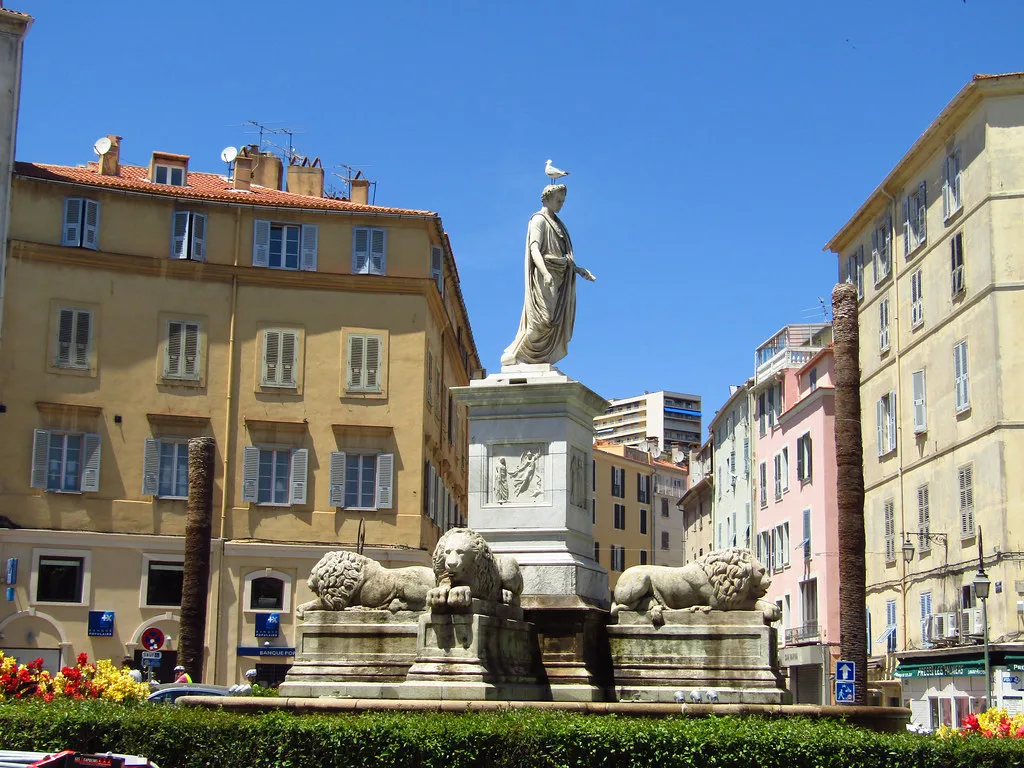
The Bonapartes in Ajaccio: family, birth and later history
Ajaccio's identity is inseparable from the Bonaparte family, and the house is the anchor of that story in the old town. The building's long private ownership by the family, followed by its life as a museum, explains why it reads as a home rather than a shrine. Keep that in mind when you compare it with the grander Napoleonic set pieces elsewhere in the city.
The imperial connection continues on Rue Cardinal Fesch, where the Palais Fesch and the Chapelle impériale were financed by Bonaparte money. The Chapelle impériale, the right wing of the Palais Fesch, holds the tombs of members of the Bonaparte family, including Napoleon's parents and Cardinal Fesch. It is a natural second stop on the same walk.
How long to allow and how it fits a one- or two-day plan
Budget about an hour for the house. On a one-day visit, sequence it as market first, then the old-town lanes, the house, the cathedral and finally the Rue Cardinal Fesch museums. On a two-day trip, keep the first afternoon for the waterfront and the Bonaparte sites, and leave the second morning free for the coast.
The cathedral, the Cathédrale Notre-Dame-de-l'Assomption, is a few minutes away and small enough to visit in twenty minutes, so it pairs well with the house before lunch. If you want the wider picture of what else the city offers, the Ajaccio Attractions guides cover the rest of the circuit without stretching the page into a full itinerary.
Tickets, opening days and closures to plan around
The museum closes on Mondays and shuts for a short stretch around lunchtime, so build the day around a morning or early-afternoon slot rather than an impulsive stop. Ticket prices and any seasonal timetable are set by the museum, and the official Maison Bonaparte pages are the place to confirm them before you travel.
If your weekend runs Saturday to Monday, put the house on Saturday or Sunday and use Monday for the outdoor sights. Cruise-ship days thicken the old-town lanes from late morning, so an early slot keeps the small rooms comfortable. Check the current opening days and admission on the museum's own channels before setting out, as these can change with the season.
Pairing the house with the Fesch Museum and Chapelle impériale
The Bonaparte-family circuit runs along Rue Cardinal Fesch, where the Palais Fesch holds Italian paintings from the 14th to the 18th century, including works by Botticelli, alongside French and Corsican pieces. The Chapelle impériale, with the family crypt, sits next door and takes only minutes to see. Do the house first for the domestic context, then the art and the tombs.
The chapel opens from May to October, and visitors reach it by bus lines 1, 2, 3, 4 and 7 with the nearest stop at Saint-Roch, though the walk from the house is short and flat enough for most. That seasonal window matters when you plan: outside it, the Fesch Museum remains the family's main indoor stop.
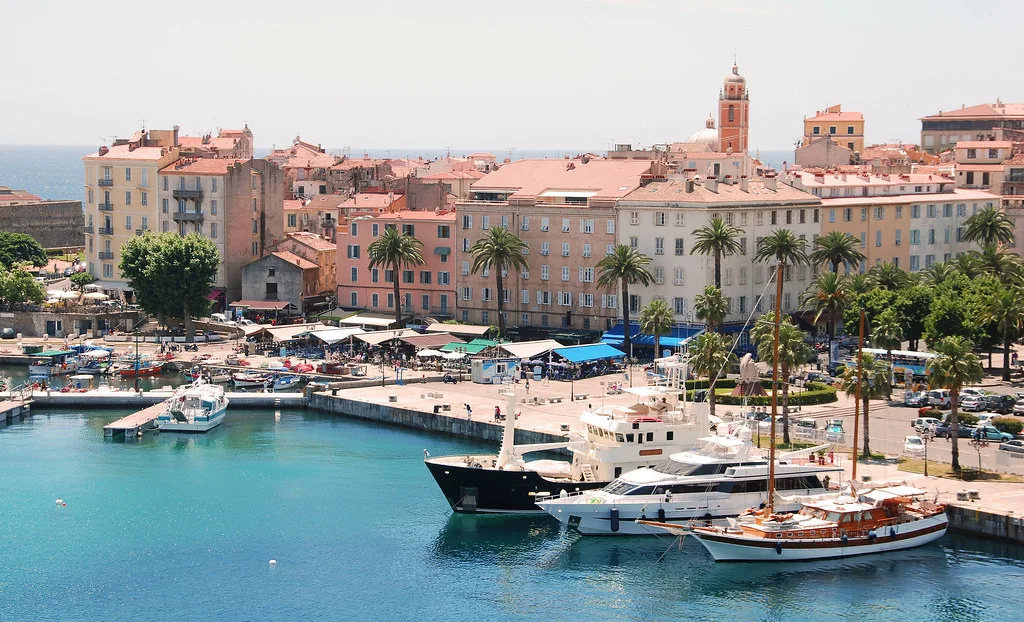
Nearby old-town stops: the cathedral and the Citadel quarter
The Cathédrale Notre-Dame-de-l'Assomption, also called Santa Maria Assunta, stands close to the house and the waterfront, with a richly decorated interior and the baptismal connection to Napoleon. Ten minutes further south, the Citadel's Genoese walls mark the edge of the old town and give a different view back across the bay. Both fit around the museum without adding transport.
For a longer half-day, the Îles Sanguinaires and the Pointe de la Parata lie west of the city along the coast, a landscape of dark rock and sea birds rather than streets and museums. Treat that as the outdoor counterpart to a morning in the old town, and keep the two on separate halves of the day.
What to skip or save for a longer stay
Skip a second Bonaparte museum on the same day if you are short of time: the house and the Chapelle impériale cover the family story well, and the Fesch Museum is the one to add when you have a full afternoon. Save the western coast and the islands for a longer stay, when a half-day outdoors does not compete with the old town.
If your visit falls on a Monday, plan the day around the market's closed day and the outdoor sights instead, since the house is shut. That is the single scheduling decision most likely to catch out a short break.
Plan Your Visit
Maison Bonaparte is the right stop if you want the Bonaparte story at its origin rather than another gallery of imperial trophies. Give it an hour, arrive in the morning, and walk the old town from the market through the cathedral to Rue Cardinal Fesch in one unhurried loop.
Check the museum's current opening days and admission on its official channels before you book travel, and keep Monday free of indoor plans. With those two points settled, the birthplace fits neatly into a weekend built around the harbour, the old lanes and the Bonaparte family's other Ajaccio sites.
Frequently Asked Questions
Was Napoleon Bonaparte born in Ajaccio?
Yes. Napoleon was born in 1769 in the family house on Rue Saint-Charles in Ajaccio's old town, and that building is now the Maison Bonaparte museum. The rooms preserve the family home with period furniture, portraits and personal items, which gives the visit its domestic rather than imperial character.
How long does a visit to Maison Bonaparte take?
About an hour is enough for the house and its displays. Because the rooms are small and the route is short, it works best as one stop in a walking circuit of the old town rather than a standalone excursion, leaving the rest of the day for the cathedral, the marina and the Rue Cardinal Fesch museums.
What days is Maison Bonaparte closed?
The museum is closed on Mondays and also shuts for a short period around lunchtime, so plan a morning or early-afternoon slot. Admission and any seasonal changes to the timetable are set by the museum, so confirm them on its official channels before you travel.
Where is Maison Bonaparte in Ajaccio?
It stands on Rue Saint-Charles in the old town, a few minutes on foot from the Cathédrale Notre-Dame-de-l'Assomption and roughly ten minutes from Place Foch and the marina. From the Place Campinchi market the walk is short through the pedestrian lanes, which makes an early market visit and the museum an easy pairing.
What else is near Maison Bonaparte?
The cathedral, the Citadel quarter and the Rue Cardinal Fesch museums are all within a short walk. The Palais Fesch holds Italian paintings from the 14th to the 18th century, and the Chapelle impériale next door contains the Bonaparte family crypt and opens from May to October.
Is Maison Bonaparte worth visiting?
It is worth an hour if you care about Napoleon's Corsican origins or the Bonaparte family's place in Ajaccio. Travellers who prefer large art collections should prioritise the Palais Fesch and treat the house as optional, since its scale and domestic focus are the very things that make it distinctive.