
Europole, Grenoble: What the District Is Like and Who It Suits
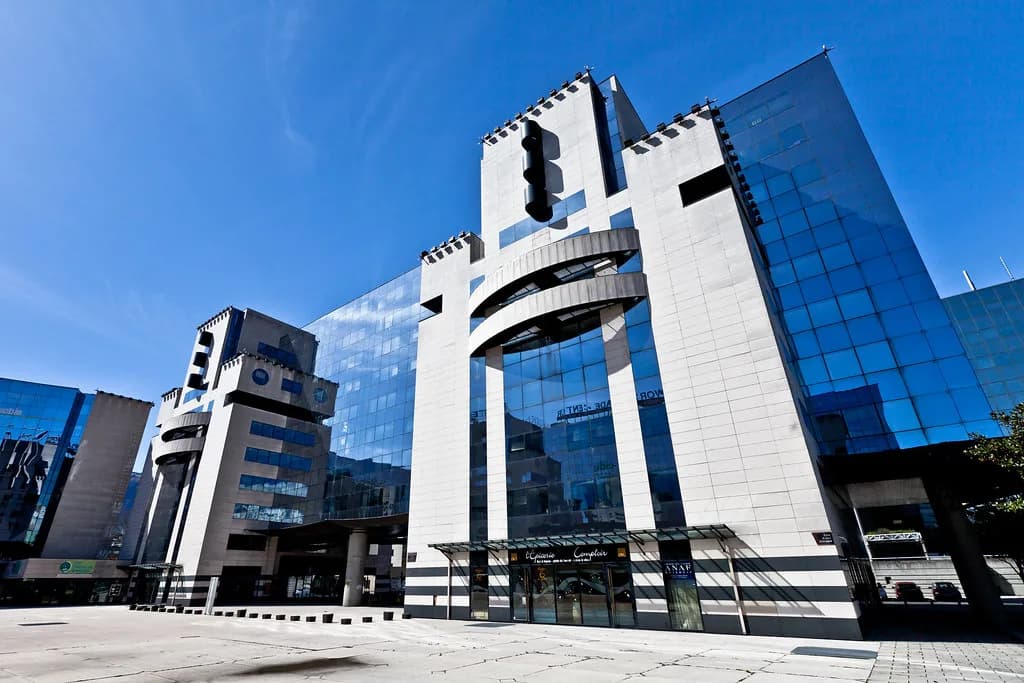
Europole is Grenoble's modern quarter beside the main railway station, shaped by colleges, offices and apartment blocks rather than old streets and monuments. It works as a functional base for a short break and as a first impression of the city if you step off a train, but it holds little in the way of traditional sights. Treat it as your arrival point and a place to sleep, then look elsewhere for the historic Grenoble you came to see.
The district has a clear character: contemporary architecture, a student and professional population, and fast links to the rest of the city and the wider region. That combination makes it convenient and unglamorous in equal measure. Anyone wanting cafés, markets and medieval lanes within a few minutes of the hotel door will prefer the older quarters, while anyone arriving by train will find Europole hard to beat on practicality.
What Europole is: a modern quarter next to Grenoble's station
Europole is best understood as a station-side business and education district rather than a tourist neighbourhood. Its buildings are recent, its streets are laid out for through traffic and institutional use, and the daily rhythm comes from students, office workers and travellers heading to and from the platforms. There is no dense cluster of attractions to tick off, so give it time as a base and a passage point rather than a sightseeing target.
The area has become a hub for young professionals and students, particularly those studying engineering and business, and the modern apartment blocks are sought after for their comfort and access to services. That gives Europole a lived-in, working feel on weekdays and a quieter one when the institutions close. If you want a neighbourhood with visible street life at all hours, this is not it.
Where Europole sits and how to reach it
Europole lies immediately next to Grenoble's railway station, which is the district's defining advantage. Arriving by train, you are already in the neighbourhood, and you can walk to the surrounding blocks without a tram or taxi. From the station, the Cité Scolaire Internationale Europole sits at 4 place de Sfax, 38000 Grenoble, with a telephone number on 04 38 12 25 00.
Because the station anchors the quarter, Europole is also a sensible place to stay if you plan to use Grenoble as a rail hub for the wider region, since trains to other French cities leave from the same complex. The trade-off is that you are separated from the old centre by a walk rather than being in the middle of it. Budget a short walk or a tram ride each time you want the historic heart of the city.
Within the quarter, addresses are spread across a compact grid, and the main orientation points are the station, the campuses and the surrounding boulevards. Note that Place Bir Hakeim, home to the Rectorat de Grenoble at 7 place Bir Hakeim, is a separate address from the Europole campus on place de Sfax, so do not confuse the two when plotting a route.
The character of the district: contemporary architecture, students and professionals
Europole looks and feels modern. Expect well-equipped apartment buildings, institutional blocks and wide roads rather than shuttered facades and cobbles. The population is heavily weighted towards students and people in engineering and business, which keeps the area busy during term time and on working days. This is a district built for use, not for strolling with a guidebook.
The practical consequence for a weekend visitor is that Europole is comfortable, accessible and short on atmosphere in the way older quarters supply it. You gain convenience and a contemporary setting, and you lose the street-level charm that draws people to Grenoble in the first place. Think of it as the city's functional front door rather than its living room. If this trade-off sounds familiar, our Lyon city guide shows how another French city balances a station-side base against its historic heart.
Cité Scolaire Internationale Europole: the institution at the heart of the area
The Cité Scolaire Internationale Europole is the large public international school complex that gives the district much of its identity, bringing together lycée and collège provision on one site. It occupies 4 place de Sfax in the 38000 postcode, and its presence explains the steady flow of students through the surrounding streets. Visitors will notice the campus as a landmark even though it is not a sight in the tourist sense.
The school's own news pages are the place to check anything time-sensitive about the institution, including its timetable and any events it publicises. It is a working school, so treat the buildings as part of the neighbourhood backdrop rather than something to tour. The campus is a useful orientation marker when you are finding your way between the station and the rest of the quarter.
Place de Sfax and the street layout around the campus
Place de Sfax is the address that anchors the school complex and helps you place yourself within Europole. Around it, the grid is straightforward: institutional buildings, apartment blocks and connecting streets rather than a maze of lanes. If you are meeting someone or navigating to the campus, use place de Sfax as your reference point rather than a specific building entrance.
Beyond the campus, the quarter is organised around movement, with the station at one edge and roads leading into the wider city. This makes it easy to walk out of Europole towards more traditional parts of Grenoble, and easy to get lost in the sense of passing through rather than arriving somewhere. Keep your map open for the first ten minutes and the layout becomes obvious.
Getting around: transport links and why the station location matters
The station location is the single strongest reason to spend time in Europole. Public transport links are excellent because of the proximity to the railway station, which makes it convenient to travel across various cities and regions in France. For a short break, that means you can arrive, drop your bags and be moving again within minutes rather than spending an hour crossing town.
On foot, the district is compact enough to cover between the station, the campus and the surrounding streets without needing transport at all. To reach the older quarters, allow a longer walk or use the city's trams and buses from the station area. The station is also the obvious place to pick up information about onward travel when you arrive.
Who Europole suits on a Grenoble weekend — and who it does not
Europole suits rail arrivals who value a short walk from the platform to the hotel, travellers using Grenoble as a base for the wider region, and anyone who prefers modern, quiet surroundings to busy historic streets. It also suits people with a connection to the school or the engineering and business institutions in the area. If your priority is convenience on arrival and departure, this quarter delivers, and you can see how it fits beside the city's other options in our Grenoble Neighborhoods: 4 Area Guides.
It suits less well anyone whose ideal weekend is built around markets, old lanes and café terraces within a few minutes of the front door. The district is short on sights, and its weekday rhythm can leave evenings and weekends feeling empty. Visitors who want atmosphere should base themselves in an older quarter and treat Europole as a transport stop. Our guide to Championnet, Grenoble shows what a more residential, everyday quarter looks like, while Saint-Laurent, Grenoble covers the historic, hillside side of the city.
A middle path works for many short breaks: sleep near the station for the transport advantage, then spend your days in the historic centre and return in the evening. That way you keep the practical benefits without expecting Europole to supply the charm. If you want a greener, more residential contrast on the same trip, Île Verte, Grenoble is another quarter worth reading up on before you commit.
Eating and staying in and around Europole
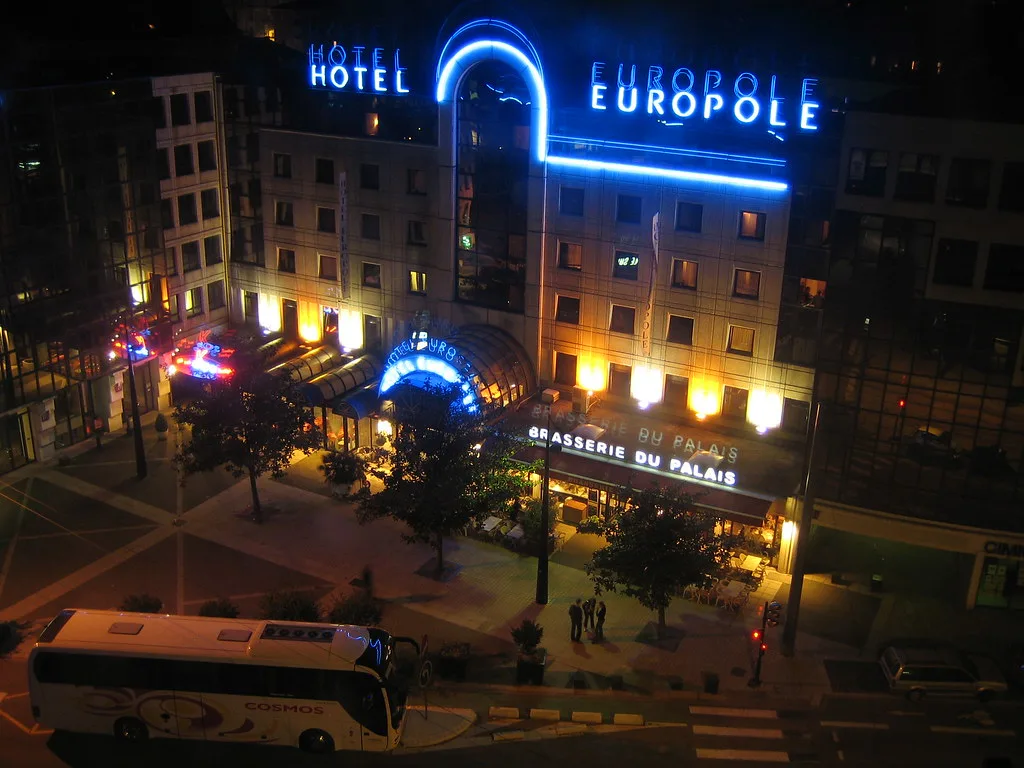
Europole's eating scene follows its population: practical, daytime-oriented and built around workers and students rather than destination dining. Hotel Europole at 29 rue Pierre Sémard is one of the accommodation addresses listed in the quarter, which puts it within easy reach of the station. Use the address as a landmark for finding the surrounding streets rather than as a recommendation in itself.
For a wider choice of restaurants and cafés, plan to walk or ride into the more central quarters in the evening, where the density of places to eat is higher. Rates and availability at any address in the district change with the season, so check directly with the property or a booking site before you commit. Booking early matters most on weekends and around local events.
How much of a short break to give Europole
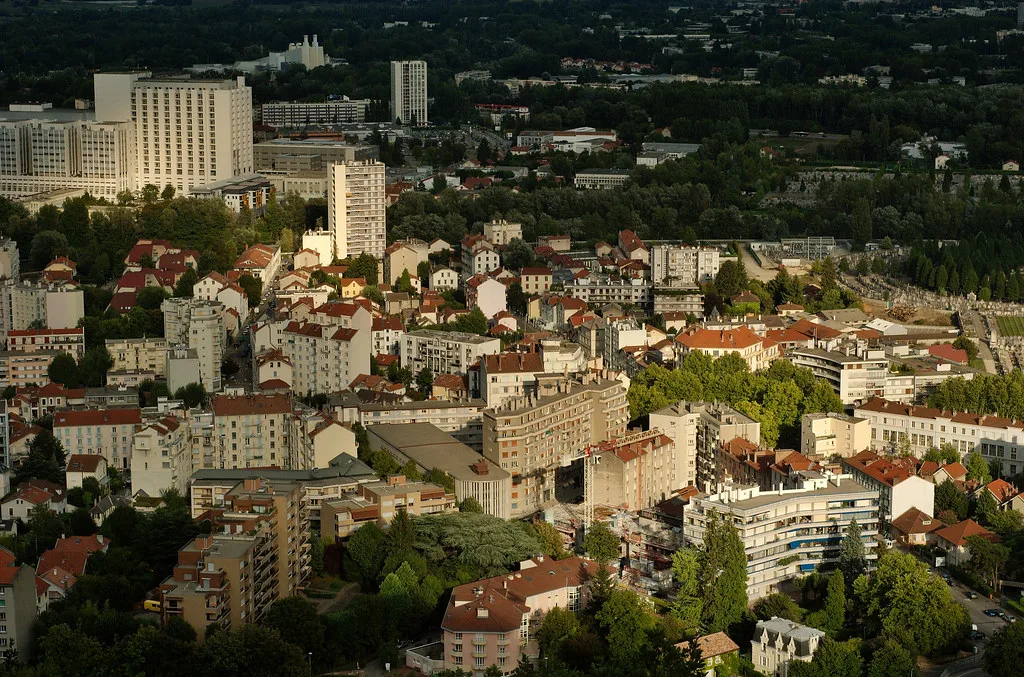
Give Europole an hour or two on foot if you want to understand the district, and no more unless you have a specific reason to be there. It is small, functional and quickly covered, and its interest lies in how the city works rather than in things to see. The rest of your weekend is better spent elsewhere in Grenoble, and our things to do in Grenoble guide covers the Fort de la Bastille and the city's main sights.
If you are staying in the quarter, the time you spend there will be incidental, built around arrivals, departures and meals rather than sightseeing. That is a perfectly good use of the area, provided you have planned the rest of your days around the city's older and more scenic parts. Two nights is enough to see Europole properly and still have a full day elsewhere.
Practical points for arriving from the station
Arriving at Grenoble station, exit towards the Europole side and use place de Sfax as your first waypoint if you are heading to the school or the surrounding blocks. Keep your ticket or booking reference handy for the walk to your accommodation, and check the address before setting off, since similar street names exist in other parts of the city. The station area is busy with travellers, so move with the flow and sort out your route before you leave the platform.
For anything that changes from week to week, such as transport disruption or the school's own schedule, check the relevant official page before you travel rather than relying on an old listing. A little planning on the day you arrive saves a lot of walking in a district where the landmarks are spread out.
Plan Your Europole Stop
Europole is a modern, station-side district that earns its place in a Grenoble weekend as a base and an arrival point, not as a sightseeing destination. Stay here if transport convenience matters more to you than old-town atmosphere, and plan to spend your days in the city's historic quarters.
Confirm the address of the Cité Scolaire Internationale Europole at 4 place de Sfax before you set out, and check any time-sensitive information on its official pages. With that sorted, the rest of your weekend belongs to the older Grenoble, and our Grenoble Attractions: 6 Visitor Guides picks out what to put on the itinerary.
Frequently Asked Questions
What is Europole in Grenoble known for?
Europole is known as Grenoble's modern district beside the main railway station, shaped by colleges, offices and contemporary apartment buildings. It is home to the Cité Scolaire Internationale Europole at 4 place de Sfax and draws students and professionals, particularly in engineering and business.
Is Europole worth visiting on a Grenoble weekend?
It is worth an hour or two on foot, or a stay if you arrive by train and want a short walk from the platform to your accommodation. It has few traditional sights, so most visitors should base their sightseeing in Grenoble's older quarters and treat Europole as a transport hub.
Where is the Cité Scolaire Internationale Europole?
The school complex is at 4 place de Sfax, 38000 Grenoble, next to the railway station area. Its official site lists the address and telephone contact, and its news pages carry information the institution publishes about itself.
How do you get to Europole from Grenoble station?
You are effectively already there: the district sits beside the station, and the campus and surrounding streets are reachable on foot. Place de Sfax is the clearest waypoint for the school and the blocks around it.
Who does Europole suit?
It suits rail arrivals who want convenience, travellers using Grenoble as a regional base, and anyone who prefers modern, quiet surroundings. It suits less well visitors who want markets, old lanes and café life within a few minutes of the hotel door.
How long should you spend in Europole?
An hour or two of walking covers the district comfortably. If you stay in the quarter, your time there will mostly be built around arrivals, departures and meals, with the rest of the weekend spent in other parts of Grenoble.