
Île Verte, Grenoble: the riverside quarter in a weekend

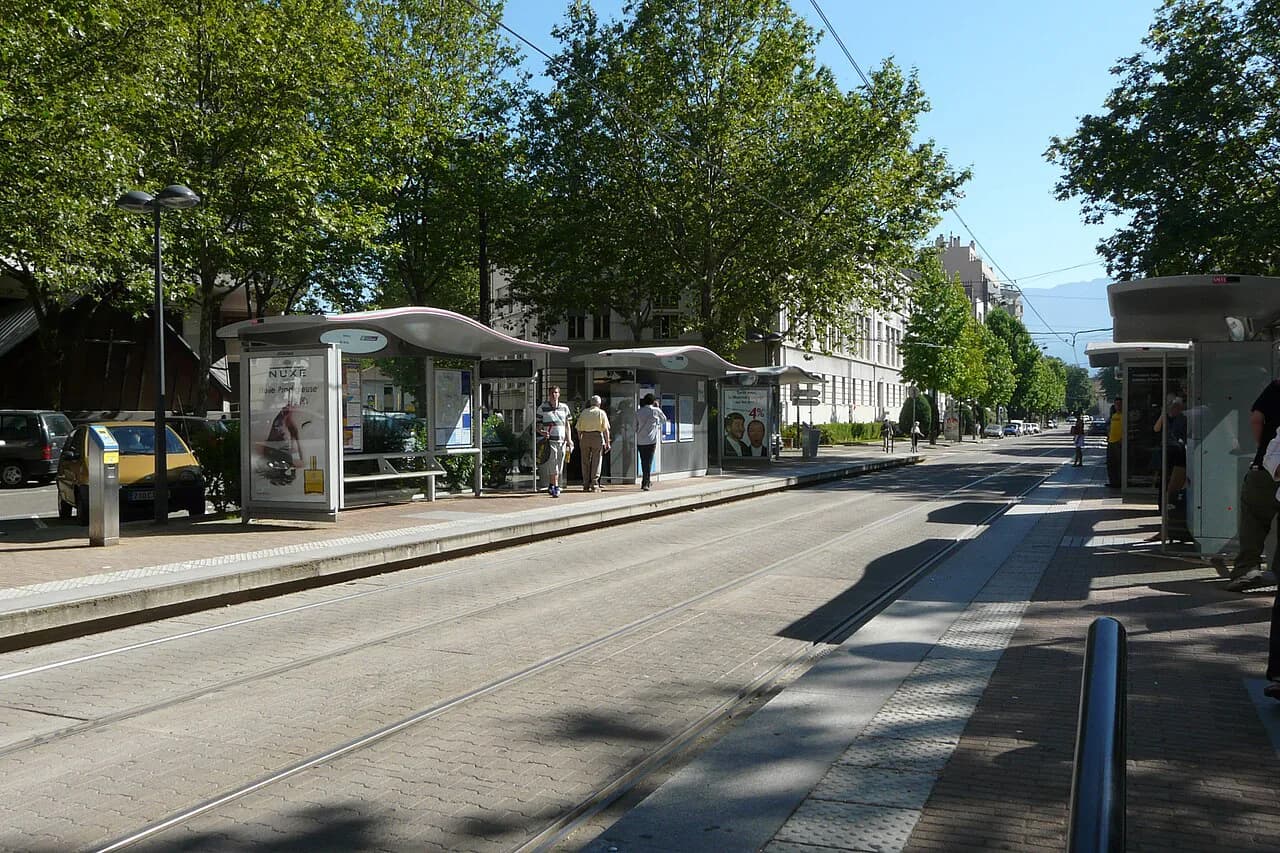
Île Verte is Grenoble's quiet riverside pocket: roughly twenty streets on a loop of the Isère, wrapped in greenery and reached by tram B. It is a residential quarter rather than a tourist district, so treat it as a half-day of wandering added to the city's bigger sights. Its landmark is unmistakable — the three tall towers that stand at the entrance to the quarter.
What you get is calm, water and Alpine views rather than museums and monuments. What you give up is the buzz of the hyper-centre, which sits immediately next door and is easy to walk to.
What Île Verte is
The quarter occupies a loop of the Isère on the edge of central Grenoble and is often described as a village within the city. Its fabric is mixed: town houses, small apartment blocks and larger residential buildings sit side by side in a mostly leafy setting. It grew up after a bridge over the Isère, the arrival of the tramway and the construction of the hospital at La Tronche pulled the area into the city's orbit.
Residents' own summary of the area is telling: riverside walks, calm, plenty of light and a location close to the centre. That is the appeal for a visitor too — a breather between denser parts of town, not a tick-list of attractions.
Where it sits and how to reach it
Île Verte borders the hyper-centre and sits near the CHU de la Tronche, the medicine and pharmacy faculties and the campus, with the eastern exit of Grenoble close by. Tram B serves the quarter, which makes it a short ride from the centre rather than a trip across town.
Because the quarter is only about twenty streets, arriving by tram and leaving on foot is the sensible pattern: cross the Isère bridges into the centre instead of looping back for a connection. For the wider city layout, the Grenoble Neighborhoods: 4 Area Guides set out how the districts fit together.
The Trois Tours and the S-shaped building
The quarter's silhouette is dominated by the Trois Tours, residential towers of 28 storeys built in the 1960s, with an S-shaped building alongside them marking the entrance. Completed in 1967, they were among the tallest residential towers in France at the time, which explains why they still read as a landmark from across the city.
These are homes, not an attraction with a viewing deck, so admire them from the street and the riverbank rather than expecting to go up. The same page notes that the area's 1960s towers are the main caveat residents raise, alongside parking pressure — worth knowing if you are weighing up where to base yourself.
Parc de l'Île Verte and the Isère quays
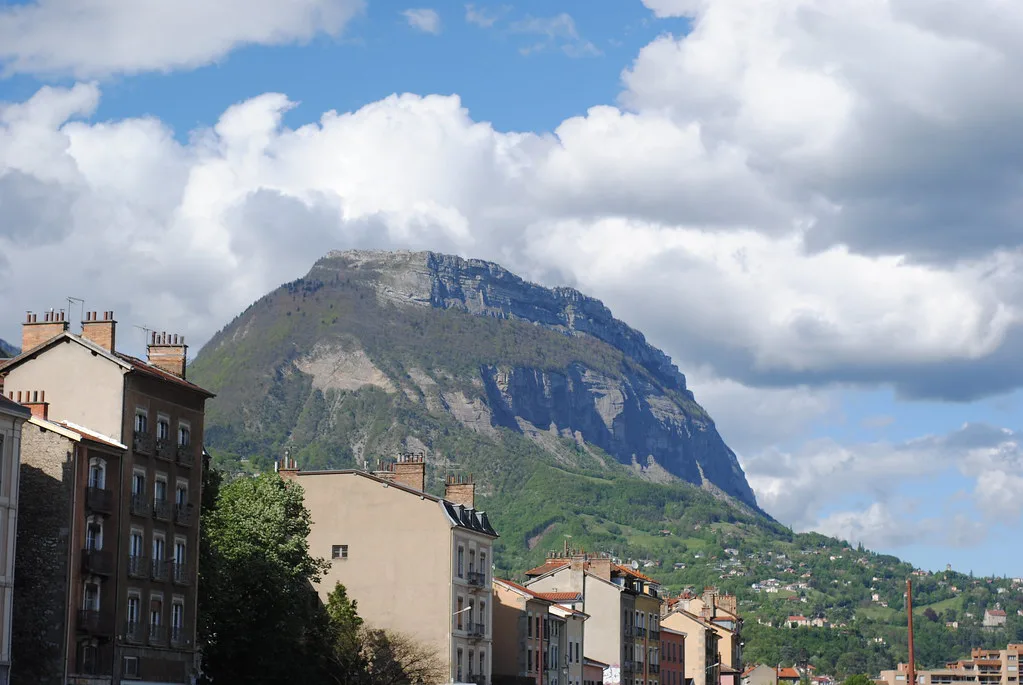
The open-air draw is the pair of the Parc de l'Île Verte and the quays along the Isère, overlooked by the towers. This is where the quarter earns its name: green space and water on one side, the Vercors and the Alps framing the view on the other.
Come for a slow hour rather than a scheduled stop, since the pleasure here is the setting itself. It is also the best place to understand why Grenoble residents rate the riverside so highly when they describe the area.
St-Roch Cemetery
Within the quarter, the St-Roch Cemetery holds a neoclassical 19th-century chapel and rows of crosses marking the graves of soldiers who died in the First World War. It is a quiet, contemplative stop that many visitors to Grenoble never reach.
Treat it as a place to walk through respectfully rather than a sight to photograph at length, and check access arrangements locally before making a special trip.
Who it suits, and who it does not
Île Verte suits travellers who want a calm, green base within walking distance of the centre, and families or couples happy to trade bustle for river views. It is also a good fit for a second or third visit to Grenoble, when you have already done the headline sights.
It does not suit anyone wanting museums, restaurants and evening activity on the doorstep — the quarter is residential and its life is described as pleasant without being overwhelming. If that is your priority, base yourself in the centre instead and come here for an afternoon.
Getting around on foot
The quarter is compact enough to cover on foot in a half-day, which is the guide's own suggestion rather than a fixed circuit. A sensible loop takes in the quays, the park, a look at the towers and the cemetery, then crosses a bridge into the centre.
If you are comparing bases, Championnet, Grenoble sits on the other side of the centre and has a different character, closer to the station and the city's everyday bustle. Saint-Laurent, Grenoble, on the north bank below the Bastille, trades riverside calm for steep streets and direct access to the fortress paths. If your short break instead heads out of the city, our Annecy city guide covers a lakeside old town that makes an easy Alpine counterpart to Grenoble.
Where to eat and drink
The quarter has its own shops and everyday businesses, which is part of its village feel, but it makes no claim to be a dining destination. Plan on eating in the hyper-centre or the surrounding districts and keeping Île Verte for coffee, a picnic by the river or a drink on the way back.
For a fuller choice of restaurants and bars, look at the wider Grenoble Attractions: 6 Visitor Guides and the city's central quarters before you set out.
Fitting the quarter into a Grenoble weekend
Give Île Verte half a day and pair it with the Musée de Grenoble, which sits within easy reach of the area according to local listings. That combination works well for a short break: art in the morning, water and greenery in the afternoon.
On a longer stay, the Bastille cable car and the fortress paths above the city fill another day, and the things to do in Grenoble guide covers how to sequence them.
Honest trade-offs
The 1960s towers are what most people notice first, and residents themselves flag them alongside parking pressure as the quarter's drawbacks. Arriving by tram avoids the parking question entirely.
Set expectations accordingly: this is a neighbourhood, not a sightseeing district, and the pleasure is in the walk rather than a checklist. If you want density of sights, stay central and visit; if you want a green base with the centre on foot, it works well.
Plan Your Visit
Treat Île Verte as a two-to-three-hour walk: quays first, then the park, a look at the Trois Tours and the S-shaped building, and the chapel at St-Roch Cemetery. Finish by crossing into the hyper-centre for lunch or the Musée de Grenoble.
Tram B is the simplest way in, and walking out over the Isère bridges is the simplest way to the rest of the city. Check current tram times and museum opening days on the TAG network and Musée de Grenoble sites before you travel, since both change with the season.
Explore more Grenoble guides
Frequently Asked Questions
What is there to see in Île Verte, Grenoble?
The quarter's draw is the riverside setting: the Isère quays, the Parc de l'Île Verte and views towards the Vercors and the Alps. On the skyline, look for the Trois Tours and the S-shaped building at the entrance to the district. The St-Roch Cemetery holds a neoclassical 19th-century chapel and rows of crosses commemorating soldiers who died in the First World War.
Is Île Verte worth visiting on a weekend in Grenoble?
Yes, if you want a calm, green counterpoint to the city centre rather than a sightseeing circuit. It is compact, close to the hyper-centre and easy to reach by tram, so it slots neatly into half a day. Skip it if your priority is museums, restaurants and evening life on the doorstep.
How do you get to Île Verte from central Grenoble?
Tram B serves the quarter, and the hyper-centre is close enough to walk to across the Isère bridges. Arriving by tram avoids the parking pressure residents mention for the area. Check current tram times with the local transport operator before you travel.
How long does it take to walk around Île Verte?
Allow around half a day to see the quays, the park, the towers and the cemetery at an unhurried pace. The quarter is only about twenty streets, so the walking itself is short and the time goes on stops. Pair it with the Musée de Grenoble for a full day.
Who is Île Verte best suited to?
Couples, families and repeat visitors who value greenery, river views and quiet over bustle. It is less suited to travellers who want bars, restaurants and attractions within a few minutes' walk. Those visitors are better based in the hyper-centre and coming here for an afternoon.