
Fourvière, Lyon: A Guide to the Hill Above the City
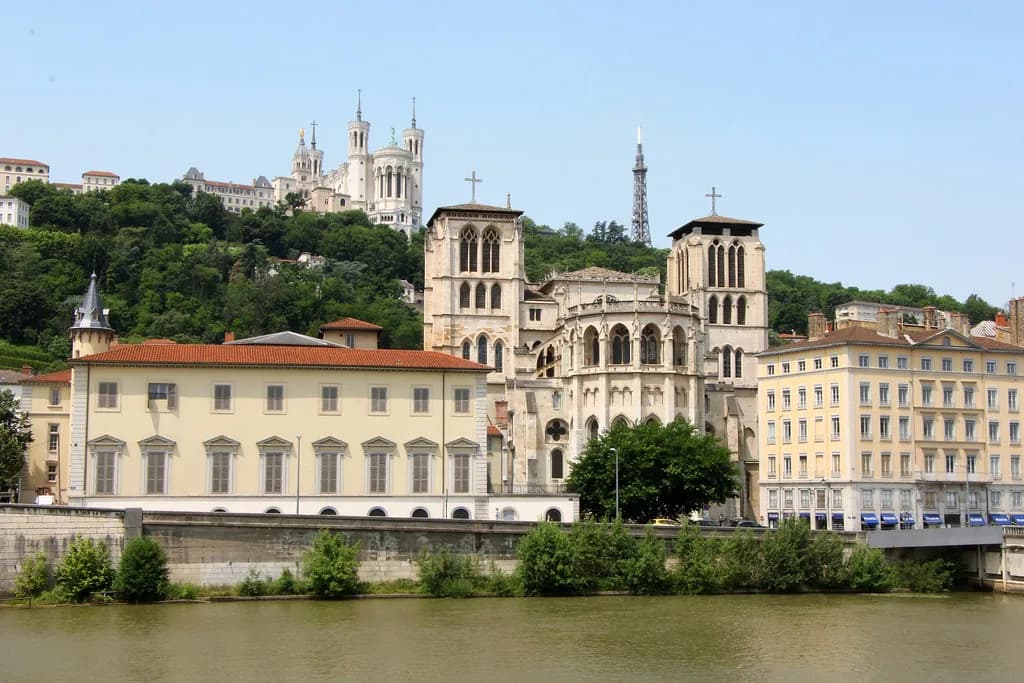
Fourvière is the hill above Vieux-Lyon, crowned by Notre-Dame de Fourvière and packed with convents, monasteries and chapels that earn it the local nickname of the hill that prays. The draw for a weekend visitor is the combination of that religious architecture and the panorama back down over the city. Treat it as a half-day rather than a ten-minute photo stop, because the climb and the sites take time.
This guide stays on the hill itself: the basilica, the ground it stands on, how you get up, and where to eat or sleep once you are there. For the wider city, the Lyon Neighborhoods guides set Fourvière beside the other districts worth a day. If you want the full city picture, the things to do in Lyon page covers the rest.
What Fourvière Is and Why You Climb It
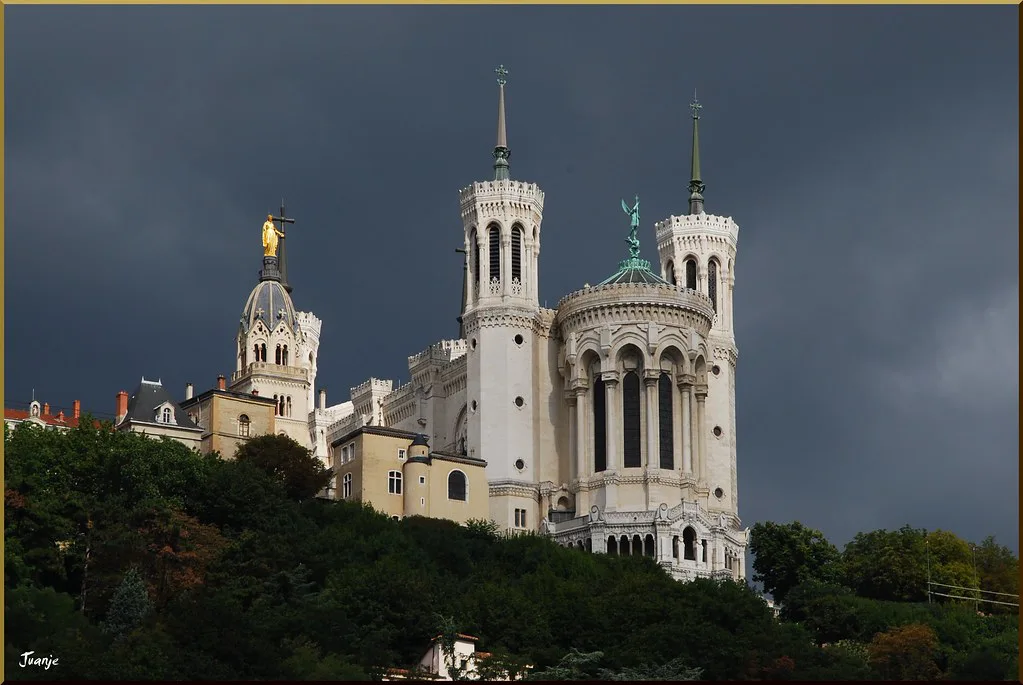
Fourvière is a district of religious buildings rather than a single sight. Convents, monasteries and chapels cluster on the hill, and the basilica of Notre-Dame de Fourvière anchors the whole quarter. The hilltop position also gives the best known outlook over Lyon, which is why so many people make the trip.
The basilica complex includes a crypt and a museum alongside the church itself, so the visit can be split into parts. Decide in advance whether you want the church, the crypt and the museum, or only the panorama, because that choice determines how long you spend up here. The official basilica website sets out the different elements before you climb.
Where Fourvière Sits in Lyon
Fourvière rises on the west bank of the Saône, directly above Vieux-Lyon. The old town sits at its foot, so you can walk from the medieval lanes into the climb in a few minutes. That proximity makes the hill an obvious pairing with a morning or afternoon in Vieux-Lyon rather than a separate excursion.
Across the river, the Presqu'île holds the shopping streets and the main city centre, while Croix-Rousse occupies its own hill to the north. Grouping Fourvière with one of those districts gives you a coherent day rather than a scatter of stops, and the Presqu'île is the easier pairing if you want flat walking afterwards.
Getting Up the Hill
Two methods define the climb: on foot through the lanes above Vieux-Lyon, or by funicular, which connects the old town with the hilltop. Walking gives you the steep streets and the sense of the hill; the funicular saves your legs for the basilica and the views. Choose by how much time and energy you have rather than by principle.
Whichever route you take, check the funicular's current operating details with the Lyon transport authority before relying on it, and build in a walking alternative. The climb is genuinely steep on foot, so shoes matter more than they do on the flat. Arriving by funicular also drops you close to the basilica rather than at the bottom of the slope.
Notre-Dame de Fourvière: What to See
The basilica is the centrepiece of the district, and its official site describes the church, the crypt and the museum as separate elements of a visit. Inside, the scale of the building and its mosaics reward a slow look rather than a quick pass through the doors. Set aside proper time for the church before deciding whether the crypt and museum earn a second stop.
The basilica website is the place to check entry arrangements and any charges for the church, crypt and museum, since those details change. Do not assume the church is free or that a single ticket covers everything. Knowing the position in advance stops the ticket desk becoming a surprise at the top of the climb.
The Crypt and Museum
The crypt and museum sit within the basilica complex and give the hill a second layer beyond the view. The crypt in particular suits visitors interested in the religious history of the district, while the museum adds context to the building above. If your time is tight, the church and the panorama come first and these two are the optional extras.
Check access and any charges for the crypt and museum on the basilica's official pages before you commit part of your day to them. The two are a natural pairing if you want depth, and skippable if you are fitting Fourvière around other districts such as Confluence. Either way, decide before you climb so you are not making the call at the entrance.
The Panorama Over Lyon
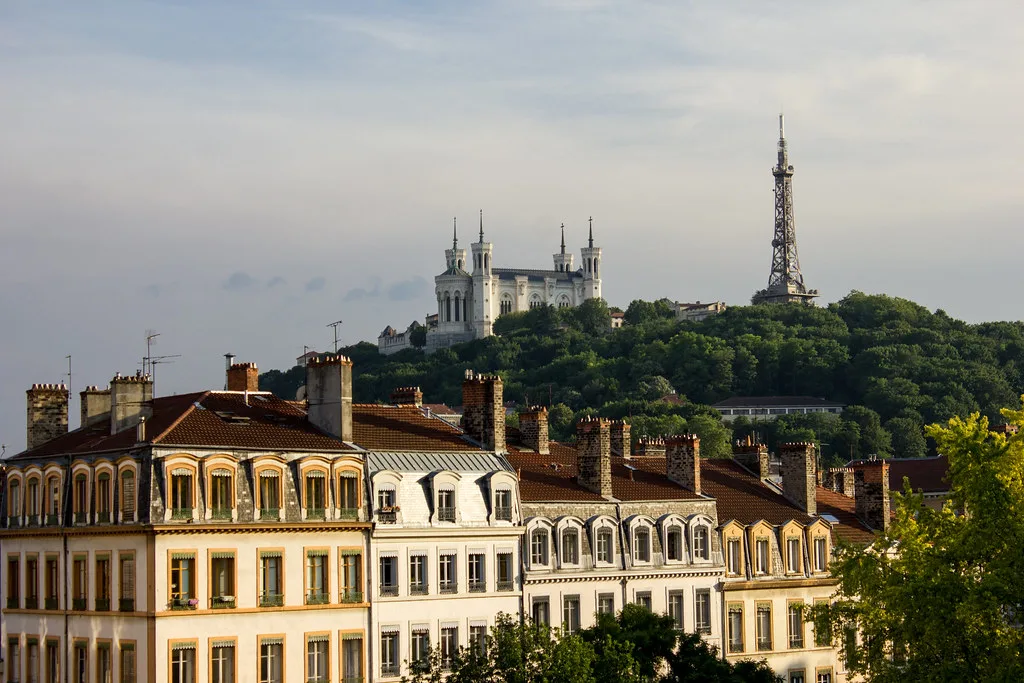
The hilltop position is the reason many people make the climb, and the basilica esplanade is the obvious place to take in the view over the city. The panorama works in different light through the day, so the timing of your visit shapes what you see. Late afternoon gives you the city below in softer light, while a midday visit is more about clarity than atmosphere.
Who Fourvière Suits
Fourvière suits visitors who want churches, history and a viewpoint, and who are happy to walk steep ground. It also suits anyone staying overnight on the hill, because the district gives you a quiet base above the city. It does not suit travellers who want shops, busy evening streets and a choice of bars, since the hill is thin on everyday life.
If your short break is built around restaurants, markets and evening atmosphere, base yourself on the Presqu'île or in Vieux-Lyon and visit Fourvière as a half-day. The climb is the trade-off: you get the view and the quiet, but you leave the convenience of the flat city below. Walking ability is the practical test more than taste.
Eating in the District
Les Téléphones, the restaurant at Fourvière Hôtel, sits around the peristyle of the hotel and serves a seasonal bistronomic menu from Chef Matthieu Groshenry. It is the clearest dinner option in the district itself, which makes it useful if you are staying on the hill. The hotel's site describes the restaurant and its setting inside the former cloister.
The hotel's Les Collections bar pairs wines, spirits and cocktails with tapas and sharing plates, which works for a lighter evening after a day on the hill. Booking a table in advance is sensible if you want to eat here on a weekend, because the district has few alternatives. Menus and service times are listed on the official hotel site.
The hotel states that its restaurant was awarded the Maître Restaurateur title in 2025 and joined the Toques Blanches Lyonnaises in January 2026. Treat those as dated distinctions rather than a guarantee of a particular experience. For the rest of the district, expect few everyday cafés and plan your other meals down in Vieux-Lyon or the city centre.
Staying on the Hill
Fourvière Hôtel, at 23 Rue Roger Radisson in the 69005, is a four-star hotel with 75 rooms, a spa and pool reserved for guests, and the Les Téléphones restaurant and Les Collections bar on site. The building's design pays tribute to figures from Lyon's history, with each room named after one. It is the district's anchor for both dinner and an overnight.
The hotel publishes package offers on its site, including a one-night stay, a gourmet stay and a romantic getaway, and these are packages rather than standard room rates. Check what each package includes and what it costs directly with the hotel before booking, since the figures shown are not a nightly rate. Staying up here shapes a short break around quiet evenings and the basilica at the top of the climb.
Walking the District
The district is compact enough to link the basilica, the hotel and the lanes above Vieux-Lyon on foot. From the basilica esplanade, the walk to Fourvière Hôtel is short, and both sit within the cluster of religious buildings. Use the hill's lanes to drop down towards the old town rather than retracing the funicular.
Plan the walk as a loop: climb by funicular, see the basilica and the view, then descend through the lanes into Vieux-Lyon for the rest of the day. That route avoids climbing twice and gives you the old town at street level when your legs are tired. The steep lanes are the point, but they are also the reason to wear proper shoes.
Fitting Fourvière into a Lyon Weekend
A sensible shape is one half-day for Fourvière and the basilica, paired with Vieux-Lyon below, and other half-days for the Presqu'île and one more district. Cramming Fourvière into a ten-minute stop wastes the climb and the view. Give the basilica and the panorama an honest block of time, and let the crypt and museum be optional additions. If you are weighing a second Alpine city instead, the things to do in Annecy make a useful comparison.
Start early if you want the hill before the crowds, then use the middle of the day for the old town and the city centre. If you are staying on the hill, your evening is already settled at the hotel, which simplifies a short break. Lyon Attractions covers the wider set of sights if you want to build a fuller itinerary.
Common Mistakes
The biggest error is treating Fourvière as a quick photo stop and underestimating the climb. The second is assuming the basilica is a single free sight when the complex includes a crypt and museum that need separate decisions. Decide what you are seeing before you go up and the hill rewards you properly.
The third mistake is expecting a full district of cafés and shops at the top. Fourvière is thin on everyday life, so plan meals and supplies for the old town or the centre. Build the day around the basilica, the view and the walk down, and the hill delivers what it is good at.
Plan Your Visit
Fourvière works best as a half-day built around the basilica, the crypt and museum if they appeal, and the panorama over Lyon. Climb by funicular to save your legs or on foot for the lanes, then walk down into Vieux-Lyon and carry on with the city. The hill suits sightseeing stays and quiet evenings more than lively ones.
If you want to sleep up here, Fourvière Hôtel gives you the district's restaurant, bar and rooms in one place. Check current entry arrangements for the basilica complex and confirm hotel packages directly with Fourvière Hôtel before you book, since both change. Everything else on the hill is found on foot.
Frequently Asked Questions
Is the basilica of Notre-Dame de Fourvière free?
The basilica's official website sets out the church, the crypt and the museum as separate elements of a visit. Check current entry arrangements and any charges there before you go.
How do I get to the basilica of Notre-Dame de Fourvière?
You can climb on foot through the lanes above Vieux-Lyon or take the funicular from the old town to the hilltop. The funicular saves your legs for the basilica and the view, while the walk gives you the steep streets. Confirm current operating details with the Lyon transport authority before relying on the funicular.
What is the basilica of Notre-Dame de Fourvière?
It is the church at the centre of the Fourvière district, on the hill above Vieux-Lyon, and it anchors a cluster of convents, monasteries and chapels. The complex includes a crypt and a museum alongside the church itself.
Where can you eat in Fourvière?
Les Téléphones at Fourvière Hôtel serves a seasonal bistronomic menu from Chef Matthieu Groshenry, and the hotel's Les Collections bar pairs drinks with tapas and sharing plates. The district has few other everyday options, so plan other meals in Vieux-Lyon or the city centre.
Is it worth staying on the Fourvière hill?
It suits travellers who want quiet evenings, a hilltop base and the basilica at the top of the climb. Fourvière Hôtel is the district's four-star hotel with a spa, pool, restaurant and bar. It does not suit anyone who wants busy evening streets or a choice of bars.